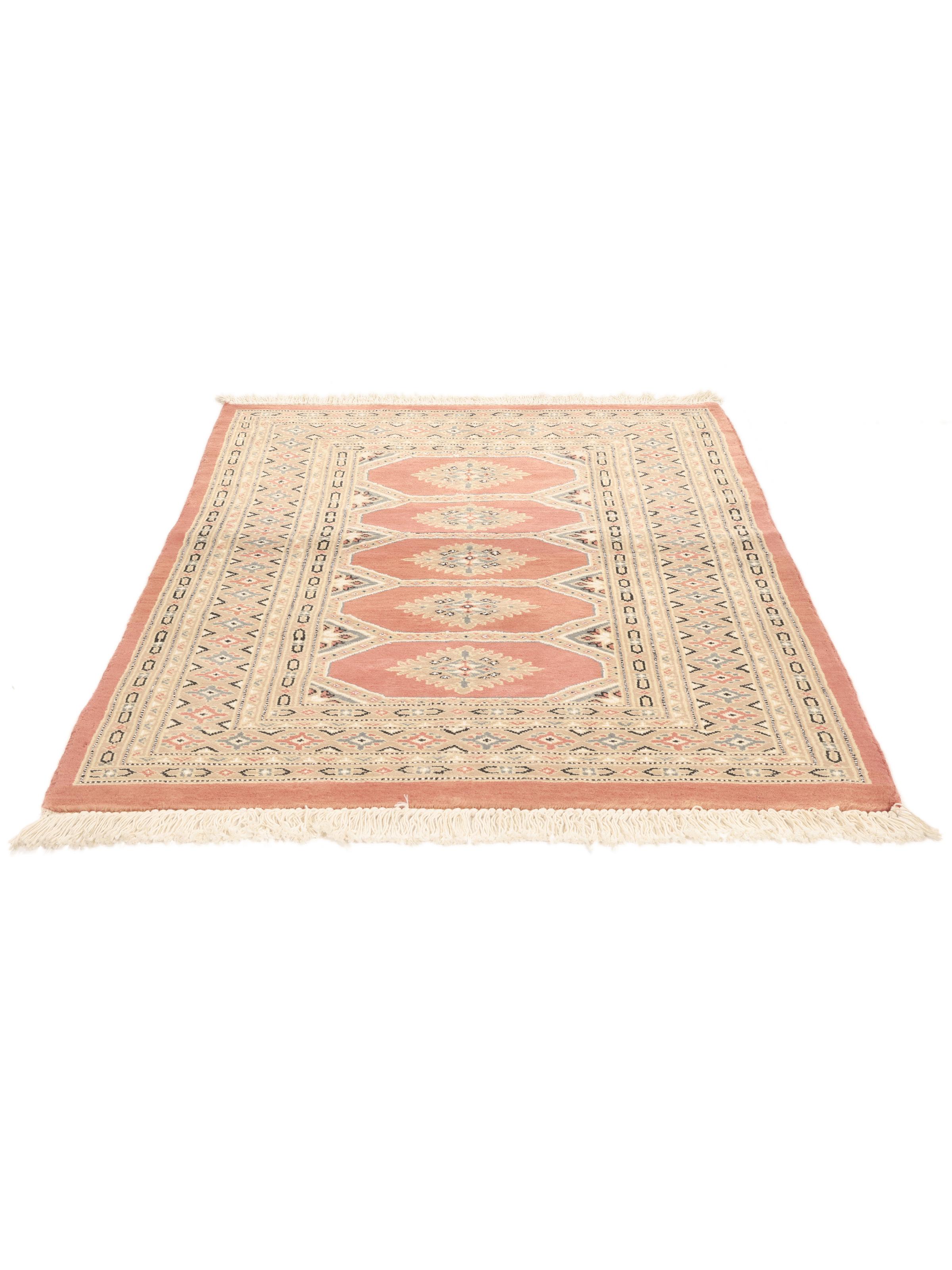
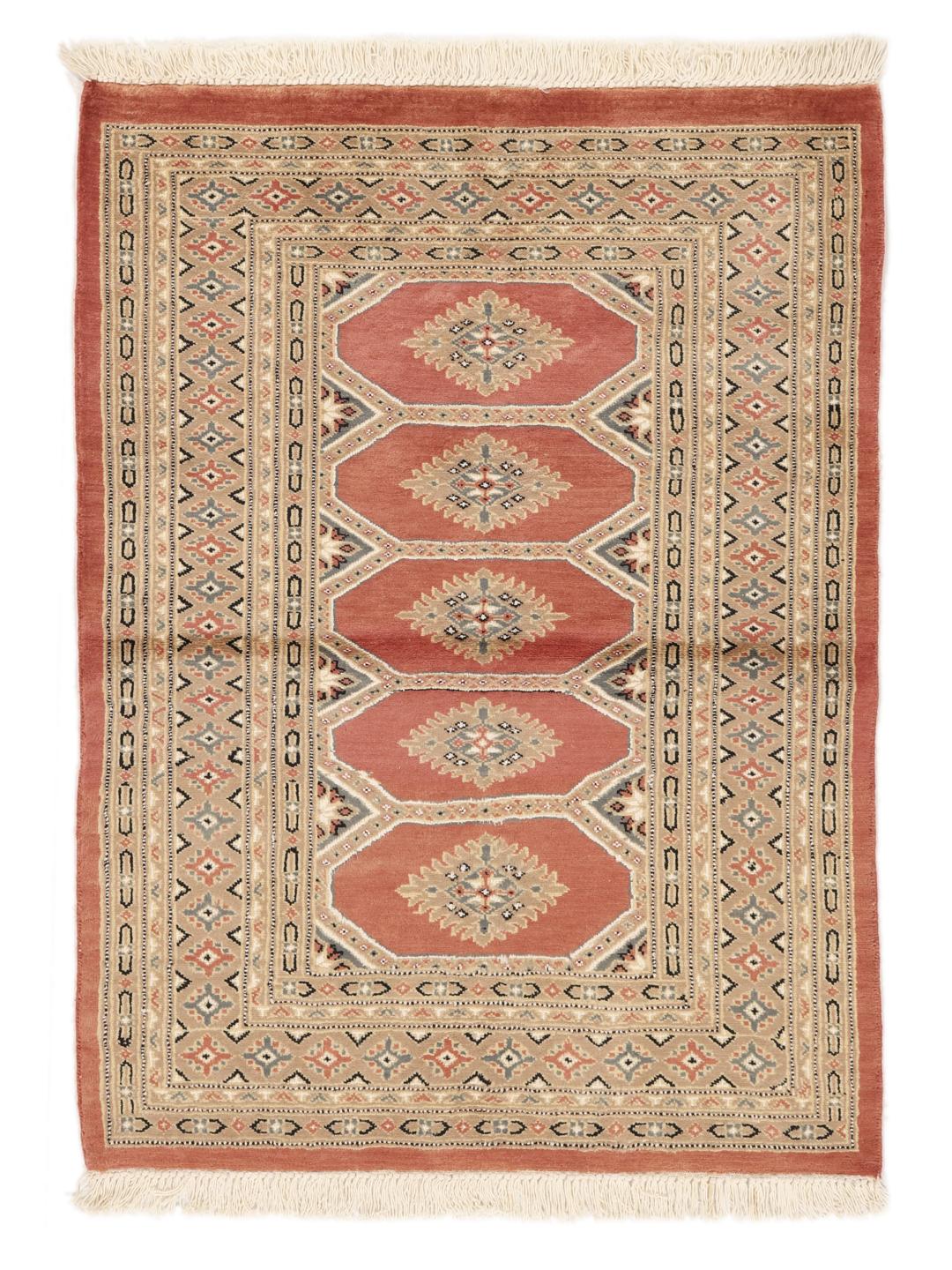
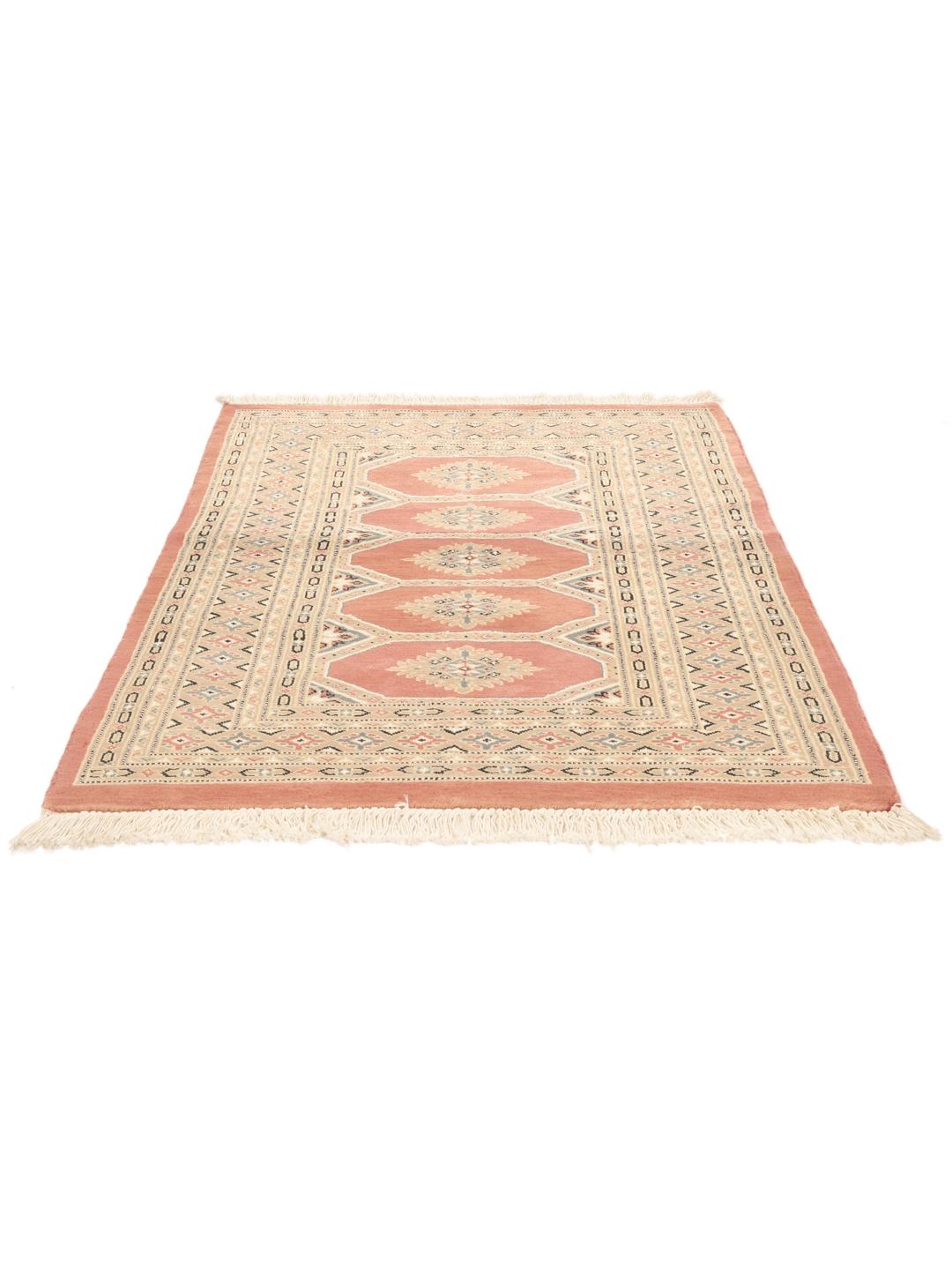
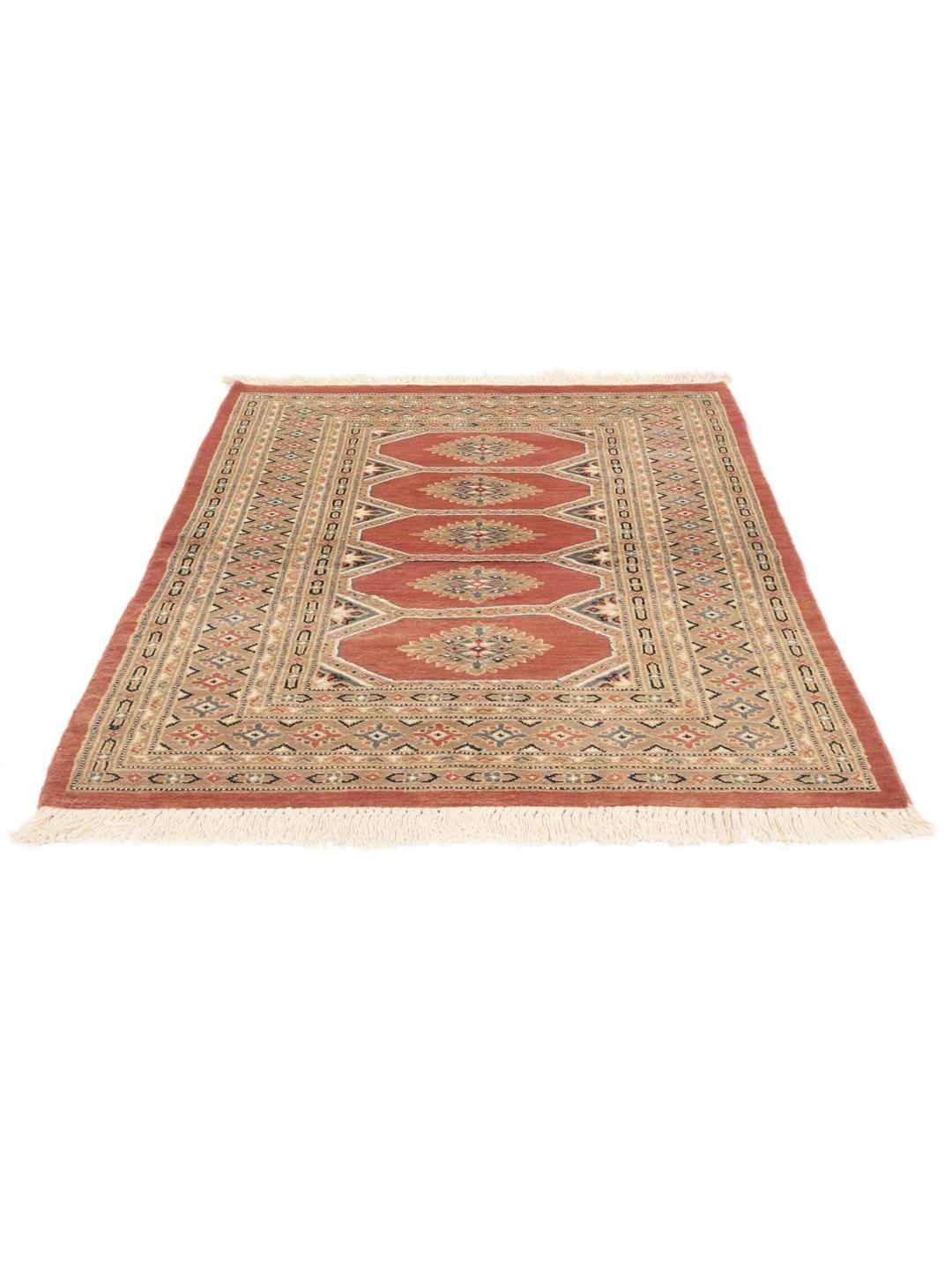
The Bokhara rug tradition is deeply connected to the ancient Silk Road, drawing its name from the historic city of Bukhara in Central Asia. While the patterns originated with nomadic tribes who moved across these vast landscapes, the most refined examples are today primarily woven in Pakistan. This migration of craft has allowed the tradition to evolve, incorporating precise techniques that honour its nomadic roots while adapting to modern domestic standards.
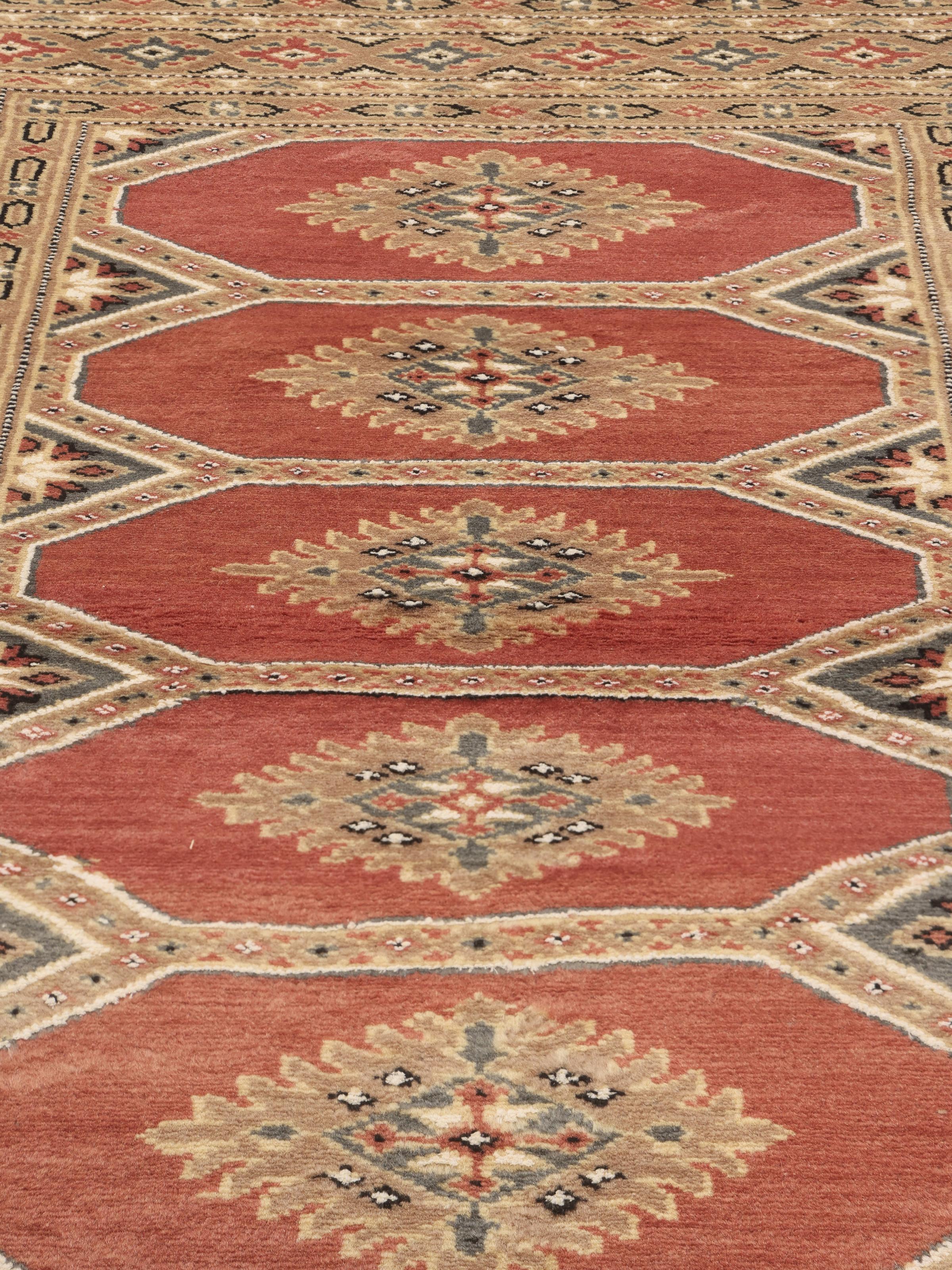
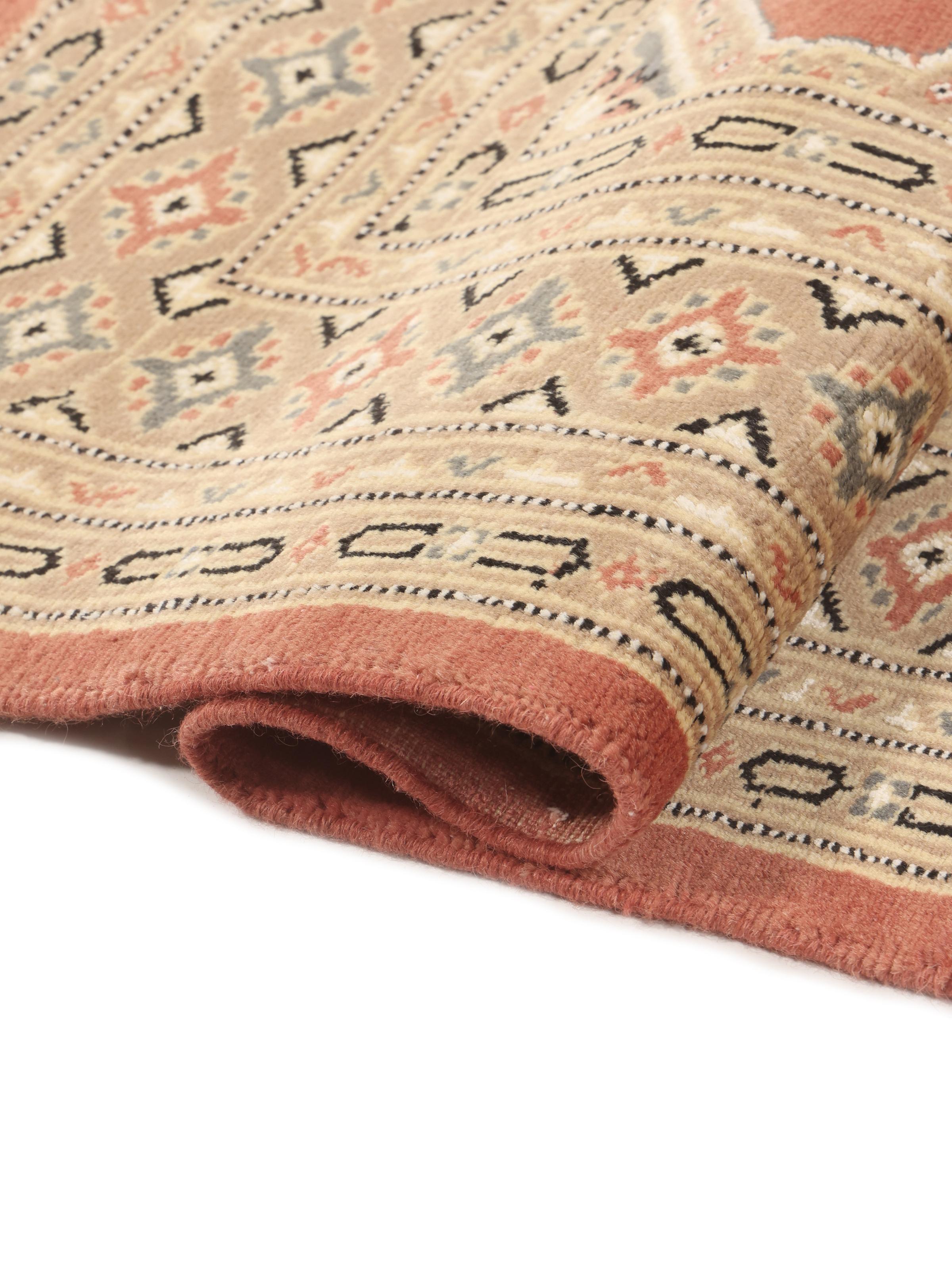
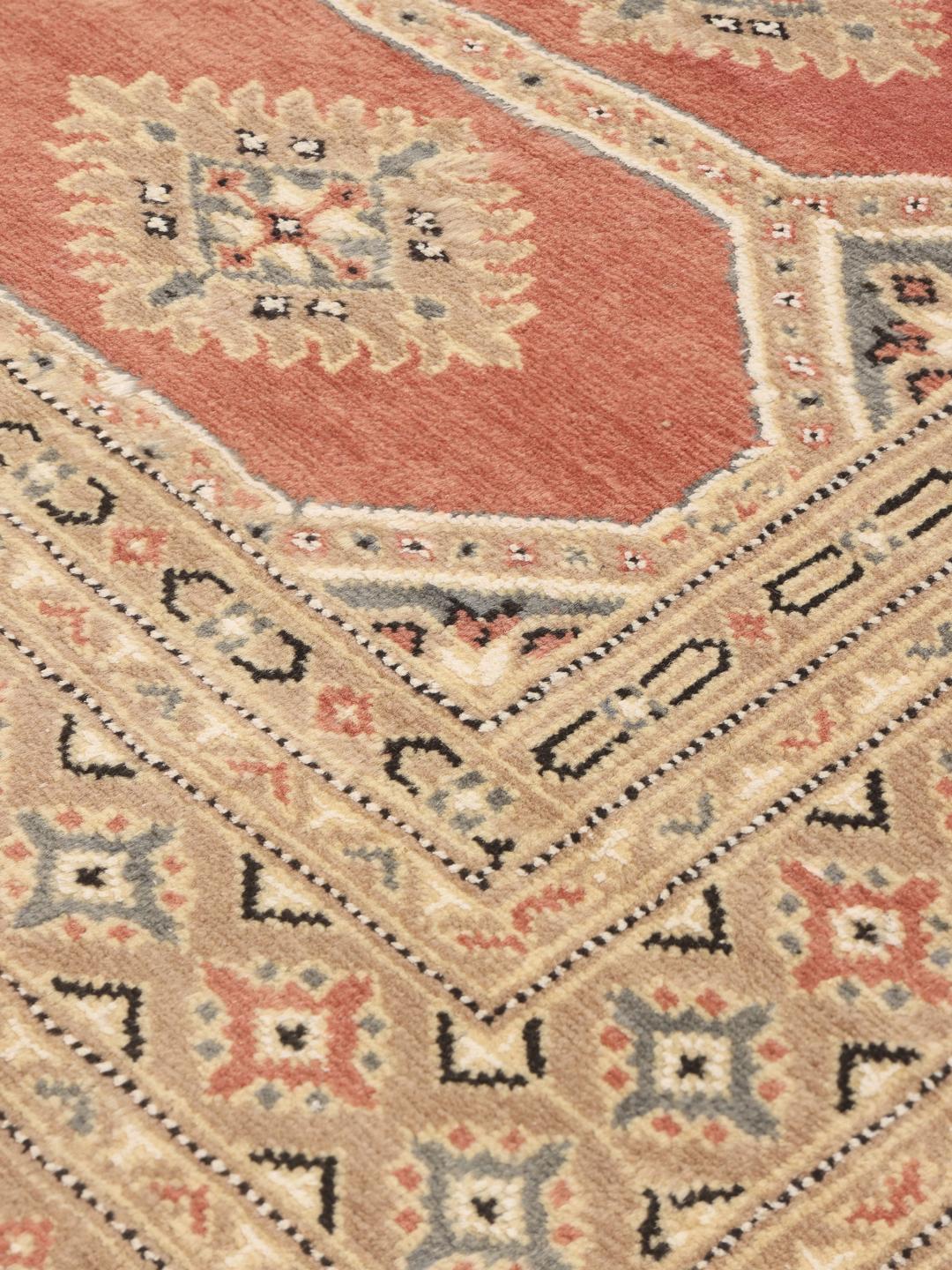
The term 2ply refers to the construction of the yarn, where two strands of wool are twisted together before being knotted. This is a vital detail for quality, as it creates a much stronger, more resilient pile than single-ply yarn. The result is a rug that feels fuller and more lustrous, offering a richer texture that stands up remarkably well to foot traffic while maintaining its soft, inviting feel.
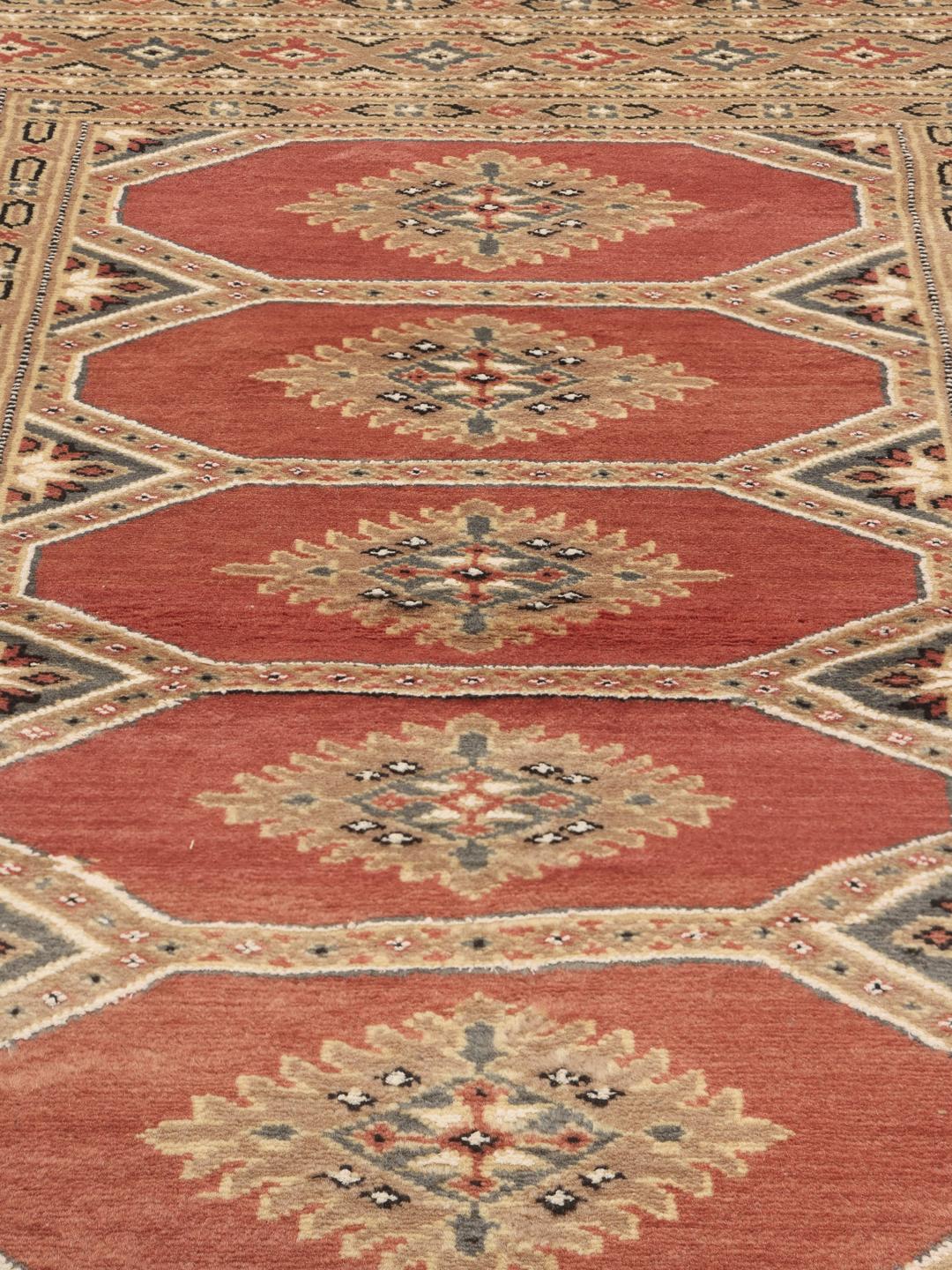
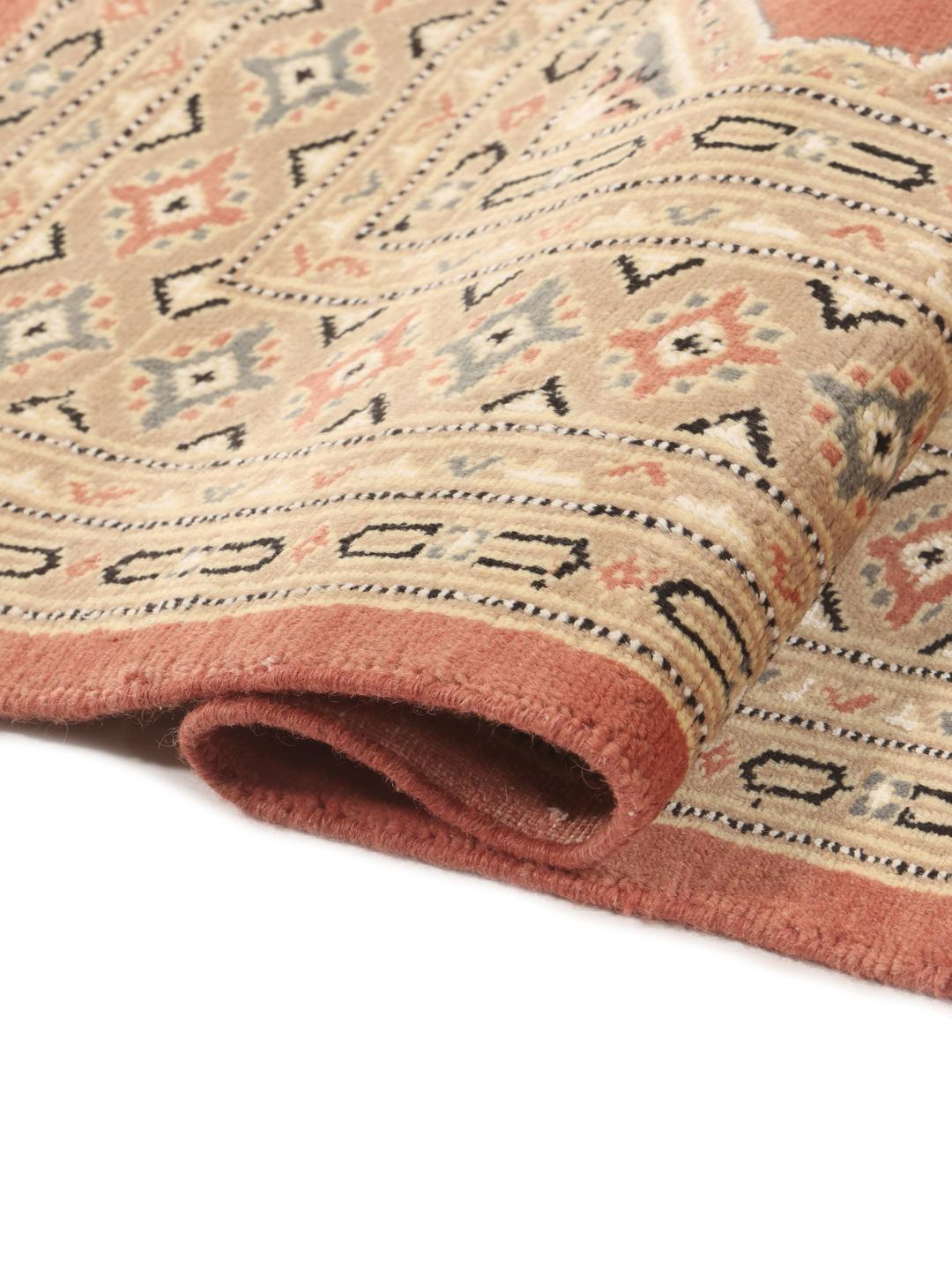
Visually, these rugs are defined by the repeating gul motif, which are stylised, octagonal shapes often compared to elephant footprints. These medallions are arranged in orderly rows across the field, framed by complex, decorative borders that showcase the weaver's technical control. The symmetry and balance of these patterns are central to the Bokhara aesthetic, creating a sense of order and calm that works beautifully in many different types of homes.
Owning a hand-knotted Bokhara is an opportunity to connect with a long heritage of textile art. These pieces are highly valued by collectors not just for their aesthetic appeal, but for the human skill required to produce them. By choosing this rug, you are acquiring a piece of cultural history that celebrates the patience, precision, and artistry of a craft that has been passed down through generations.