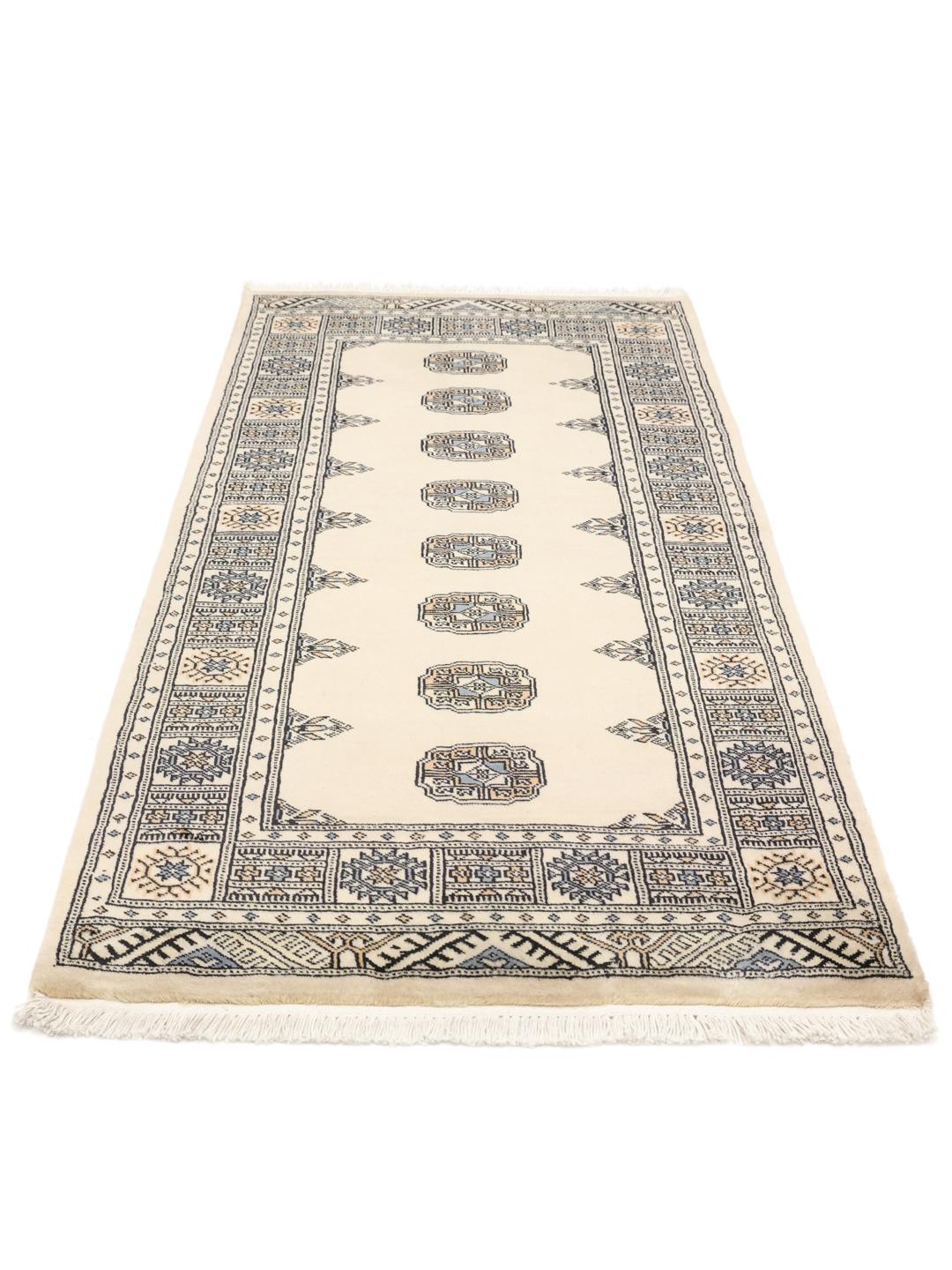
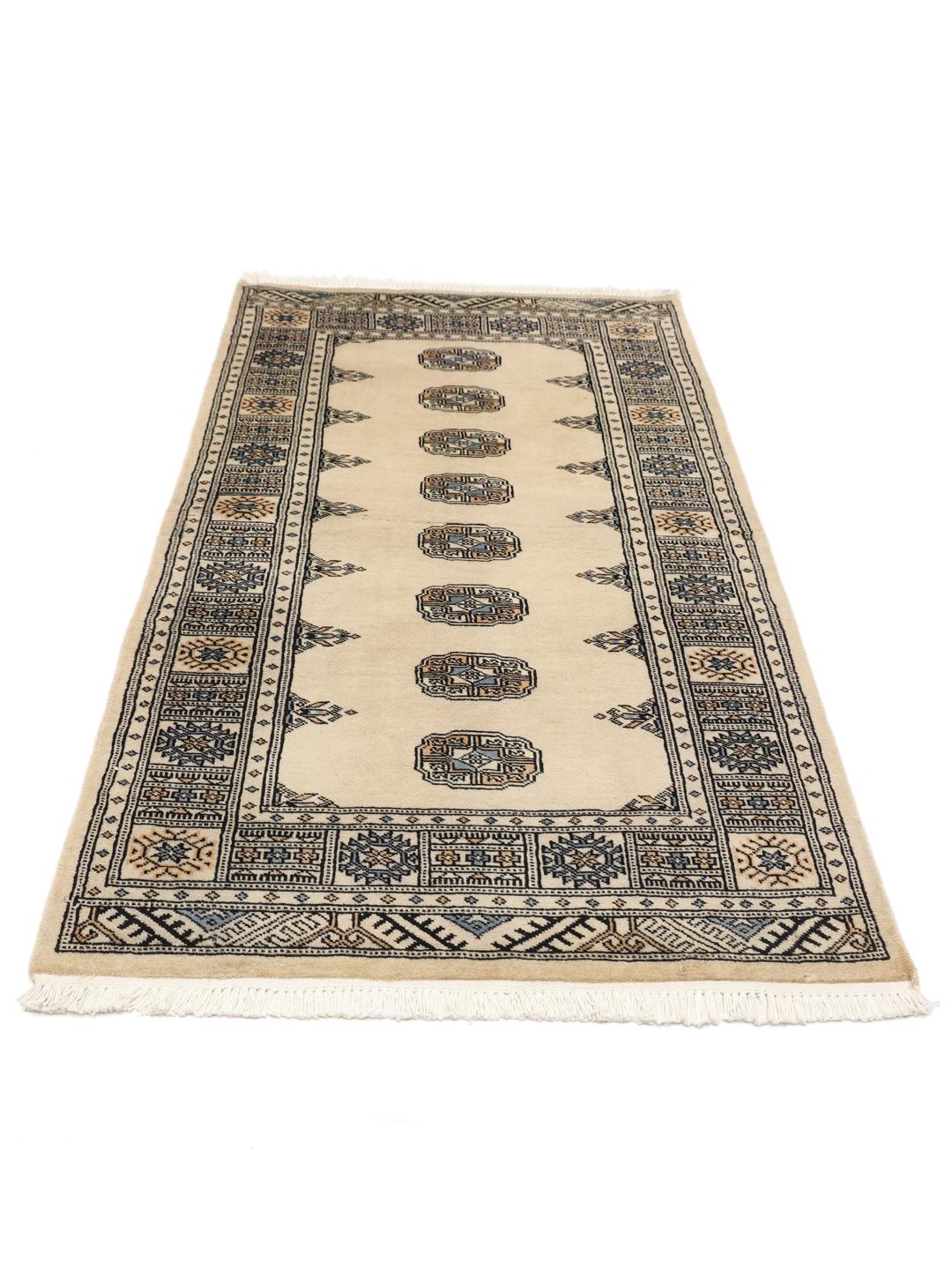
Bokhara rugs are deeply rooted in the history of the Silk Road, taking their name from the ancient Central Asian city of Bukhara, which served as a vital hub for trade and textile artistry. While the tradition originated in the nomadic cultures of the steppes, the finest examples of these rugs have been crafted in Pakistan for generations, where artisans have refined the style into the elegant, consistent, and highly sought-after pieces we see today.
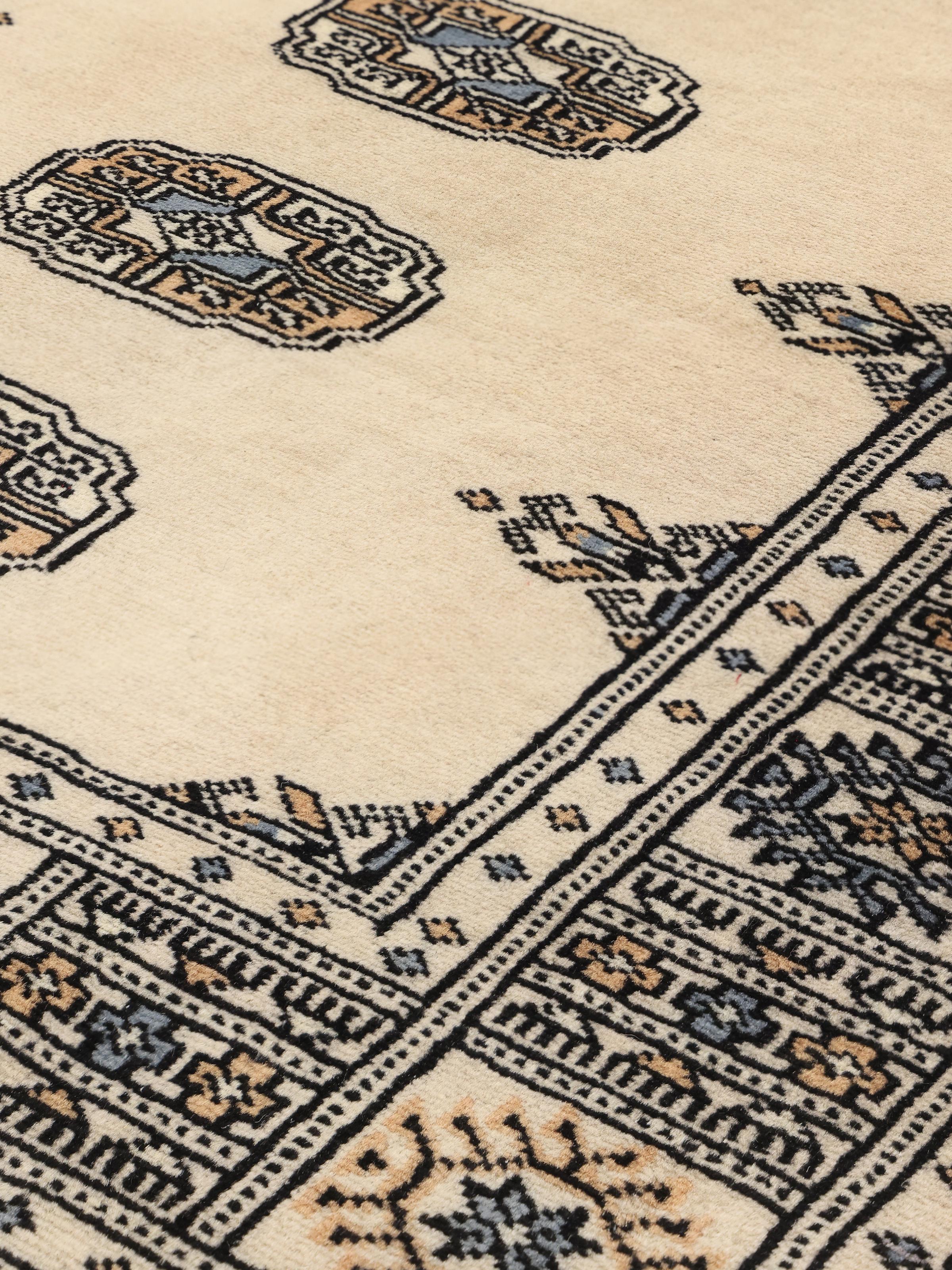
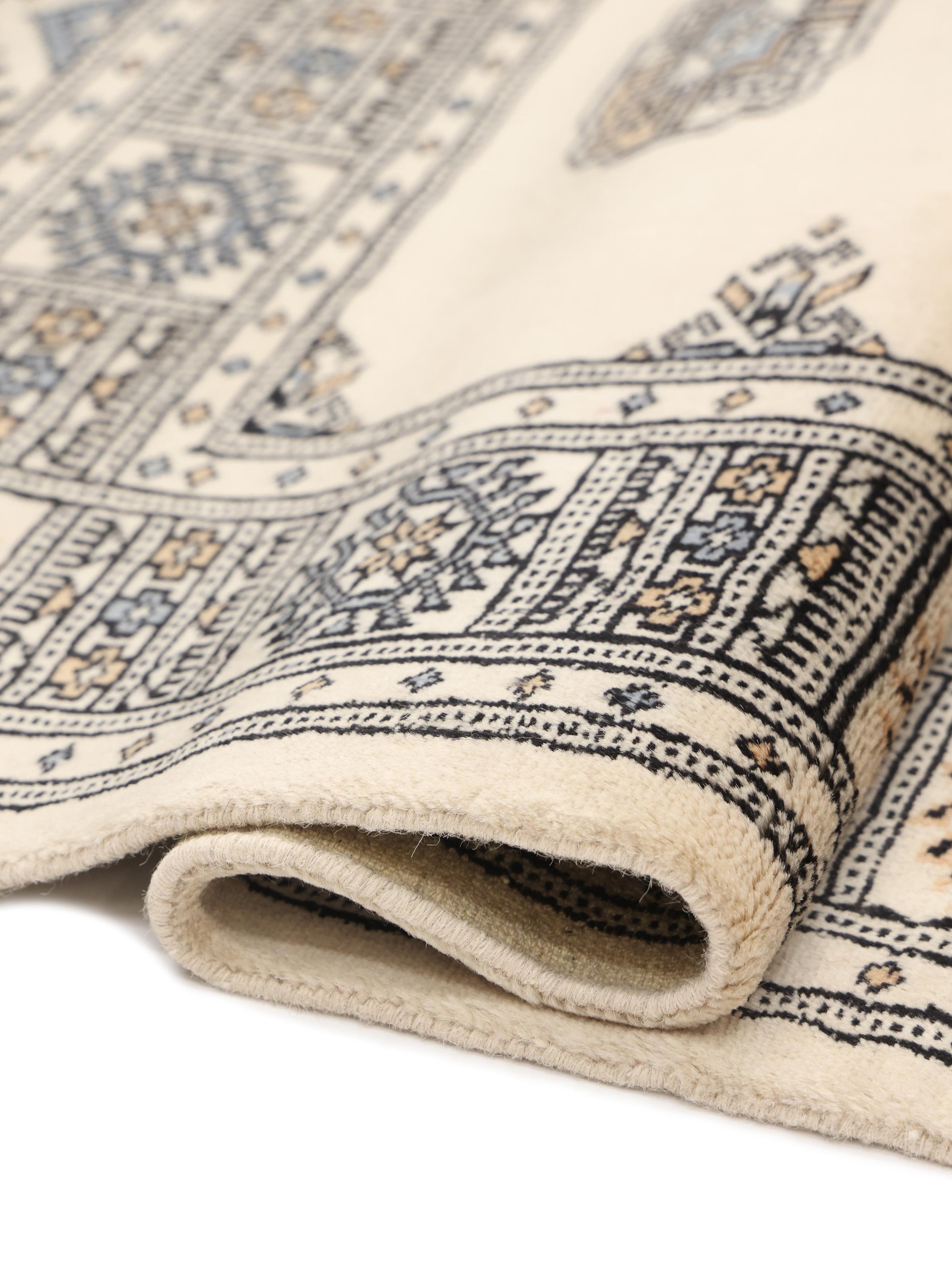
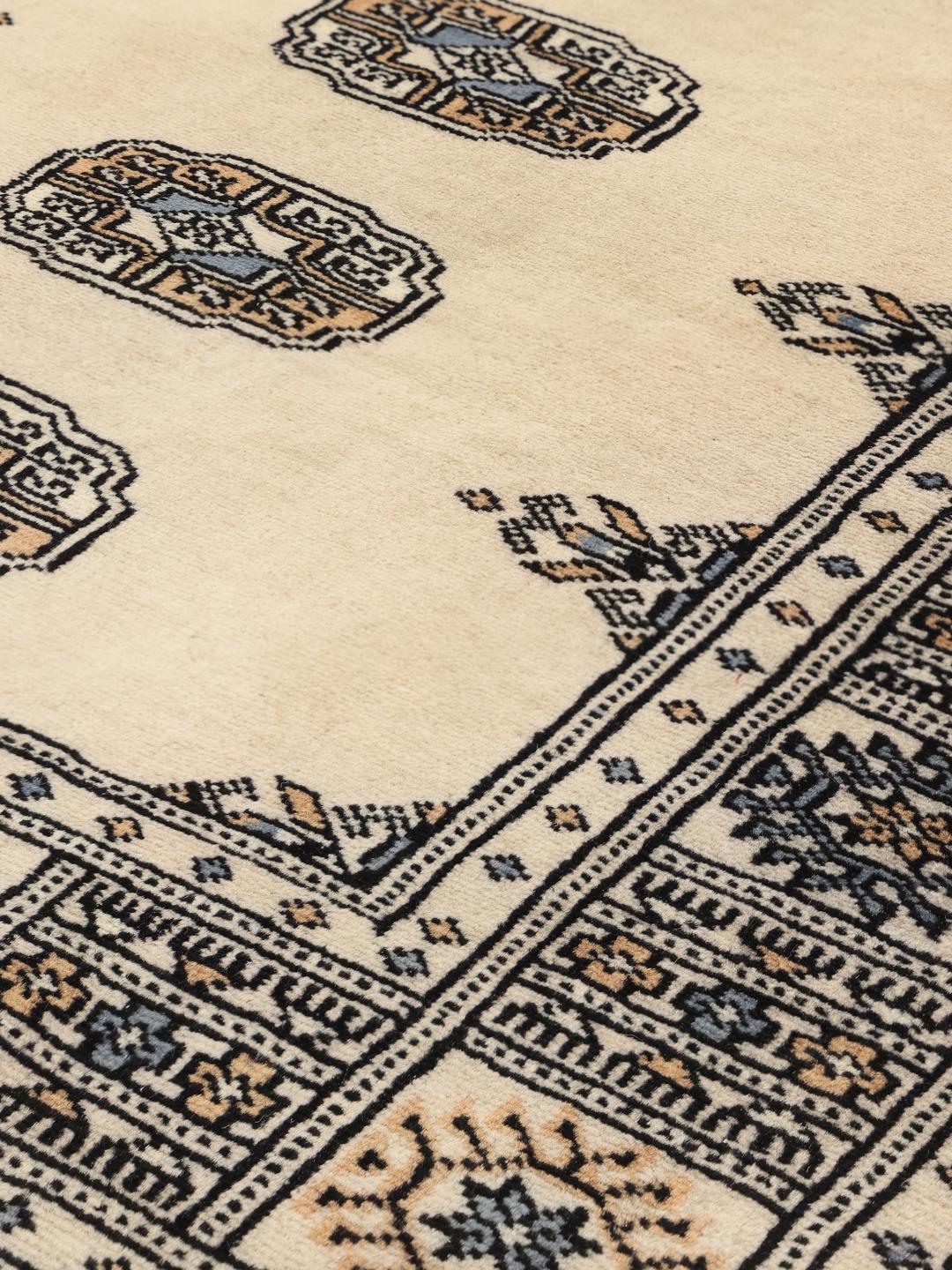
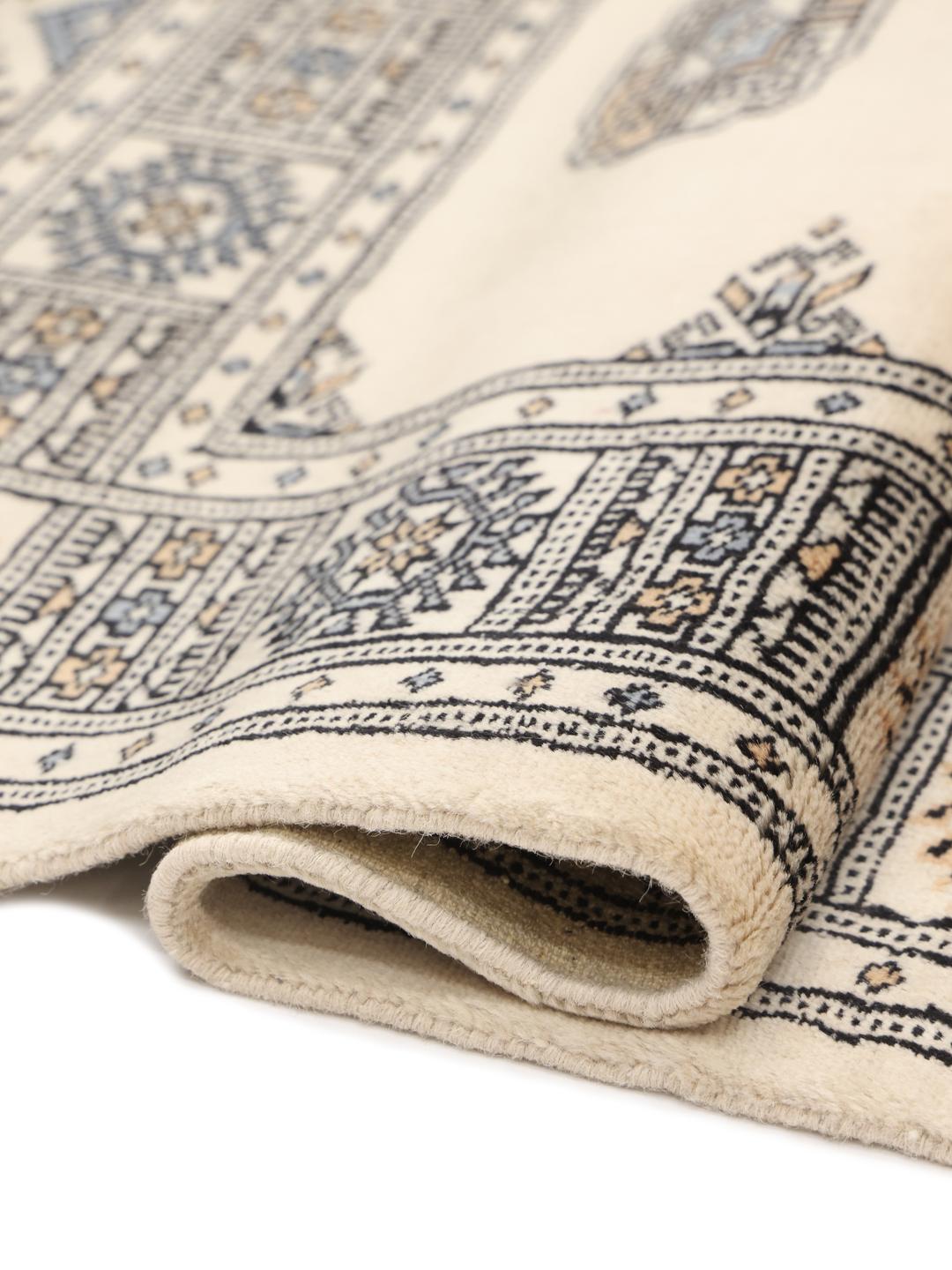
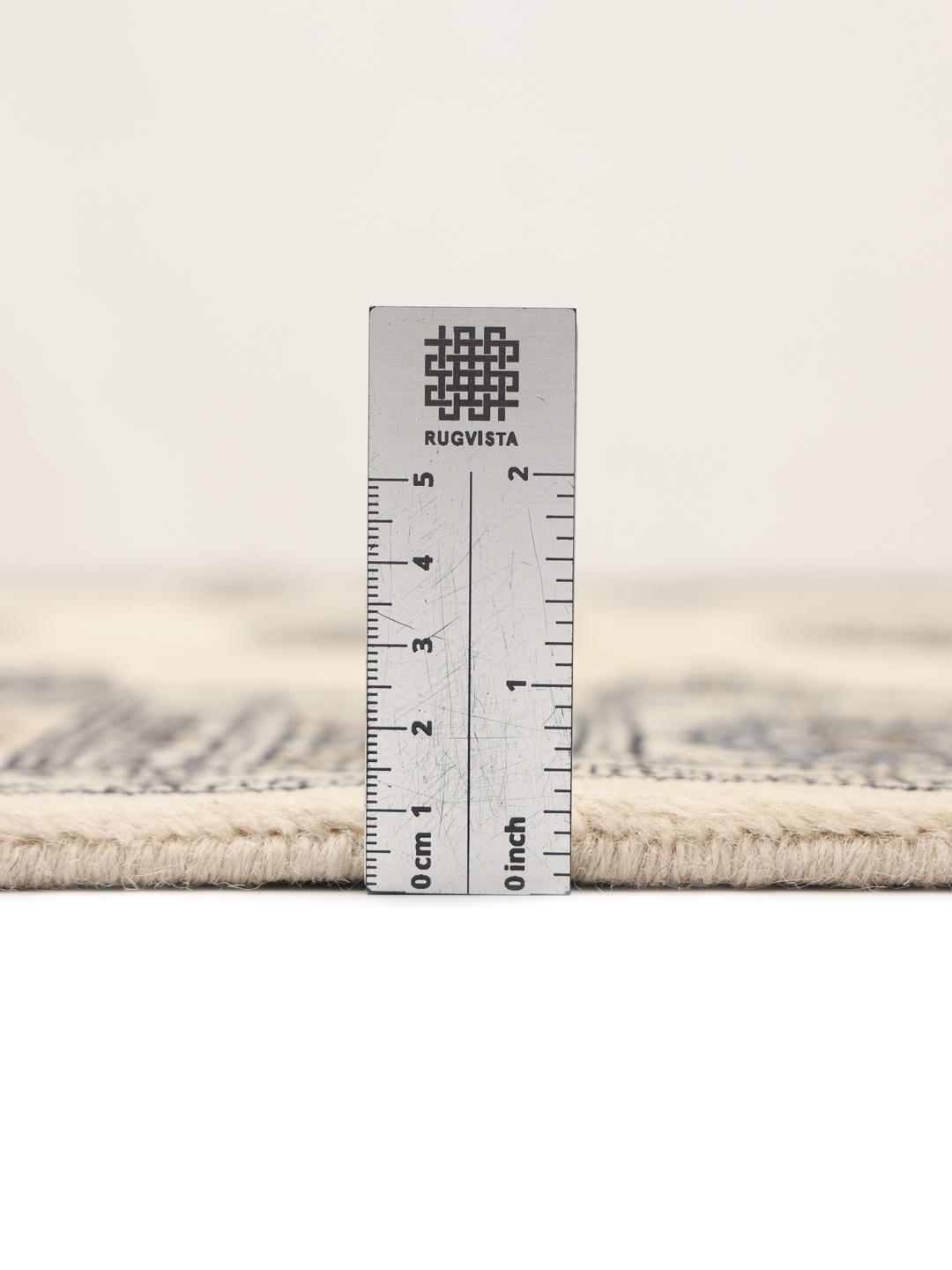
The designation '2ply' refers to the use of two strands of wool twisted together to create the pile. This construction method is essential for quality, as it increases the strength and durability of the rug compared to single-ply yarns. It also imparts a subtle, lustrous sheen to the wool, allowing the colours to catch the light and adding a depth to the textures that only improves with time.
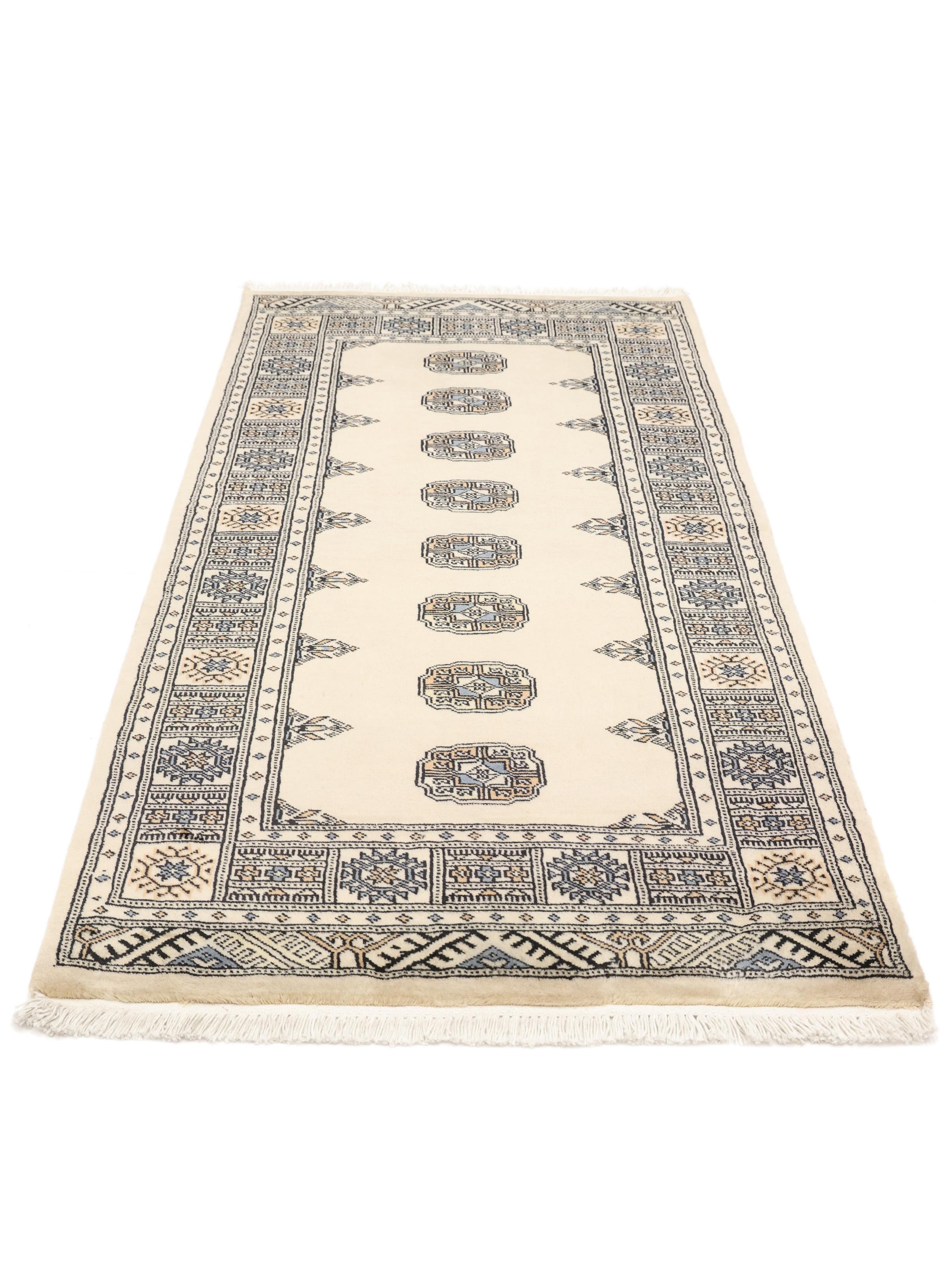
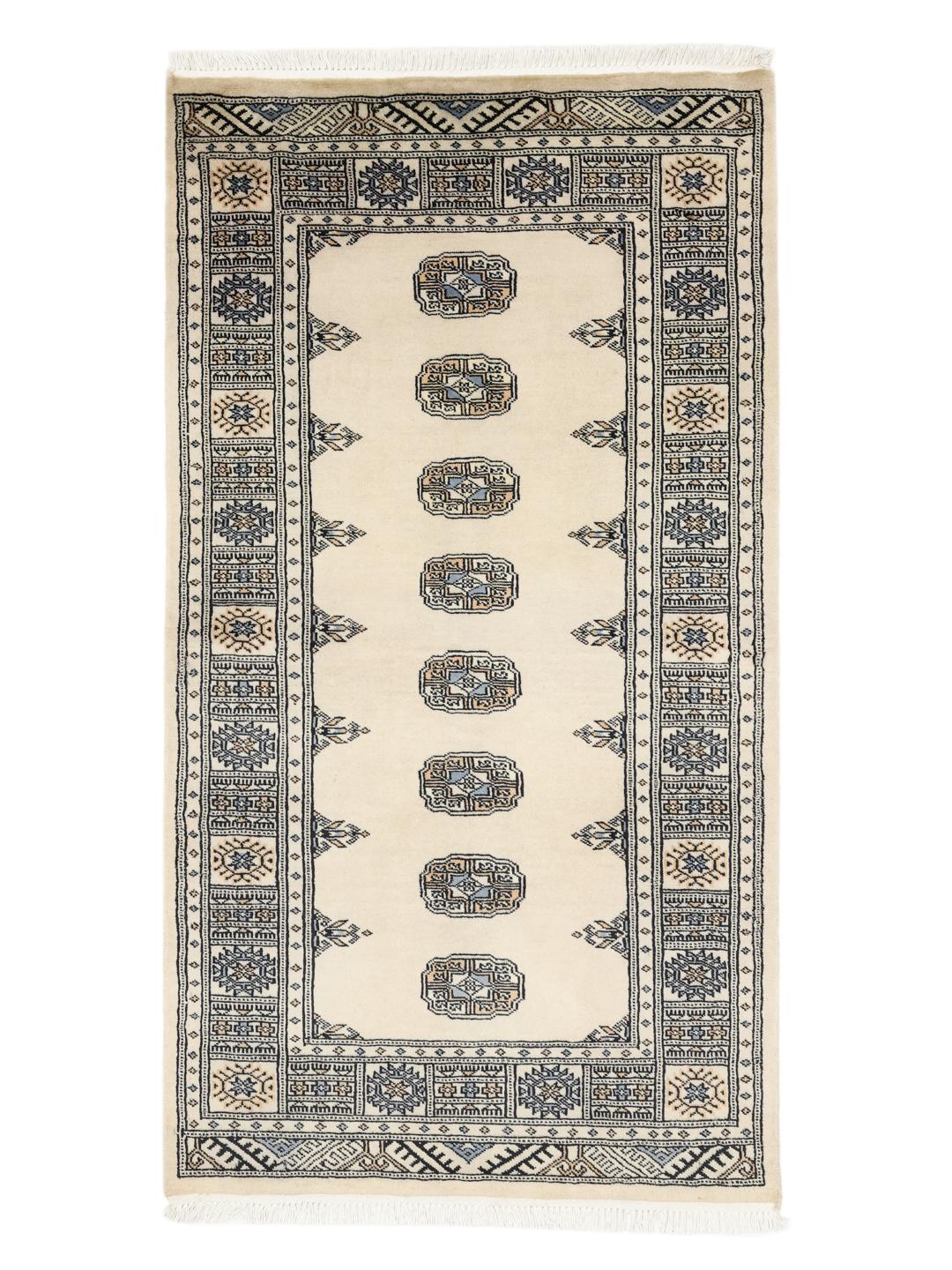
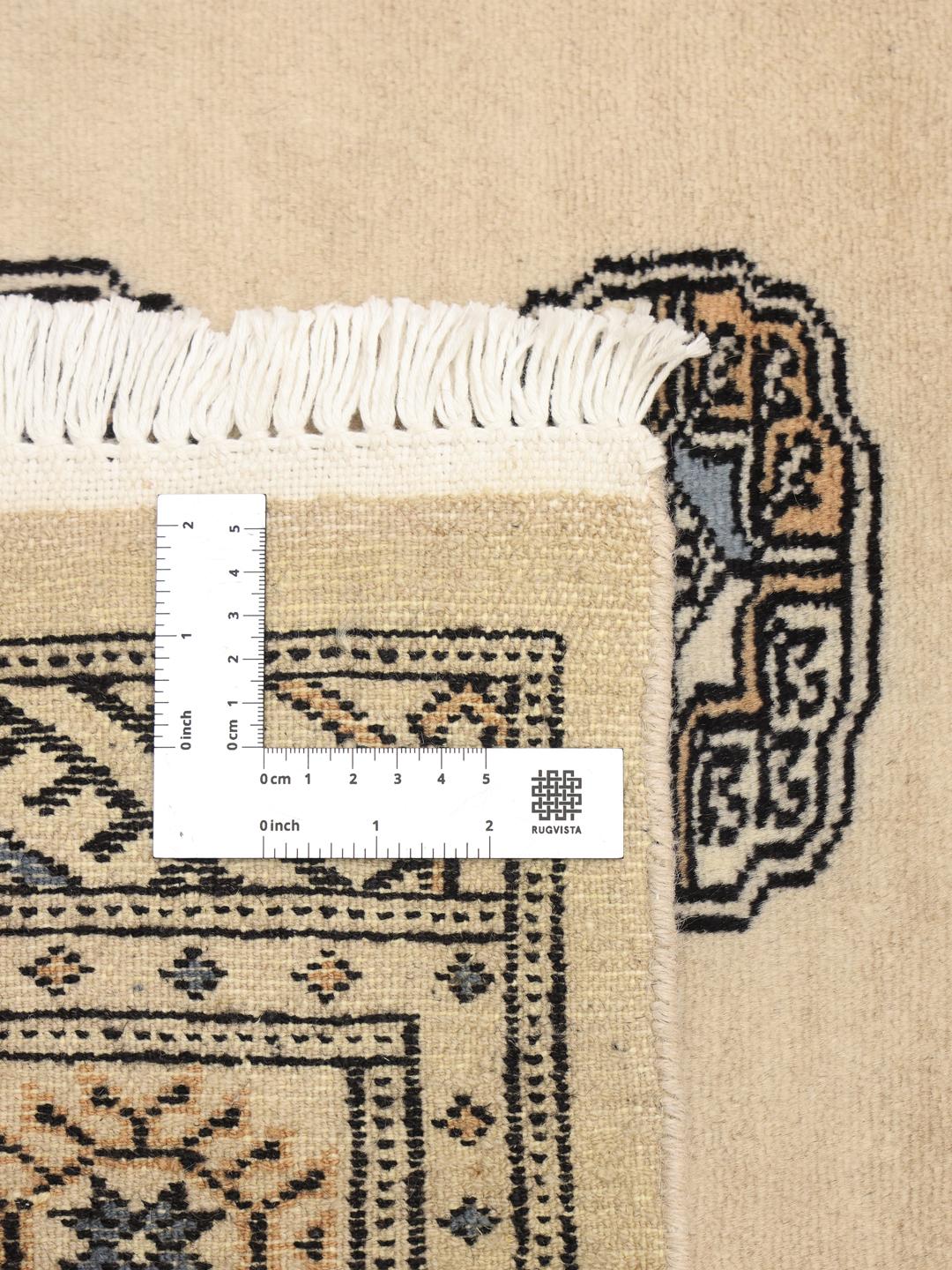
The visual language of the Bokhara is defined by its repetitive 'gul' motifs, which are stylised, octagonal or elephant-foot shaped medallions arranged in clean, symmetrical rows. These are typically framed by multiple, complex borders that feature geometric or floral-inspired patterns, creating a balanced and harmonious look that is both disciplined and visually engaging.
Collecting these rugs is an appreciation of both heritage and human skill. Because they require such precision to produce, a well-made Bokhara is seen as a lasting investment in craftsmanship. Owning one connects your home to a long-standing tradition of textile excellence, offering a piece that carries cultural weight and a sense of permanence in an ever-changing world.