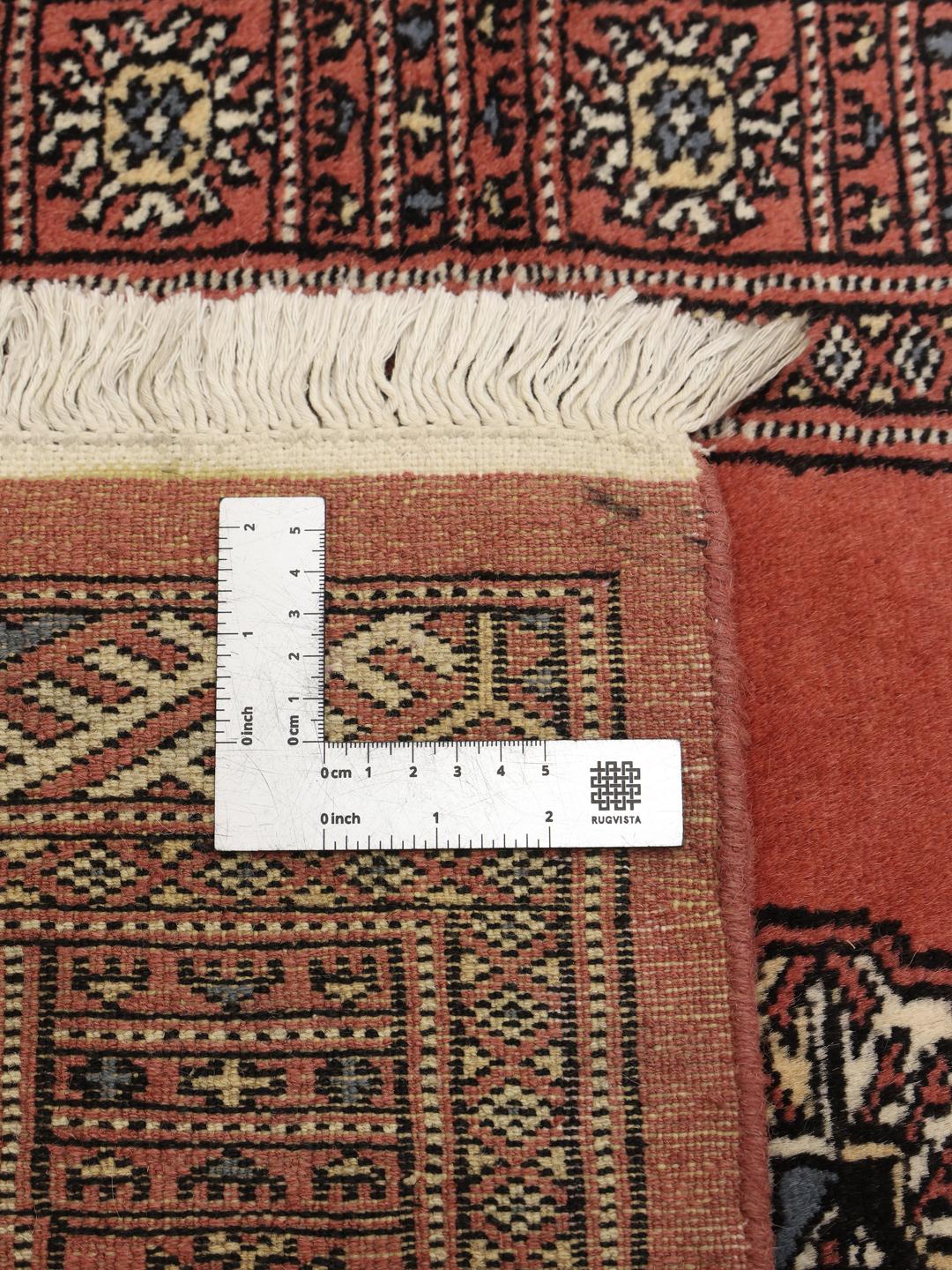
Bokhara rugs take their name from the ancient Silk Road city of Bukhara in Central Asia, a historical hub for trade and textile artistry. While the design traditions originated in these nomadic cultures, the finest examples today are woven in Pakistan. This evolution reflects the migration of weaving techniques across regions, where local artisans adapted ancient patterns to create the high-quality, dense rugs favoured by collectors worldwide.
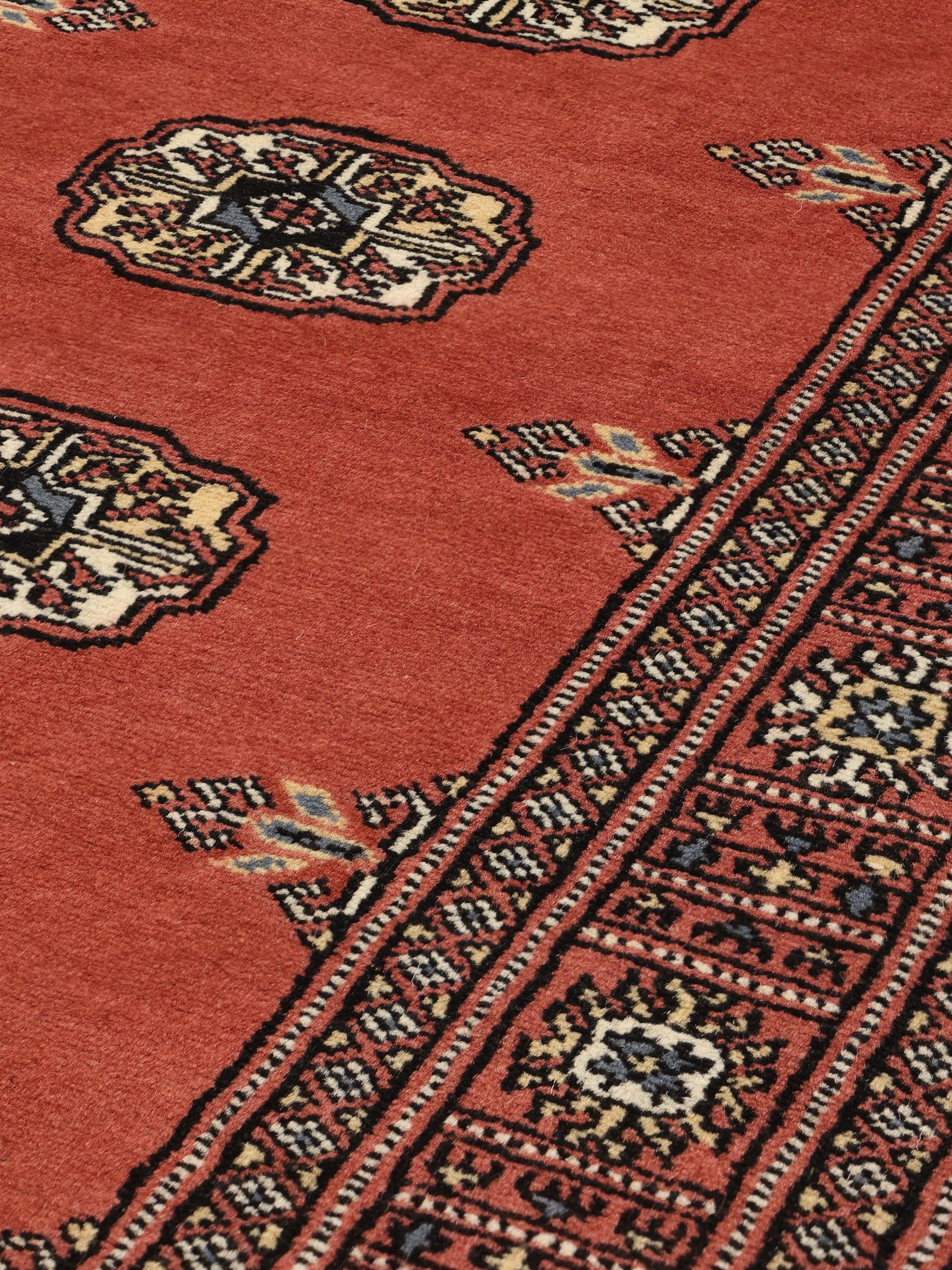
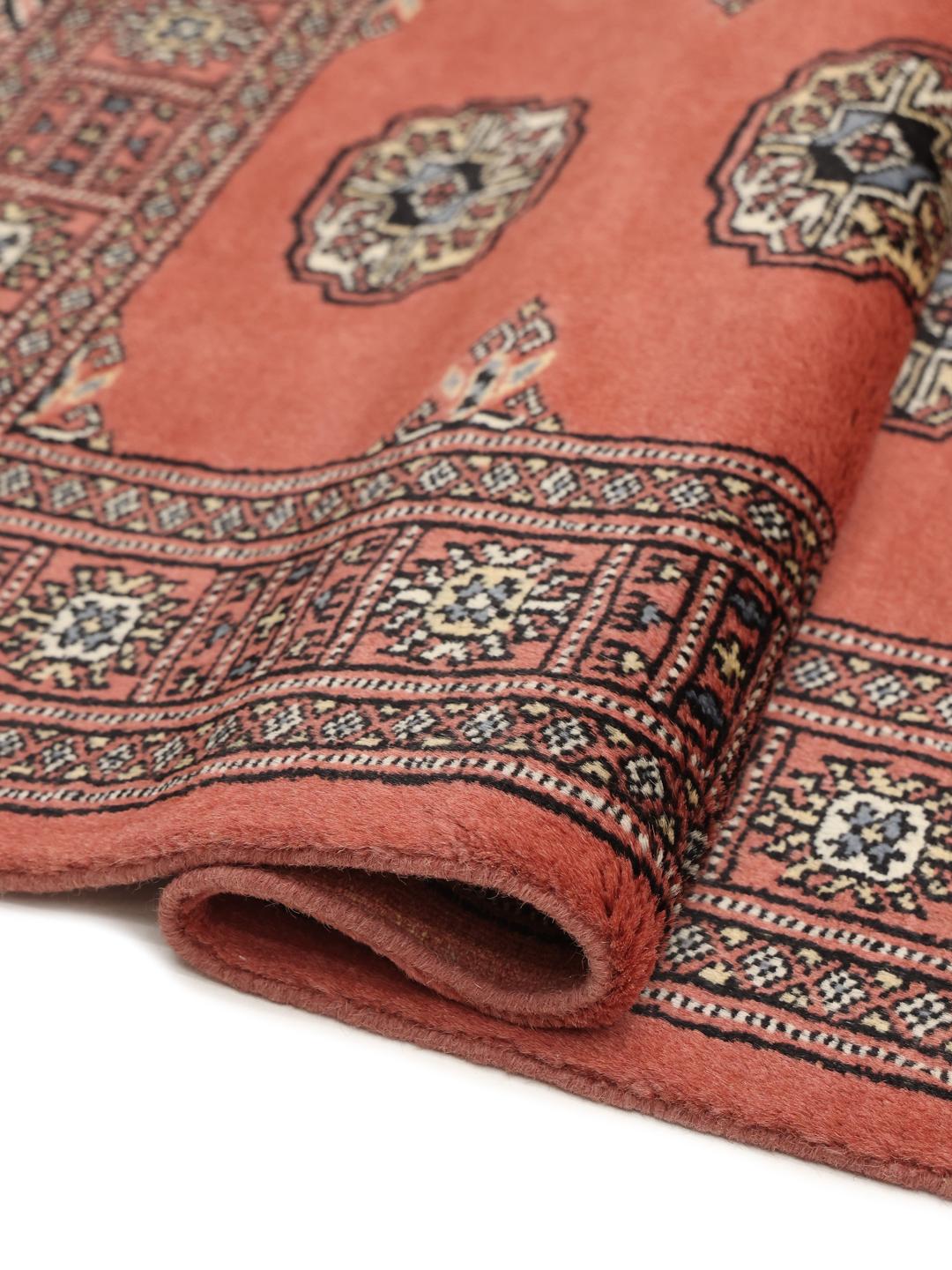
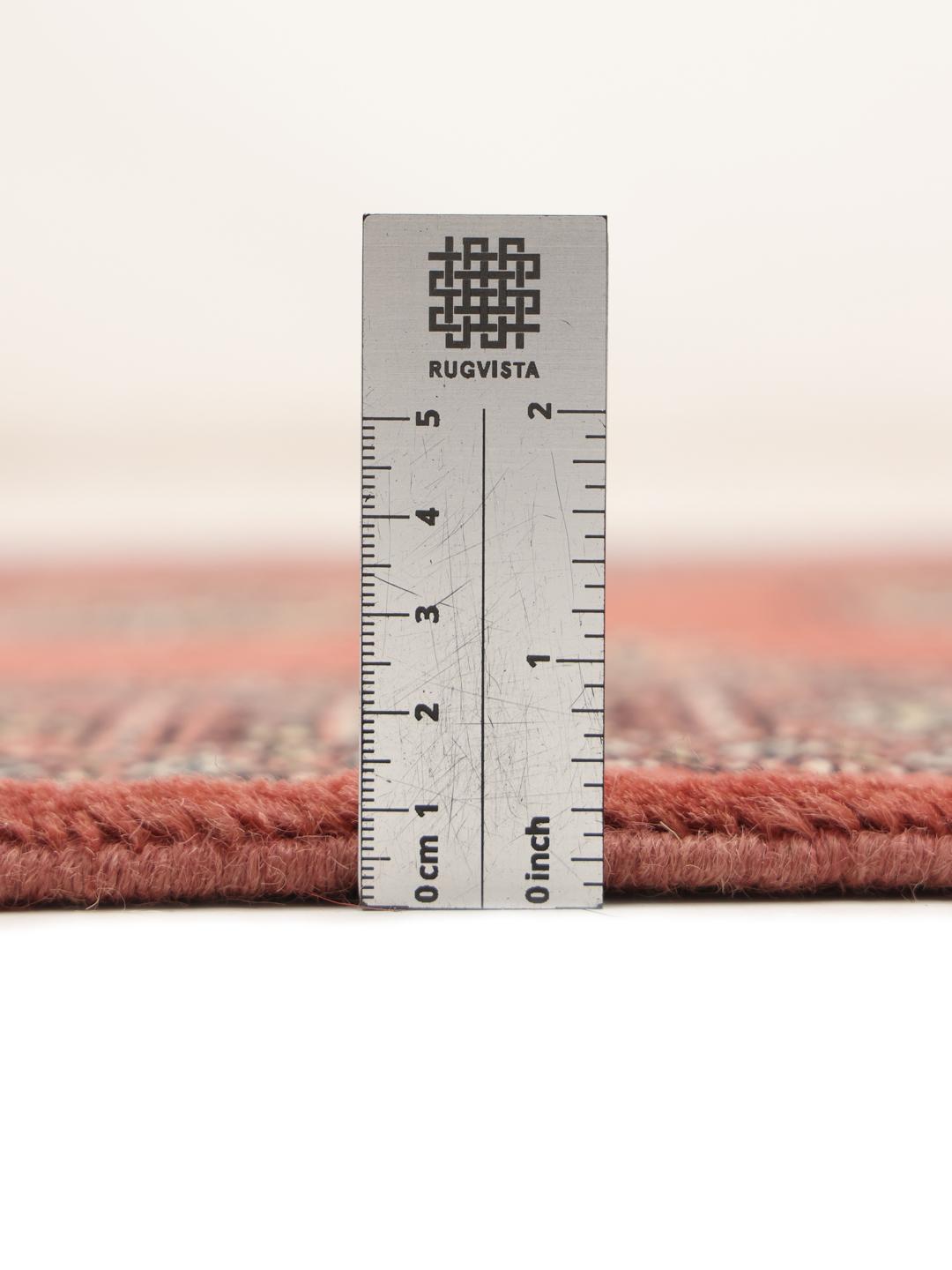
The term 2ply refers to the construction of the pile, where two strands of wool are twisted together before being knotted. This method is significant because it results in a thicker, more lustrous, and remarkably durable pile compared to single-ply alternatives. For the owner, this means a rug that not only looks more vibrant but also stands up better to the pressures of daily use, maintaining its integrity for decades.
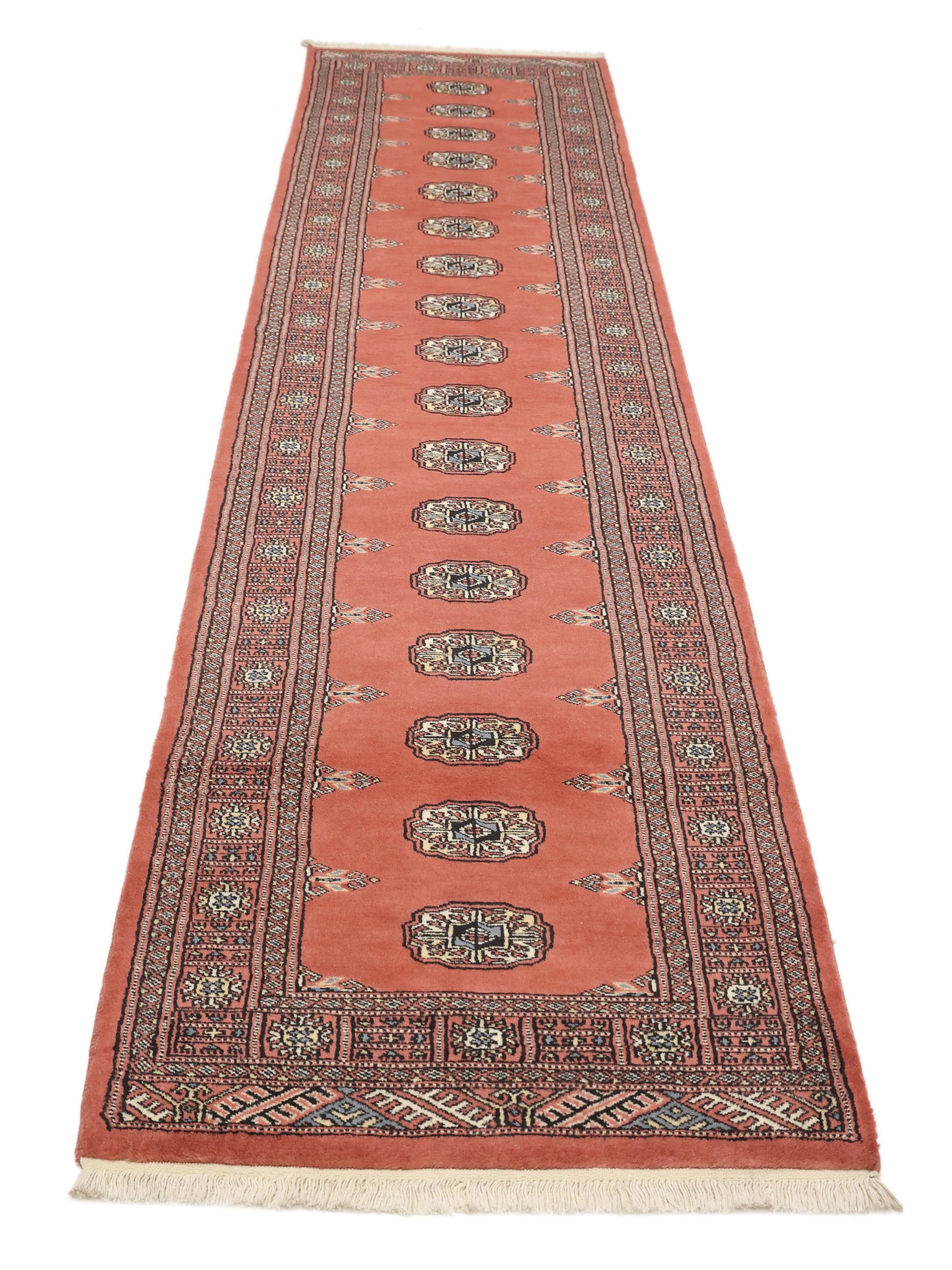
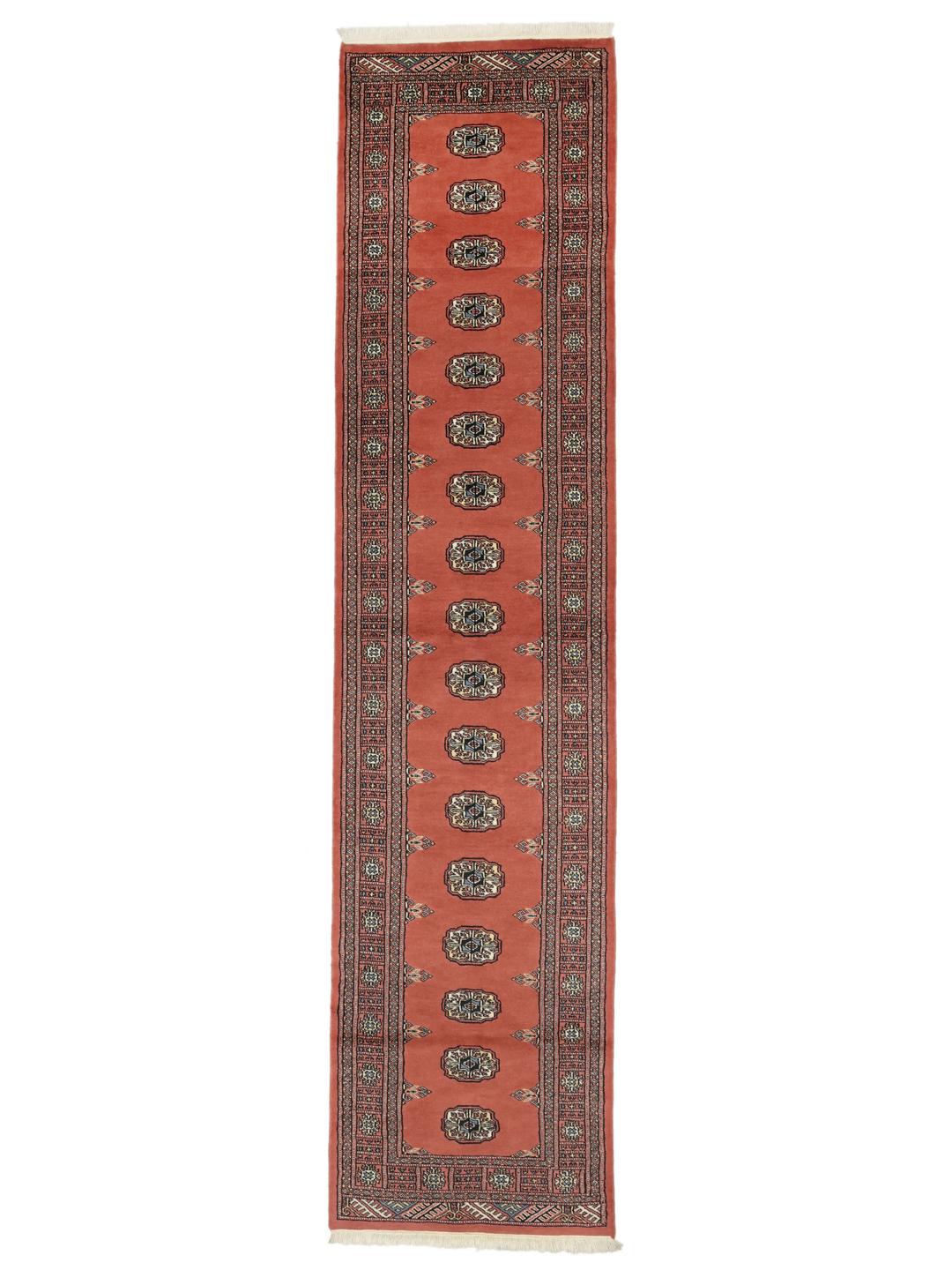
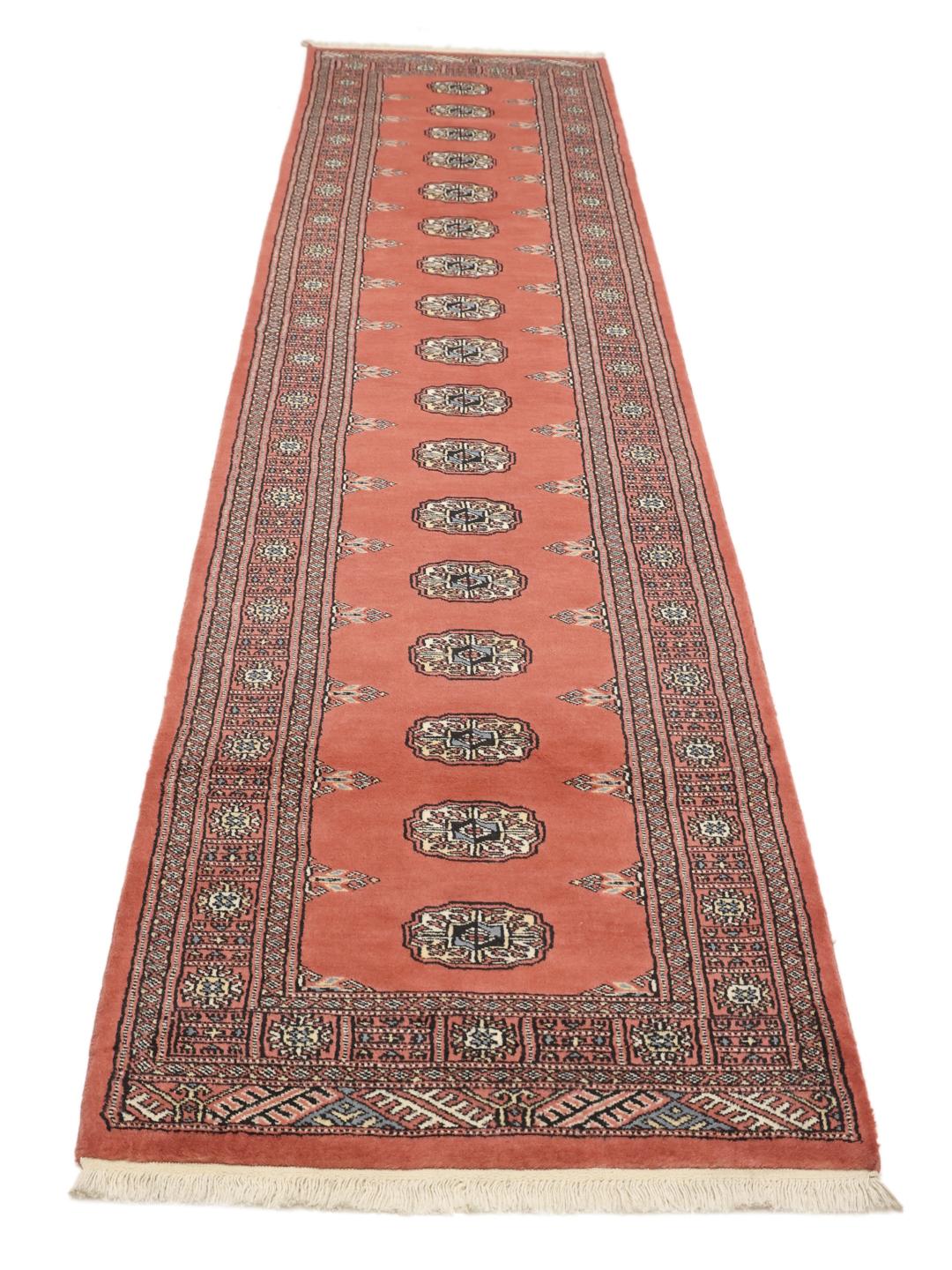
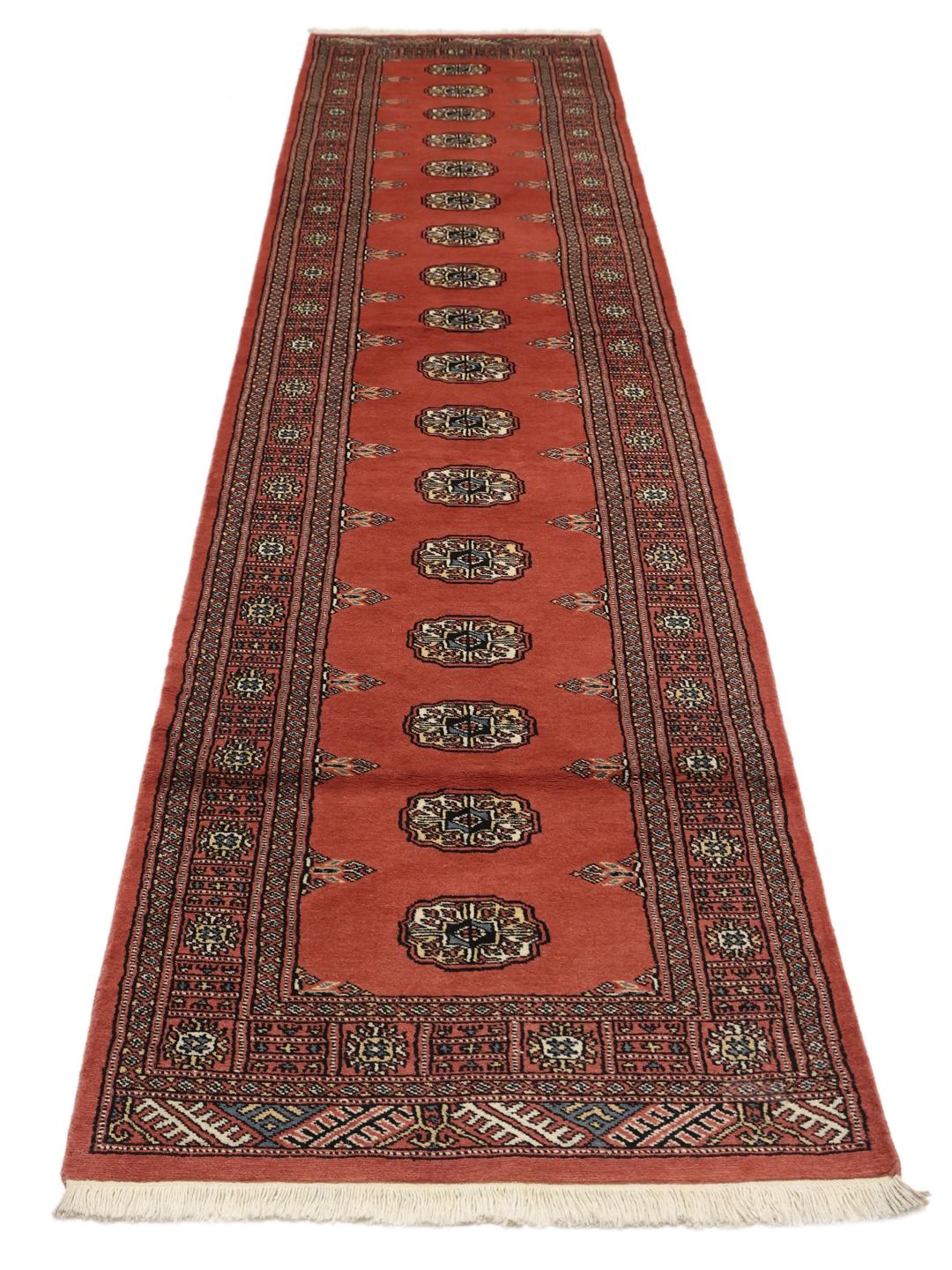
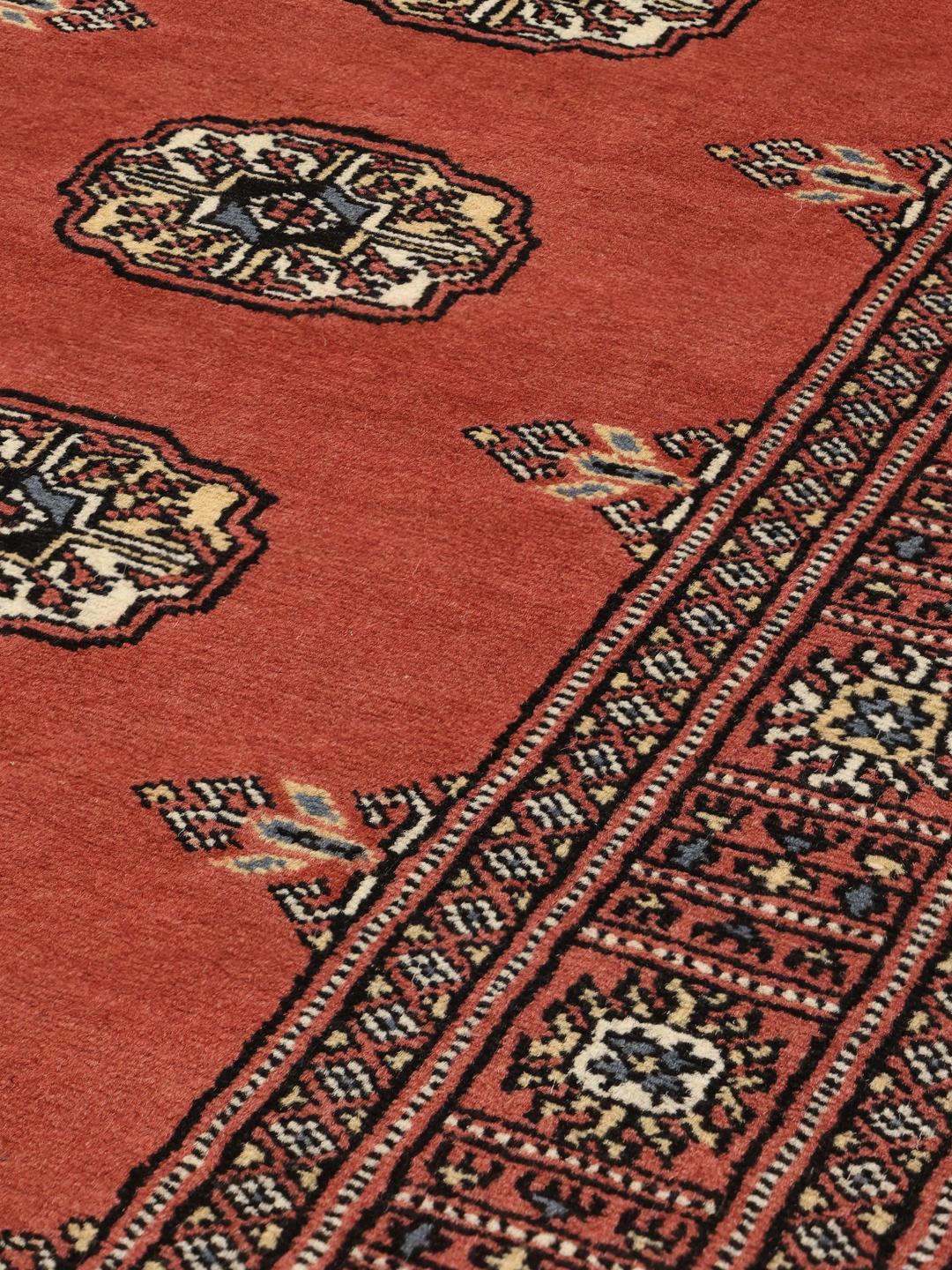
The signature design of a Bokhara rug is defined by the repeating gul motif, which are octagonal or elephant-foot shaped medallions arranged in precise rows. These are typically enclosed by complex, geometric borders that frame the field. The symmetry and rhythm of these patterns are hallmarks of the style, creating a sense of order and calm that defines the aesthetic of these beautiful, storied pieces.
These rugs are highly valued for their cultural significance and the incredible skill required to produce them. Owning a piece from this tradition is an investment in heritage and artistry. Collectors prize these rugs not just for their aesthetic beauty, but for the story they tell of a craft that has survived centuries of change, remaining a symbol of dedication and timeless style in the modern home.