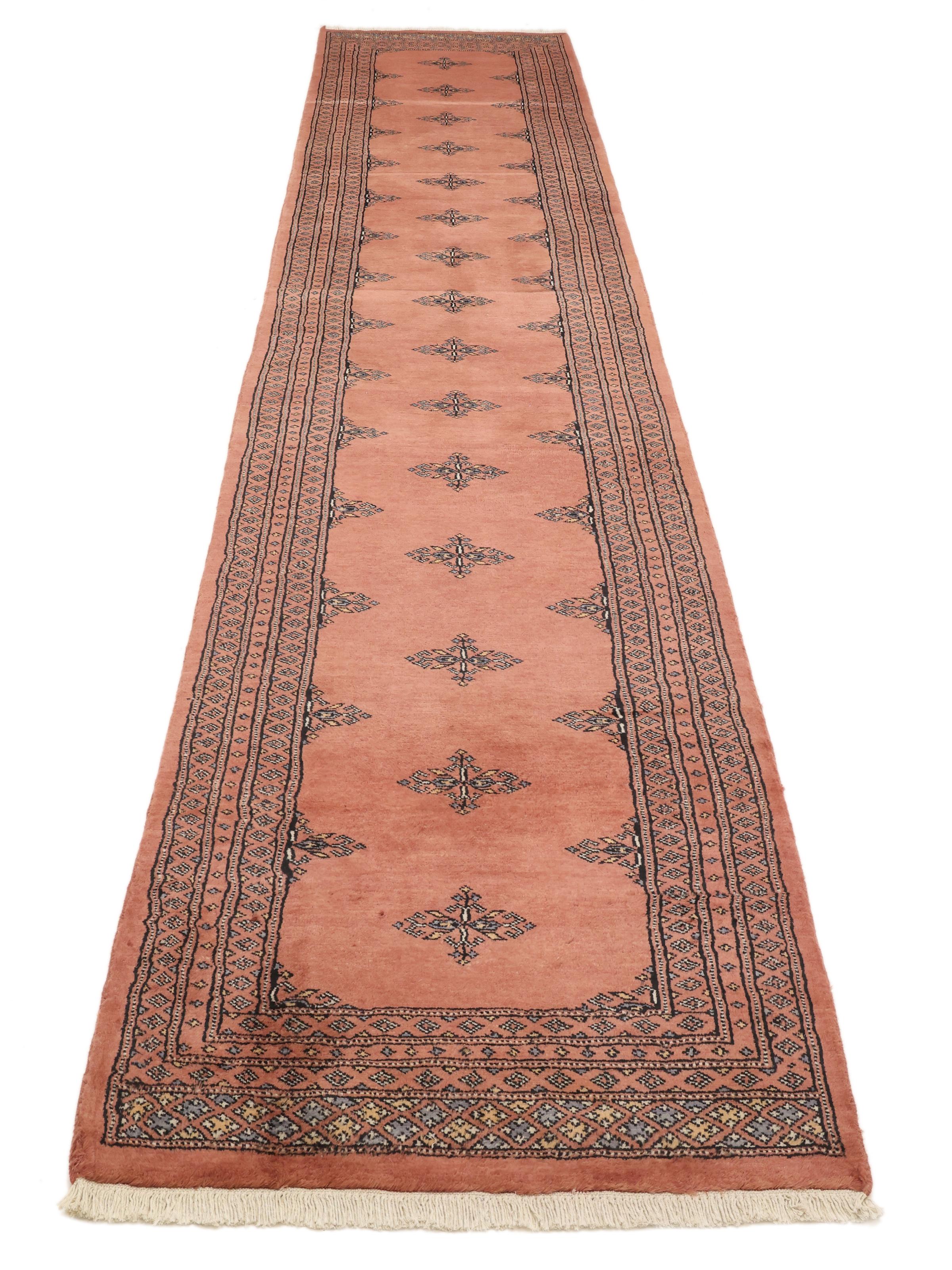
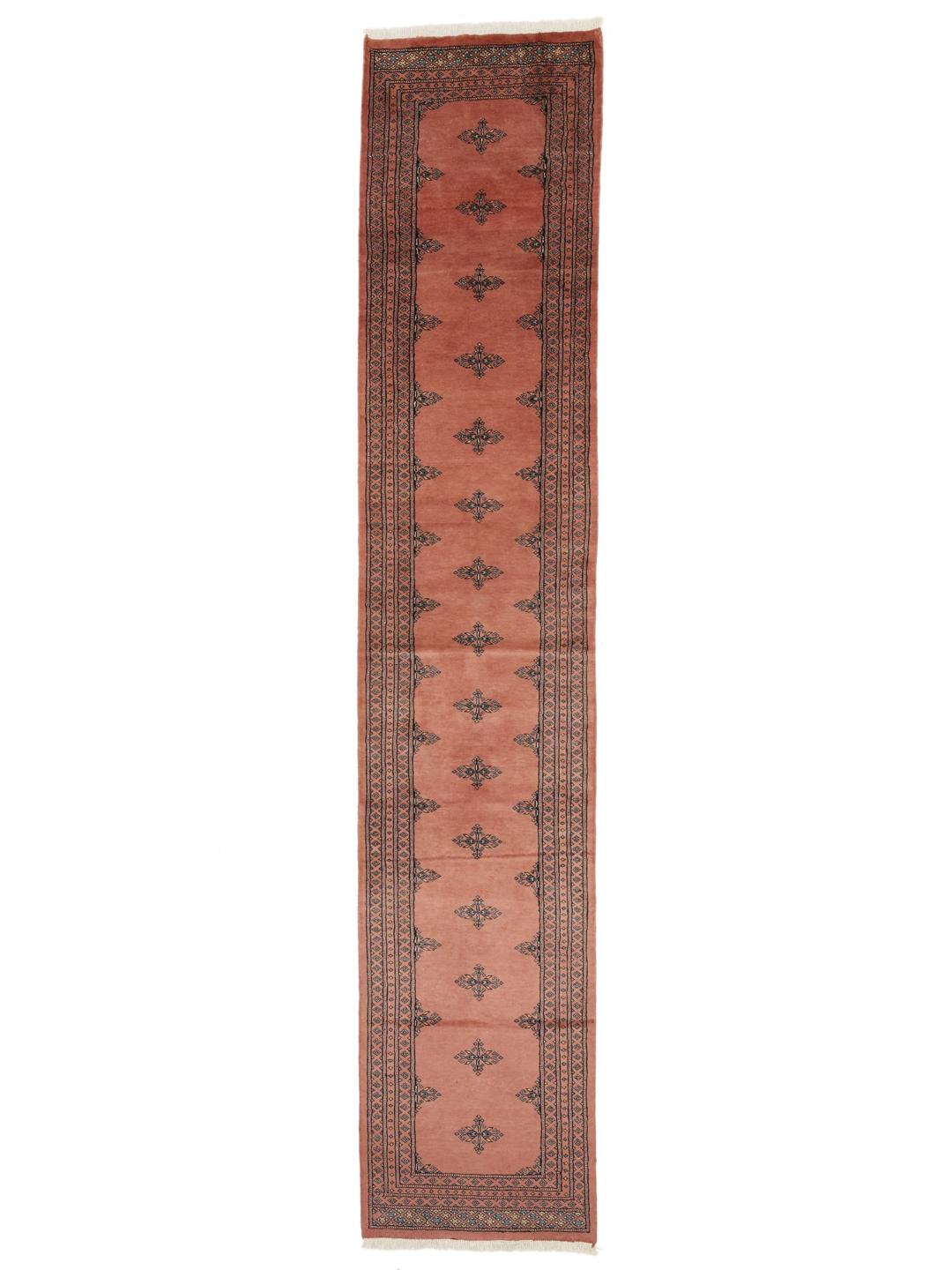
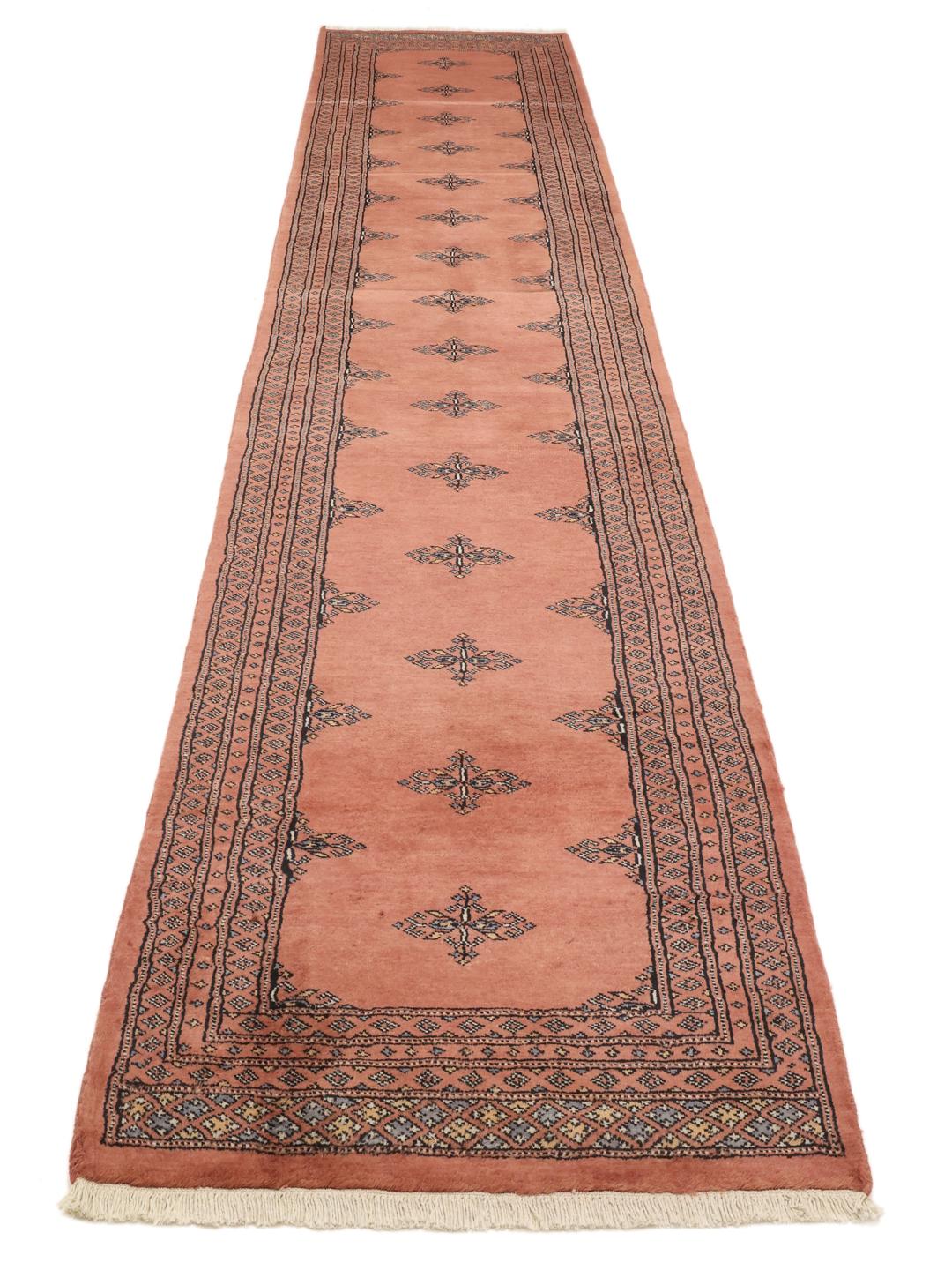
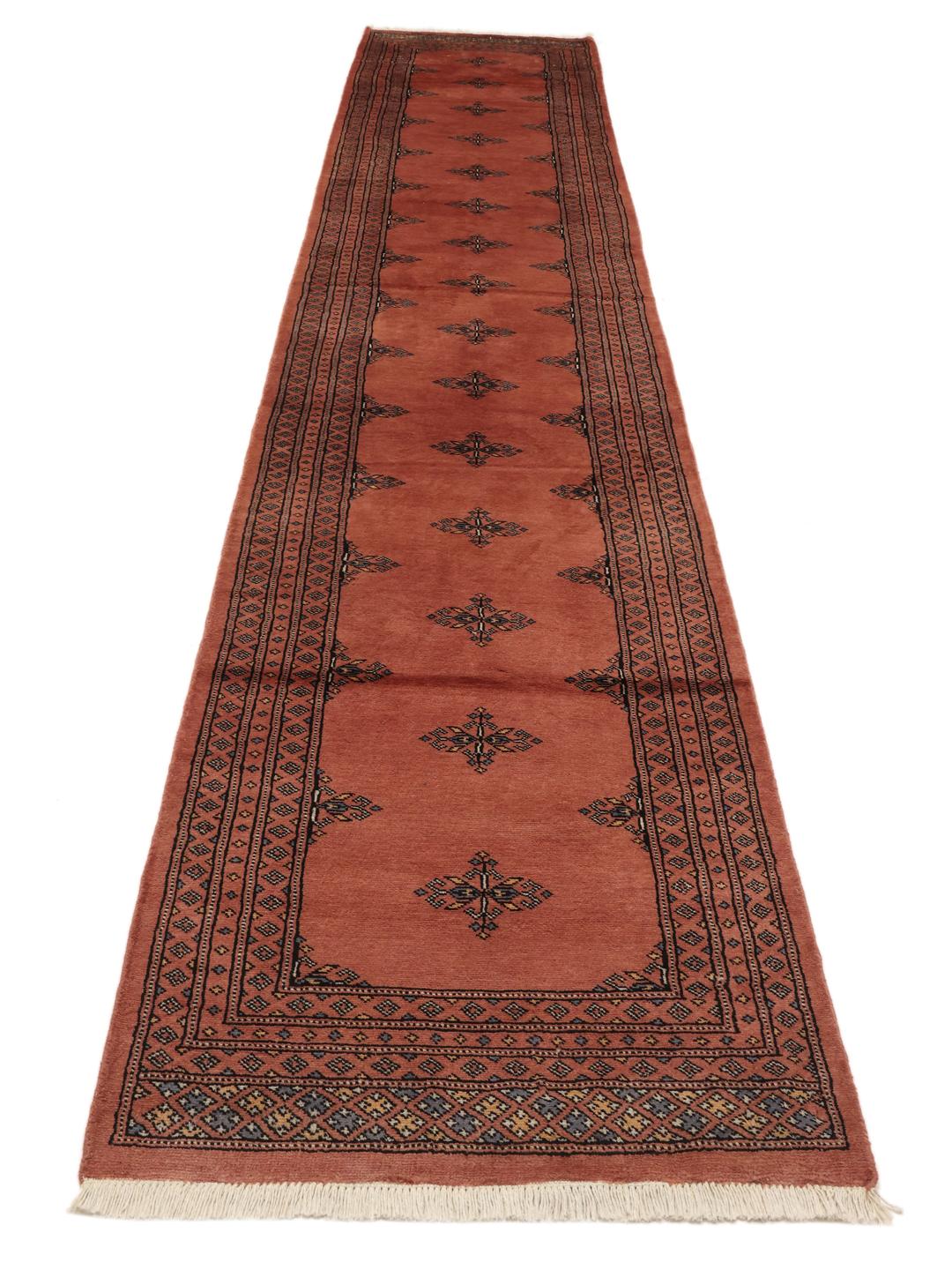
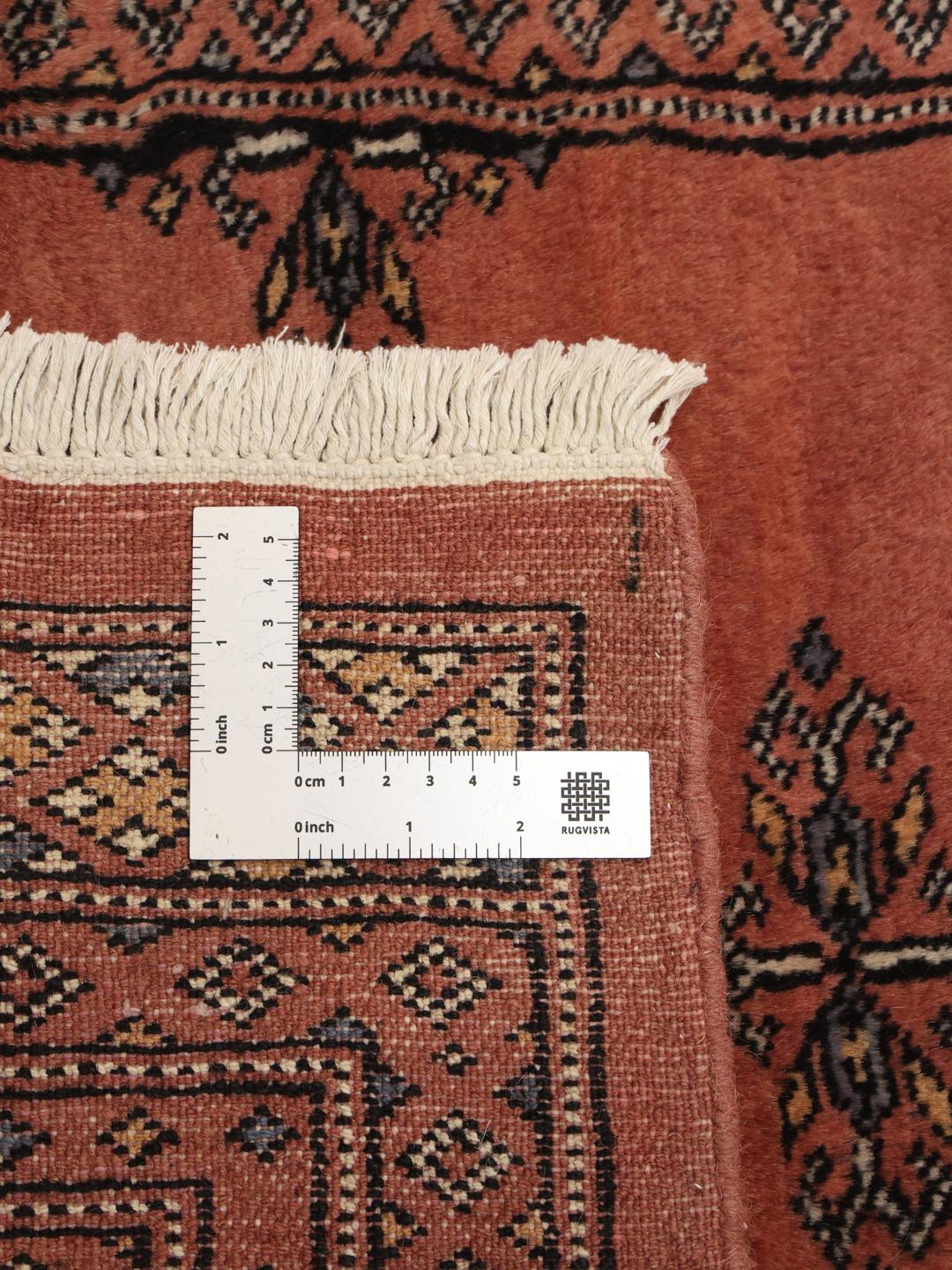
Bokhara rugs are deeply rooted in the traditions of the Central Asian Silk Road, taking their name from the ancient city of Bukhara. While they originated in the nomadic cultures of the steppe, the finest contemporary examples are woven in Pakistan. This evolution has seen the refinement of traditional designs into the highly polished, consistent style we recognise today, blending ancient heritage with modern weaving precision.
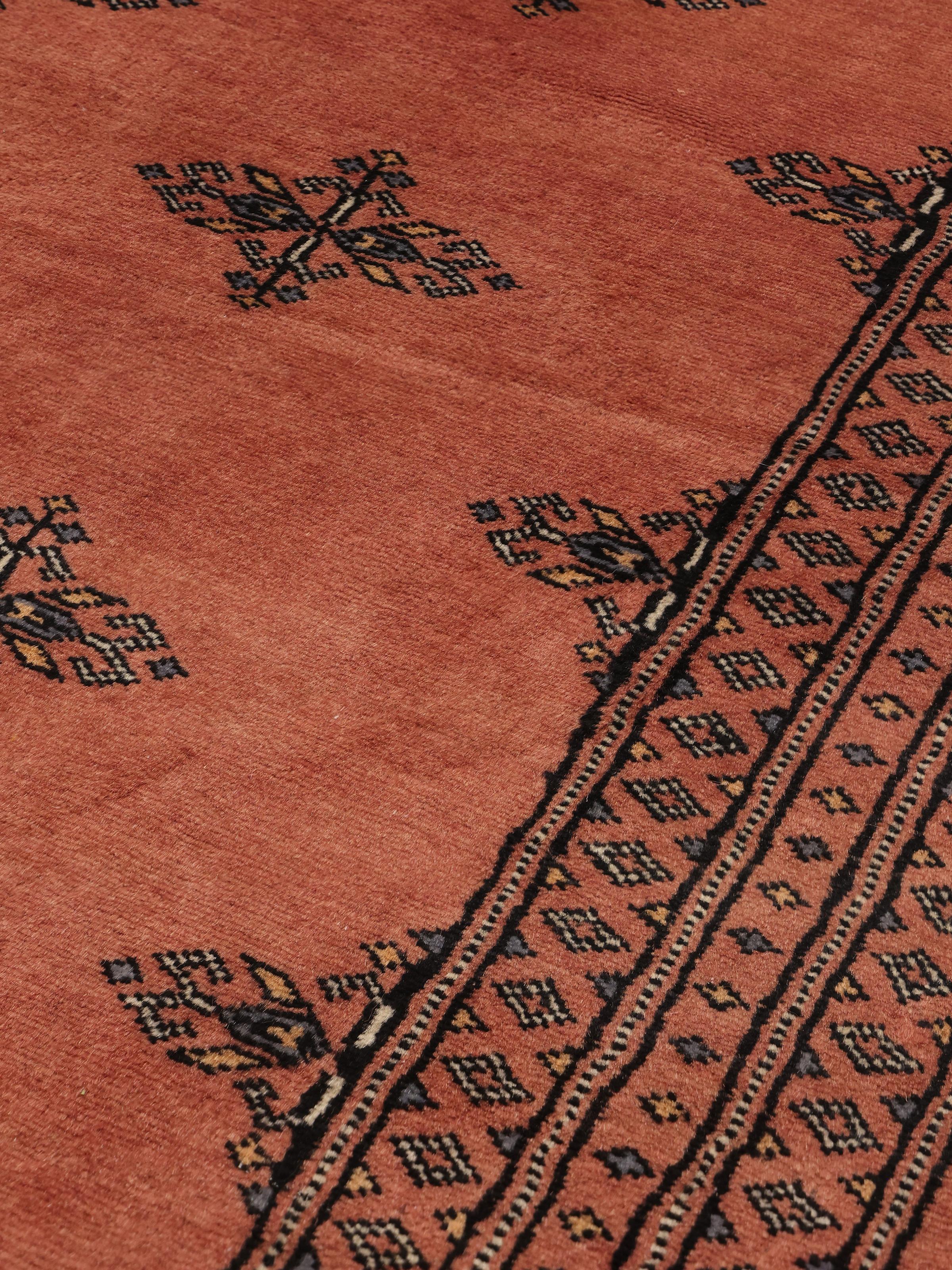
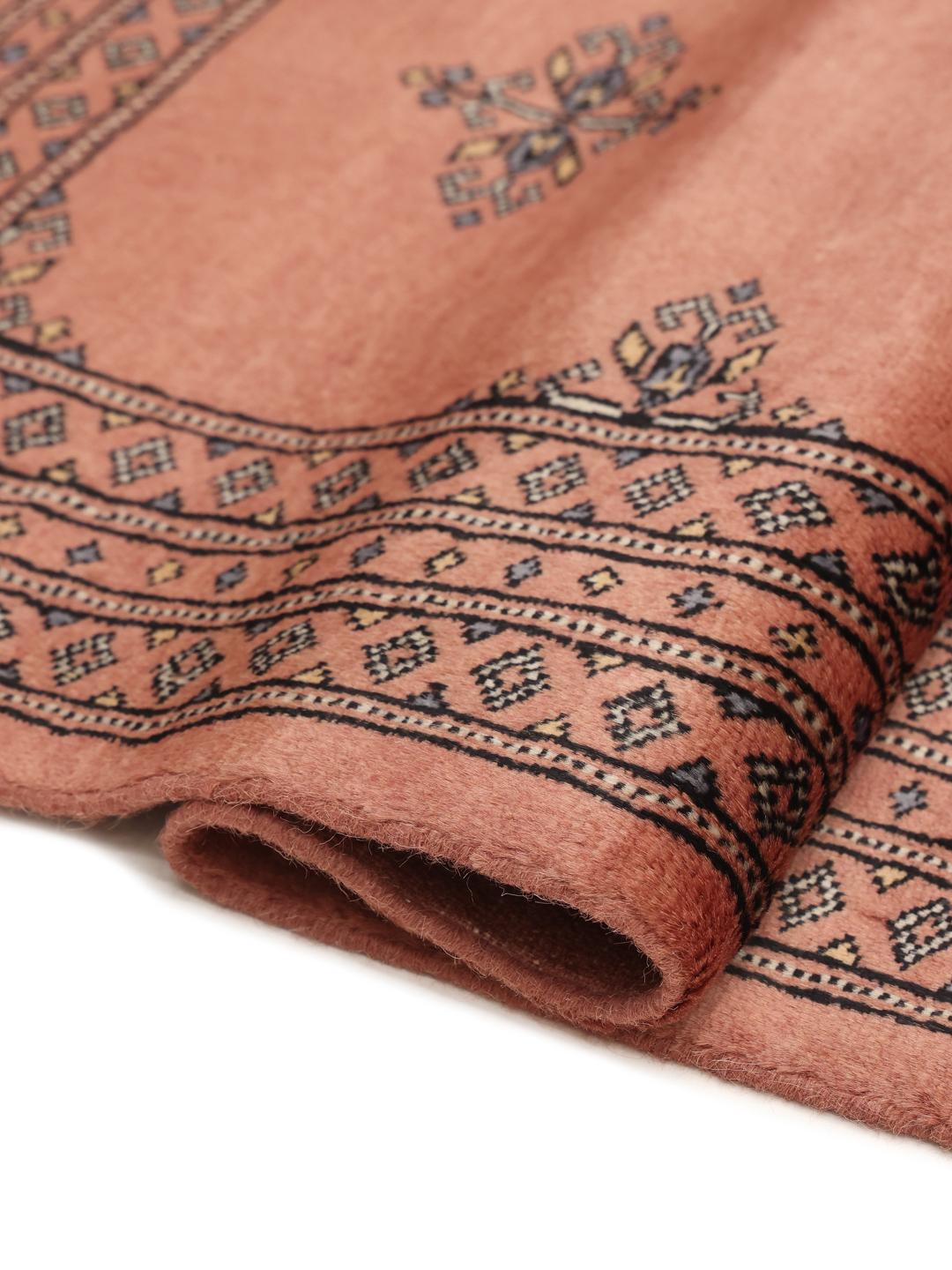
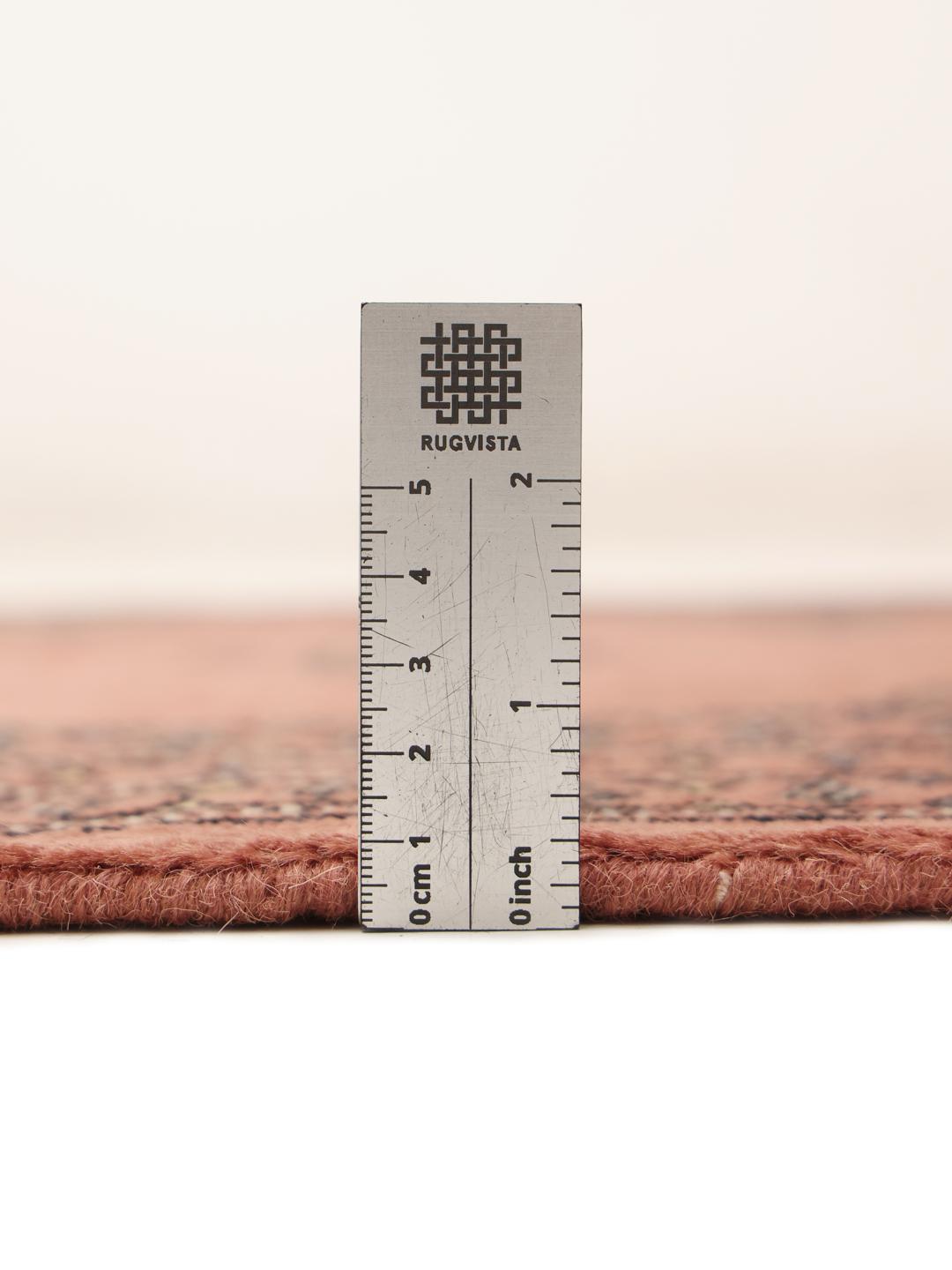
The term 2ply refers to the construction of the Wool pile, where two strands of yarn are twisted together before being knotted. This technique is crucial for quality, as it creates a much denser, more lustrous, and durable pile compared to single-ply alternatives. For the owner, this means a rug that not only feels thicker and more substantial underfoot but also retains its vibrant colour and structural form for much longer.
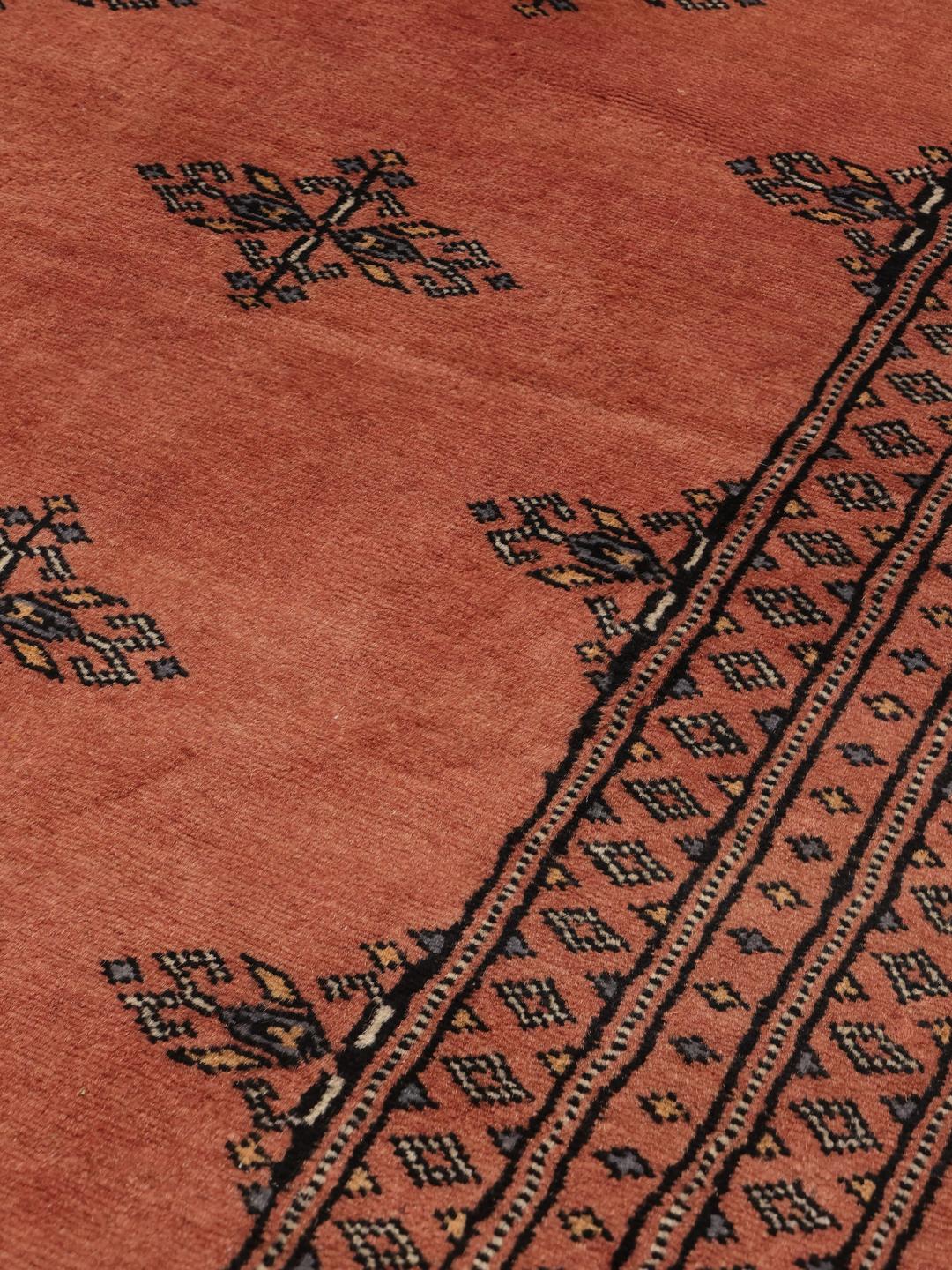
The signature design element of this tradition is the repeating gul motif, which appears as octagonal or elephant-foot medallions arranged in neat rows across the field. These motifs are traditionally enclosed by a formal, multi-layered border that frames the design, providing a sense of balance and order. The rich, warm tones often used in these rugs are intended to create a feeling of comfort and home, making them a staple in high-quality interior design.
Owning a piece from this tradition is an investment in cultural history and artisan skill. Because these rugs are crafted by hand, they carry the legacy of generations of weavers who have perfected their craft over centuries. Collectors value these pieces not just for their visual beauty, but for the tangible connection they provide to a global craft heritage that prioritises longevity and dedication over fast production.