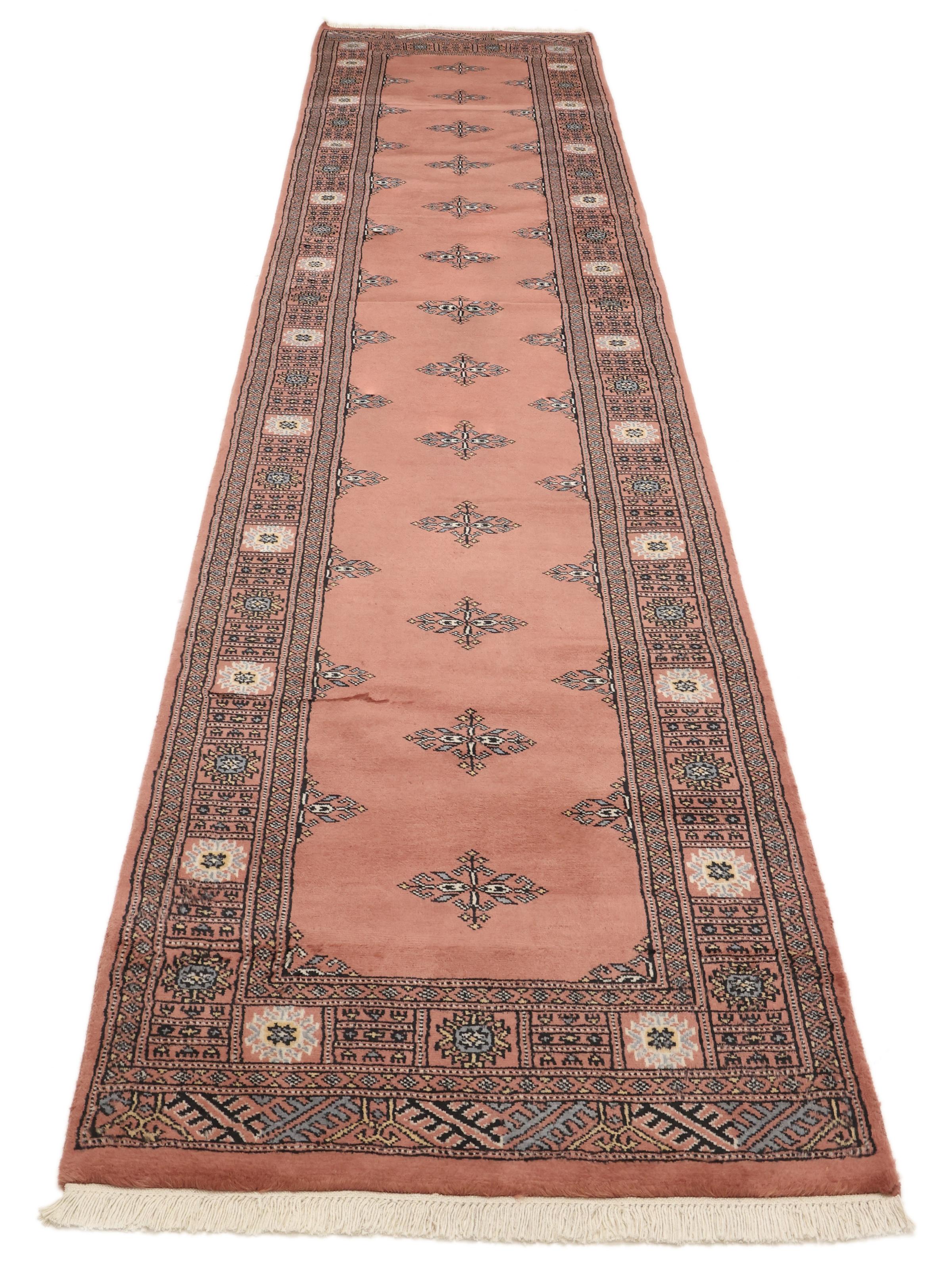
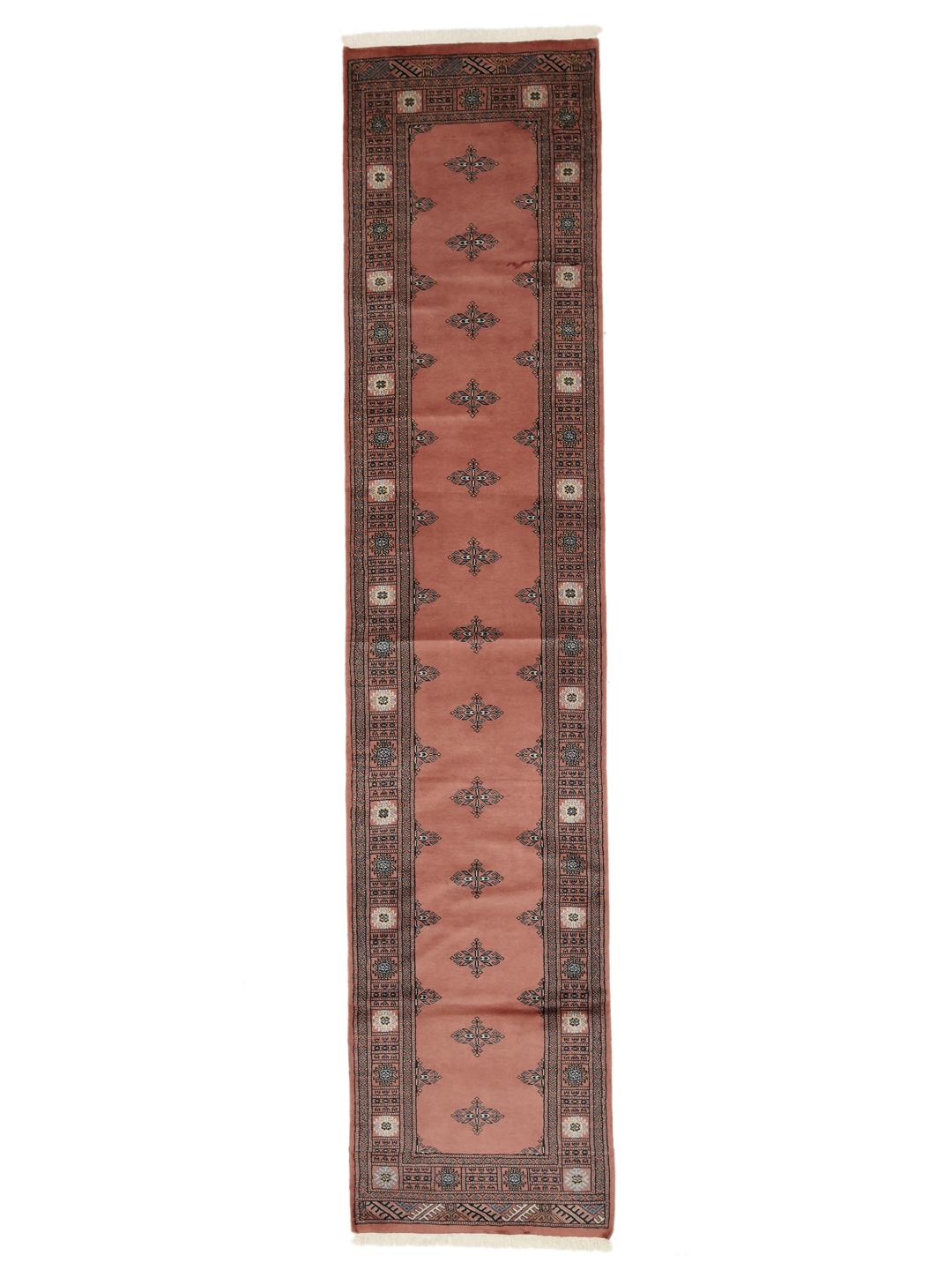
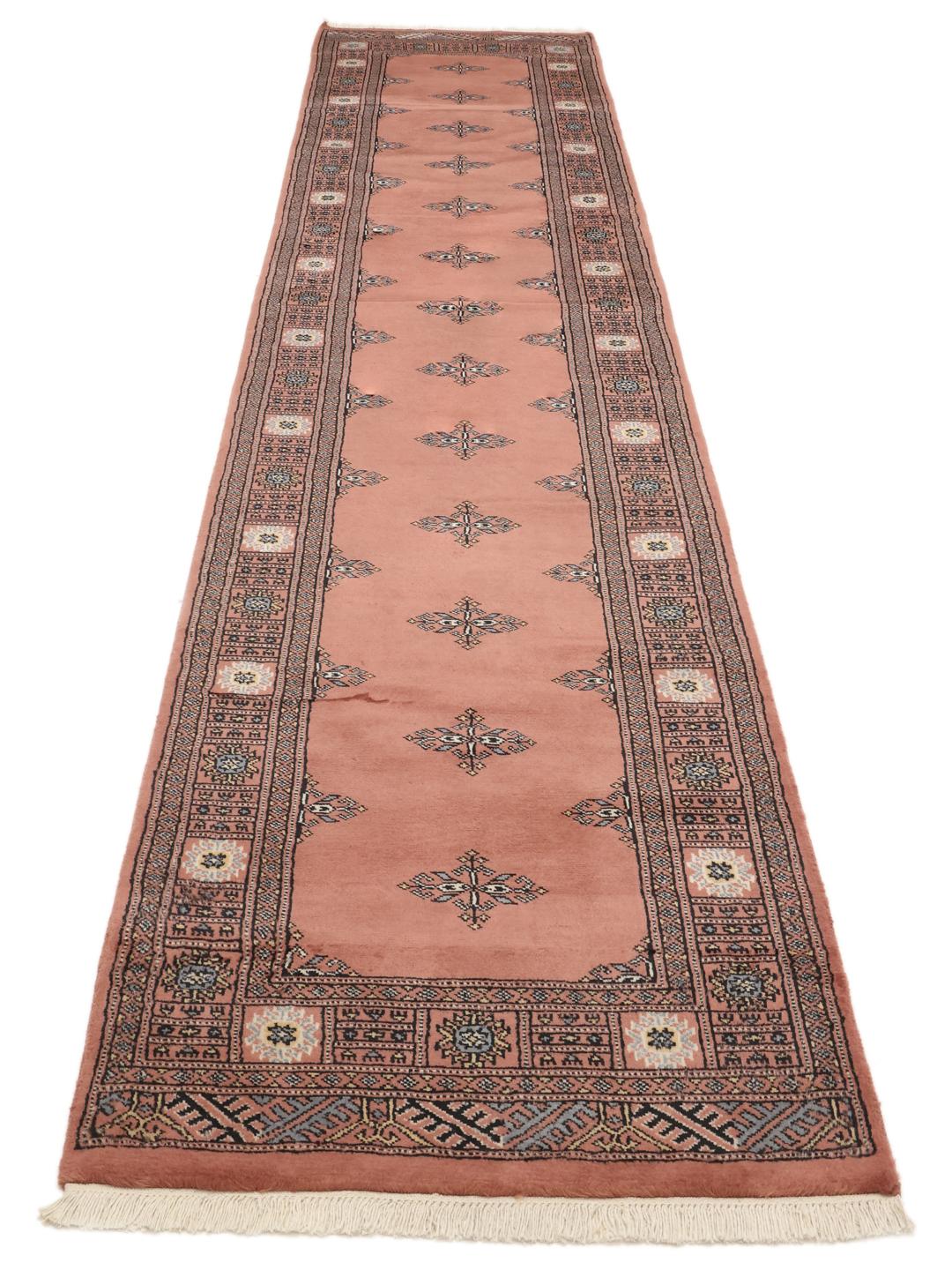
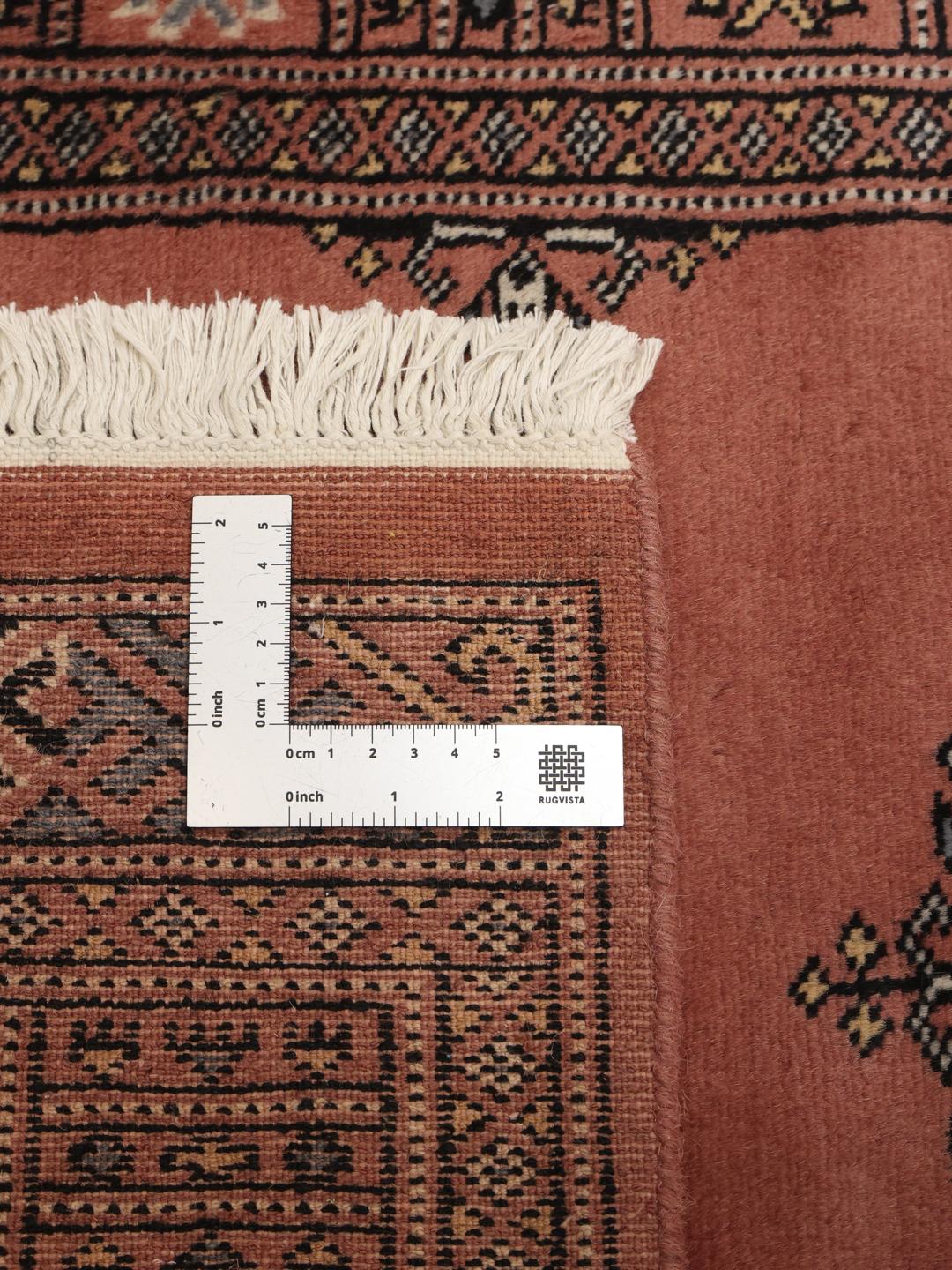
The Bokhara rug tradition is deeply rooted in the history of Central Asian nomadic tribes, though the finest examples today are primarily woven in Pakistan. These rugs take their name from the ancient Silk Road city of Bukhara, which served as a historic hub for the trade and appreciation of these textiles. Over centuries, the techniques and patterns migrated across the region, evolving into the refined, high-quality rugs we admire today.
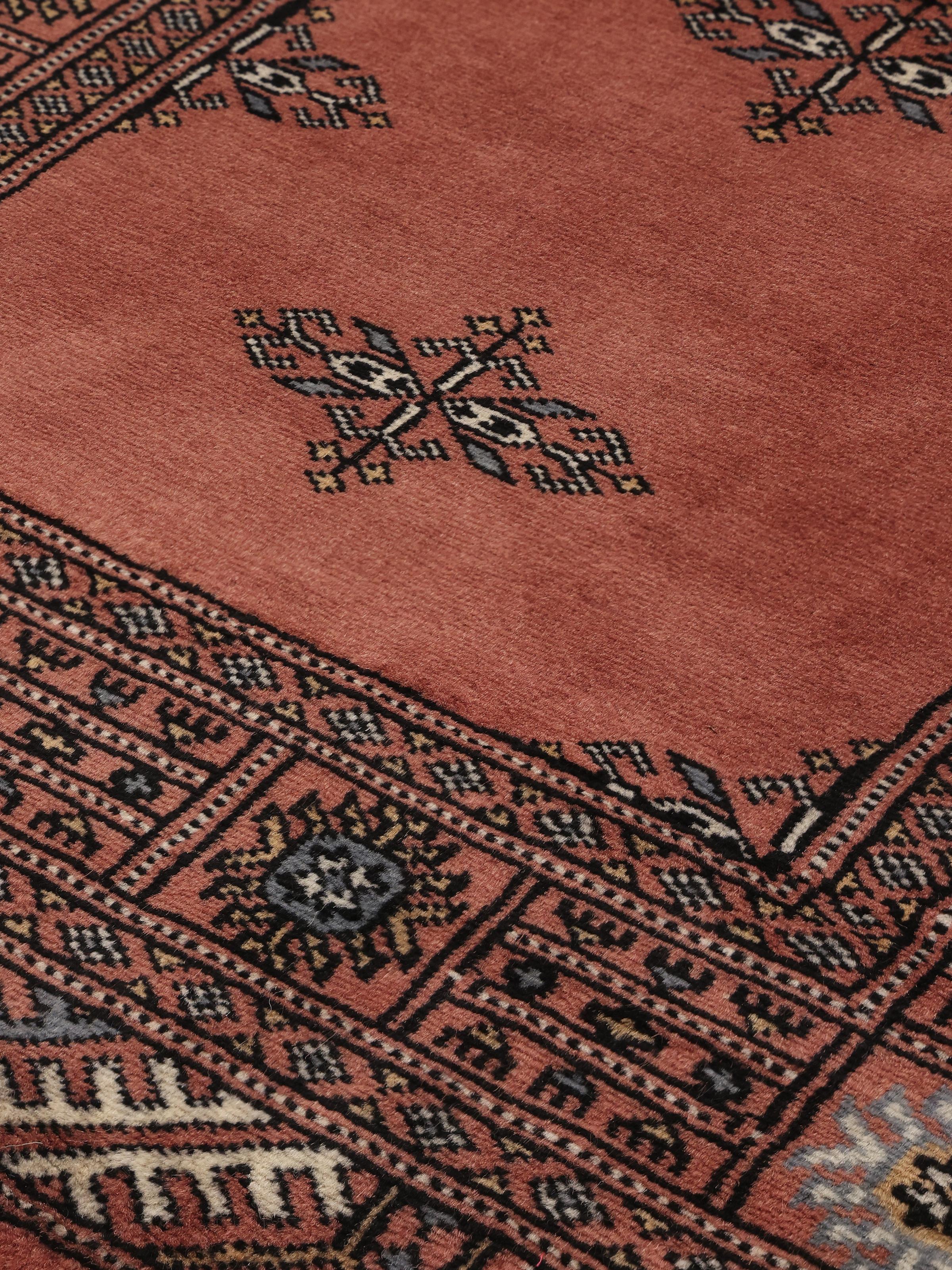
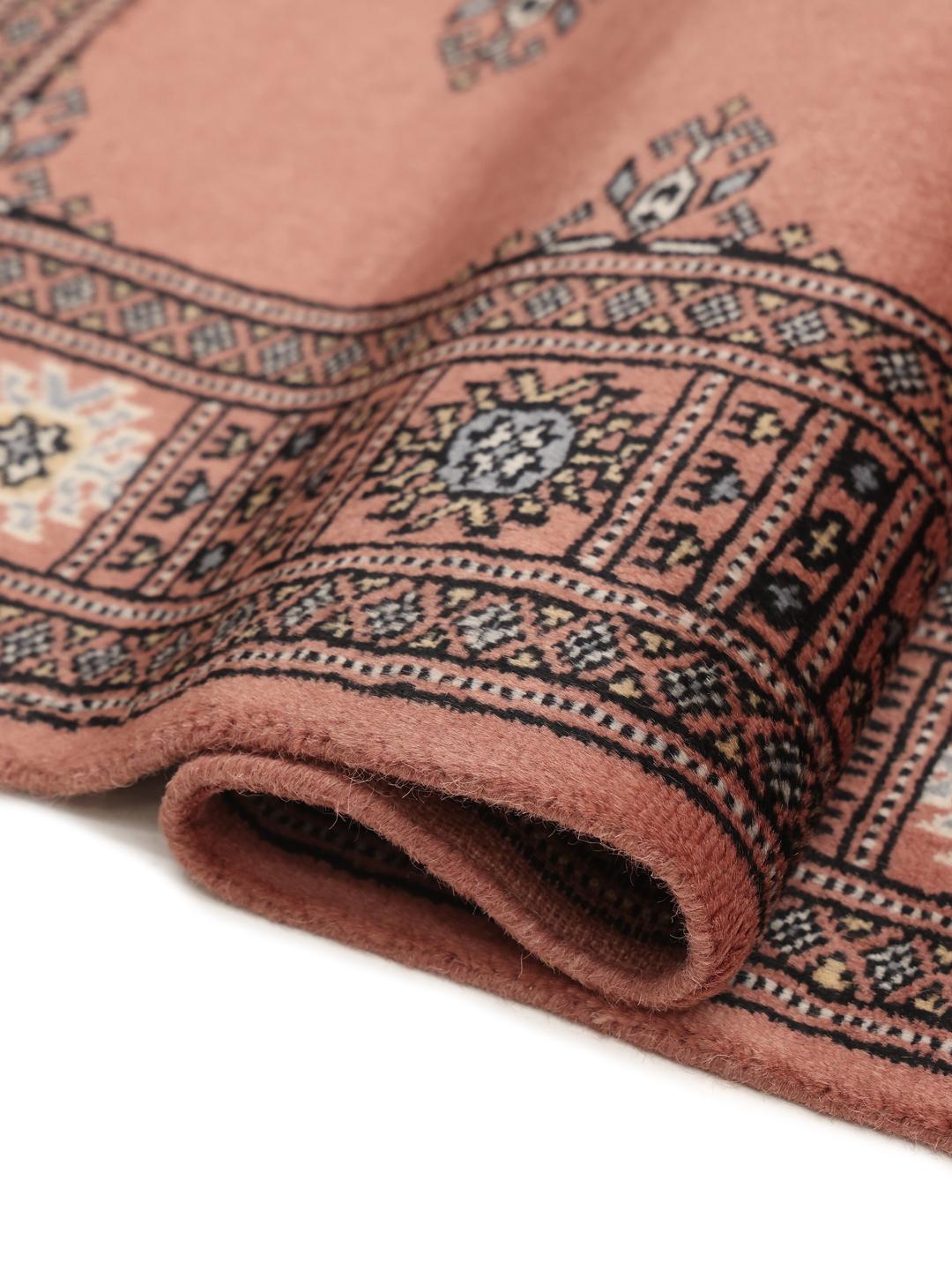
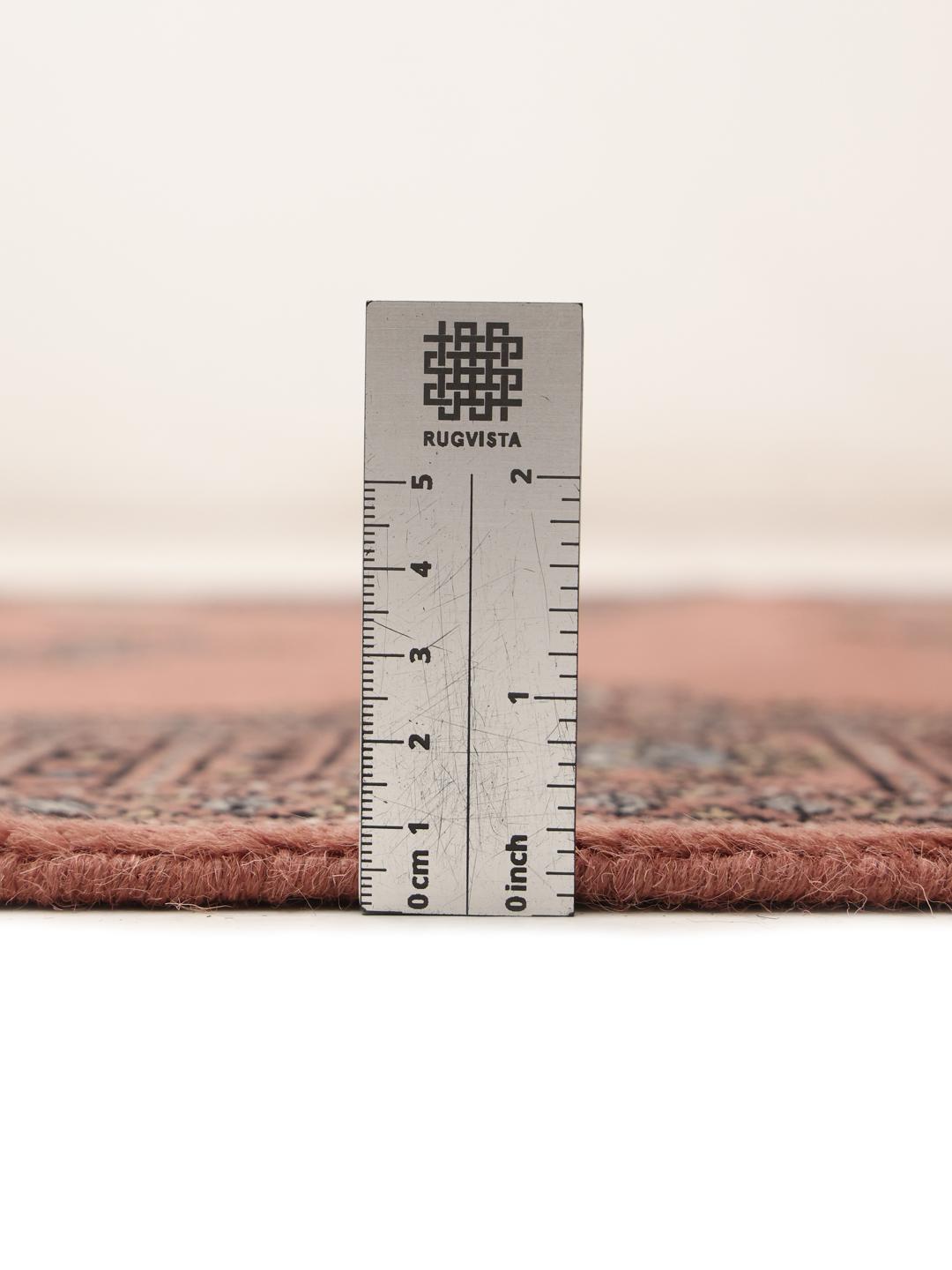
The term 2ply refers to a specific construction method where the Wool pile is created using two strands twisted together before being knotted. This technique is significant because it produces a denser, more lustrous, and remarkably durable pile compared to single-ply alternatives. For the owner, this means a rug that is more resistant to wear and maintains its soft, cushioned feel even after years of use in a busy home.
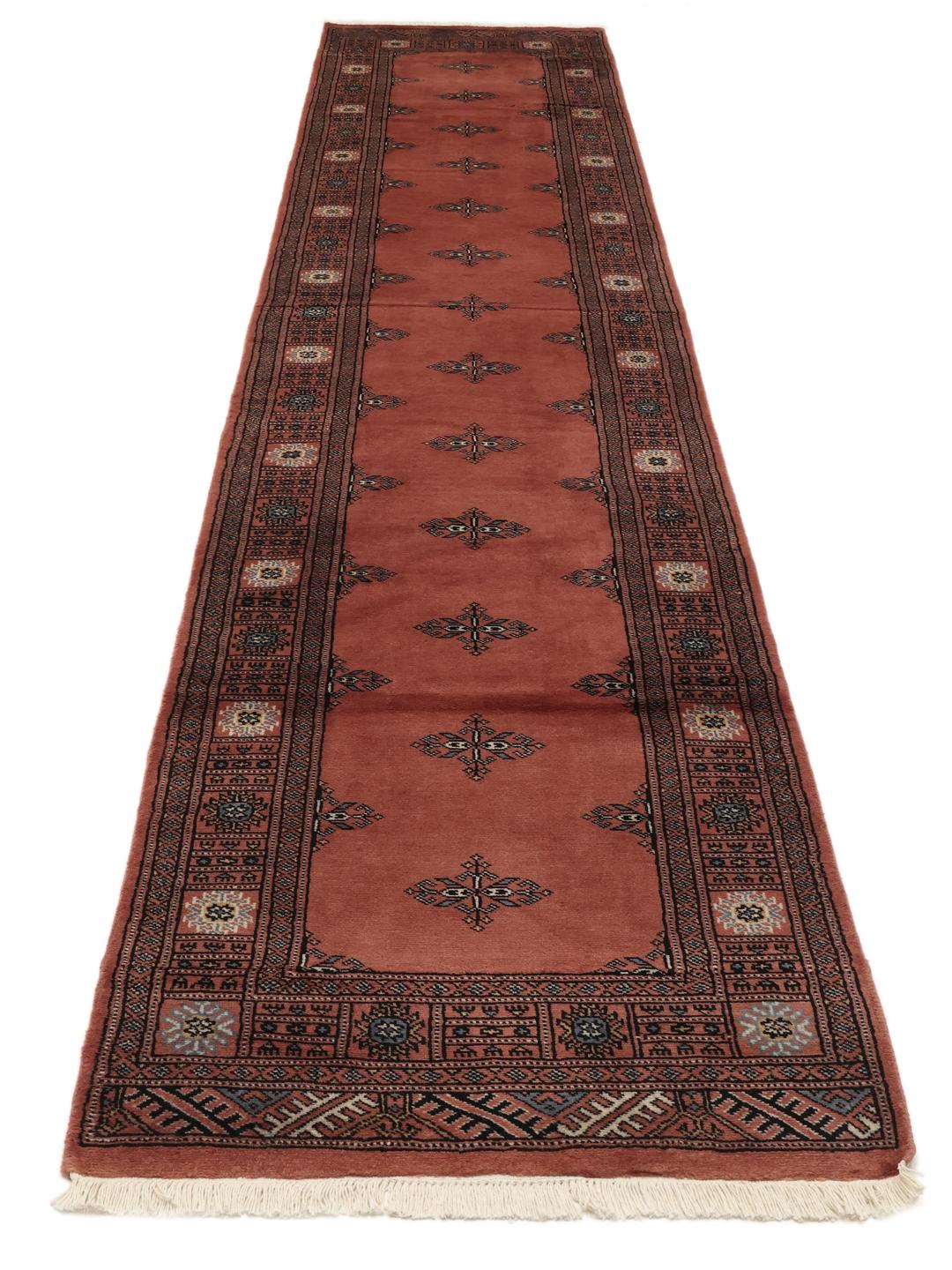
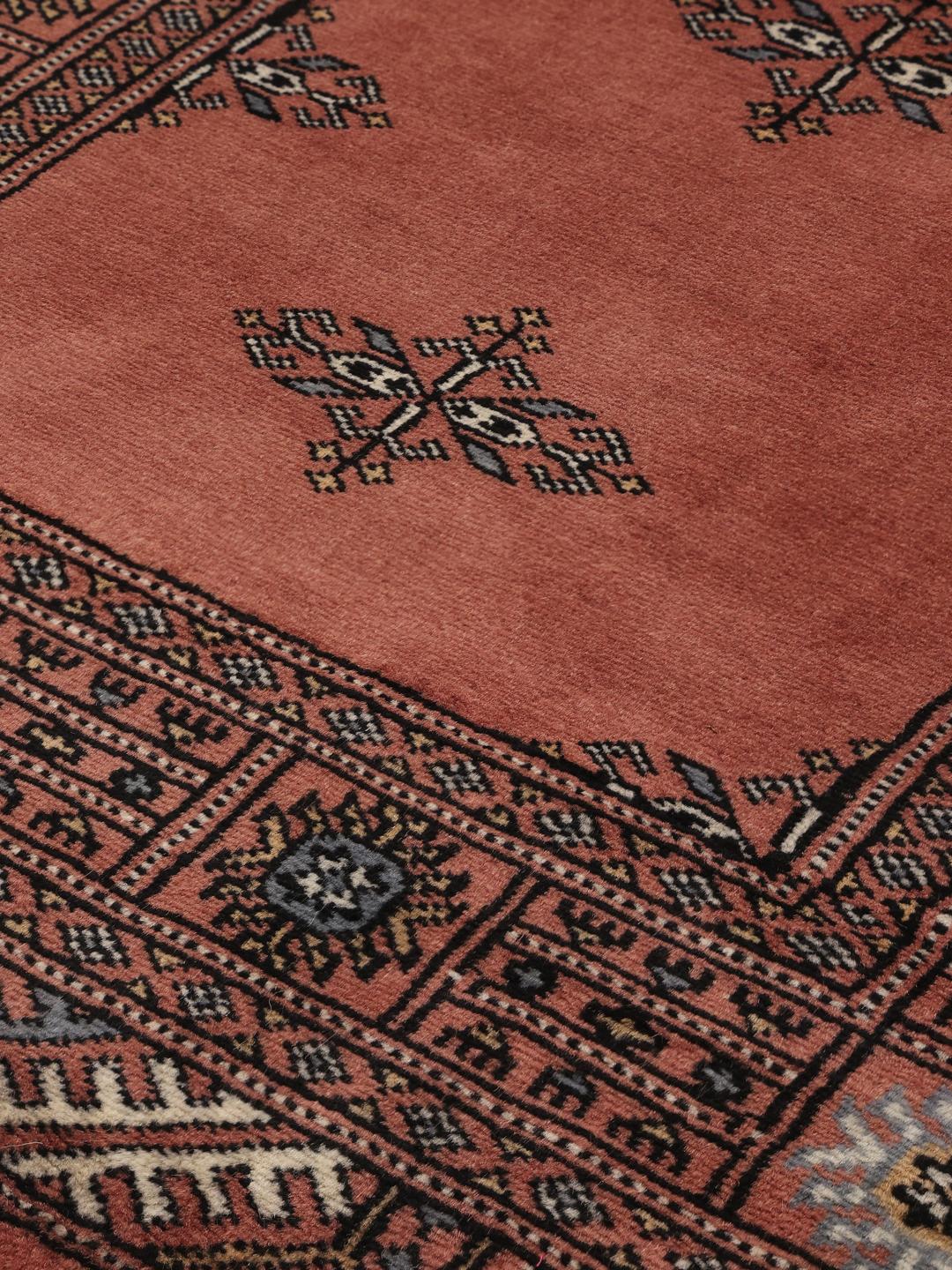
Visually, these rugs are defined by their iconic gul motifs, which are repeating medallions often shaped like elephant feet or octagons. These motifs are traditionally arranged in orderly rows across the field, framed by elaborate, geometric borders. The rich, deep colour palette is a hallmark of the style, designed to create a sense of harmony and timeless beauty in any room they occupy.
These rugs are highly valued by collectors and homeowners alike for their blend of heritage, skill, and lasting quality. Owning a piece like this is more than just a decor choice; it is an investment in a craft tradition that has been passed down through generations. It represents a connection to a long history of artistry, offering a level of character and depth that mass-produced items simply cannot match.