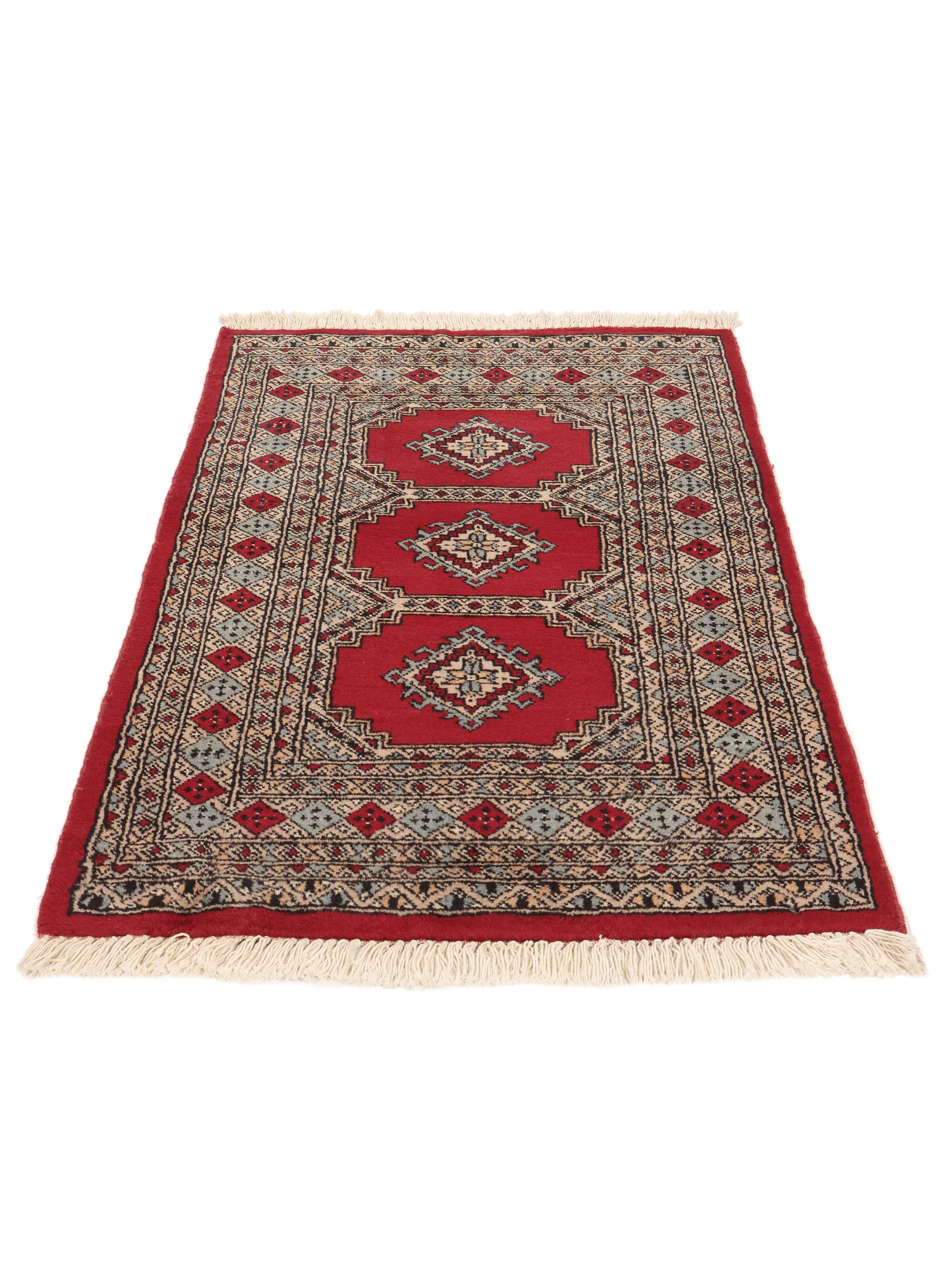
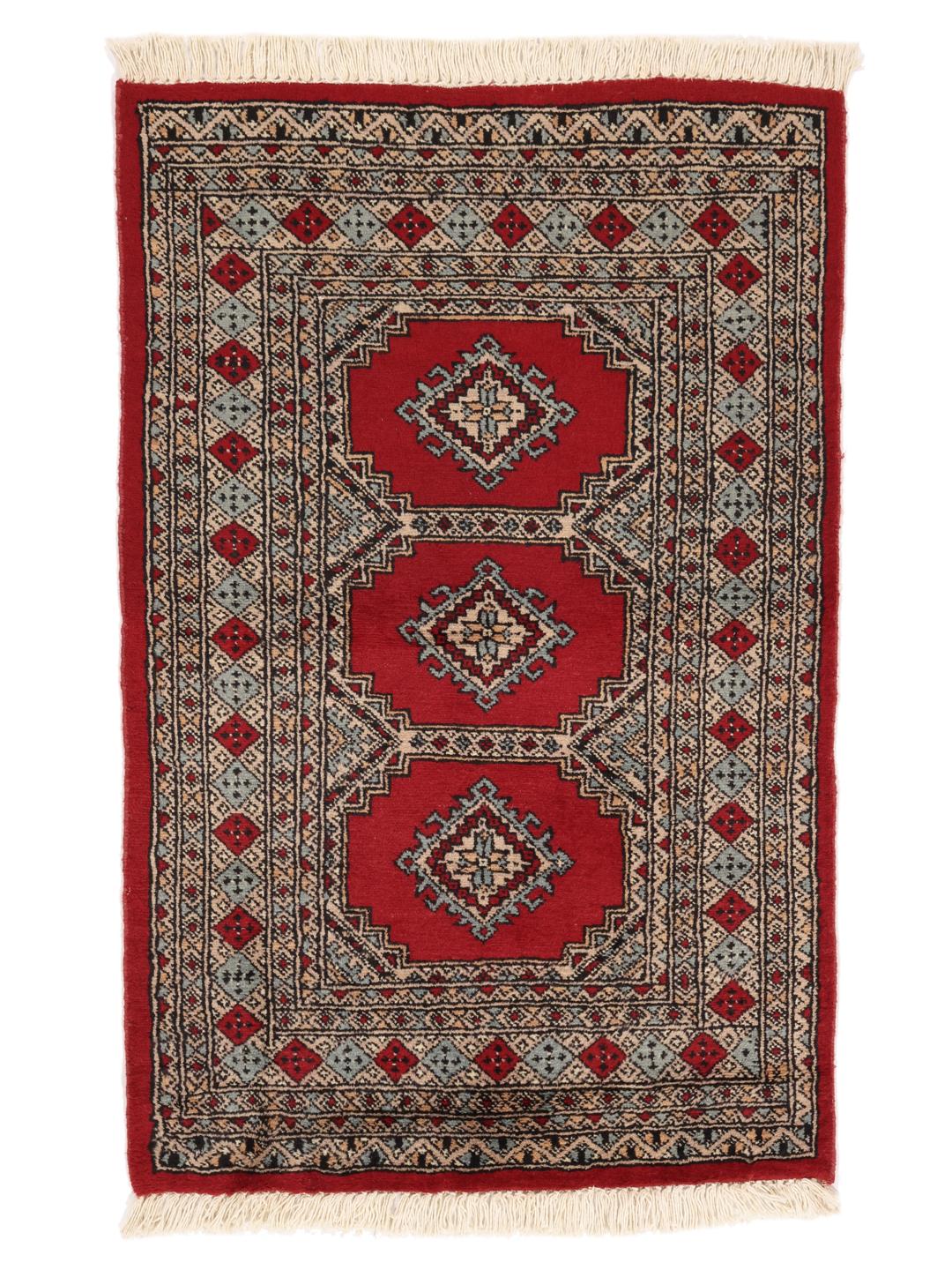
Bokhara rugs take their name from the ancient Silk Road city of Bukhara in Central Asia, a historical hub of textile trade and culture. While the style originated in the tribal regions of the steppe, the finest examples today are primarily woven in Pakistan. This evolution reflects the migration of weaving families across borders, who carried their ancestral techniques and designs to new regions, ultimately refining them into the celebrated Pakistani style we recognise today.
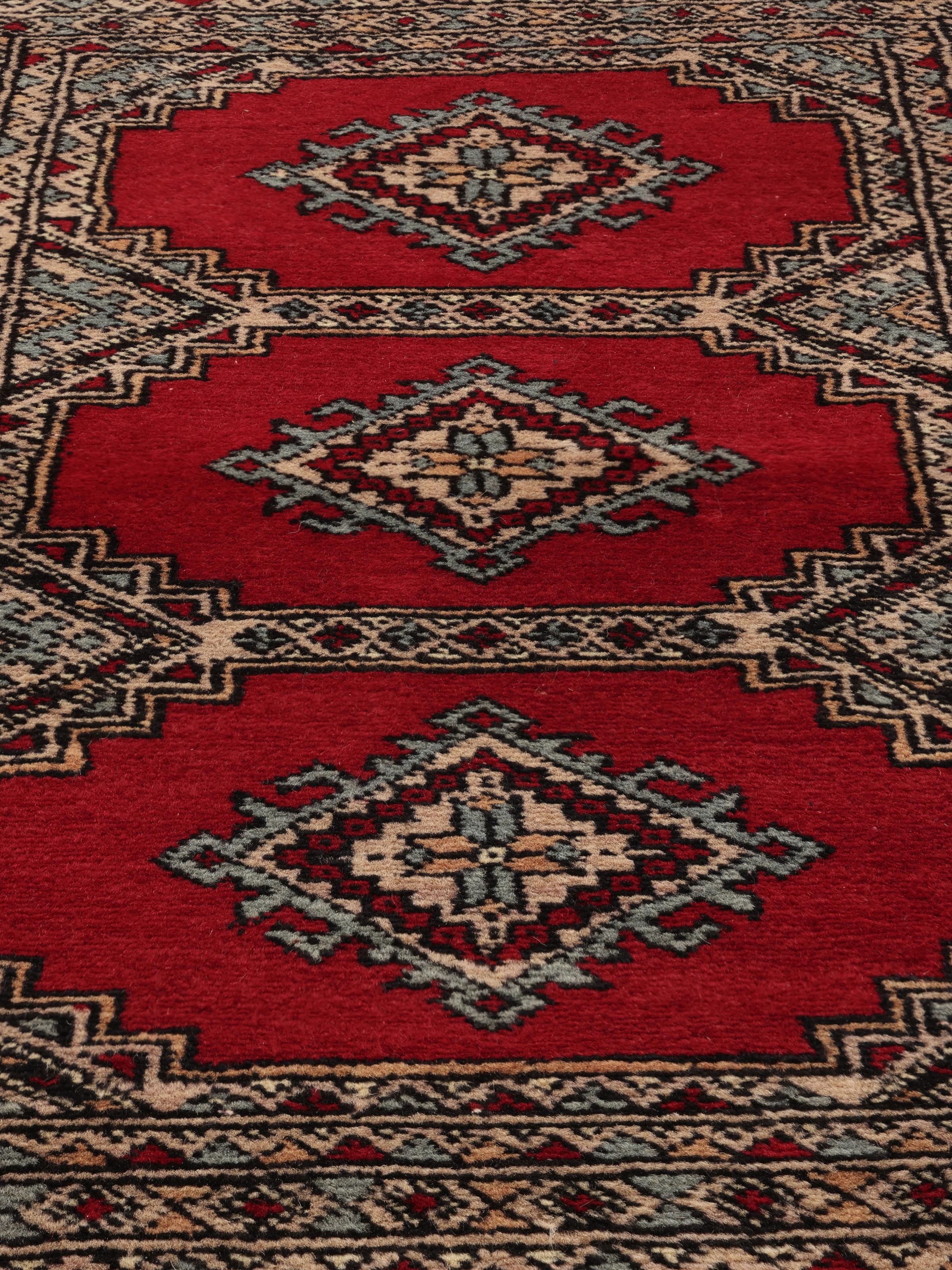
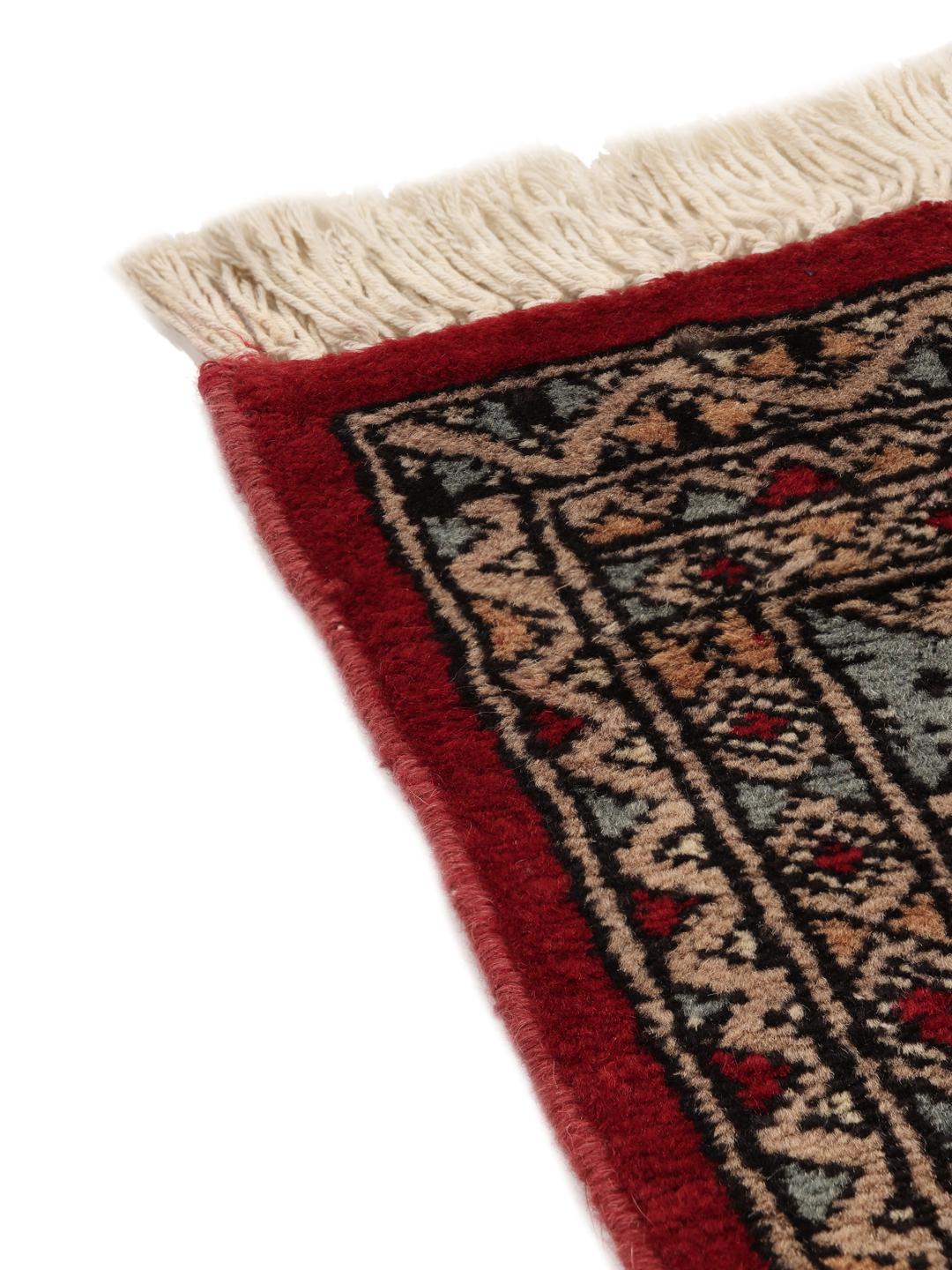
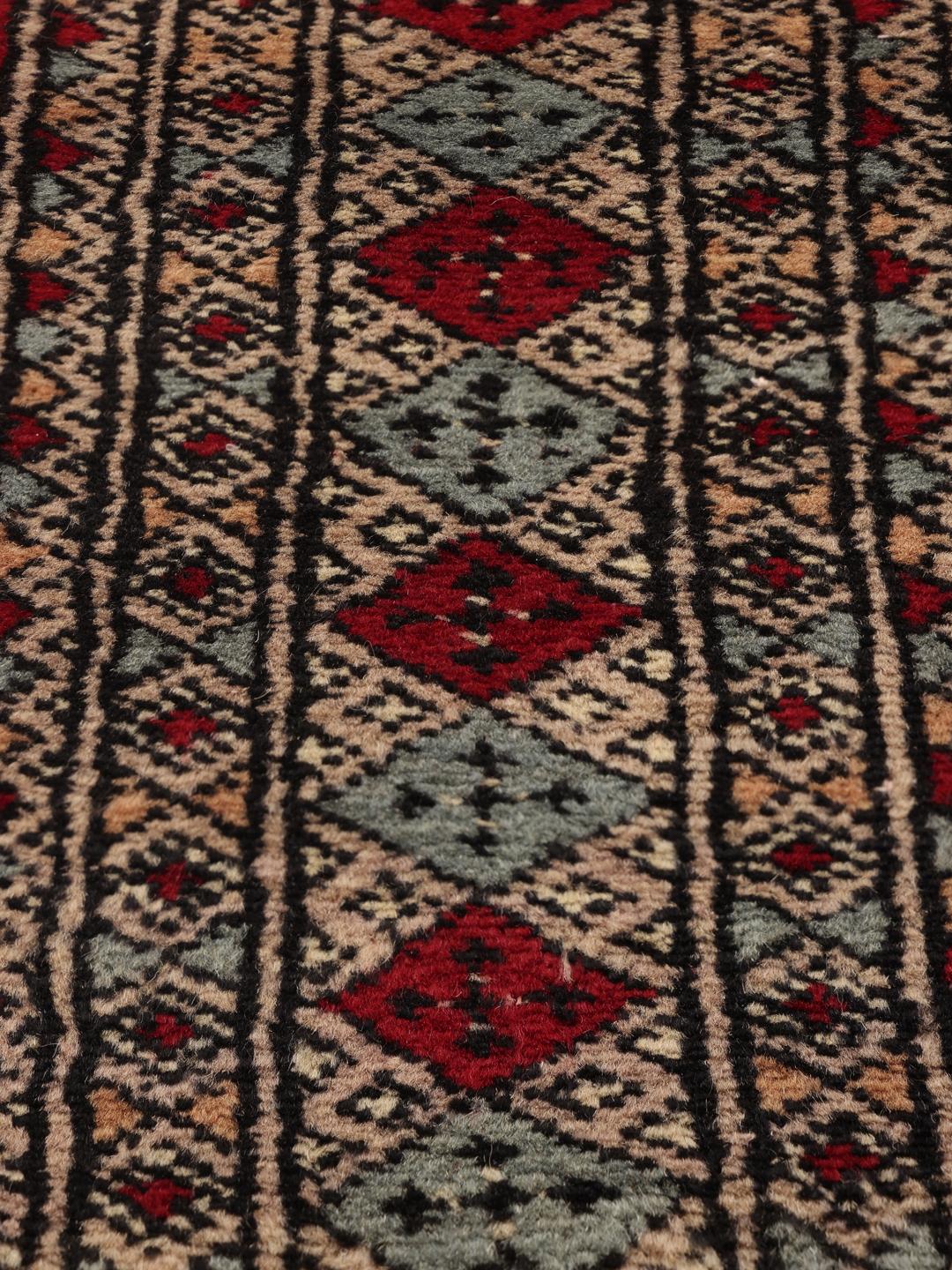
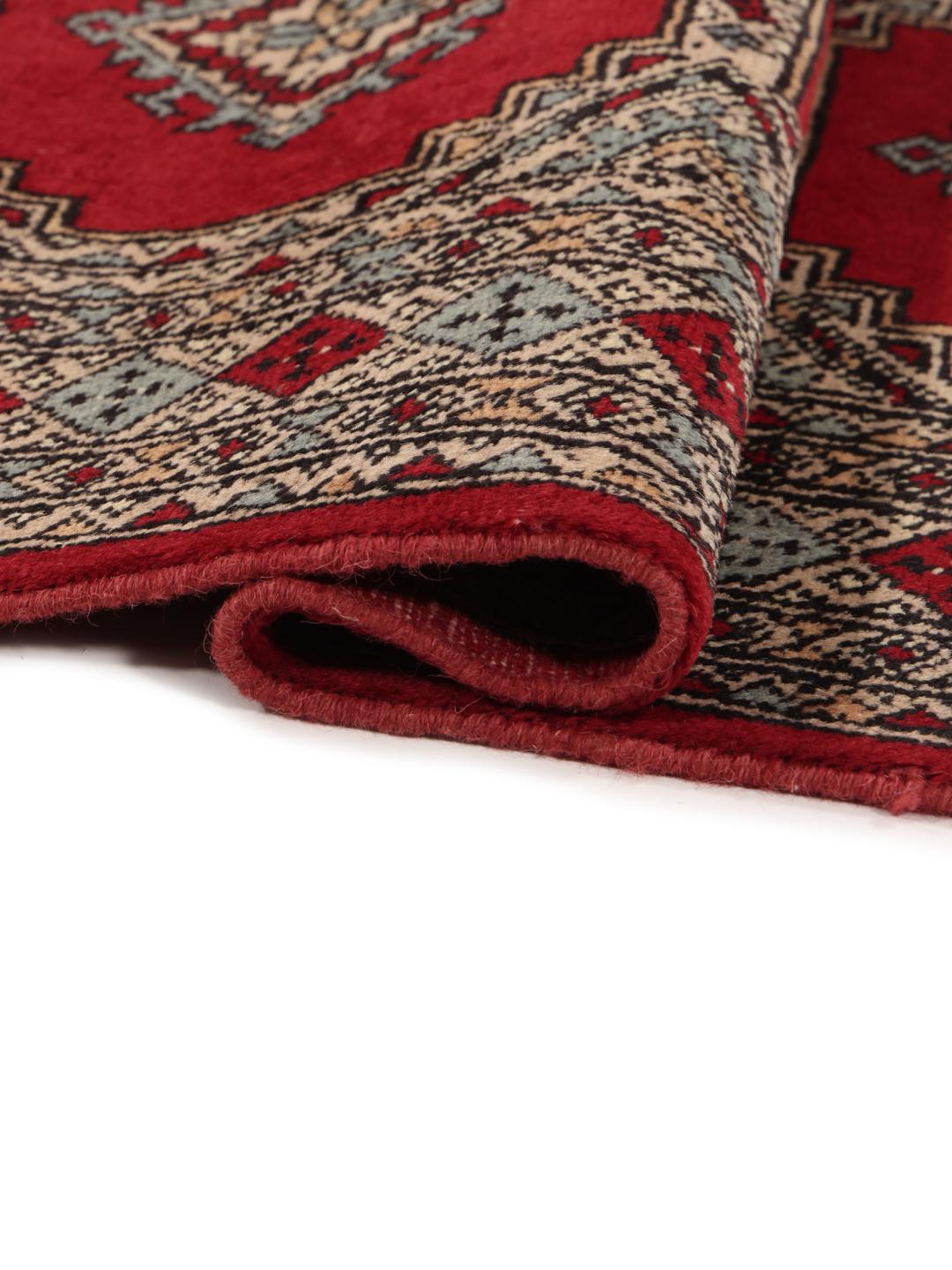
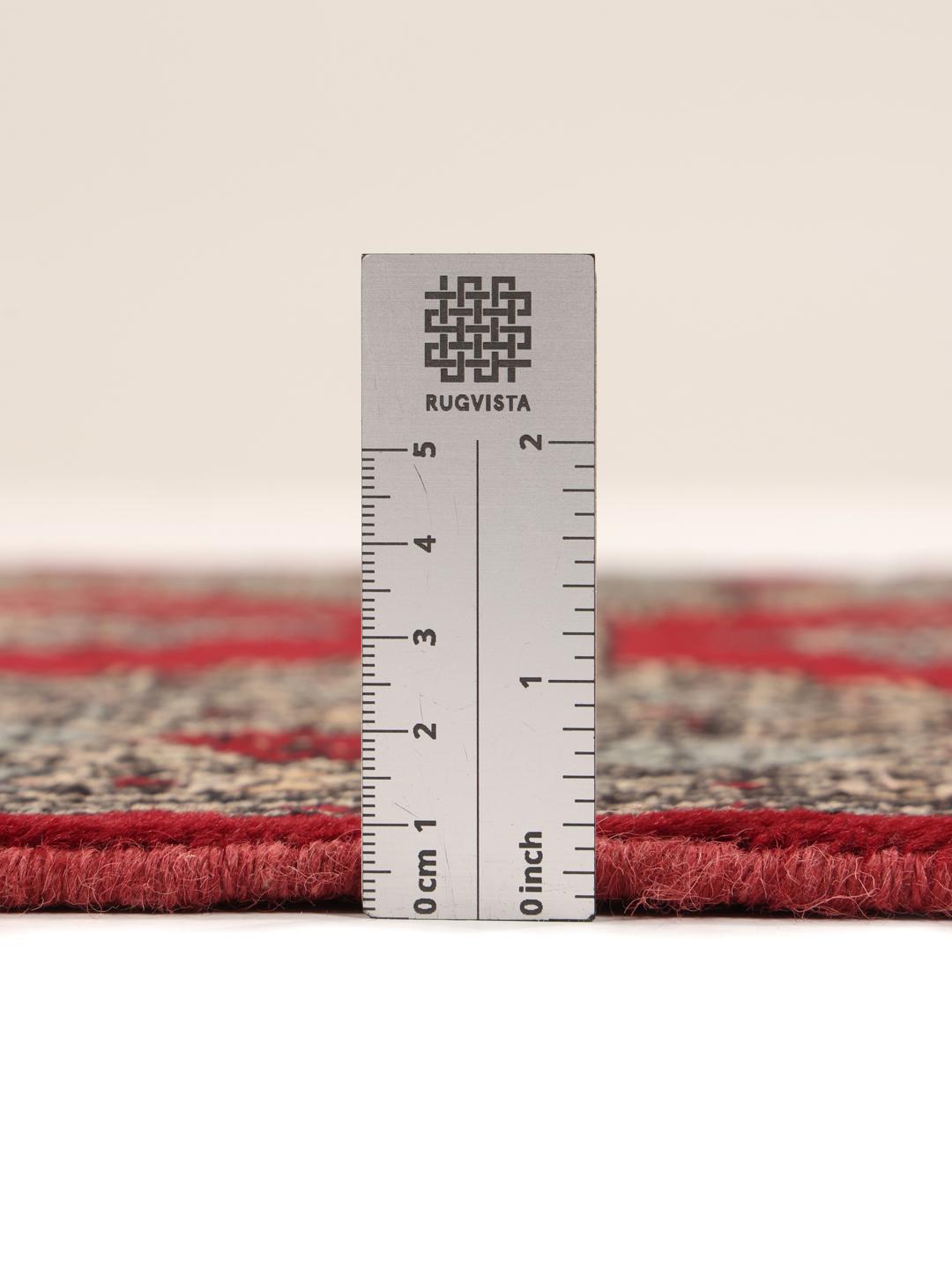
The term 2ply refers to the construction of the yarn, where two strands of wool are twisted together before being used in the pile. This technical choice is significant because it results in a pile that is not only denser and more lustrous but also far more durable than single-ply alternatives. For the owner, this means a rug that is more resistant to wear and maintains its visual depth and softness over many years of use.
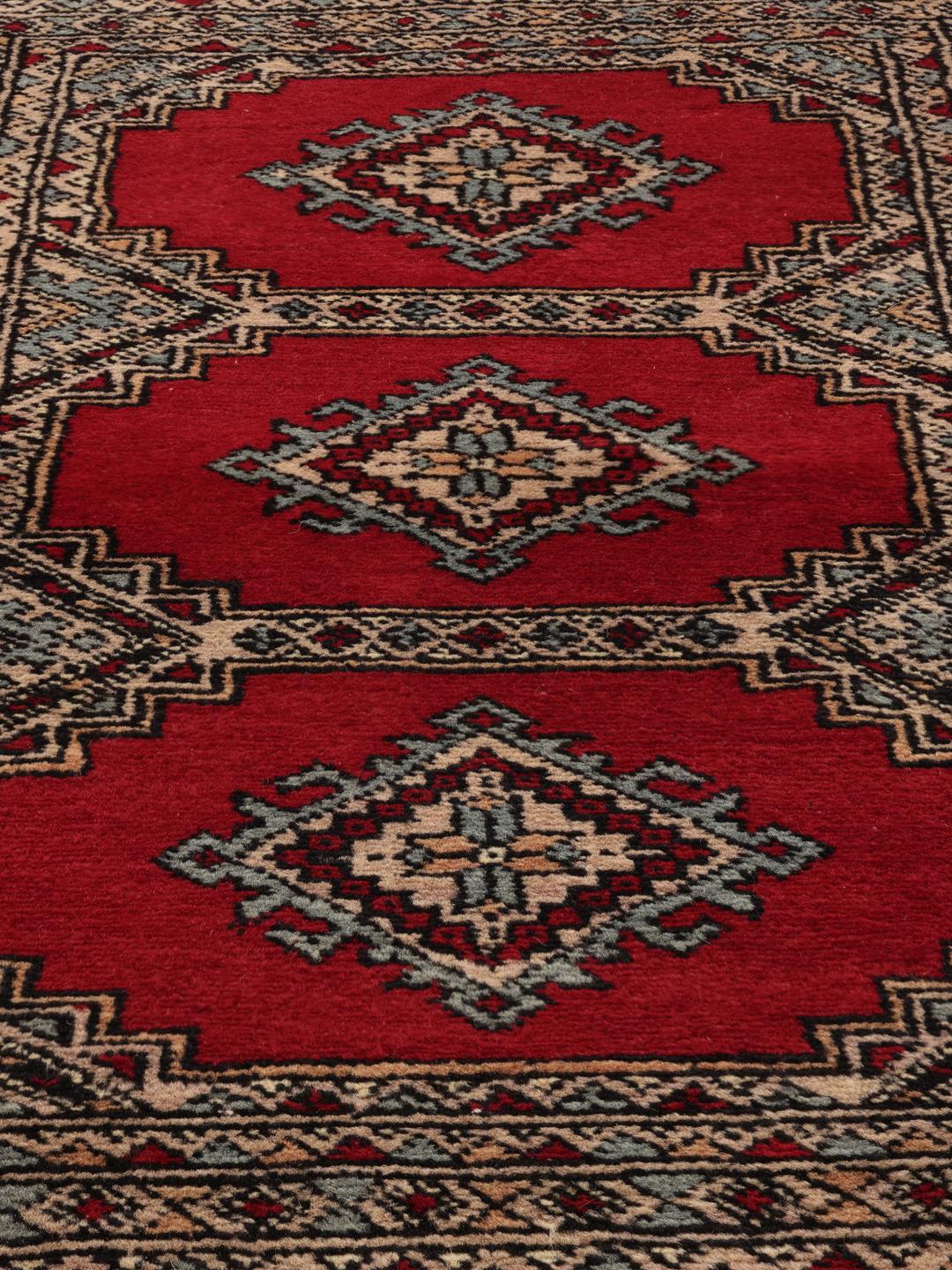
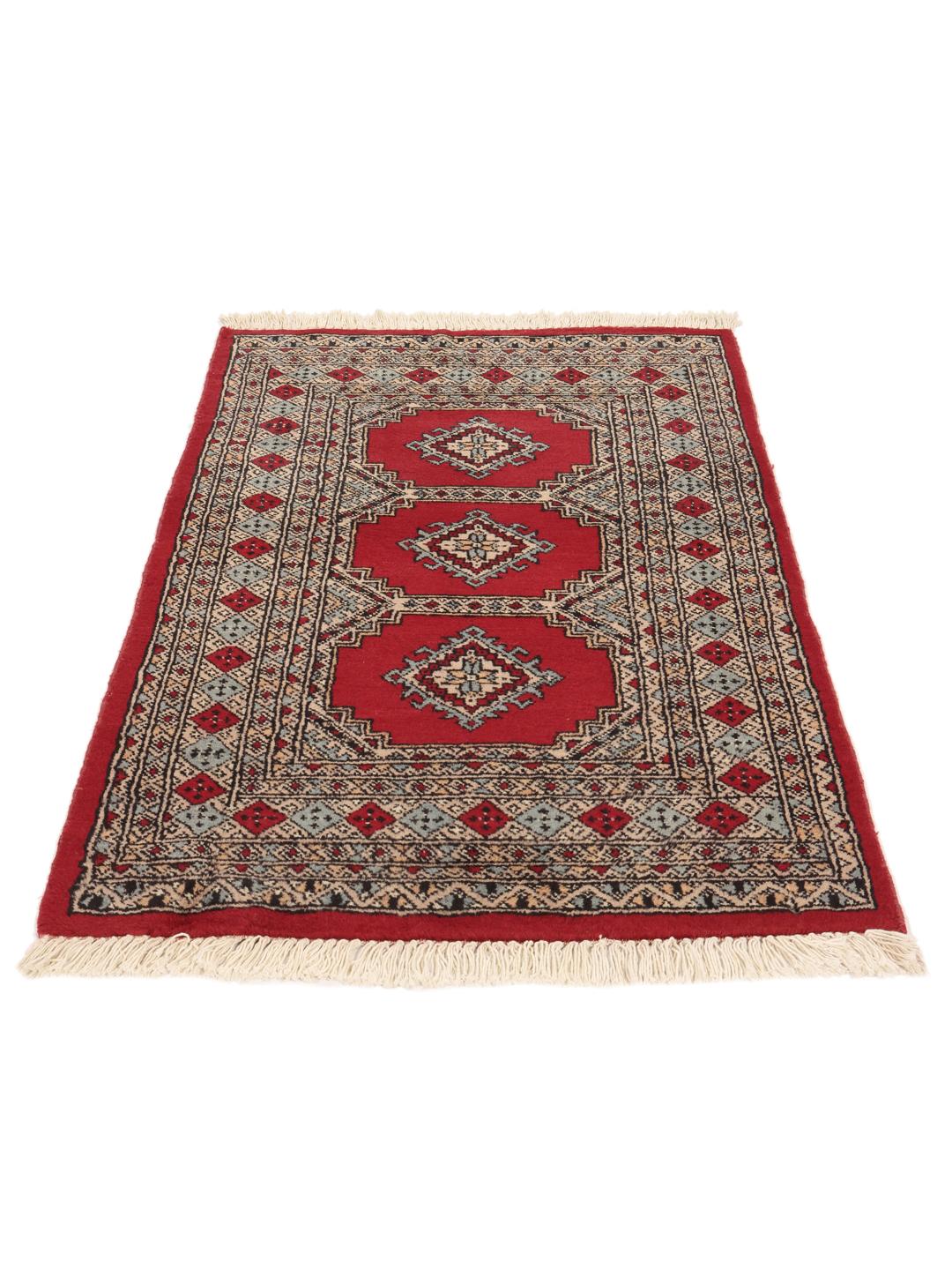
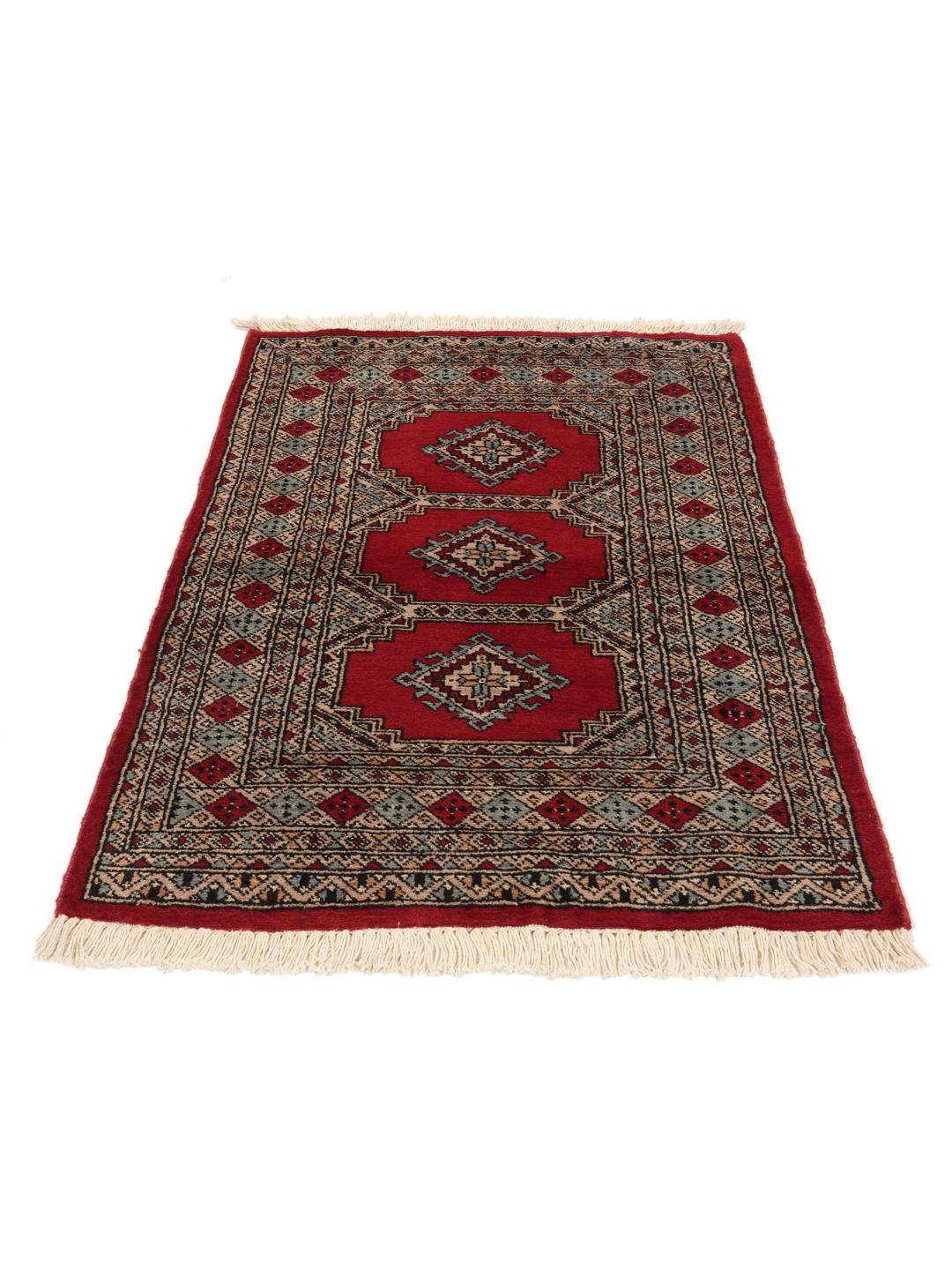
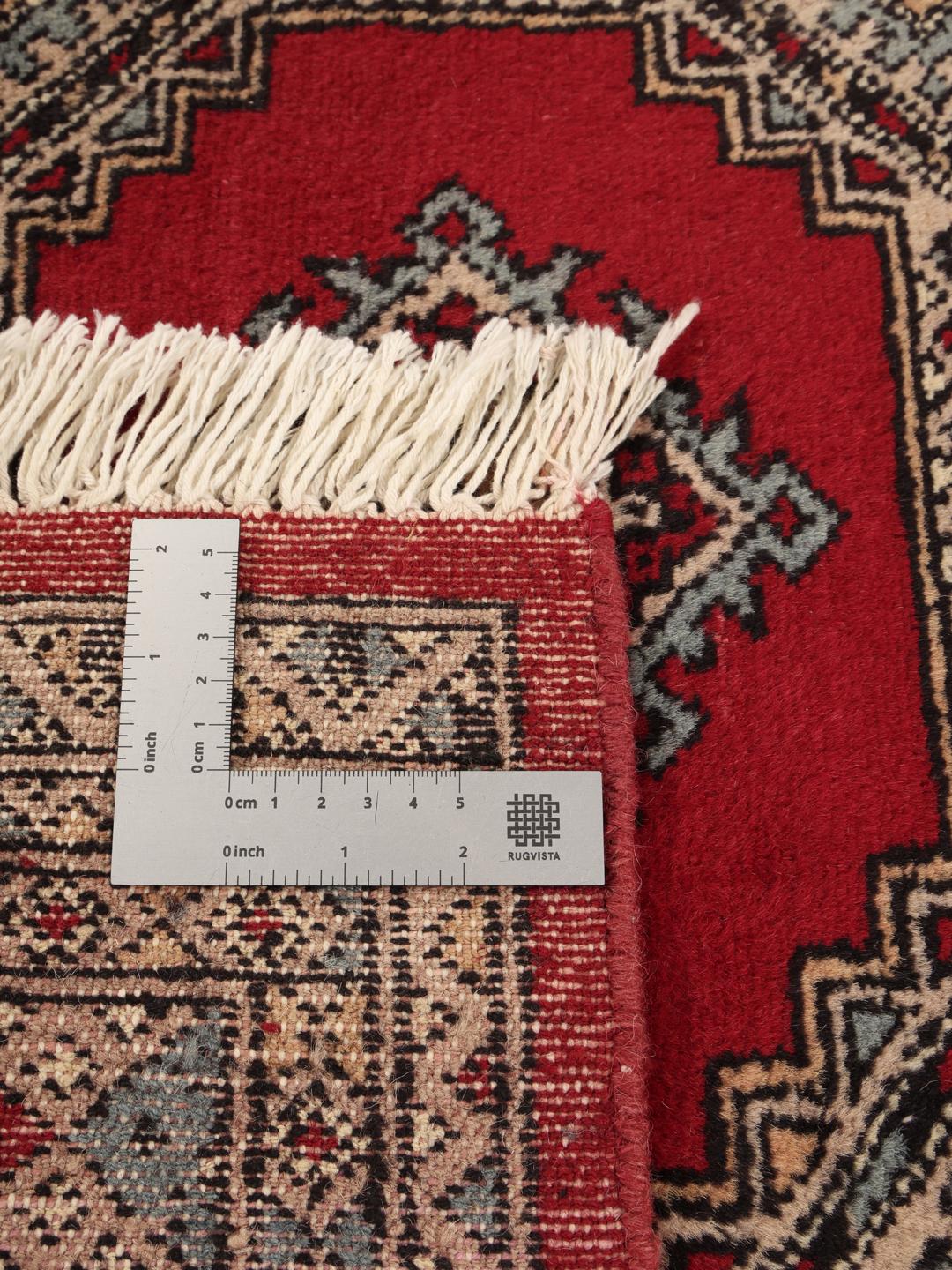
The visual language of these rugs is defined by the repeating gul motif, a classic design element that typically takes the form of octagonal or elephant-foot shaped medallions. These are often arranged in orderly rows across the field and enclosed by complex, repeating borders. The precision of these geometric shapes is a hallmark of the tradition, serving as a testament to the weaver's ability to maintain perfect symmetry across the entire surface of the rug.
Owning a hand-knotted rug from this tradition is about more than just floor covering; it is an appreciation of cultural heritage and human skill. These pieces are valued for their ability to balance formal, intricate artistry with a warm, inviting presence. By acquiring such a rug, collectors and homeowners alike are preserving a craft tradition that has been passed down through generations, ensuring that these timeless design languages continue to thrive in the modern home.