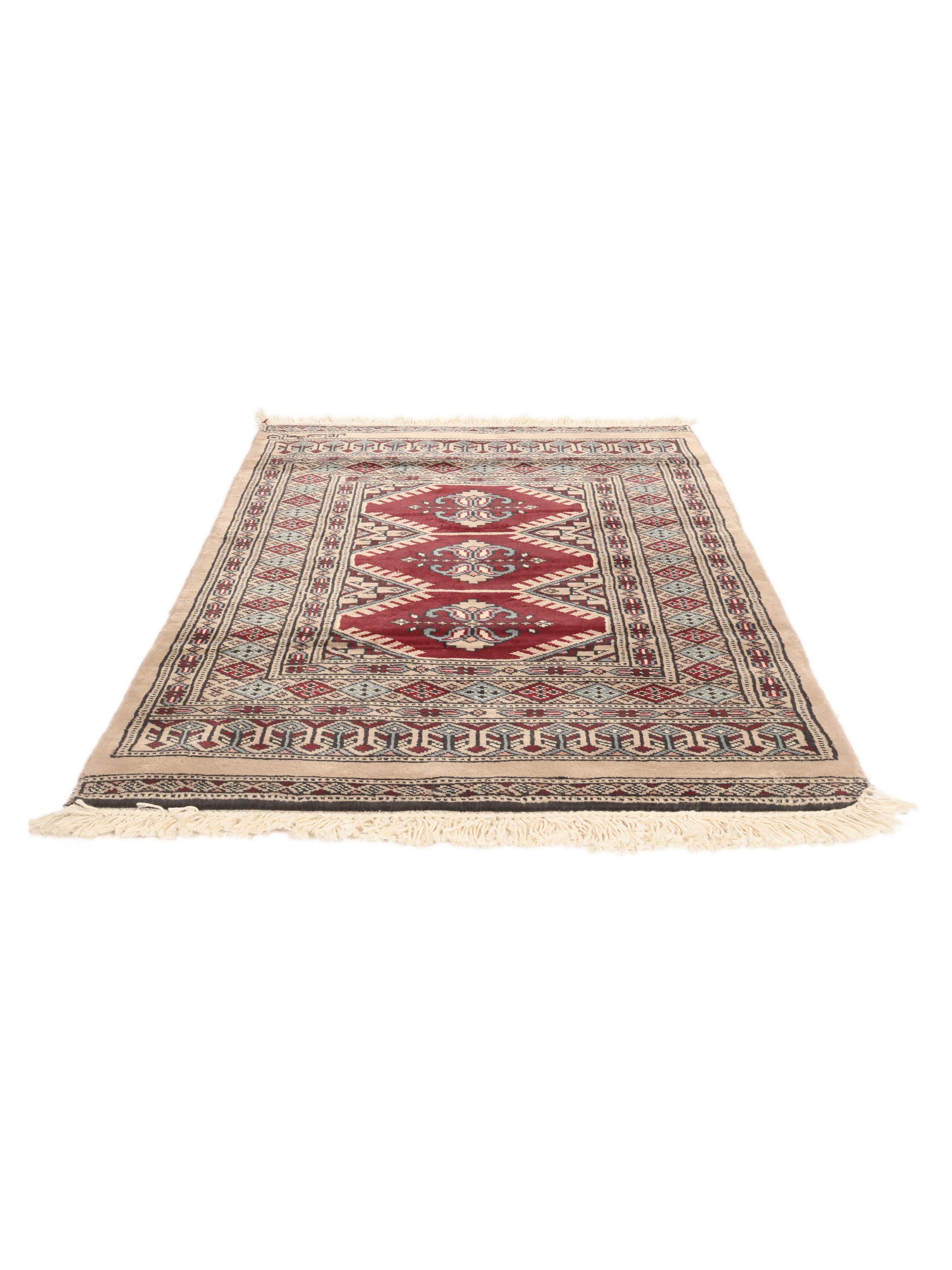
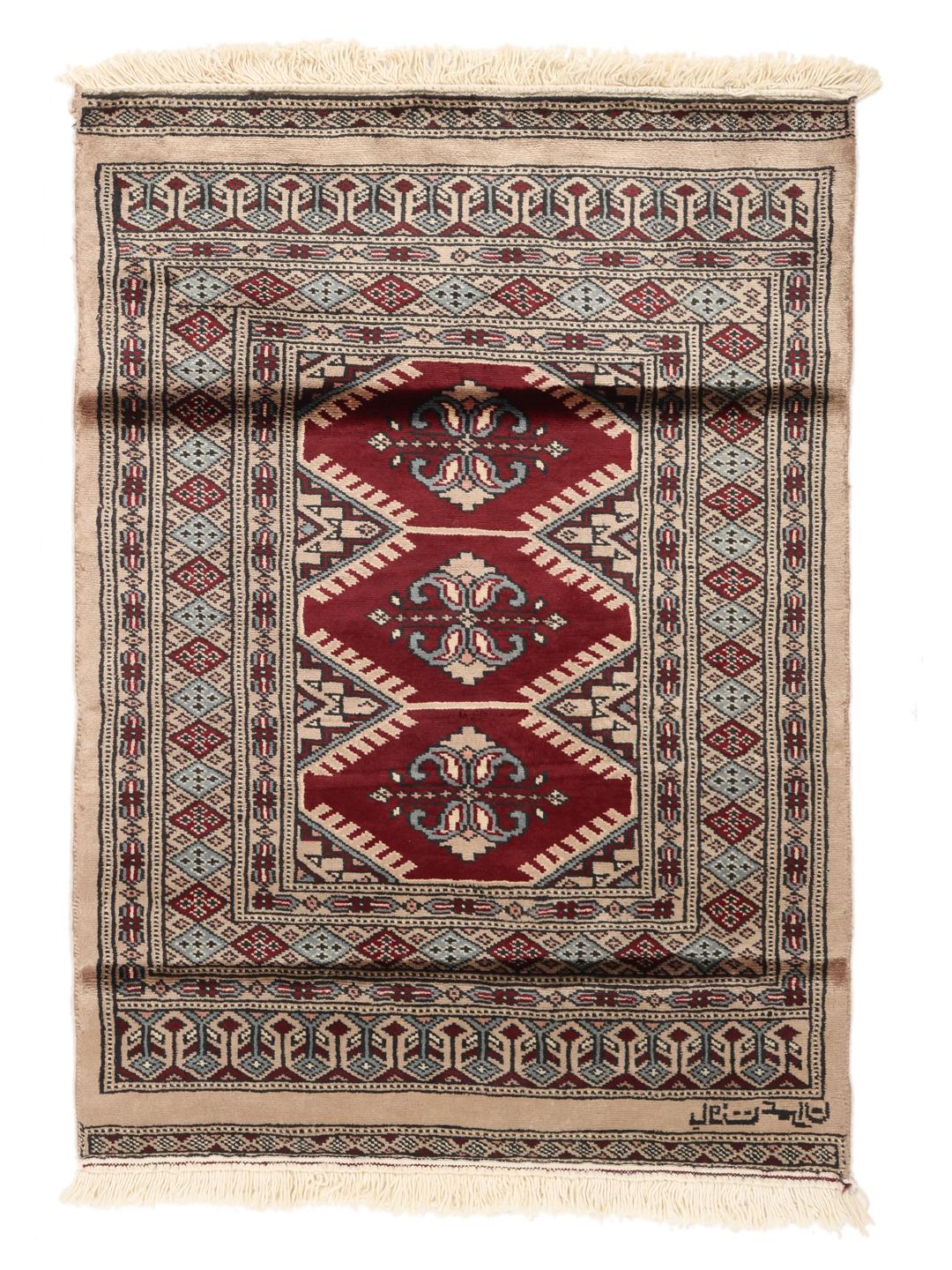
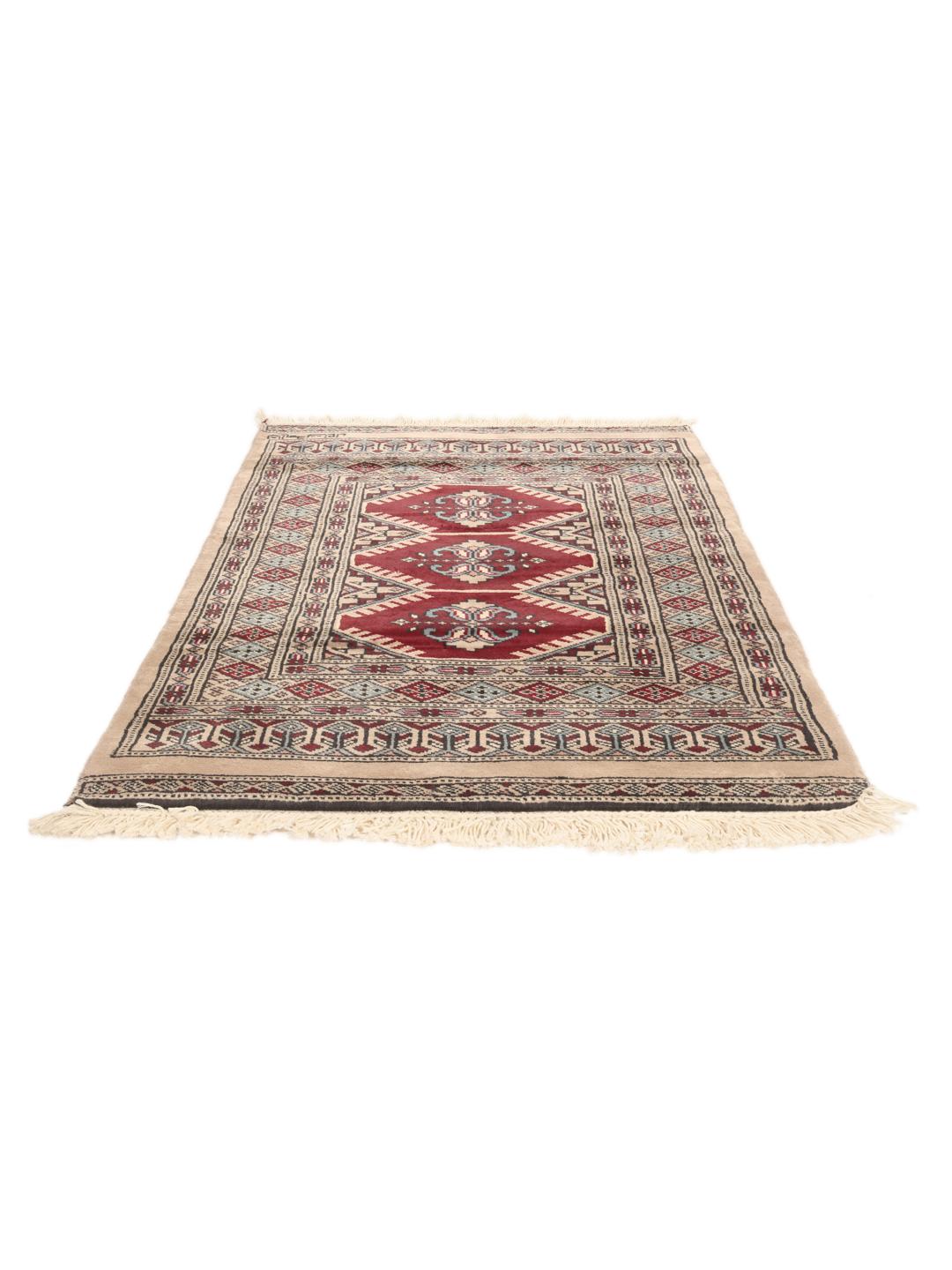
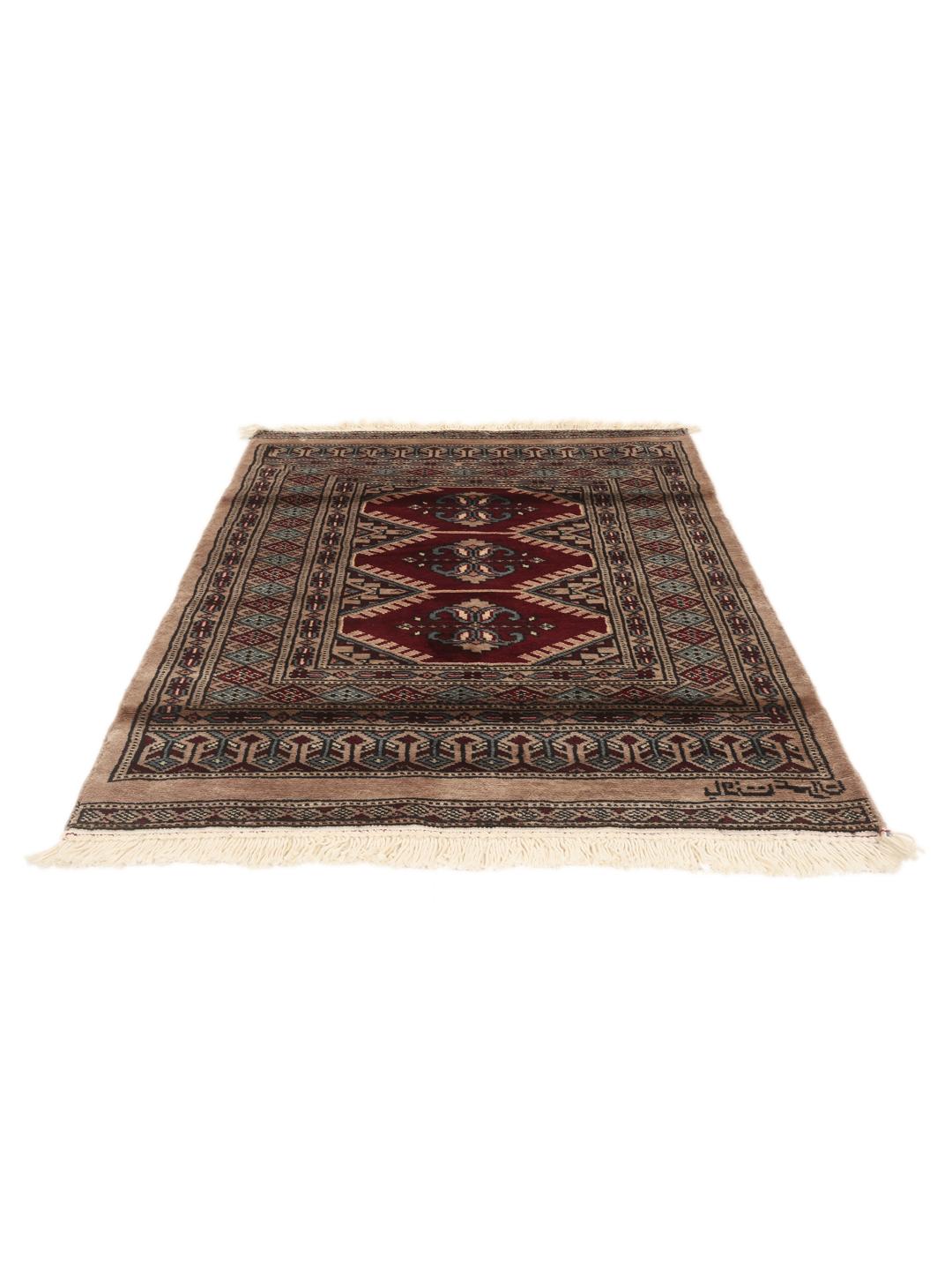
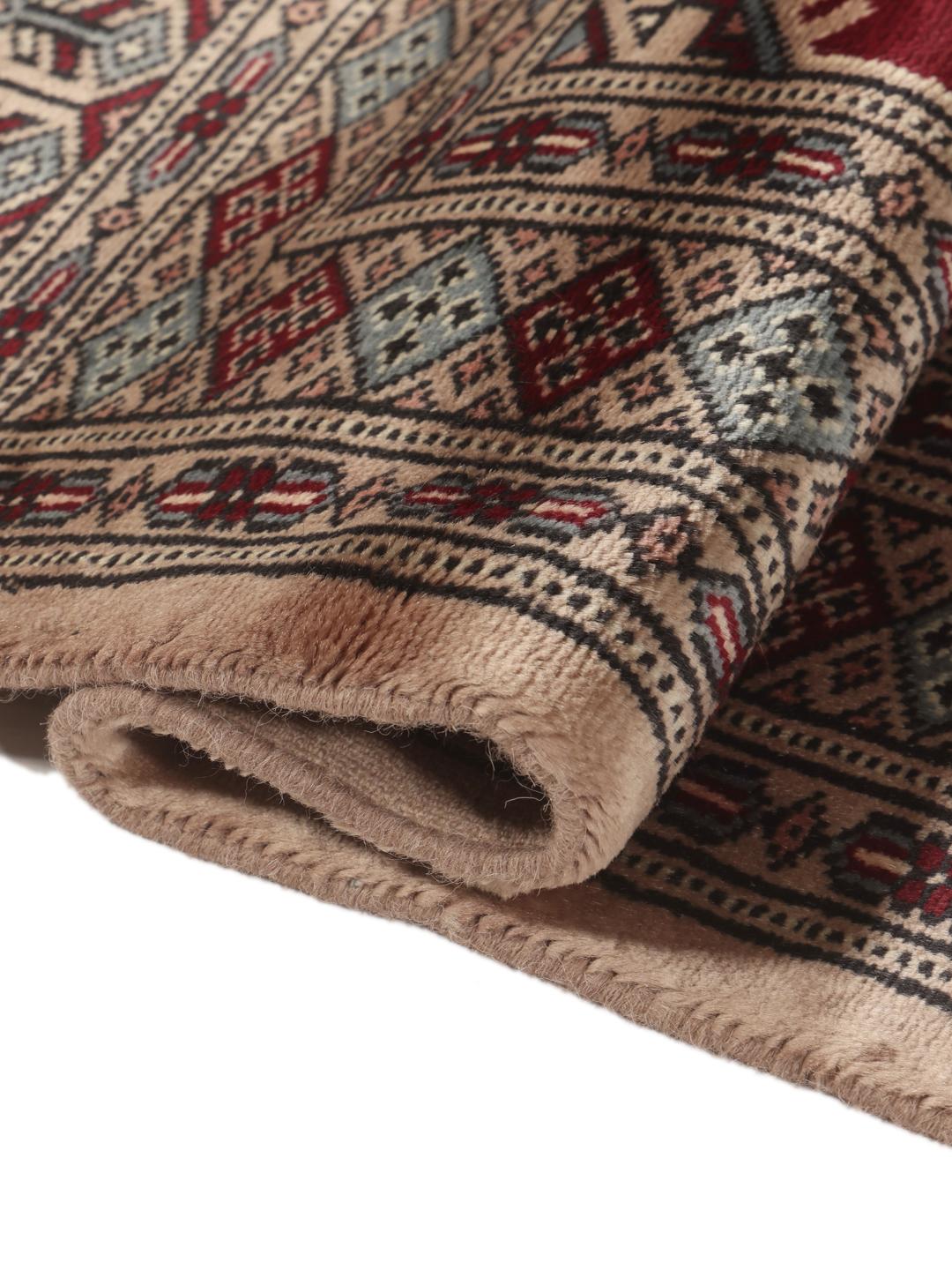
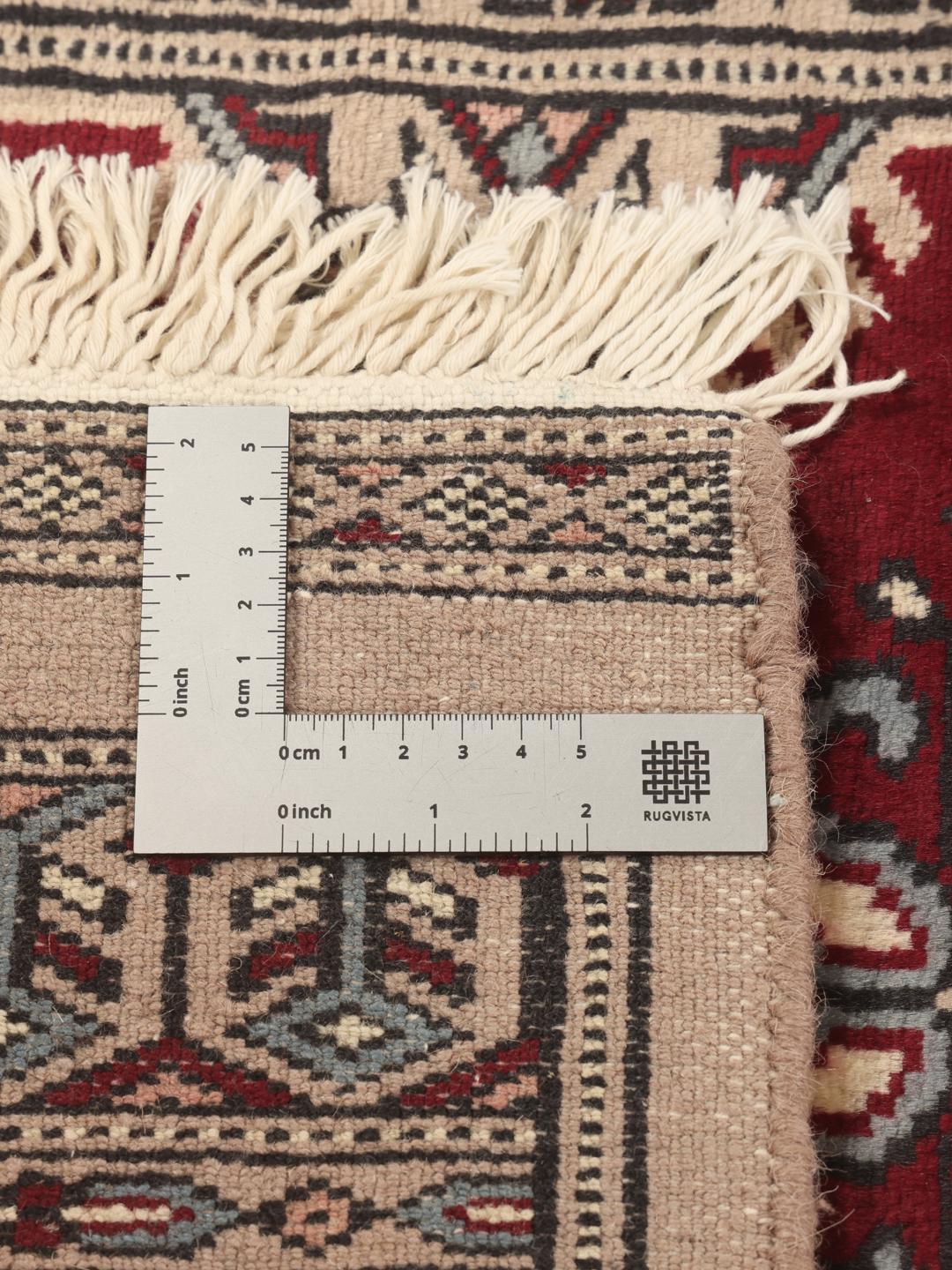
Bokhara rugs take their name from the ancient Silk Road city of Bukhara, a historic hub for trade and textile arts in Central Asia. While the traditional designs are deeply rooted in this region, the finest examples today are expertly woven in Pakistan. This evolution reflects the migration of weaving techniques across borders, where artisans have refined these classic motifs over generations to suit modern tastes while honouring their heritage.
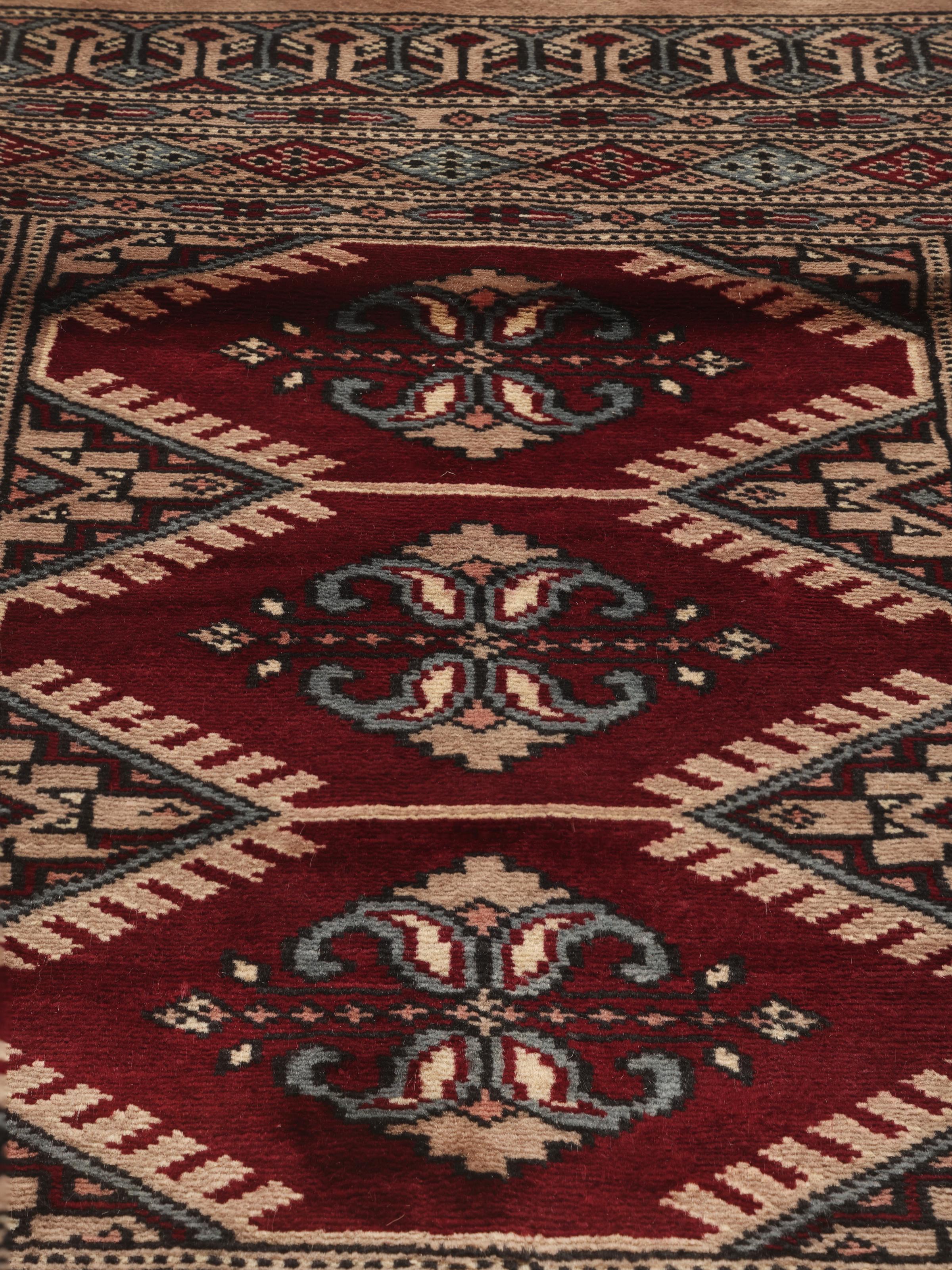
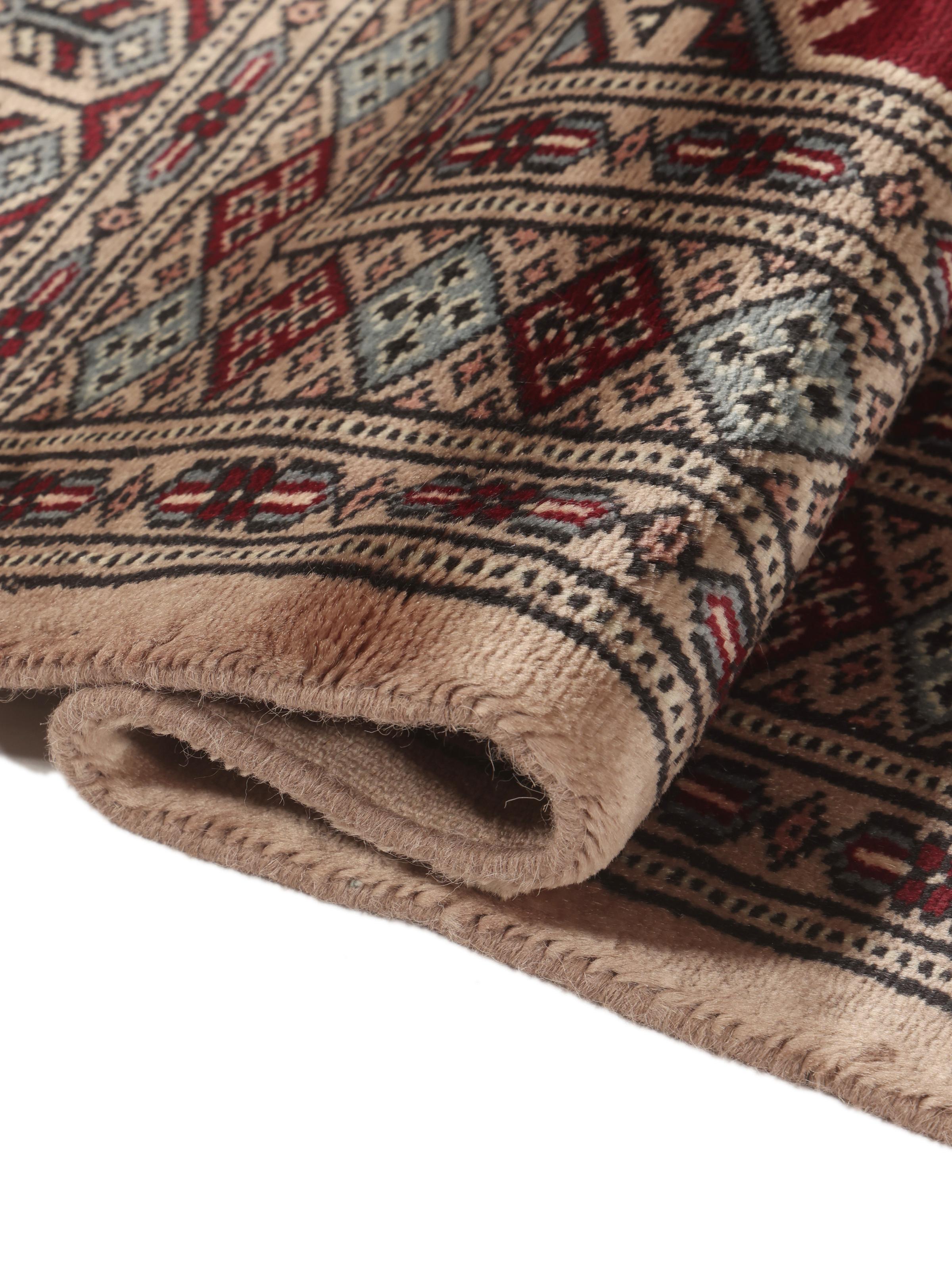
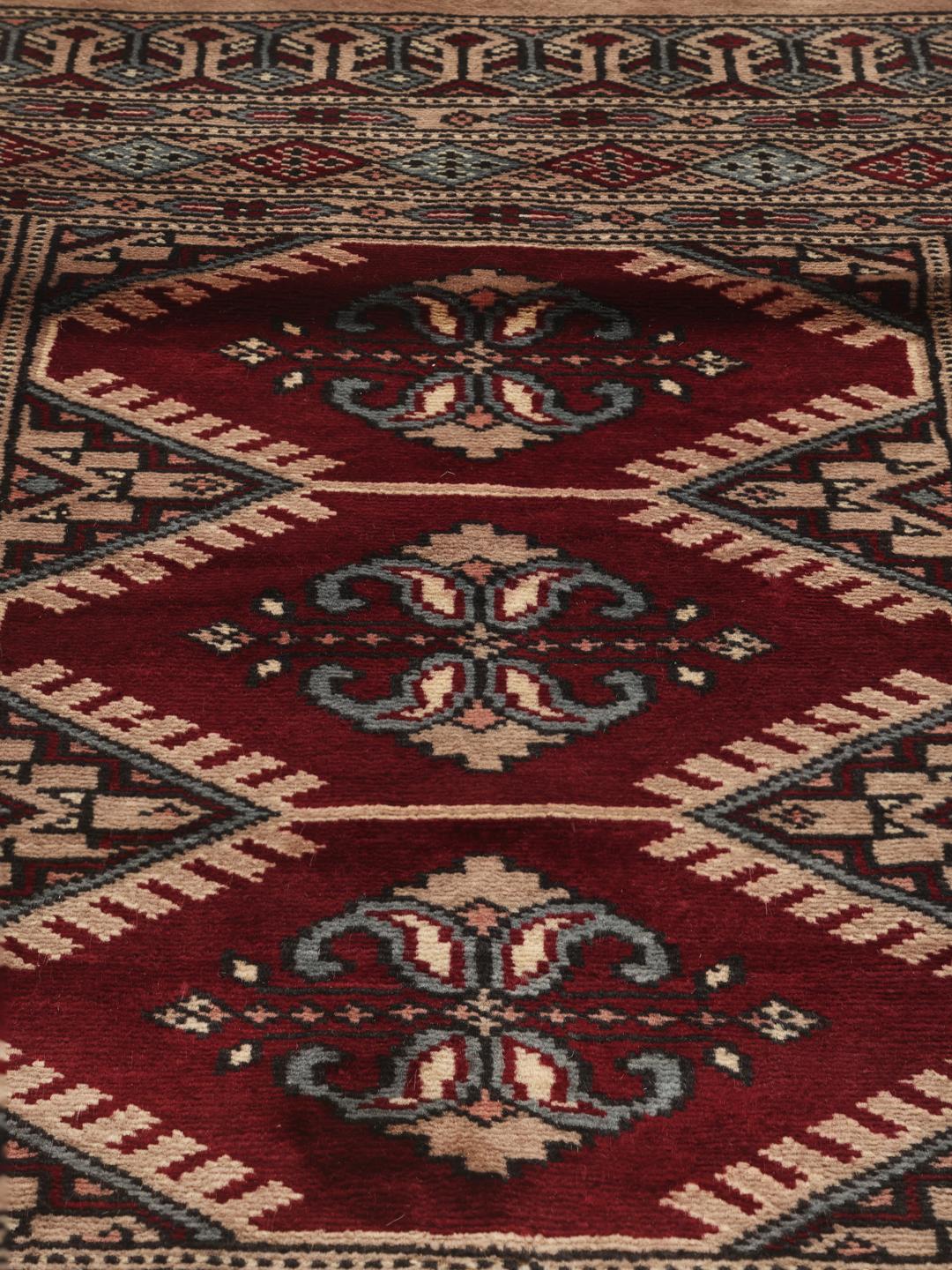
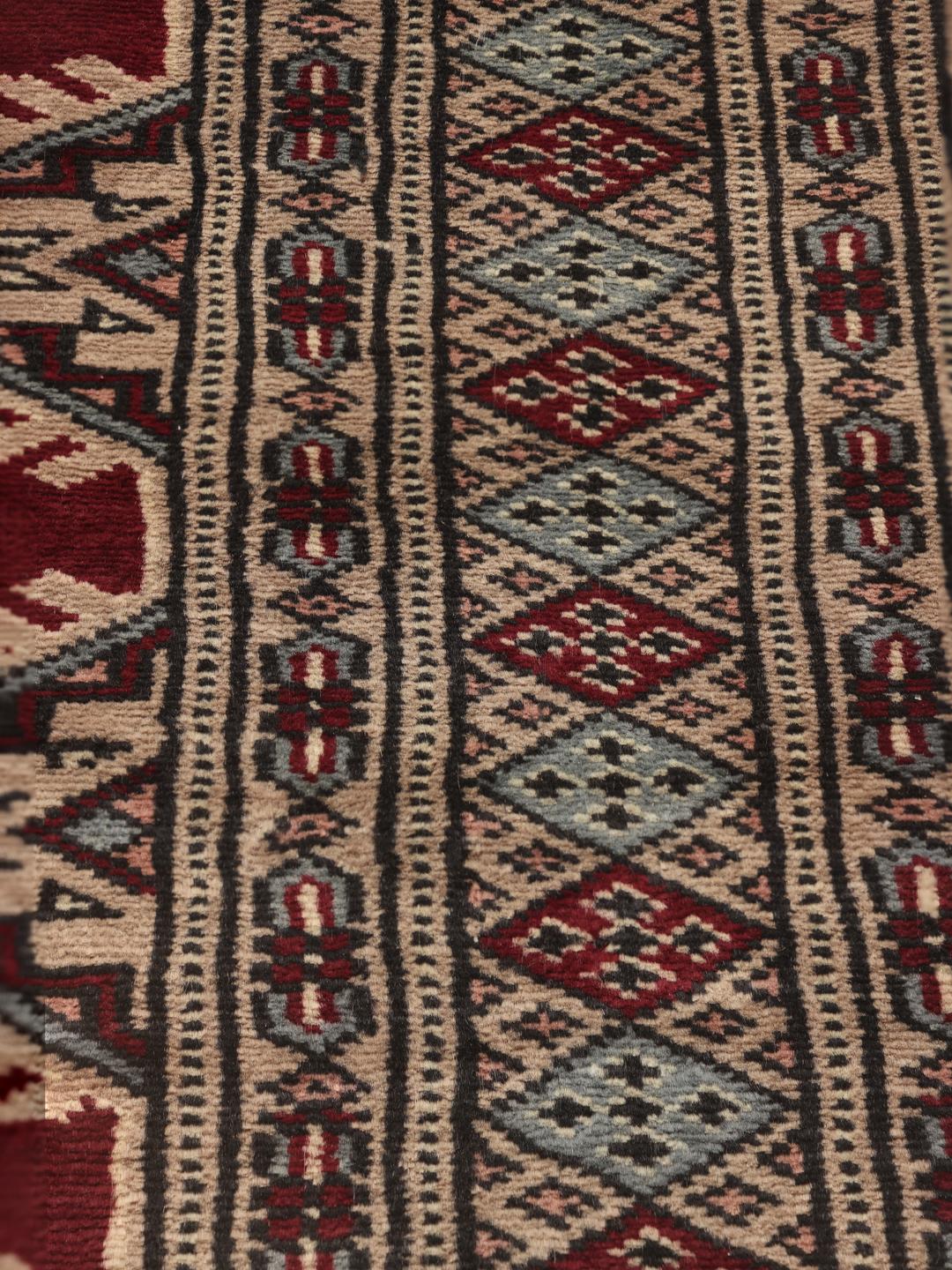
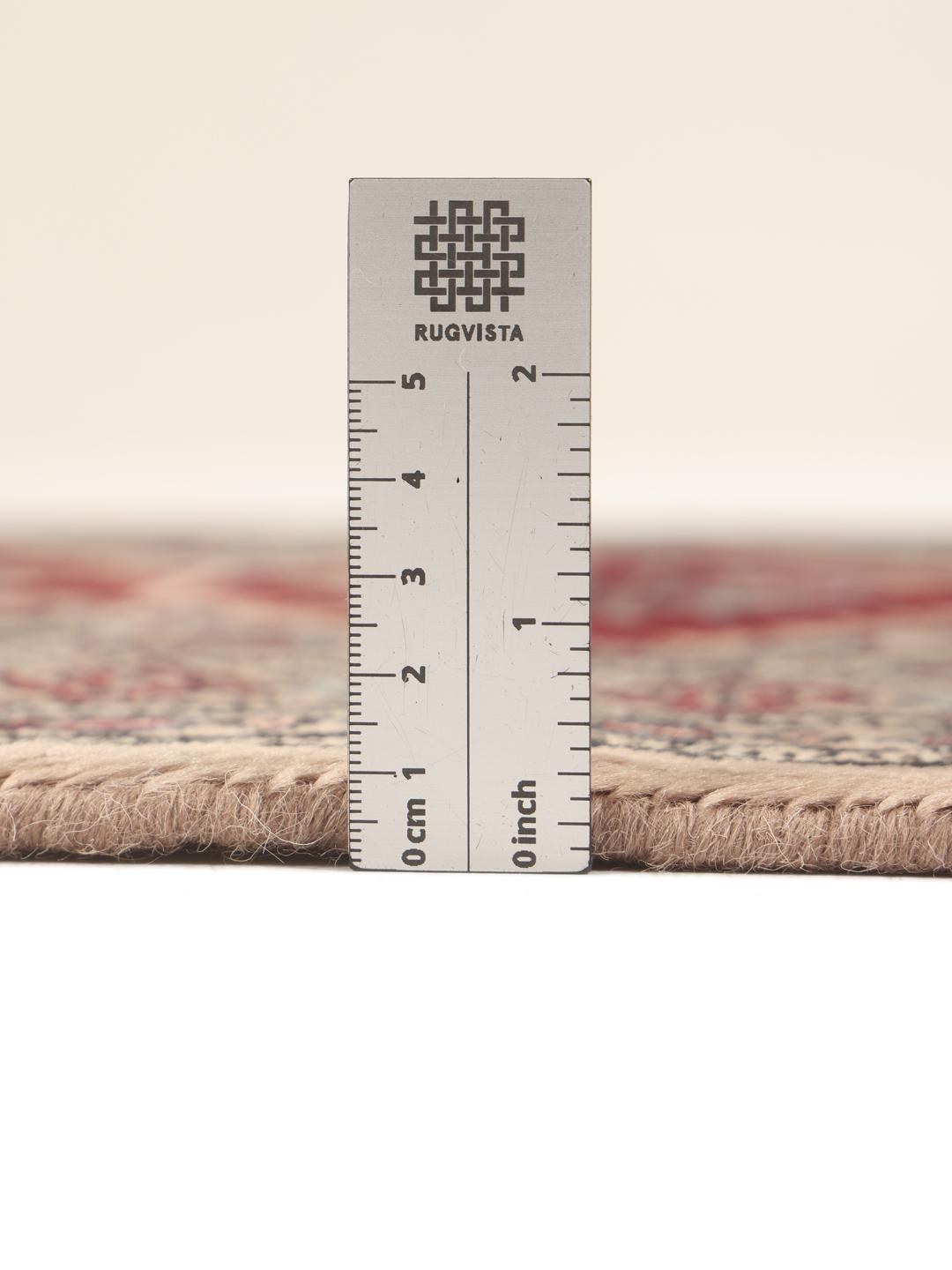
The term 2ply refers to a specialised technique where the pile is constructed using two strands of wool twisted together before knotting. This construction method is vital for quality, as it produces a significantly denser, more lustrous, and longer-lasting pile compared to single-ply alternatives. It provides a tactile richness that is both soft to the touch and remarkably resilient against wear.
The visual language of the Bokhara tradition is defined by its iconic repeating motifs, such as the gul, which are often octagonal or elephant-foot shaped medallions. These are typically arranged in clean, formal rows and enclosed by intricate, decorative borders. The specific arrangement of these motifs, combined with the balanced colour palette, gives the rug its signature look of orderly, rhythmic beauty.
Owning a hand-knotted rug from this tradition is a testament to the appreciation of human skill and cultural legacy. These rugs are highly valued by collectors not just for their beauty, but for the story of human effort woven into every thread. By acquiring this piece, you are maintaining a connection to a craft that has been preserved and celebrated for centuries, ensuring its value continues to grow within your home.