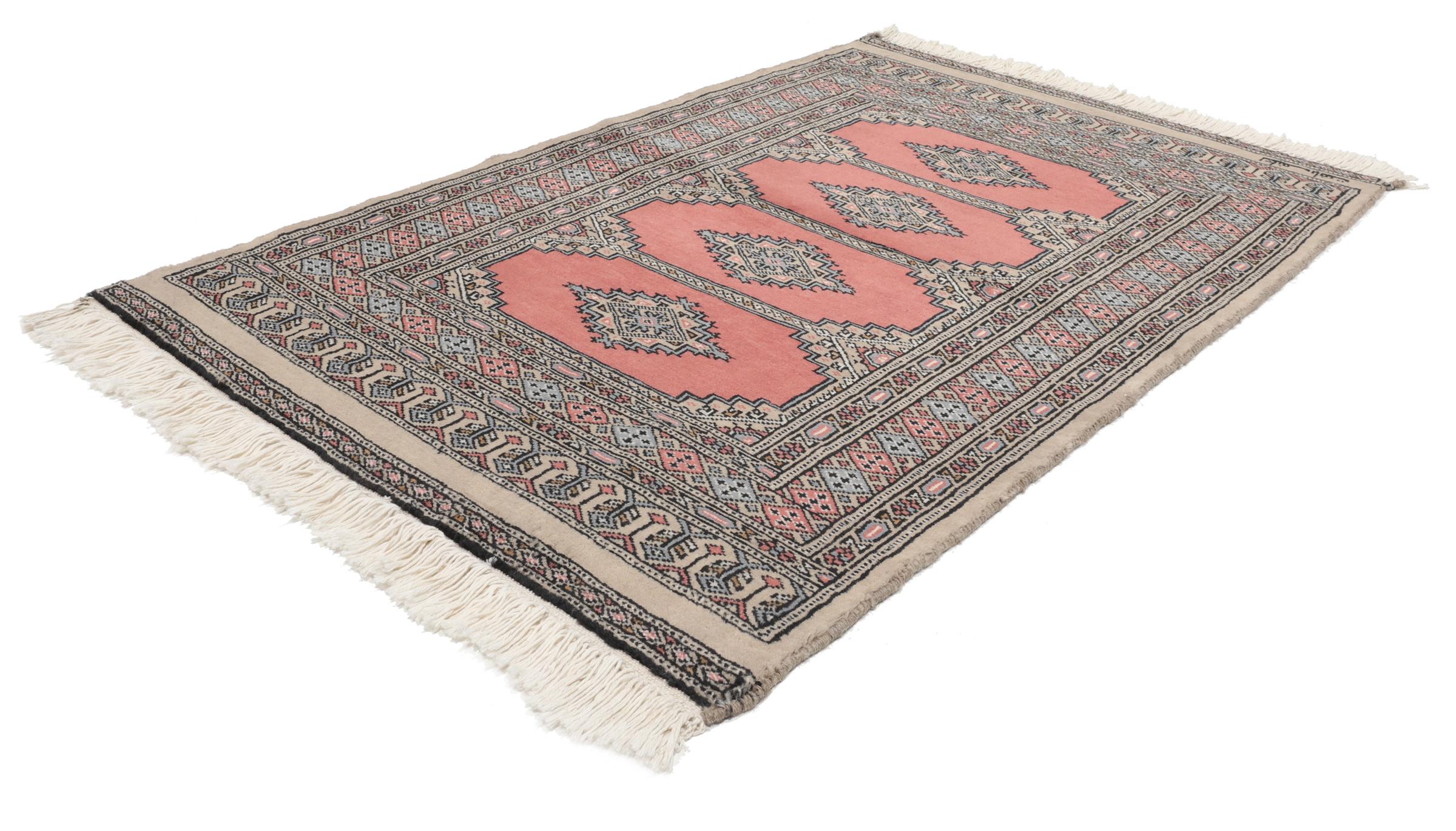
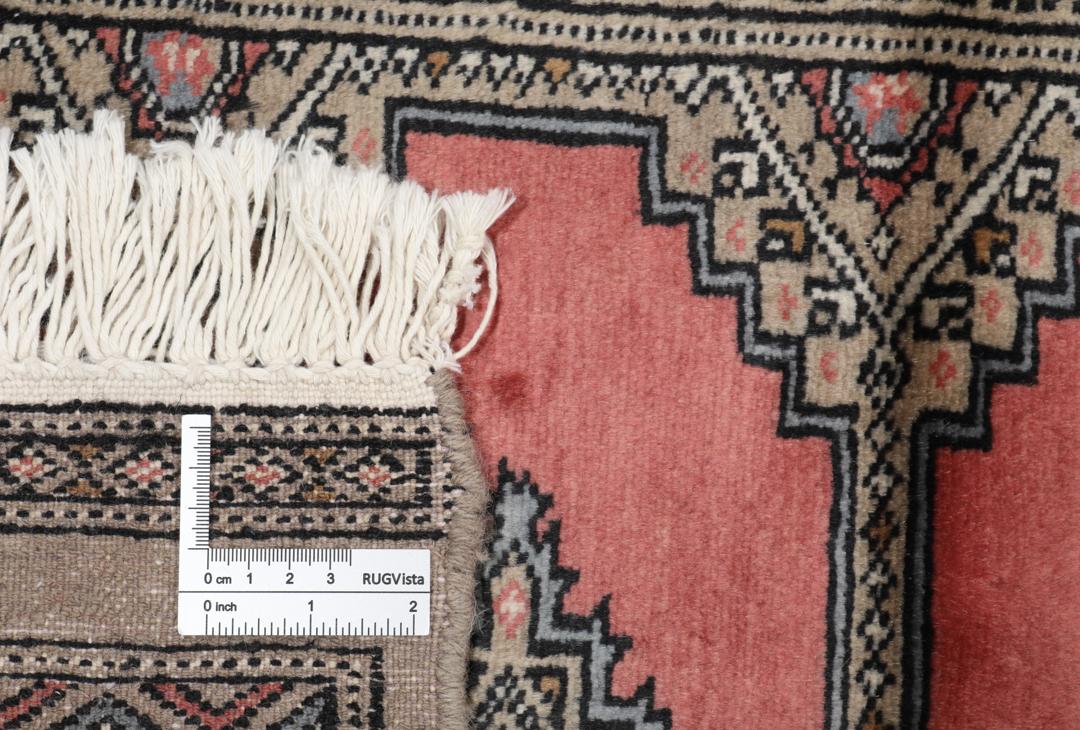
The Bokhara rug tradition is deeply rooted in the history of the Silk Road, taking its name from the ancient city of Bukhara in Central Asia. While these designs were historically nomadic, the finest modern examples are predominantly woven in Pakistan. This evolution reflects the migration of weaving techniques and patterns as families moved across borders, refining their craft to meet new aesthetic standards while preserving the core of their ancestral traditions.
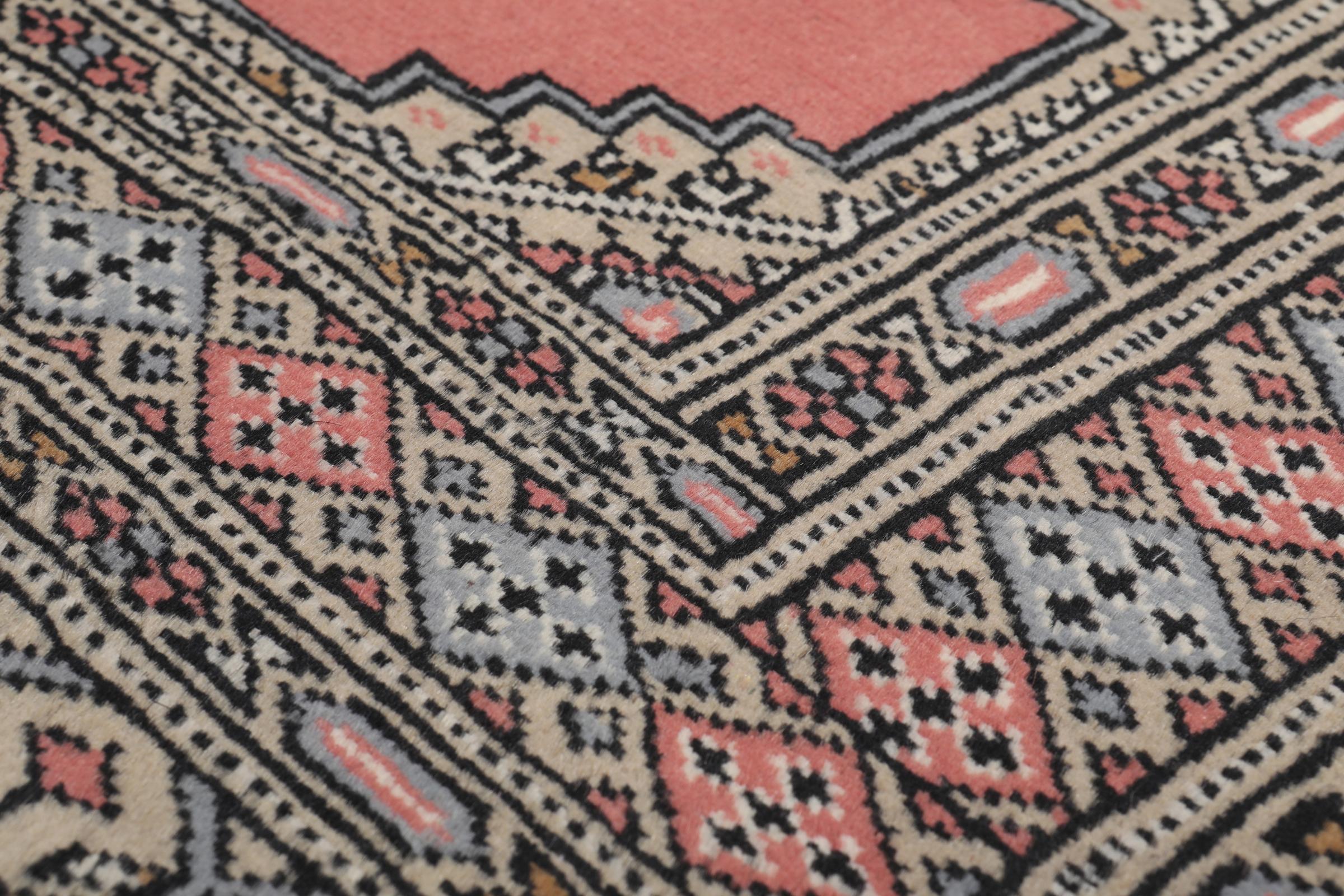
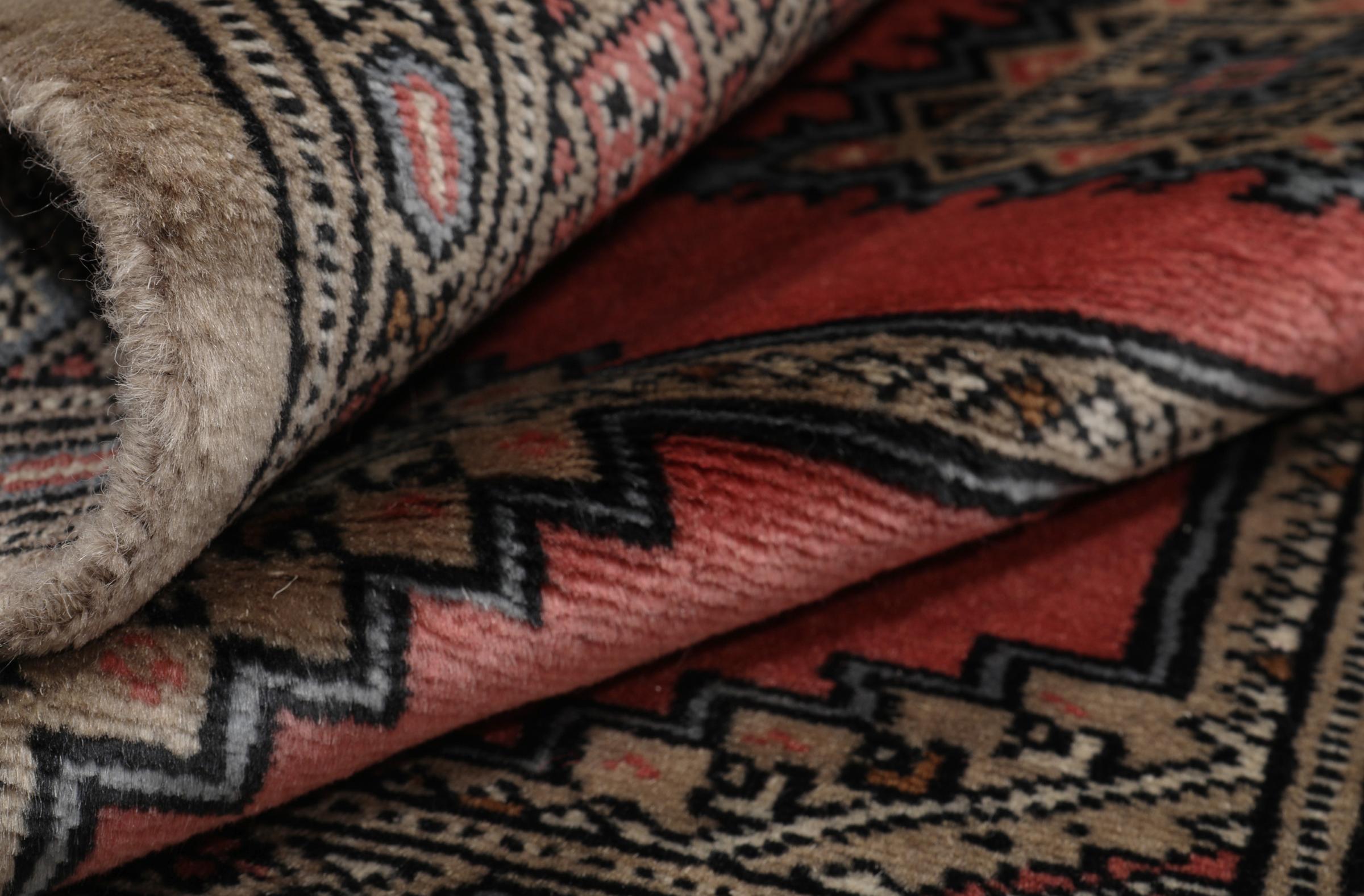
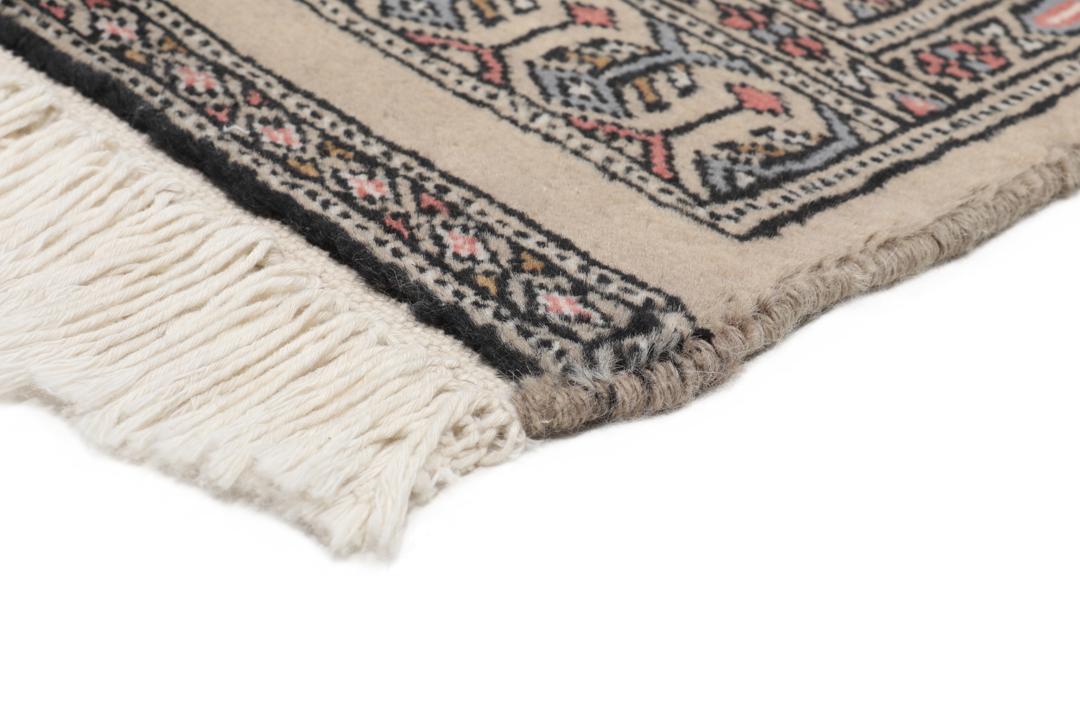
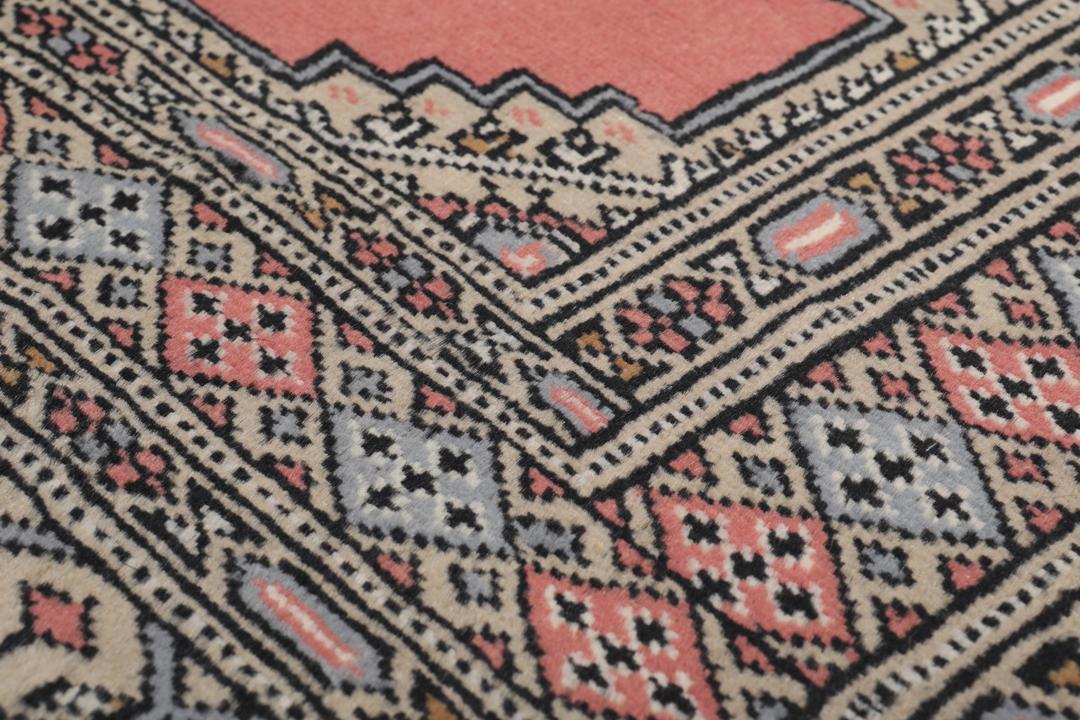
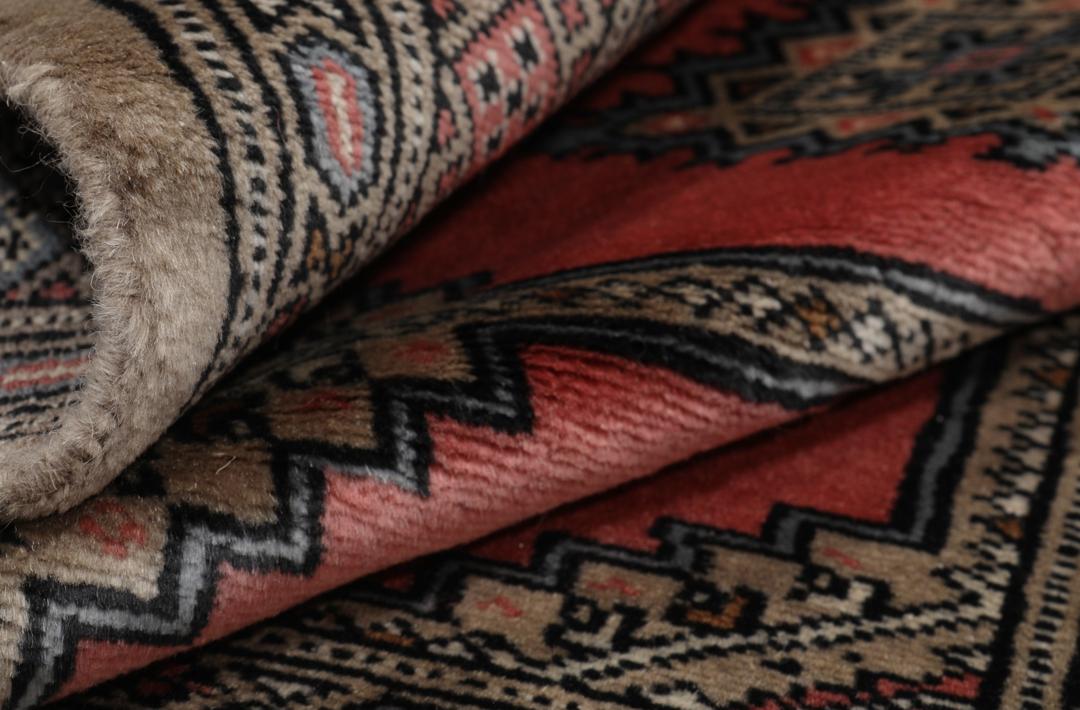
The term 2ply in this rug’s construction is a hallmark of quality. It refers to the use of two strands of wool twisted together to create the yarn for the pile. This technique is significant because it results in a stronger, more lustrous, and longer-lasting rug compared to those made with single-ply yarn. The twisted fibres hold their shape better and provide a richer texture, making the rug both more visually appealing and more durable for daily living.
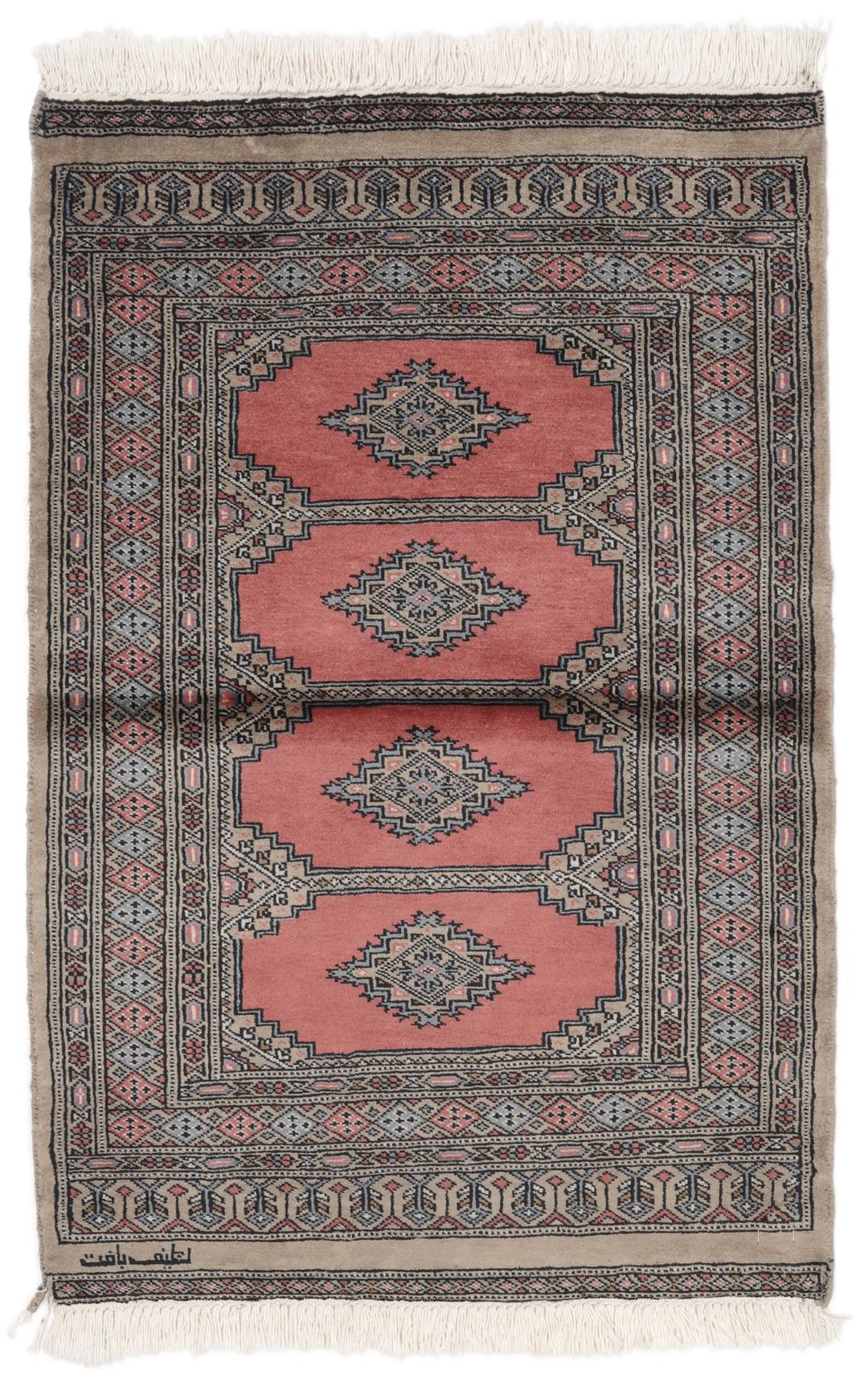
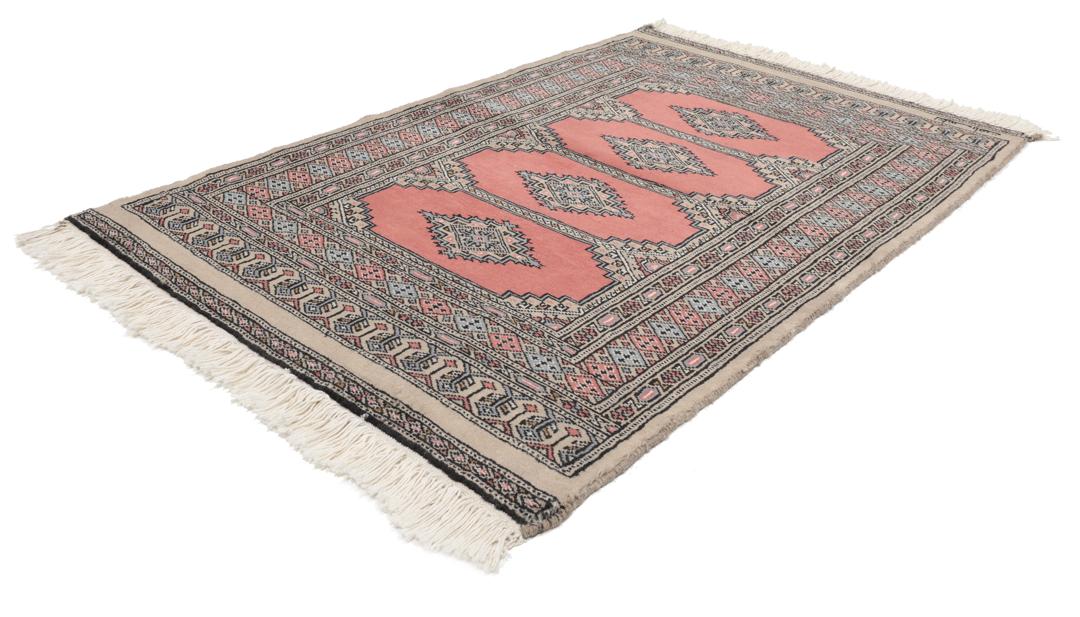
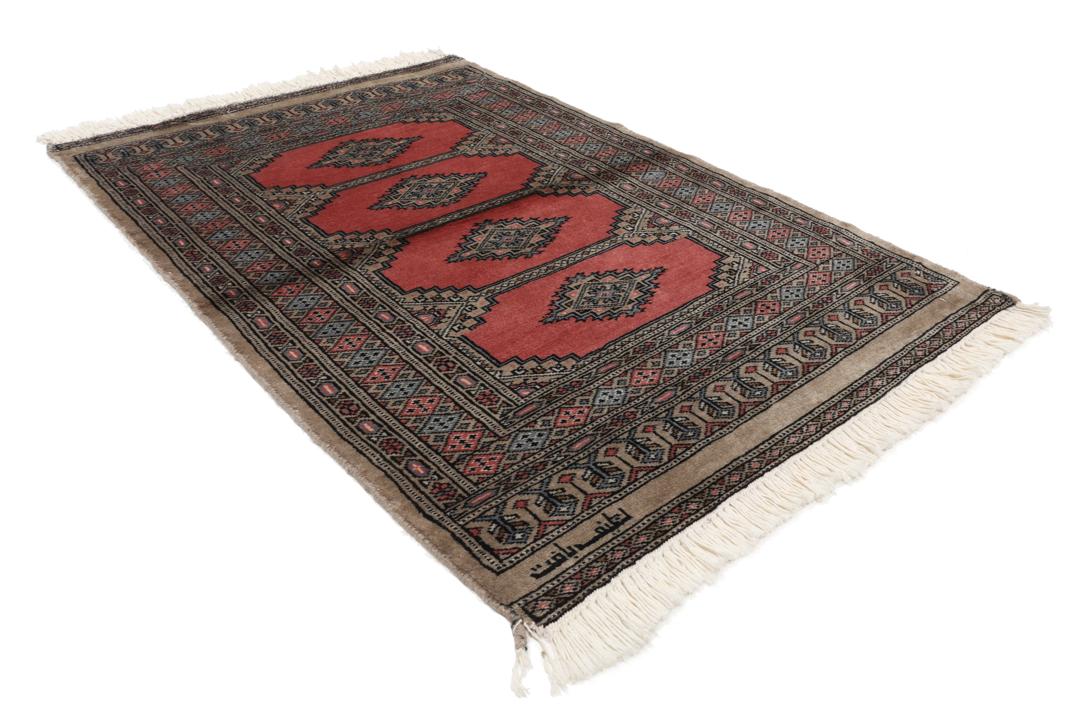
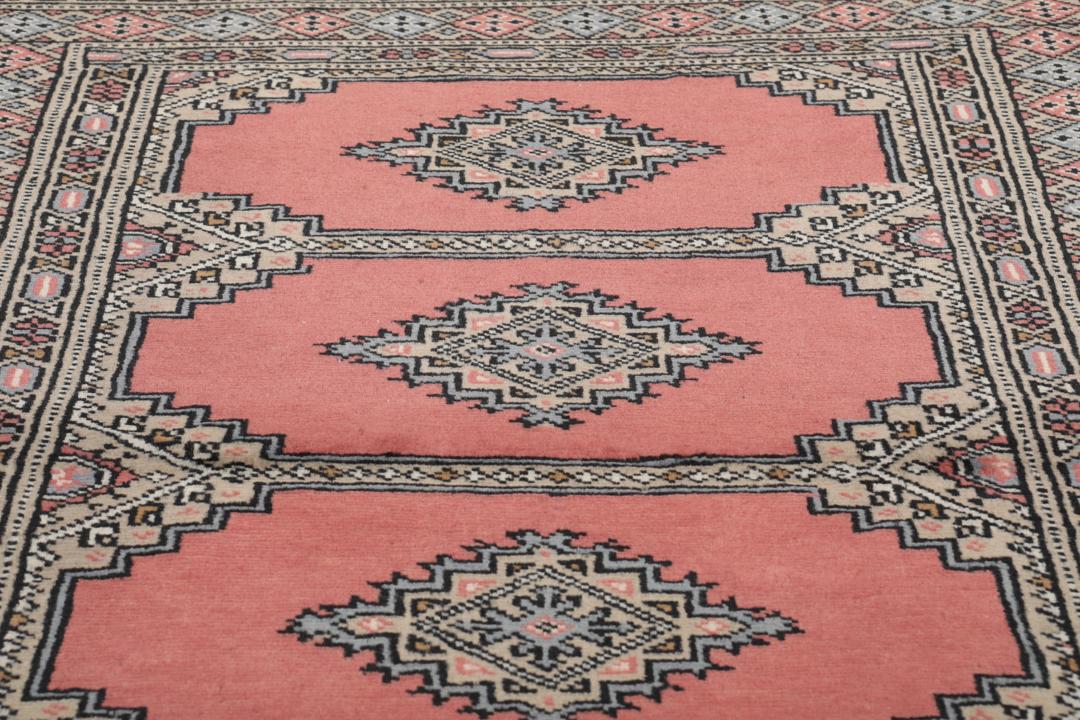
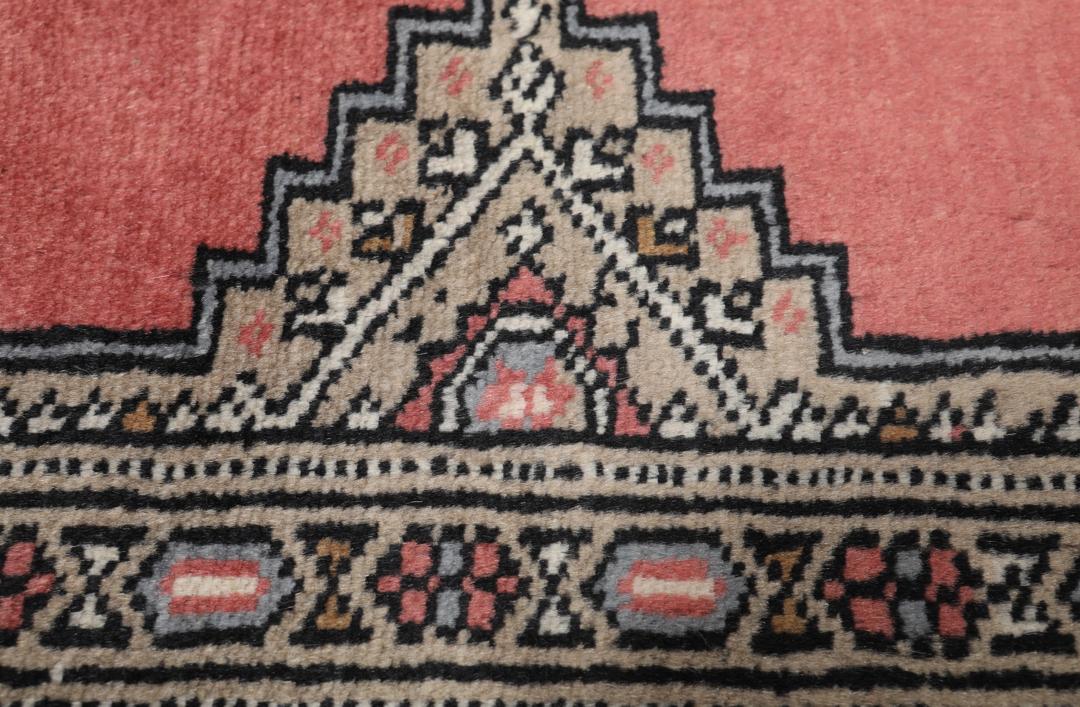
Visually, these rugs are defined by the repeating gul motif, which are medallion shapes often resembling elephant footprints. These are typically arranged in orderly rows across the field and framed by complex, geometric borders. While the classic palette often features warm, earthy tones, every rug brings its own subtle variations in colour and detail, making each piece a unique expression of the weaver’s local interpretation of these iconic designs.
Collecting a Pakistan Bokhara 2ply rug is an investment in cultural heritage and human skill. These rugs are highly valued for their ability to blend formal geometry with a sense of warmth that feels at home in many different settings. By choosing such a piece, you are supporting a lineage of artistry that prioritises patience, precision, and the preservation of traditional motifs that have connected households for centuries.