Design
The Bokhara rug tradition is deeply rooted in the nomadic history of Central Asia, taking its name from the historic Silk Road city of Bukhara. While its origins lie in the ancient tribal weaving practices of the region, the finest contemporary examples are crafted in Pakistan. This evolution has seen the traditional aesthetic refined into a highly polished form that is celebrated globally for its elegance and symmetry.
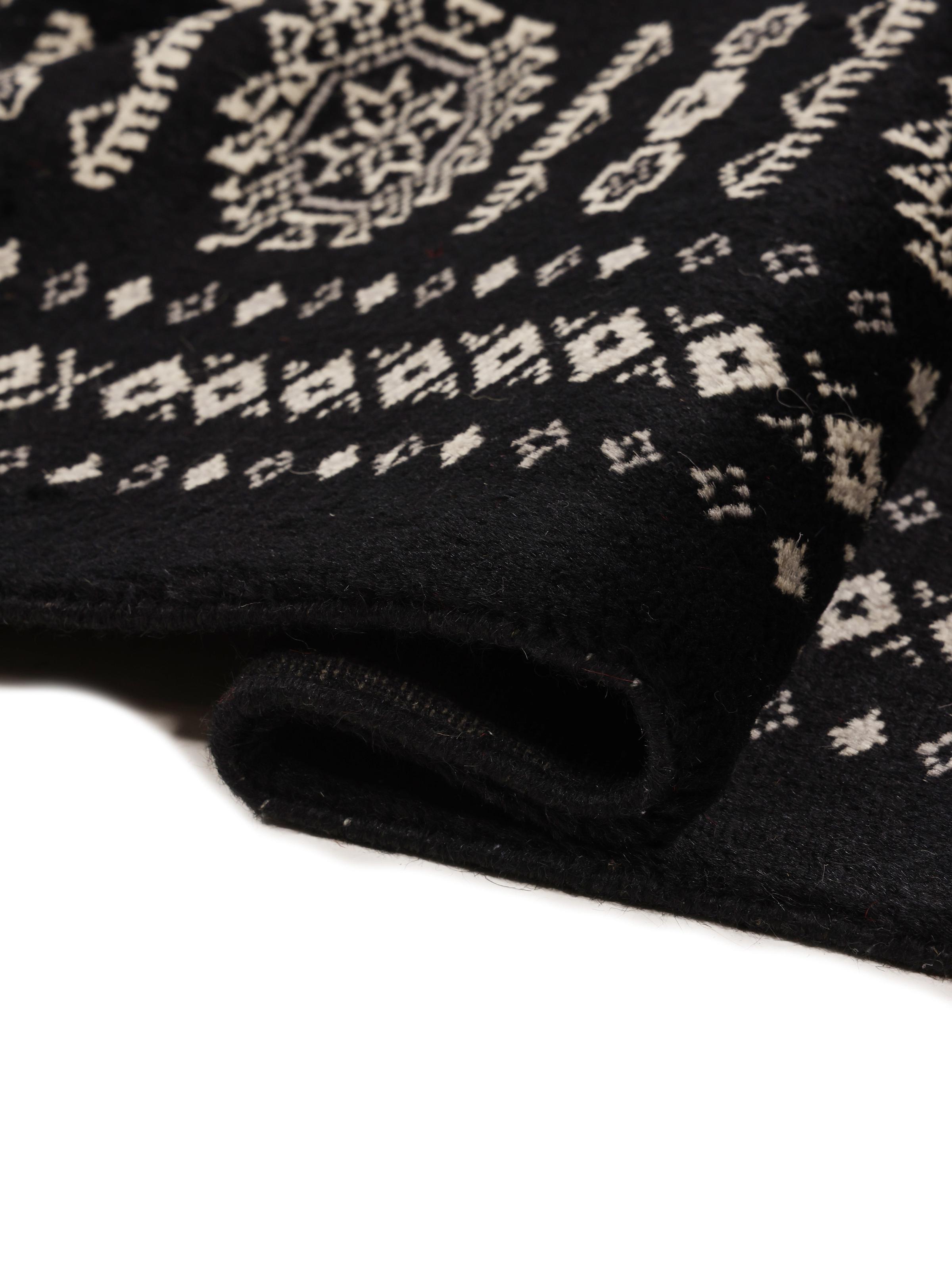
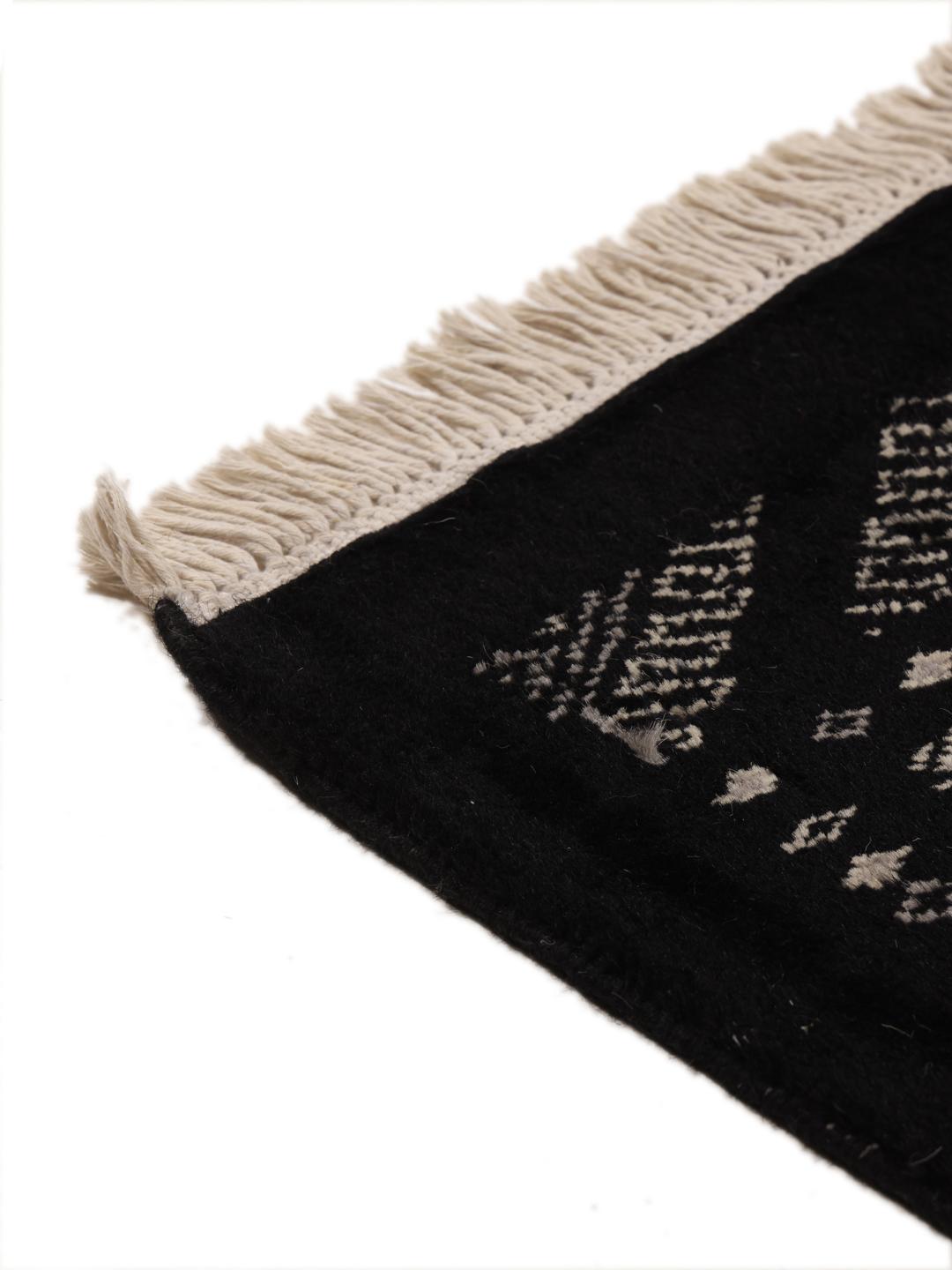
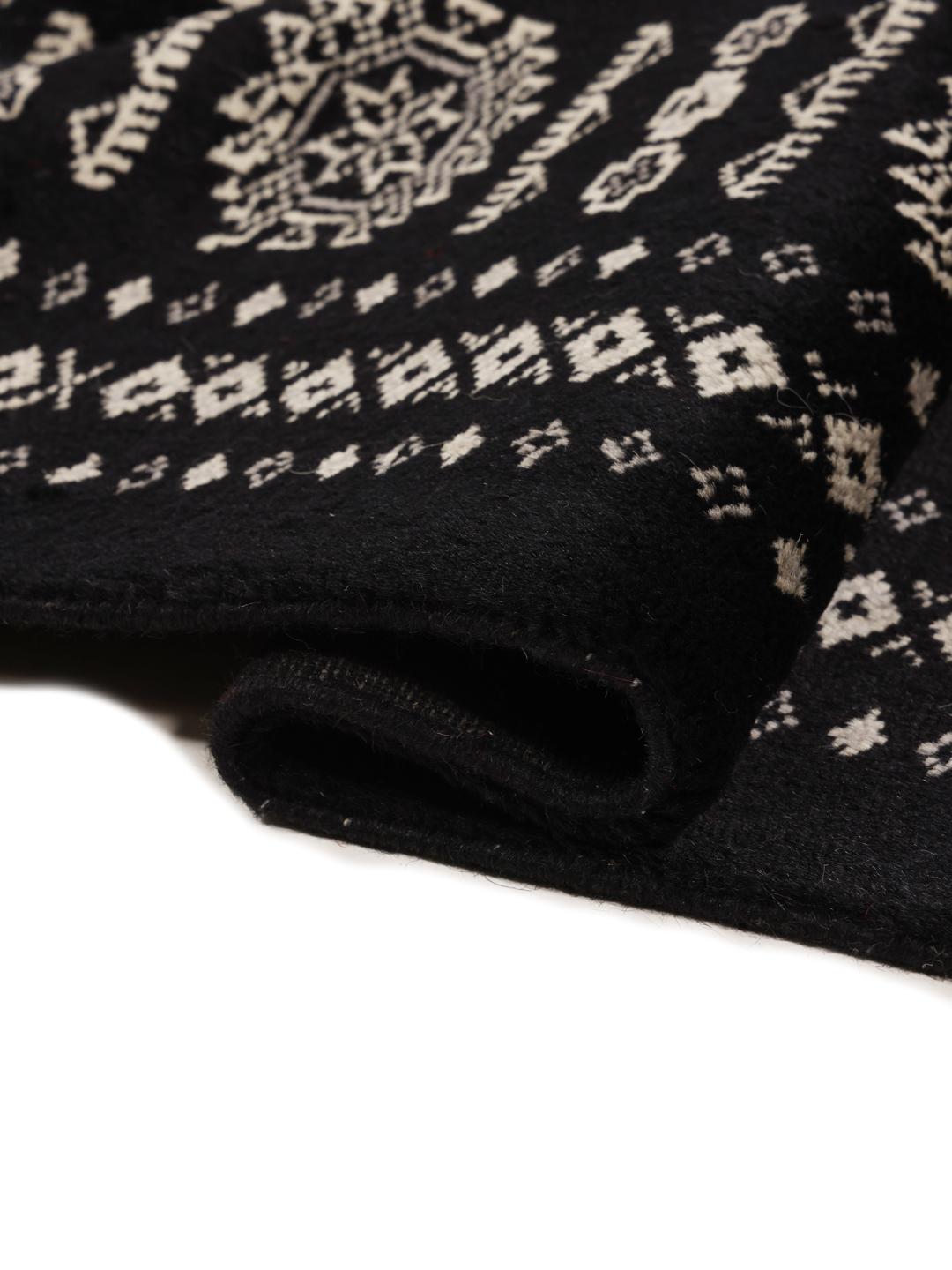
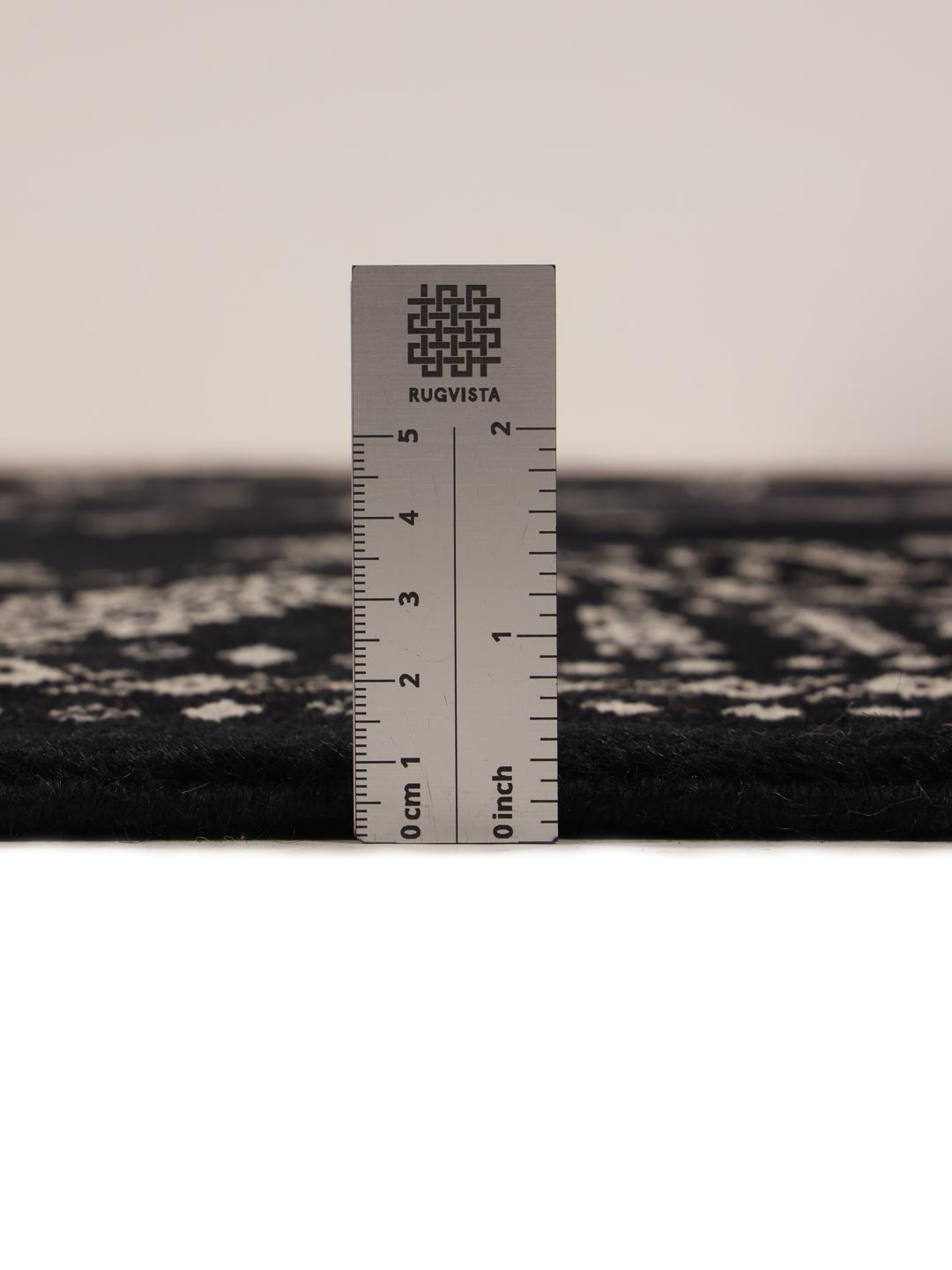
A key feature of this rug is its 2ply construction, which refers to the use of two strands of wool twisted together before being knotted into the foundation. This specific technique is vital because it creates a more substantial, lustrous, and resilient pile compared to single-ply alternatives. For the owner, this means a rug that not only feels more luxurious but also stands up better to the demands of everyday life.
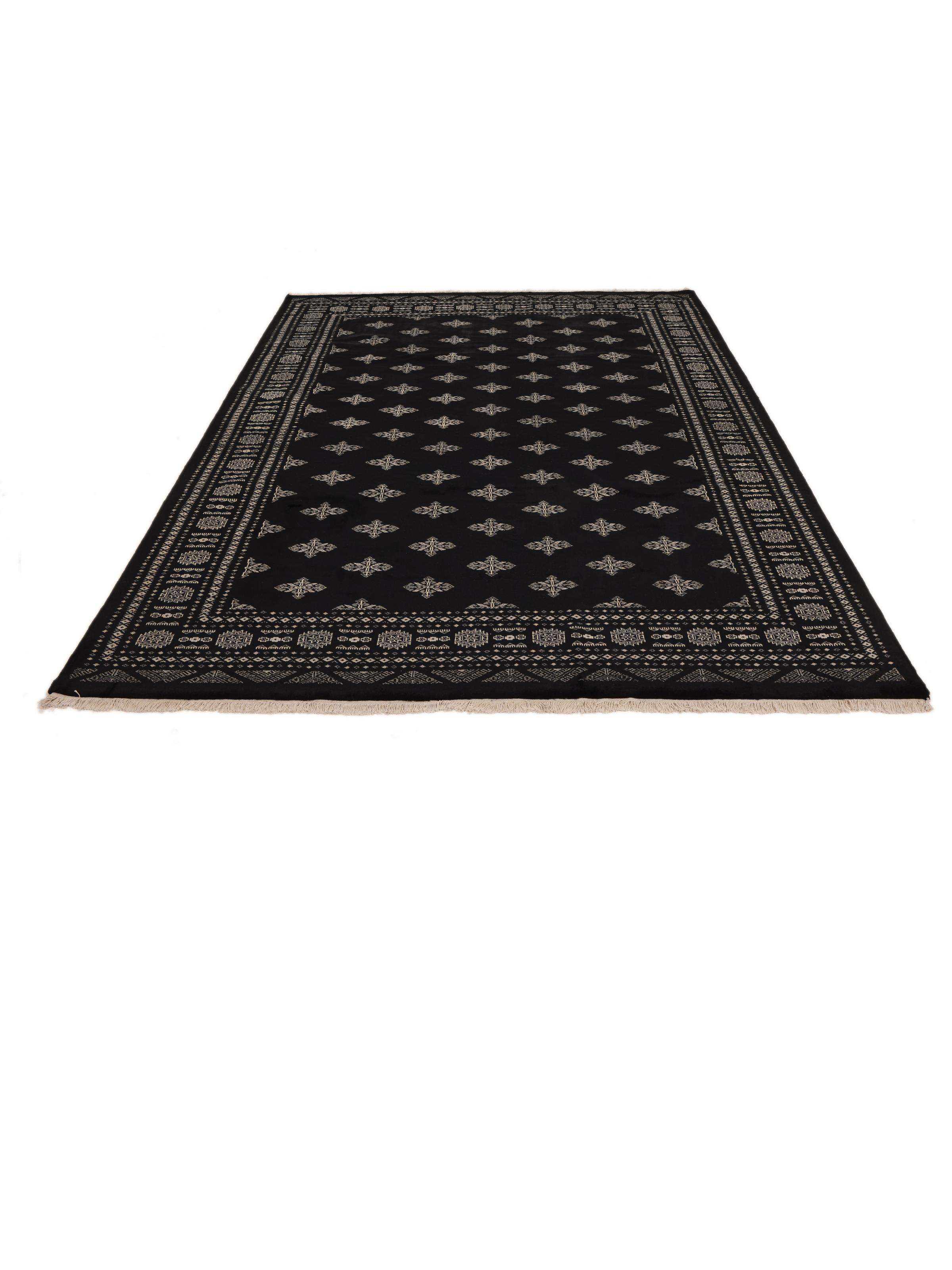
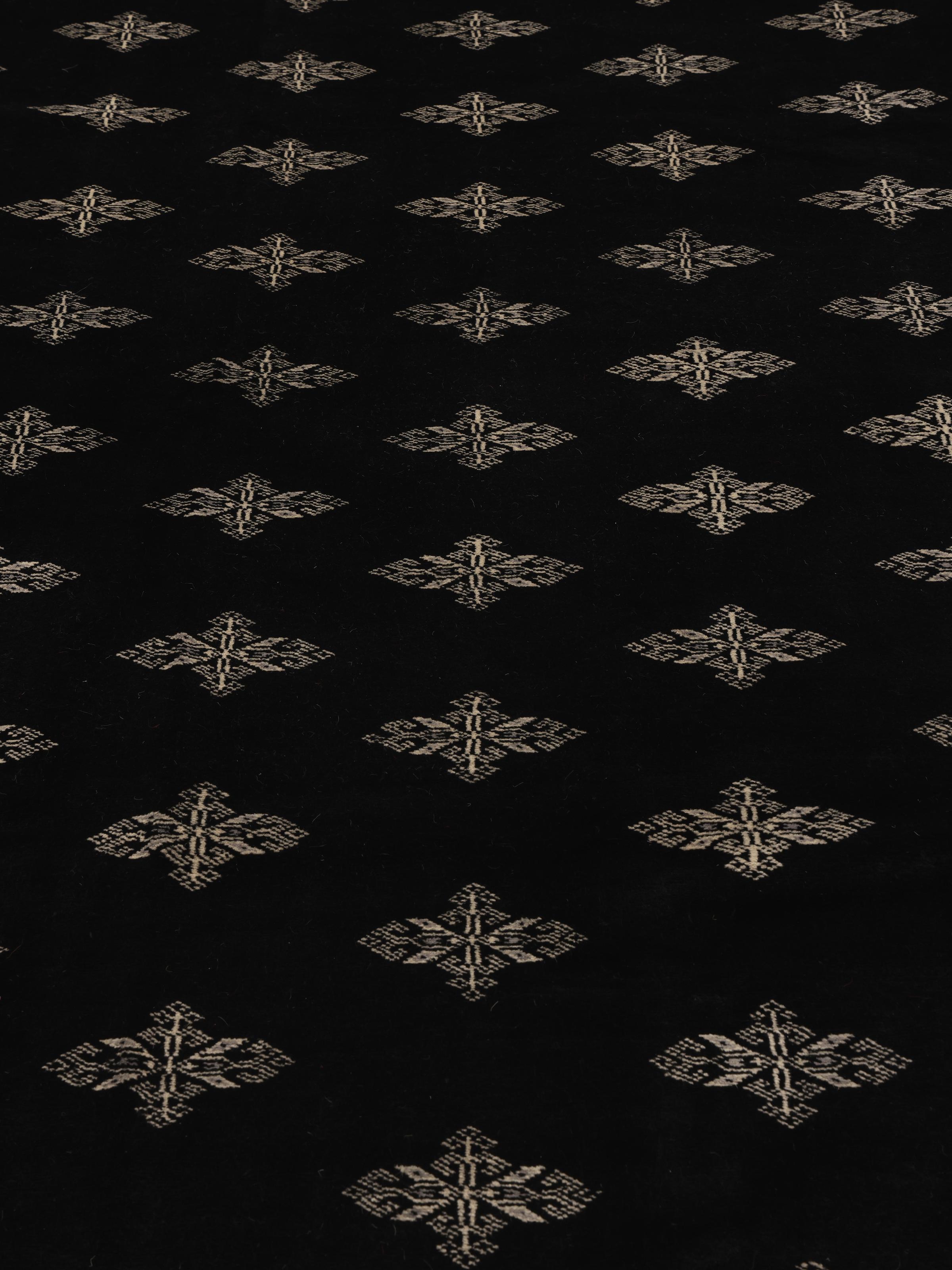
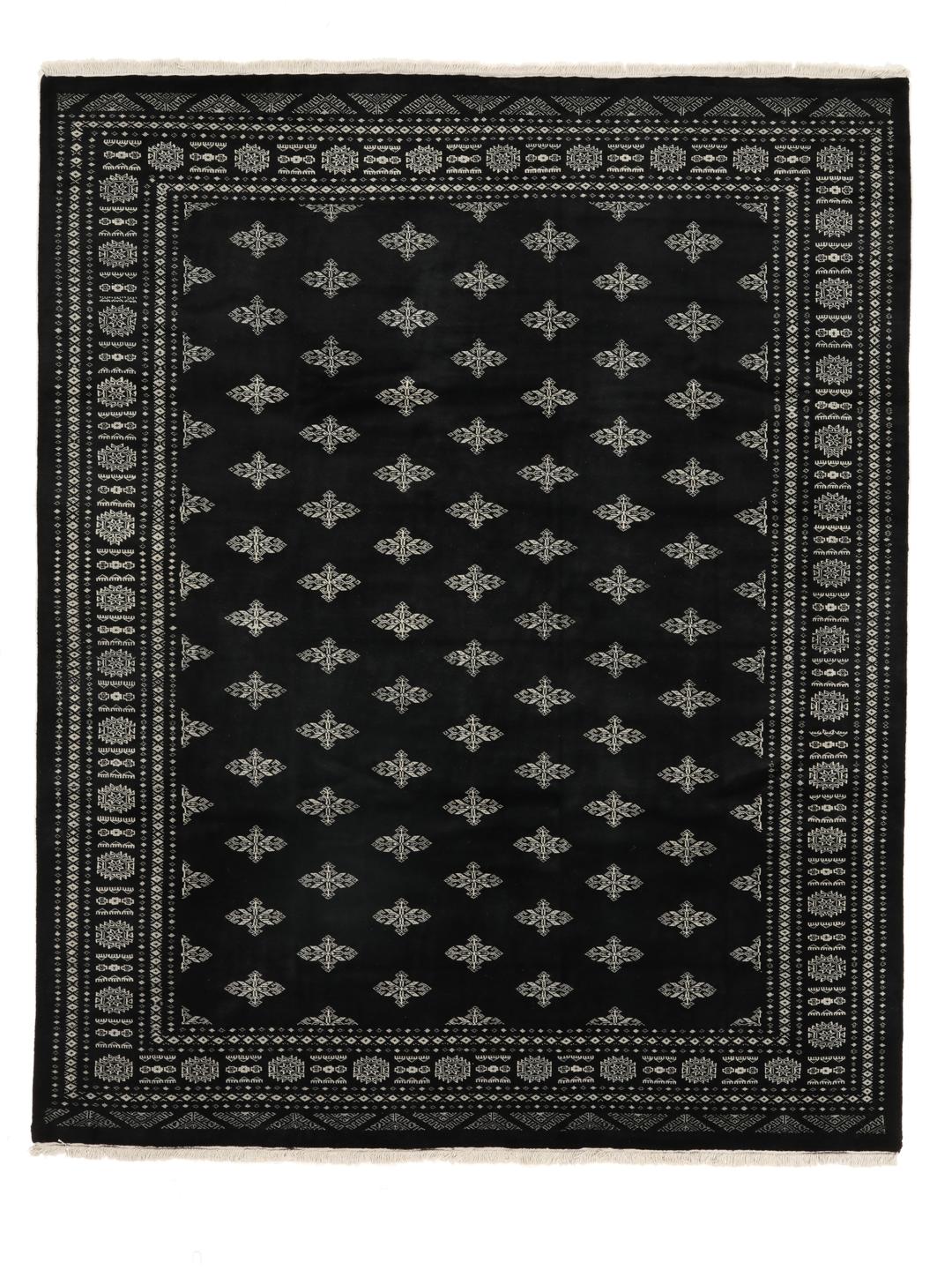
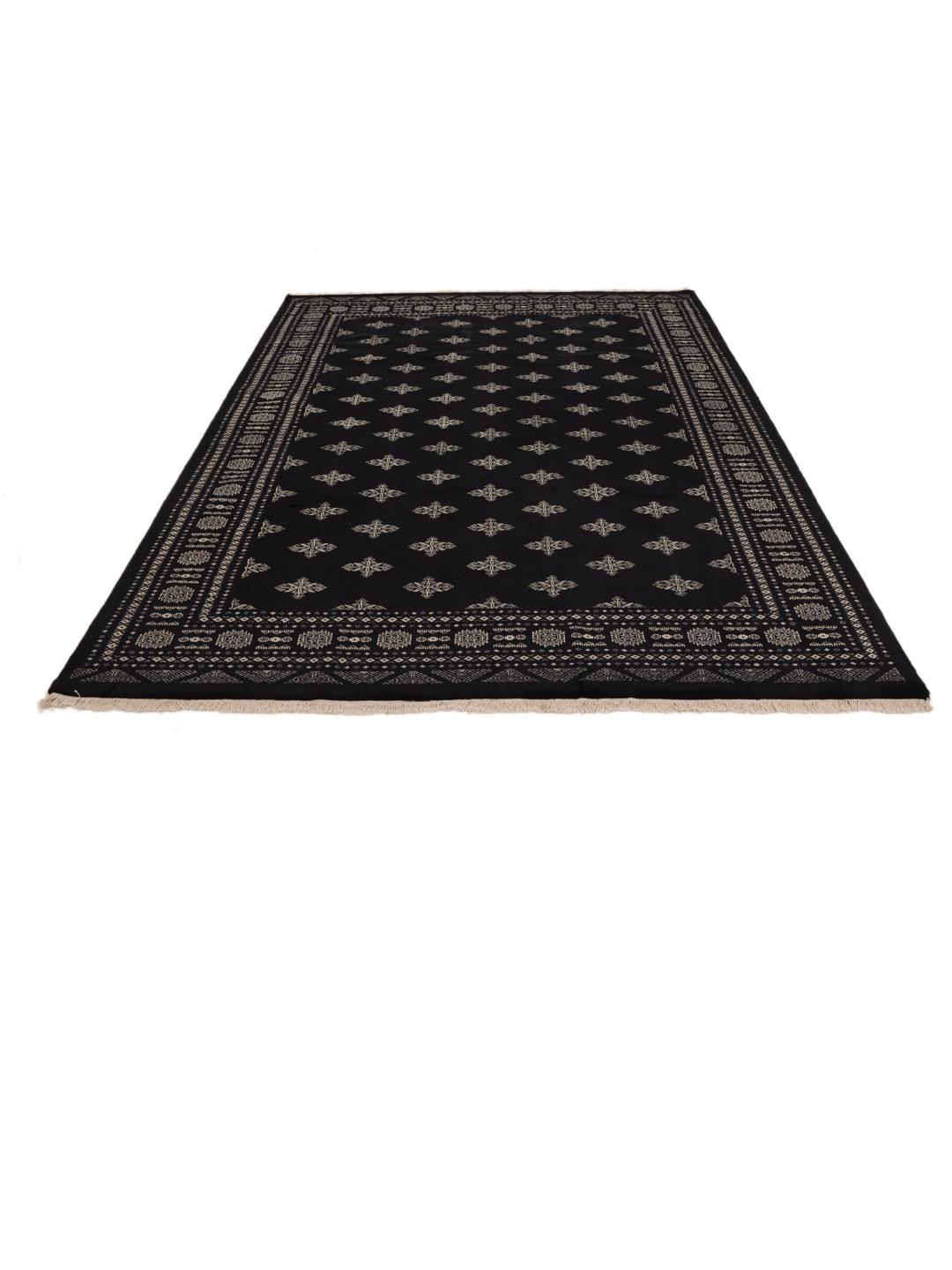
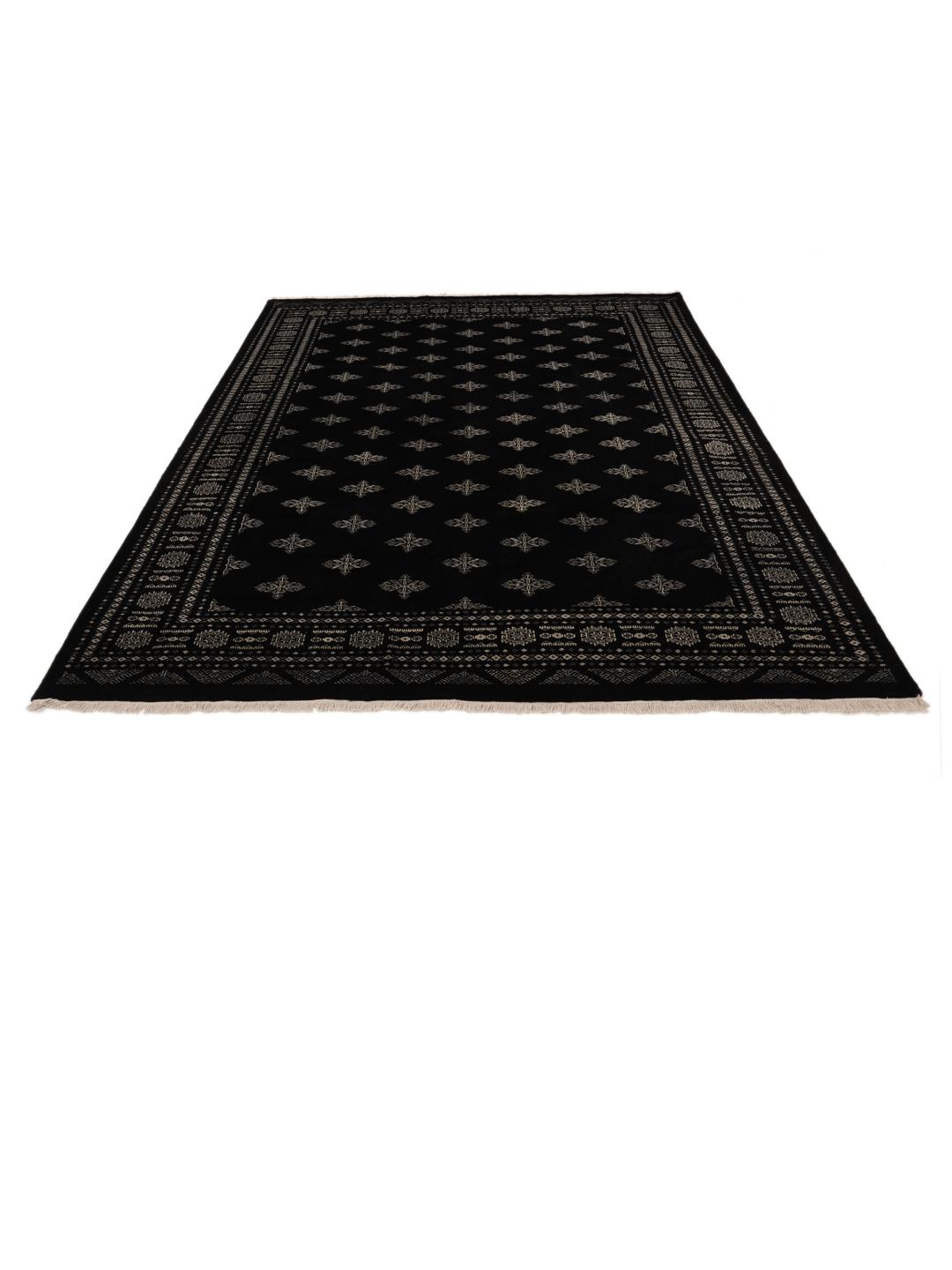
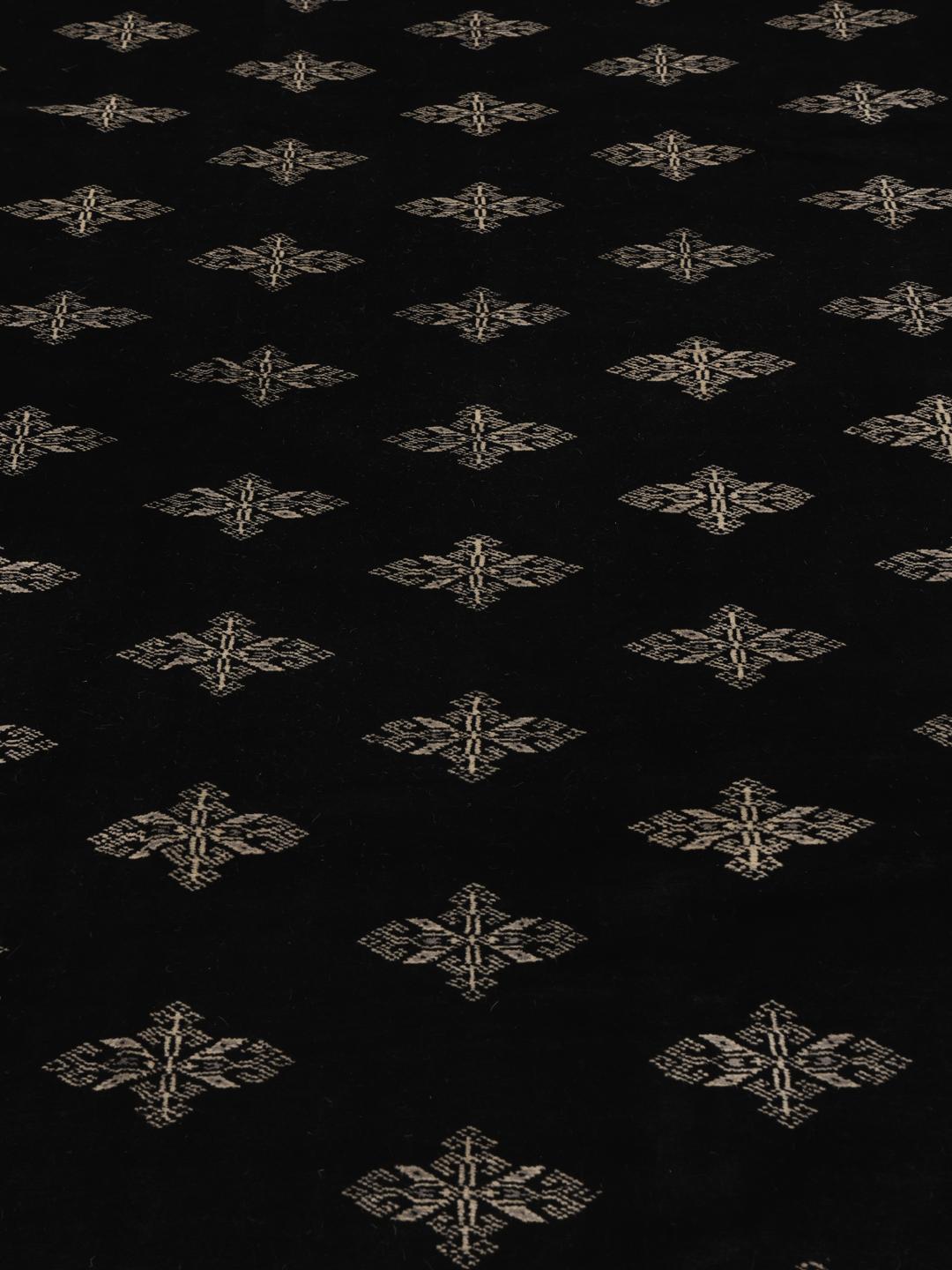
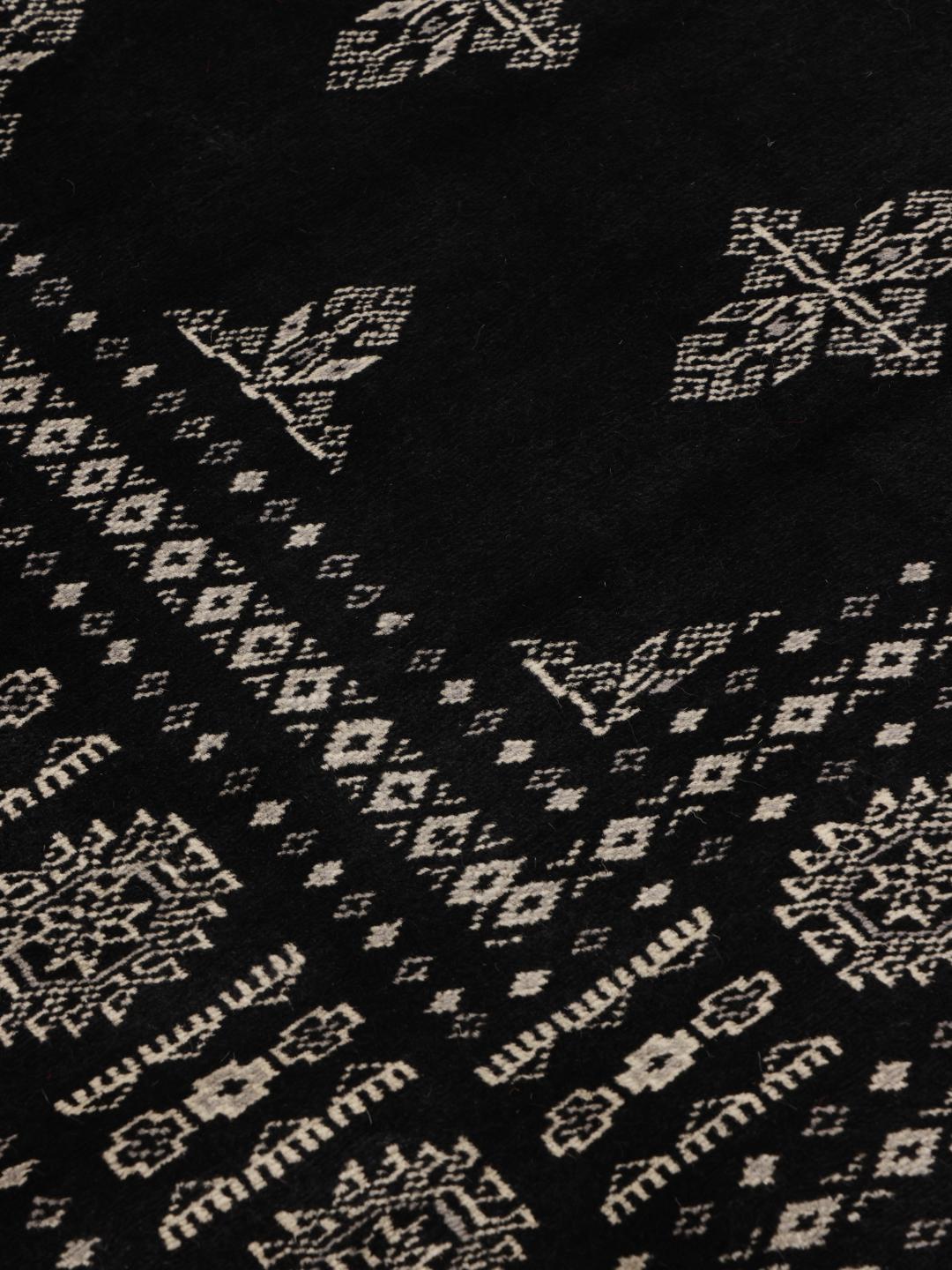
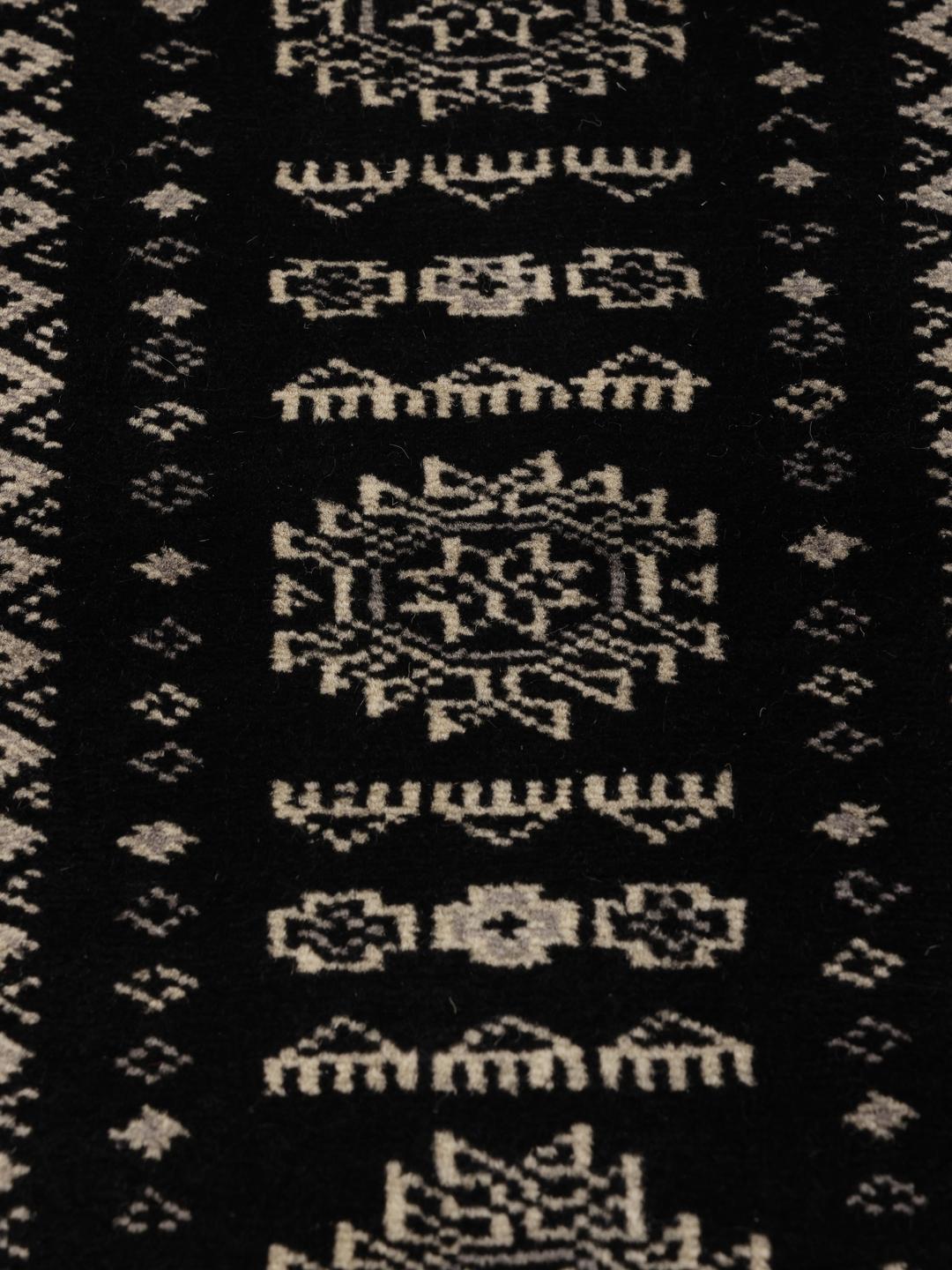
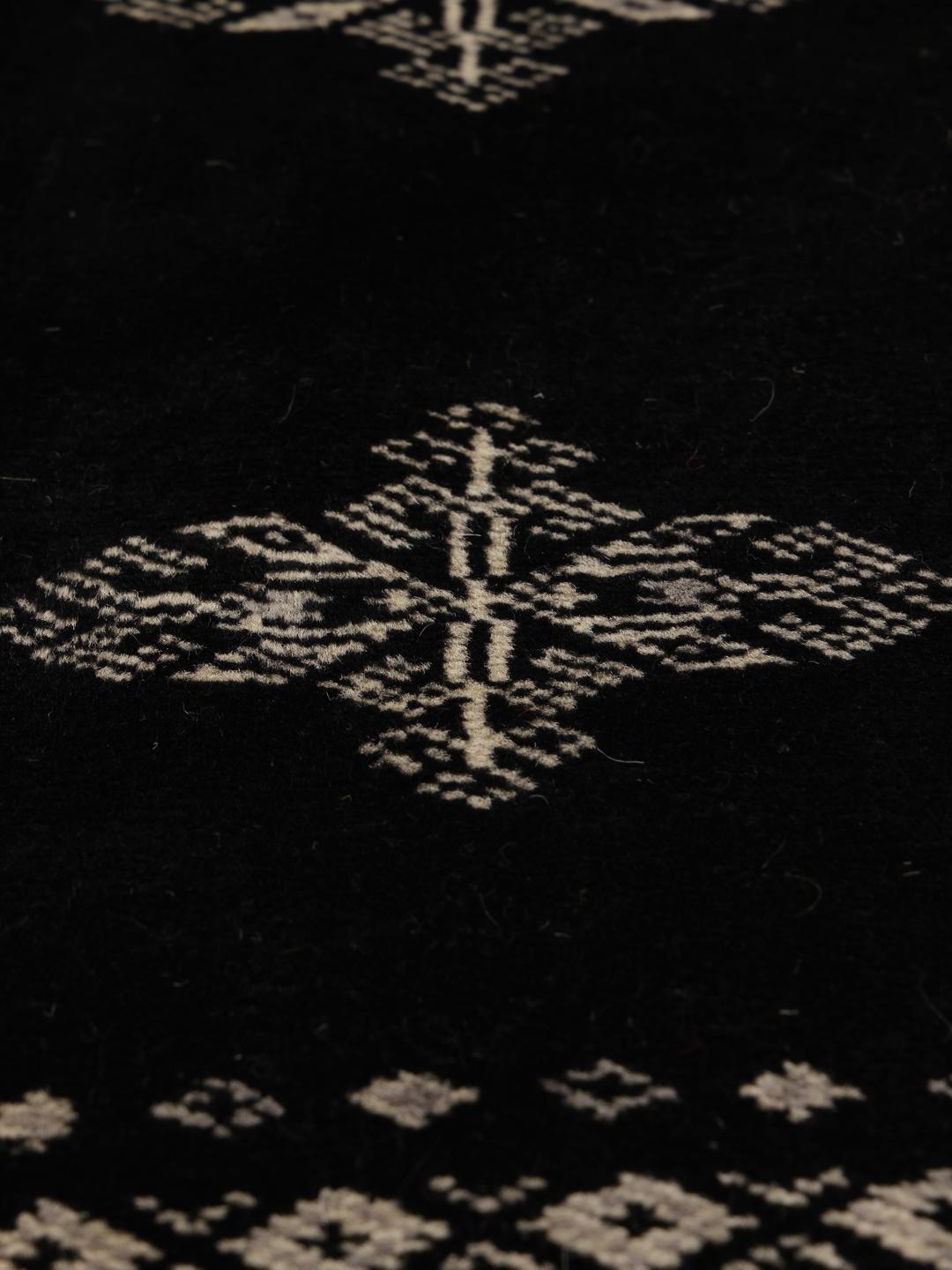
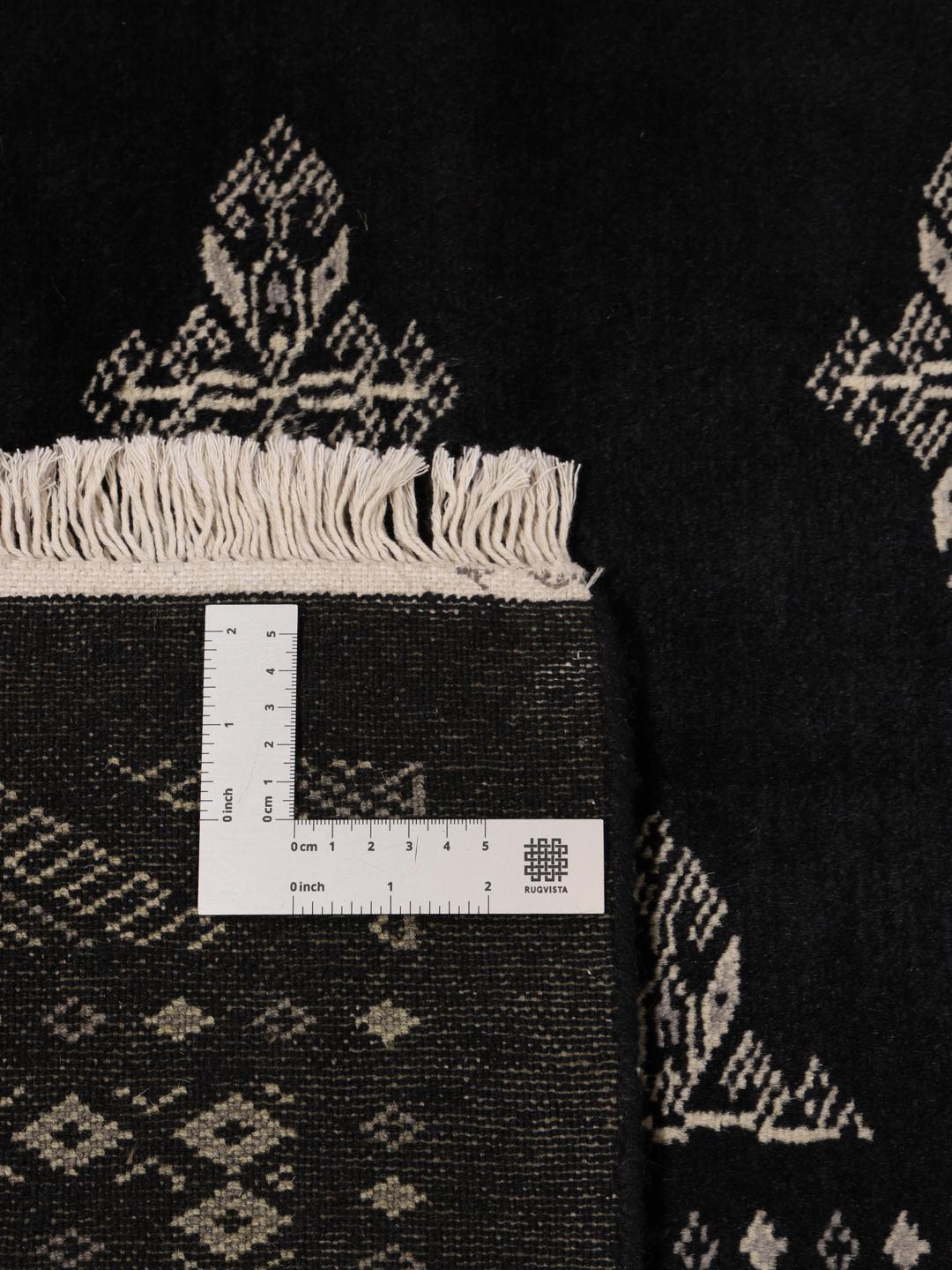
Visually, the Bokhara is defined by its iconic gul motifs—the repeating, medallion-like shapes that decorate the field. These are typically arranged in clean, horizontal and vertical rows, creating a sense of order and harmony. The borders are equally formal, often featuring intricate, secondary geometric patterns that frame the central field with precision and grace.
Owning a hand-knotted Bokhara is an invitation into a world of cultural heritage and master craftsmanship. These rugs are highly valued by collectors not just for their aesthetic beauty, but for the skill and time required to execute their complex designs. By bringing this piece into your home, you are acquiring a work of art that carries the weight of centuries of tradition.