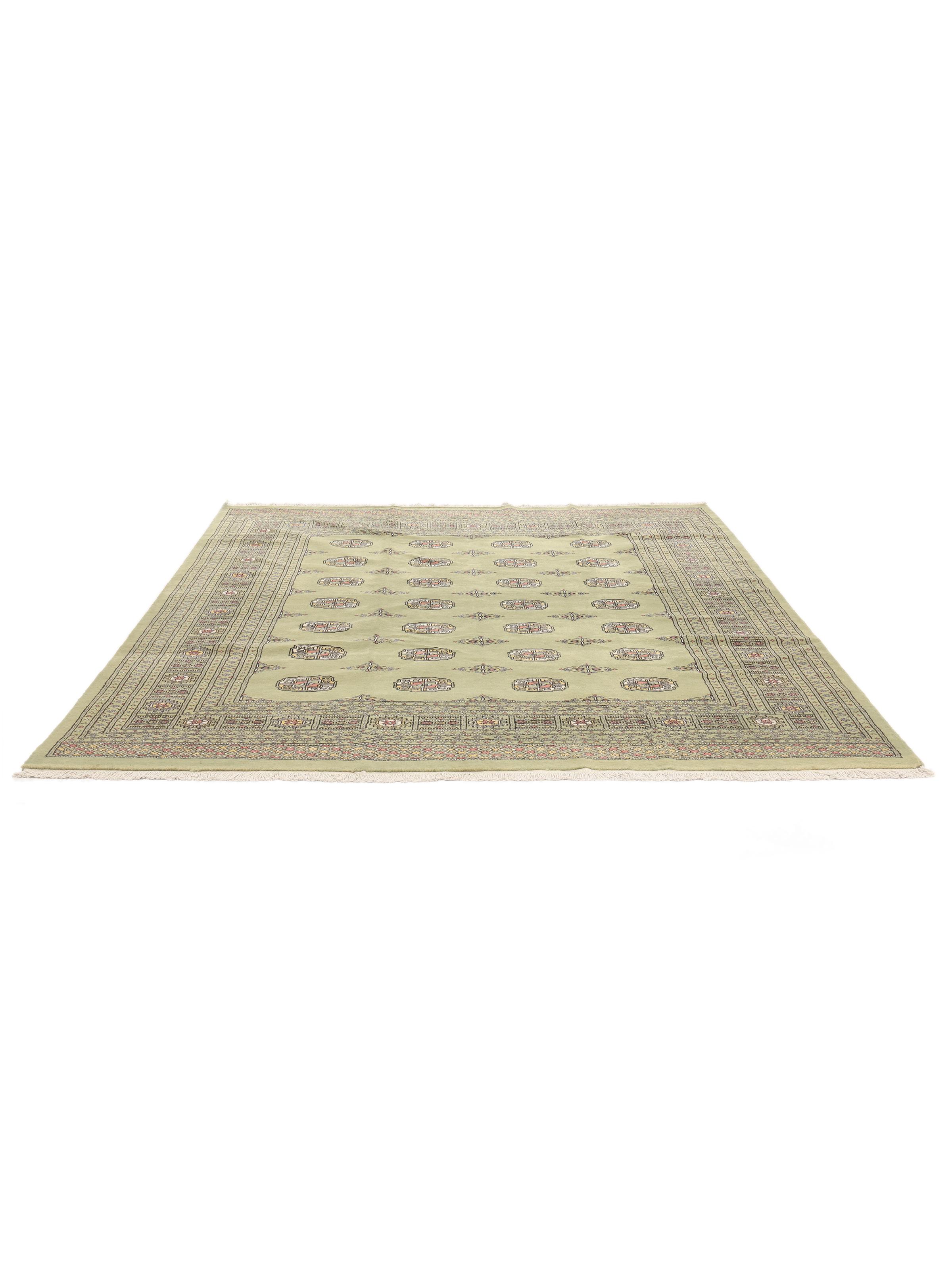
Bokhara rugs take their name from the ancient Silk Road city of Bukhara in Central Asia, a historical hub for trade and textile artistry. While the style originated with nomadic tribes who developed these patterns over centuries, the finest examples today are primarily woven in Pakistan. This evolution reflects the migration of weaving traditions across borders, where artisans have refined and elevated the classic designs to meet contemporary standards of beauty and precision.
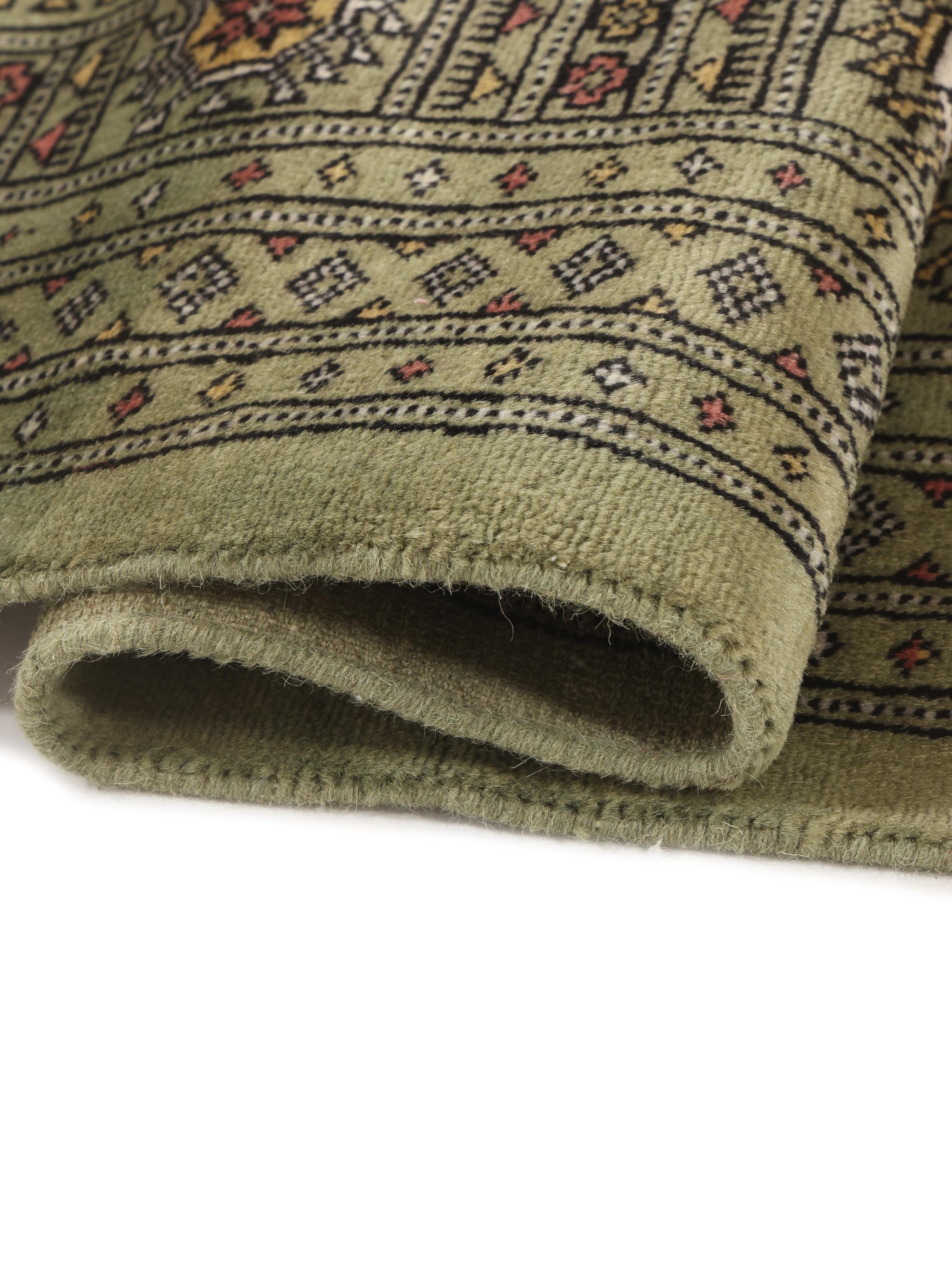
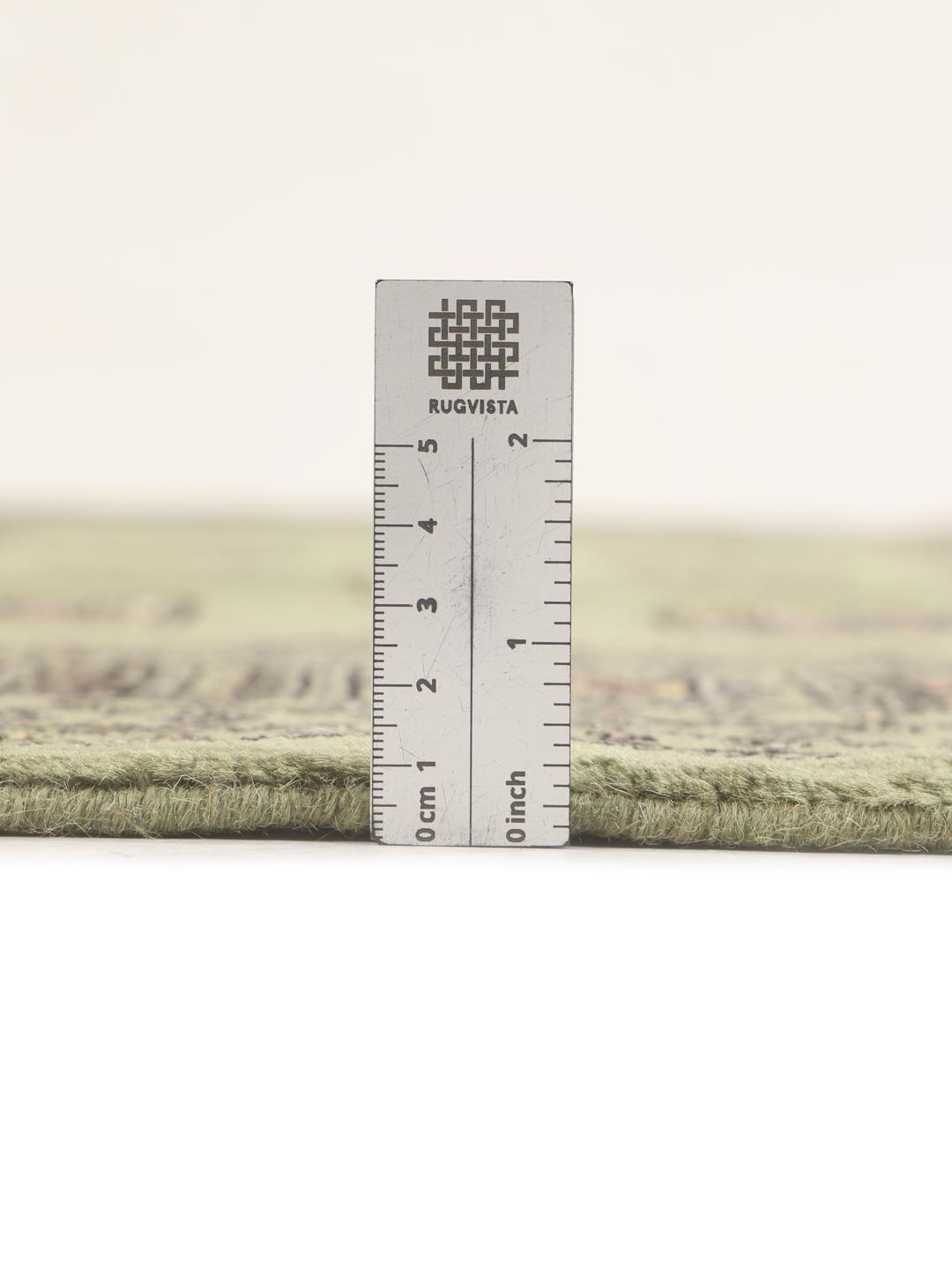
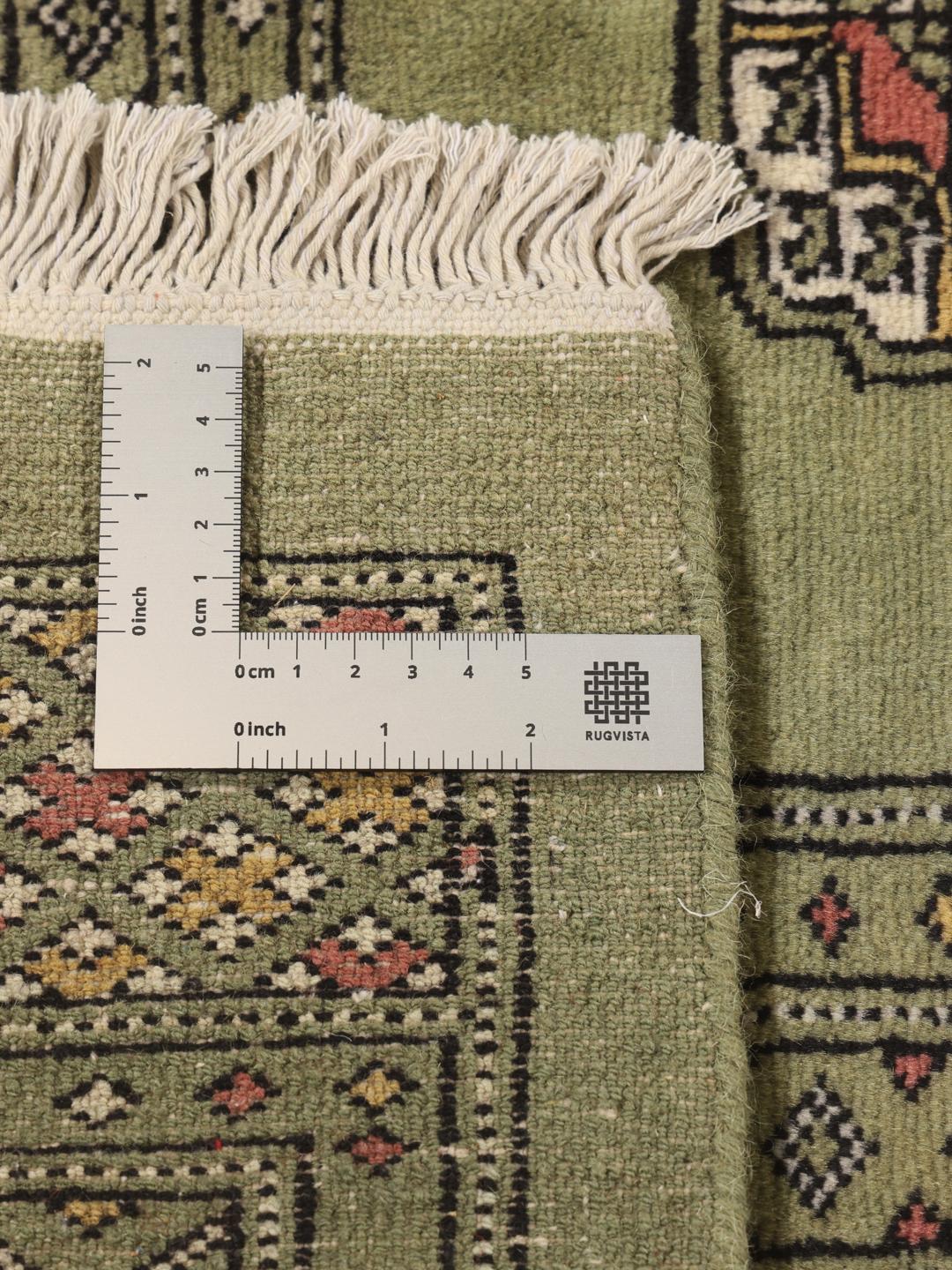
The term 2ply refers to the specific way the wool is prepared, with two strands twisted together to form a single, robust yarn. This technical detail is fundamental to the quality of the rug, as it results in a pile that is denser, more lustrous, and significantly more durable than rugs made with single strands. For the owner, this means a rug that not only looks more vibrant but also maintains its integrity and soft touch through years of regular use.
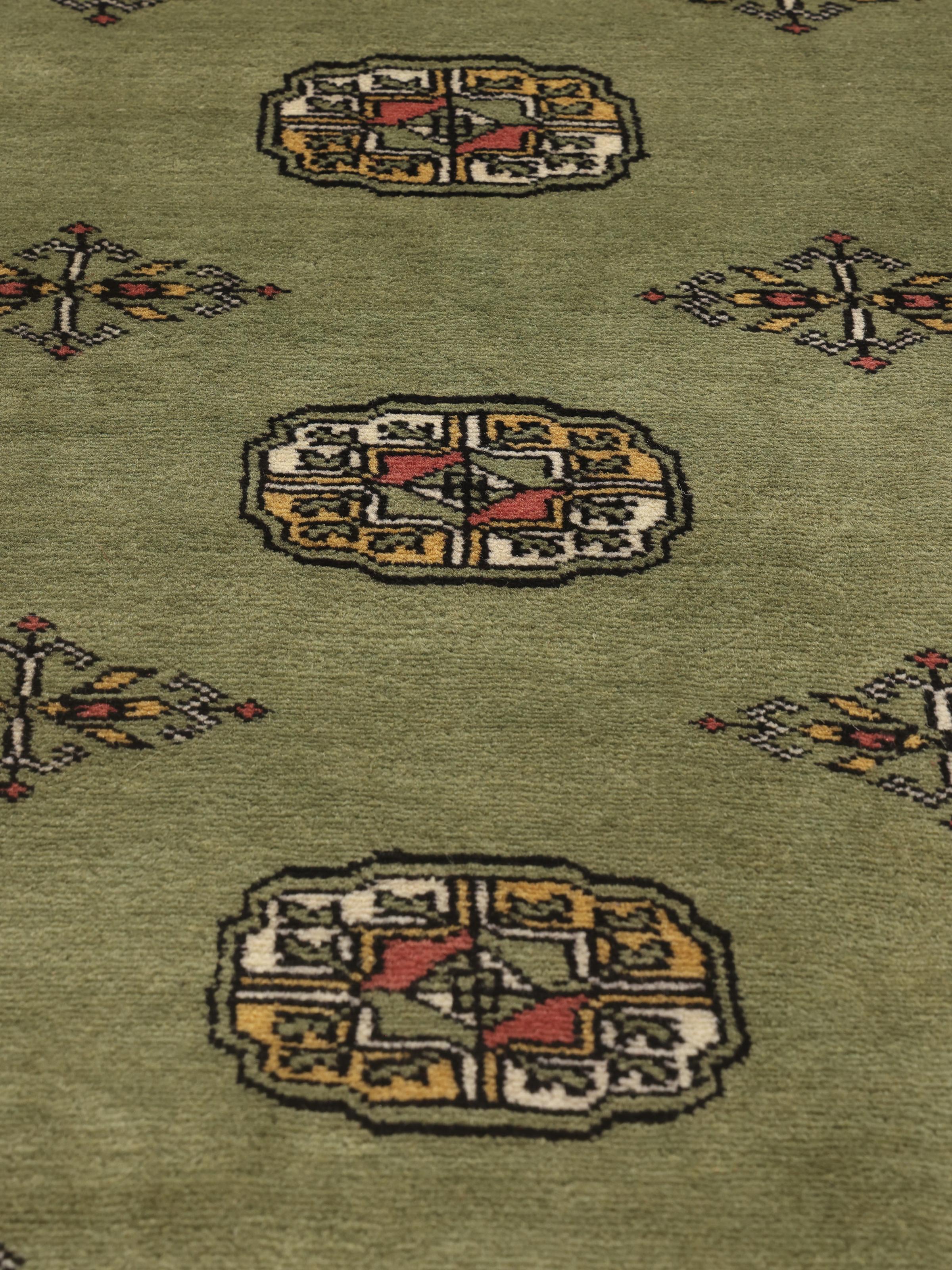
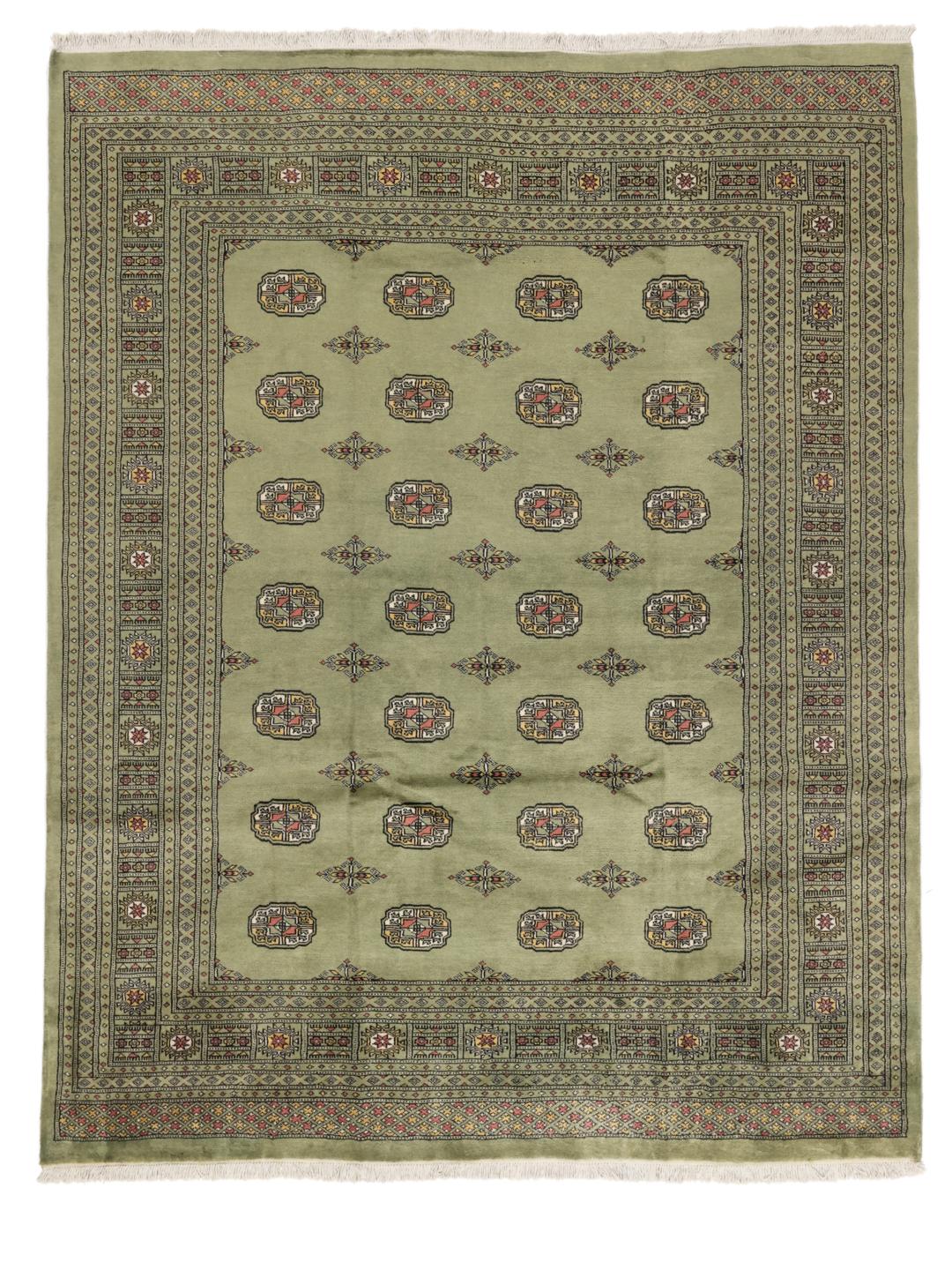
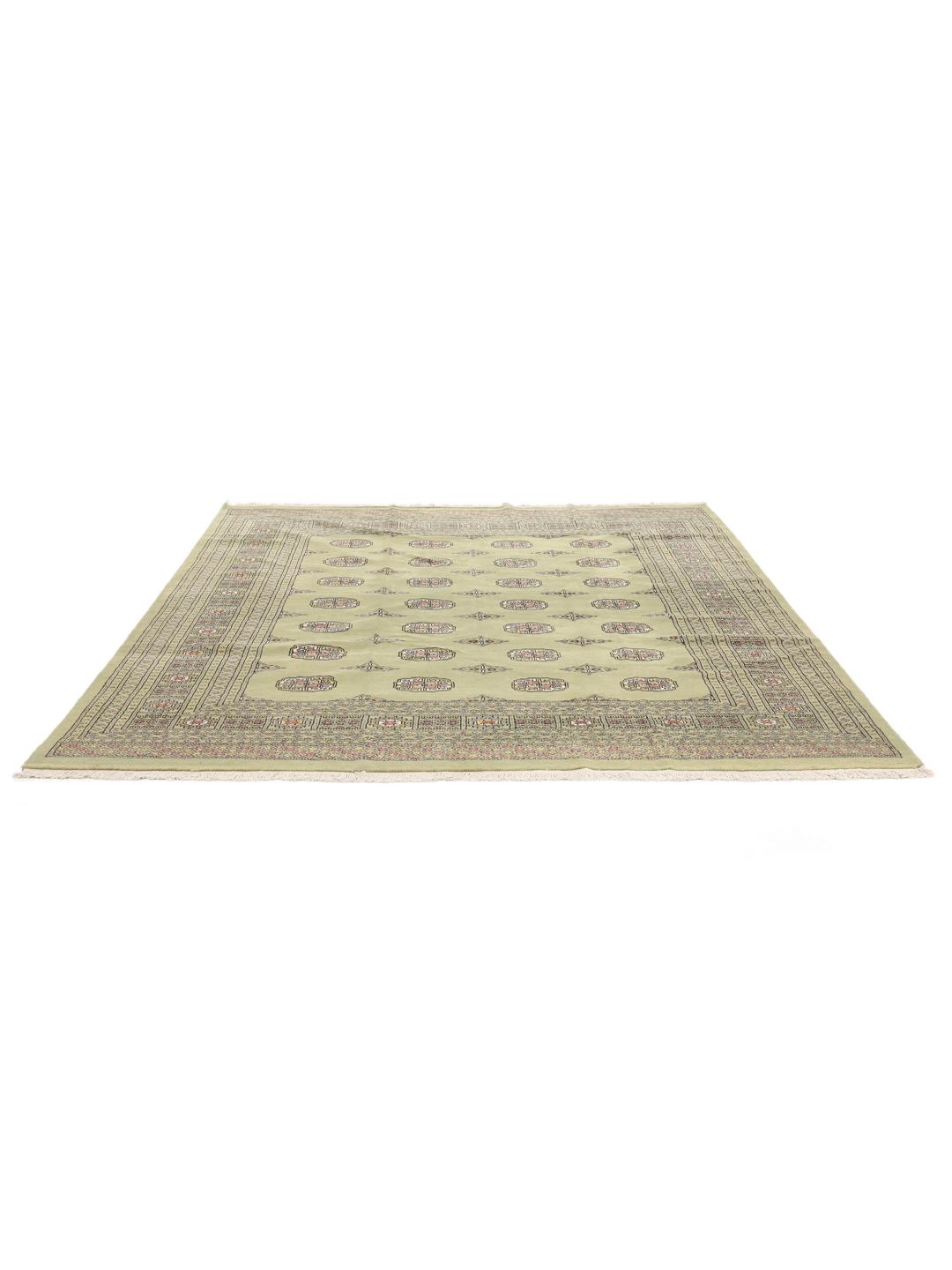
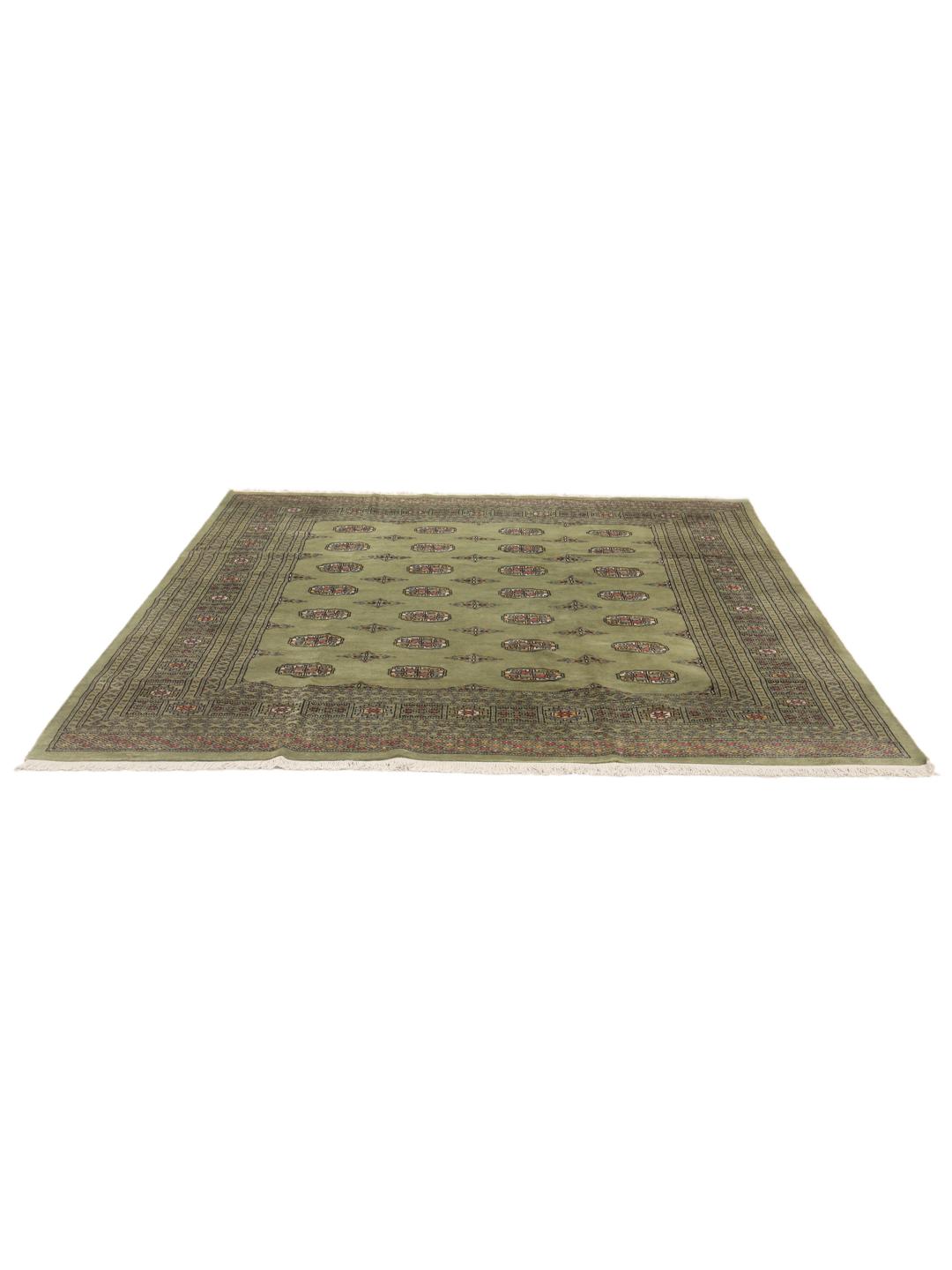
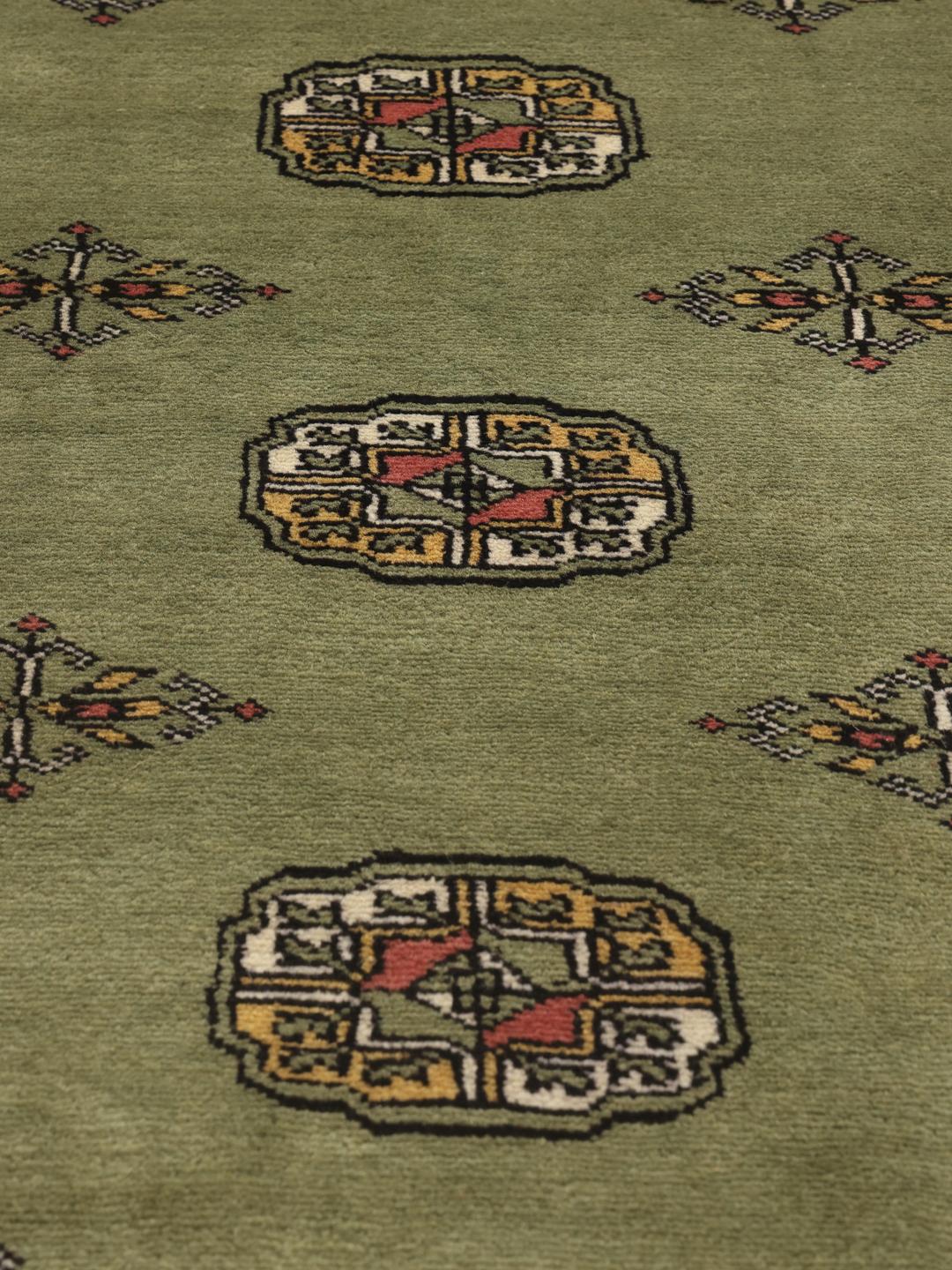
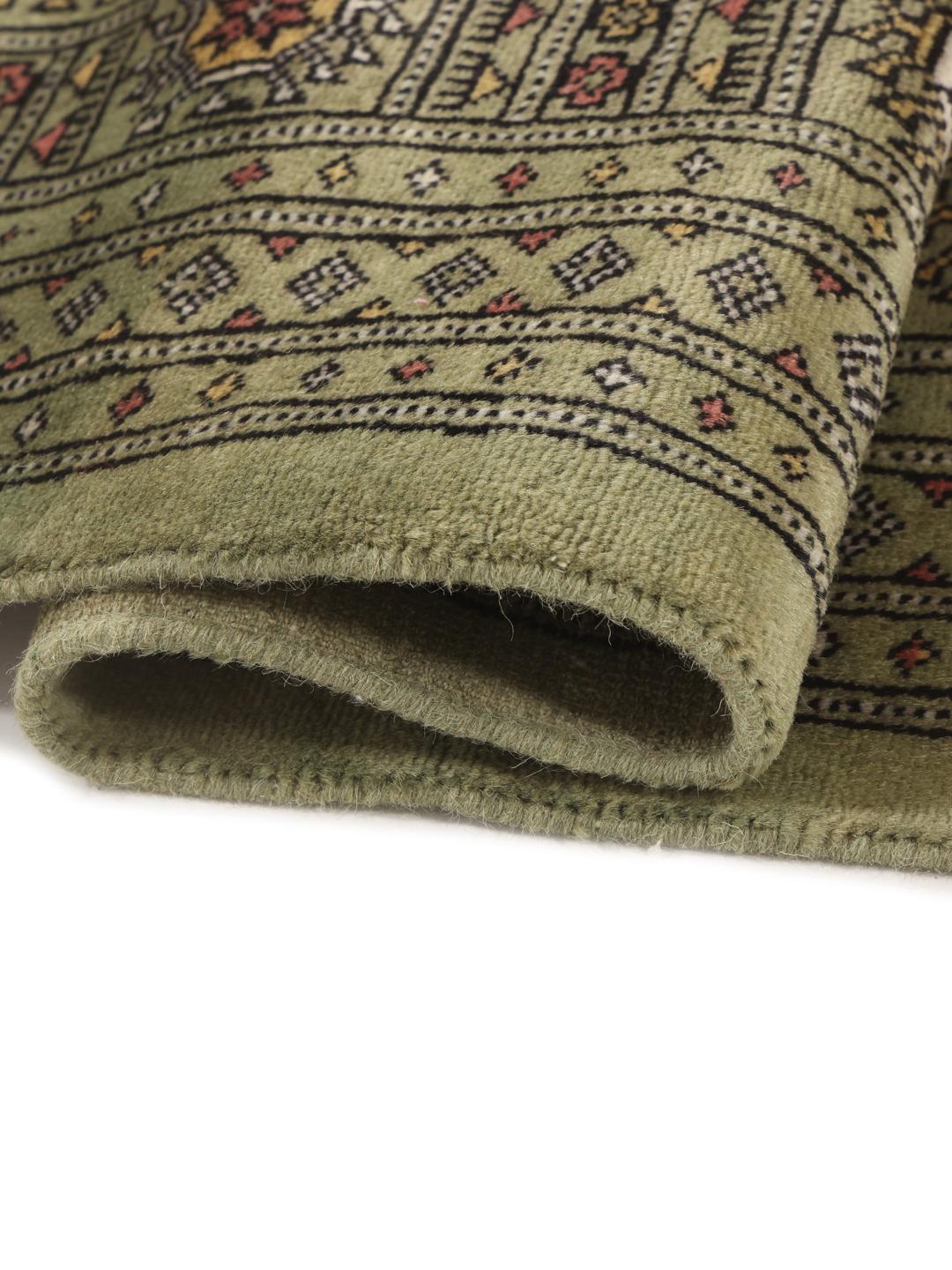
The signature design of a Bokhara rug is defined by repeating gul motifs, which are stylized, octagonal medallions often resembling elephant footprints. These motifs are typically arranged in clean, structured rows, creating a sense of balance and rhythm across the field. Enclosed by intricate, formal borders that mirror the complexity of the centre, the design is a testament to the artisan's ability to maintain perfect symmetry and proportion throughout the weaving process.
Owning a hand-knotted rug from this tradition is an act of preserving a heritage of skill and patience. These rugs are highly valued by collectors and homeowners alike not just for their aesthetic appeal, but for the tangible evidence of human effort woven into every square inch. By choosing this piece, you are acquiring an item with genuine cultural weight, representing a legacy of craftsmanship that transforms a floor covering into a cherished heirloom.