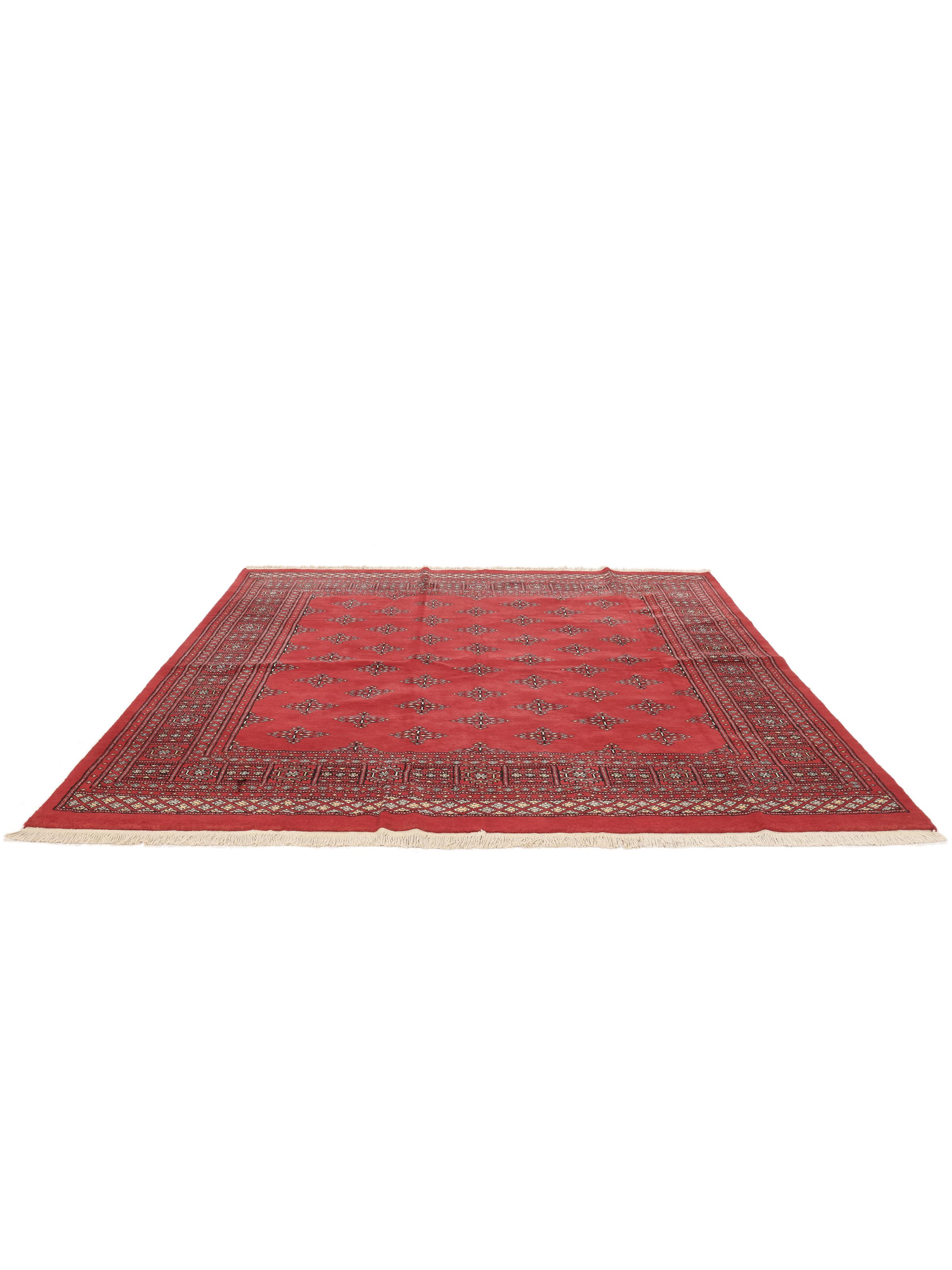
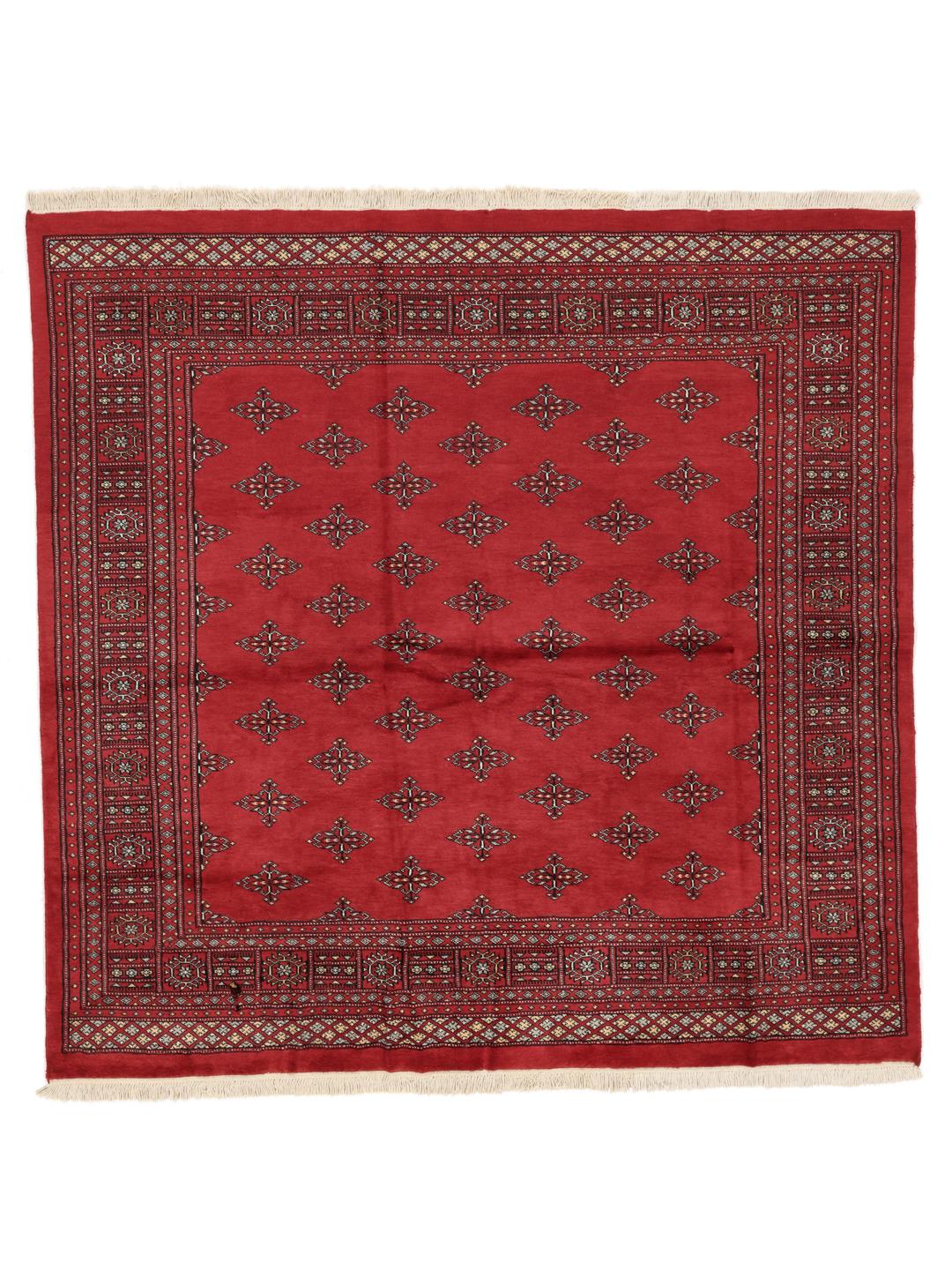
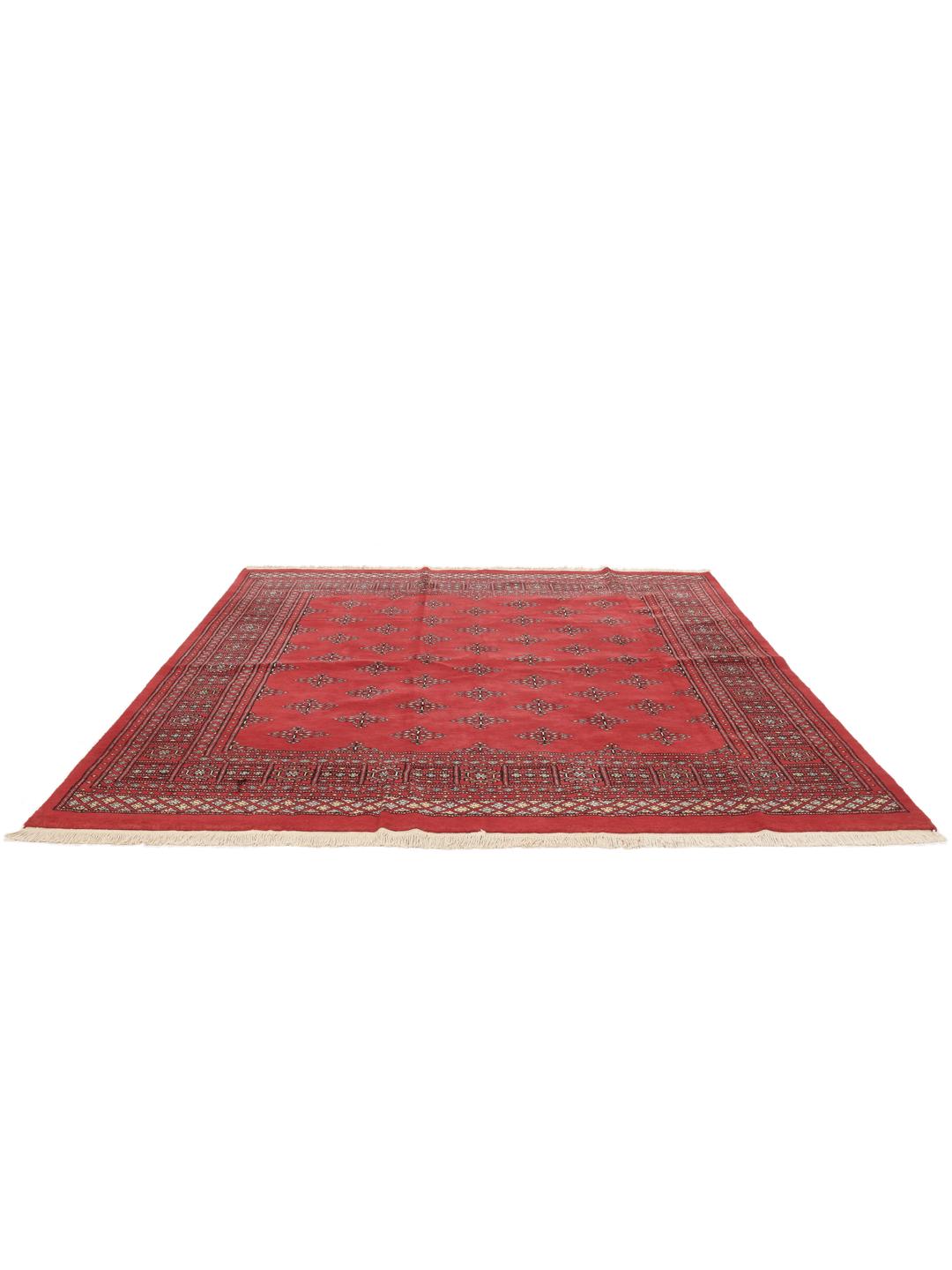
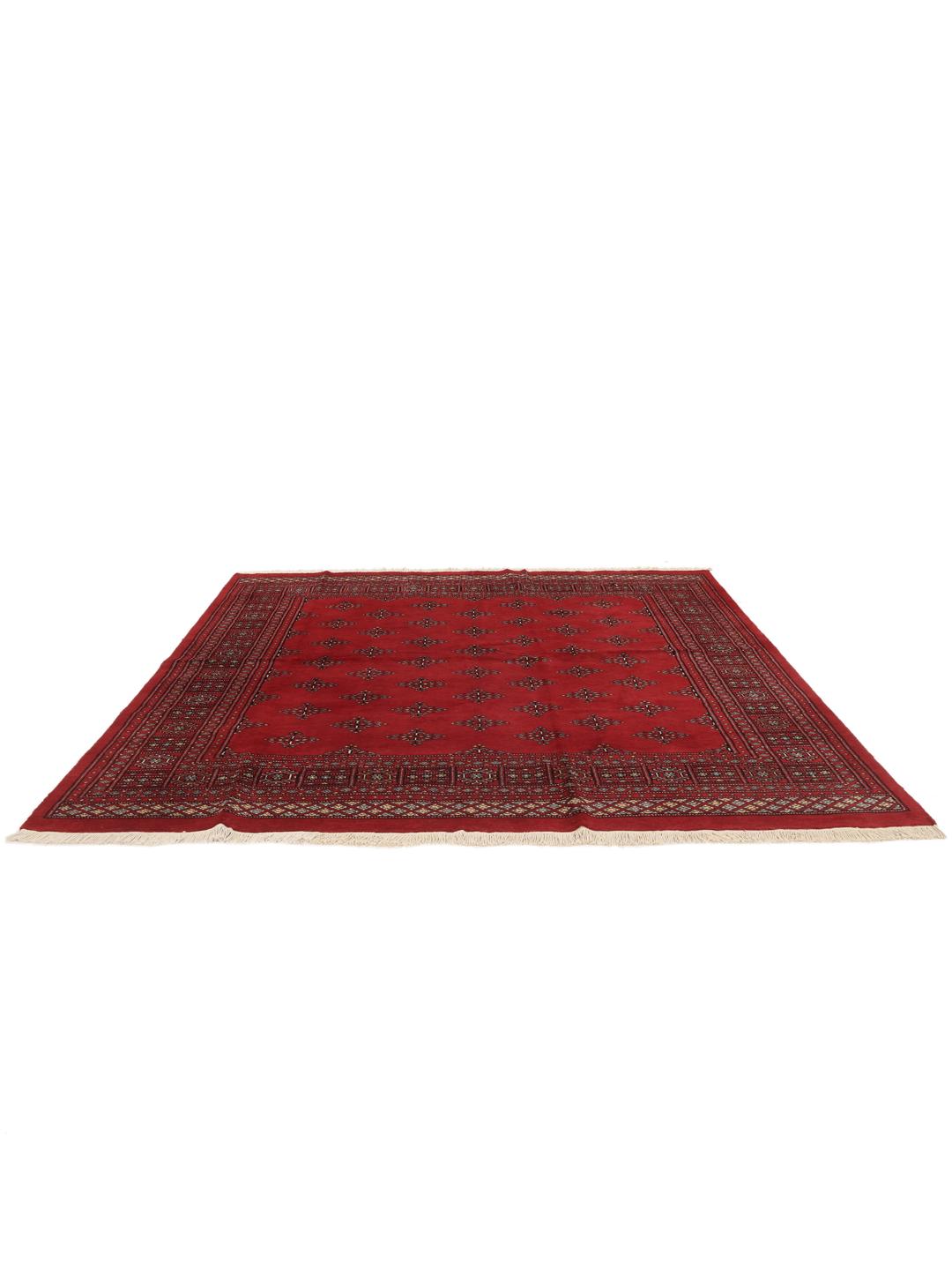
The Bokhara rug tradition is deeply rooted in the history of the ancient Silk Road. While the style takes its name from the historic city of Bukhara in Central Asia, the most celebrated examples today are crafted in Pakistan. This evolution reflects the migration of master weavers who carried their ancestral techniques across borders, refining them over generations to produce the sophisticated rugs we see today.
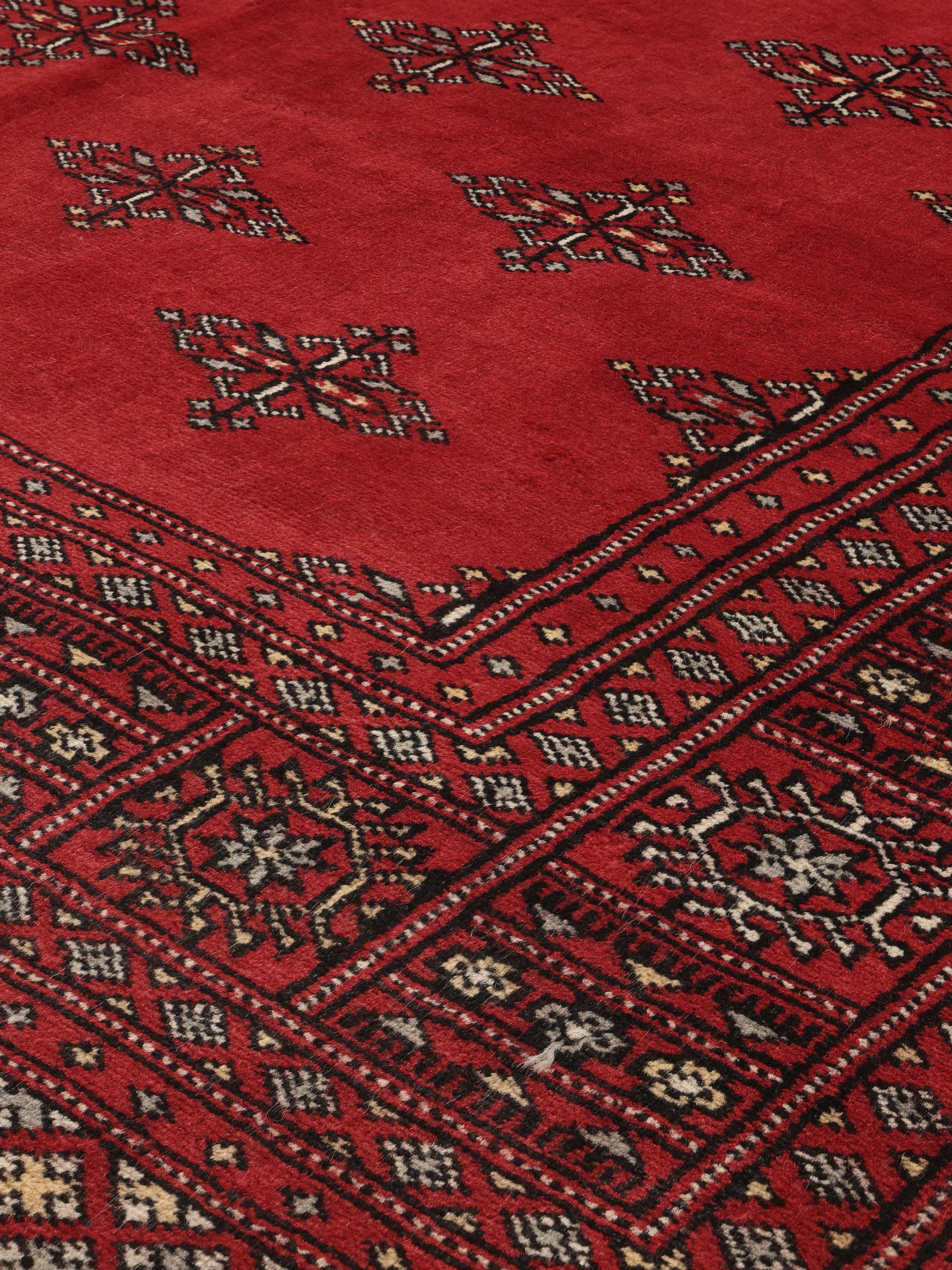
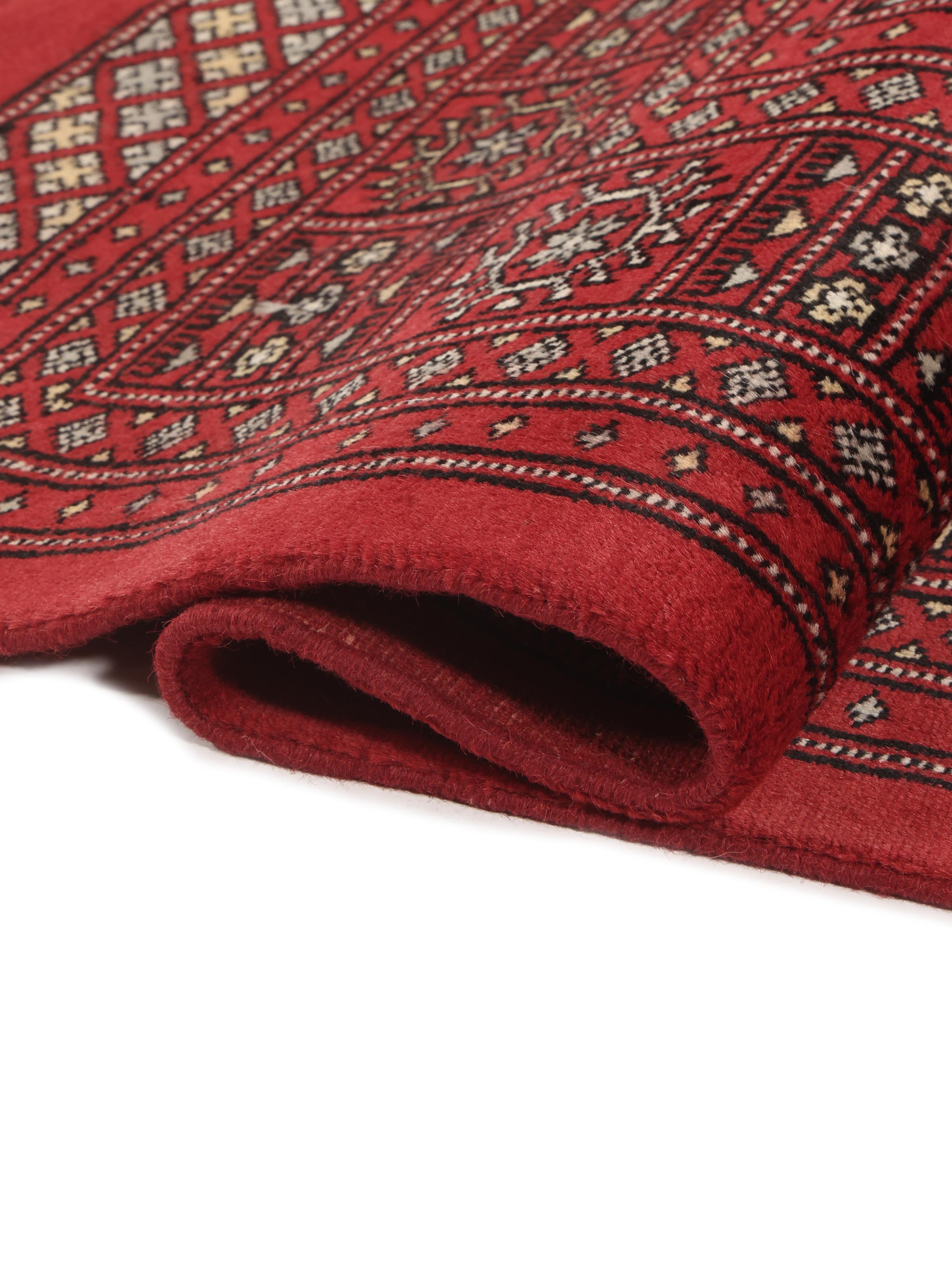
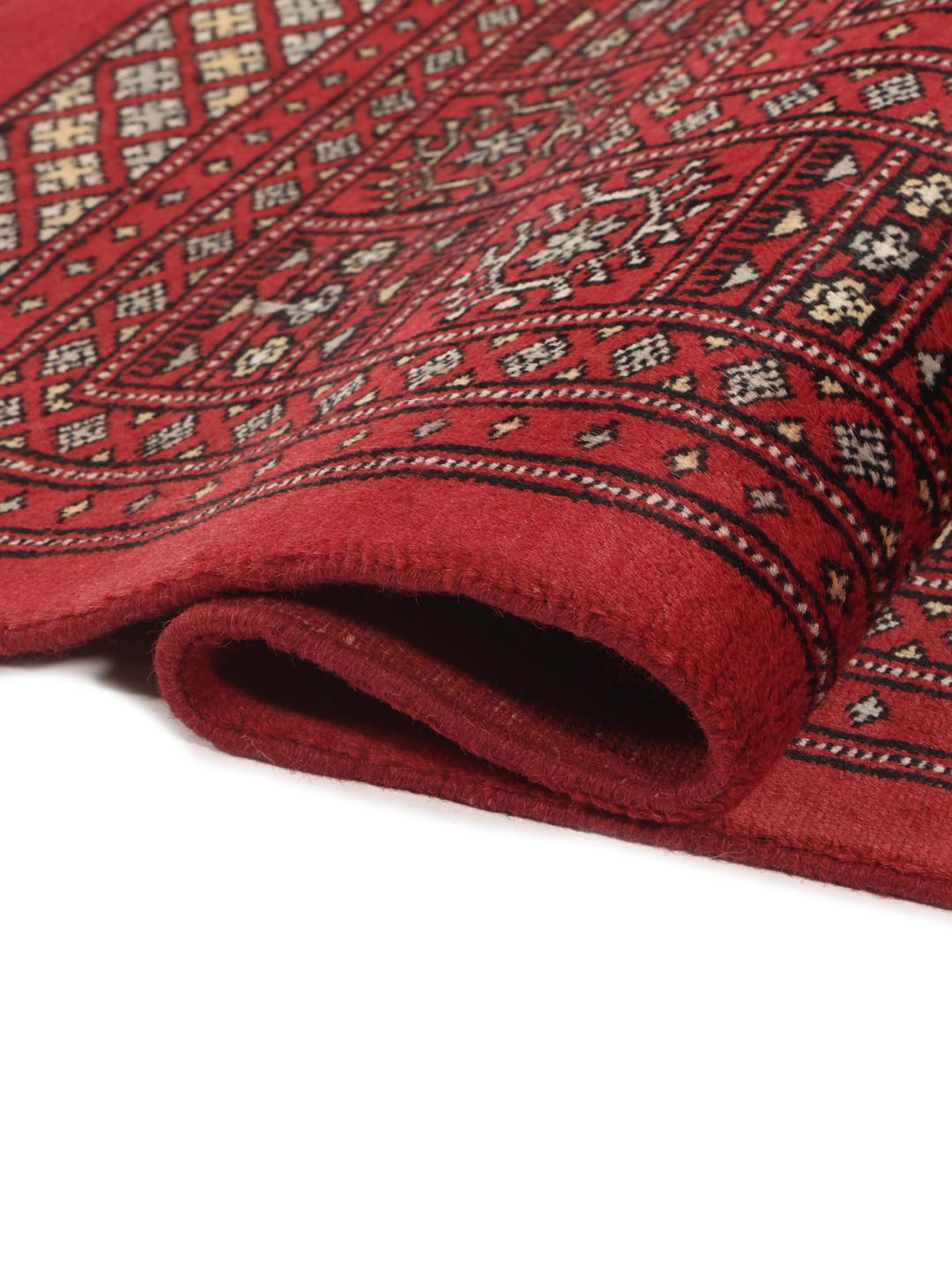
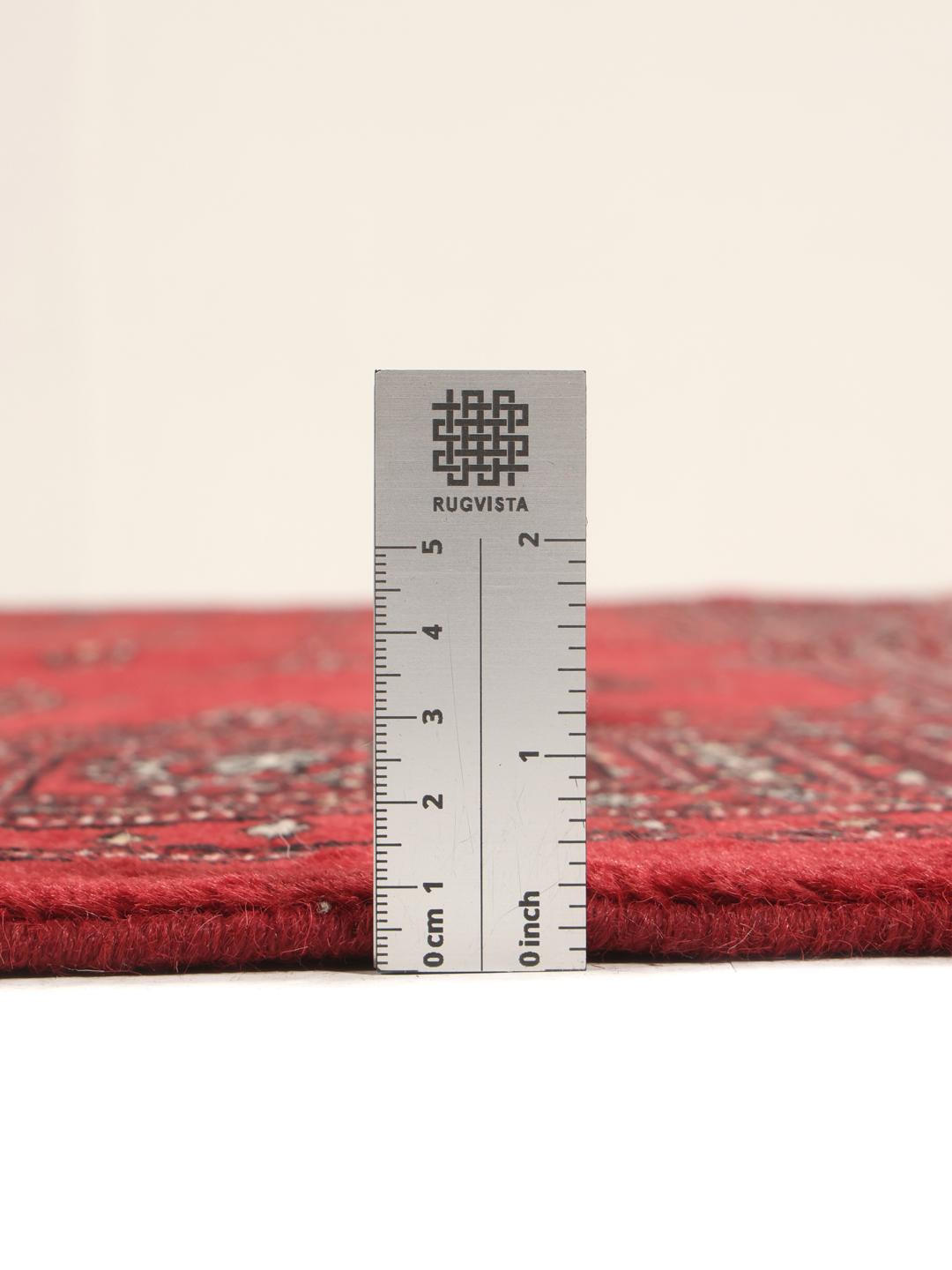
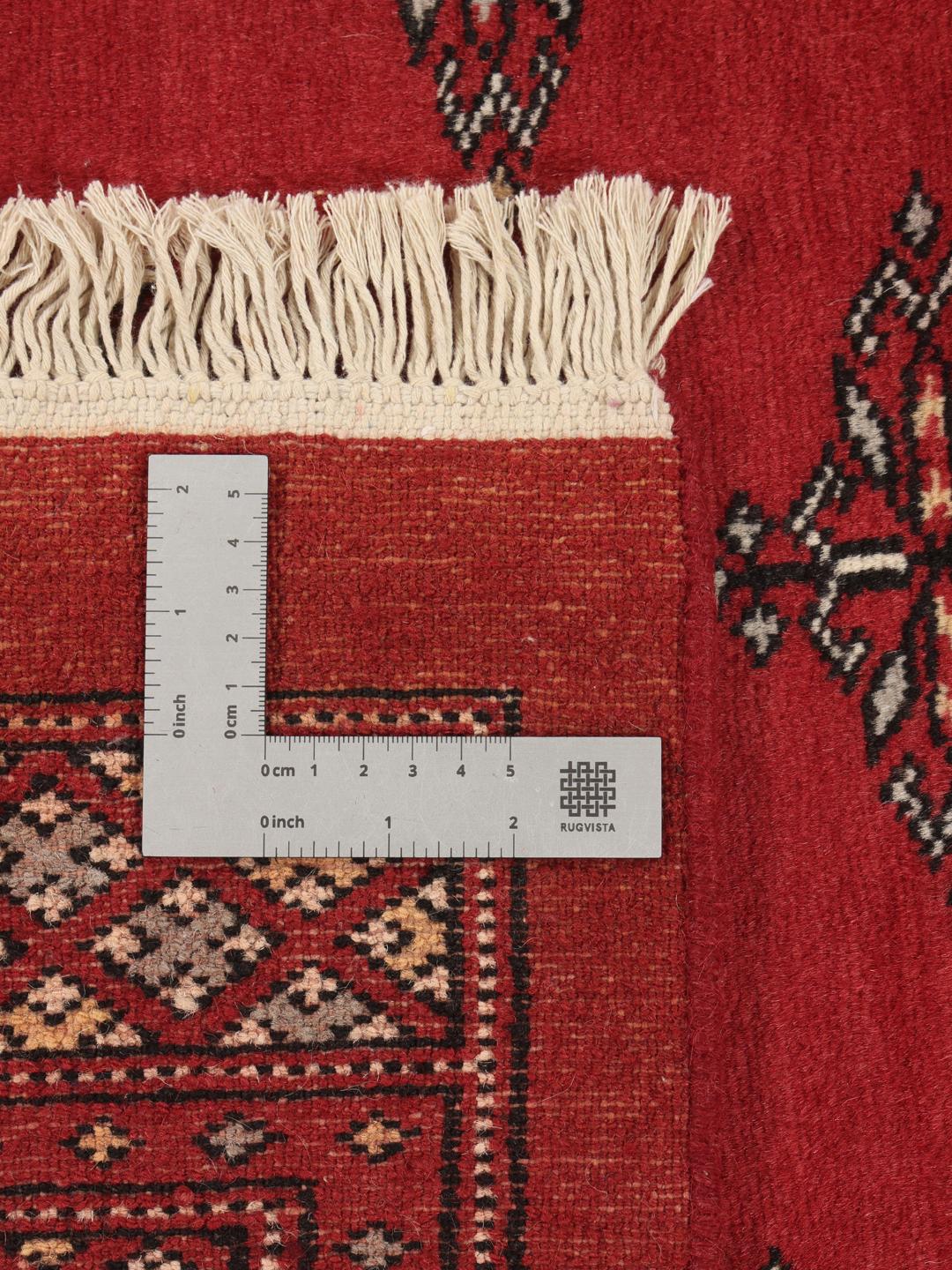
The term 2ply refers to the specific construction of the pile, where two strands of wool are twisted together before being knotted. This technique is vital for quality, as it creates a stronger, more lustrous, and longer-lasting surface compared to single-ply alternatives. It is this attention to the structural integrity of the yarn that gives these rugs their characteristic sheen and soft, deep pile.
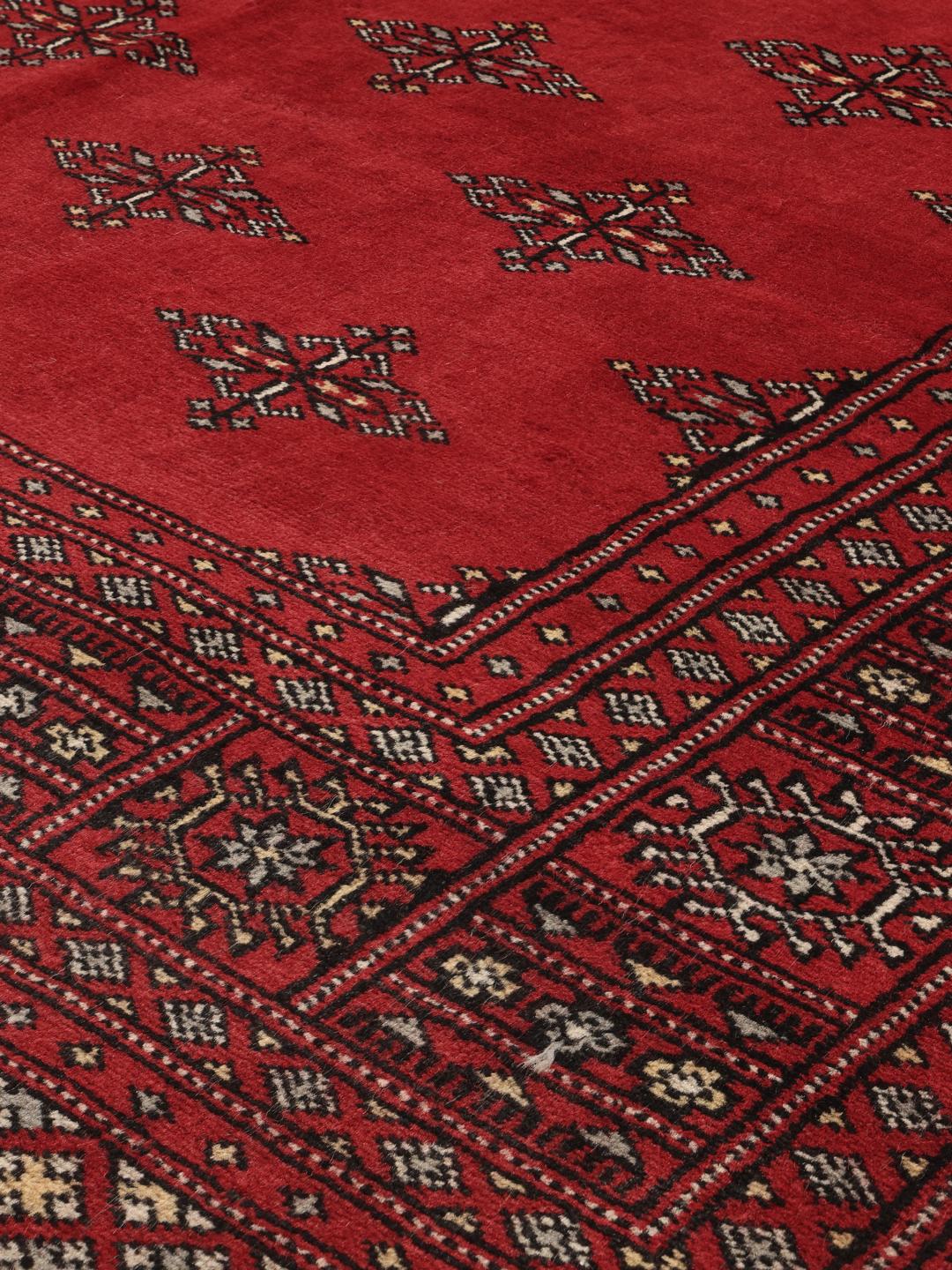
Visually, these rugs are defined by their iconic gul motifs, which are repeating octagonal or elephant-foot shaped medallions. These are often arranged in precise rows across the field, framed by a series of detailed, geometric borders. The deep red palette is a signature of the tradition, representing warmth and prosperity, though the specific arrangement and subtle variations in the motifs are what make each piece distinct.
Owning a hand-knotted piece from this tradition is an investment in cultural heritage and human skill. These rugs are highly valued by collectors not just for their aesthetic beauty, but for the immense dedication required to produce them. By bringing such a piece into your home, you are continuing a legacy of craftsmanship that has been passed down through centuries, celebrating the patience and expertise of the artisans who keep this tradition alive.