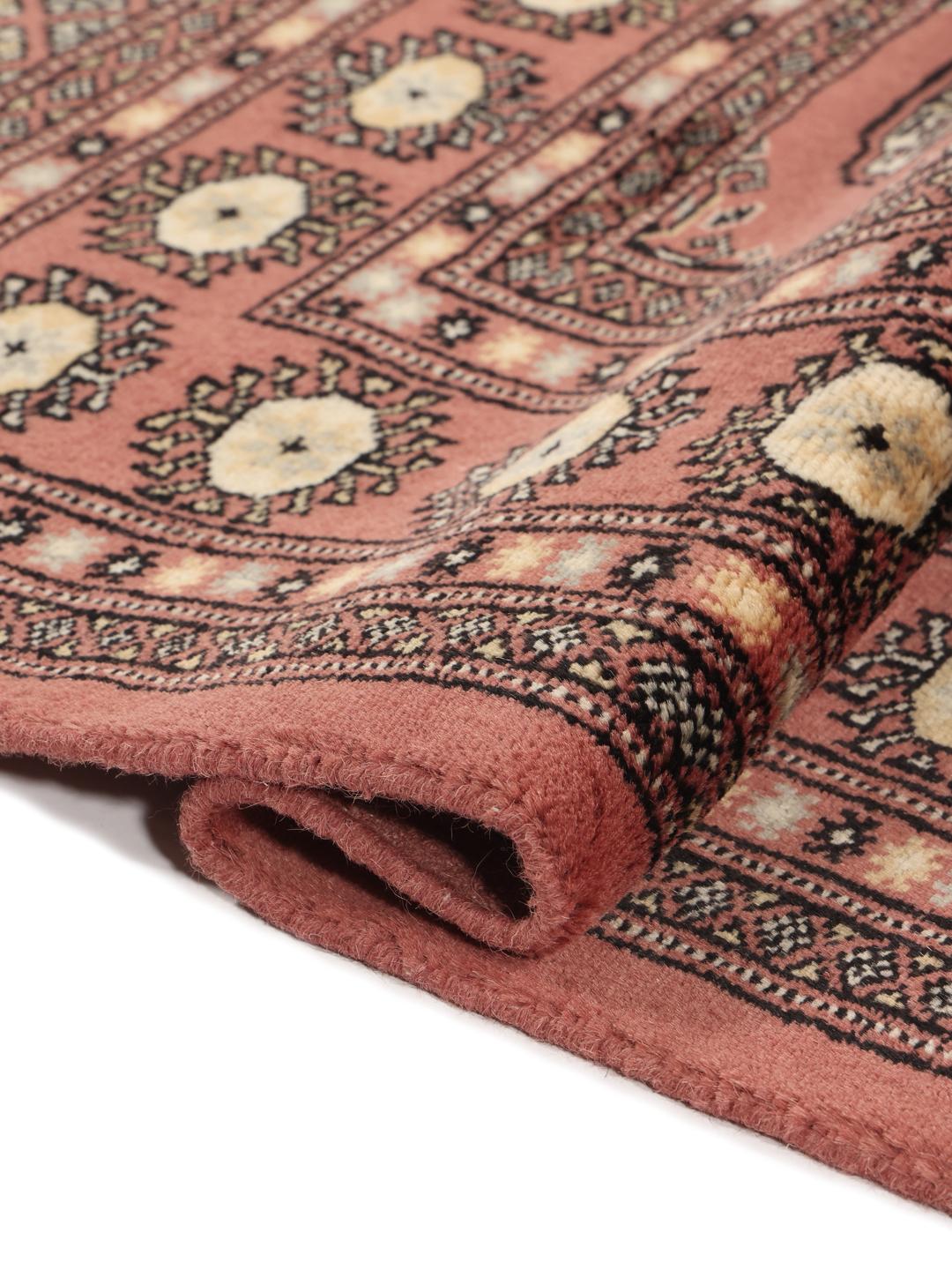
The Bokhara rug tradition is deeply rooted in the history of the ancient Silk Road, taking its name from the historic city of Bukhara in Central Asia. While the style originated among nomadic tribes who needed portable, durable floor coverings, the techniques eventually migrated and flourished in Pakistan. Today, the finest examples of this tradition are crafted by Pakistani artisans who have mastered the intricate art of the Bokhara style.
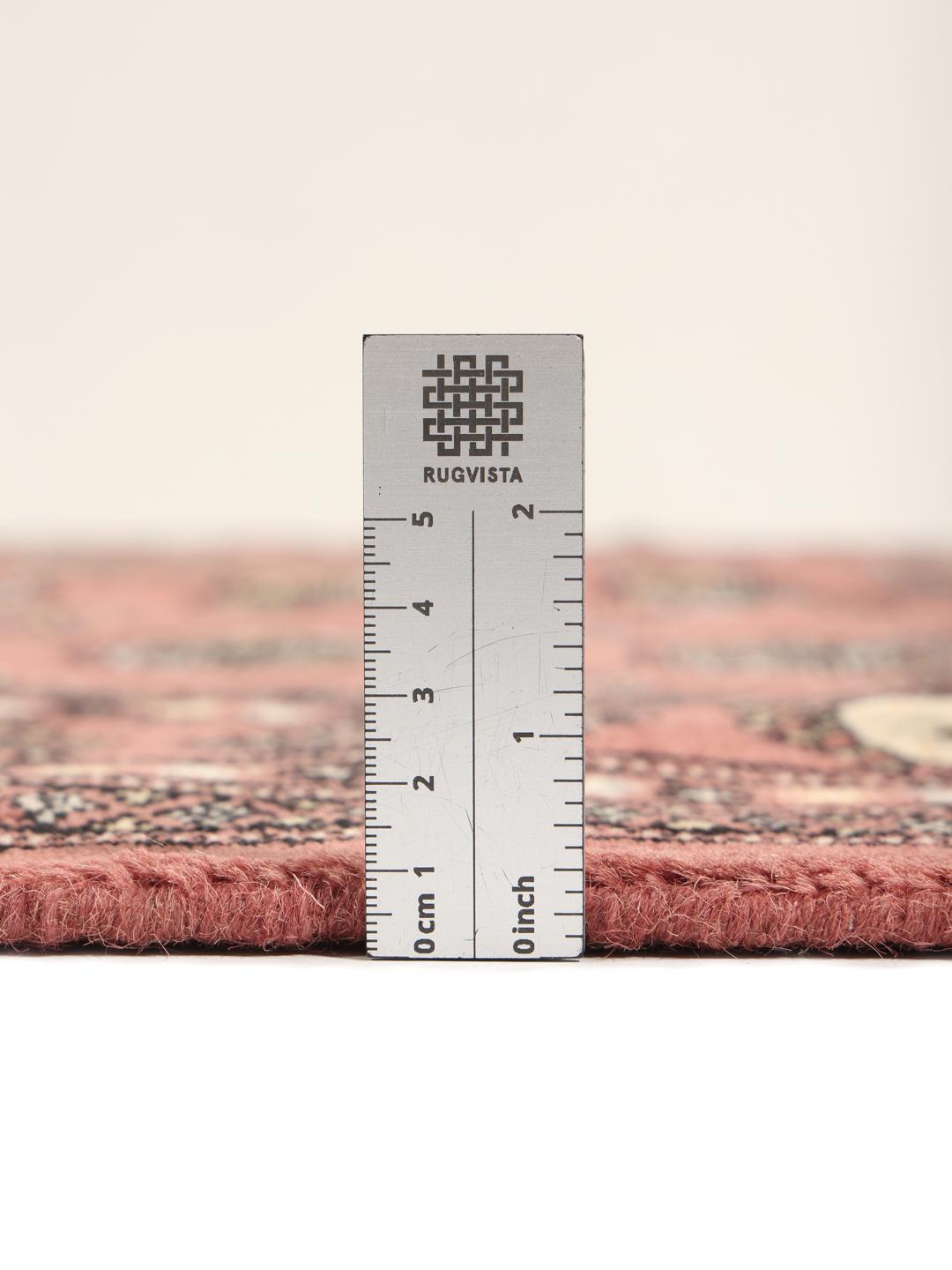
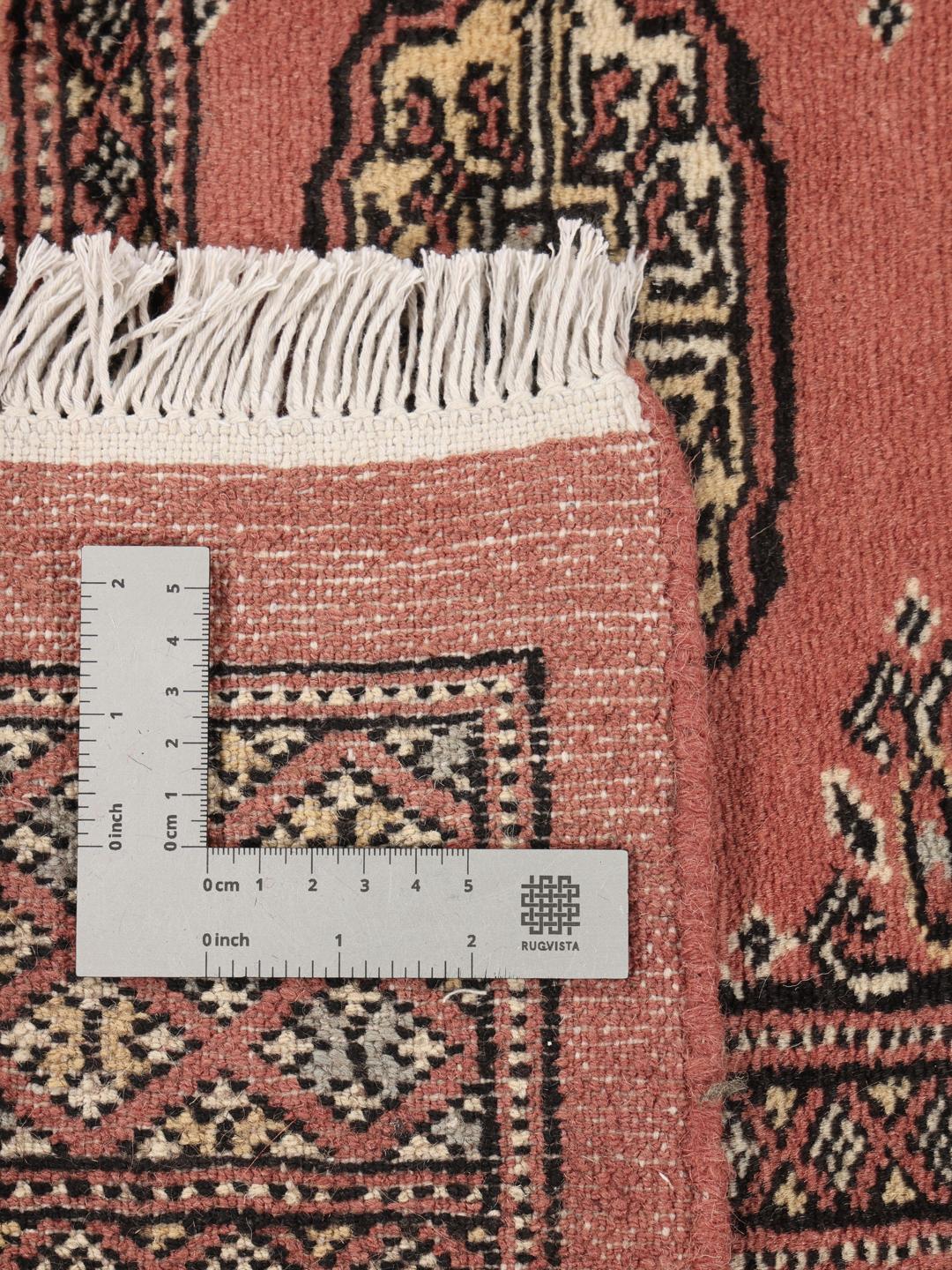
The term 2ply refers to the construction of the pile, where two strands of wool are twisted together before being knotted. This technical choice is significant because it produces a pile that is denser, more lustrous, and remarkably more durable than single-ply alternatives. For the owner, this means a rug that feels fuller and richer to the touch and maintains its vibrant appearance even after years of use.
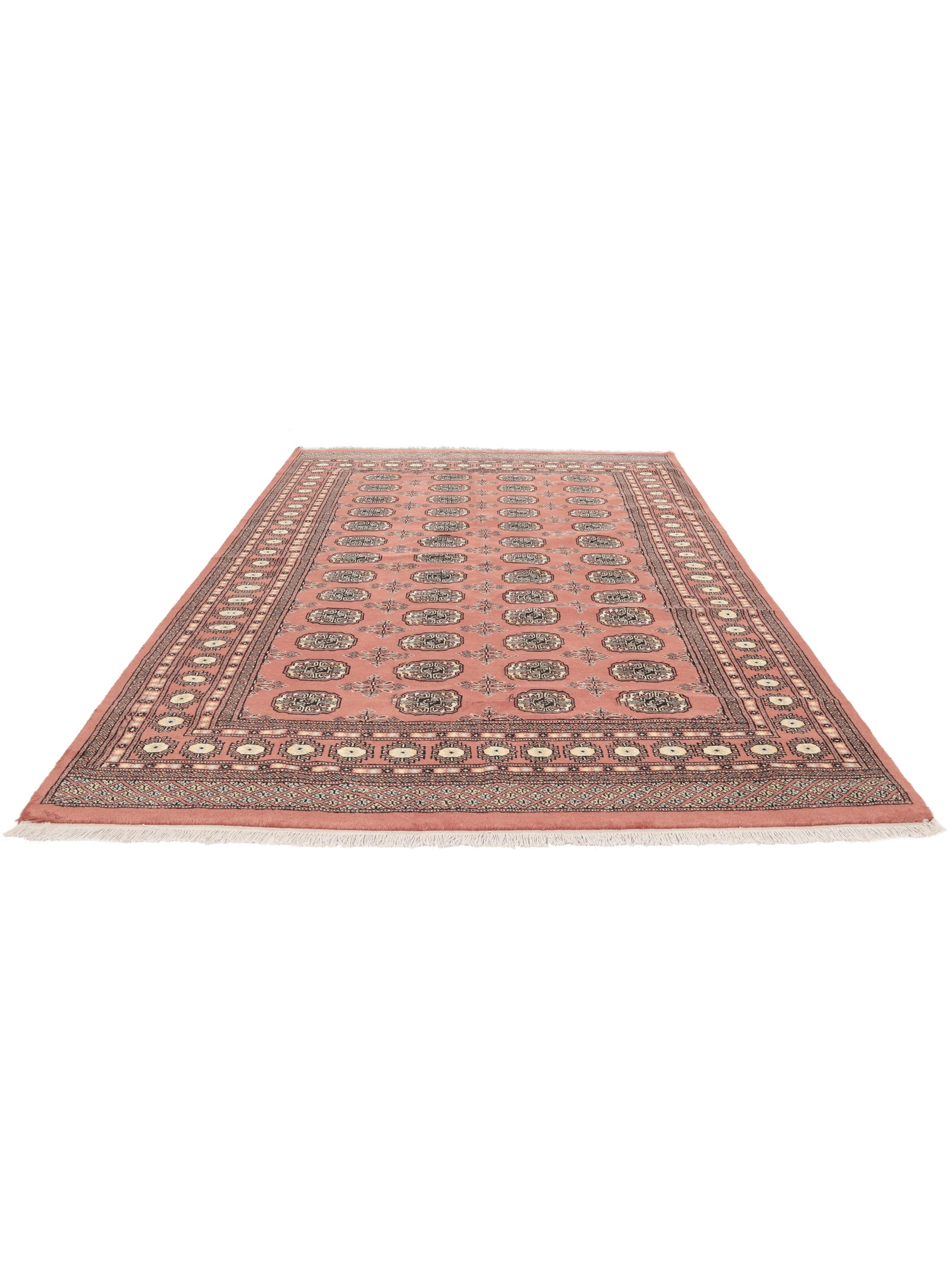
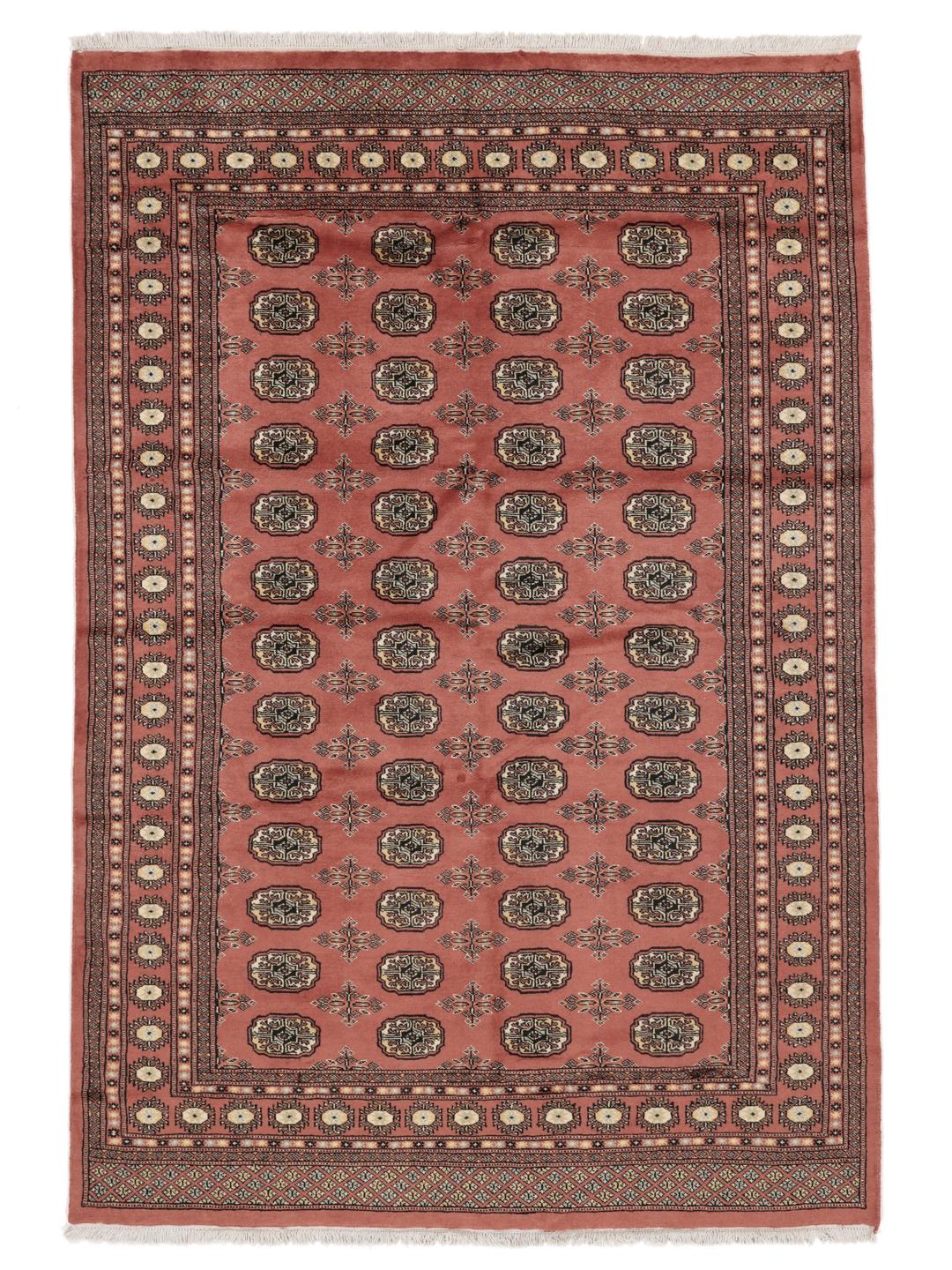
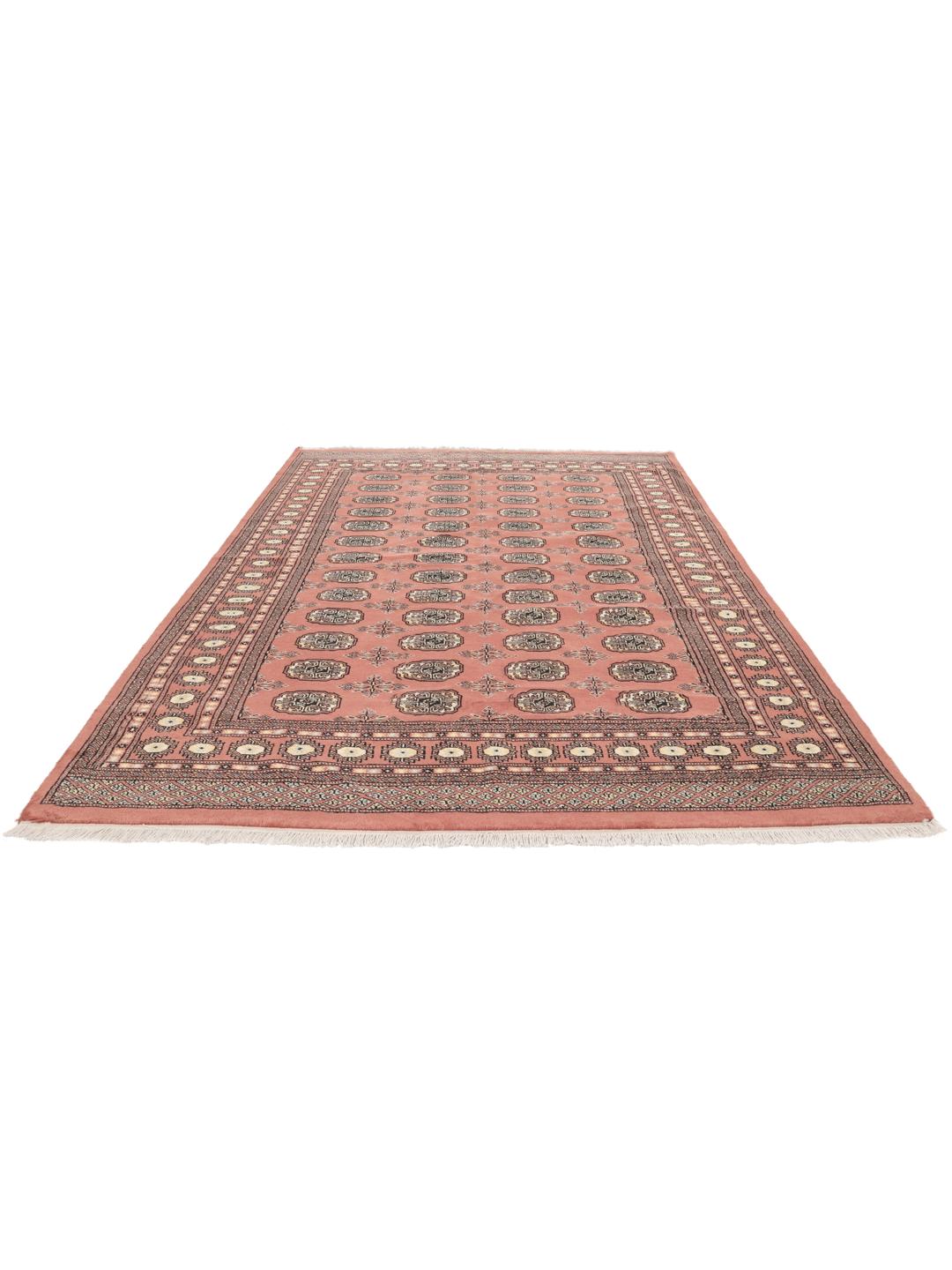
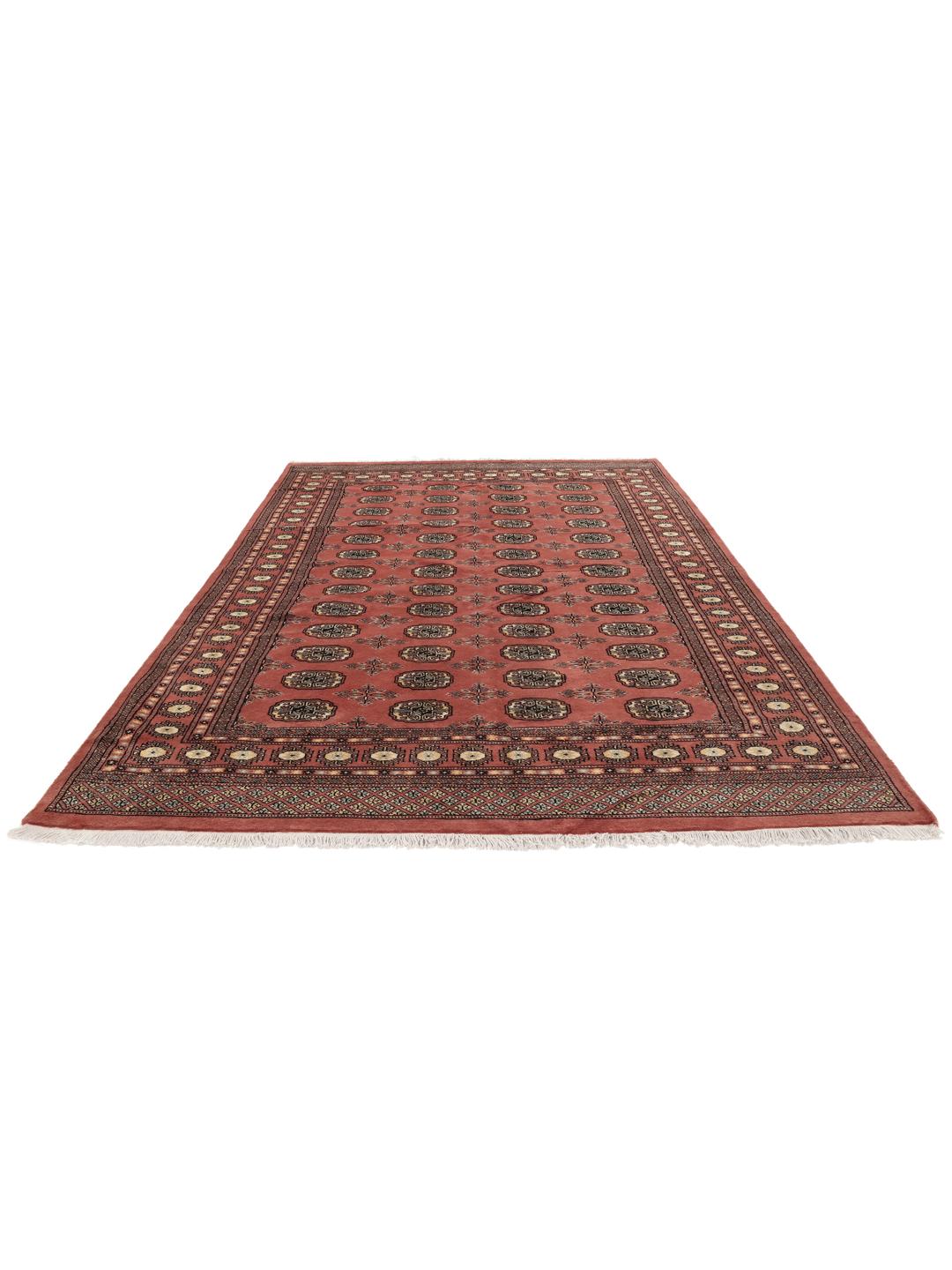
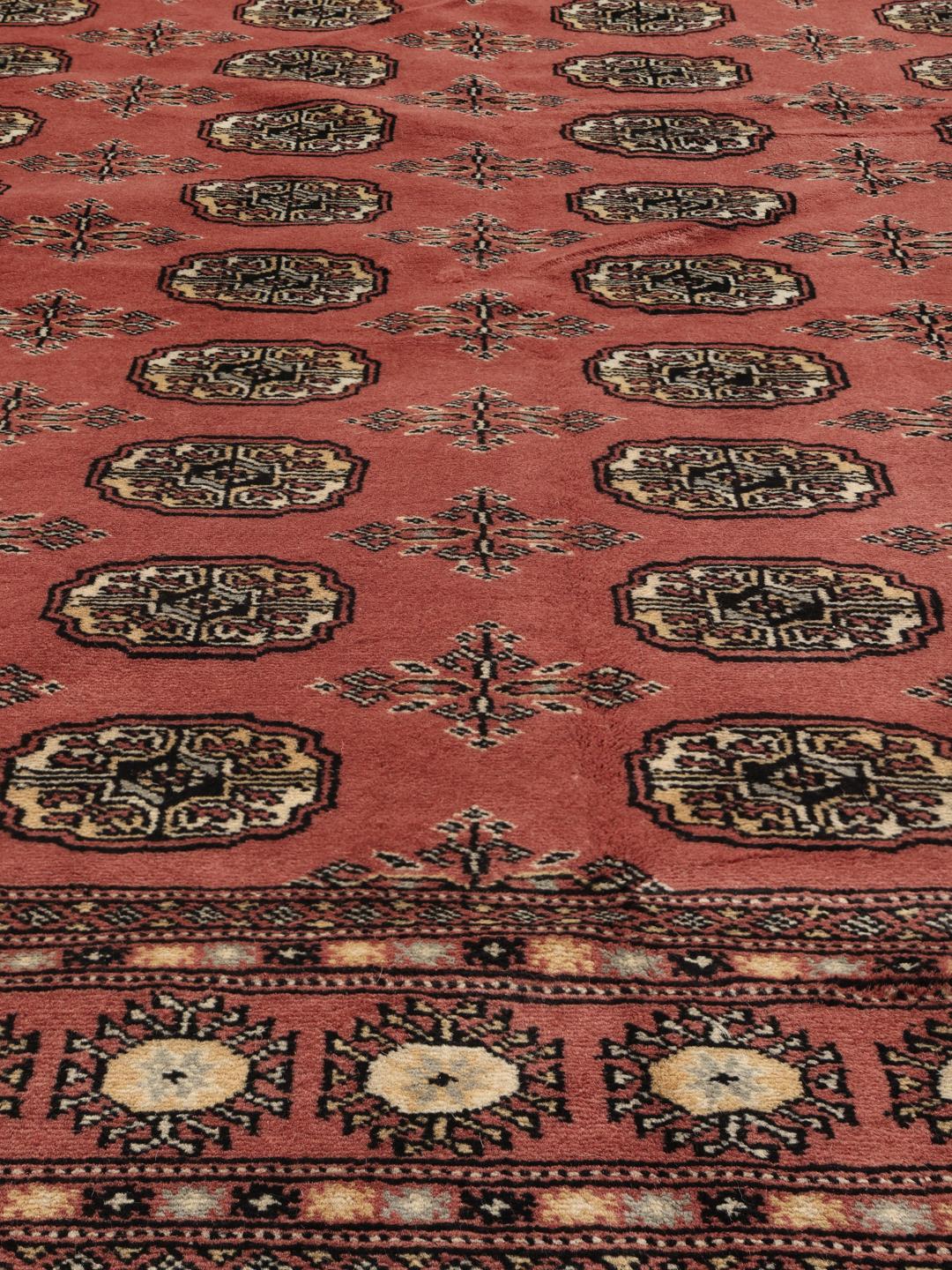
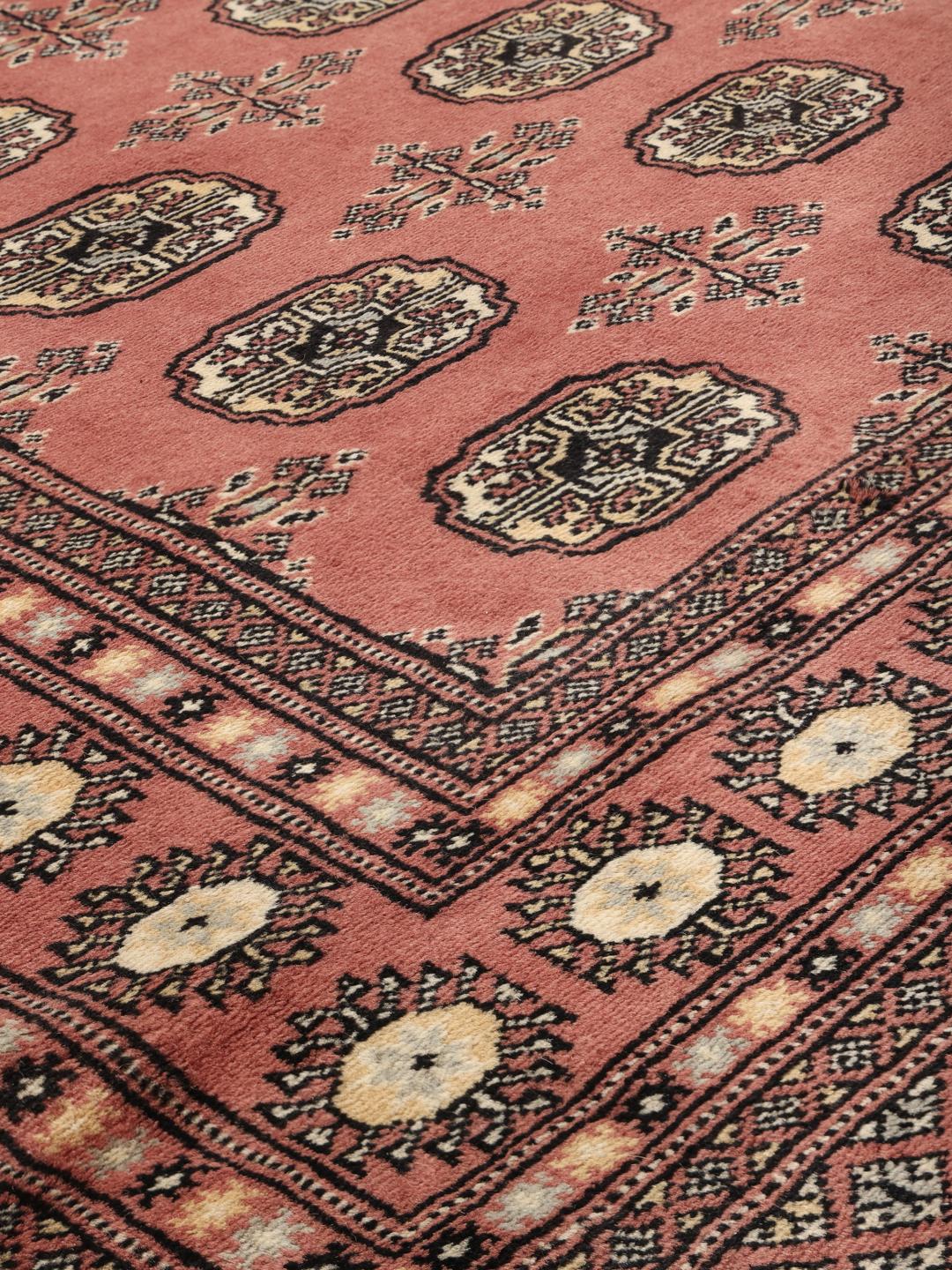
Visually, these rugs are defined by their signature gul motifs—octagonal or elephant-foot medallions—arranged in orderly, repeating rows across the field. These motifs are often framed by ornate, geometric borders that provide a formal structure to the design. The use of deep, resonant colours is a hallmark of the tradition, creating a sense of balance and harmony that complements both traditional and modern interiors.
Owning a hand-knotted Bokhara is more than just a decorative choice; it is an appreciation of a long-standing cultural heritage. Each rug represents a synthesis of skill and history, valued by collectors for its consistency, fine detail, and the human effort embedded in every knot. When you bring this piece into your home, you are continuing a legacy of craftsmanship that has been celebrated for centuries.