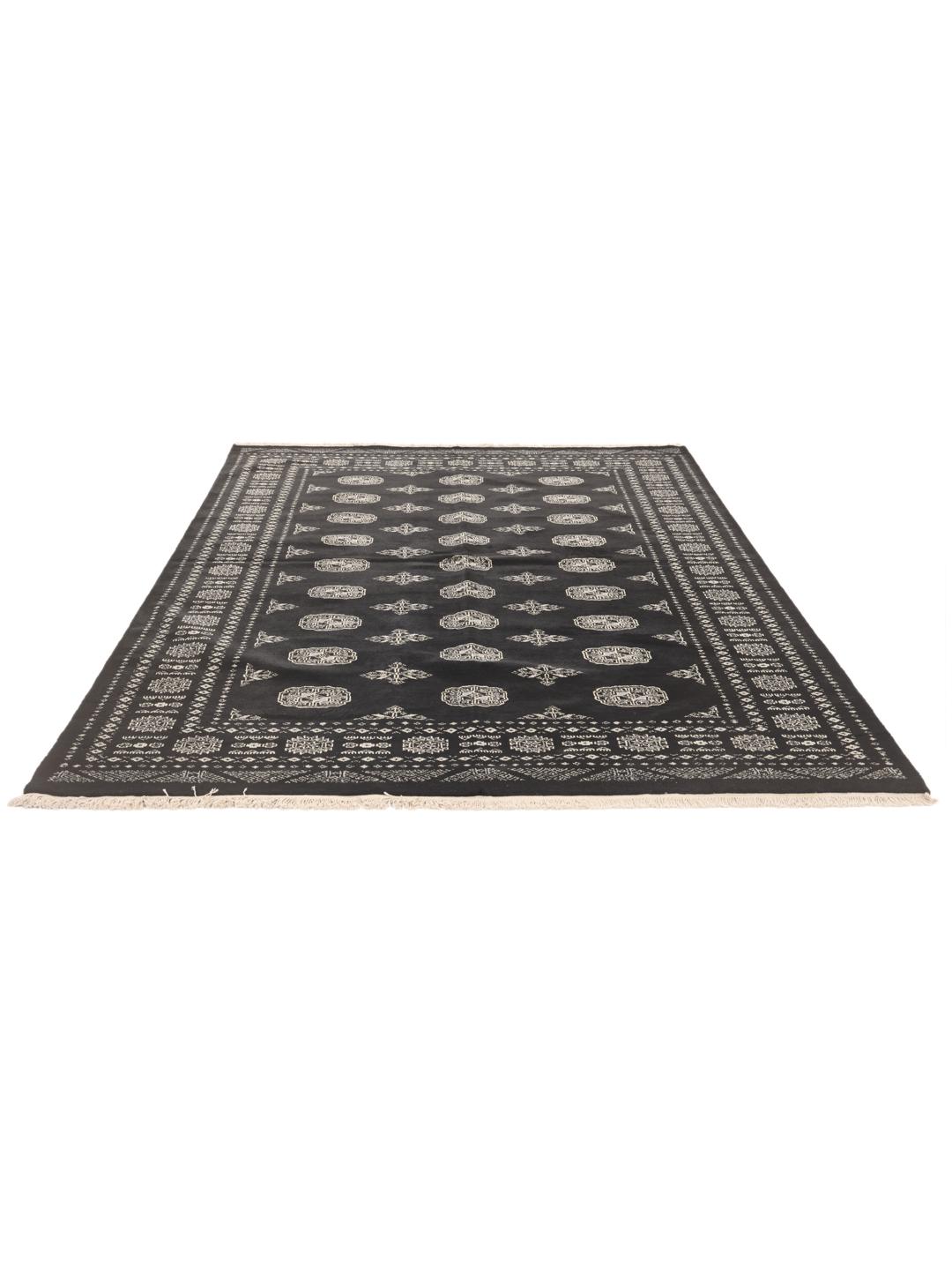
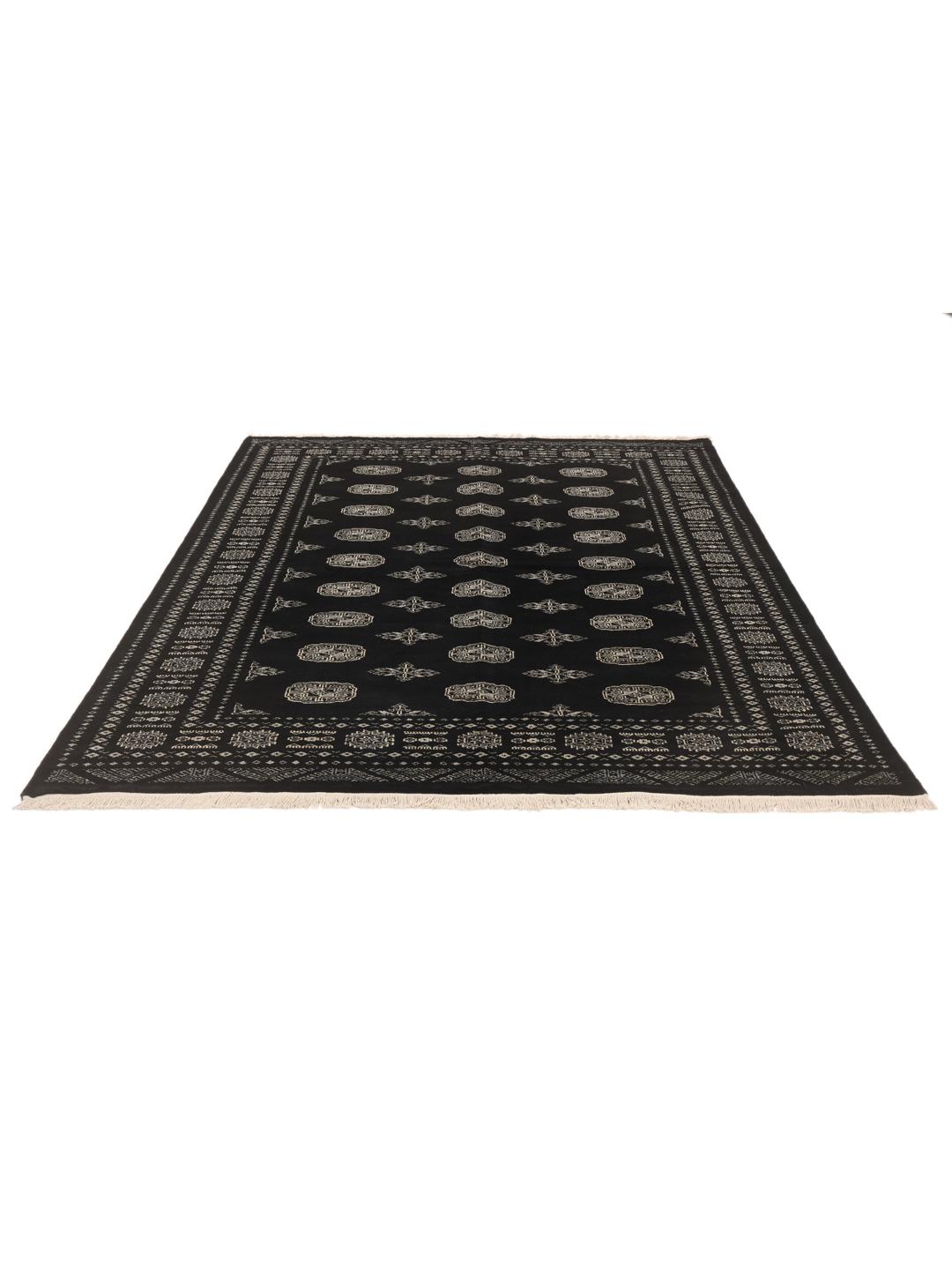
The Bokhara rug tradition is deeply rooted in the historical tapestry of Central Asia, taking its name from the ancient Silk Road city of Bukhara. While these rugs were historically woven by nomadic tribes as functional items for their tents, the style has evolved significantly over generations. Today, some of the finest examples are crafted in Pakistan, where artisans have perfected the art of adapting these classic designs for modern international homes.
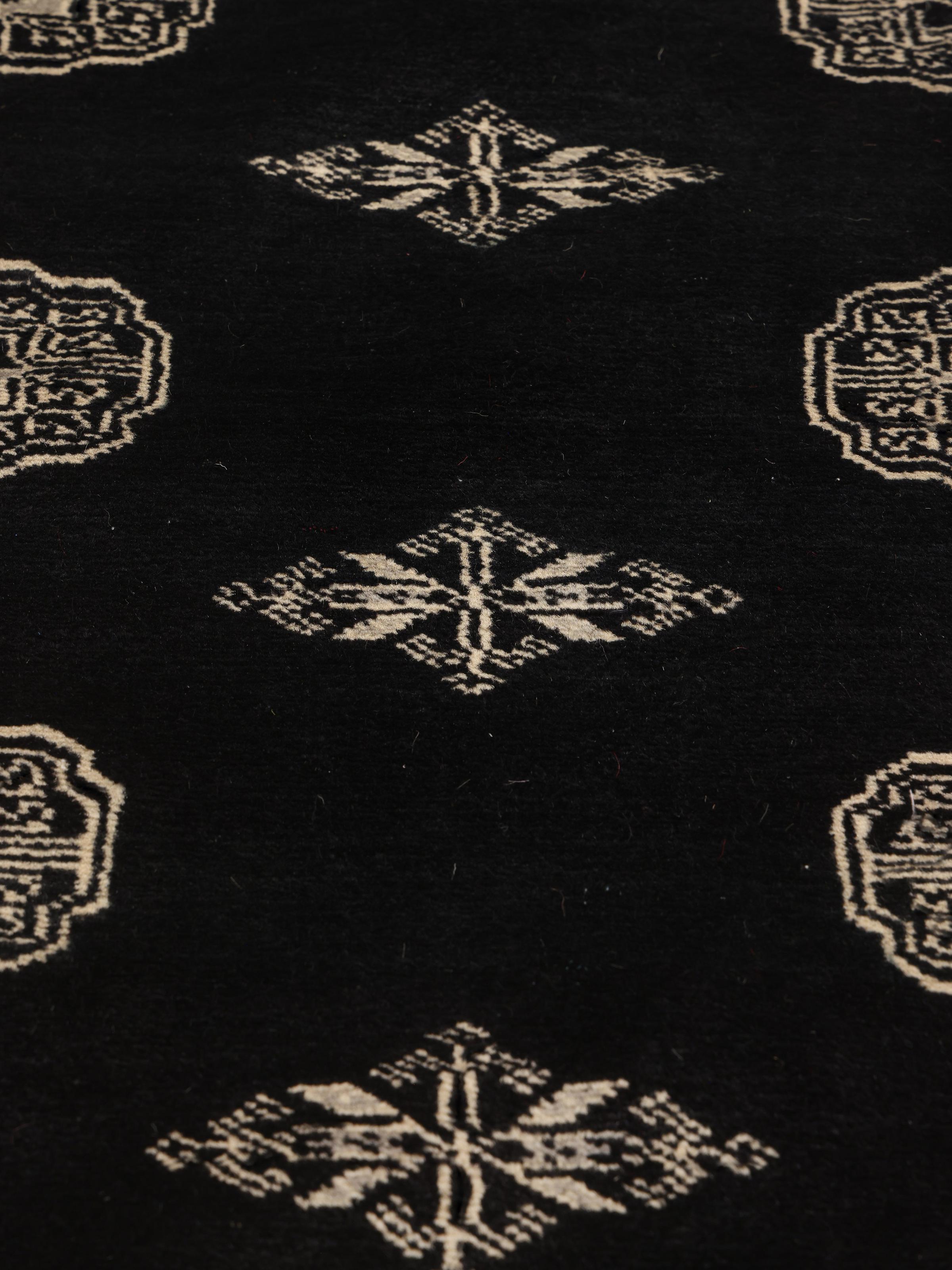
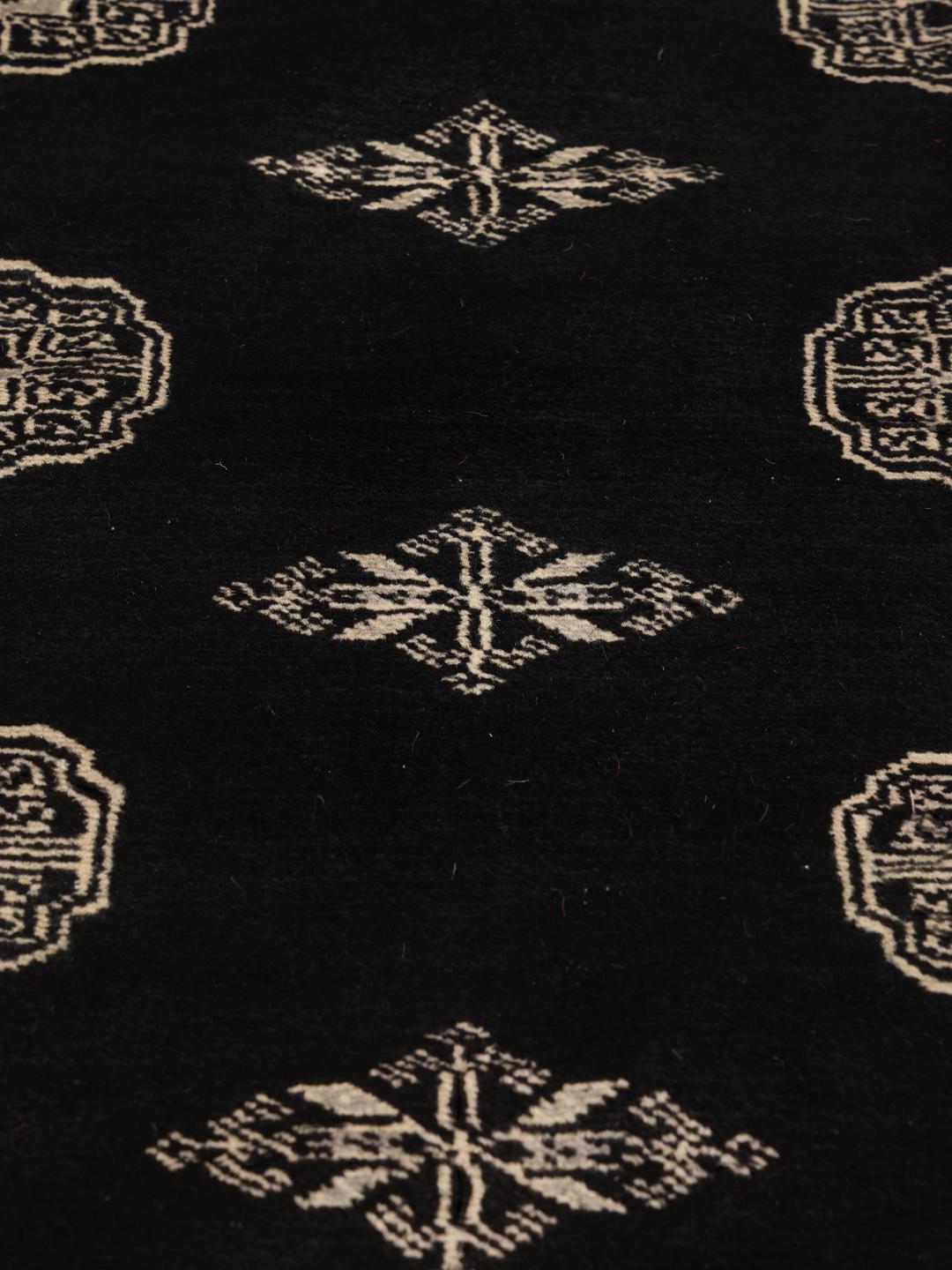
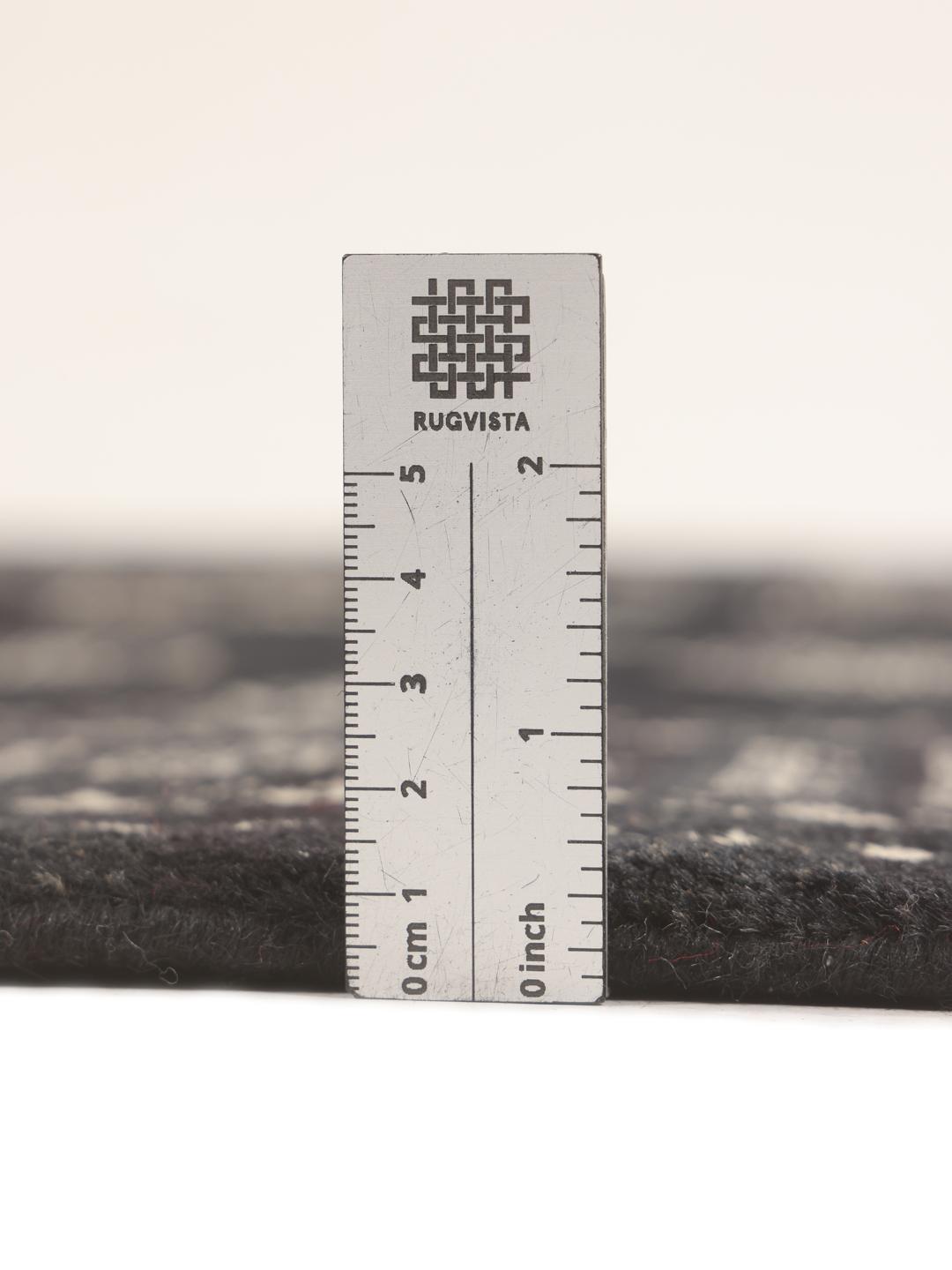
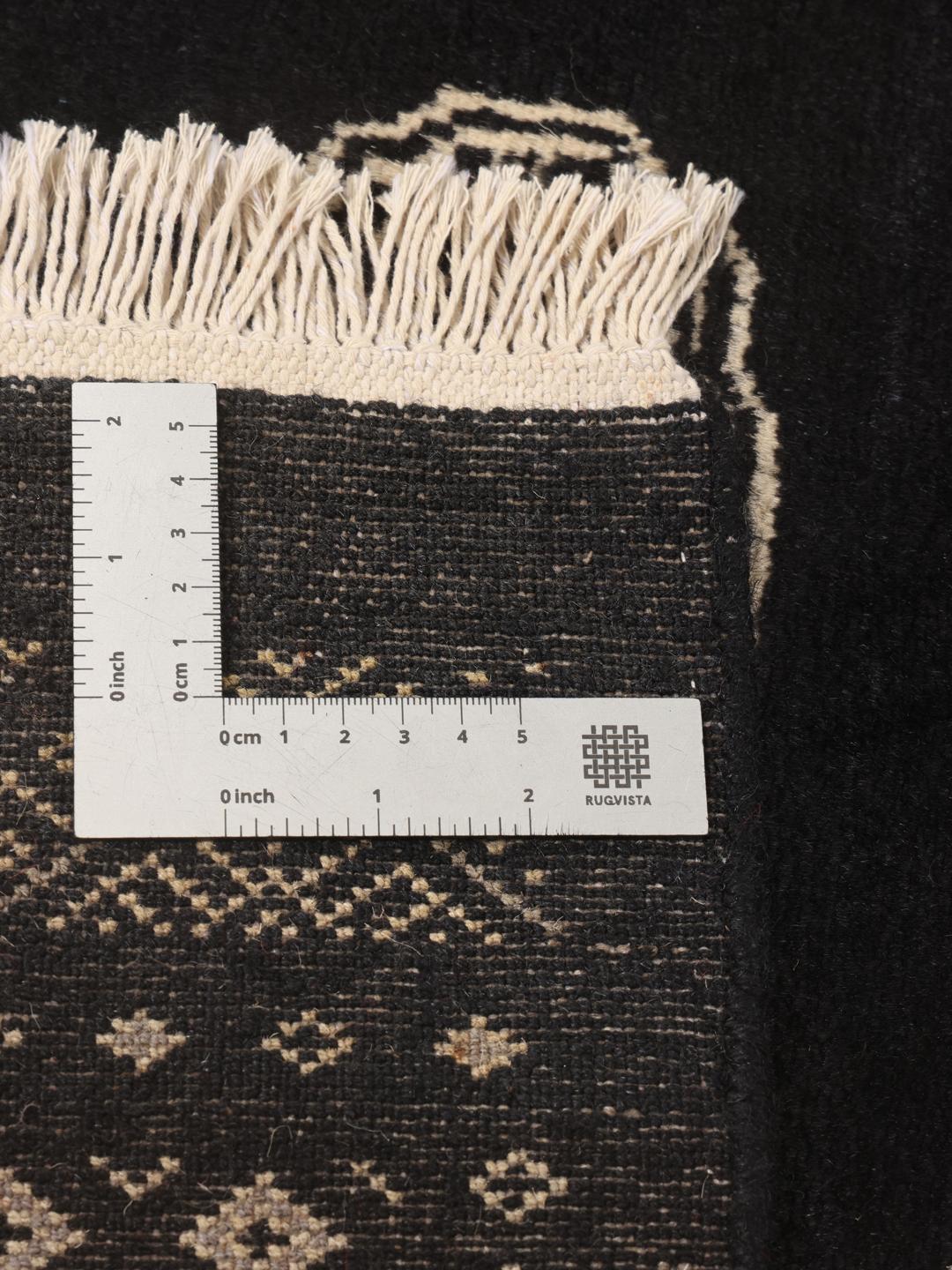
A defining feature of this rug is the 2ply construction, which refers to the practice of twisting two strands of wool together before knotting. This technique is highly valued for its practical benefits, as it creates a stronger, more lustrous, and longer-lasting pile compared to single-ply alternatives. The added twist gives the wool a distinct resilience, allowing it to maintain its shape and appearance even in high-traffic areas of your home.
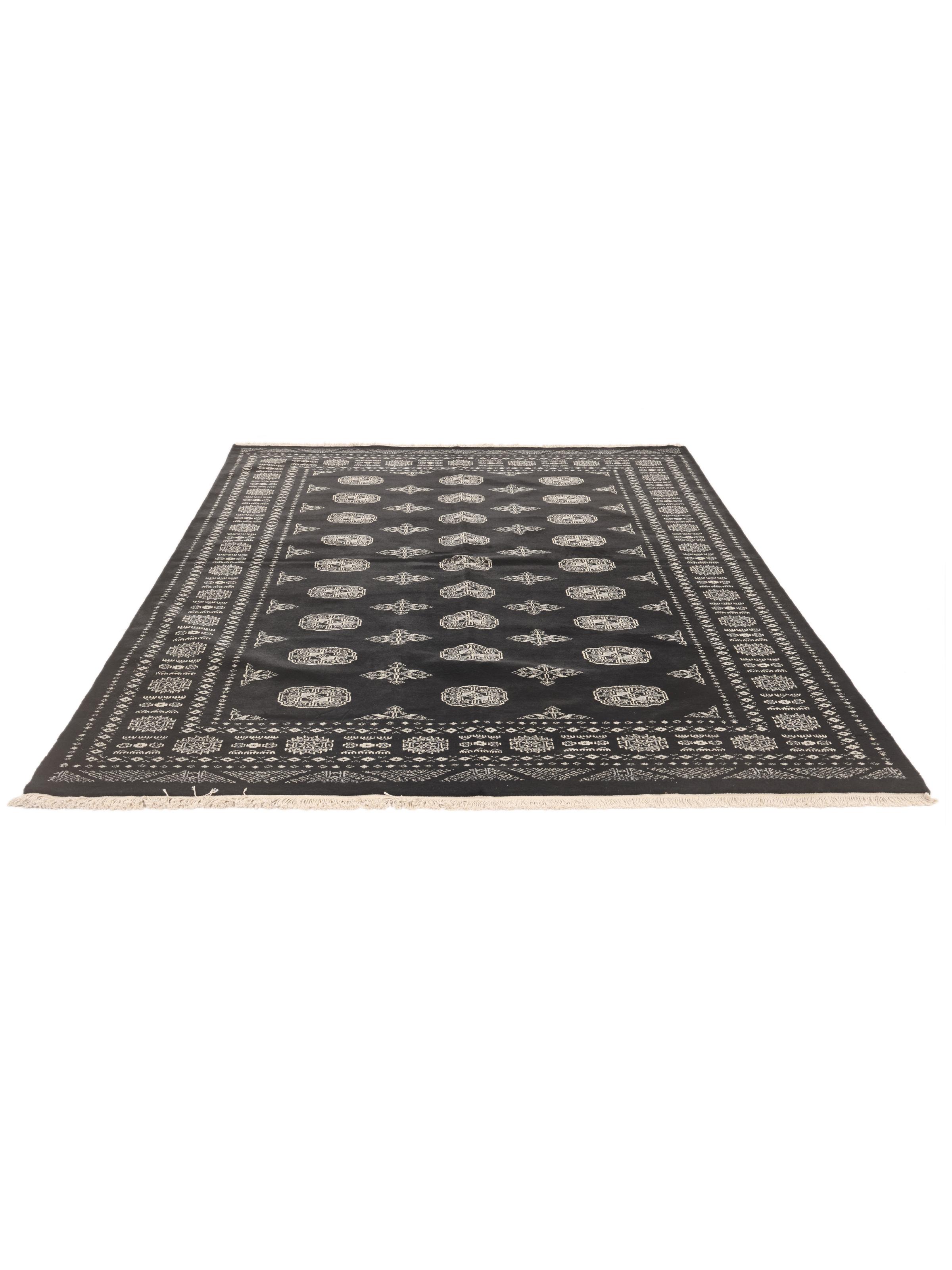
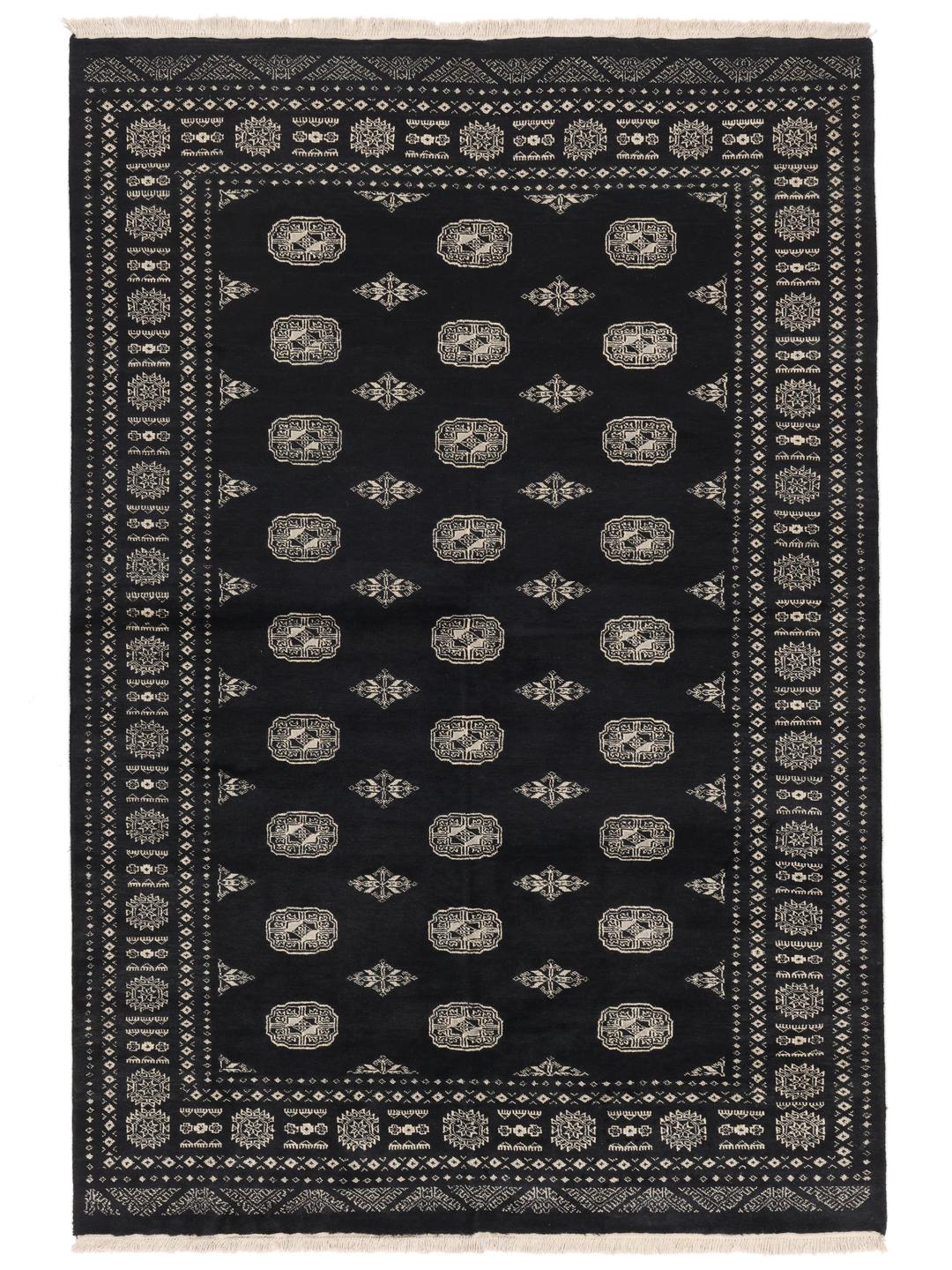
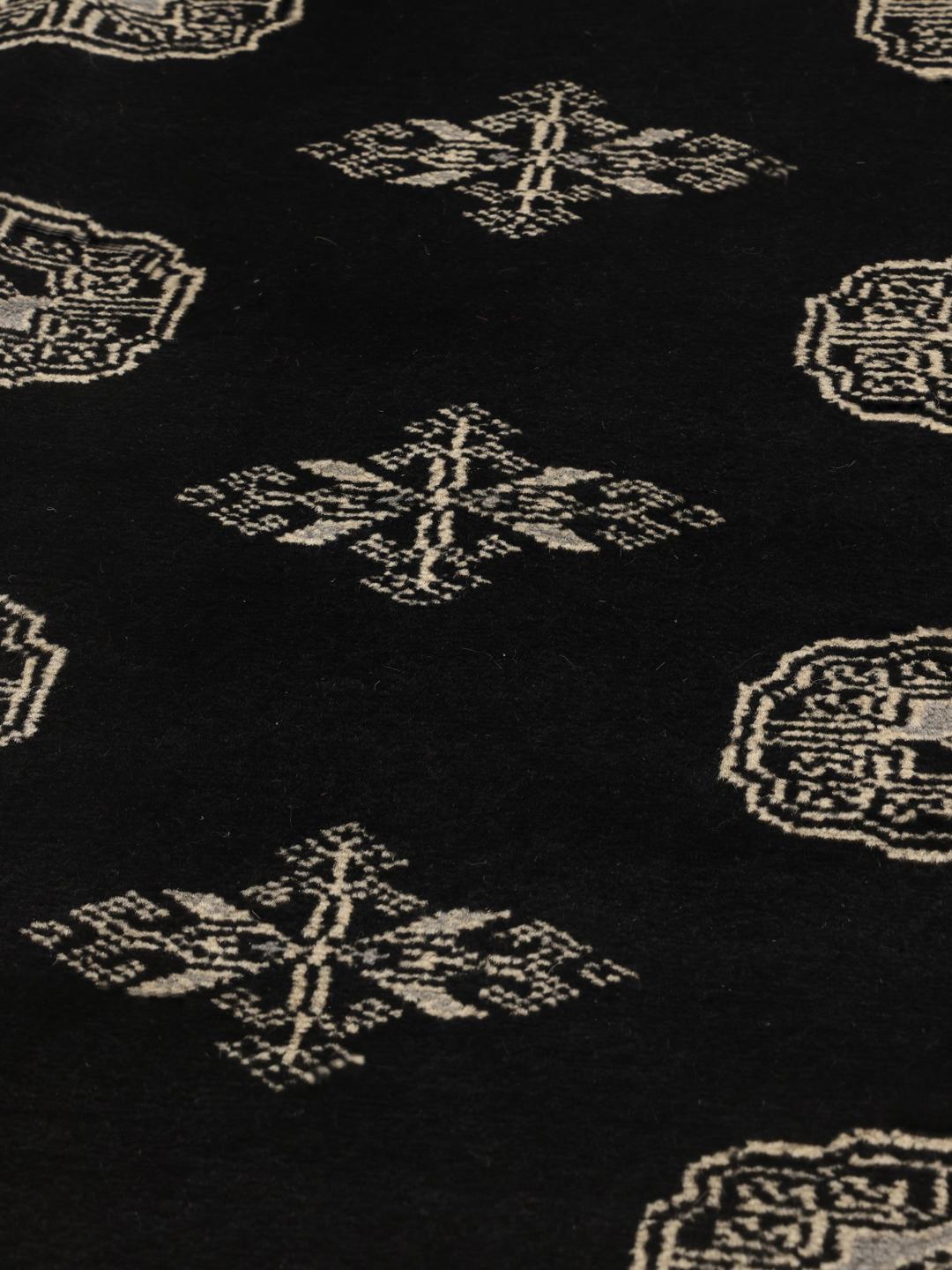
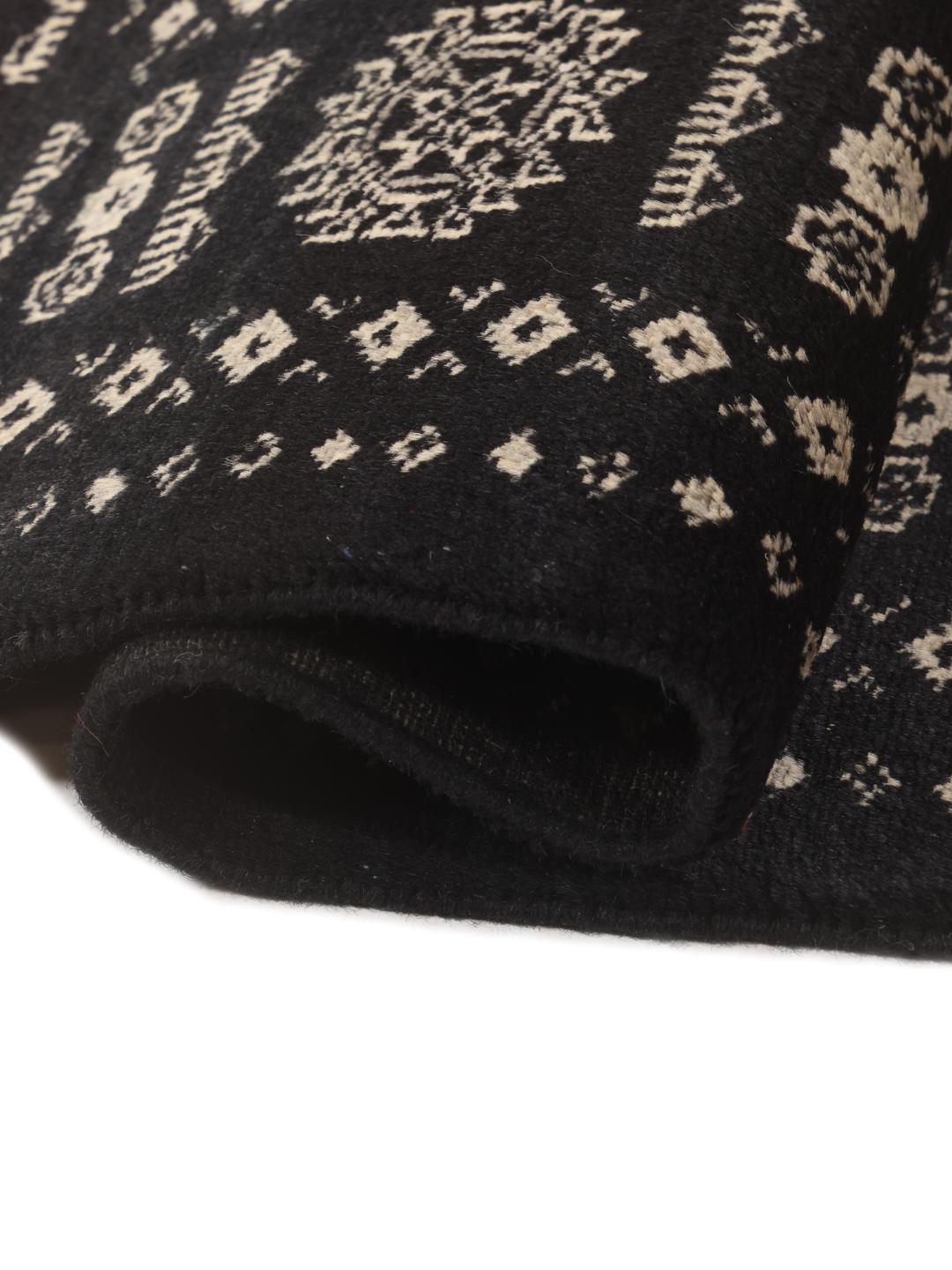
The design of this rug is anchored by the signature repeating gul motifs, which are stylized, octagonal medallions arranged in structured rows across the field. This formal arrangement is framed by intricate borders that reflect the rich artistic heritage of the region. The use of a black field is particularly striking, offering a contemporary contrast to the more traditional red palettes often associated with this style, making it a versatile choice for diverse interiors.
Owning a hand-knotted rug from this tradition is about more than just decor; it is about preserving a legacy of skill and cultural expression. Collectors value these pieces for their complexity and the human story woven into every thread. By bringing this rug into your home, you are connecting with a long lineage of craft that prioritizes quality, patience, and the pursuit of lasting beauty.