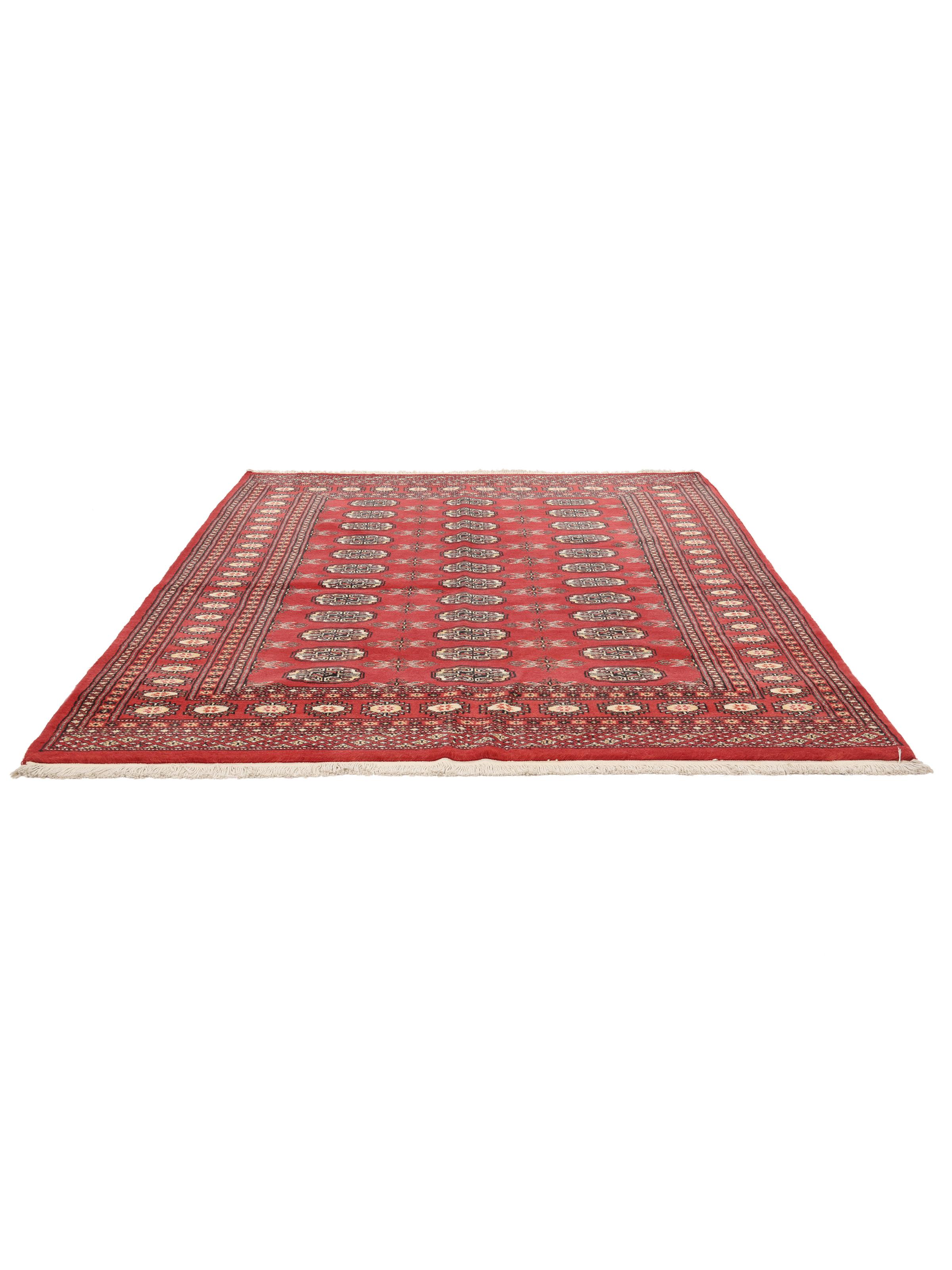
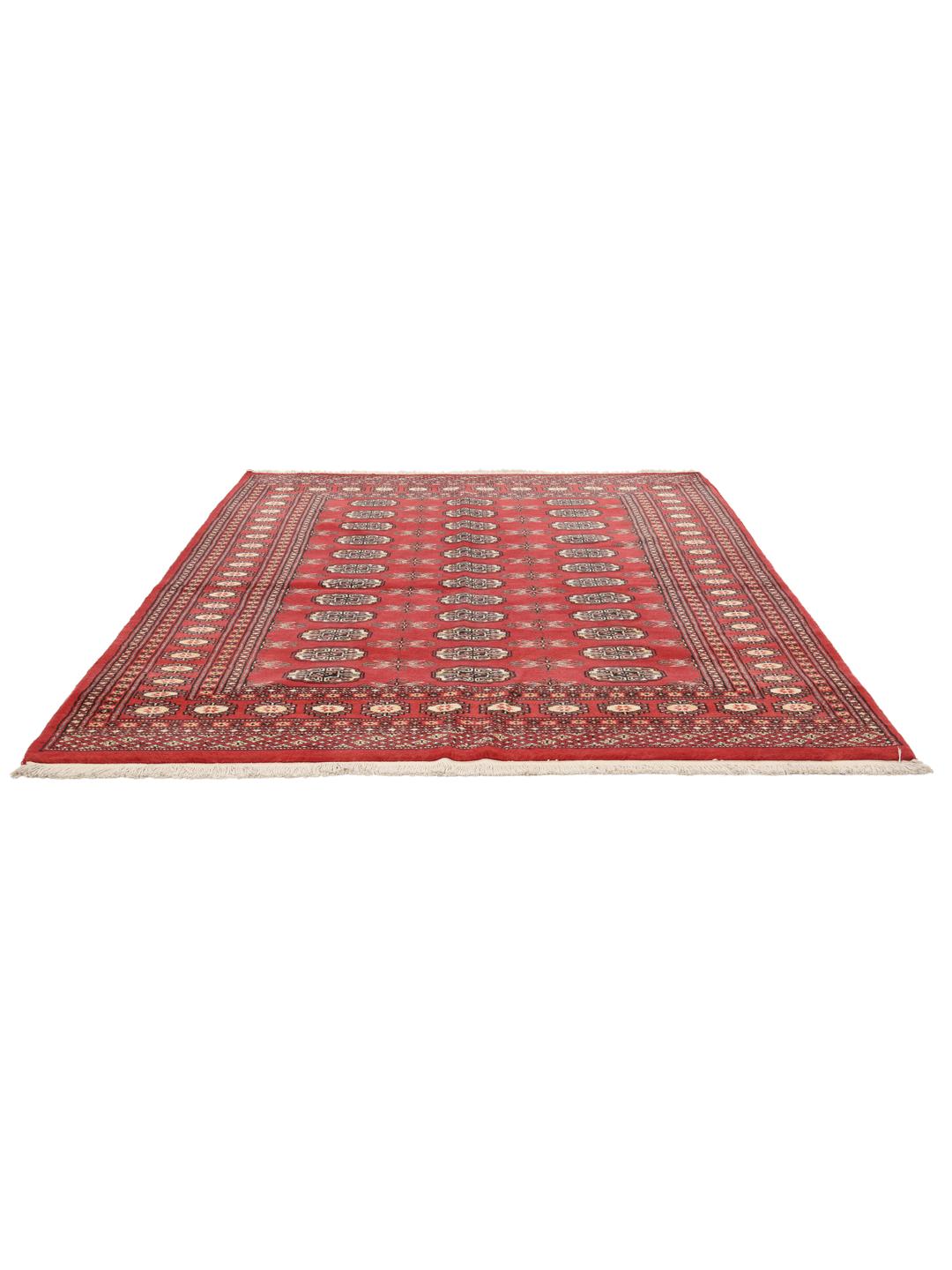
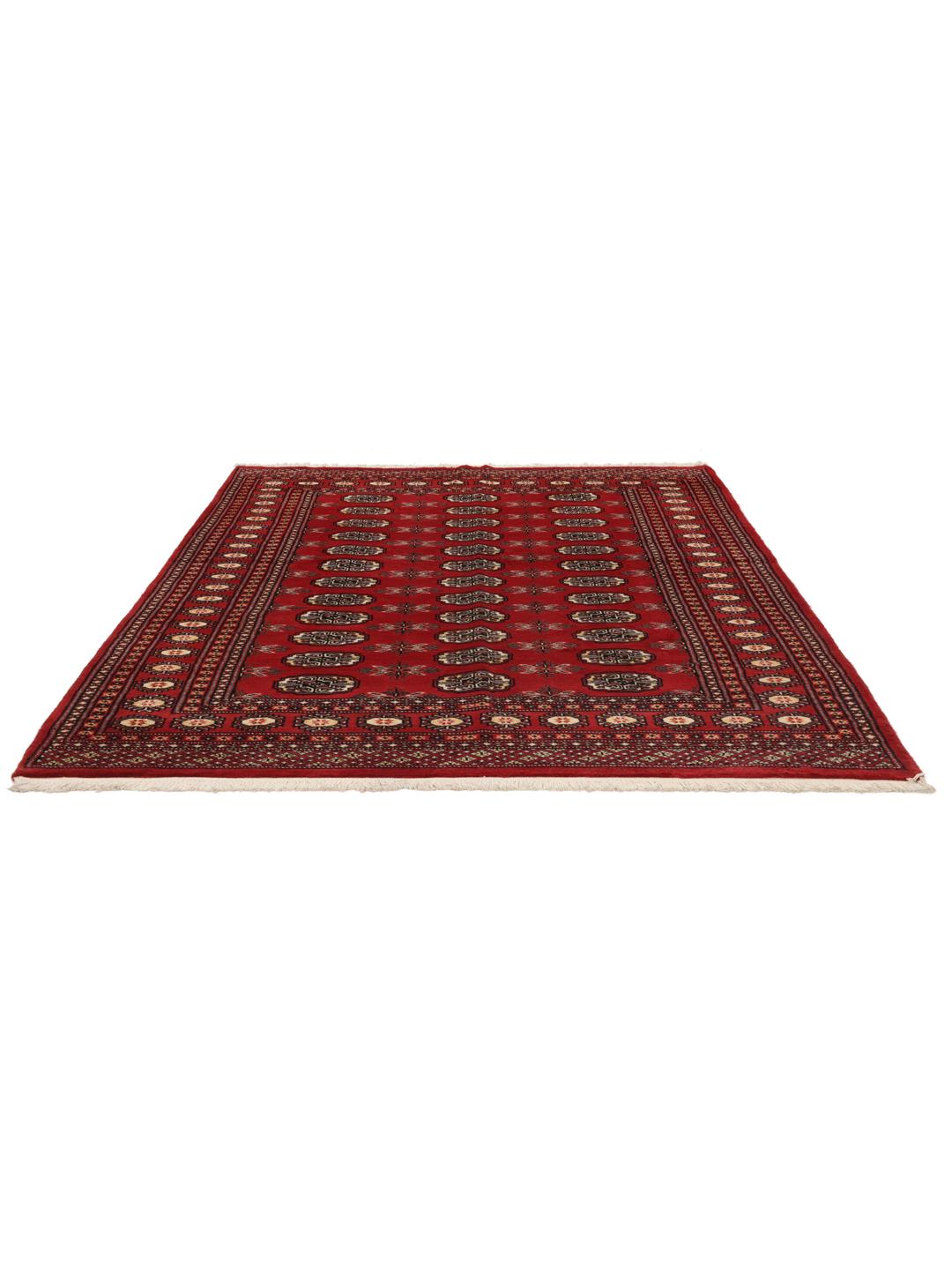
Bokhara rugs are deeply rooted in the history of the ancient Silk Road, drawing their name from the historic city of Bukhara. While they are inspired by the nomadic traditions of Central Asian tribes, the finest contemporary examples are primarily woven in Pakistan. This migration of craft has allowed the tradition to evolve, blending ancient tribal motifs with modern standards of precision and quality.
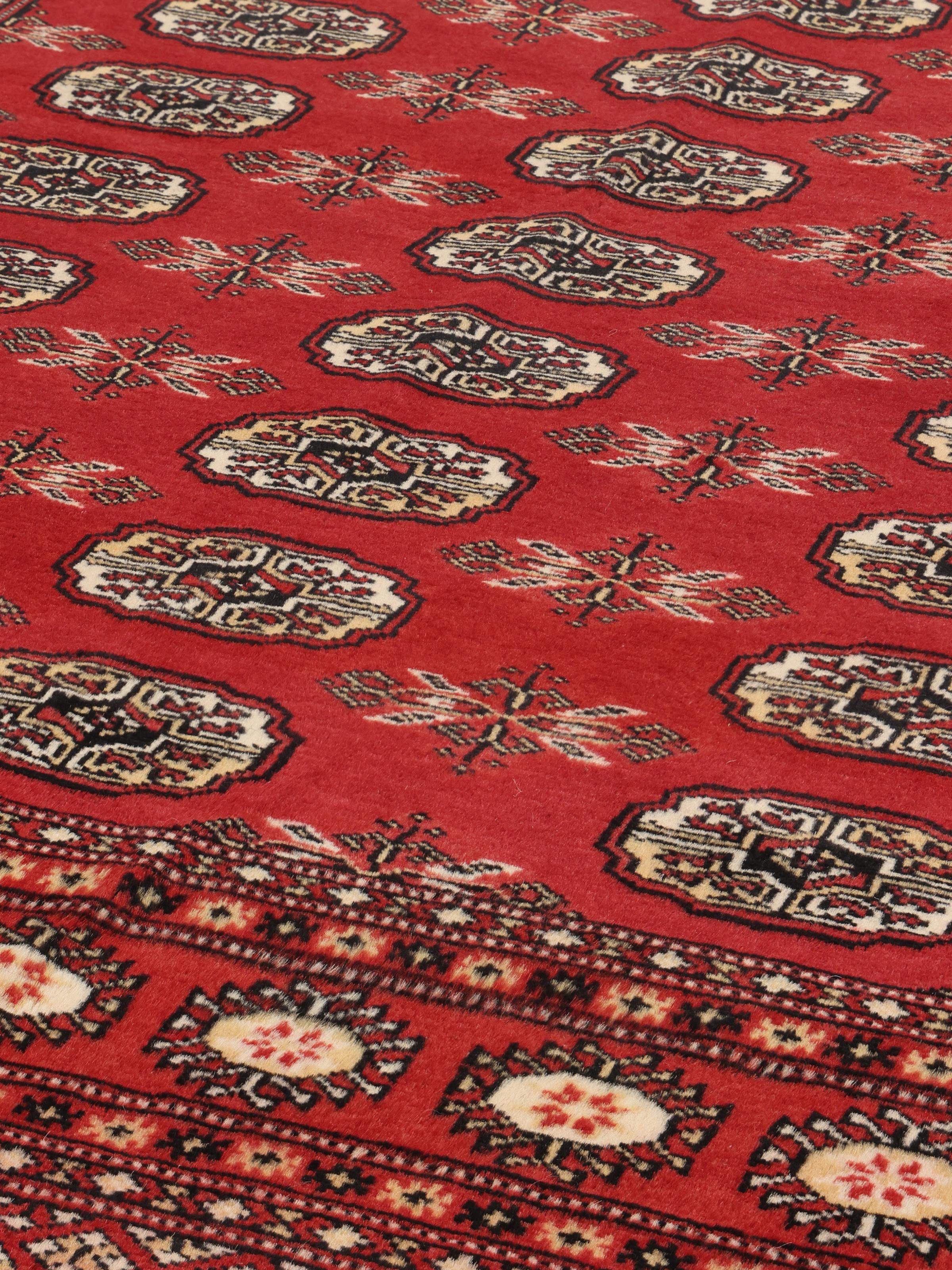
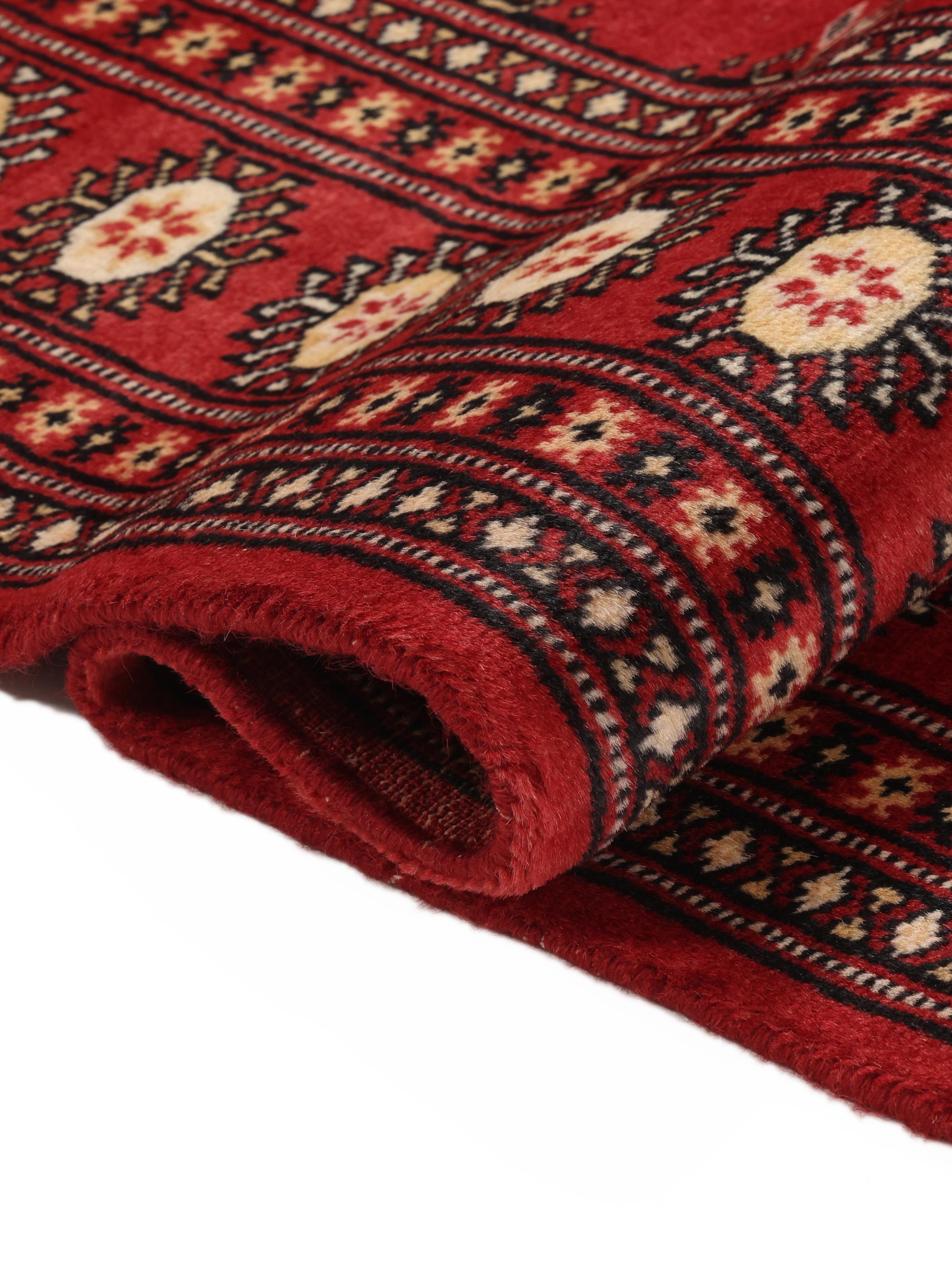
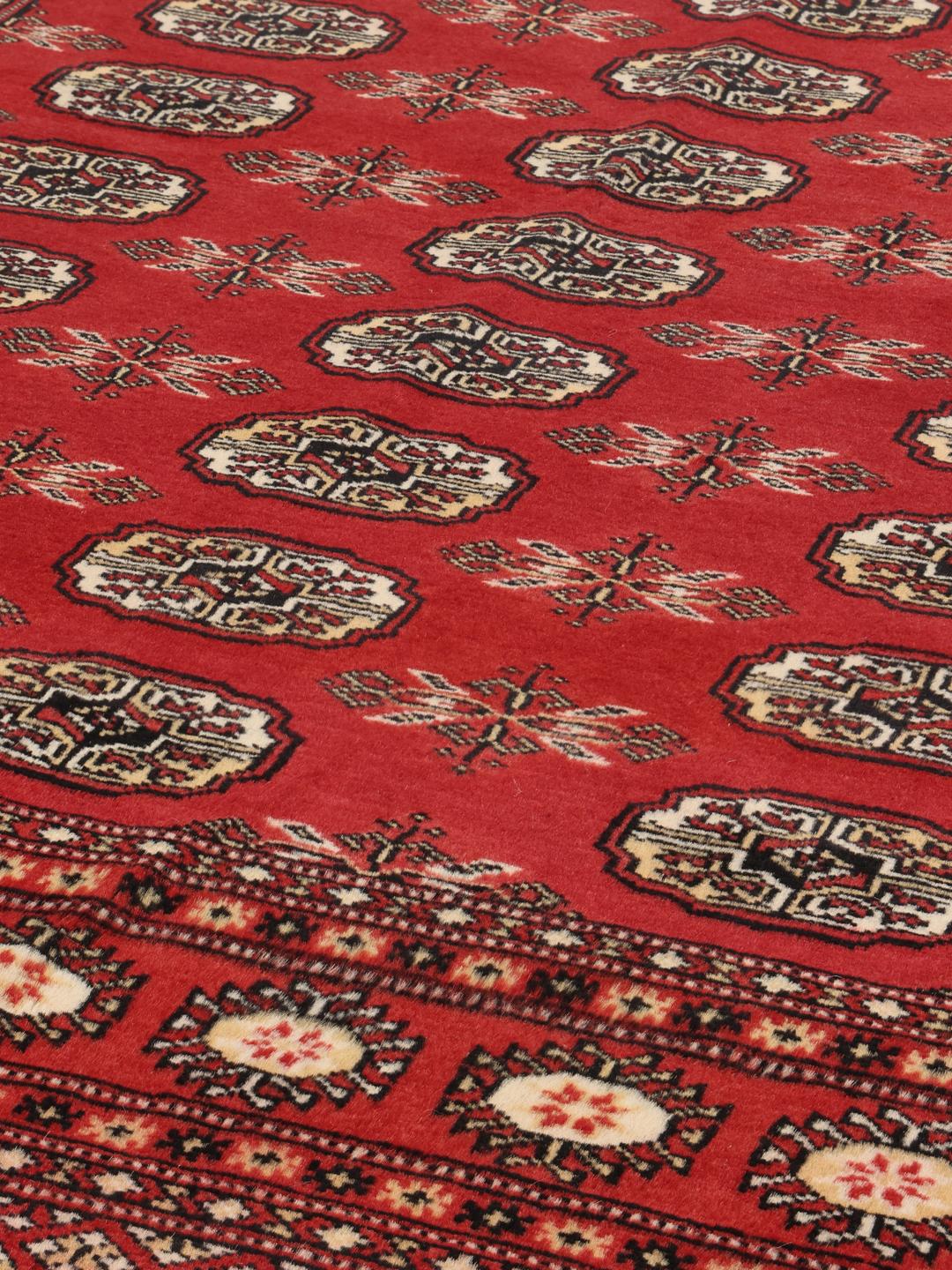
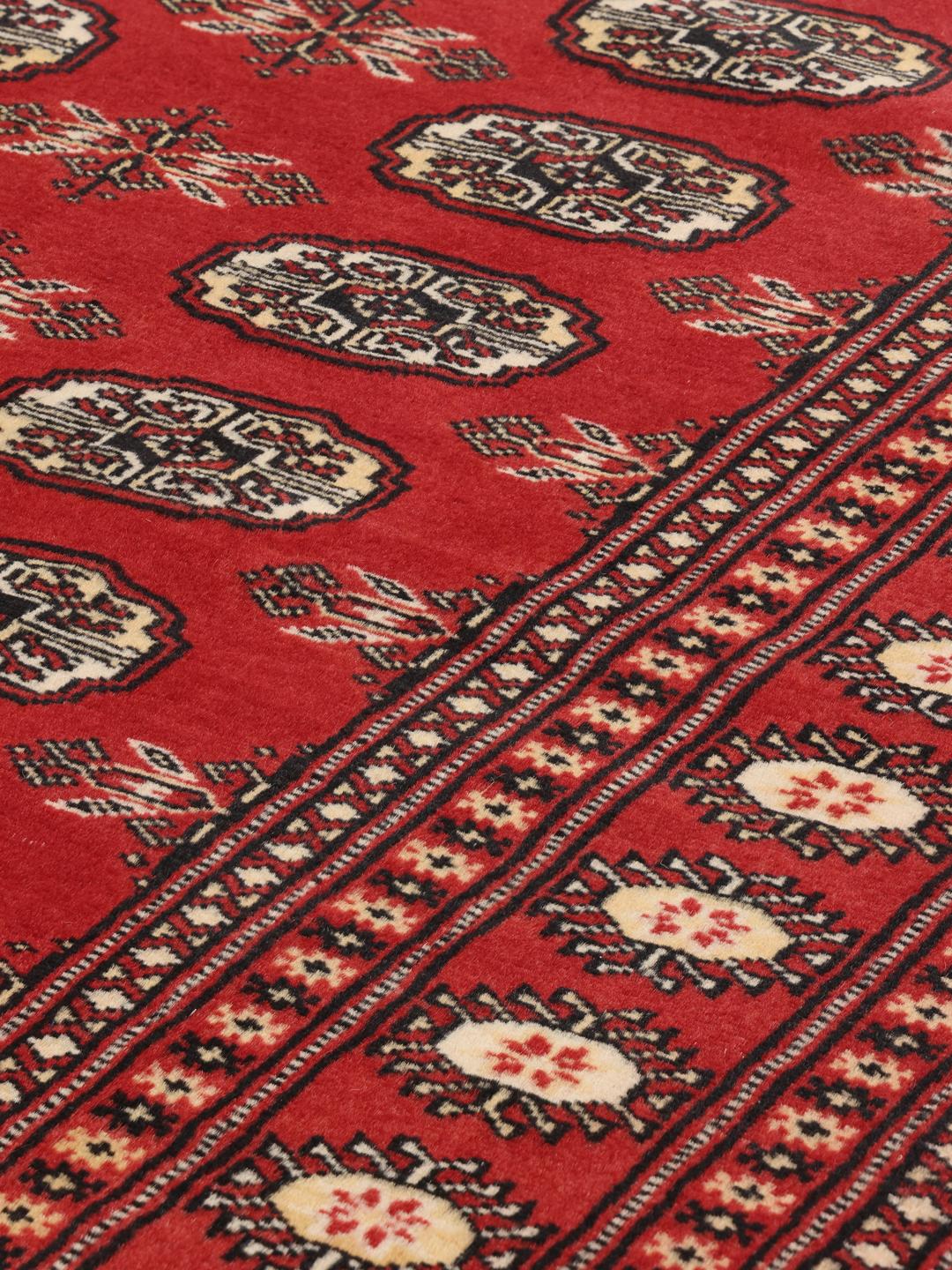
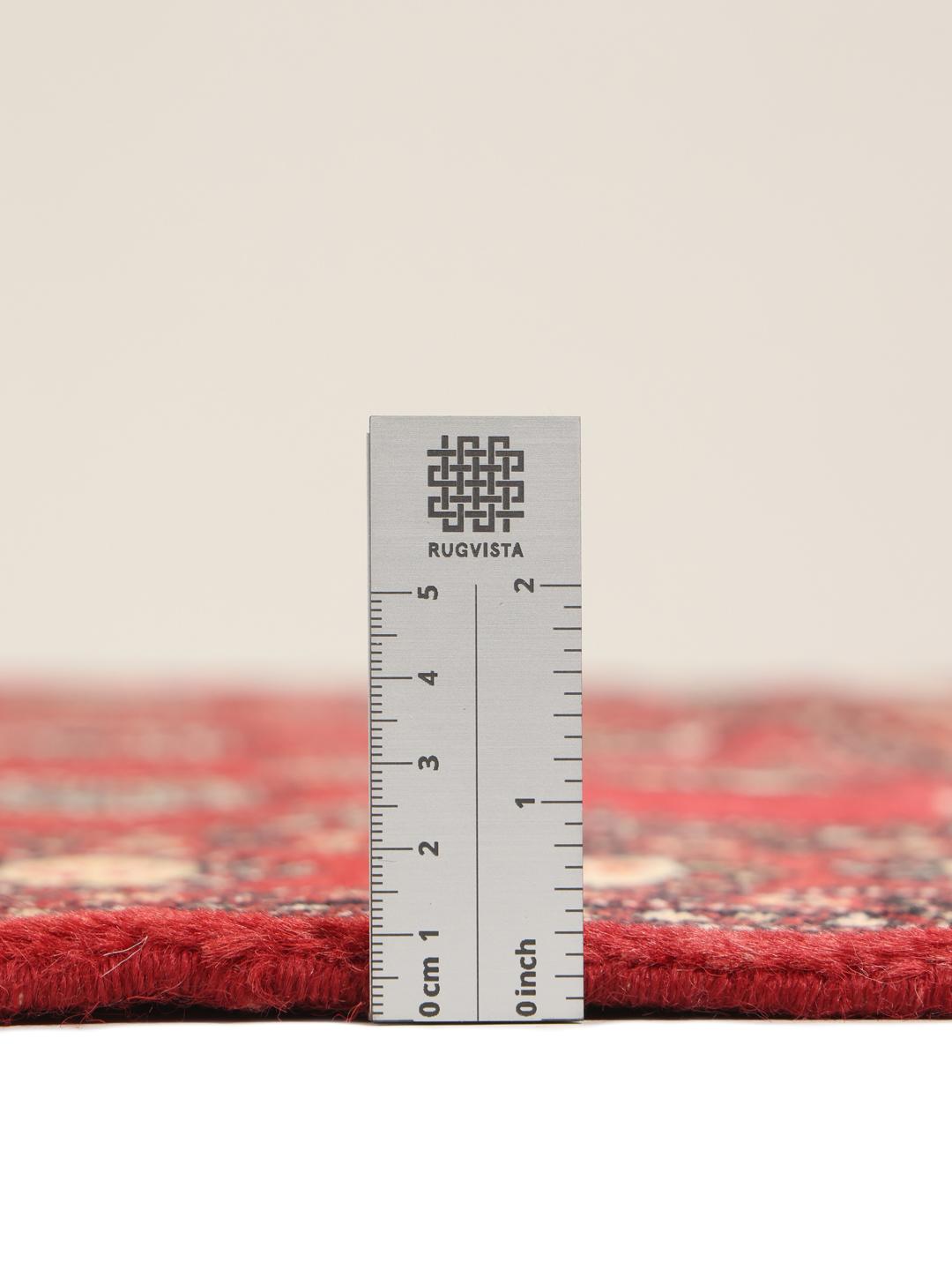
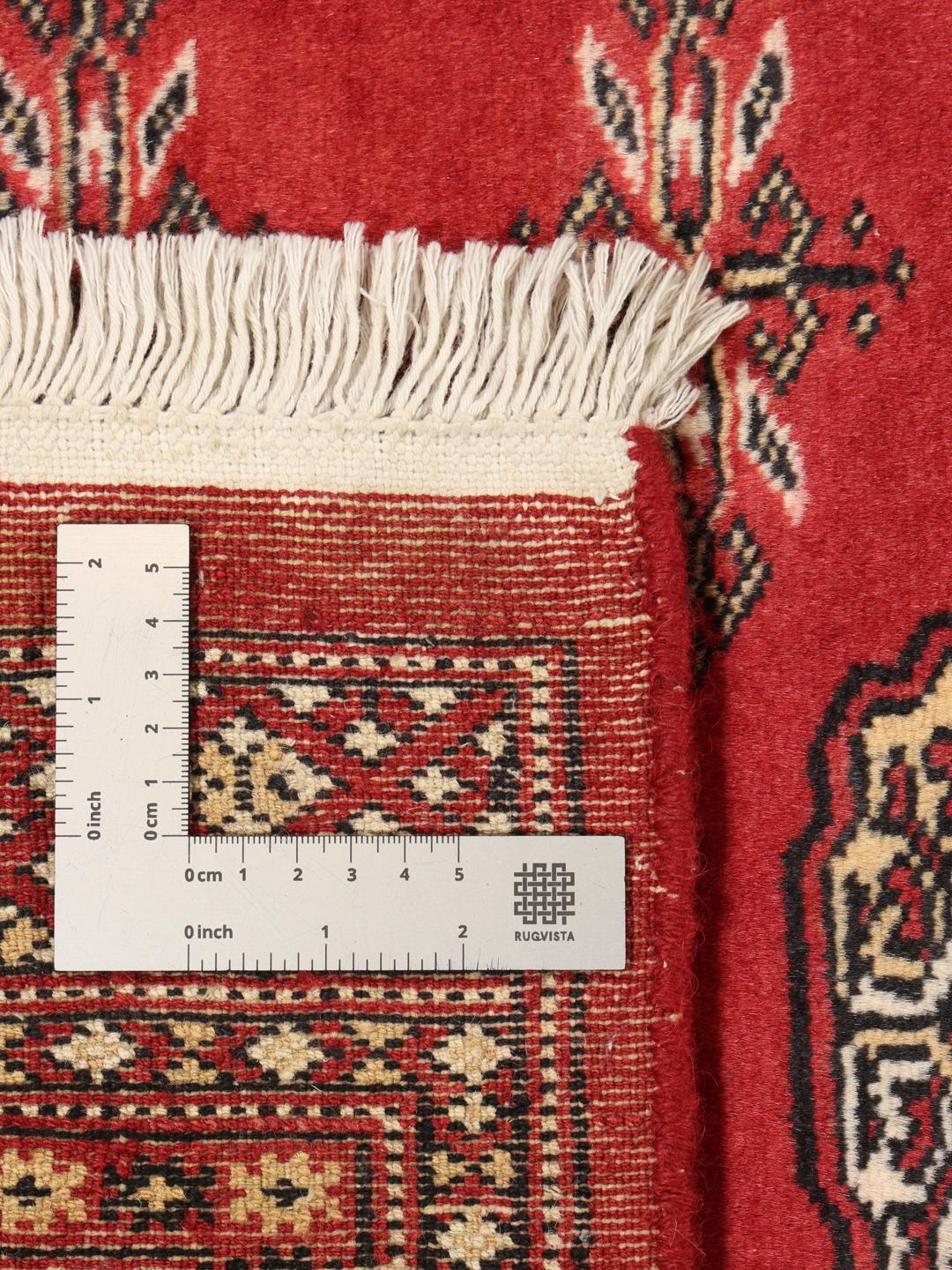
The 2ply designation refers to the construction of the pile, where two strands of wool are twisted together before being knotted. This technique is significant because it creates a more robust, voluminous, and lustrous finish compared to single-ply alternatives. It provides the rug with an enhanced ability to resist wear, making it a practical choice for high-traffic areas without sacrificing its soft, inviting texture.
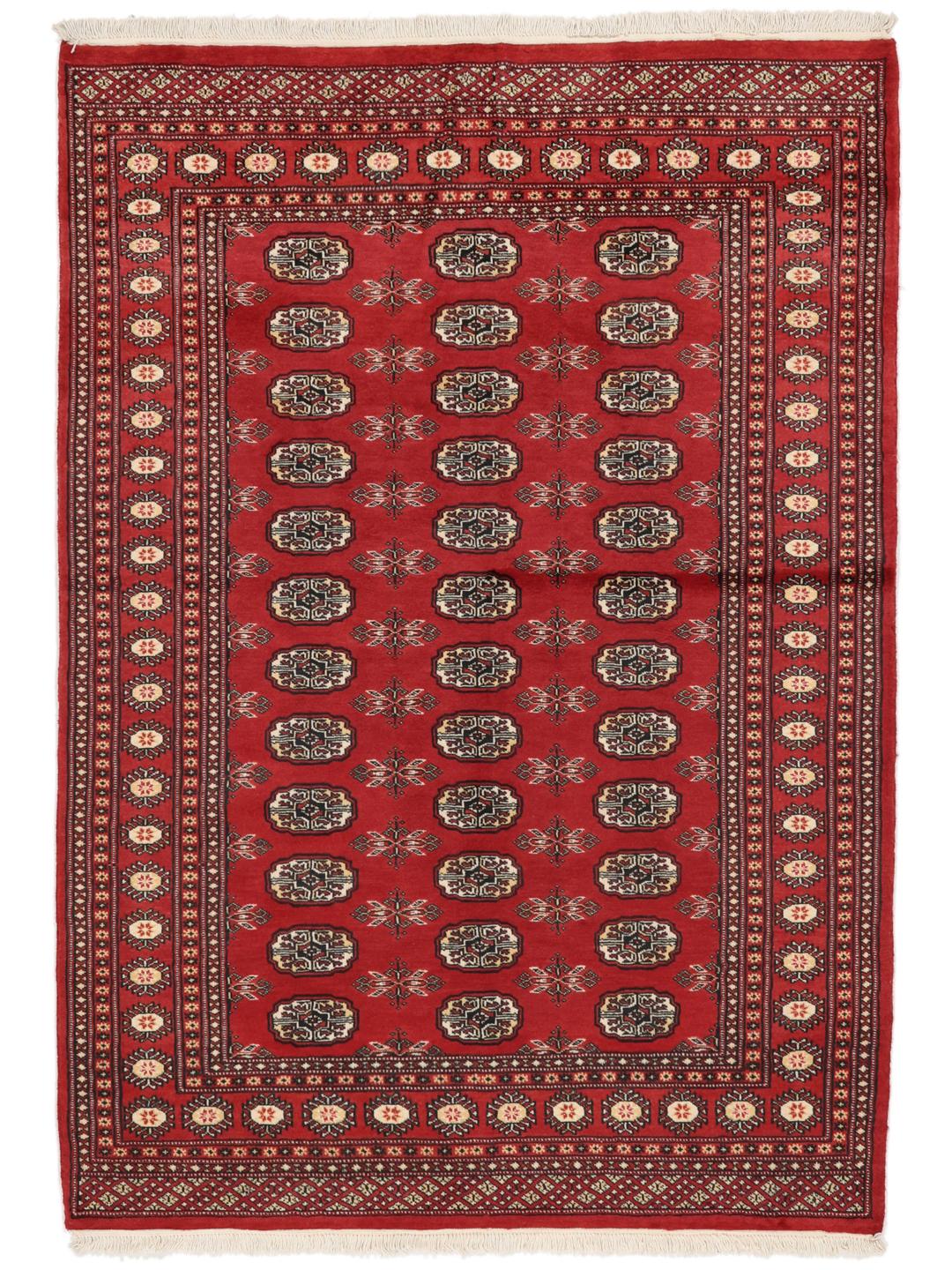
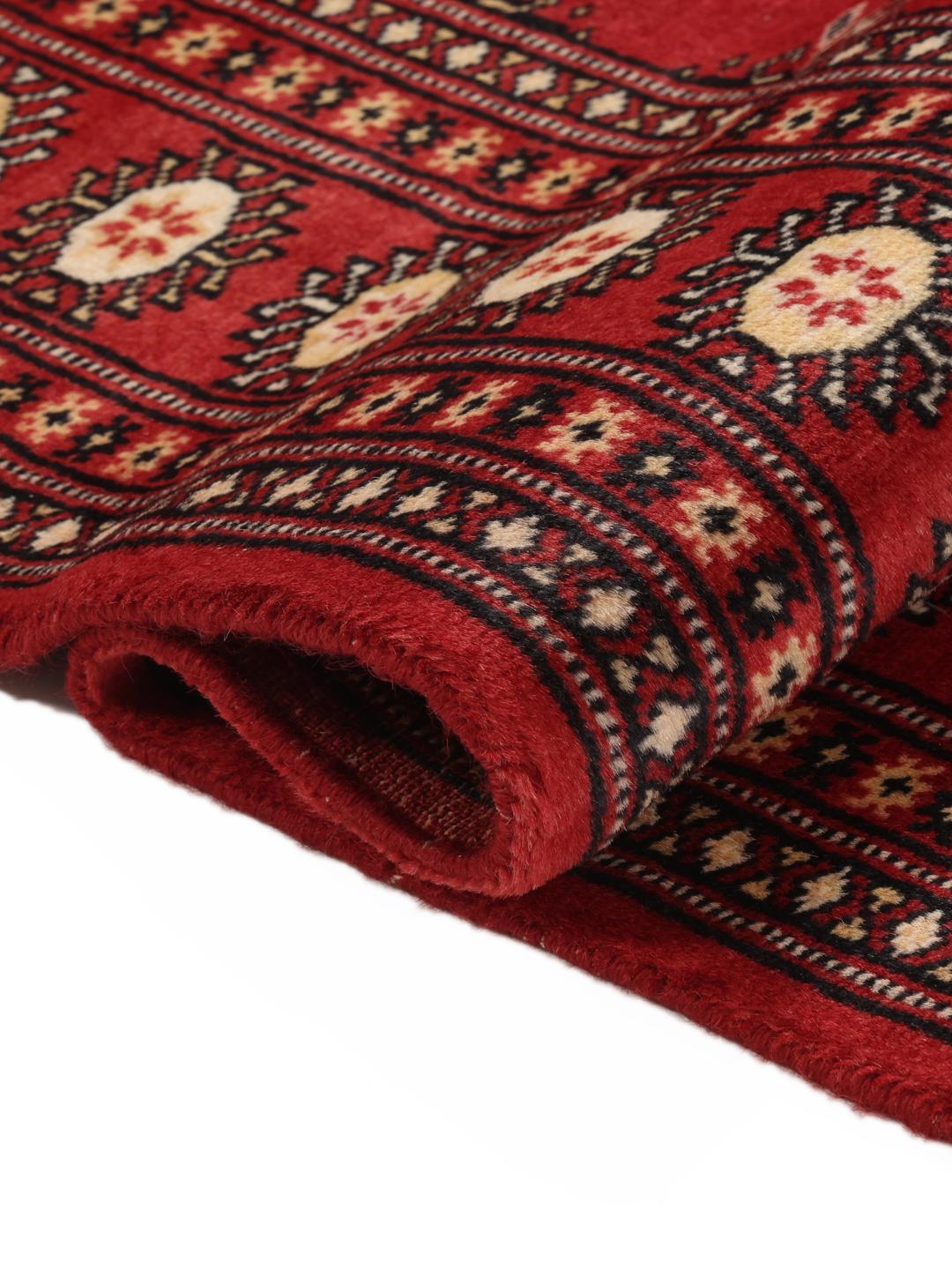
The hallmark of this style is the repeating gul motif, which often takes the form of octagonal or elephant-foot shapes. These are arranged in structured rows across the field, typically framed by intricate, formal borders that mirror the symmetry of the central design. The rich red palette is traditional for these pieces, symbolising warmth and vitality while offering a timeless aesthetic that complements various interior styles.
Owning a hand-knotted rug from this tradition is an appreciation of cultural heritage and the human skill required to produce such intricate work. These pieces are highly valued by collectors for their consistency and the enduring nature of their design. By bringing one into your home, you are not just choosing a floor covering, but a piece of history that connects you to generations of craftspeople.