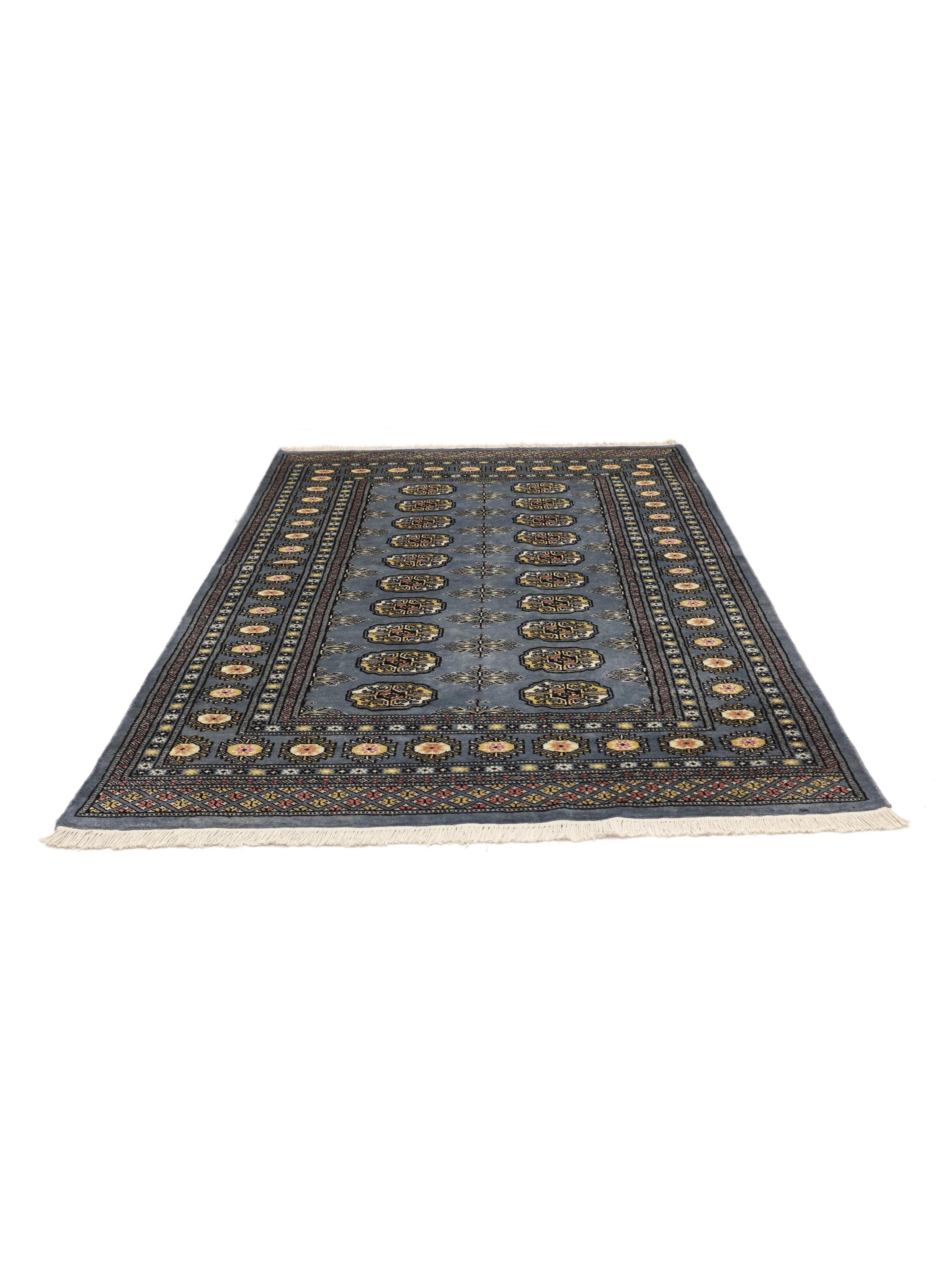
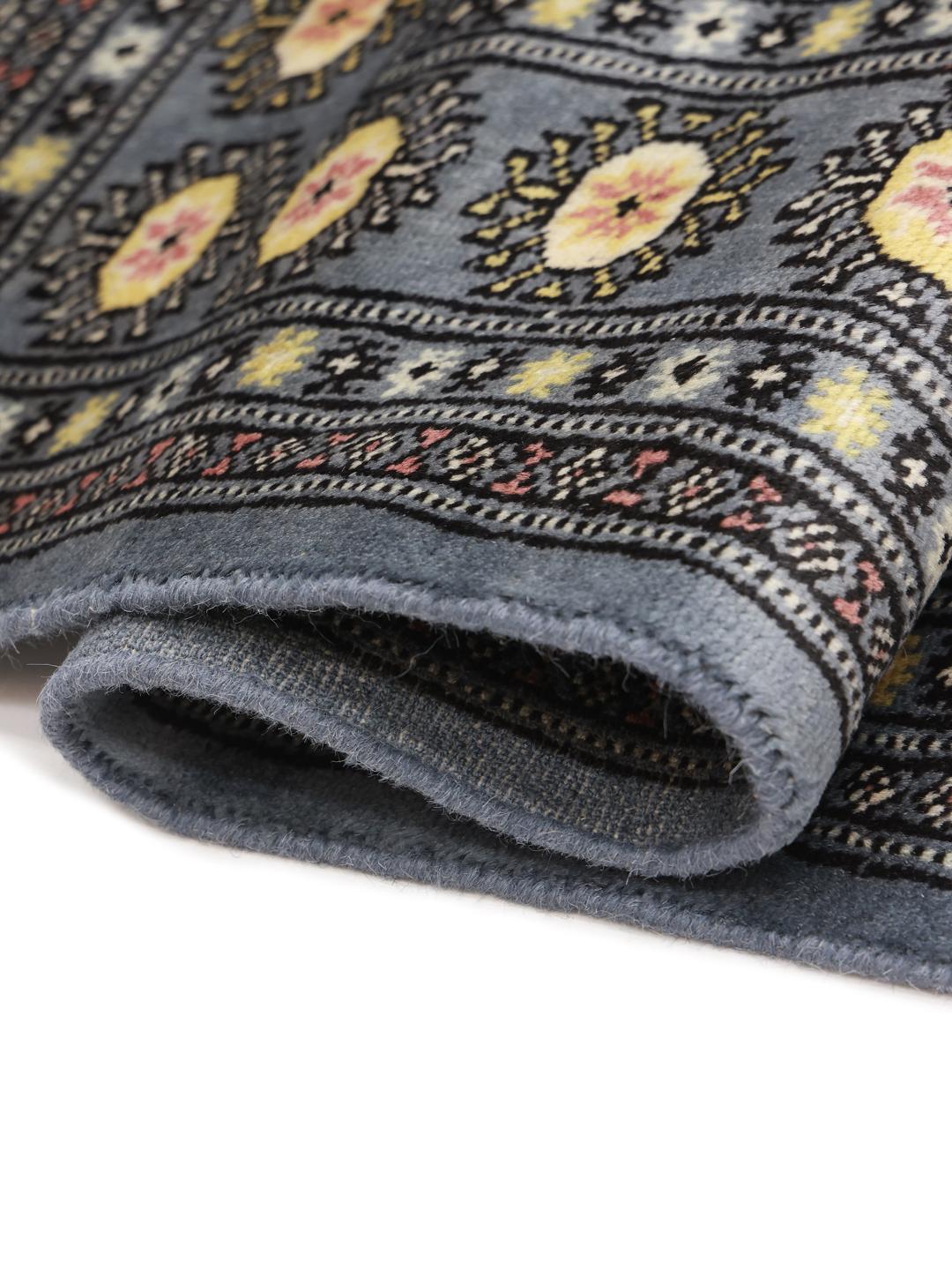
The Bokhara rug tradition is deeply tied to the history of the ancient Silk Road, taking its name from the historic city of Bukhara in Central Asia. While the designs originated among nomadic tribes who needed portable, durable textiles, the finest examples of these rugs are now expertly crafted in Pakistan. This evolution has seen the tradition flourish, blending ancestral design language with modern precision to create the pieces we admire today.
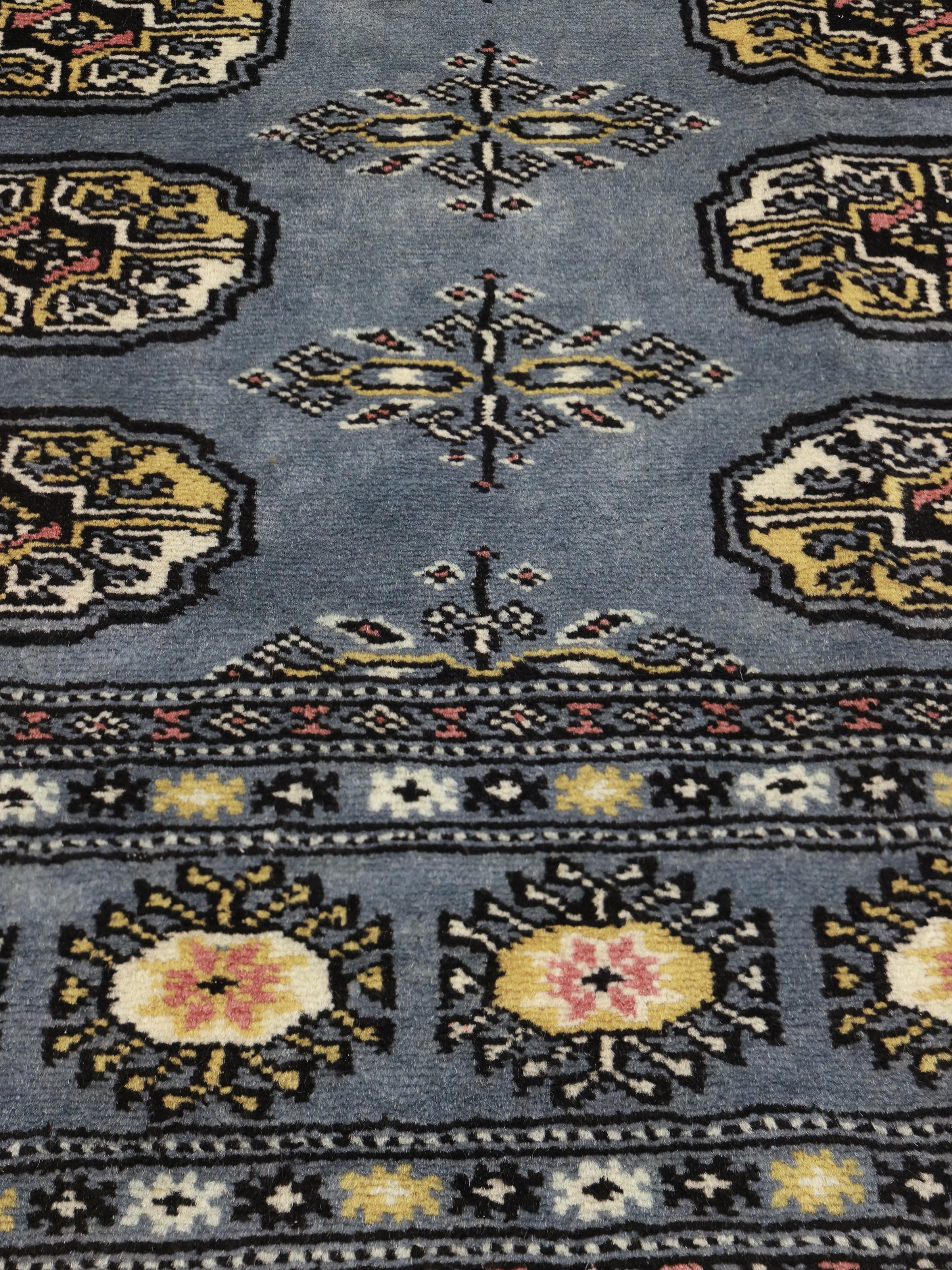
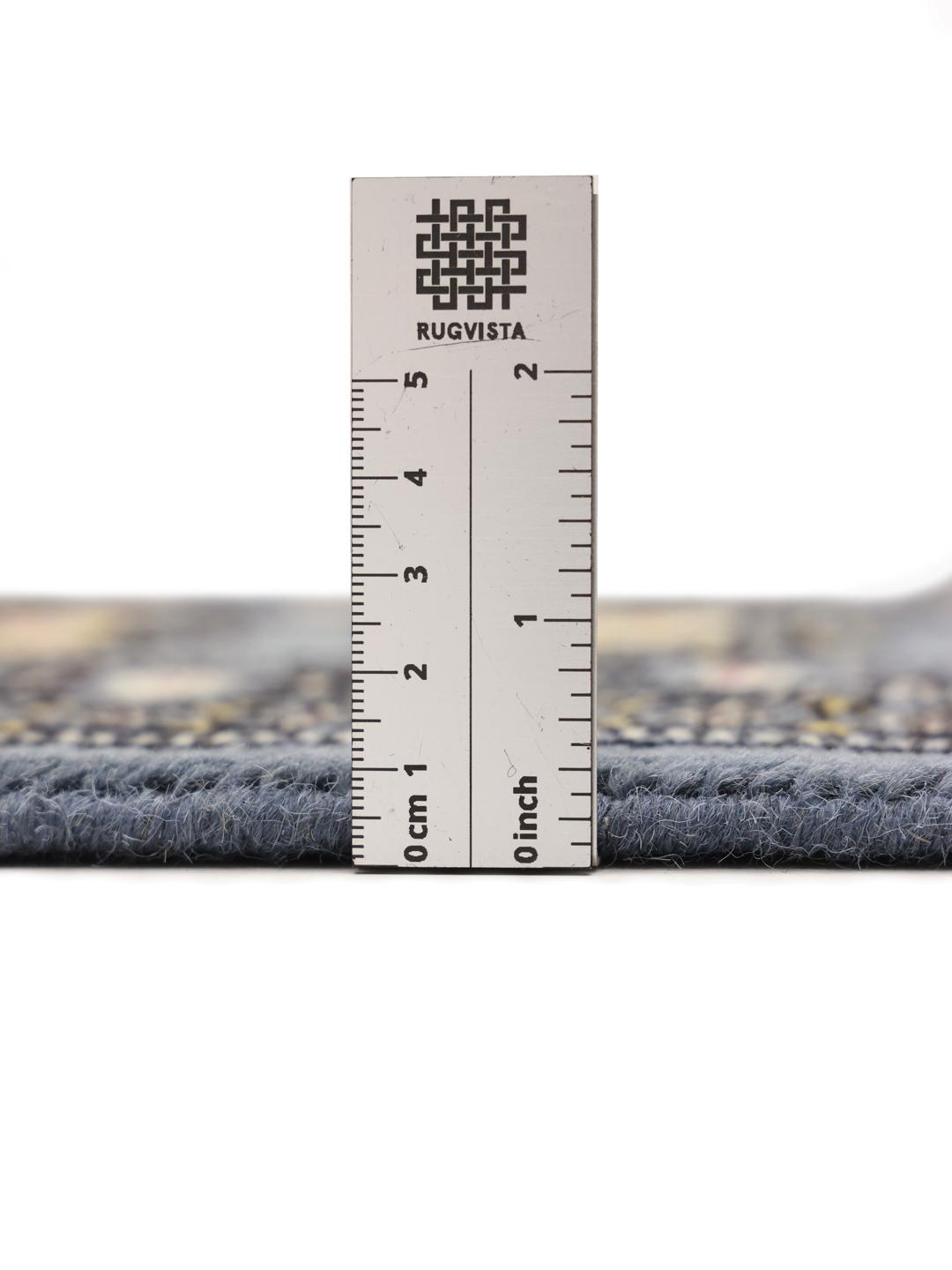
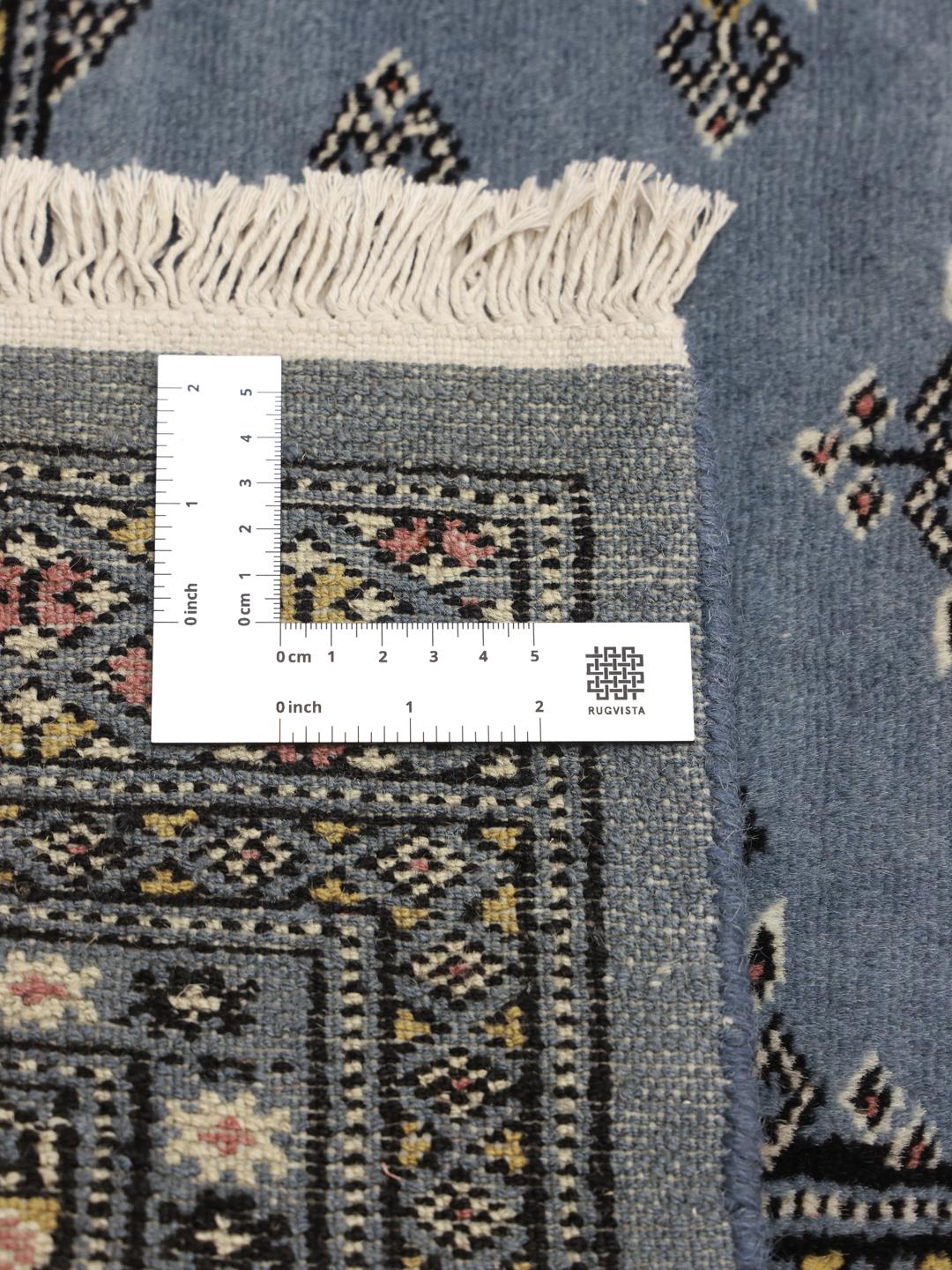
The 2ply construction technique is a hallmark of quality in this rug category. By using two strands of wool twisted together for the pile, the weaving achieves a superior level of lustre and density. This choice of yarn is not merely aesthetic, as it creates a stronger, more resilient surface that resists wear and retains its vibrant colour, ensuring the rug remains a beautiful focal point in your home for years to come.
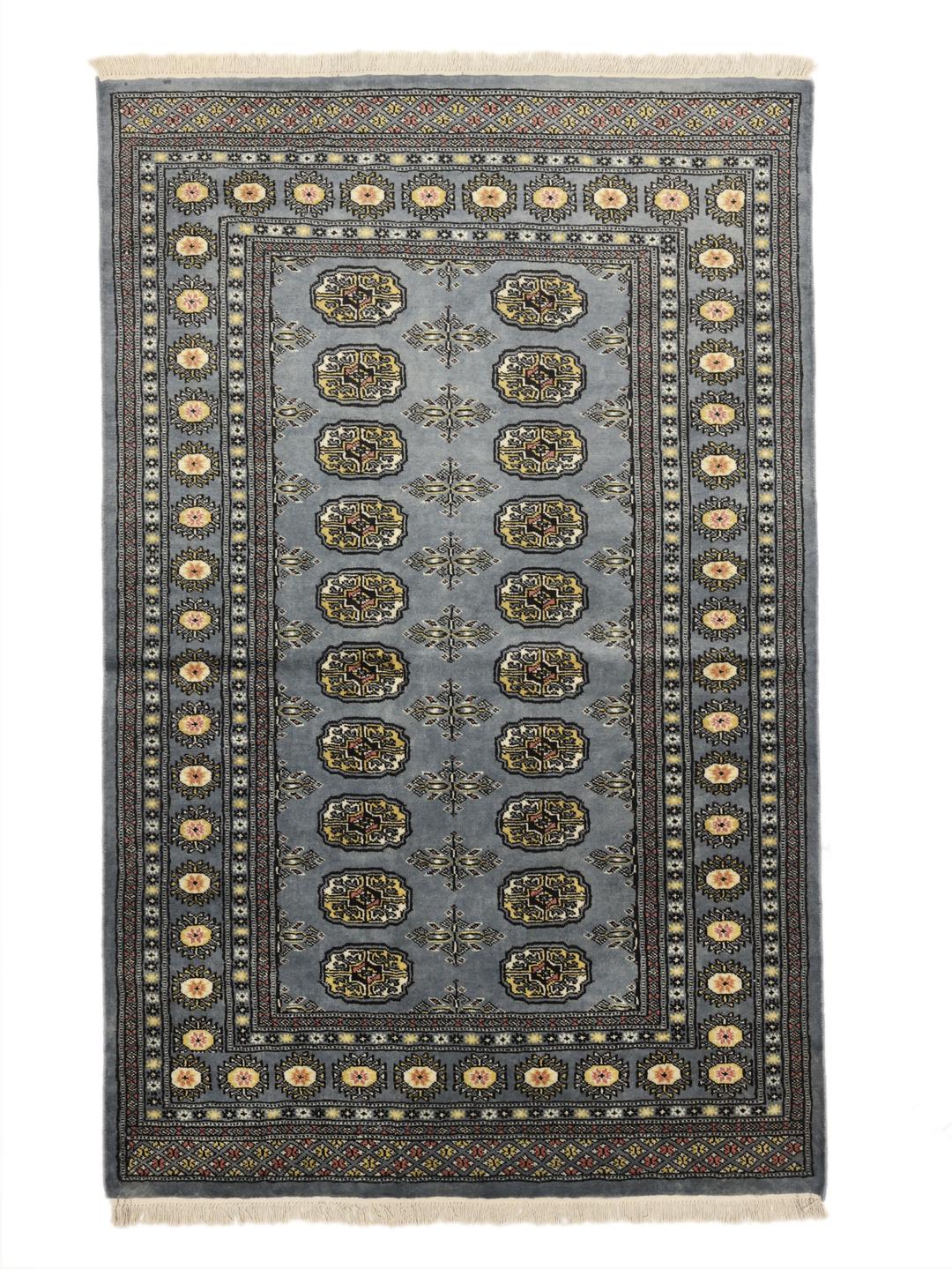
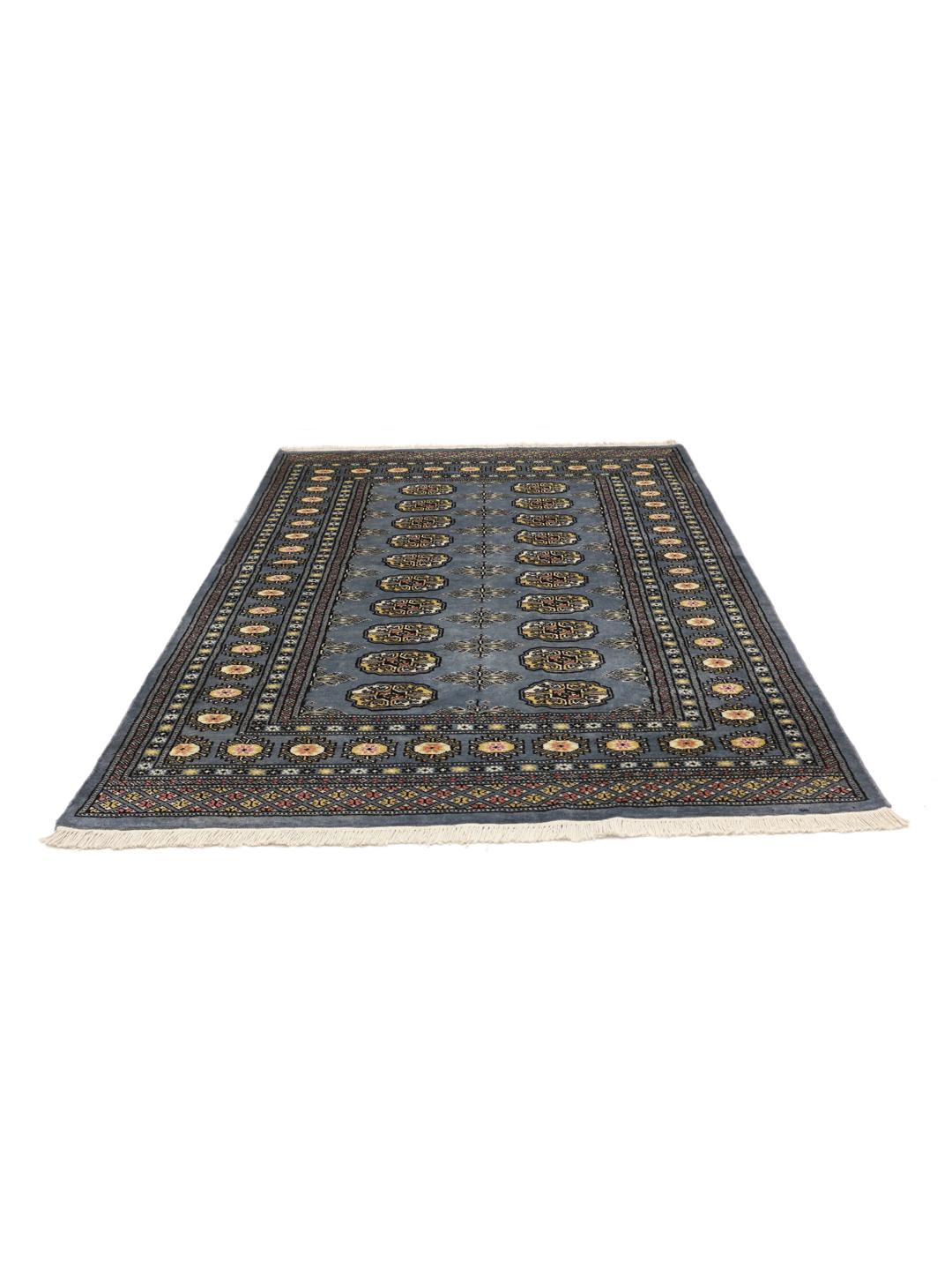
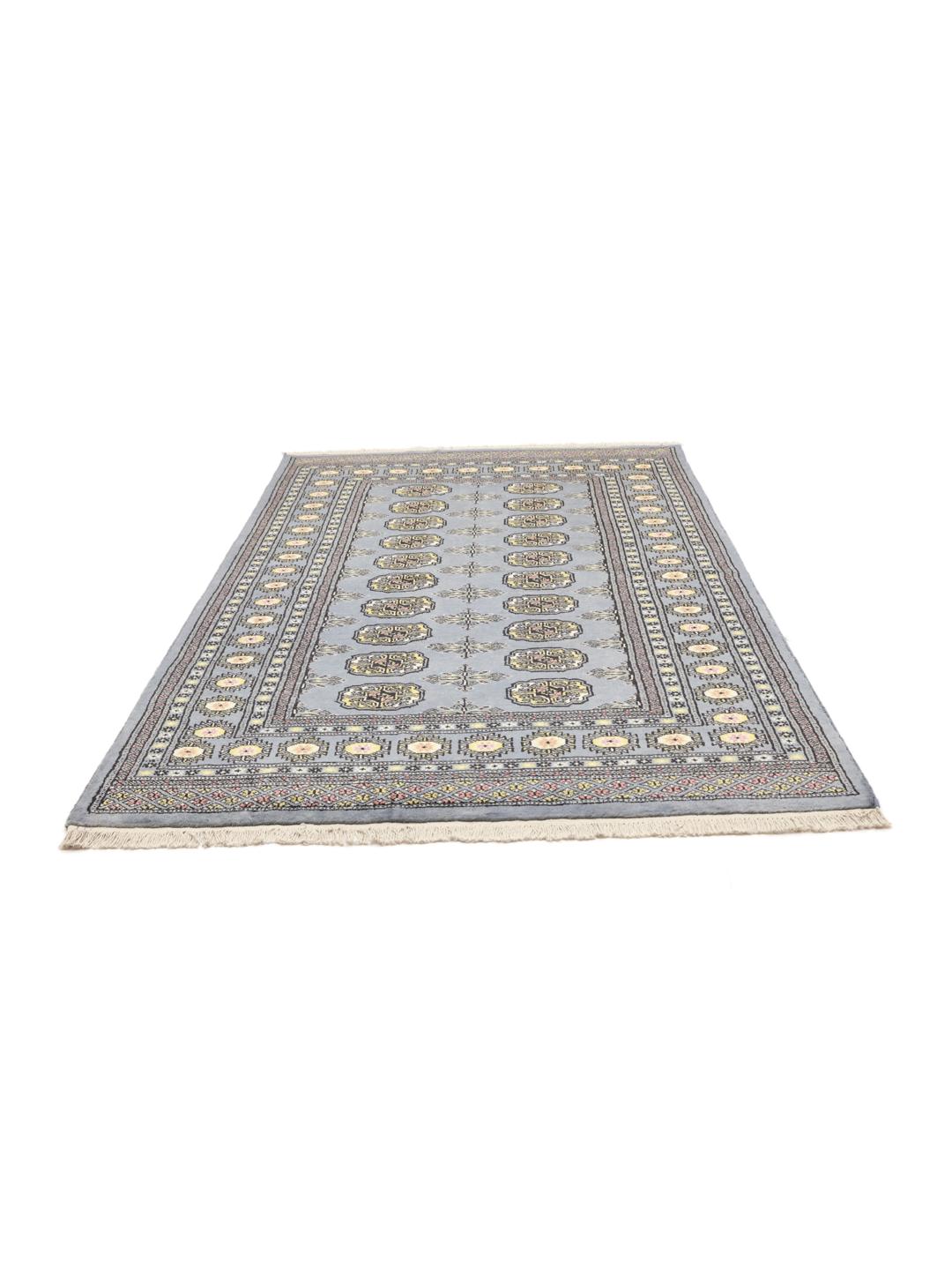
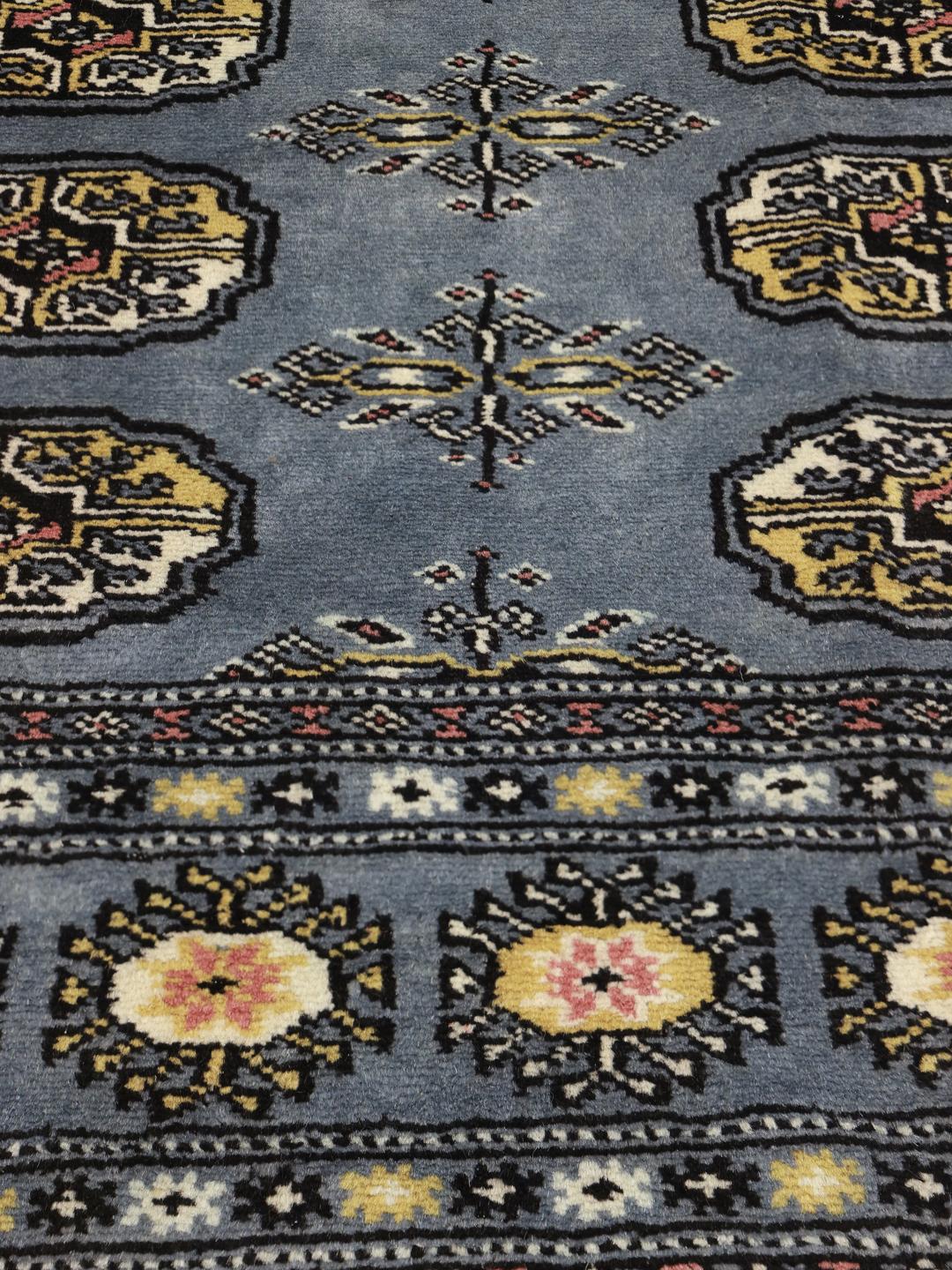
Visually, these rugs are defined by their signature gul motifs, which are repeating, octagonal medallions that often resemble the footprint of an elephant. These medallions are typically arranged in clean, formal rows across the field, framed by intricate, multi-layered borders. While the traditional palette often leans toward rich reds, this particular piece features a distinctive blue field, offering a fresh and contemporary take on a time-honoured design.
These rugs are highly valued by collectors for their blend of cultural heritage and technical mastery. Owning a hand-knotted piece from this tradition is an act of appreciation for a craft that has been passed down through generations. It represents a commitment to enduring quality and the human story behind every thread, making it a meaningful addition to any space that values authenticity and artistic depth.