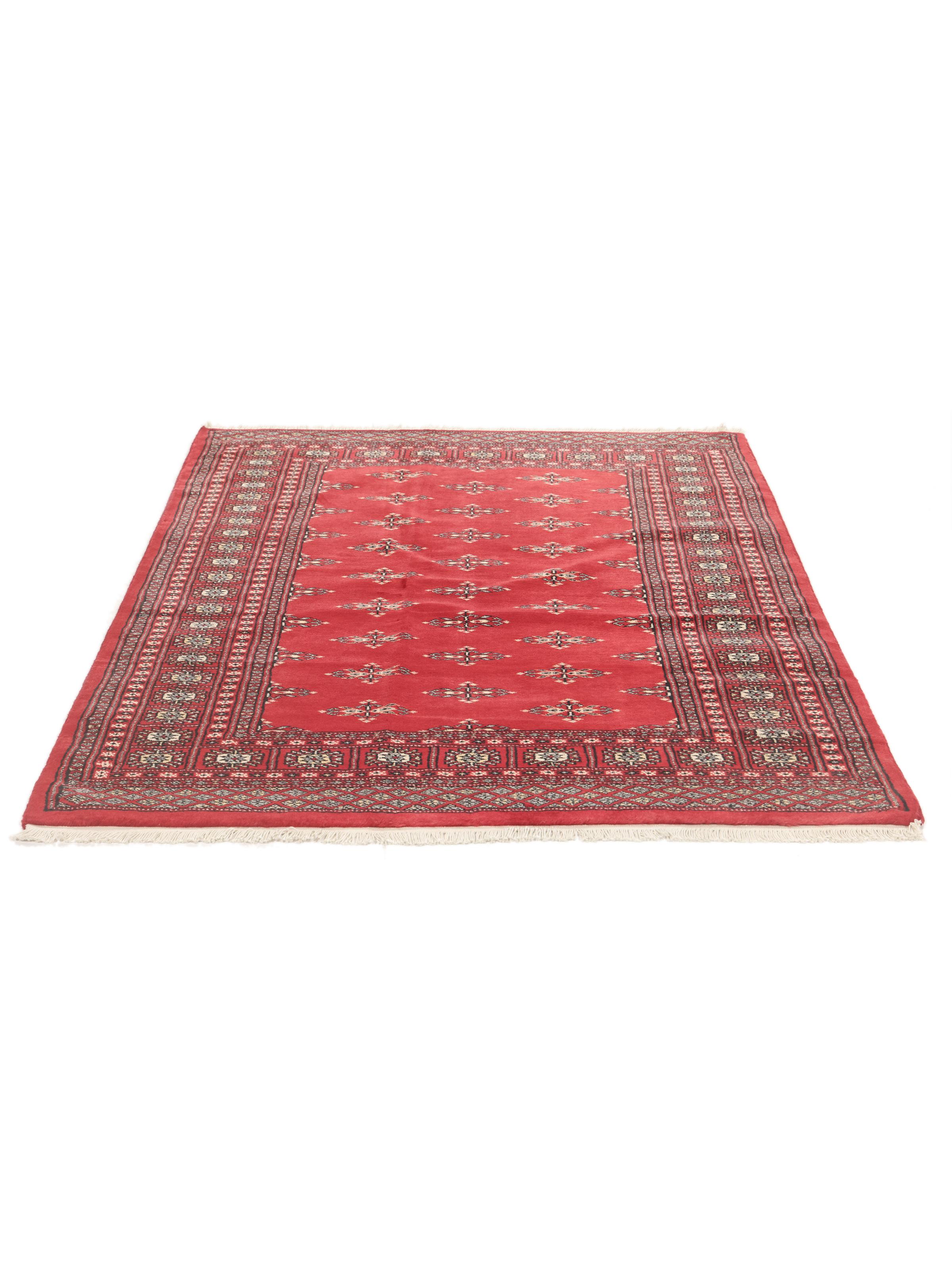
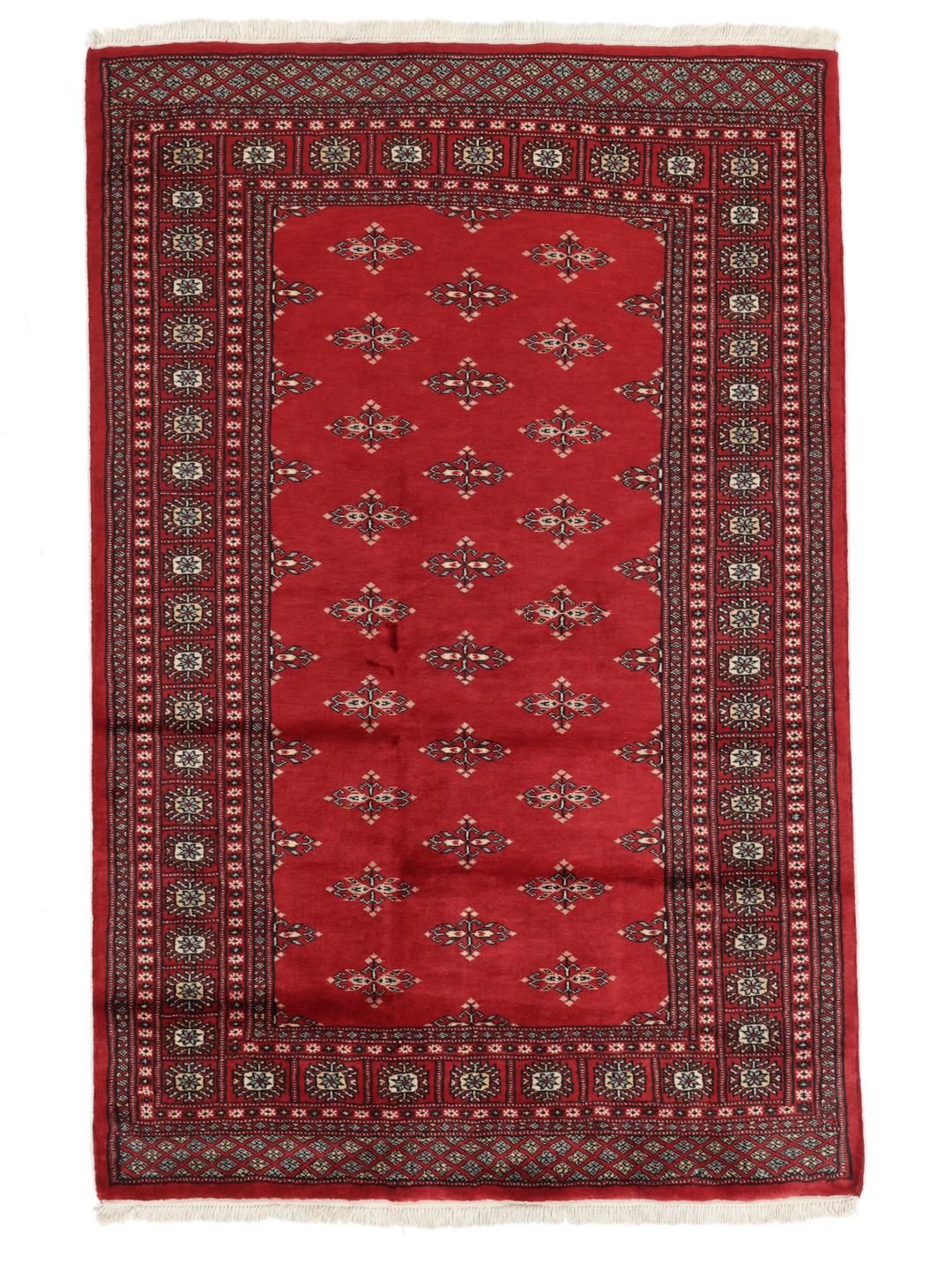
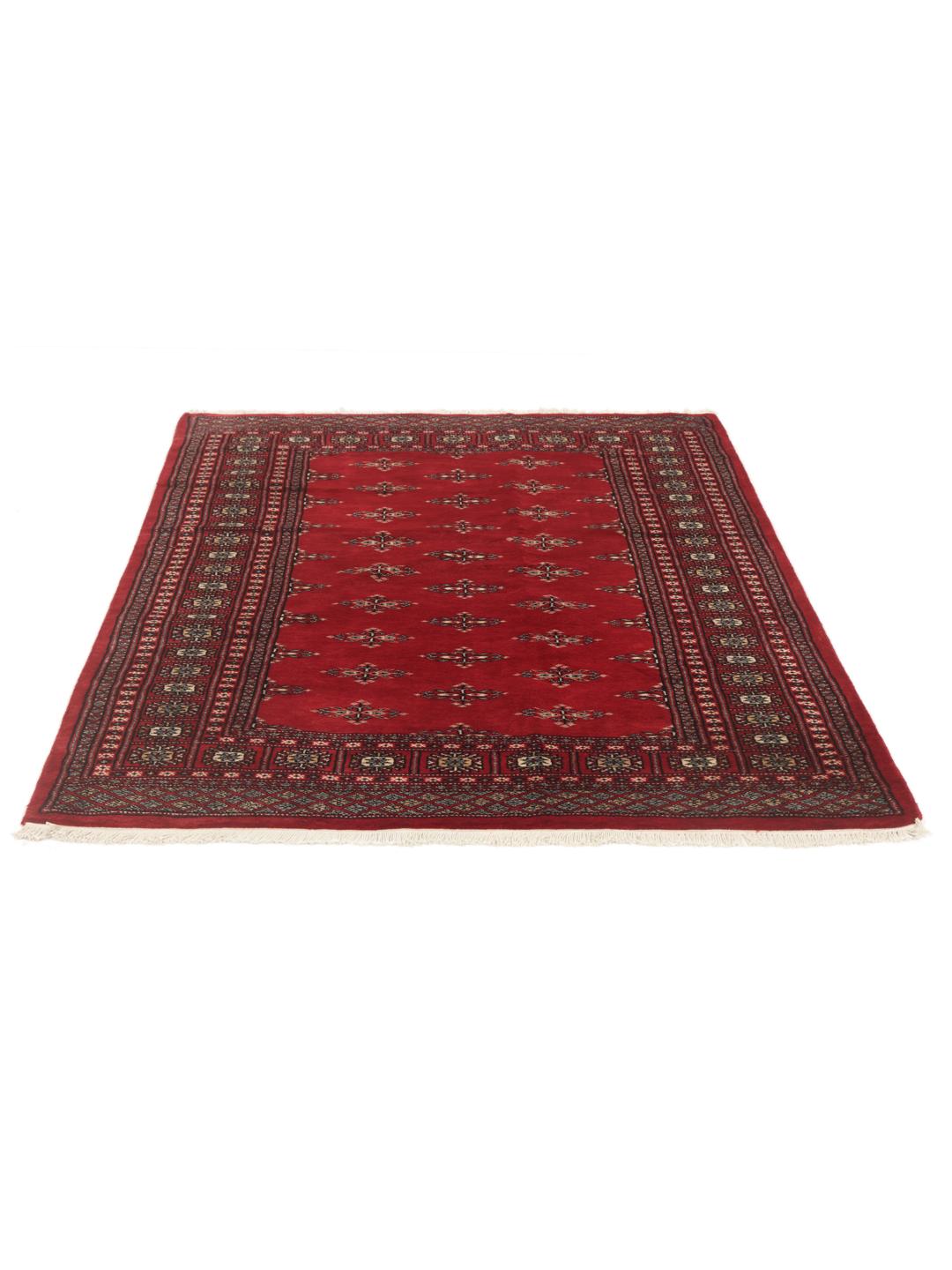
The Bokhara rug tradition finds its roots in the ancient Silk Road city of Bukhara, once a vital hub for trade and cultural exchange in Central Asia. Over centuries, these weaving techniques migrated south, and today, some of the most refined and sought-after examples are produced in Pakistan, where weavers have mastered and evolved the style to reach new levels of aesthetic perfection.
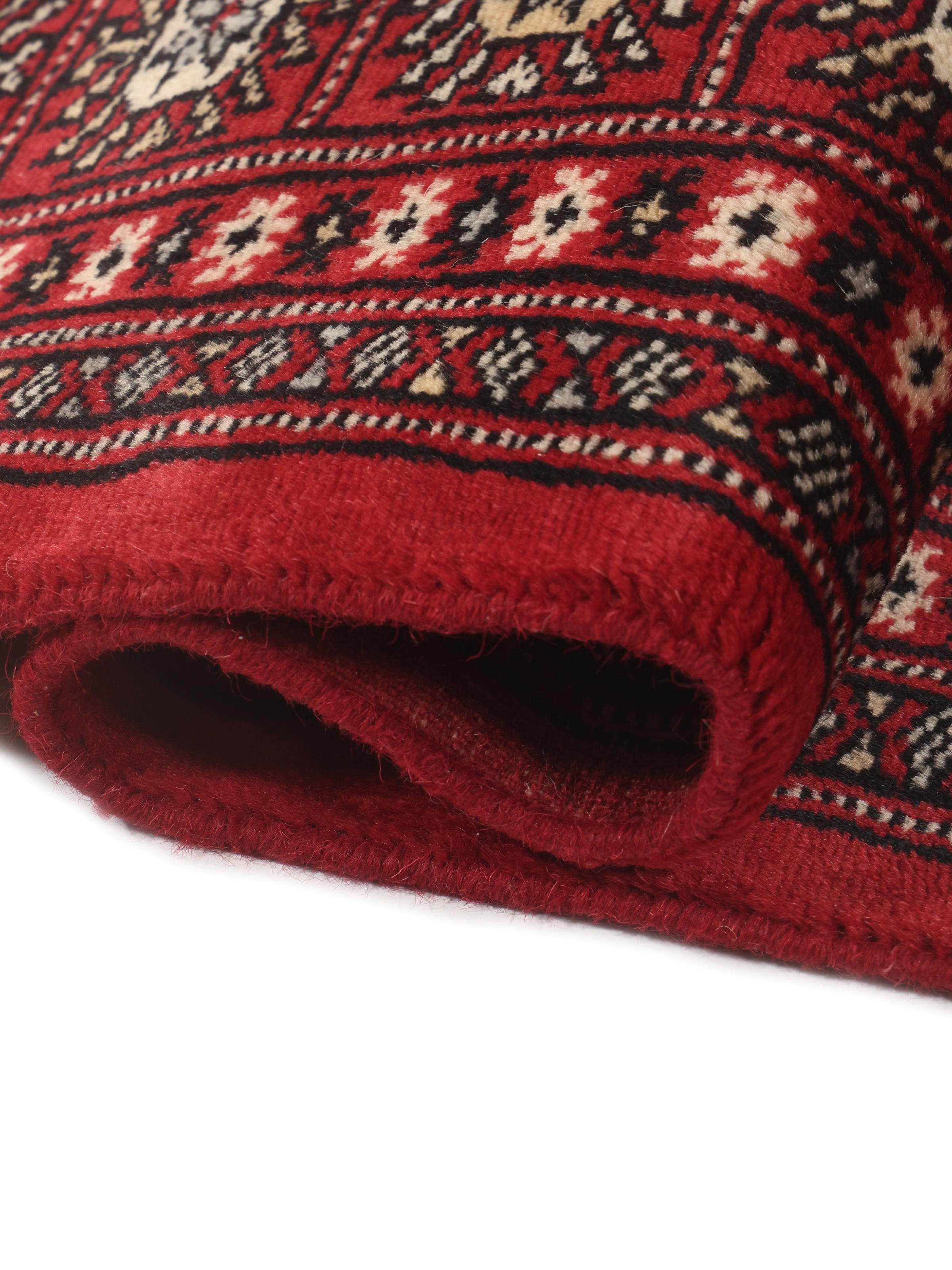
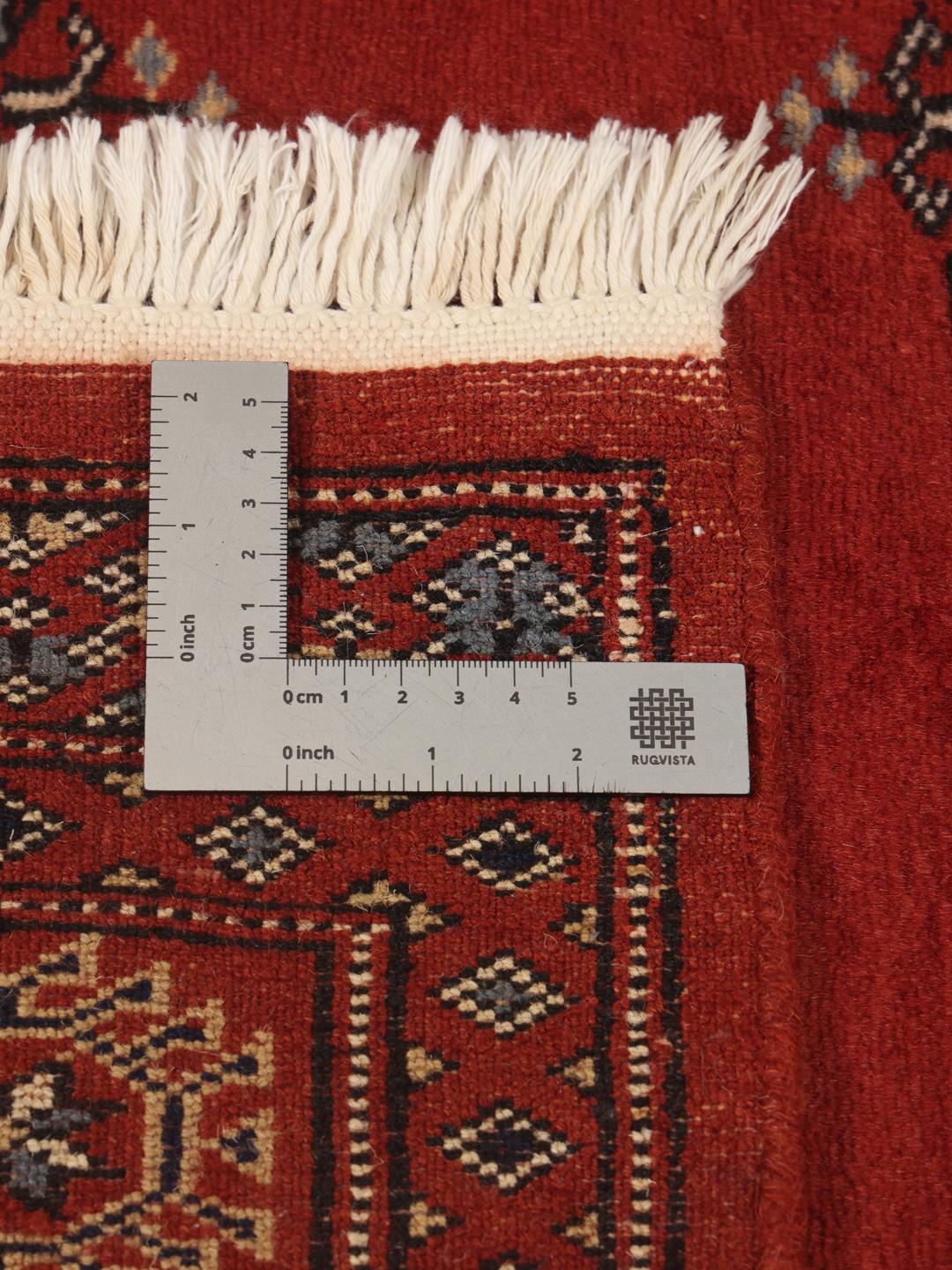
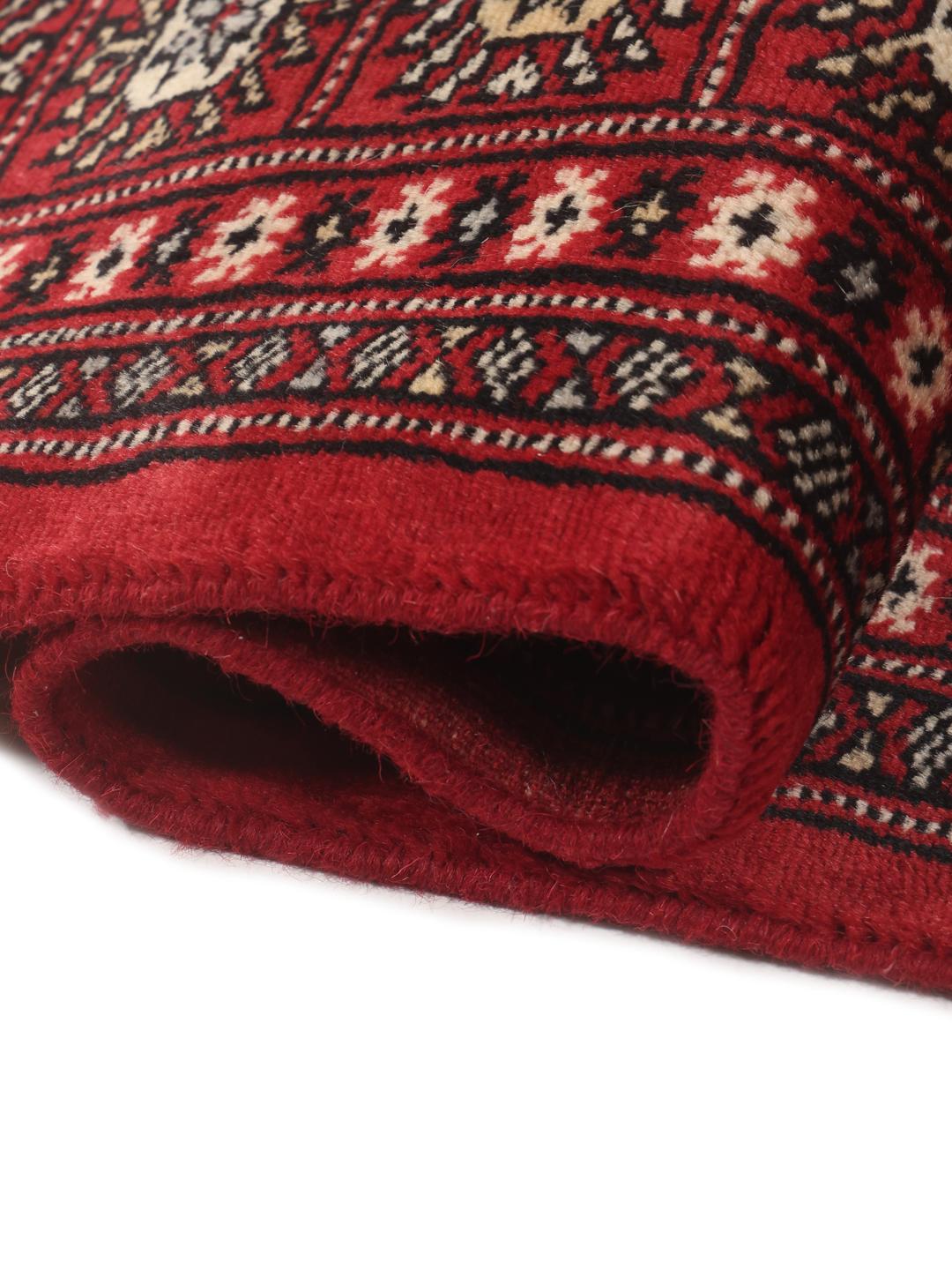
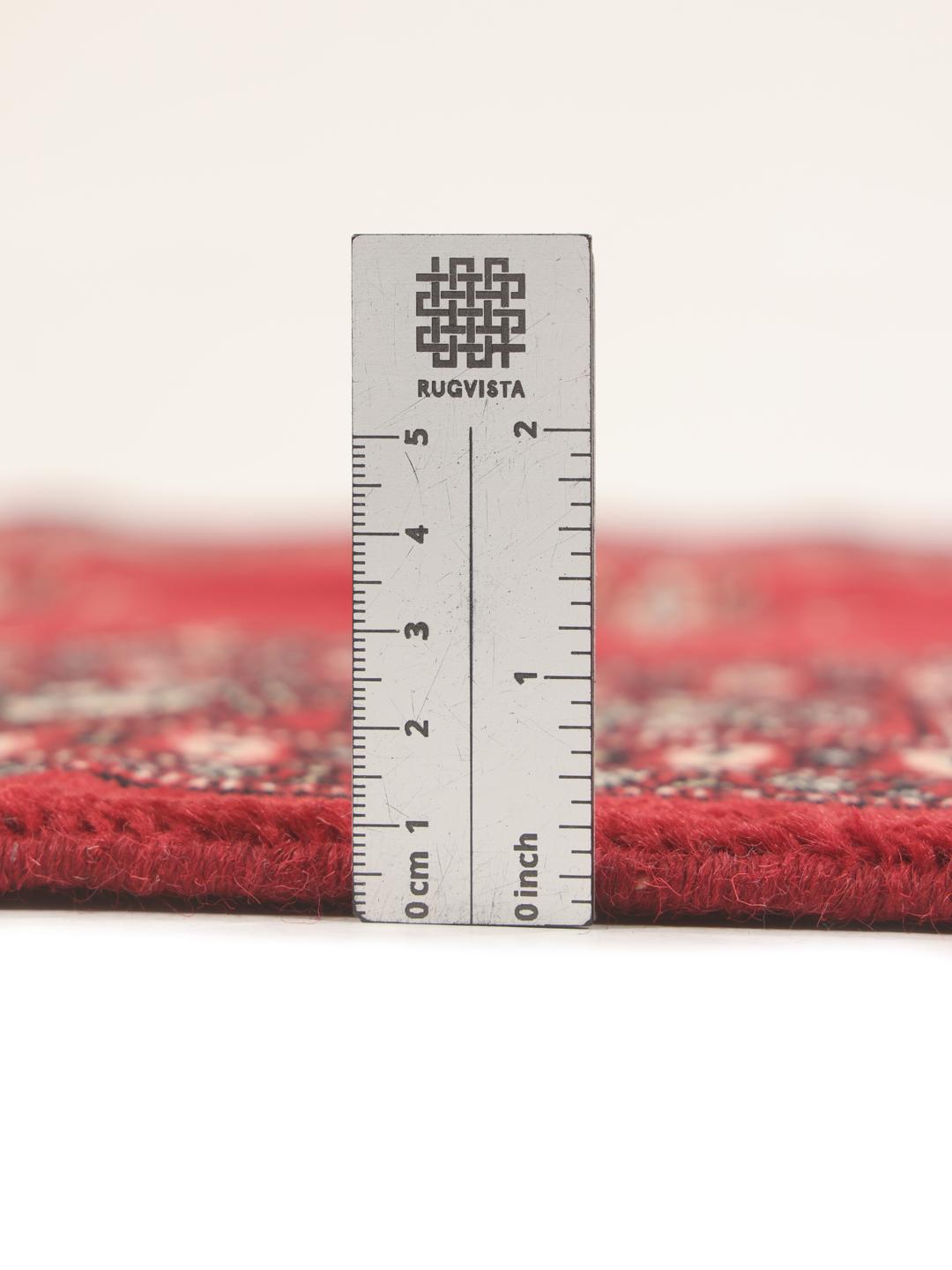
The term 2ply refers to the specific way the wool is prepared for the loom. By twisting two strands of wool together before knotting, the artisans create a pile that is not only denser and more lustrous but also significantly more resilient. This technique matters because it creates a rug that feels plush and soft while being robust enough to handle the demands of a busy household.
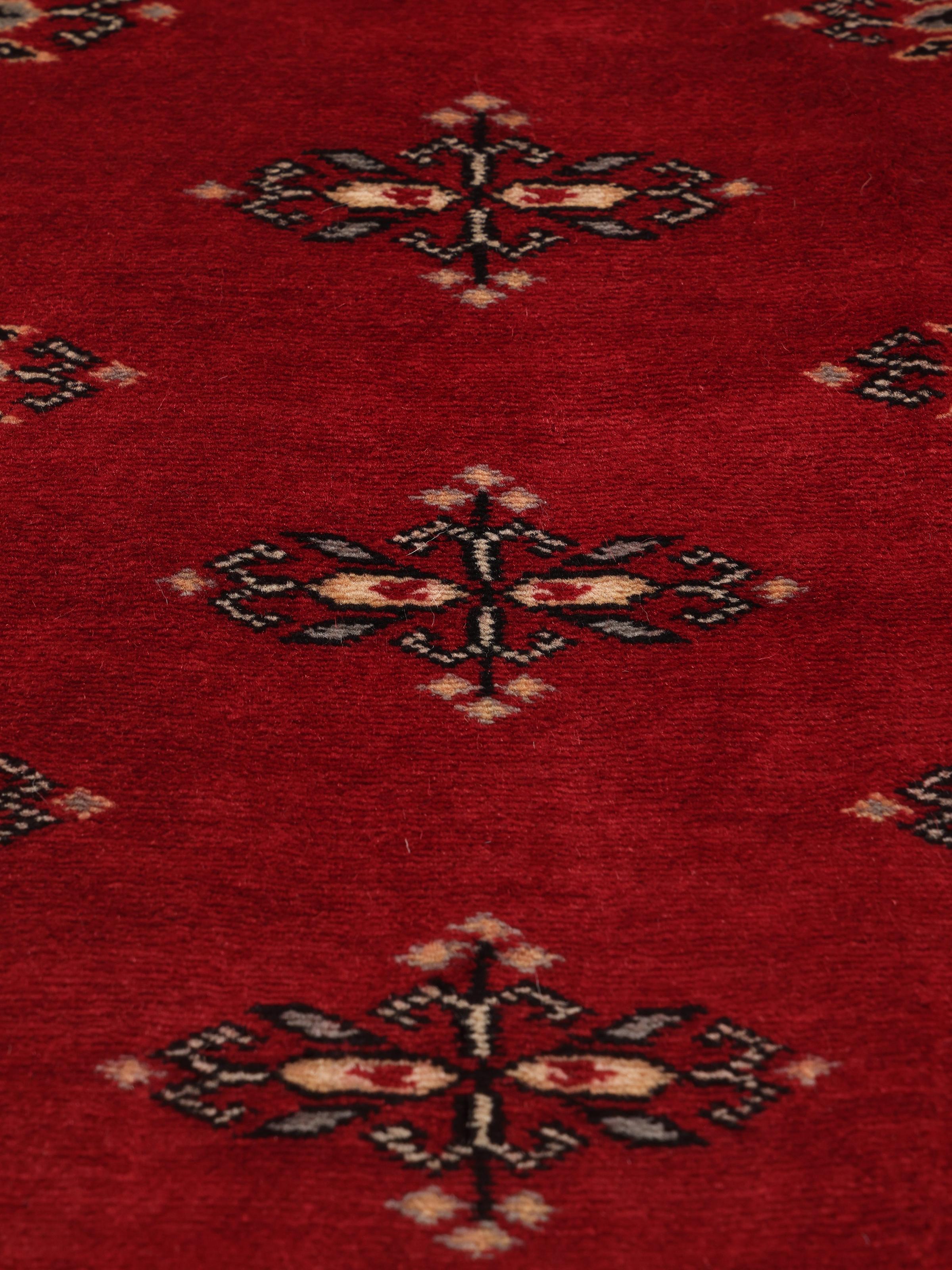
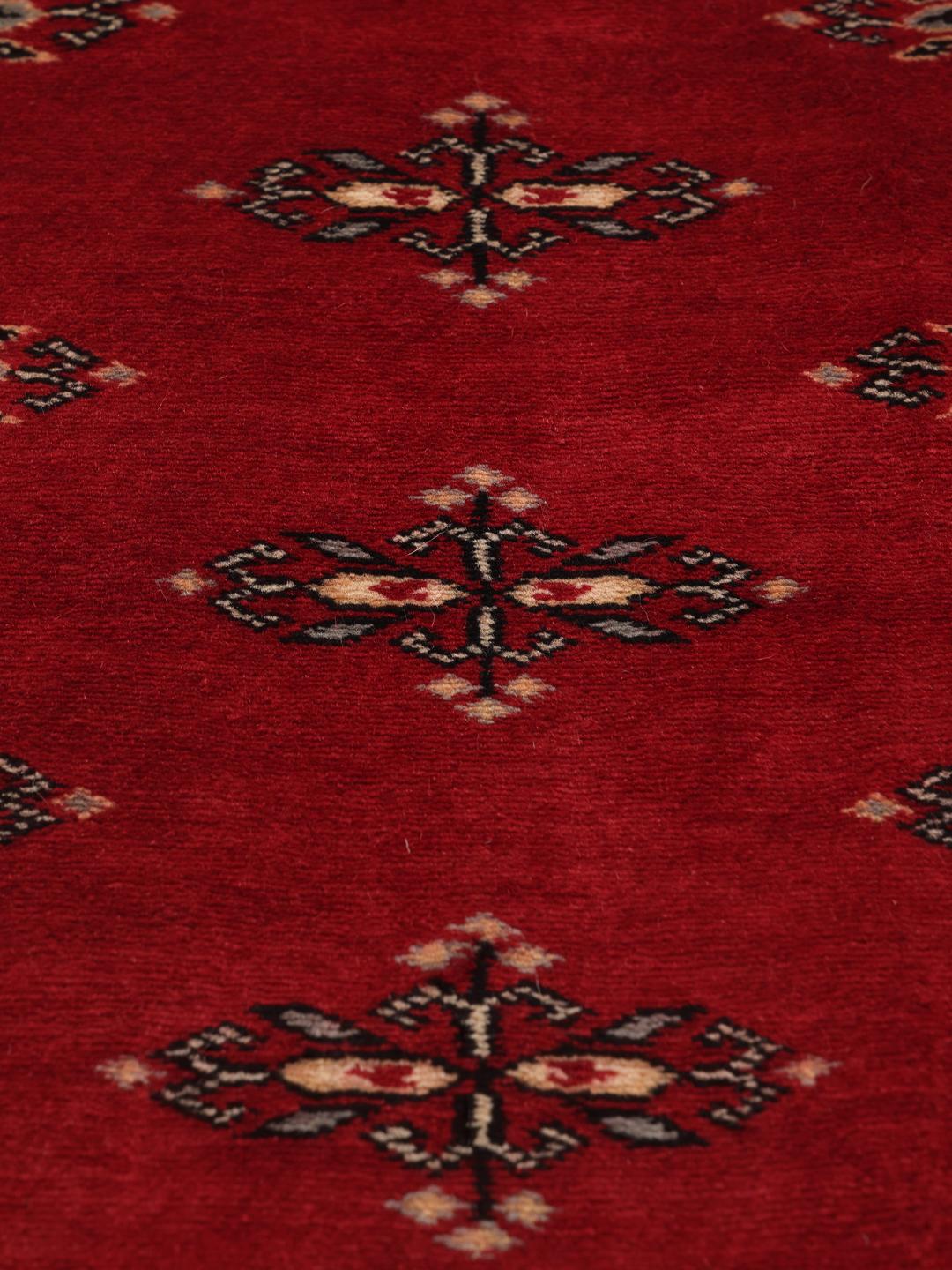
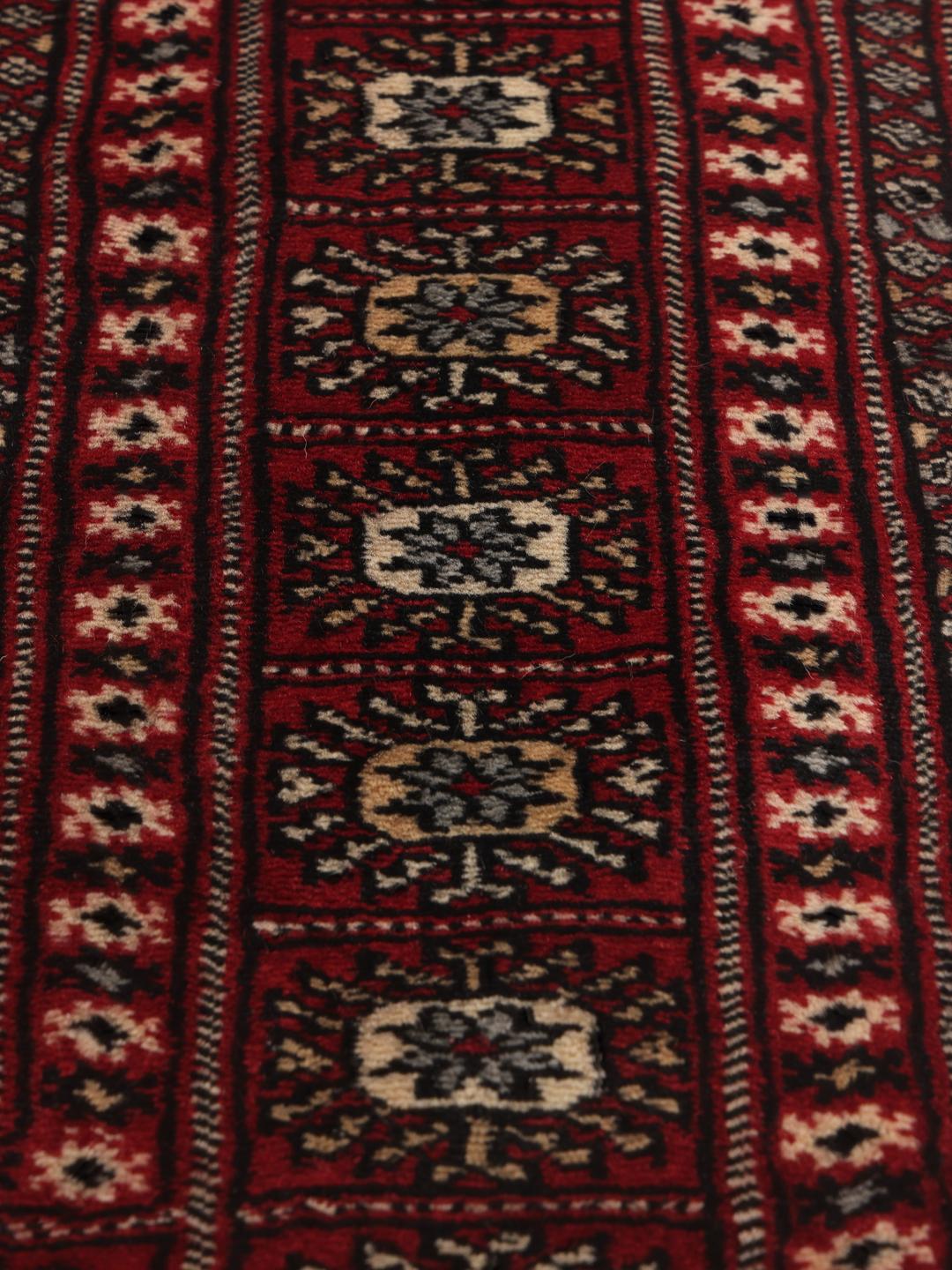
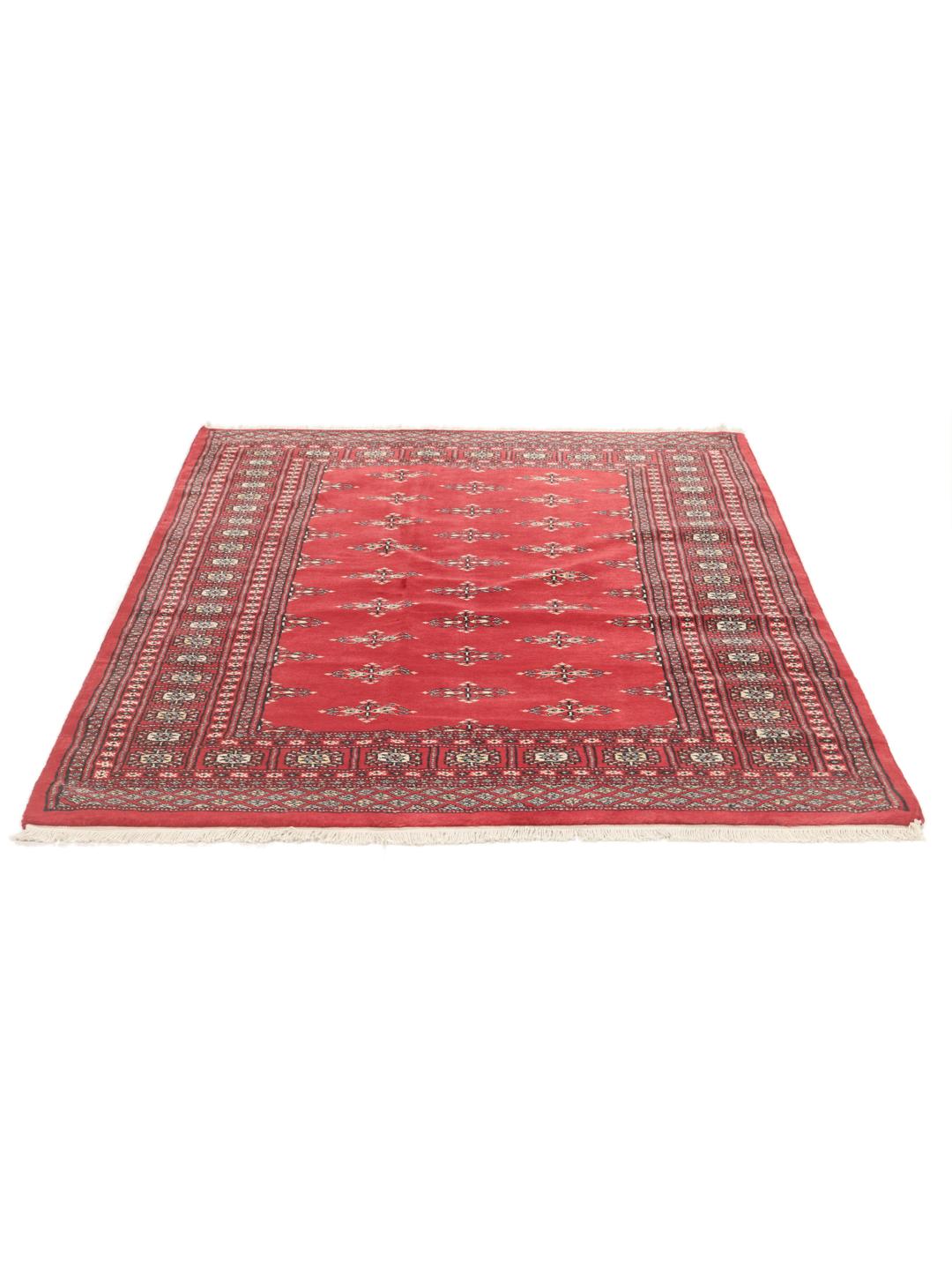
Visually, these rugs are defined by their signature repeating motifs, often referred to as guls. These elephant-foot or octagonal medallions are arranged in precise rows across the field, framed by complex, decorative borders that showcase a mastery of symmetry. The deep red palette is a hallmark of the style, often associated with the warmth and vitality of the nomadic cultures that first developed these designs.
Owning a piece from this tradition is an investment in cultural heritage and human skill. These rugs are highly valued by collectors because they represent a living history of design, preserved through generations of weavers. When you bring one into your home, you are not just adding a floor covering, but a piece of history that embodies the patience, artistry, and tradition of its makers.