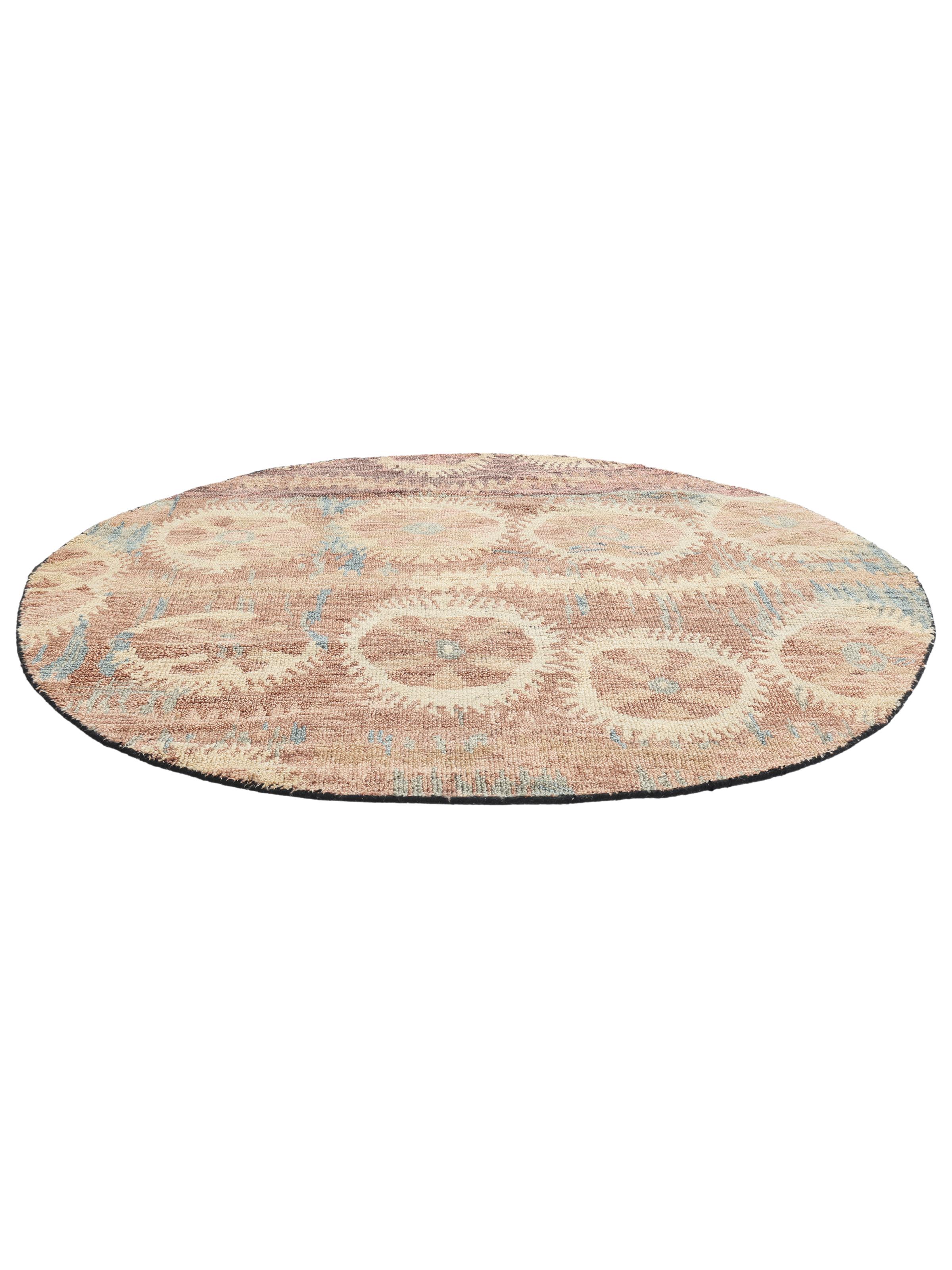
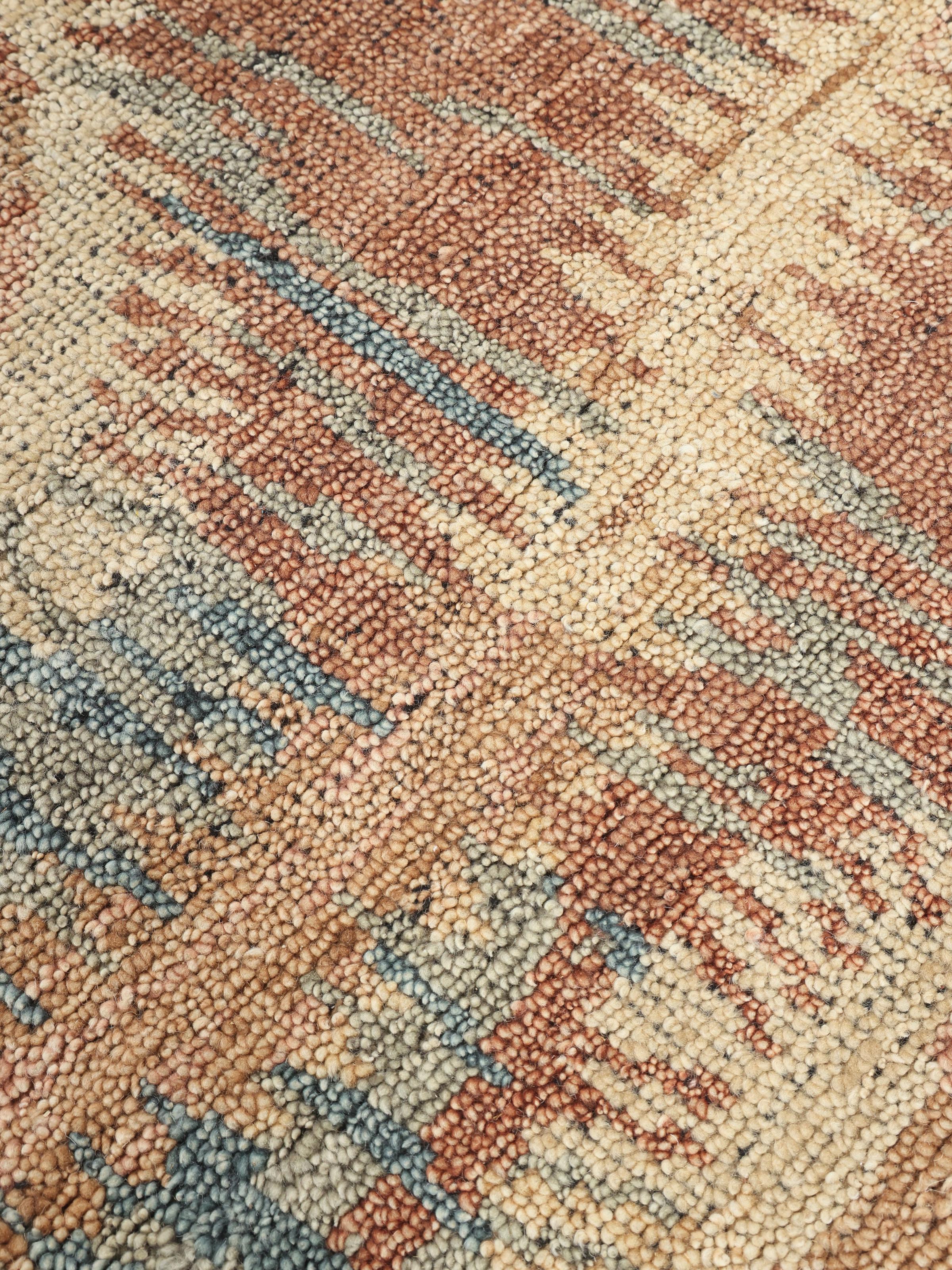
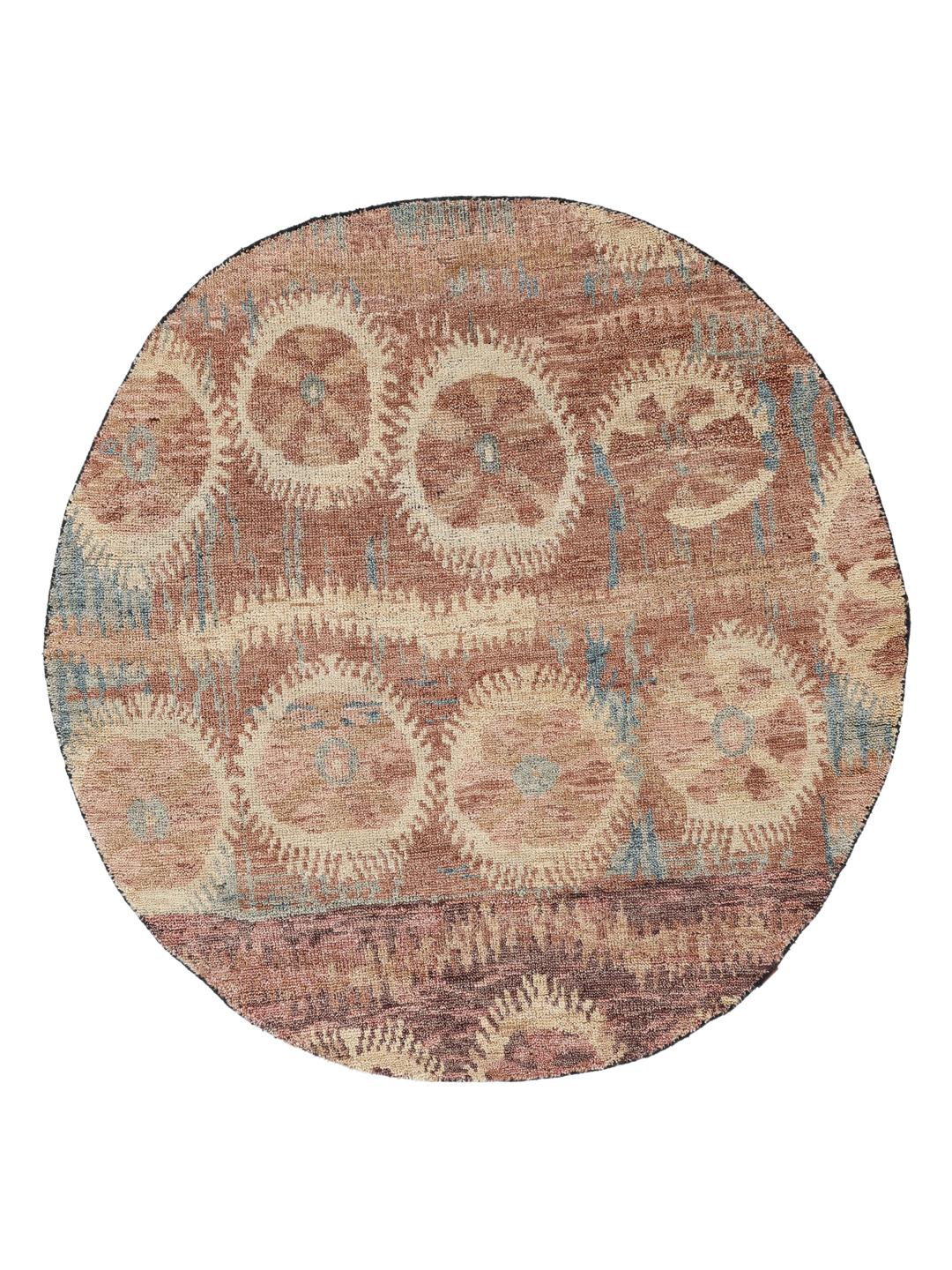
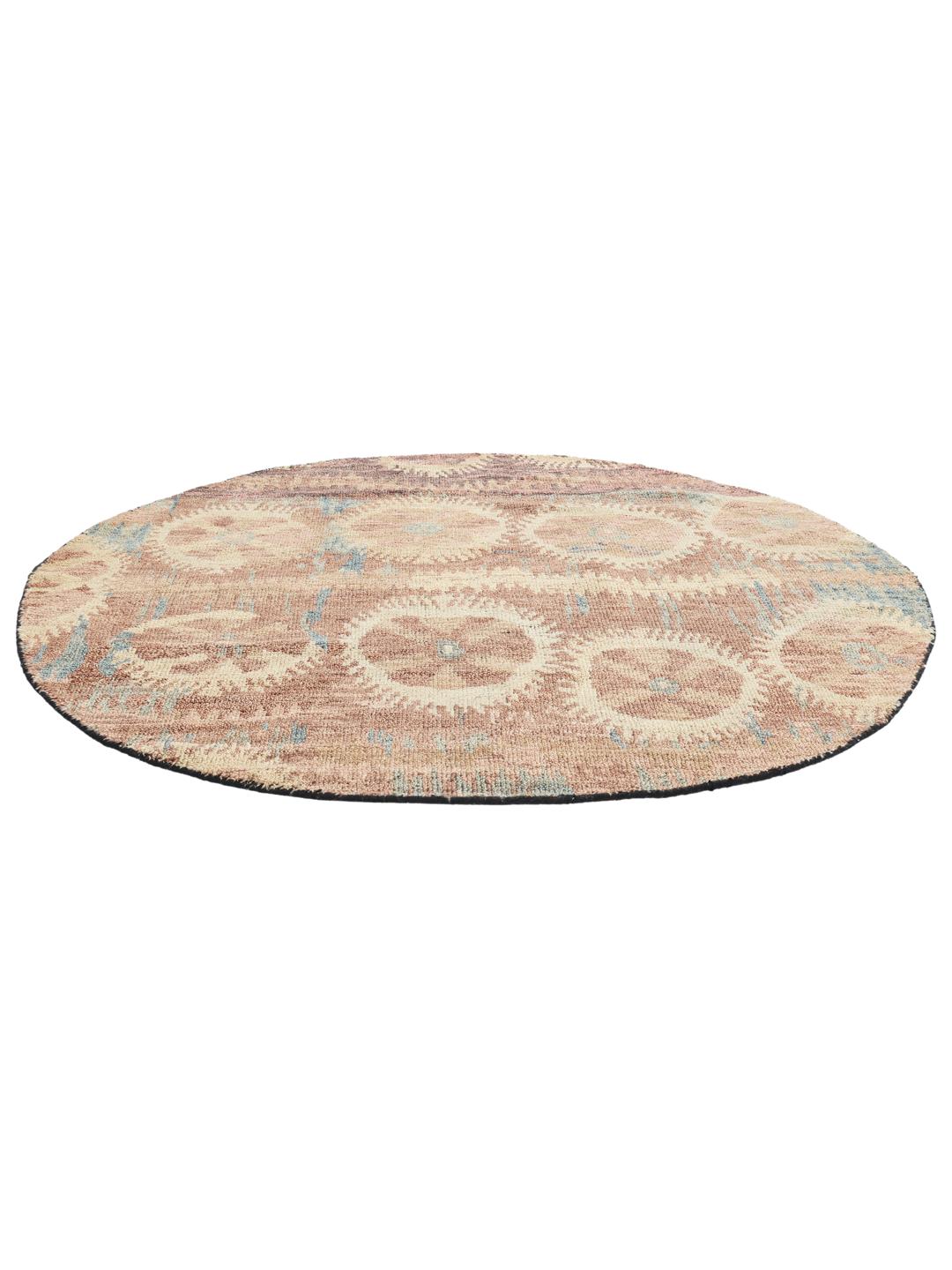
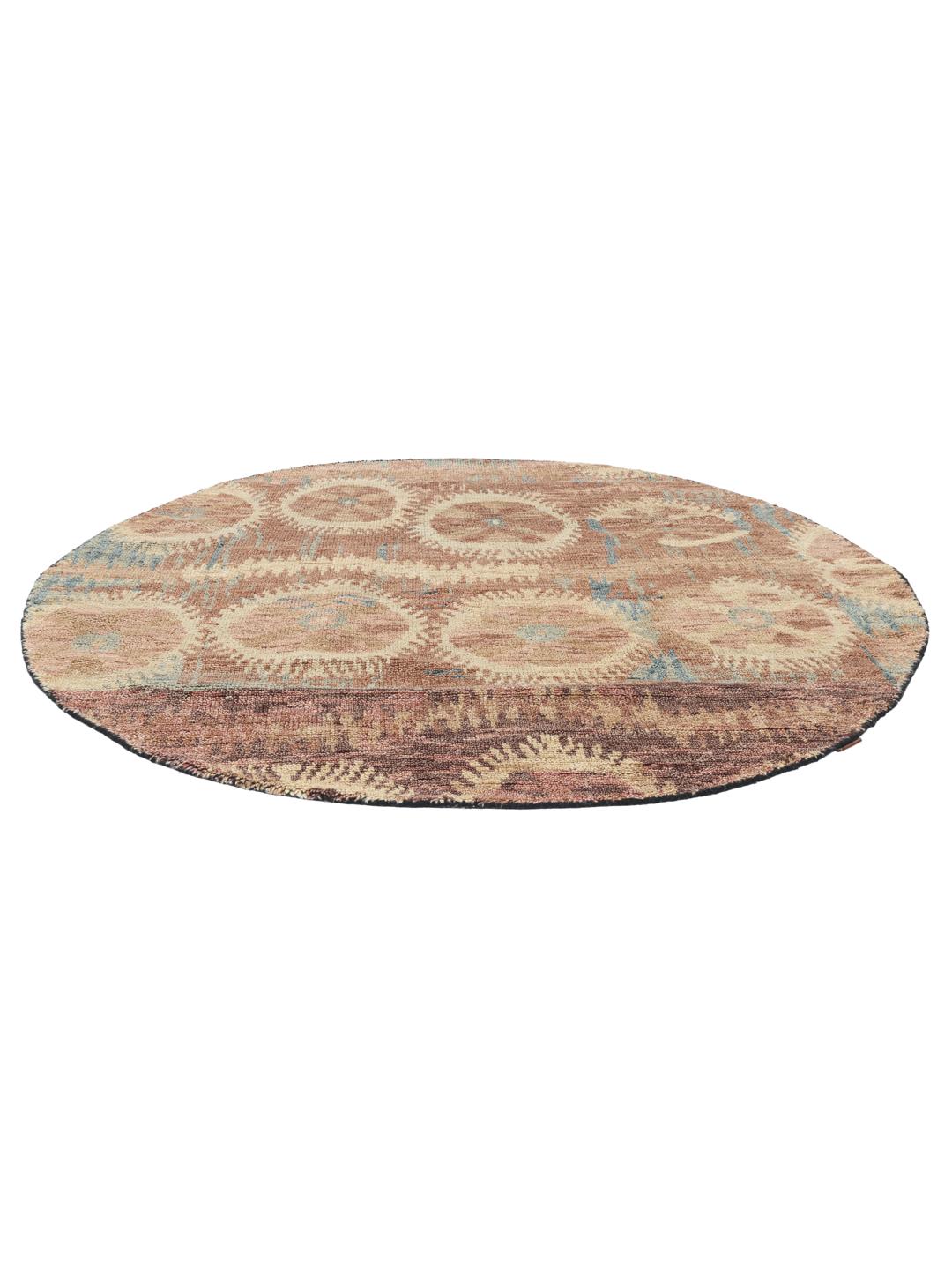
The Usak rug tradition traces its roots back to the historic town of Usak in Western Turkey, a region world-renowned for its centuries-old weaving heritage. Historically, these rugs were highly prized for their large-scale, bold floral patterns and sophisticated colour palettes, often finding their way into the grandest palaces and cathedrals of Europe. Today, this rich legacy continues in India, where weavers have mastered the traditional techniques to keep this storied aesthetic alive for modern homes.
The term Usak refers to a specific design tradition characterised by its emphasis on openness and movement. Unlike more rigid, geometric styles, these rugs often feature flowing floral motifs and expansive fields that allow the colours to breathe and interact. This stylistic approach creates a sense of harmony that makes the rugs particularly versatile in various interior settings, bridging the gap between historical grandeur and contemporary comfort.
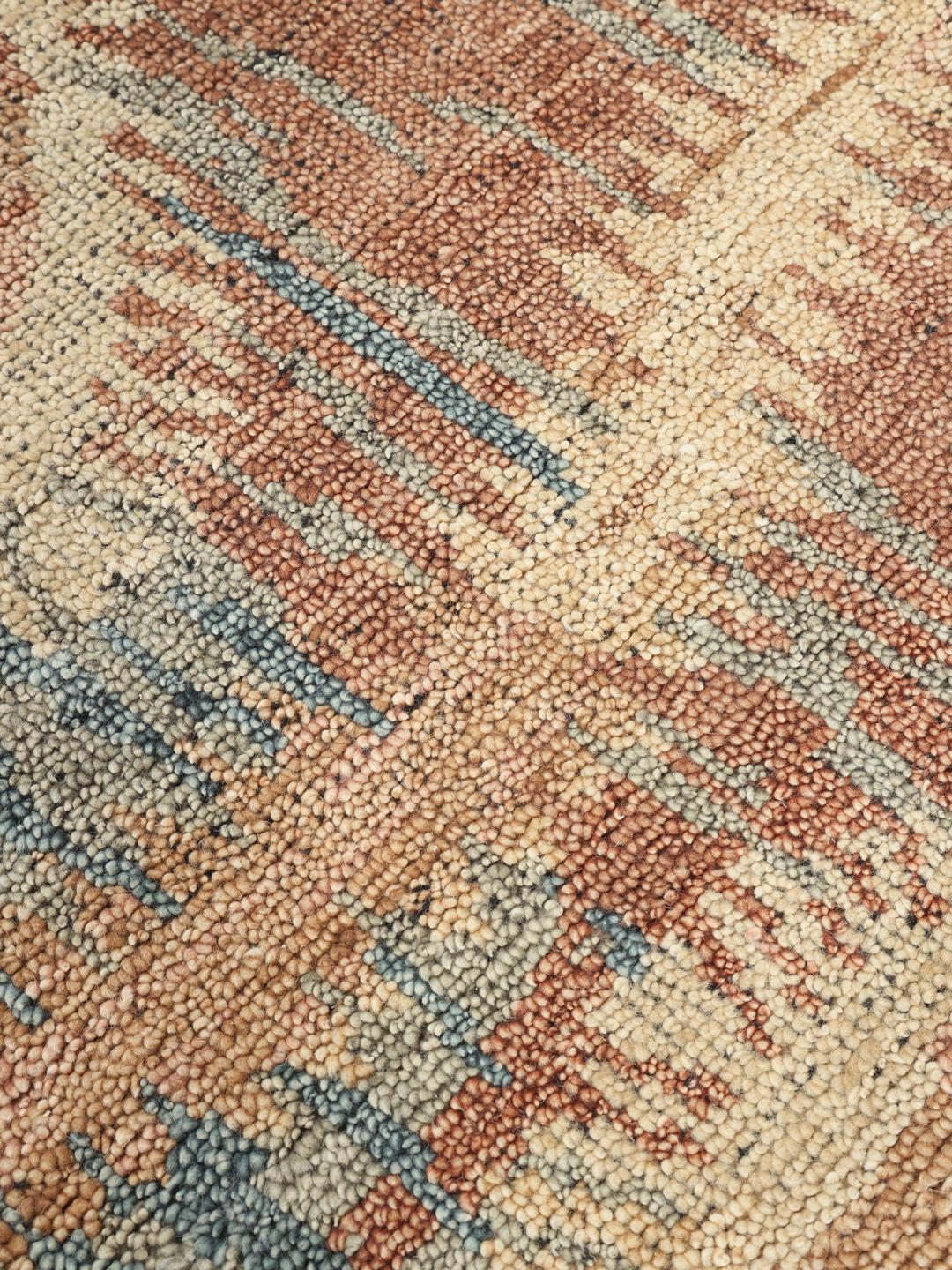
Signature elements of this tradition include the use of large, repeating medallion motifs and stylised floral sprays that gracefully populate the field. The borders are often formal and balanced, framing the central design with elegance. While traditional Usak rugs often leaned toward deep reds and blues, modern interpretations like this one explore a broader range of hues, allowing the classic design language to feel fresh and relevant to today's design sensibilities.
Collecting a rug from this tradition is an investment in cultural continuity. These pieces are valued not only for their visual appeal but for the deep sense of history they bring into a space. Owning such a rug signifies an appreciation for the enduring skill of the weaver and the cultural evolution of textile art. It is a way to connect your home to a long-standing global tradition of beauty and craftsmanship, ensuring that your space feels grounded in a meaningful narrative.