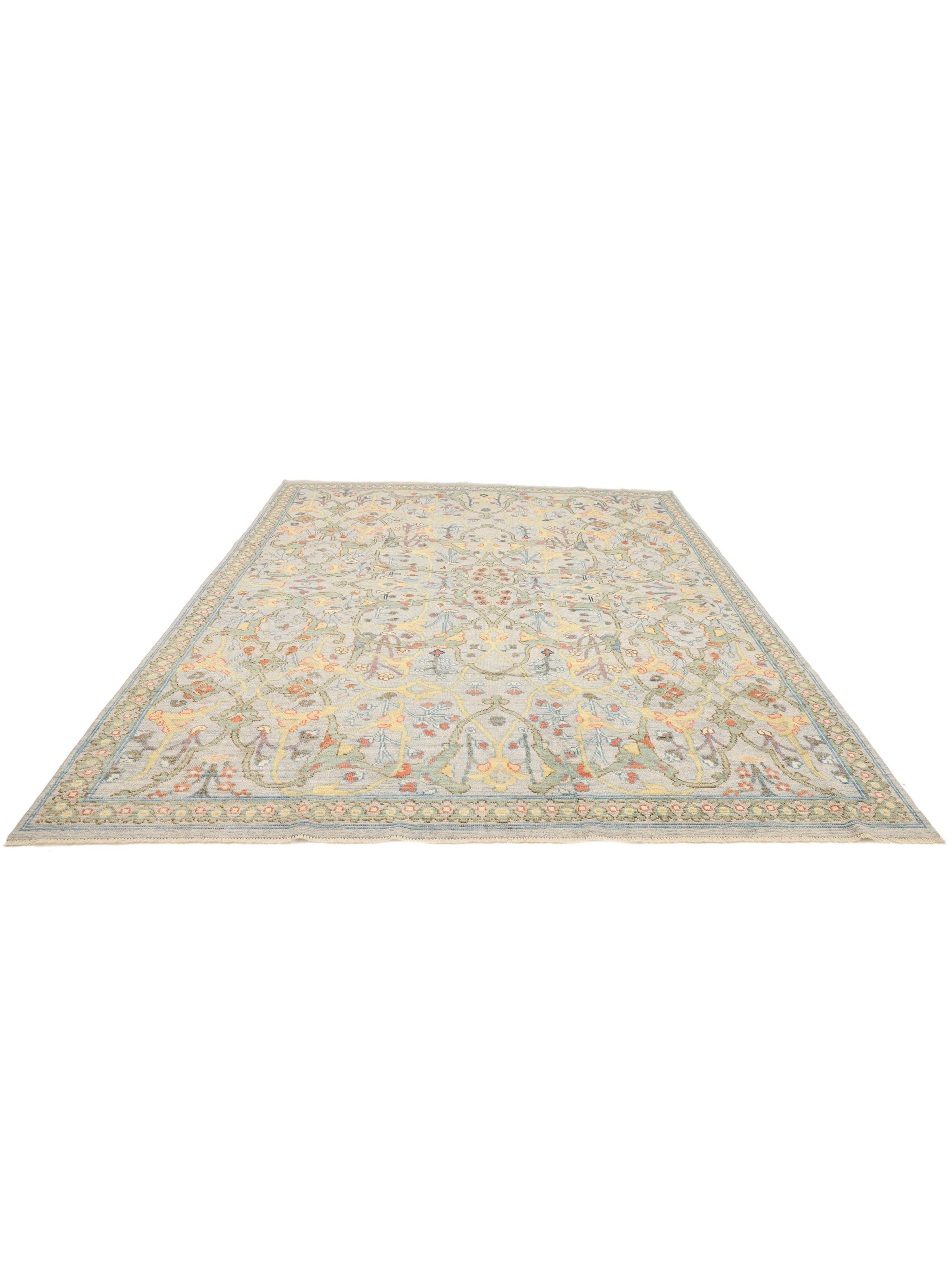
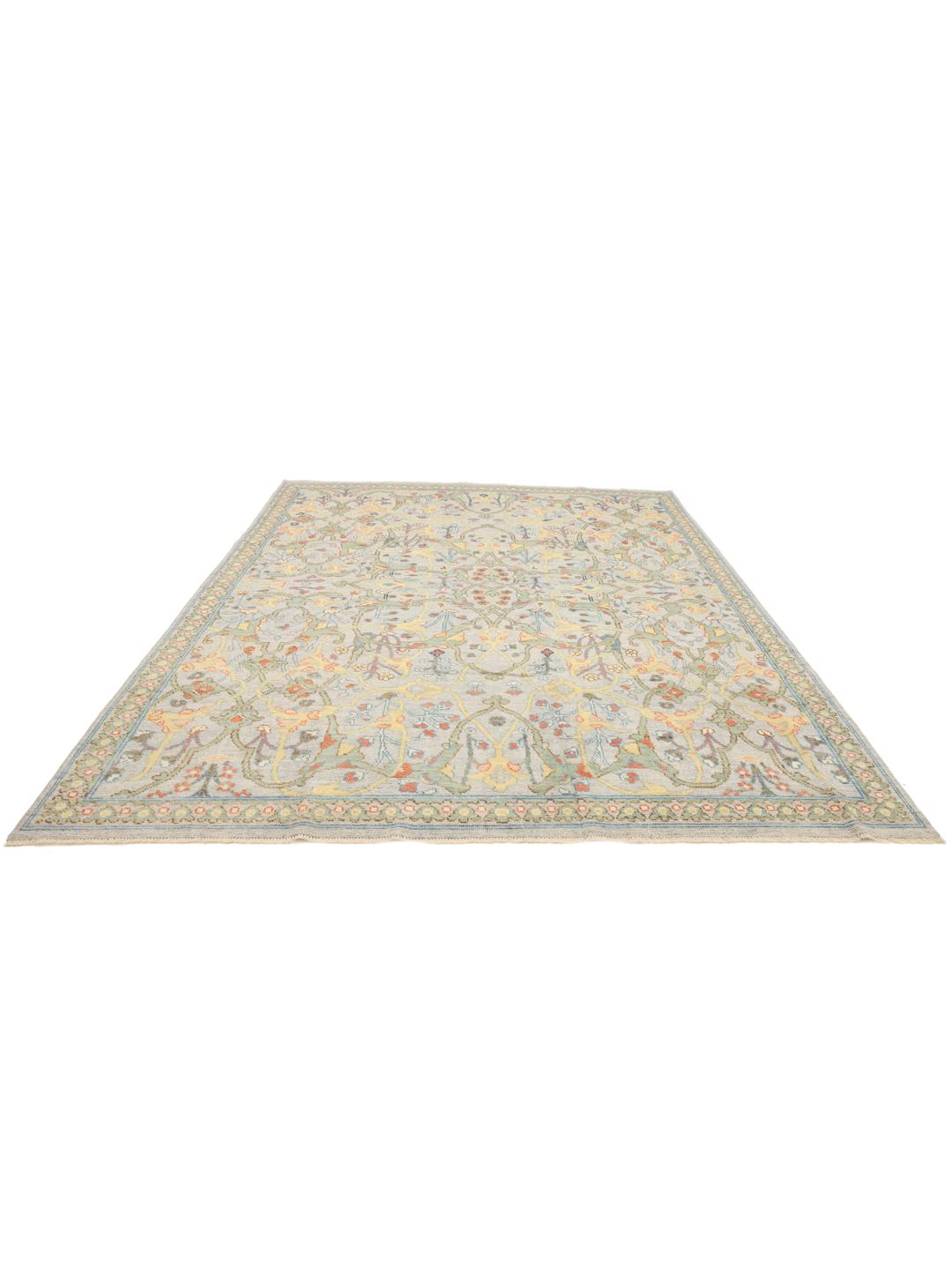
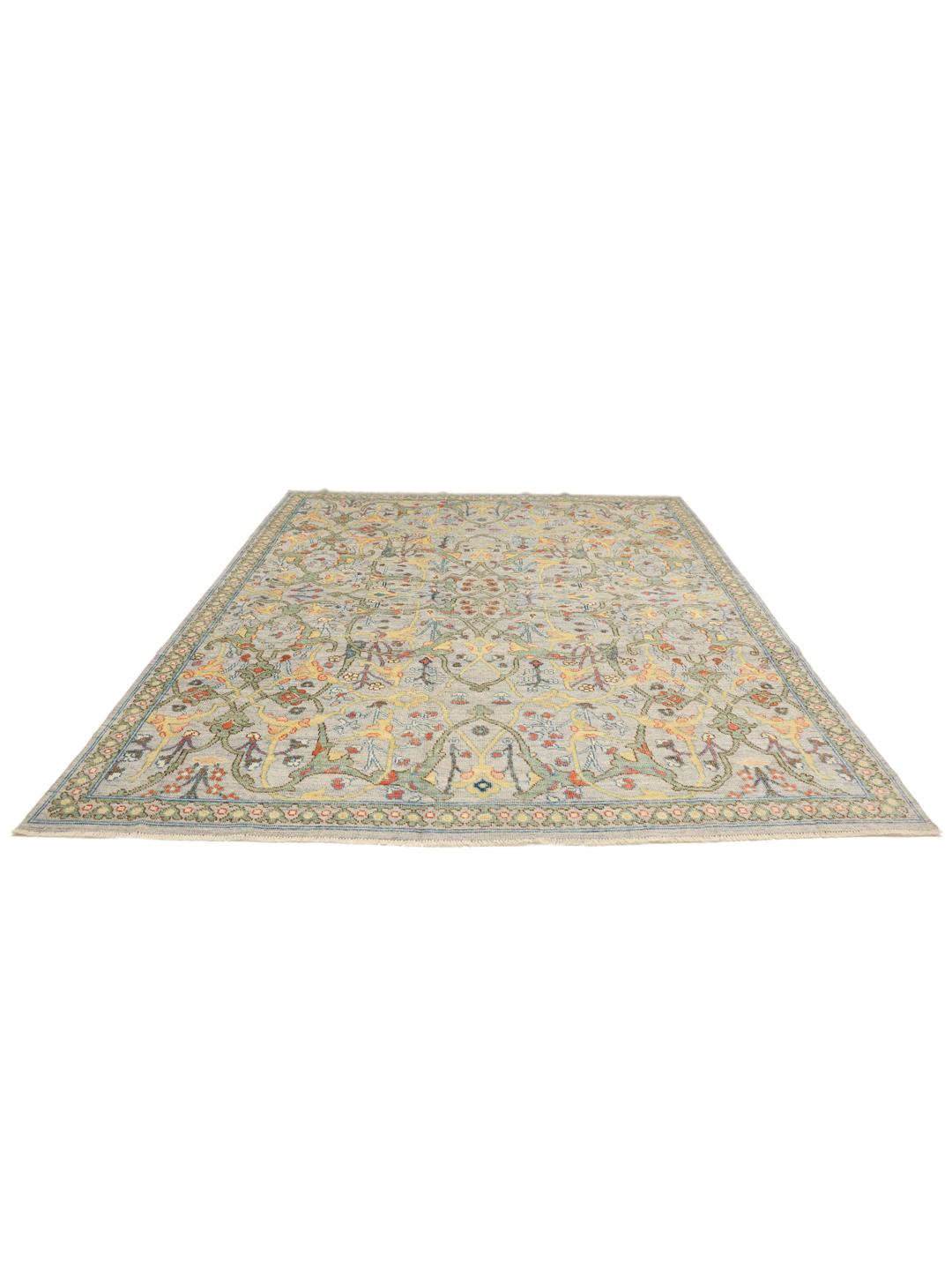
Usak rugs have a storied history that traces back to the town of Uşak in Western Turkey, which was a major centre for rug production during the Ottoman Empire. While they originated in Turkey, the style has evolved and found a new home in Afghanistan, where local artisans have embraced the tradition. This migration of styles highlights the enduring appeal of the Usak aesthetic, which has been adapted and reinterpreted across different regions over centuries.
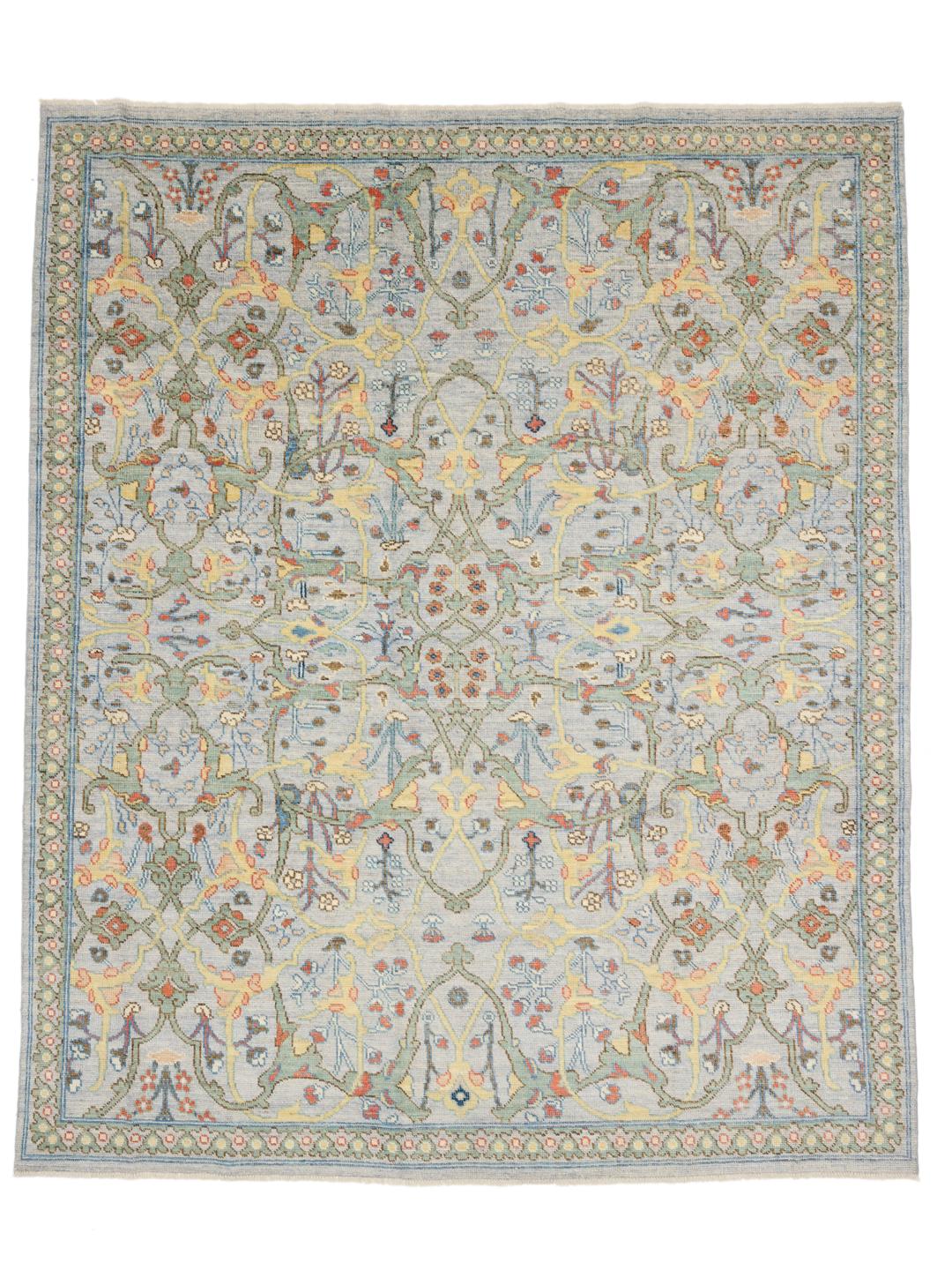
The term Usak generally refers to a design tradition known for its large-scale floral patterns and open, airy compositions. Unlike the tightly packed motifs found in some other regional styles, Usak rugs are celebrated for their balanced layouts and generous use of space. This characteristic gives them a sophisticated and elegant appearance that works exceptionally well in modern homes where a sense of openness is desired.
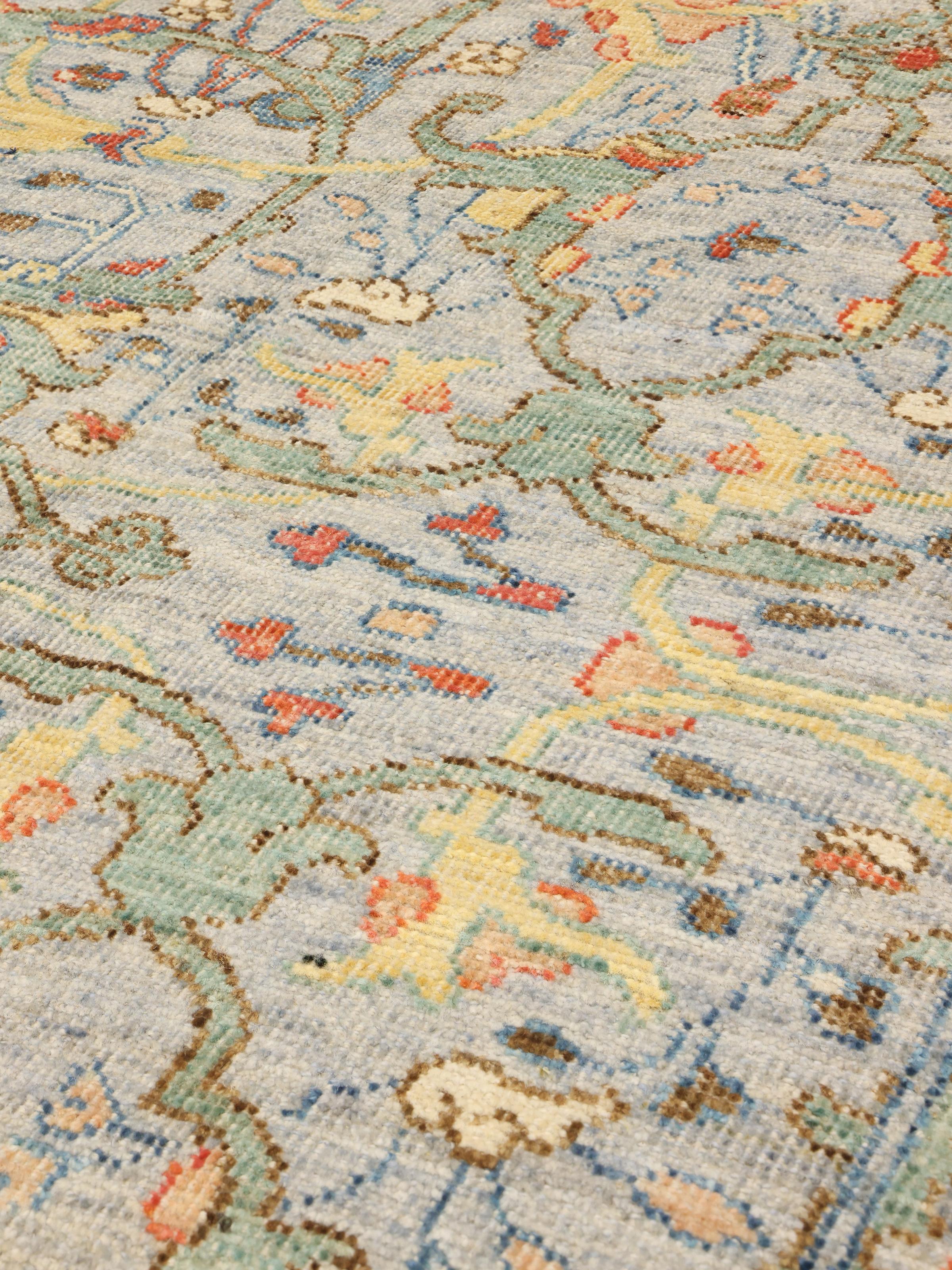
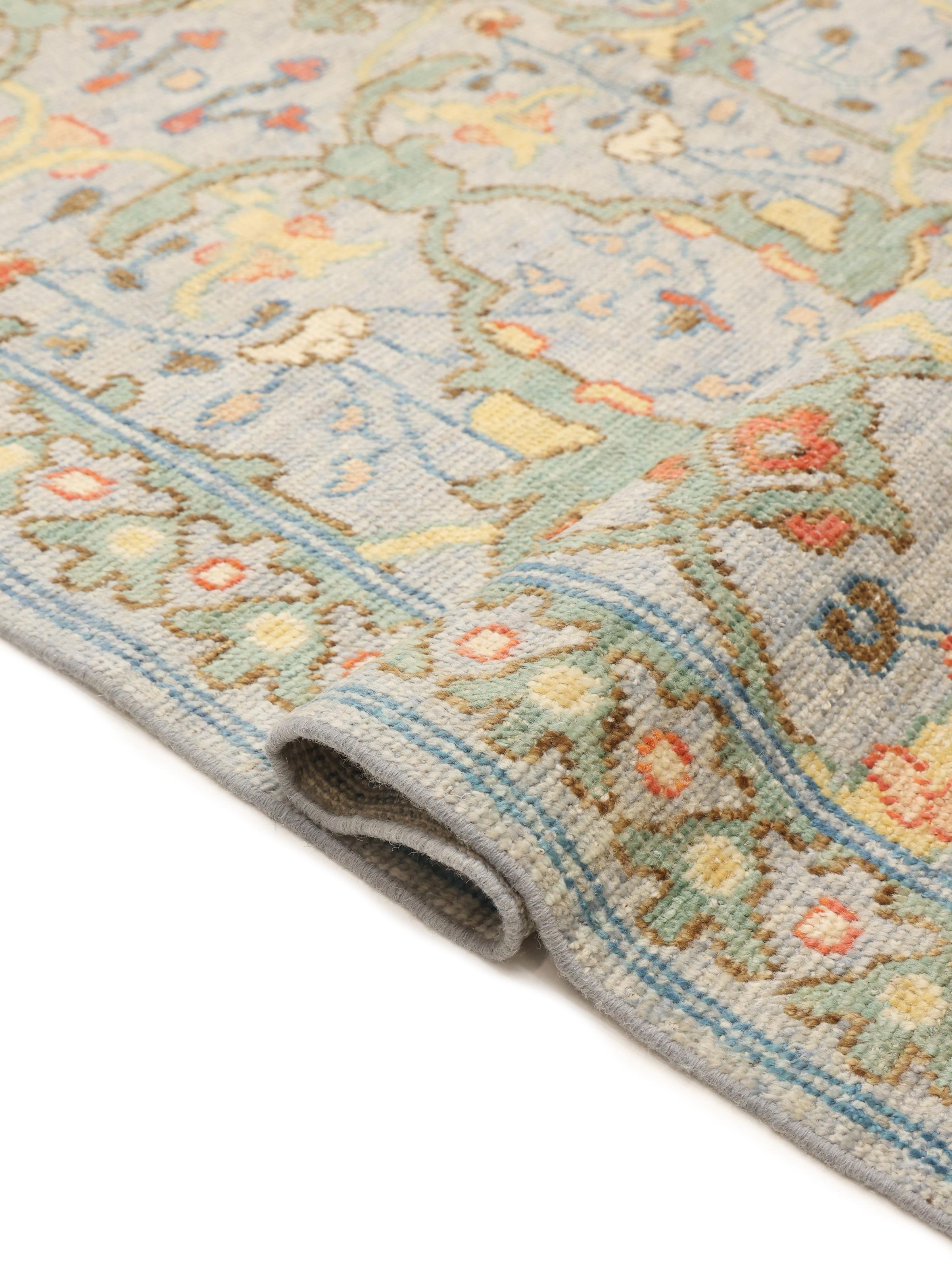
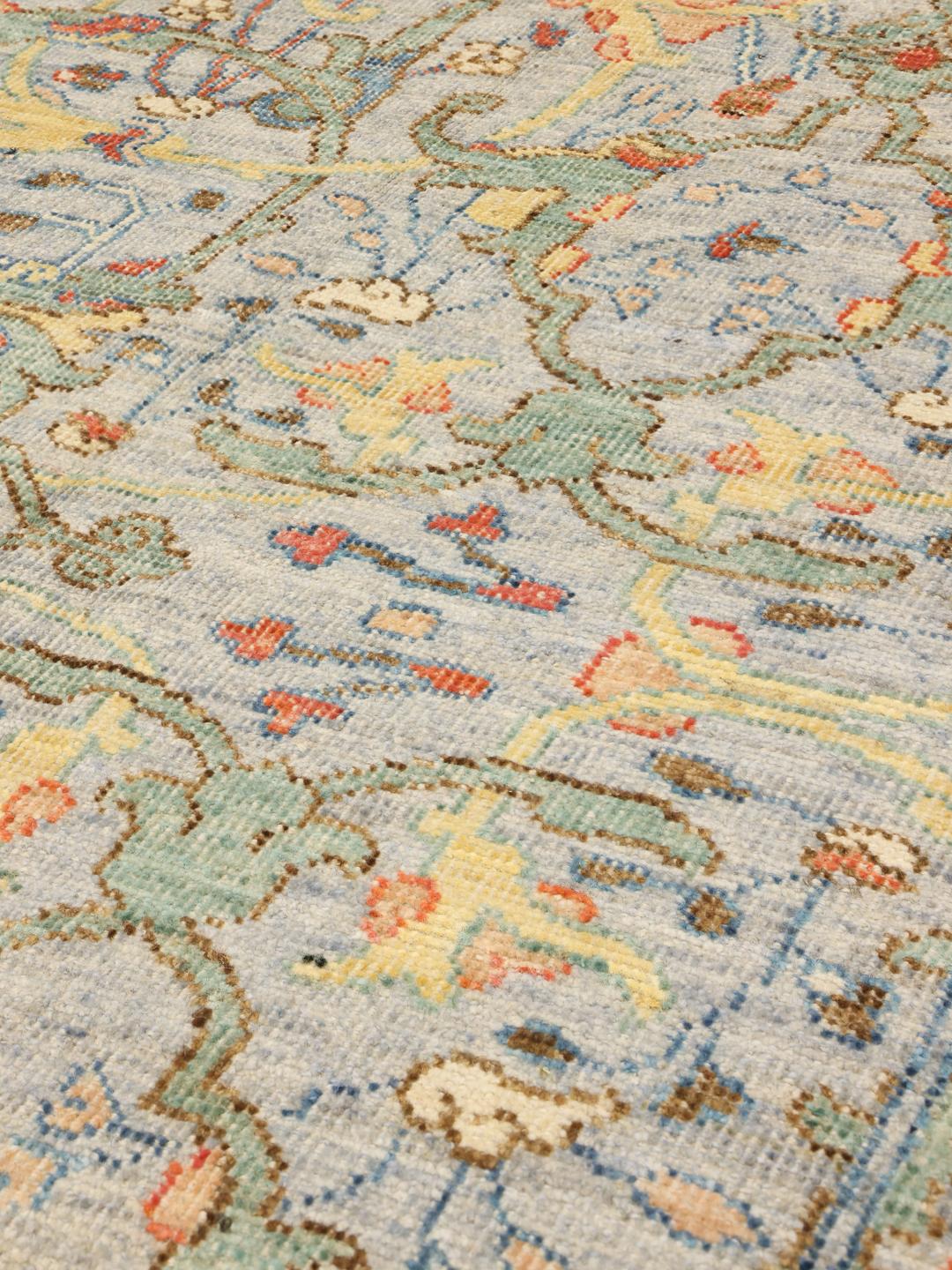
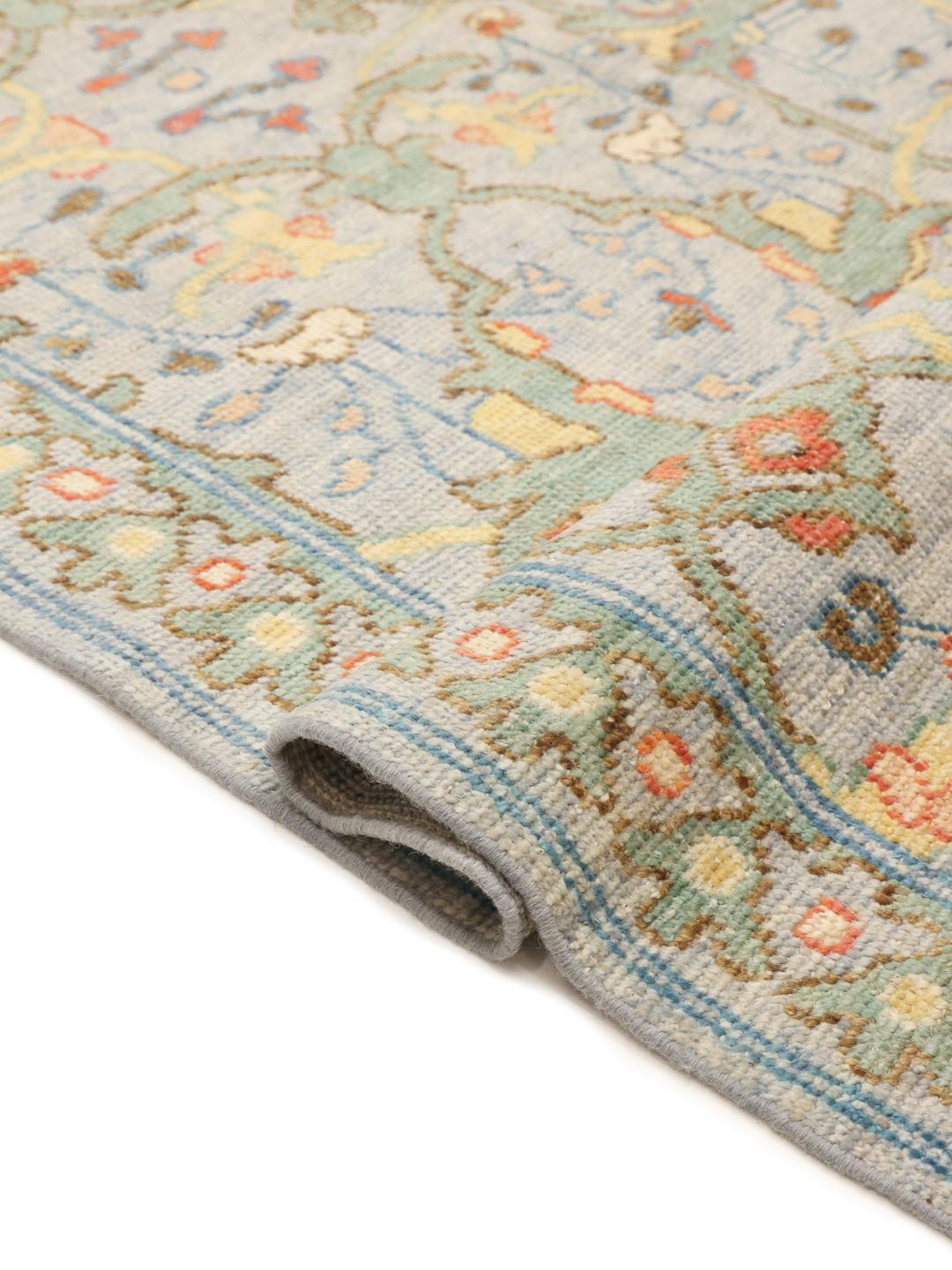
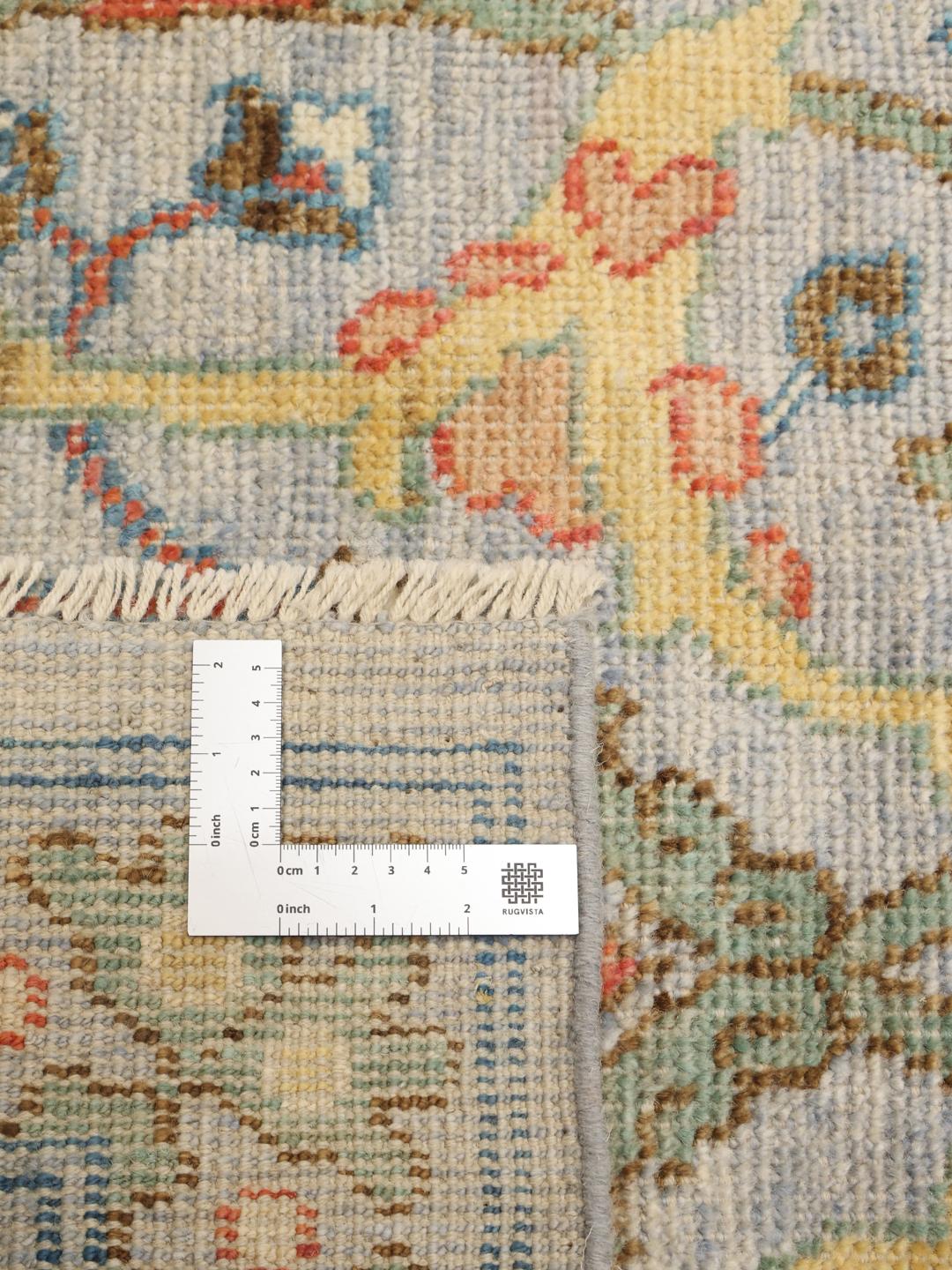
Signature elements of these rugs include stylized blossoms, palmettes, and scrolling vines, often arranged in a symmetrical or semi-symmetrical fashion. The colour palettes in Afghan-made versions often lean towards soft, earthy, or muted tones, which are achieved through carefully managed dyeing processes. The result is a rug that feels both classic and surprisingly versatile, fitting seamlessly into various interior settings.
Collecting an Usak rug is an opportunity to own a piece of a global design narrative. These rugs are highly valued for their artistic sensibility and the skill required to translate complex floral designs into a knotted format. By bringing one into your home, you are not just adding a floor covering, but a piece of history that reflects a long-standing dialogue between different cultures and the universal appreciation for beauty.