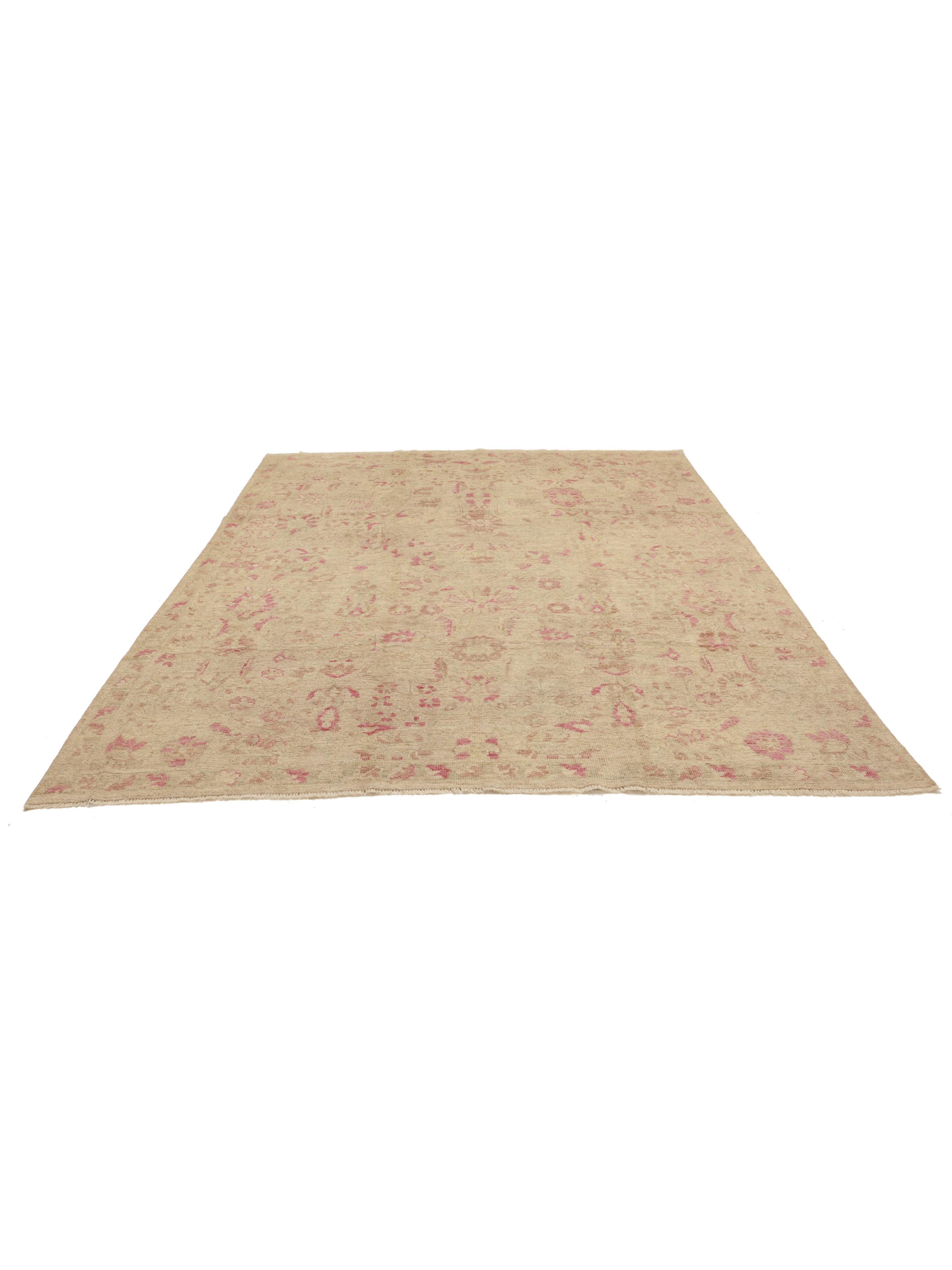
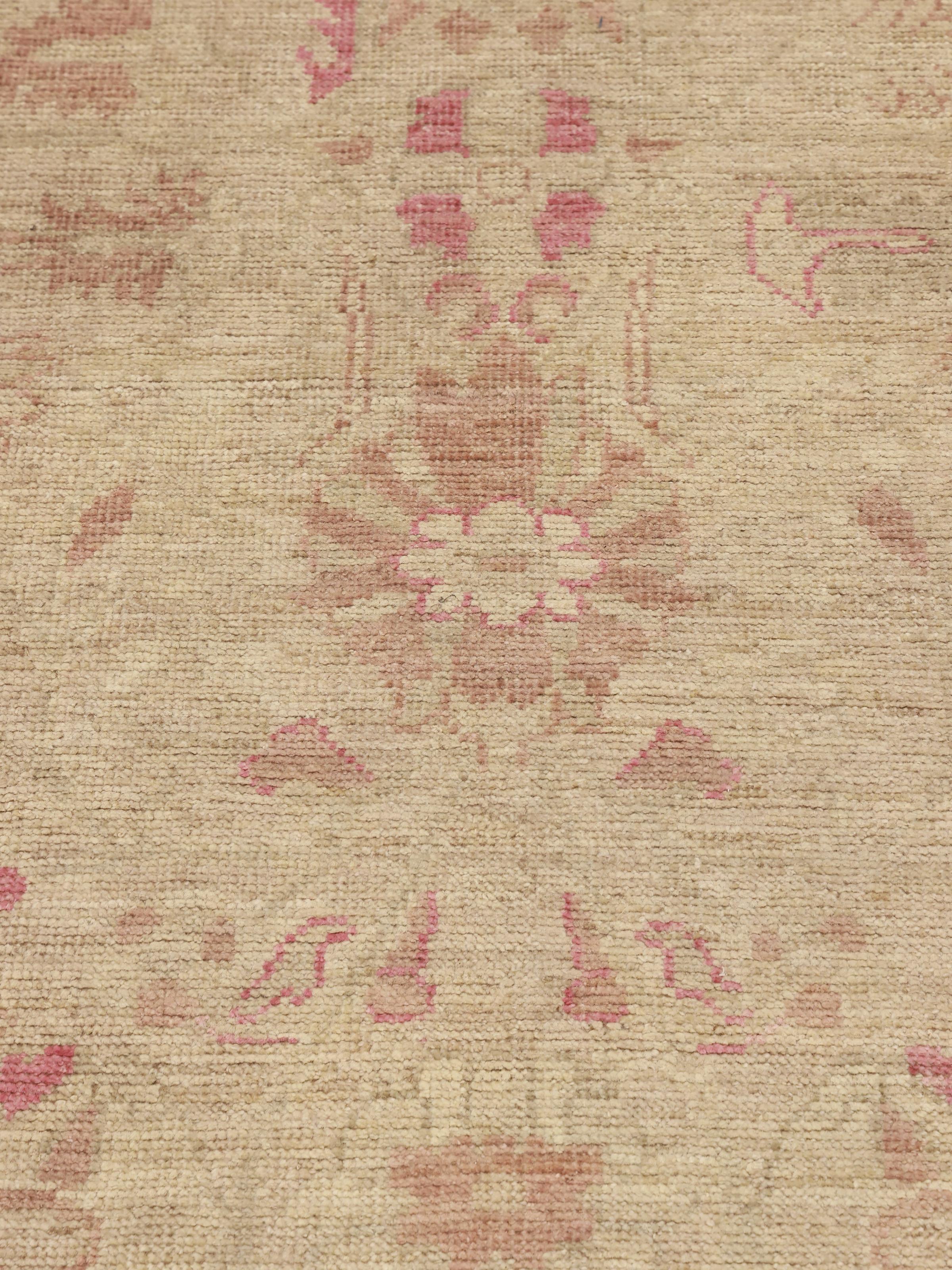
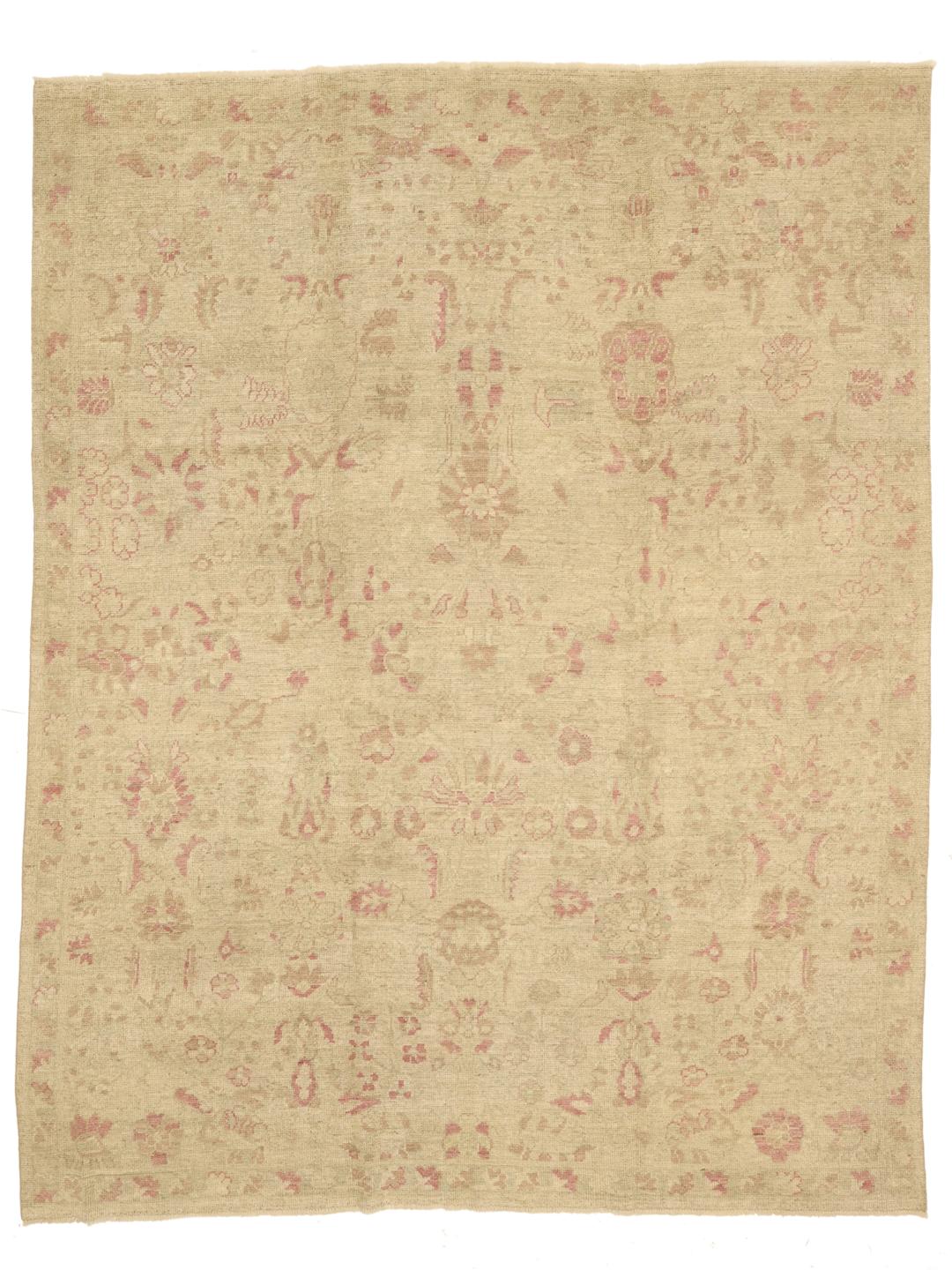
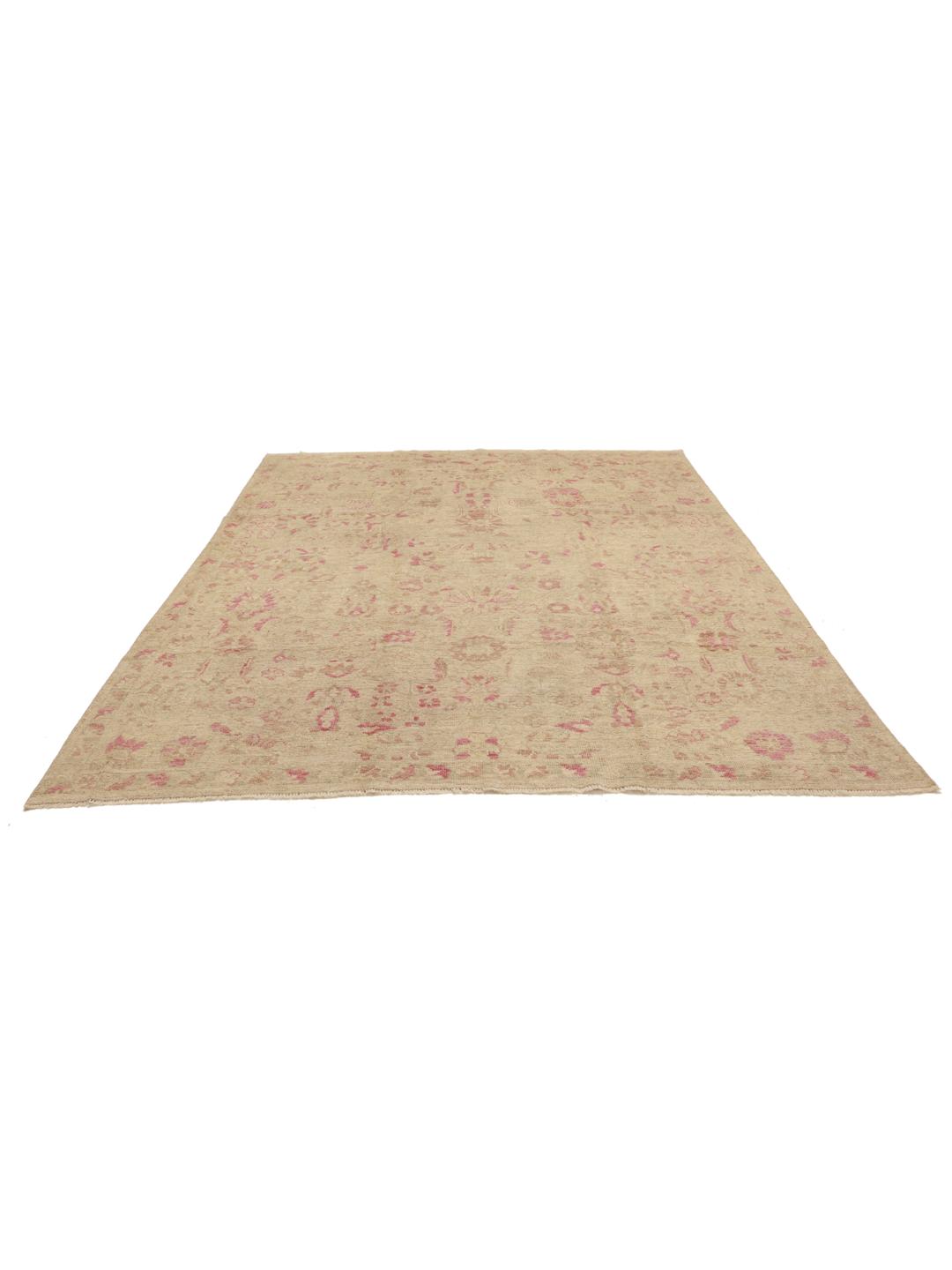
The Usak rug tradition traces its origins back to the town of Uşak in western Turkey, a historic centre of carpet weaving that rose to prominence between the 15th and 17th centuries. Known for their large-scale, bold floral patterns and sophisticated colour palettes, these rugs were highly sought after by European royalty and the elite. Over time, the influence of these designs spread across the Middle East and Central Asia, evolving into the distinct styles we recognise today.
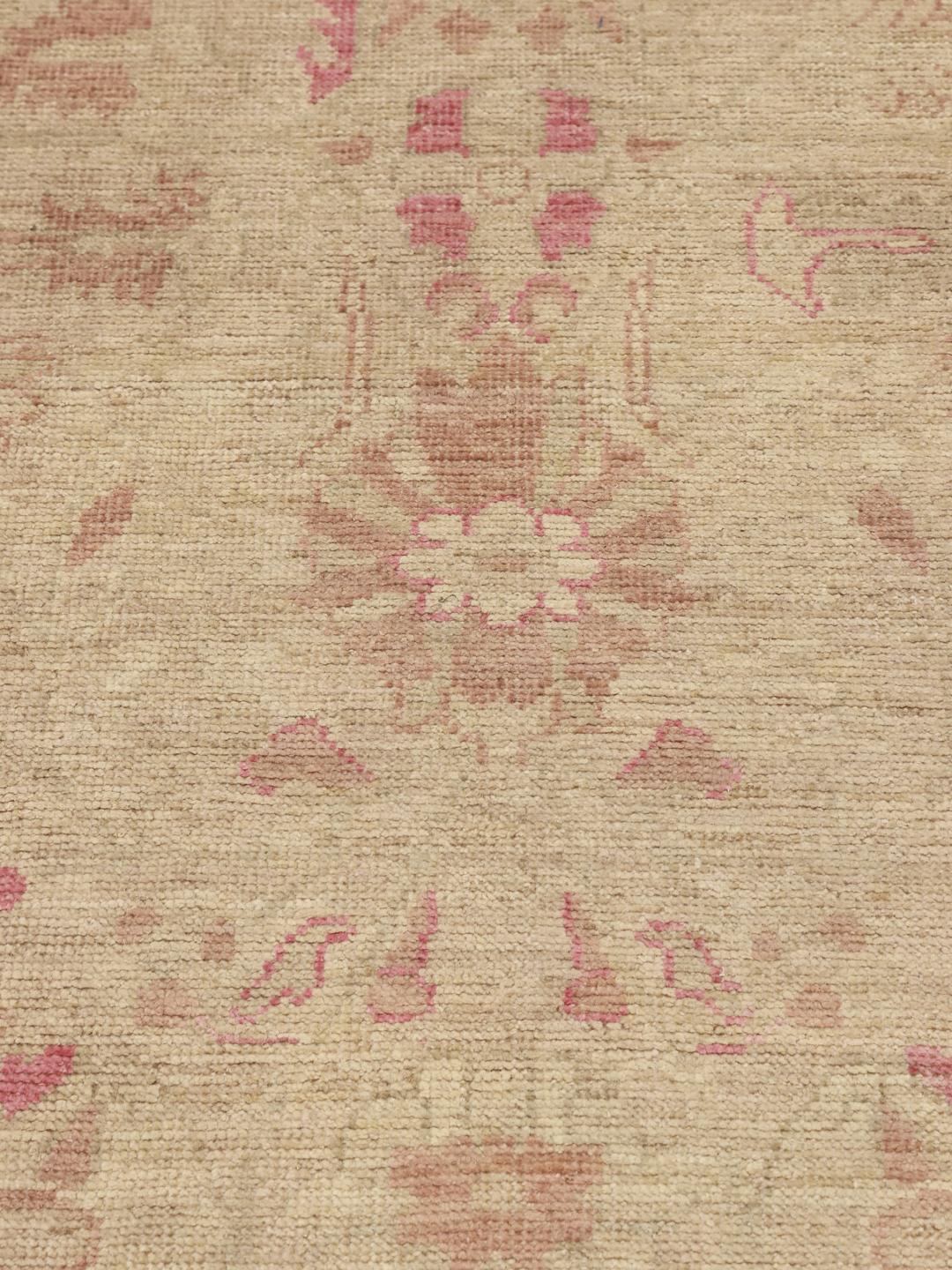
The term Usak refers to a specific design lineage characterised by open fields and large, flowing floral motifs. While the original Turkish rugs were often woven with a specific knotting style that allowed for intricate curves and soft lines, contemporary versions from regions like Afghanistan have adapted these motifs, blending them with local weaving traditions. This evolution has resulted in a style that honours historical aesthetics while embracing the unique materials and techniques of the region.
Signature elements of this tradition include a sense of spaciousness within the design, often featuring large medallions or scattered floral sprays known as 'Boteh' or stylised blooms. The colour palette typically remains grounded in natural, earthy tones, often highlighted by soft reds, blues, or, as seen here, gentle pinks and beiges. These rugs are prized for their ability to look both grand and understated, fitting perfectly into spaces that require a touch of elegance without being overly formal.
Collectors value Usak rugs for their place in the history of textile art. They represent a bridge between the formal, court-inspired designs of the past and the more accessible, decorative rugs of today. Owning a piece from this lineage is an opportunity to connect with a long-standing tradition of beauty and skill, ensuring that your home is furnished with an item that carries genuine cultural weight and enduring aesthetic appeal.