The Usak rug tradition traces its roots back to the historic town of Usak in Western Anatolia, a region renowned for centuries for its contribution to textile history. While the style originated in the Middle East, the craft has evolved and flourished across various regions, including India, where modern artisans have kept the spirit of these designs alive. This migration of technique shows how traditional patterns can find new life and renewed appreciation in different cultural contexts.
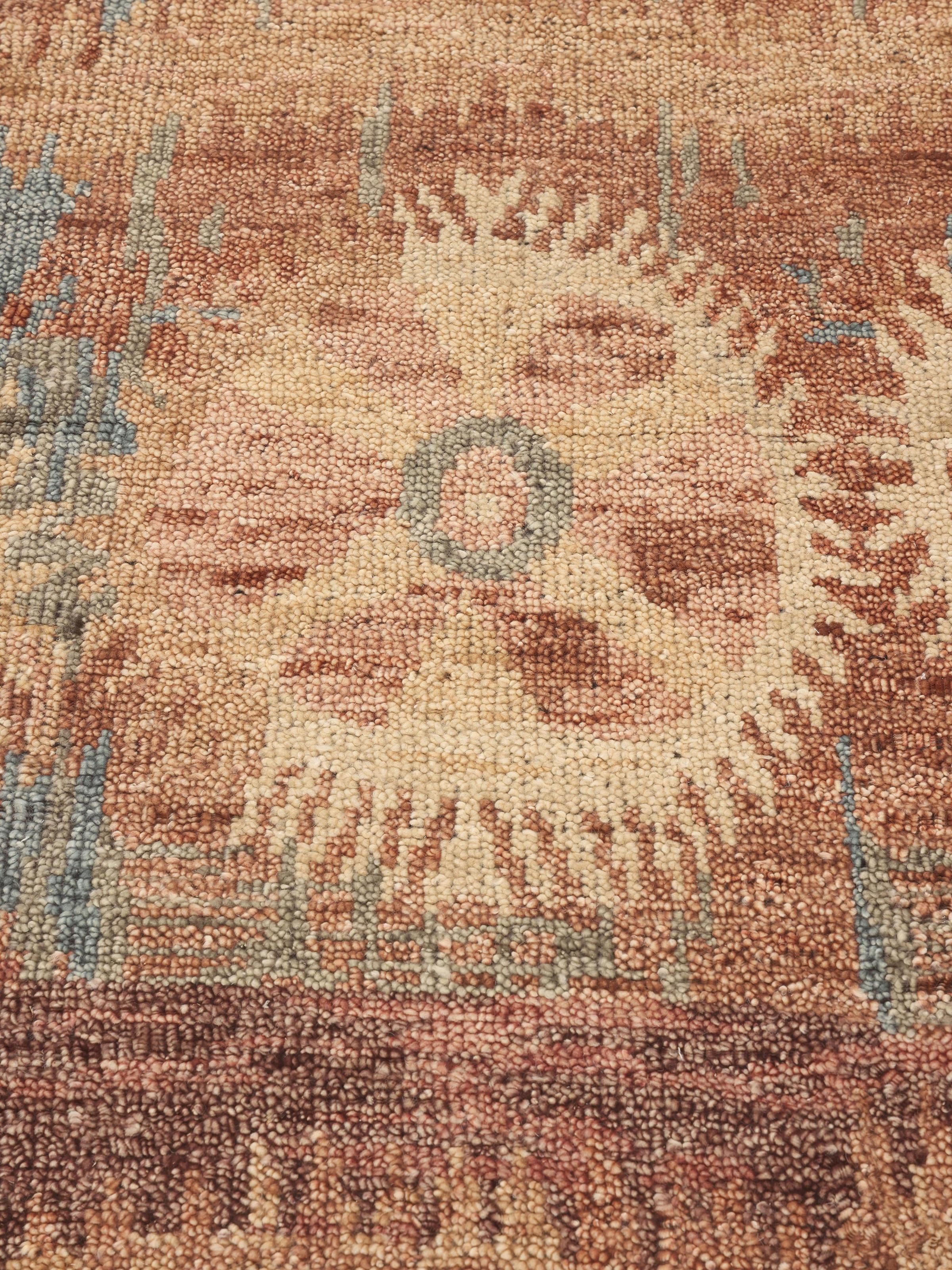
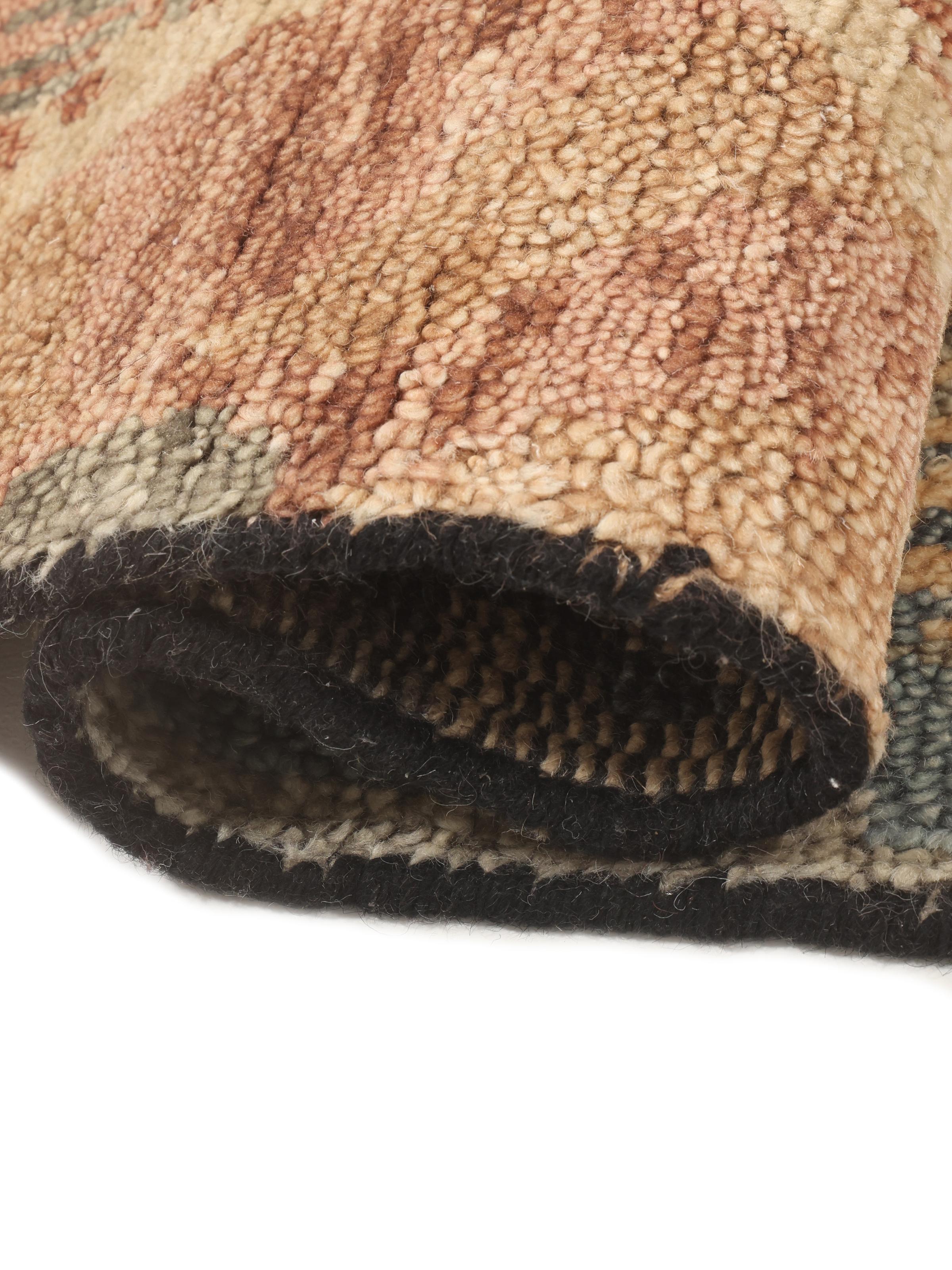
The term Usak refers to a specific aesthetic lineage known for its grand scale and focus on artistic expression. These rugs are often celebrated for their generous, open compositions and their ability to blend traditional motifs with a more relaxed, approachable style. The craft relies on the use of high-quality natural fibres, which provide the longevity and characteristic sheen that collectors look for in a piece of this calibre.
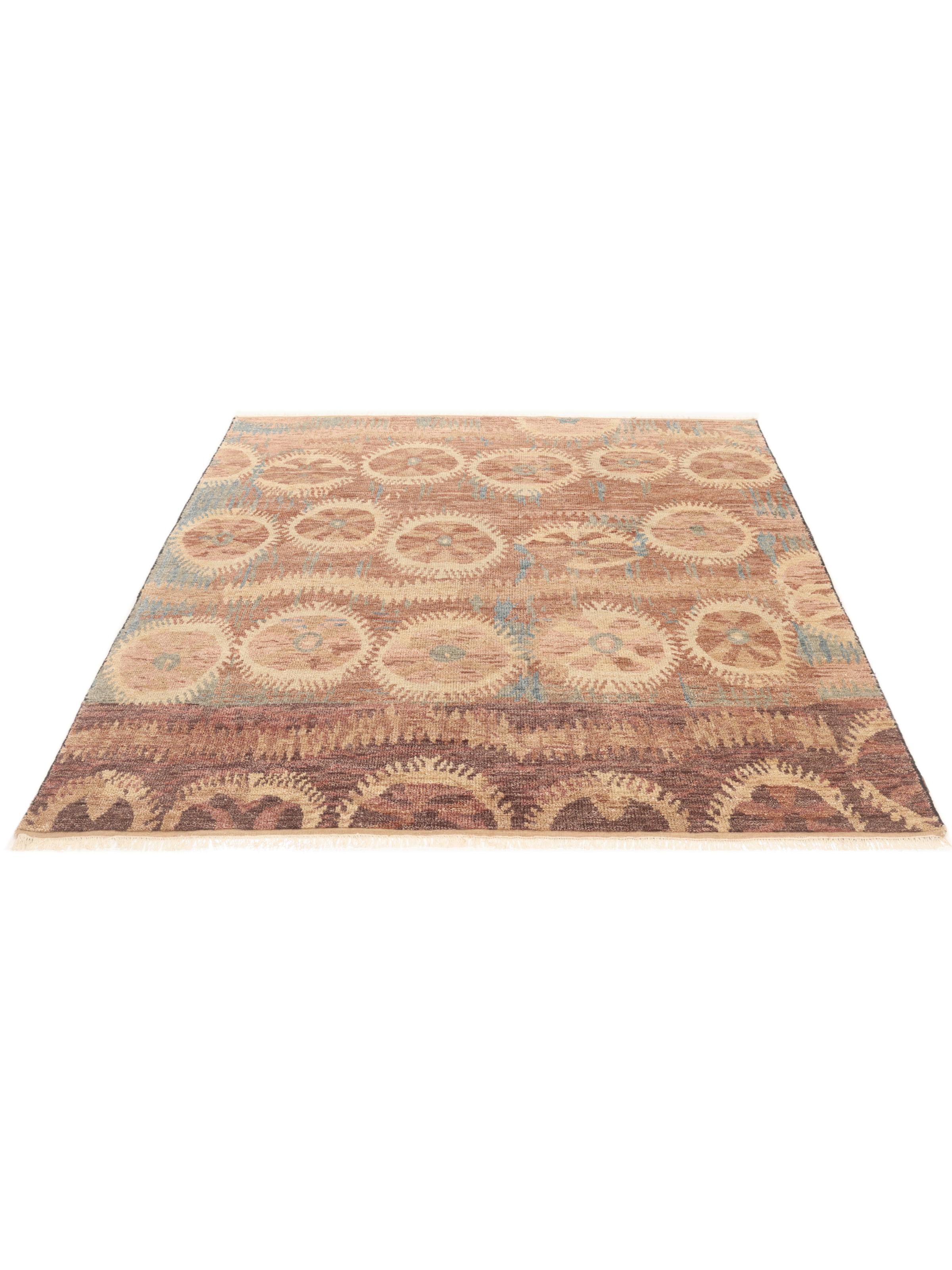
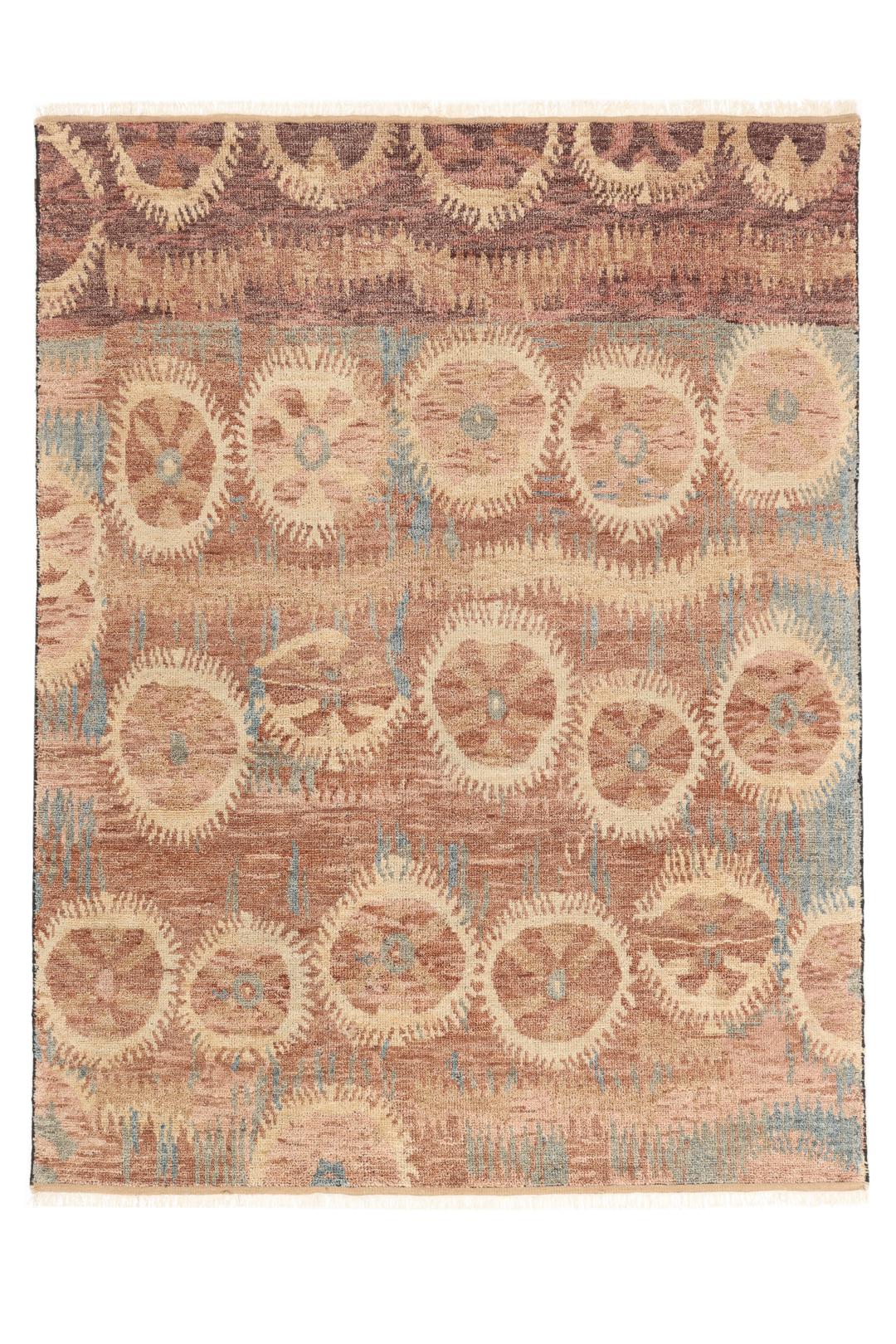
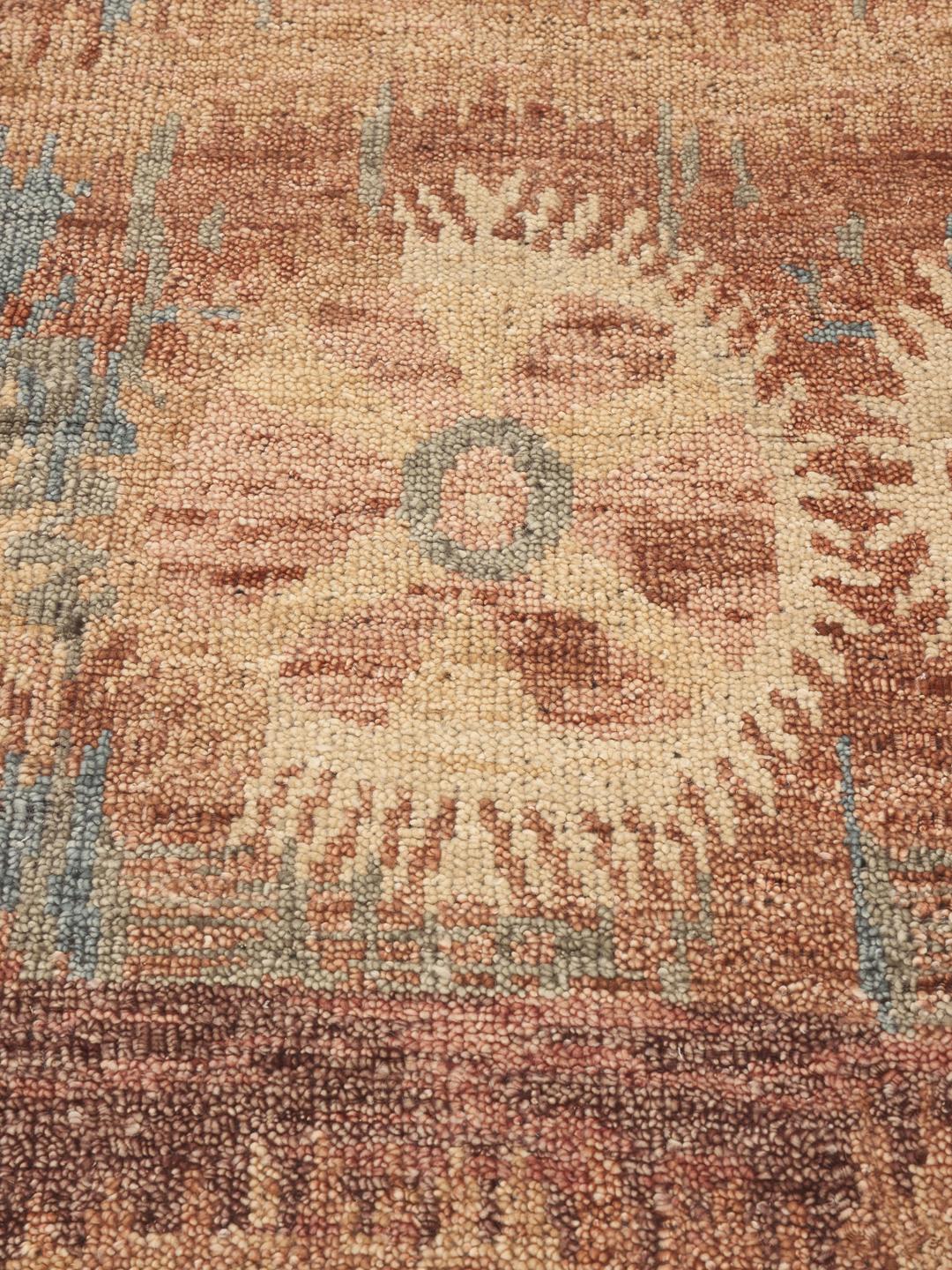
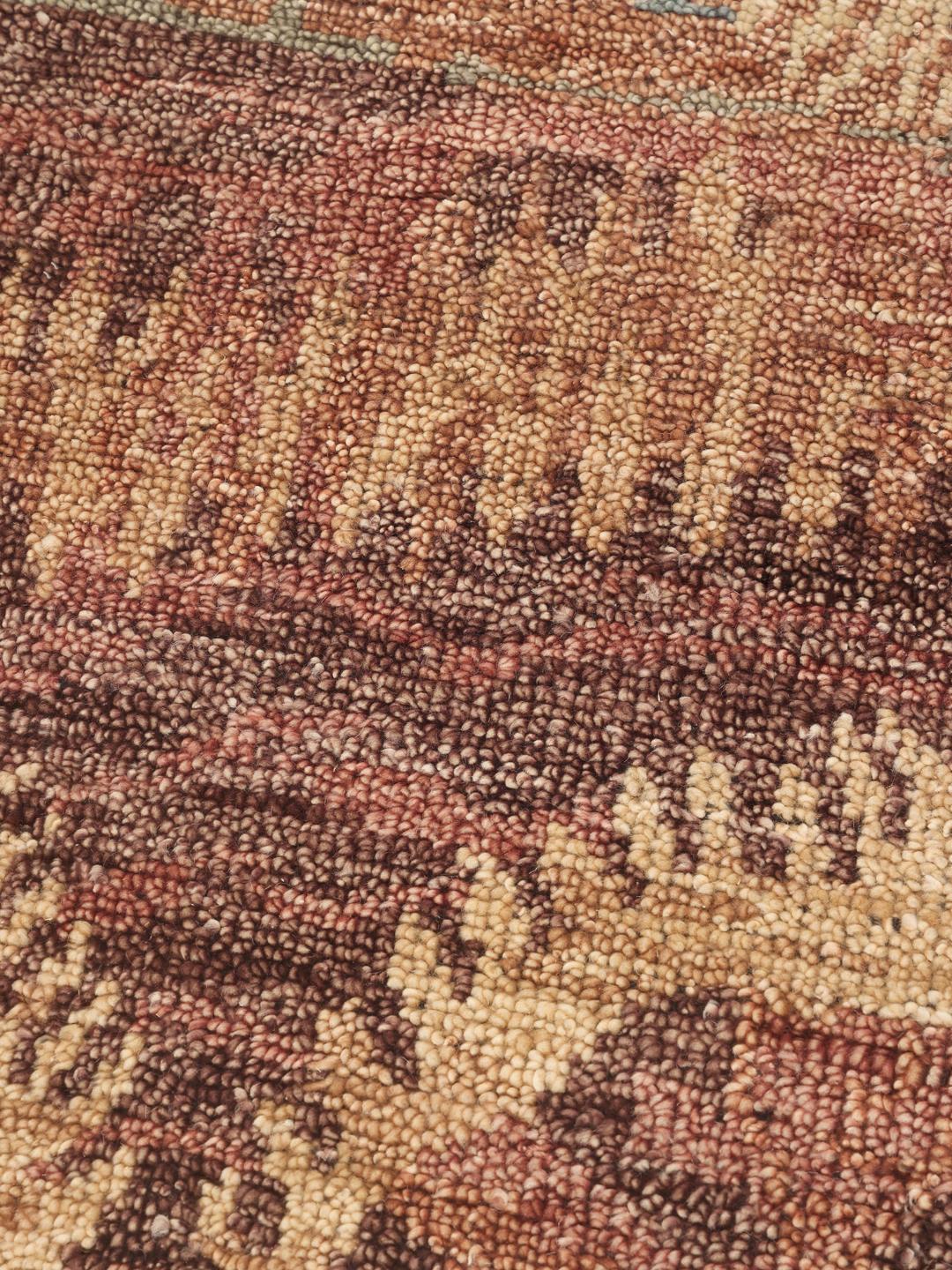
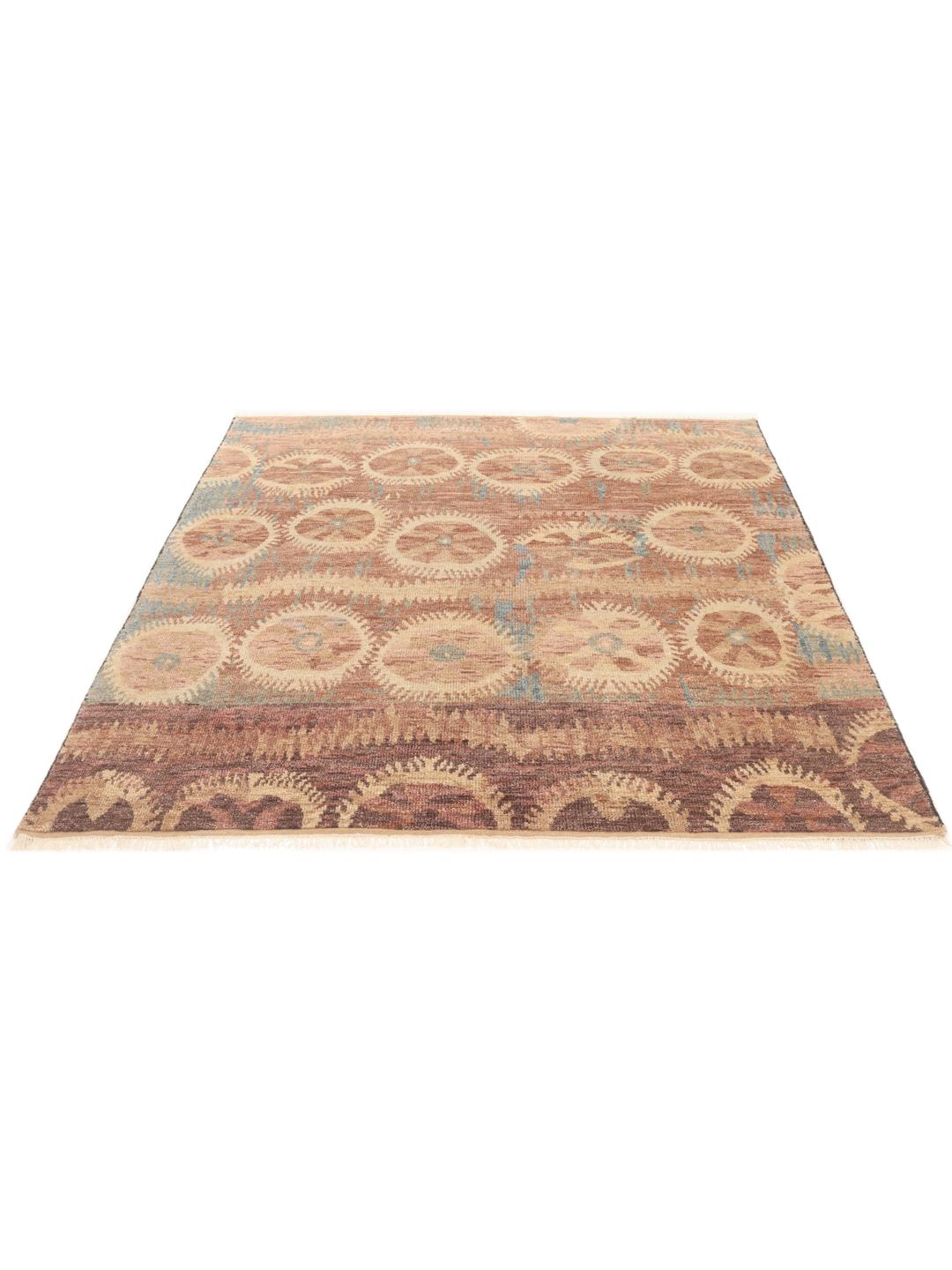
Visually, these rugs are often defined by their large-scale patterns, such as medallions or stylized floral motifs that repeat across the field. Unlike more rigid, geometric styles, the Usak tradition often favours a more organic, fluid approach to design. The colour palettes are typically warm and inviting, often utilising dyes that create a soft, muted look, which allows the pattern to feel balanced rather than overwhelming in a room.
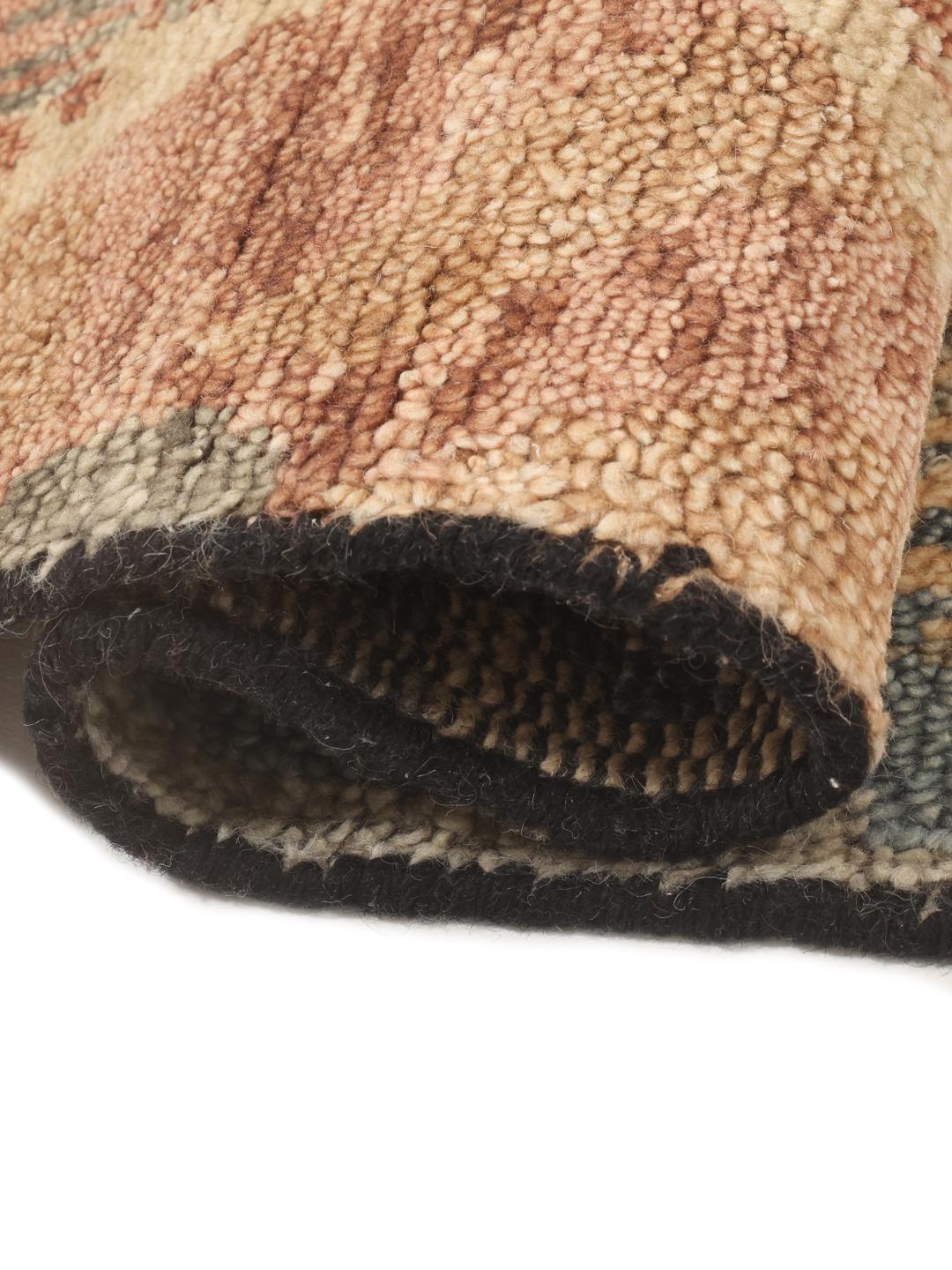
Owning a piece from this tradition is an opportunity to connect with a long history of textile mastery. These rugs are highly valued for their ability to bridge the gap between historical craft and contemporary living. By bringing one into your home, you are not just adding a floor covering, but a piece of cultural heritage that showcases the skill of the hand-knotted process and the enduring appeal of classic design motifs.