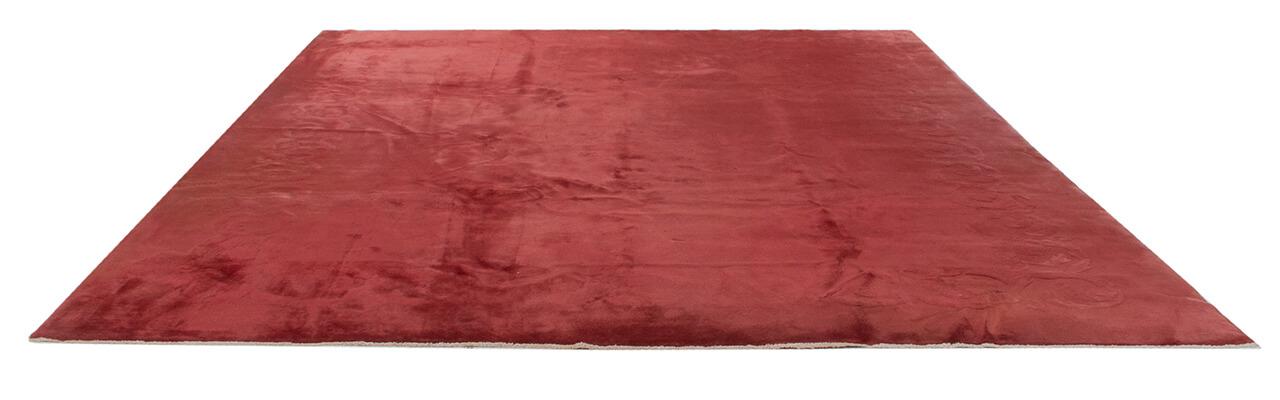
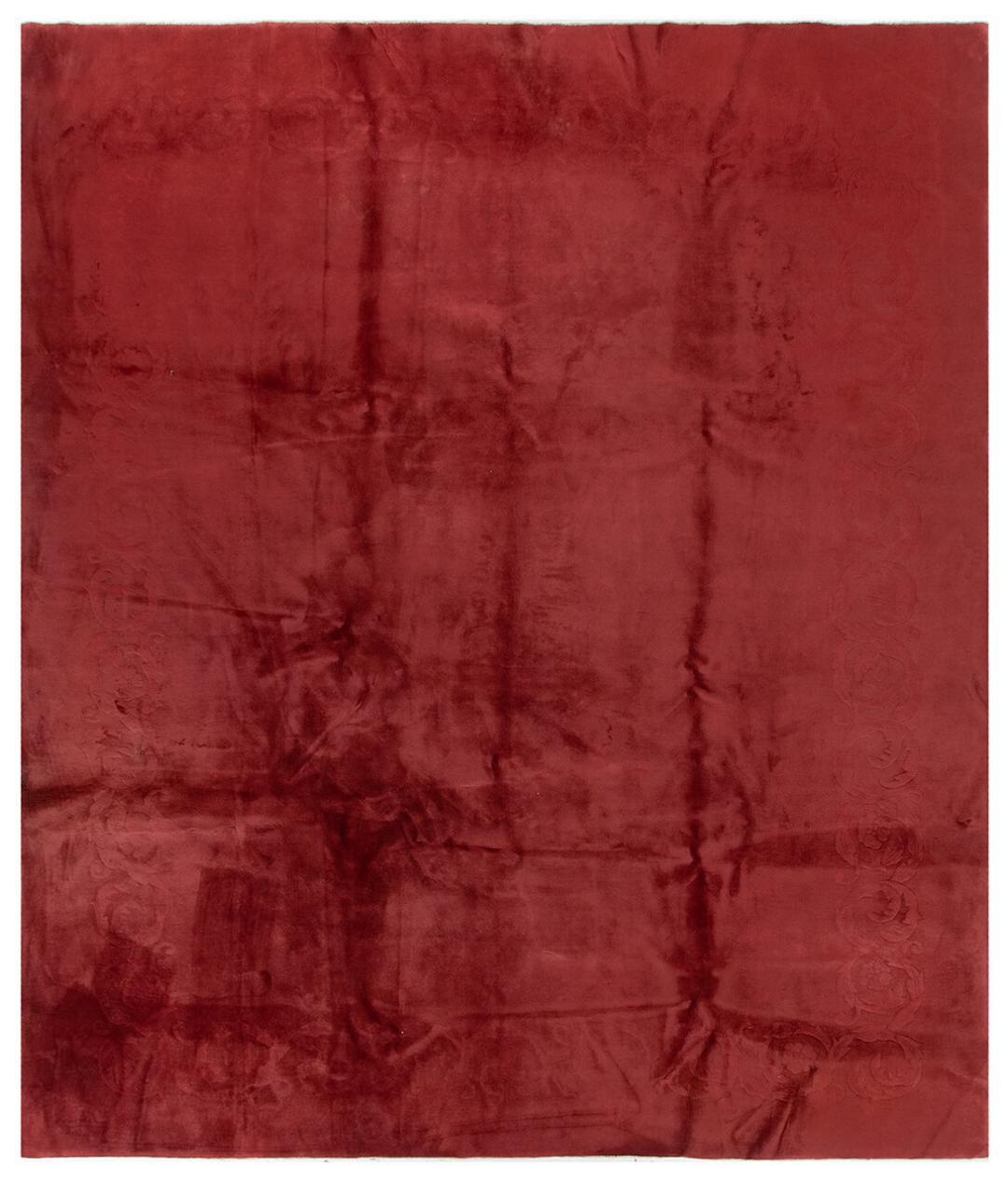
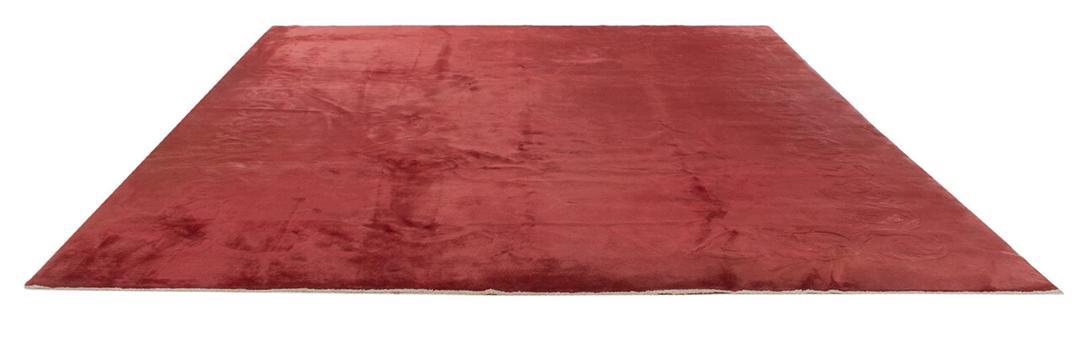
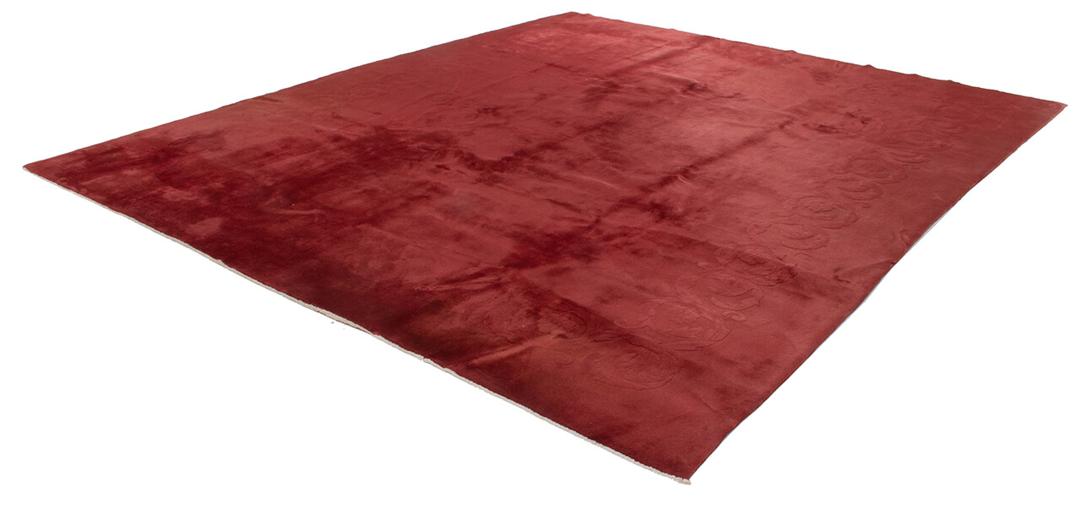
The tradition of Chinese rug-making reaches back centuries, but the early 20th century marked a distinct evolution with the emergence of the Art Deco style. Nichols rugs, originating from the workshops of Walter Nichols in Tientsin during the 1920s and 30s, represent a pivotal moment where traditional Chinese motifs met the modern, geometric sensibilities of the West.
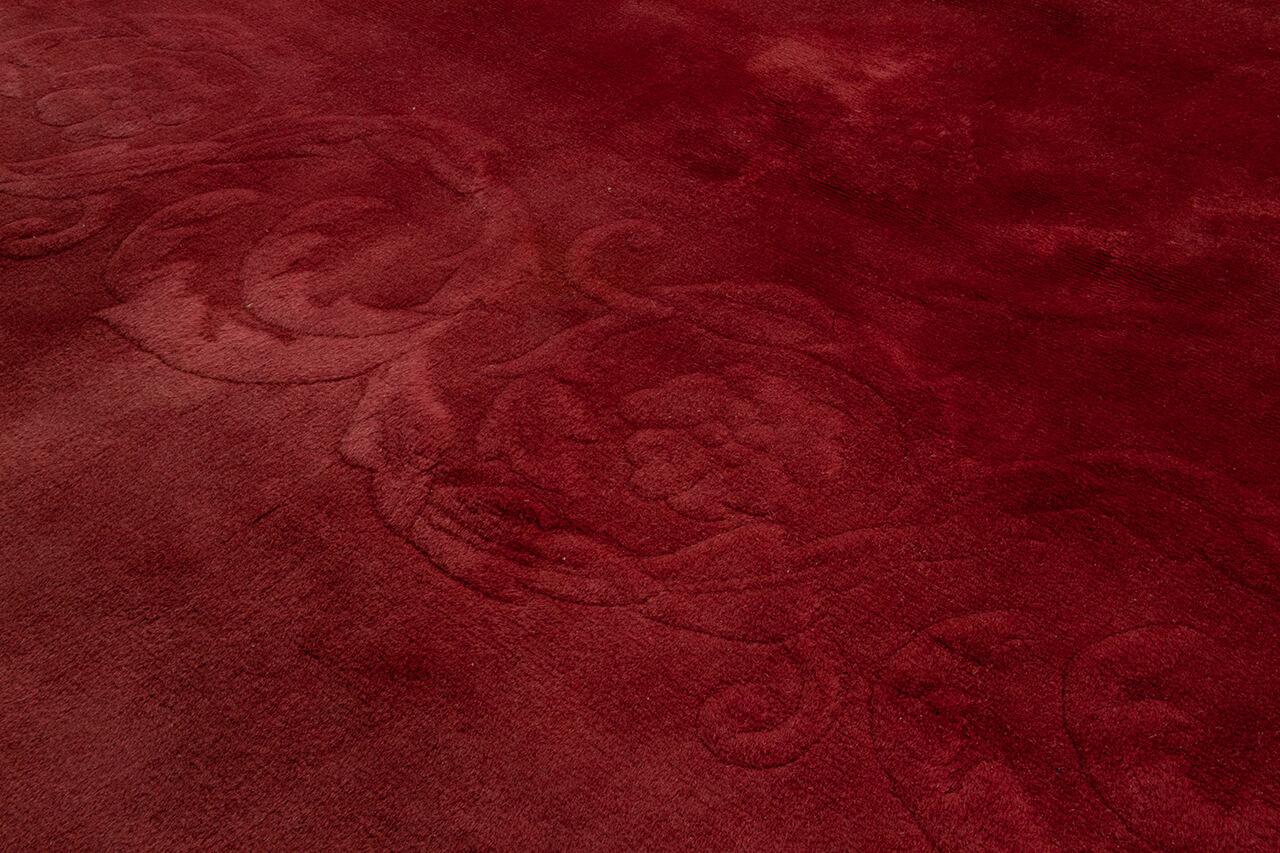
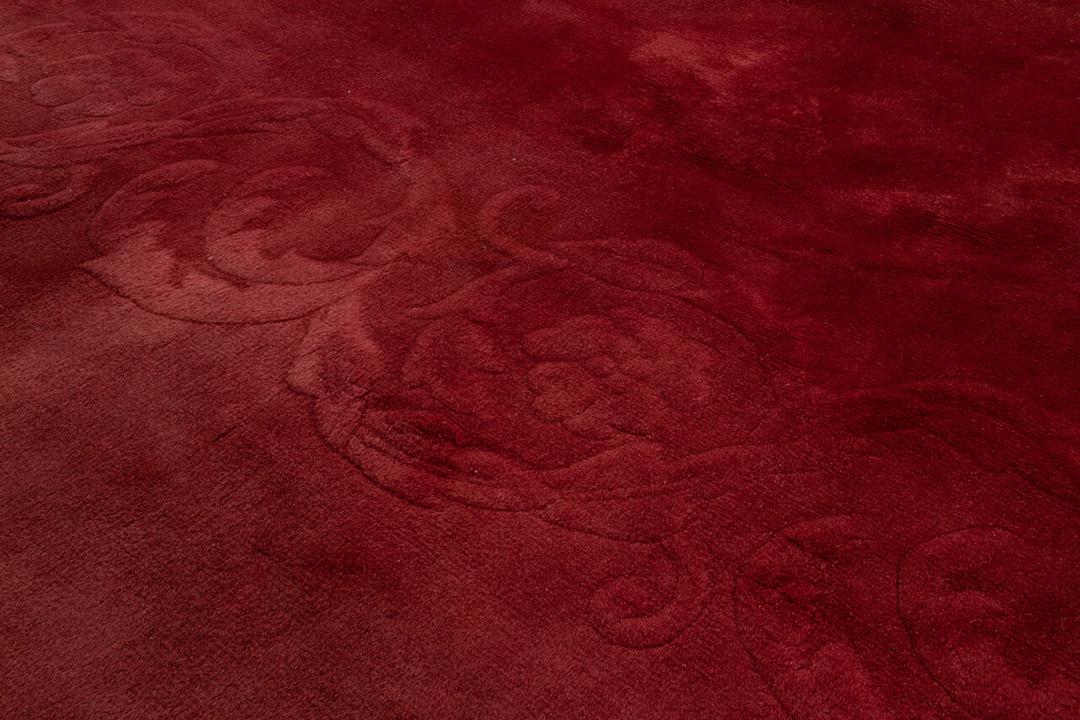
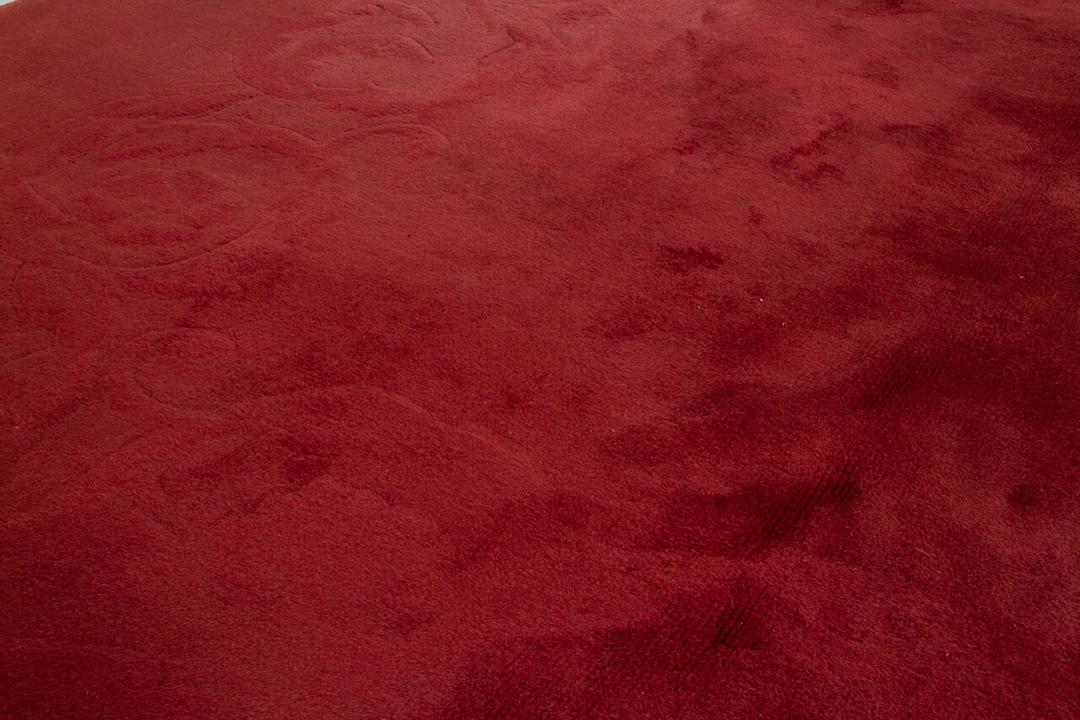
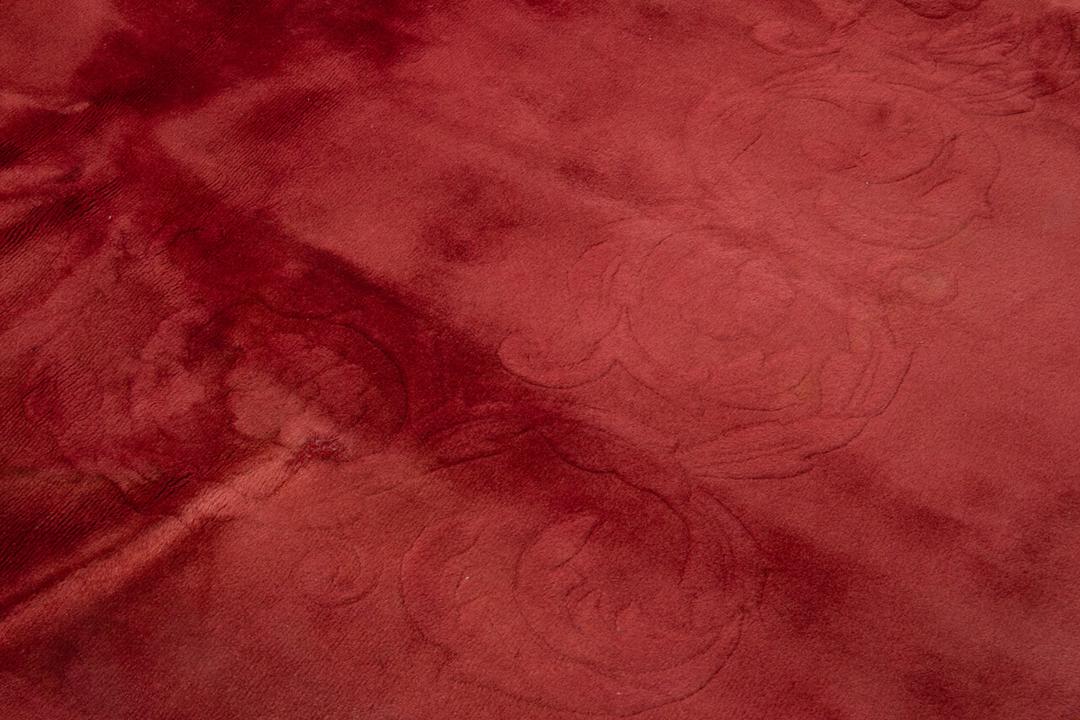
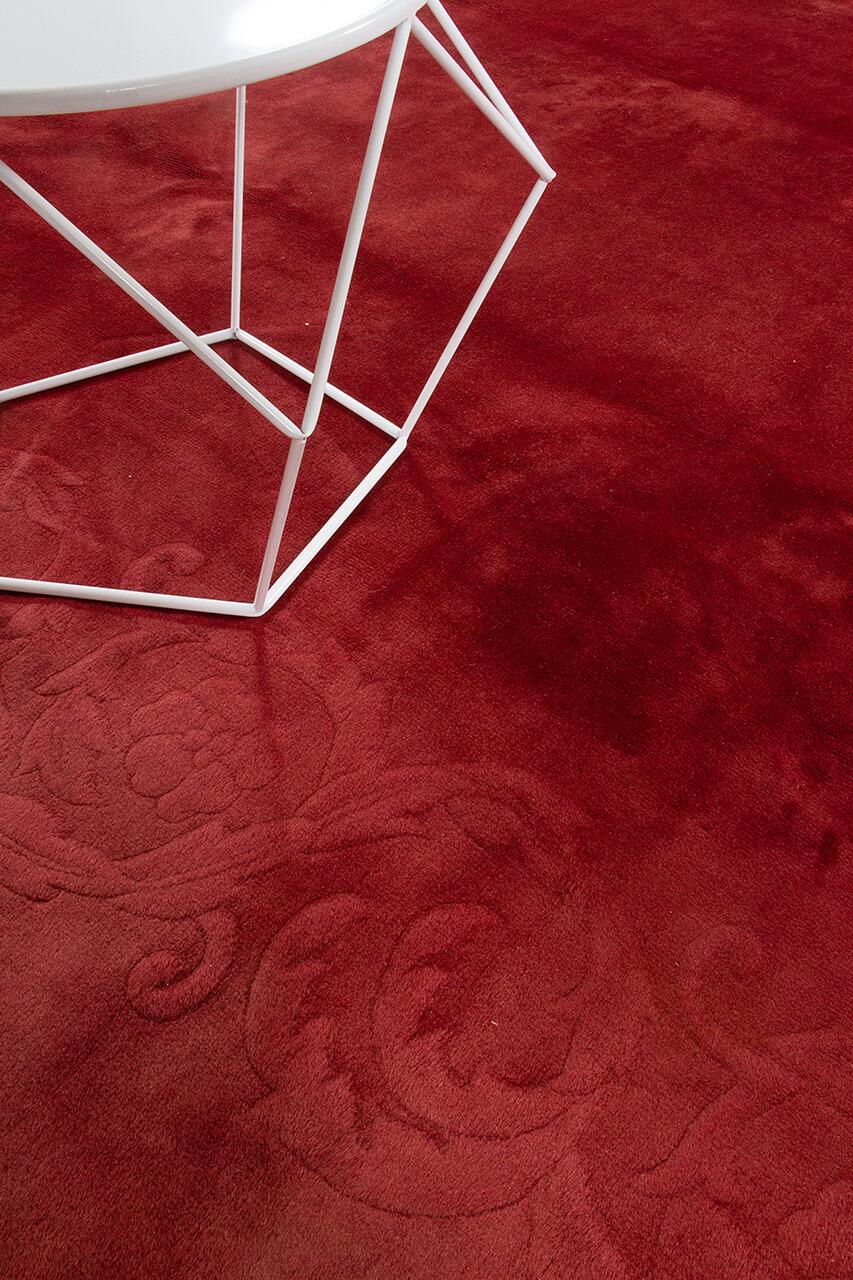
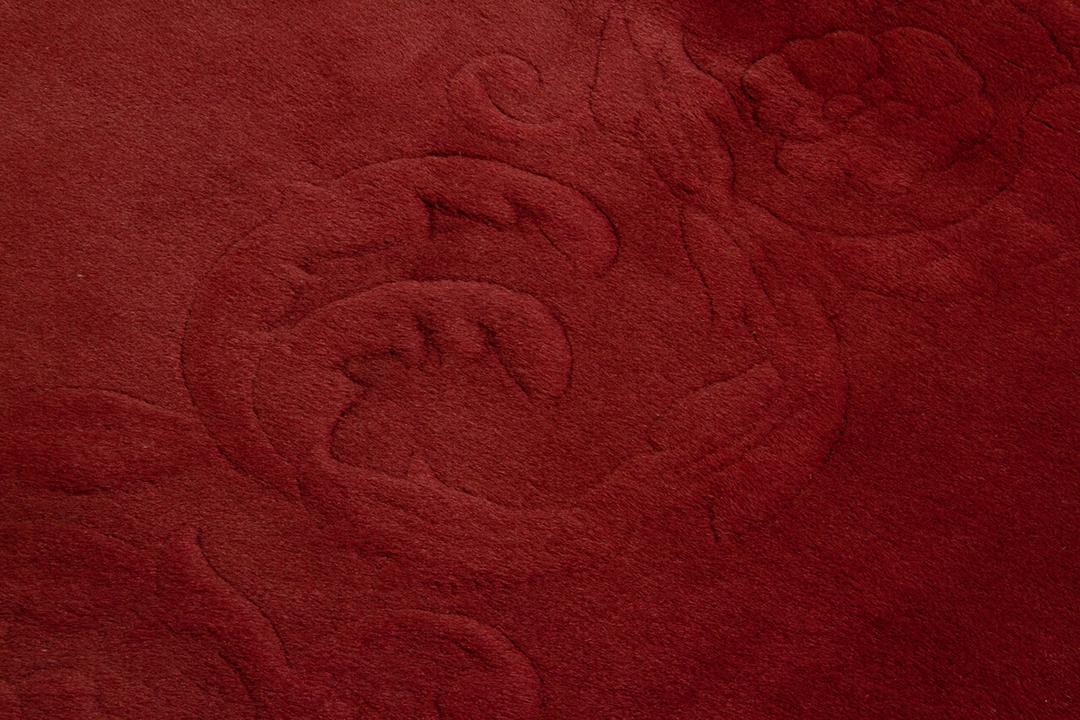
The technical construction of these rugs is defined by their dense, high-quality pile and a specific, luxurious aesthetic that set them apart from other regional styles. The use of premium, long-staple Wool, often featuring a distinct, slightly recessed carving technique, creates a relief-like effect that adds depth and sophistication to the design, making these rugs highly prized for their sculptural quality.
Signature design elements of the Nichols style often include simplified floral motifs, such as peonies or lotus blossoms, placed against large, open fields of solid, vibrant colours. These designs were a departure from the crowded, intricate patterns of earlier periods, embracing a cleaner, more balanced look that perfectly complemented the architectural trends of the Art Deco movement.
Today, these antique pieces are considered significant collector items, valued not only for their beauty but for their historical importance in bridging Eastern and Western design traditions. Owning a Nichols rug is an opportunity to preserve a piece of design history, offering a rare blend of cultural heritage, artistic skill, and enduring, high-quality craftsmanship.