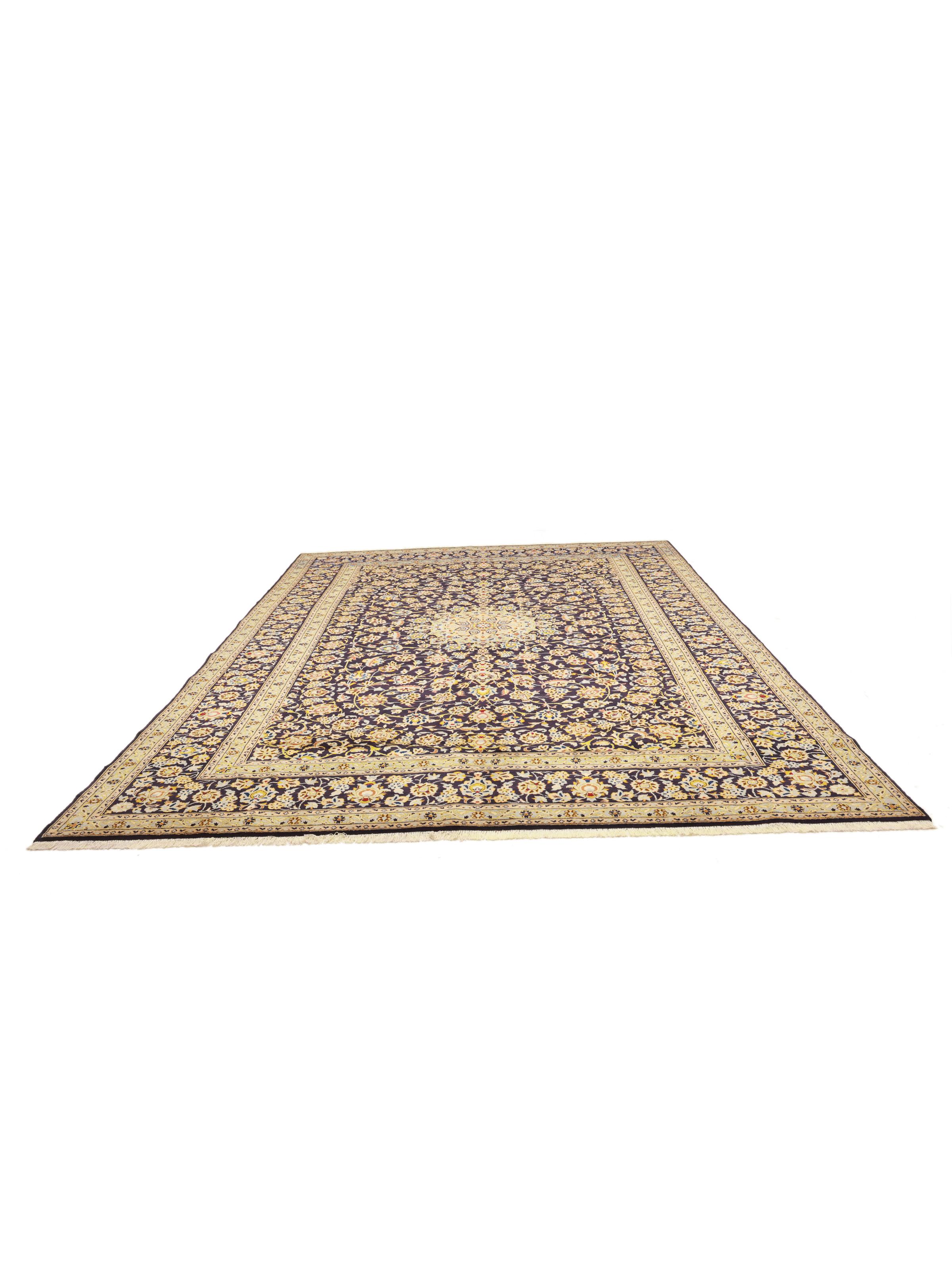
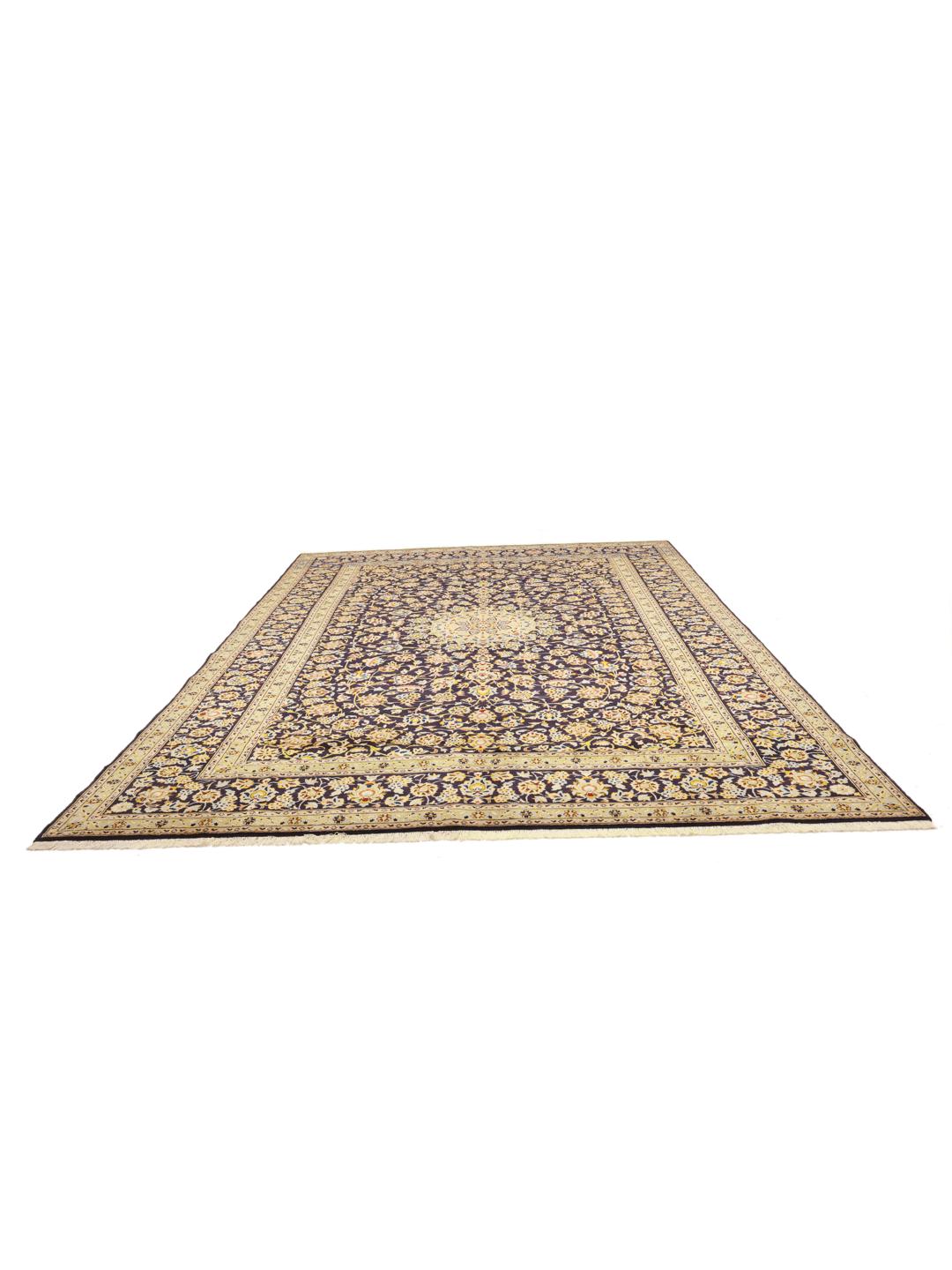
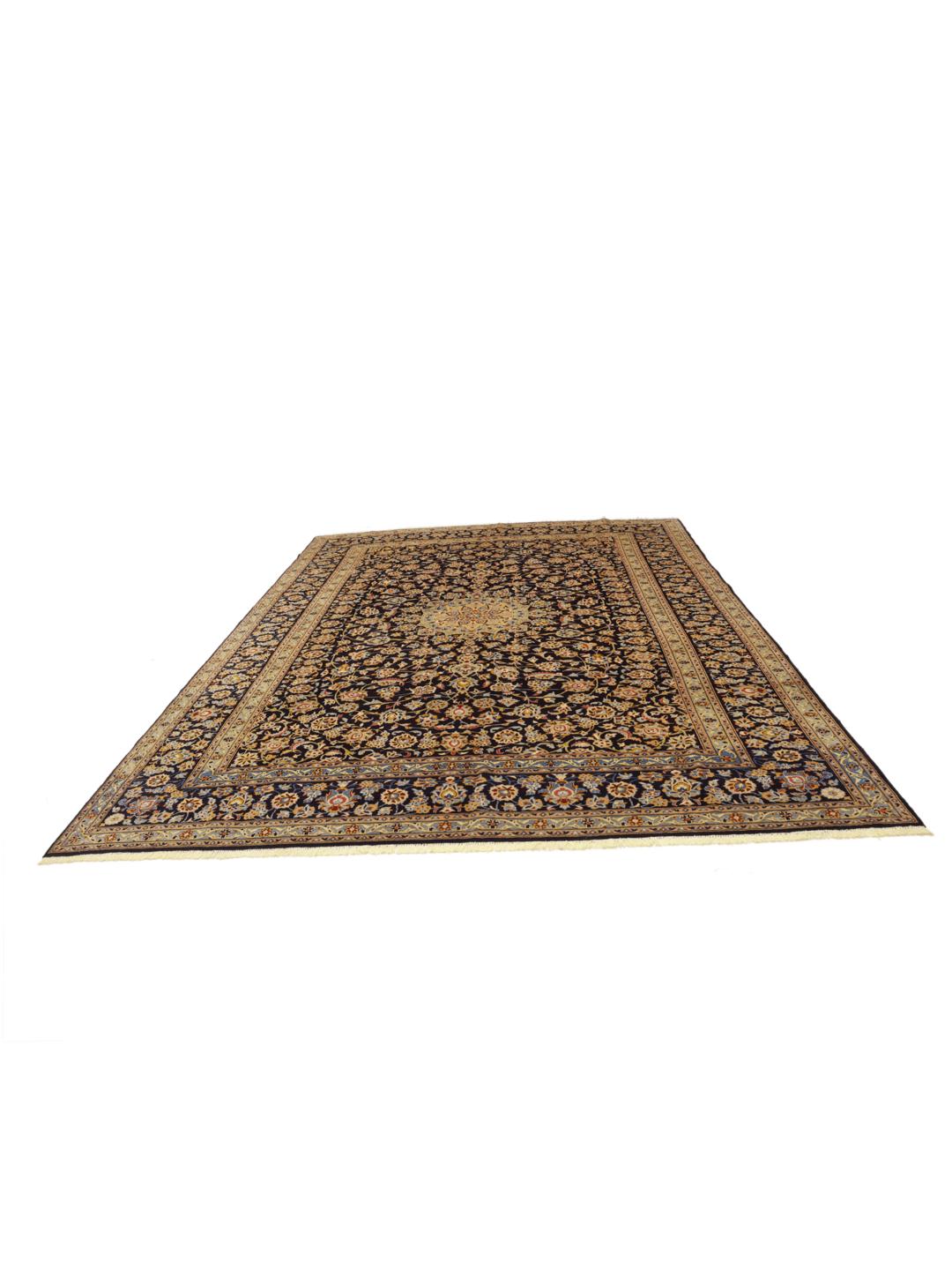
Najafabad rugs originate from a city located in the central part of the Middle East, a region with a storied legacy of rug production that stretches back centuries. The city of Najafabad is renowned for its ability to produce rugs that balance traditional aesthetic values with a distinct local identity. These rugs often serve as a testament to the cultural evolution of the region, where design motifs are passed down through generations of families who have dedicated their lives to the art of the loom.
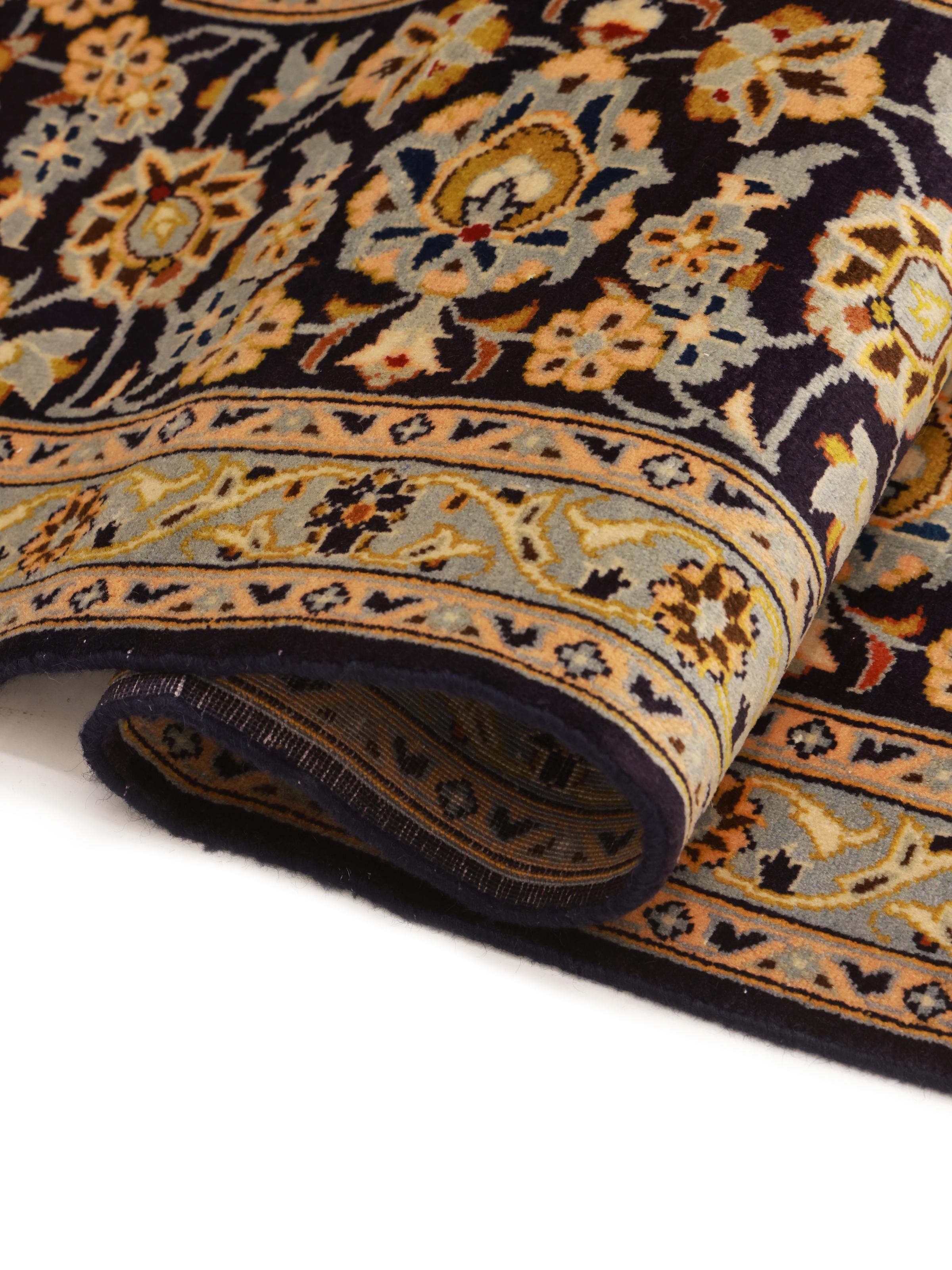
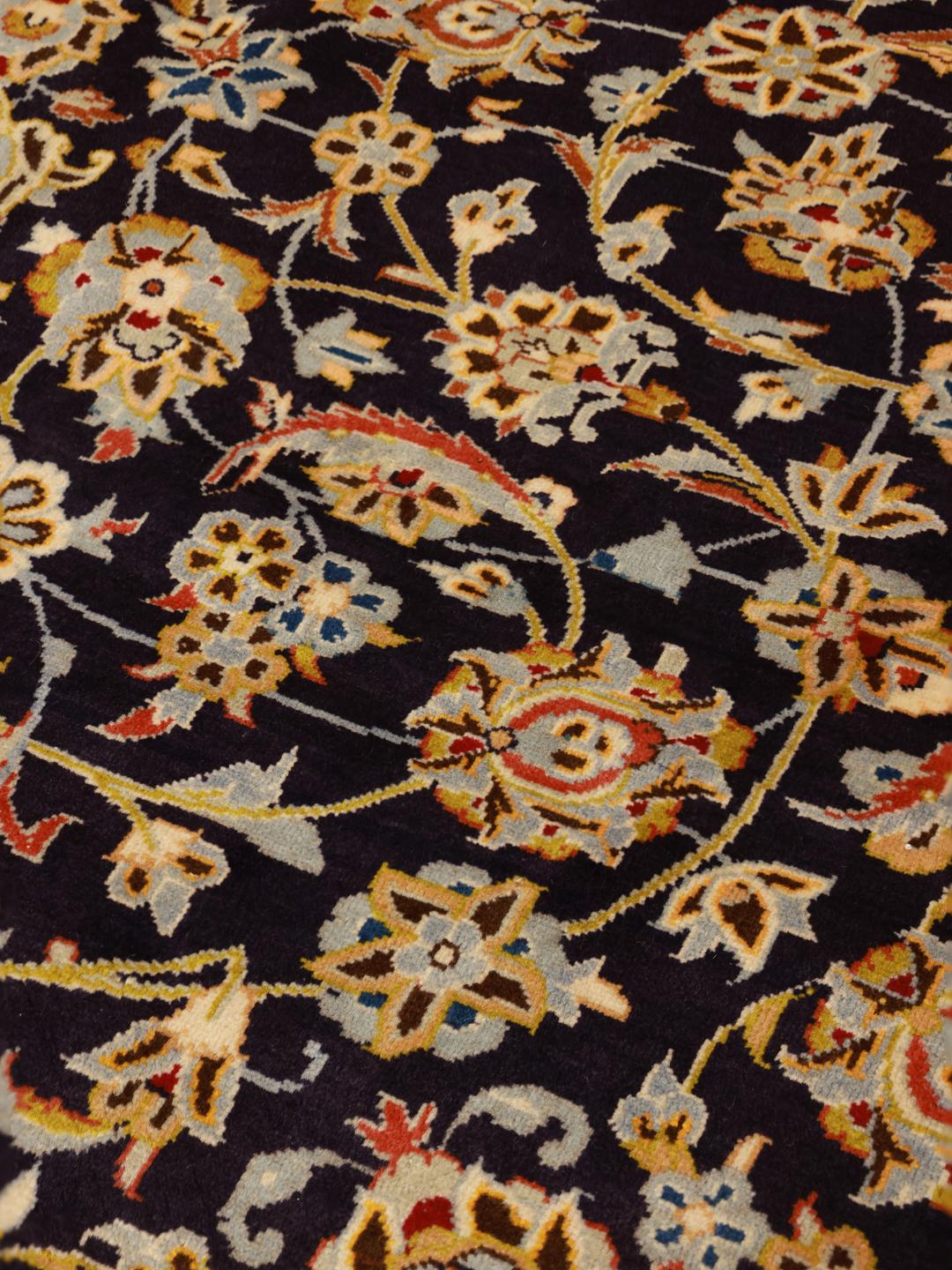
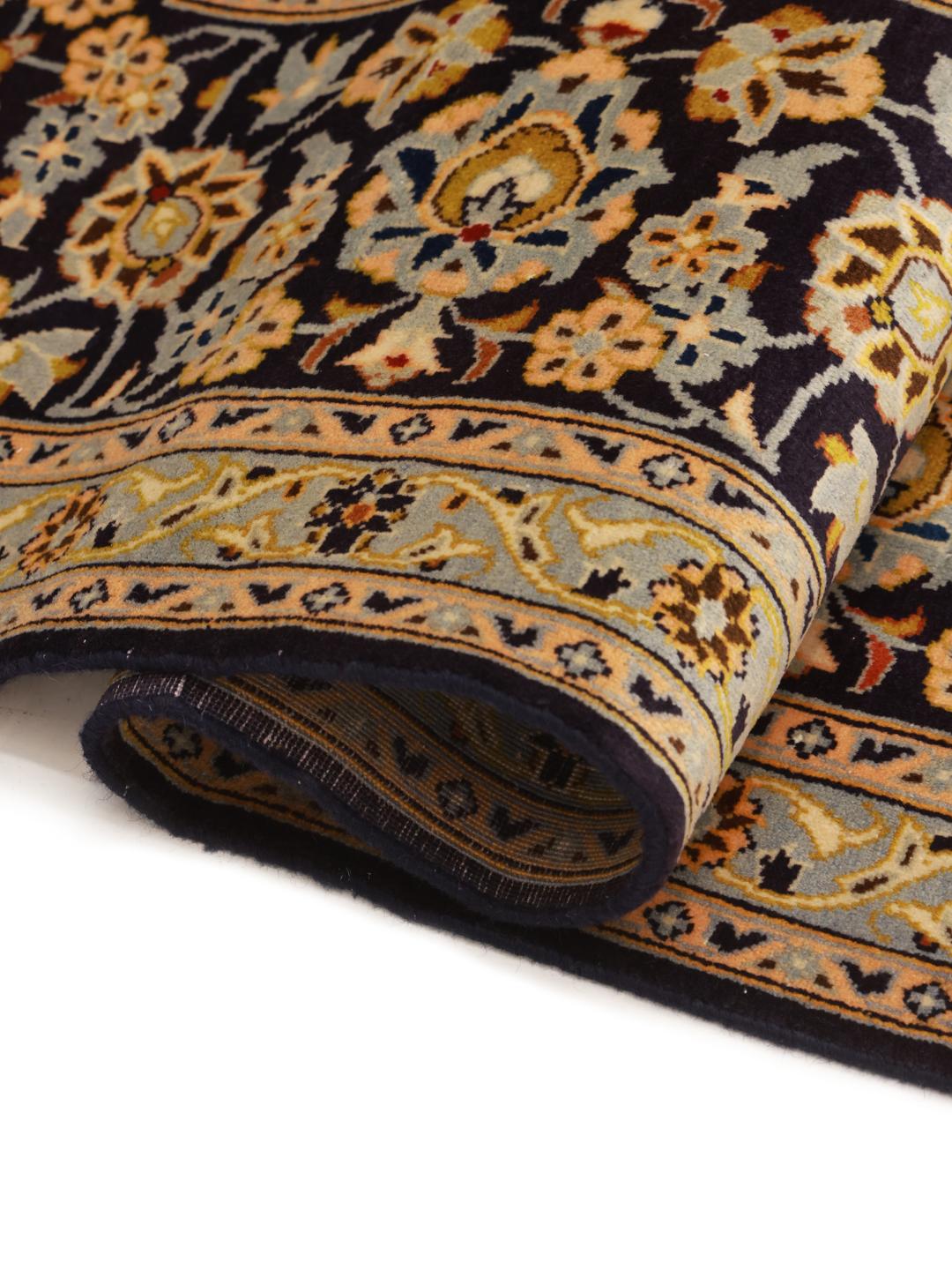
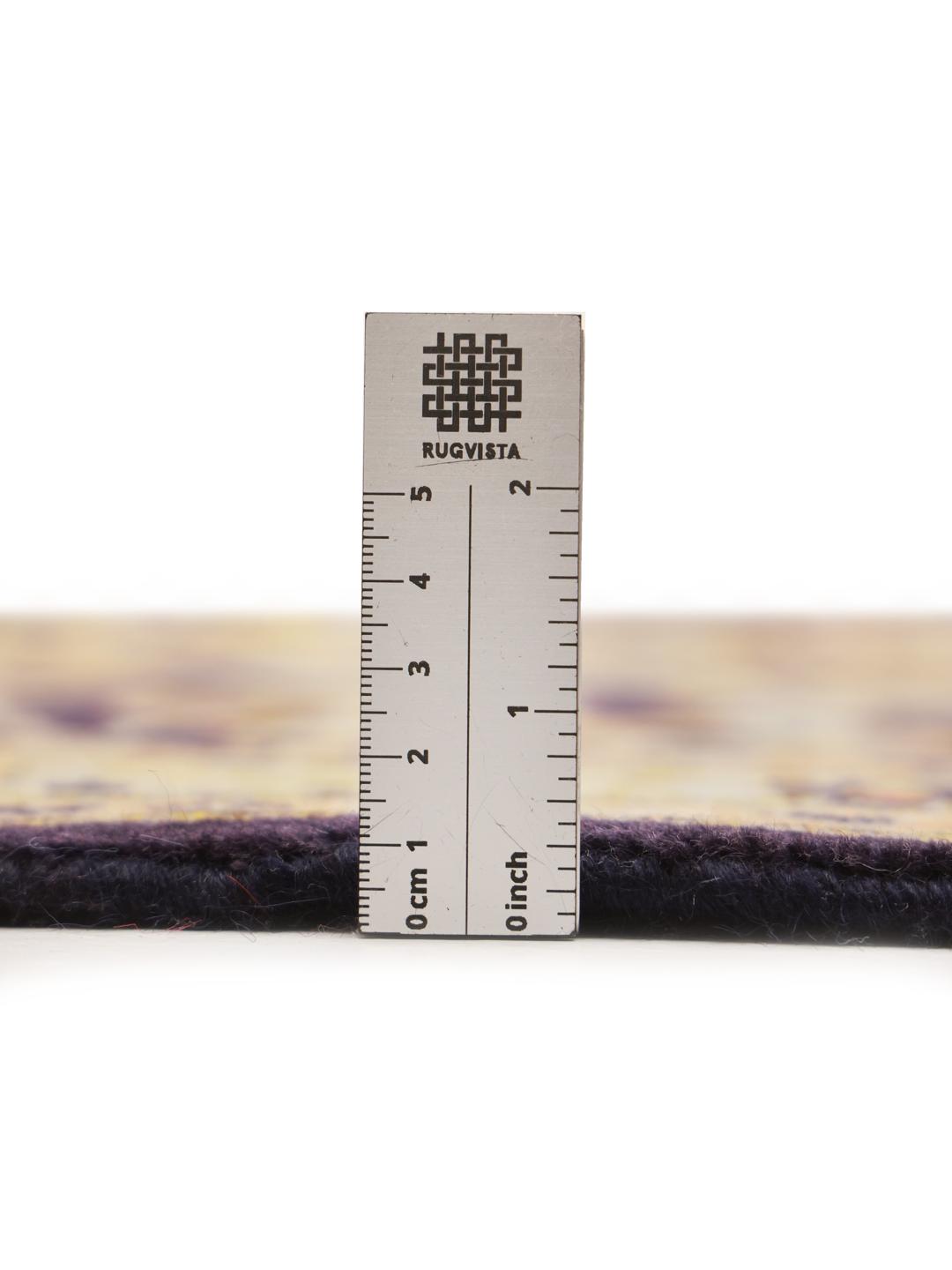
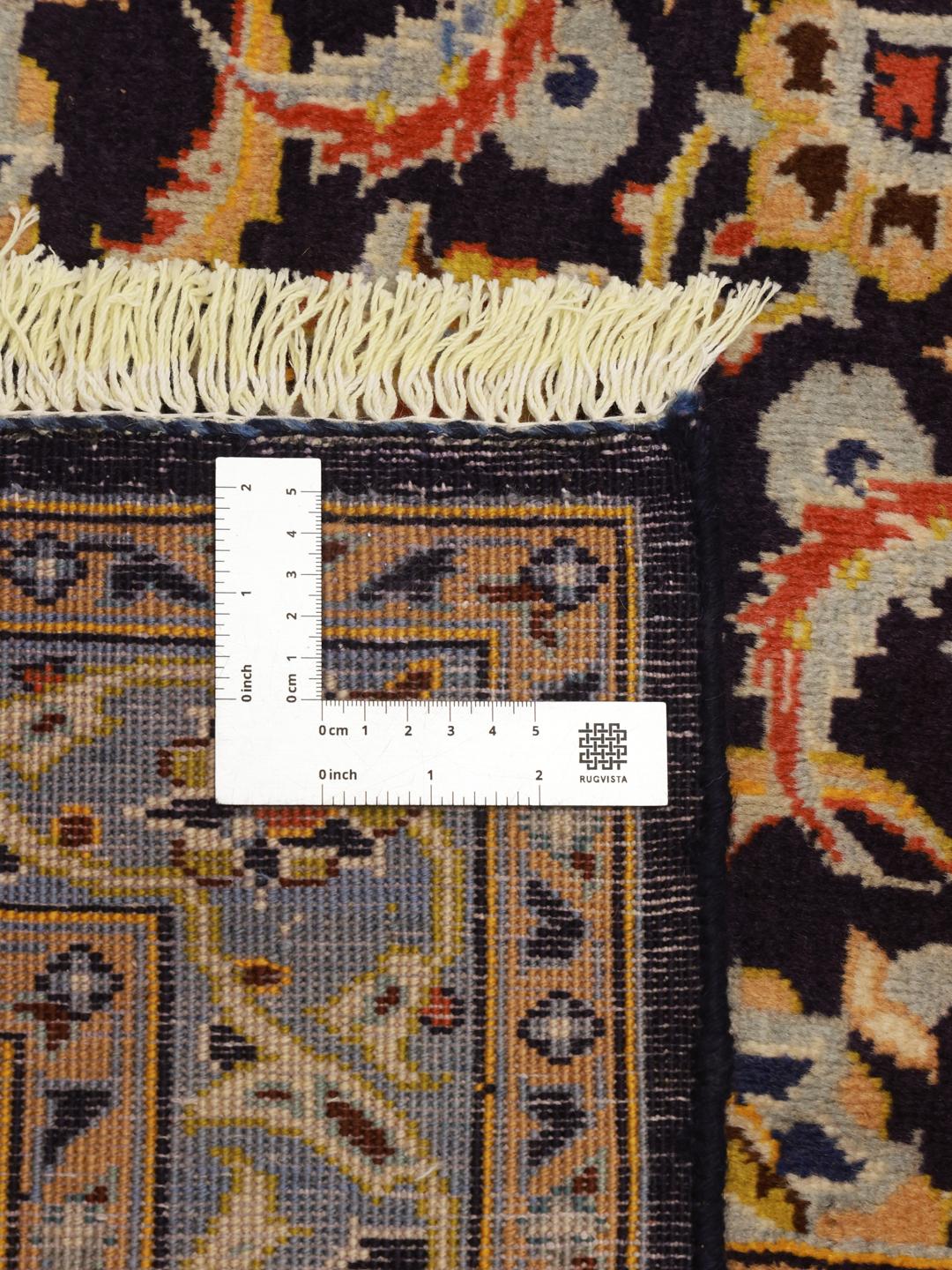
The technical quality of a Najafabad rug is rooted in the use of high-quality wool, which is carefully processed to ensure a soft yet durable finish. The term 'hand-knotted' here refers to the precise, manual technique where every knot is secured by hand, creating a structure that is both flexible and incredibly strong. This method is fundamental to the prestige of these rugs, as it allows for the complex, curvilinear patterns that define the style, which would be impossible to achieve with modern, automated methods.
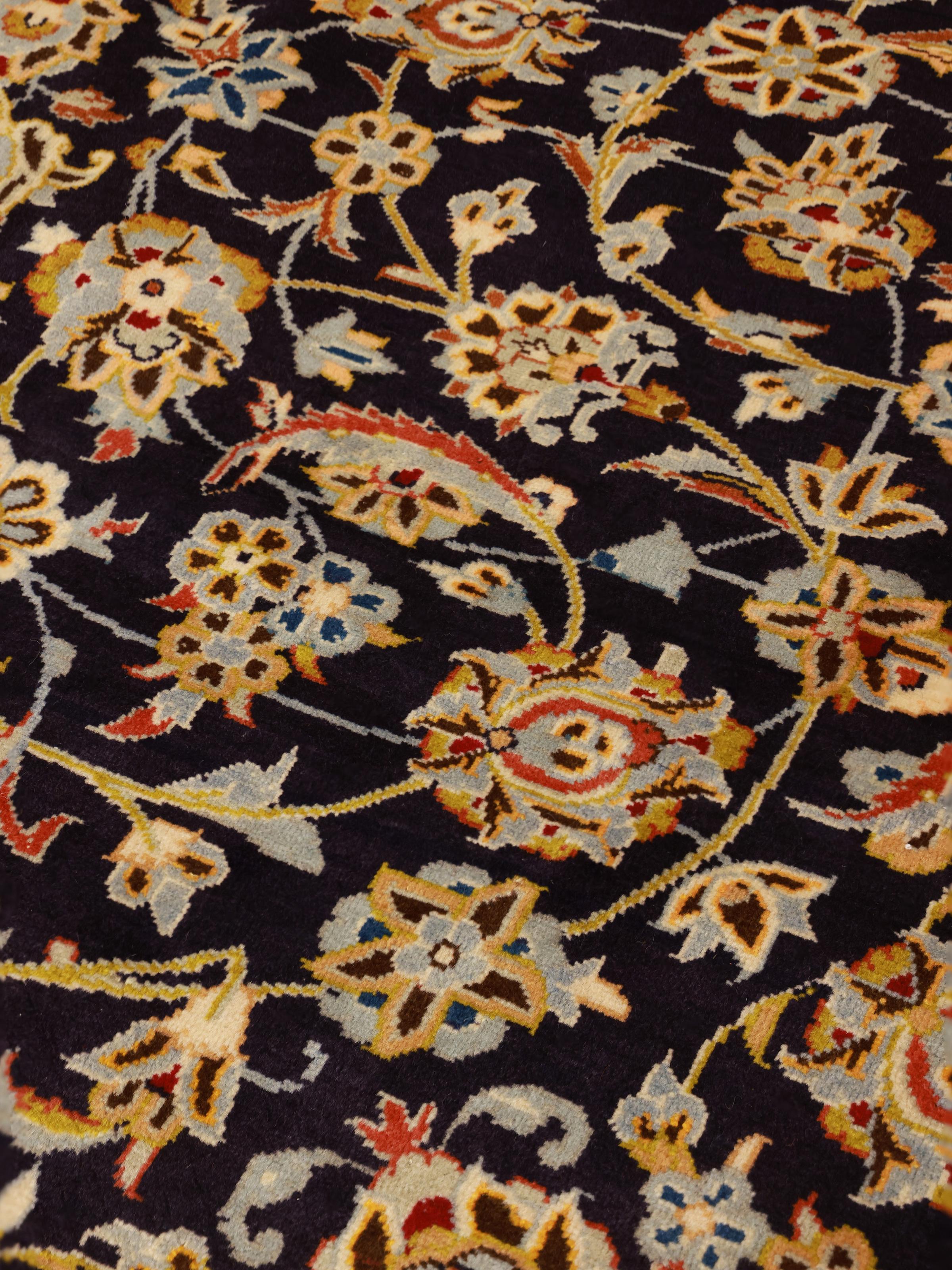
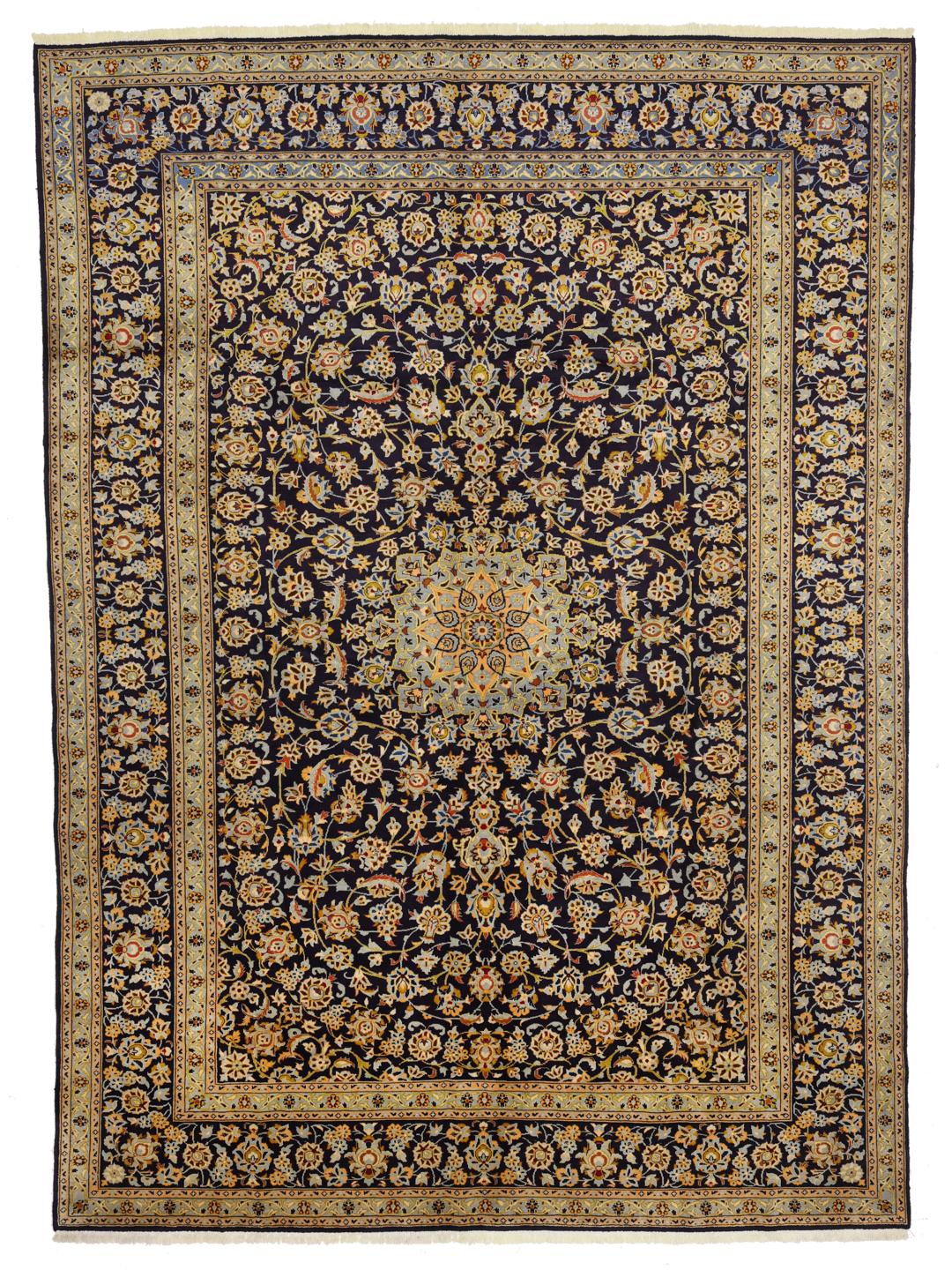
Visually, these rugs are celebrated for their classic medallion designs, often surrounded by a dense field of Shah Abbasi floral motifs. These patterns are inspired by the royal gardens of the past, featuring stylised palmettos, lotus flowers, and swirling vines that create a sense of harmony and organic movement. While the dark-blue field is a signature look, the interplay of lighter, contrasting tones in the floral work adds depth and luminosity, creating a sophisticated visual balance.
Collecting a Najafabad rug is a commitment to preserving a piece of cultural history. These rugs are highly valued not only for their aesthetic appeal but also for the immense skill required to produce them. Owning one is an investment in human creativity and heritage, providing a sense of permanence and depth to a home. For the discerning buyer, these pieces represent the pinnacle of traditional craftsmanship, offering a level of authenticity that remains timeless in an increasingly automated world.