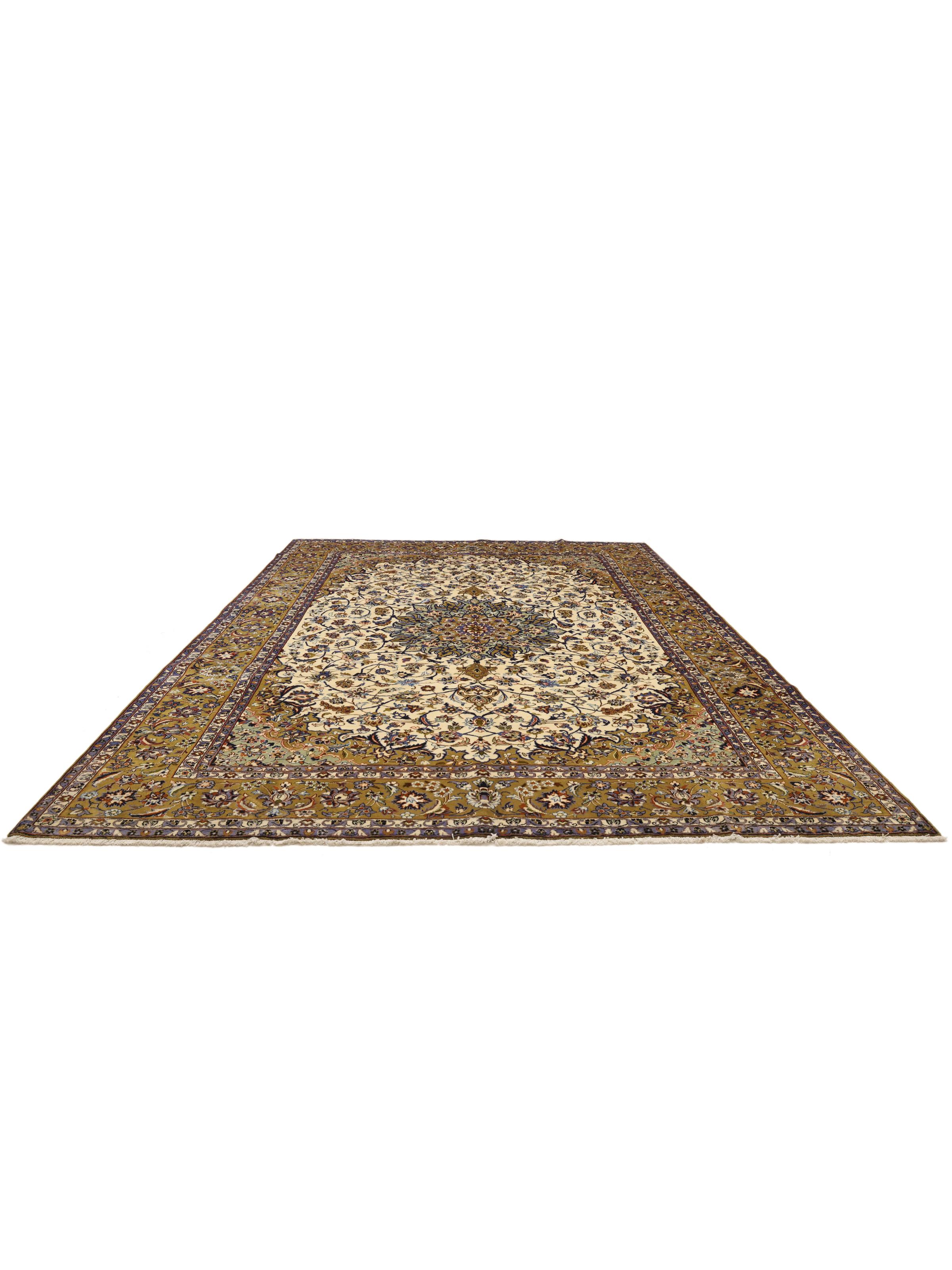
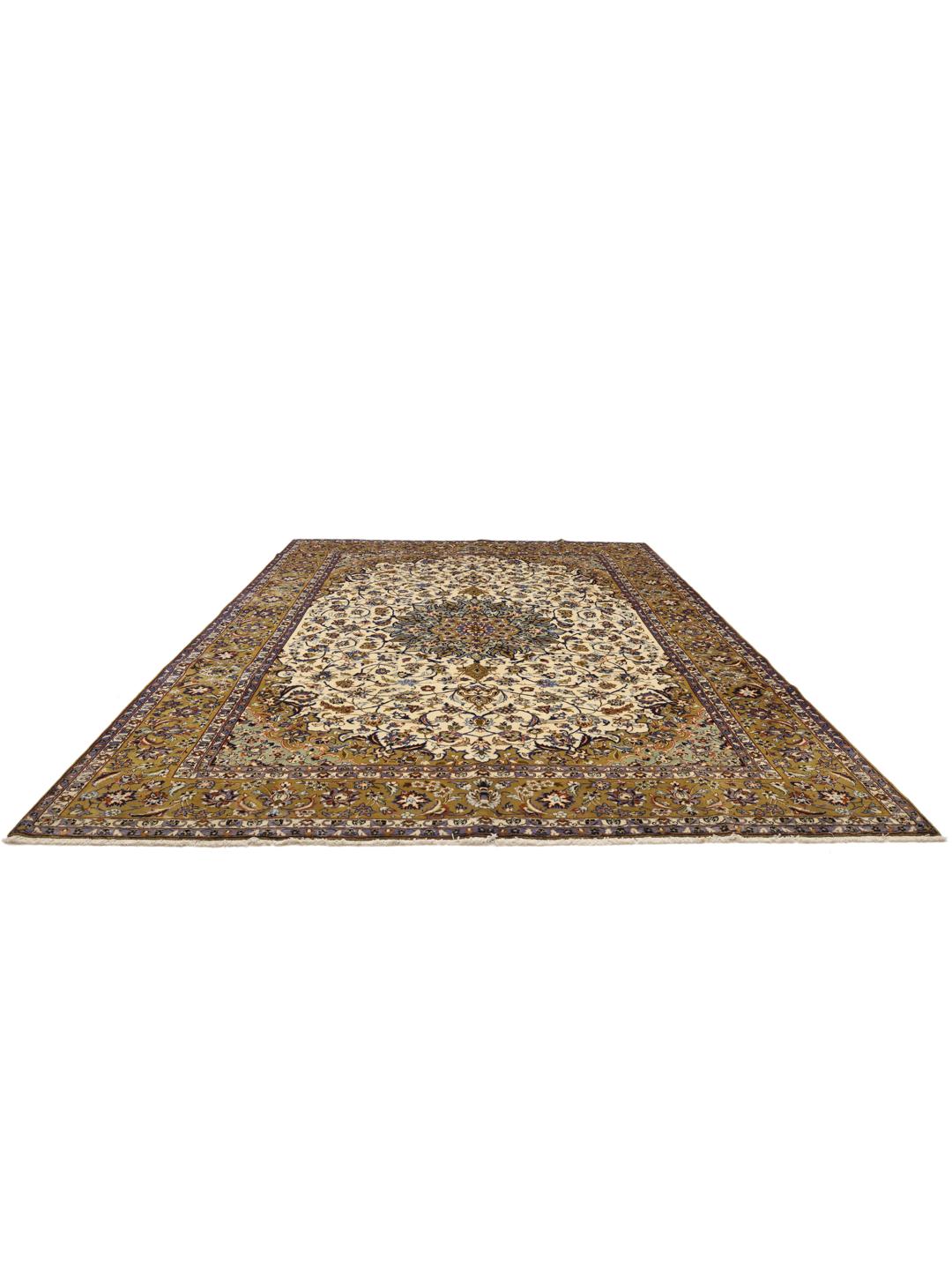
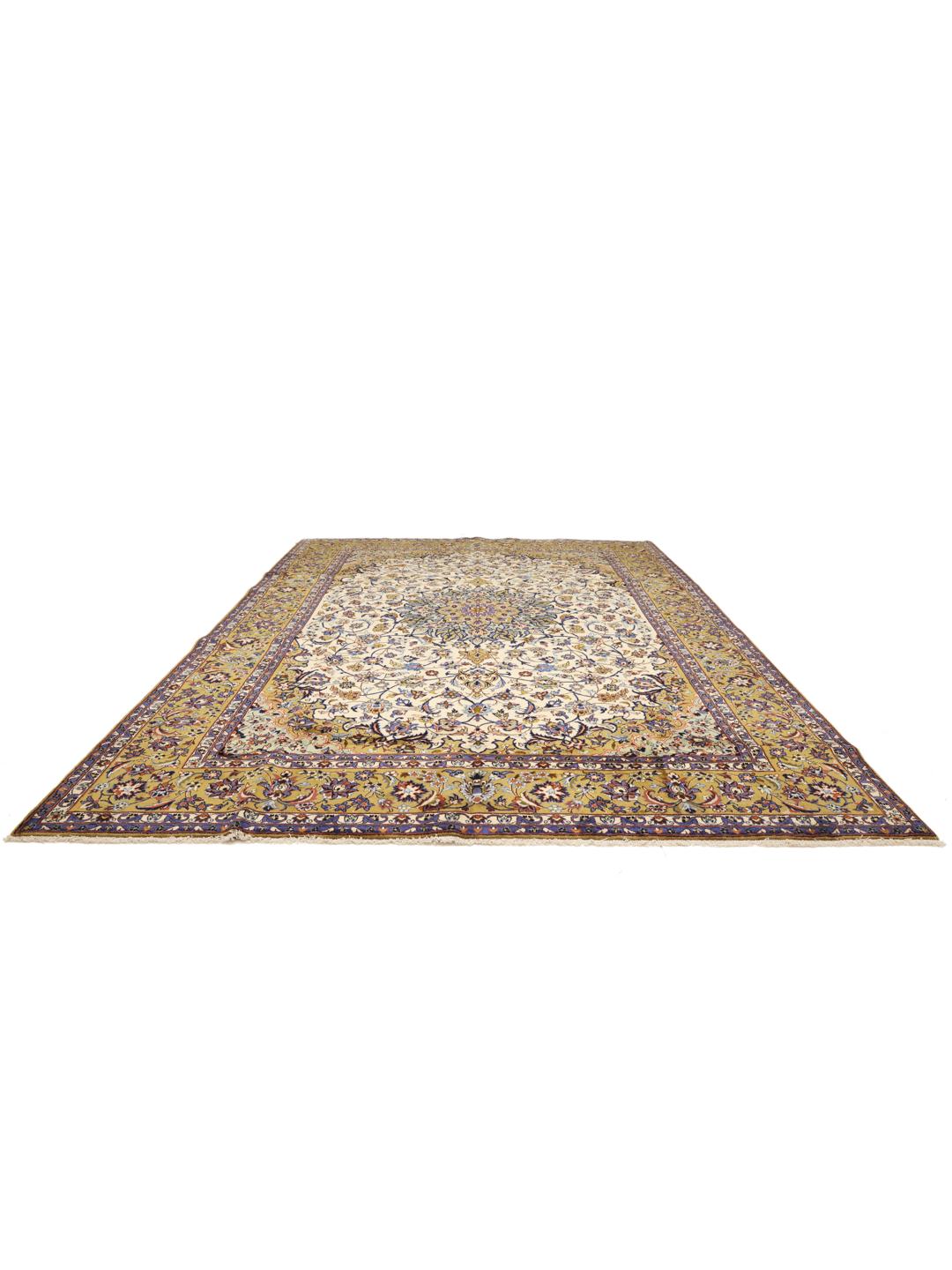
Najafabad rugs originate from the city of Najafabad, located in the central region of the Middle East. This area has long been a significant hub for textile production, known for an approach that balances traditional motifs with a distinct local identity. The craft has been passed down through generations, evolving from local cottage industries into a respected tradition known for its consistency and durability.
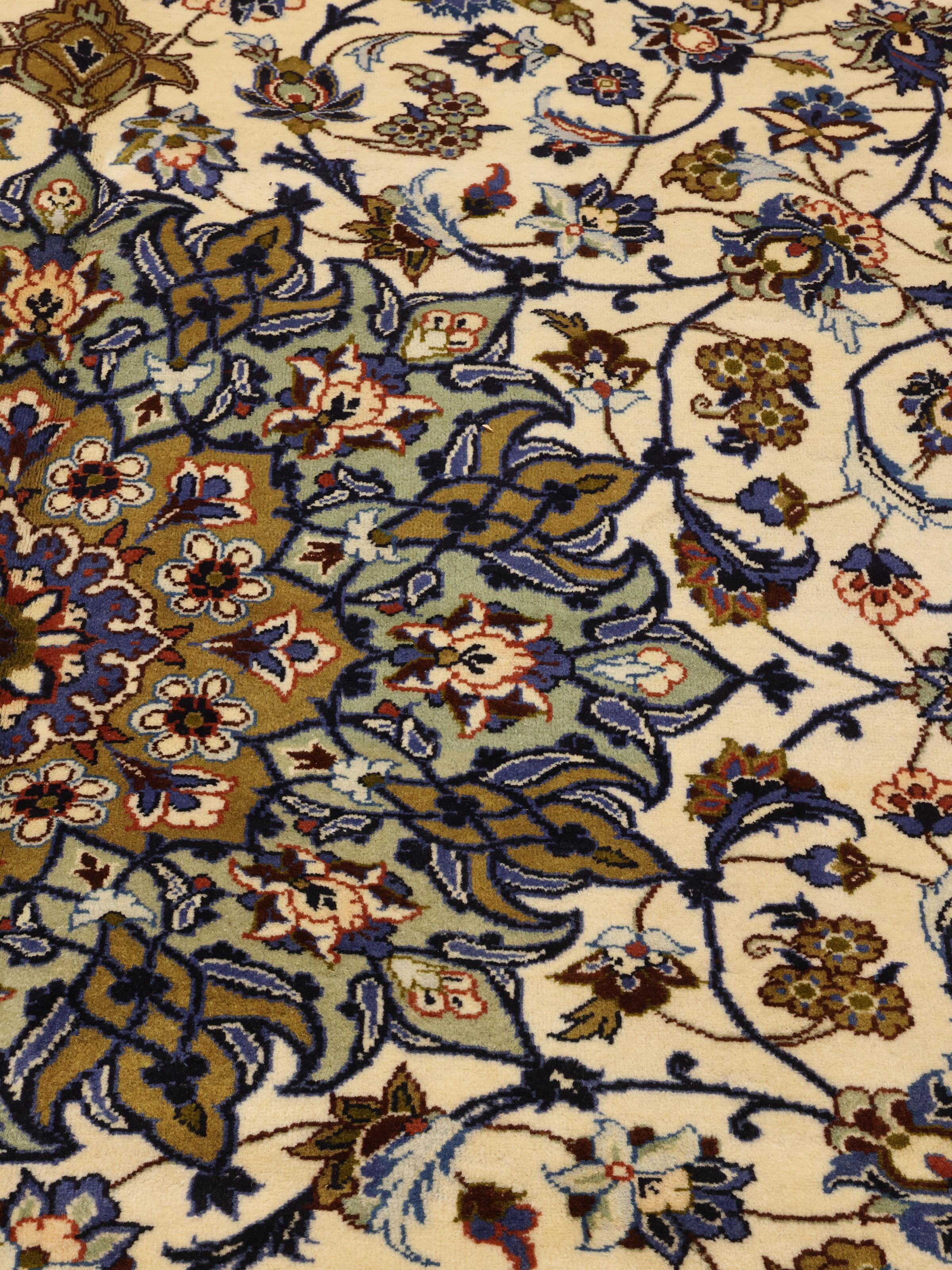
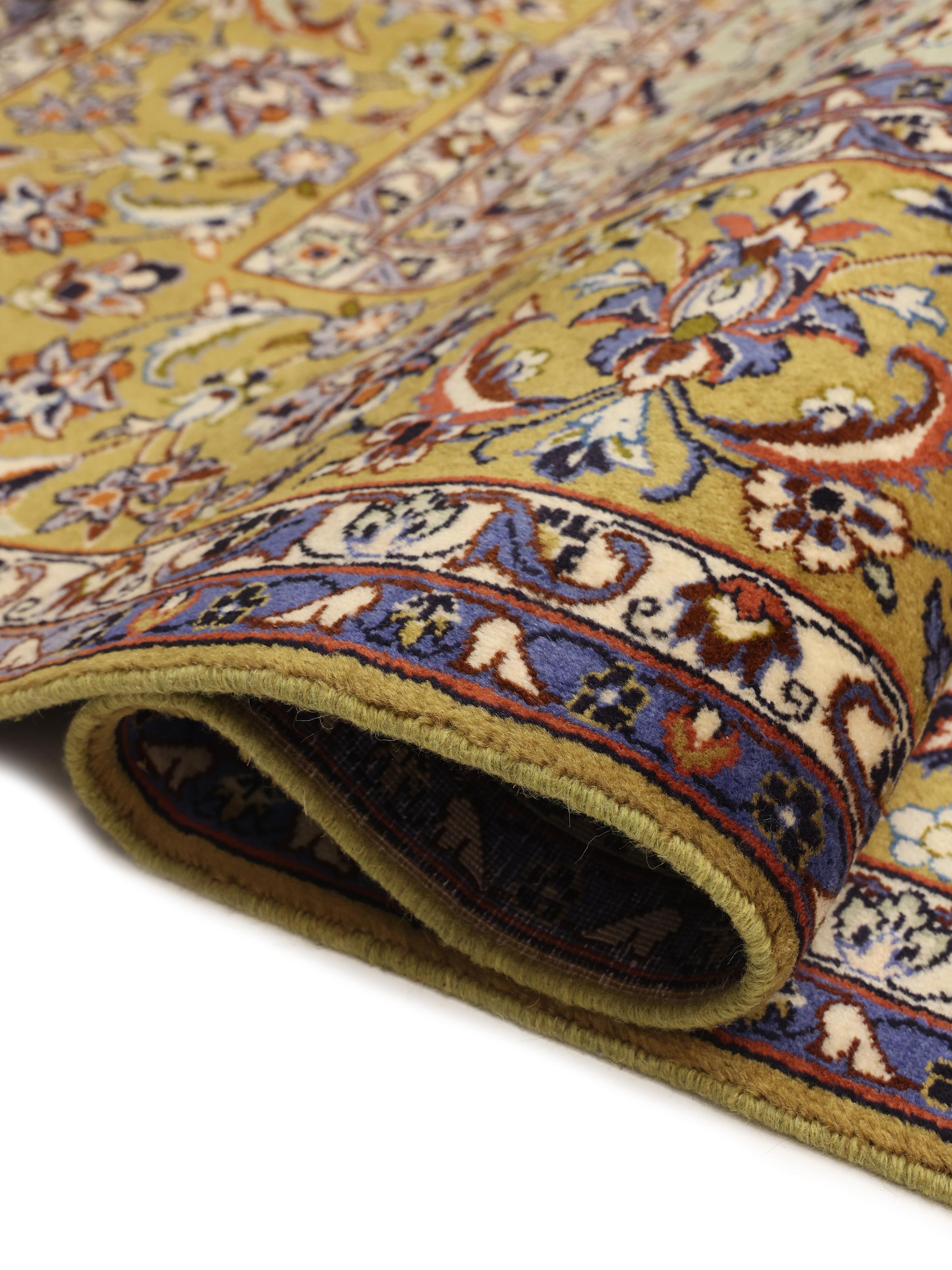
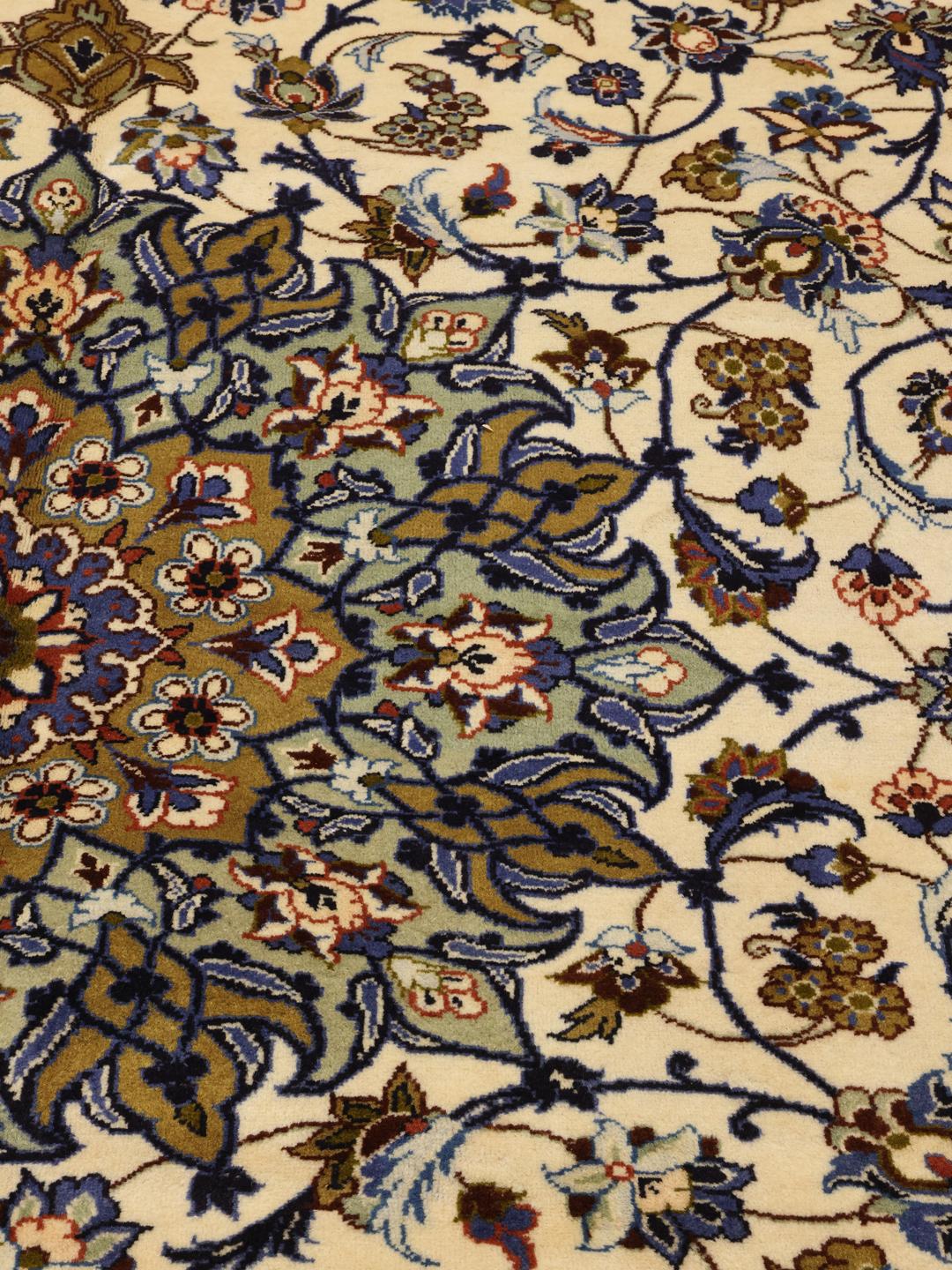
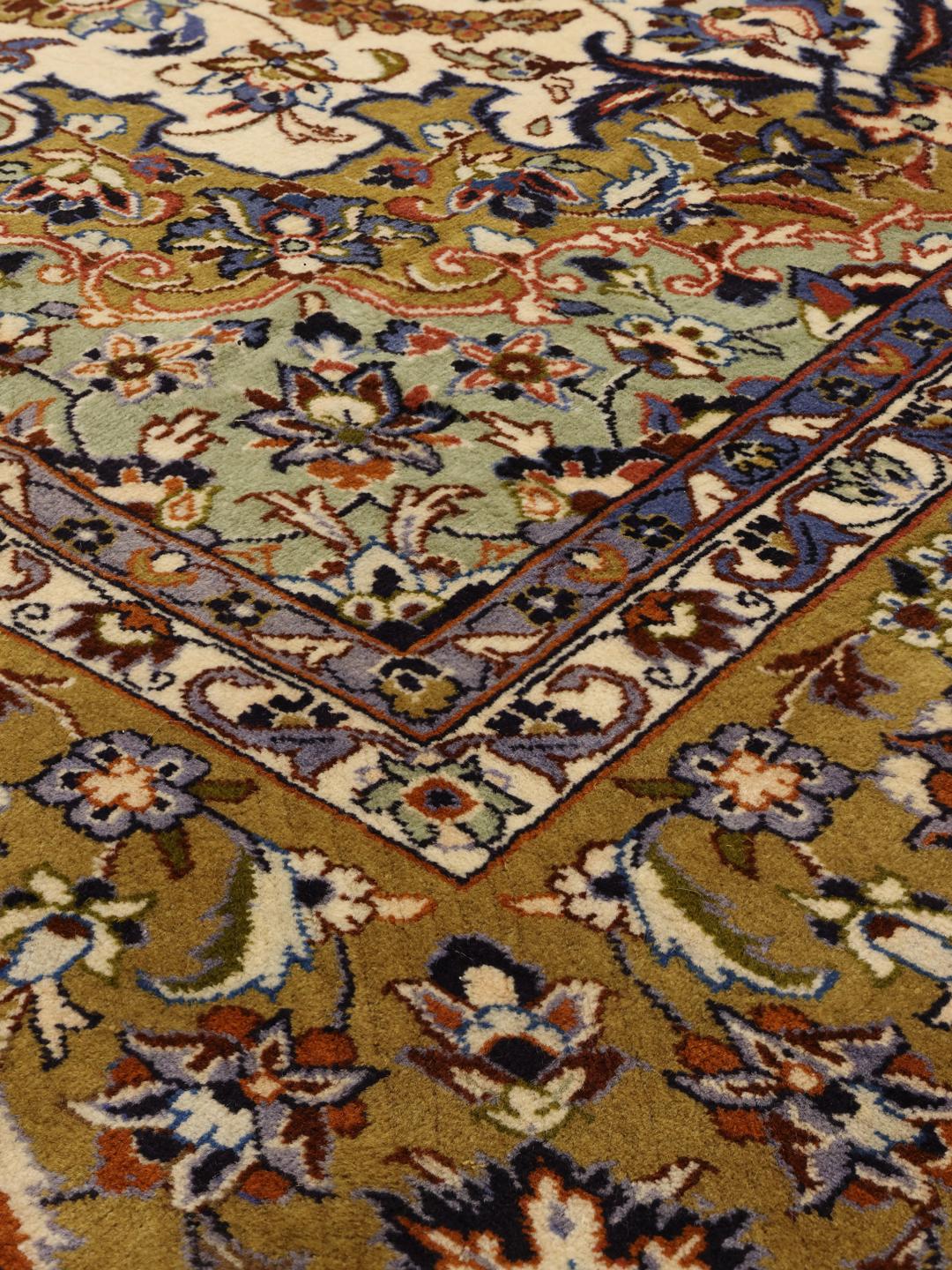
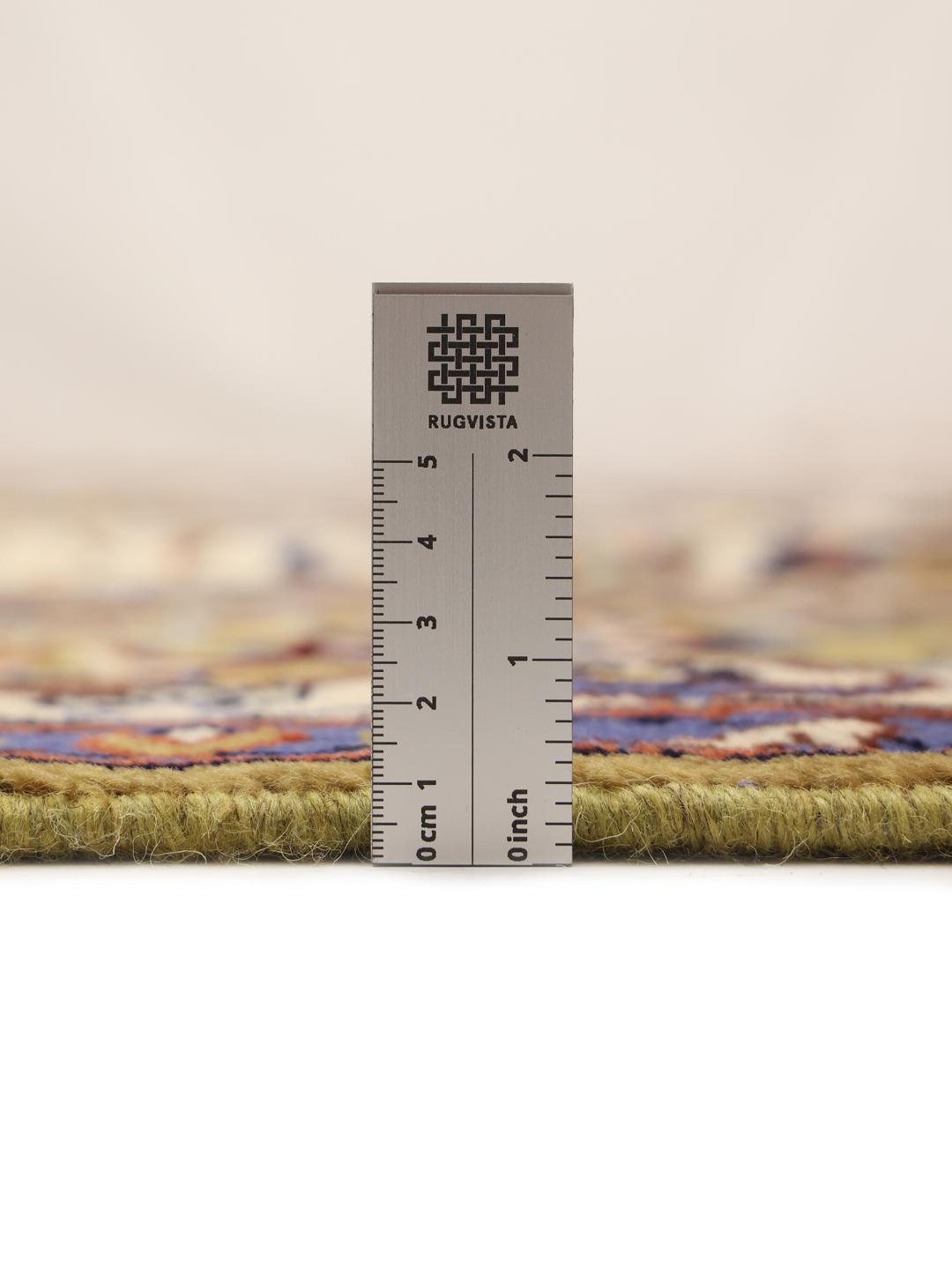
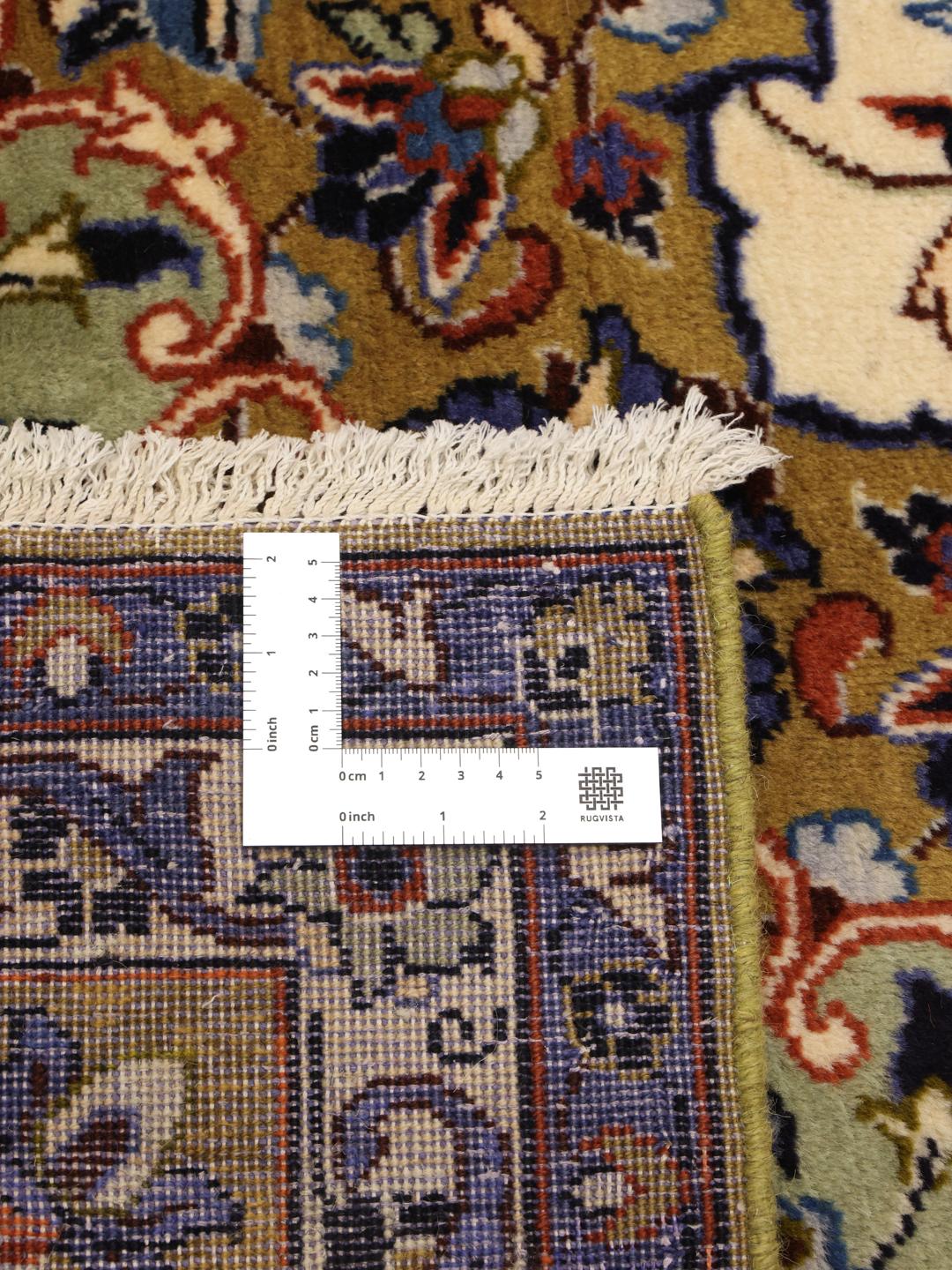
The technical quality of a Najafabad rug is rooted in its robust construction. The use of traditional hand-knotting techniques ensures that the pile remains dense and upright, which is essential for preserving the clarity of the design over time. This structural density is a hallmark of the region's output, making these rugs highly sought after for both their visual appeal and their practical resilience.
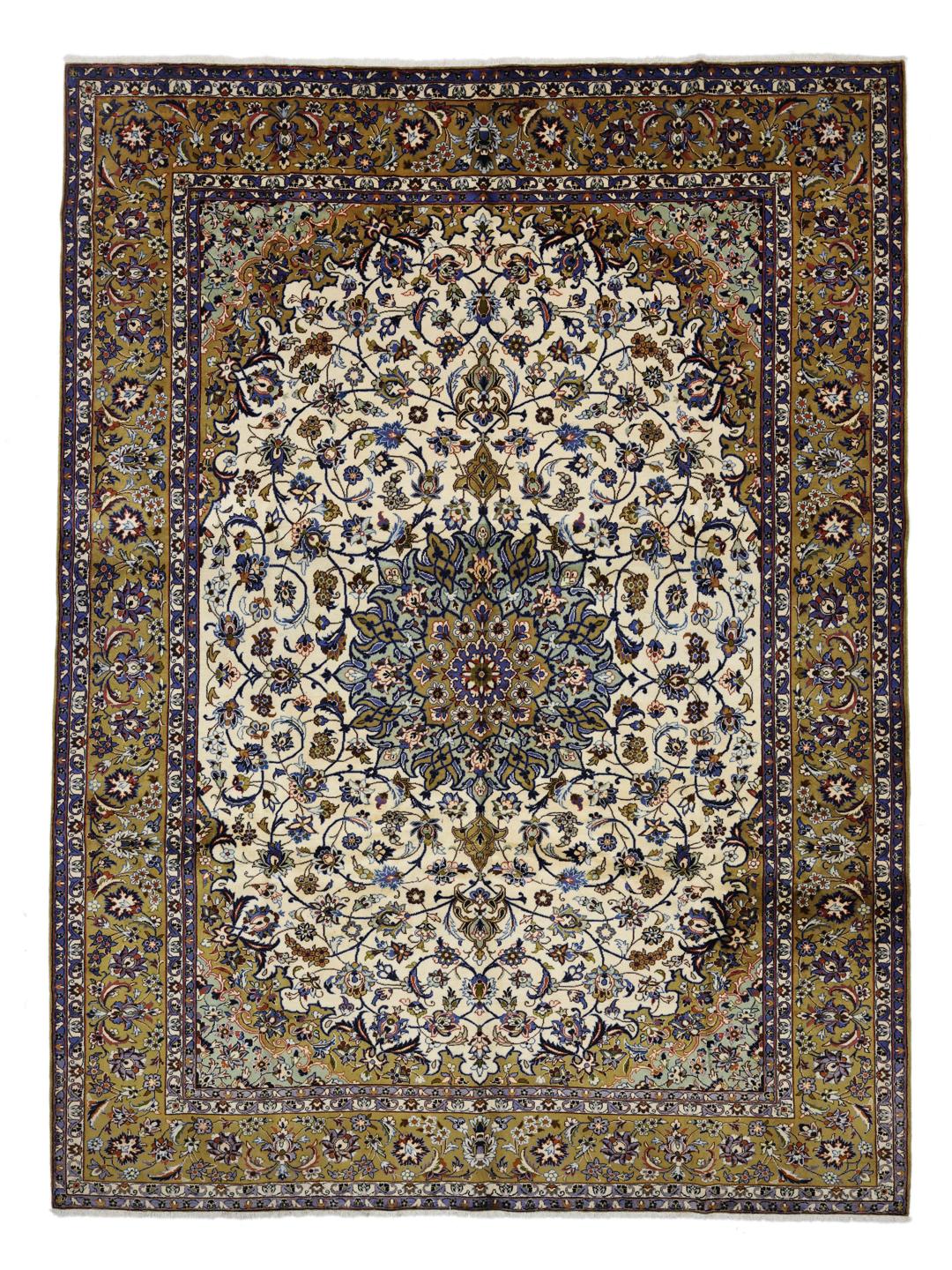
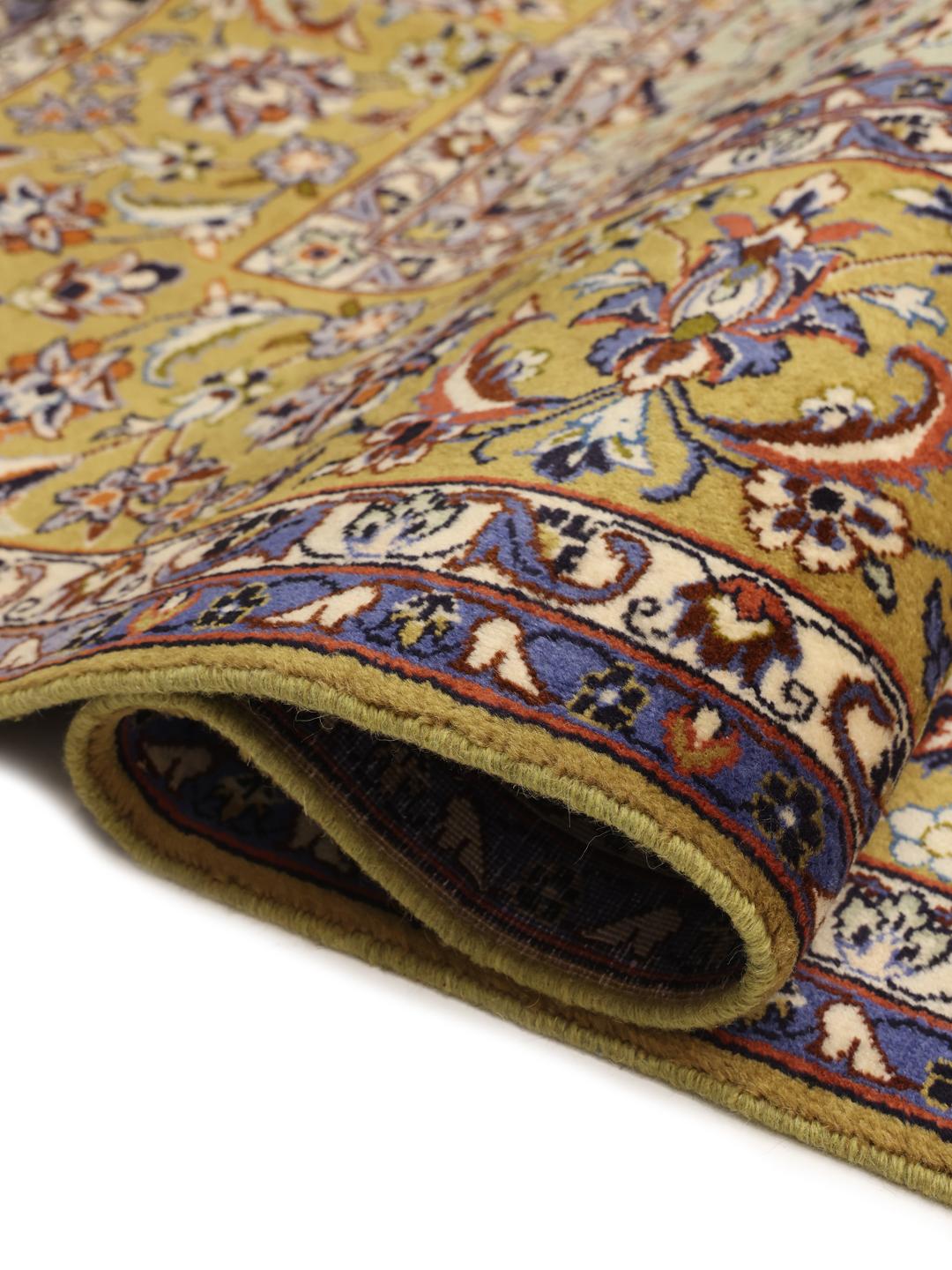
Visually, Najafabad rugs are often recognised by their formal, balanced compositions. They frequently feature a central medallion surrounded by ornate floral vines and intricate arabesques, set against a field of contrasting colours. The borders are typically well-defined, mirroring the complexity of the central field and creating a cohesive, structured look that fits perfectly into formal interior settings.
Owning a Najafabad rug is an investment in cultural heritage. Because each piece is the result of countless hours of human skill, collectors value them for their authenticity and the story they tell about the region's artistic evolution. By bringing such a rug into your home, you are preserving a craft tradition that prioritises patience, precision, and lasting quality over the speed of modern production.