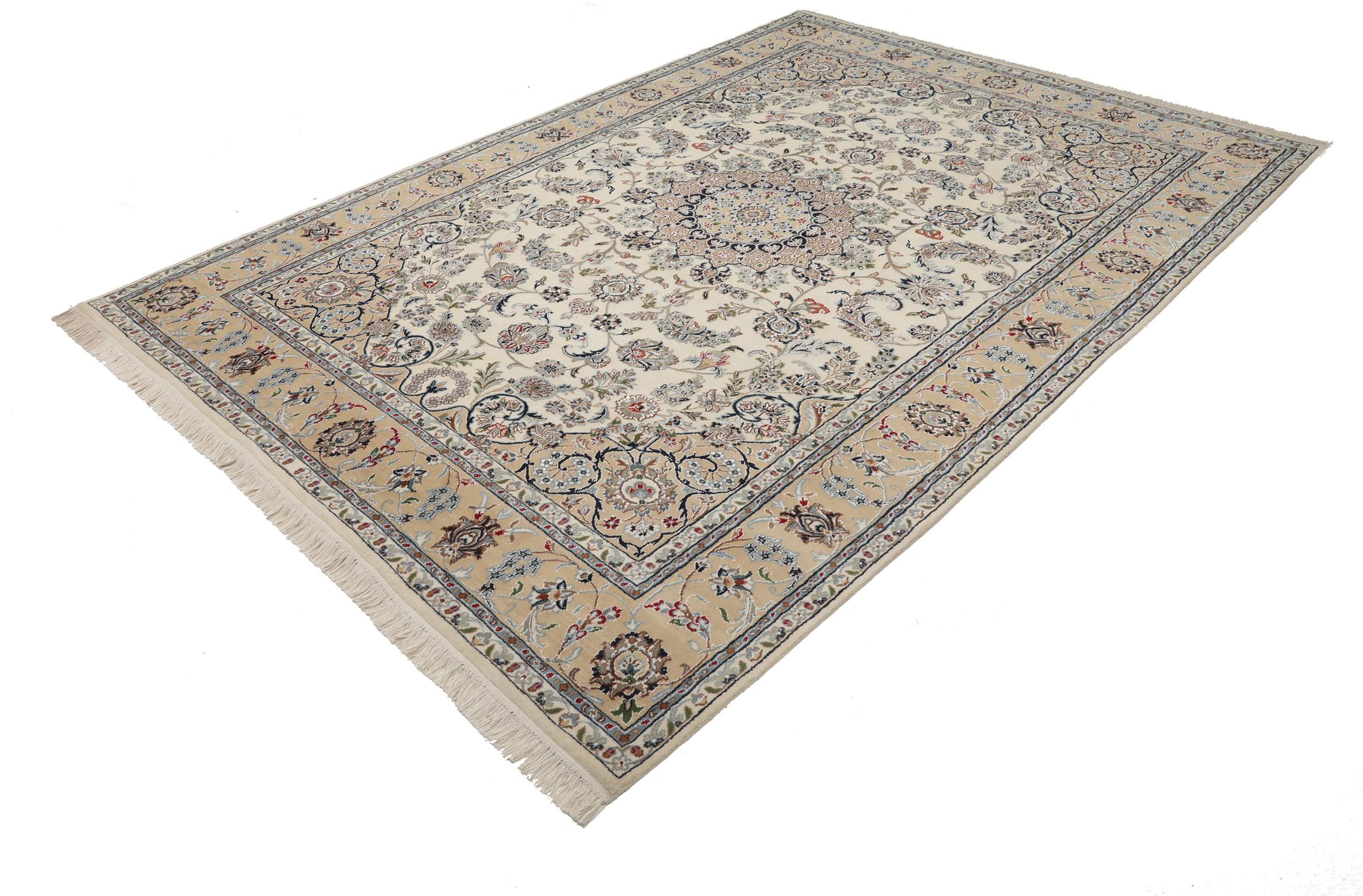
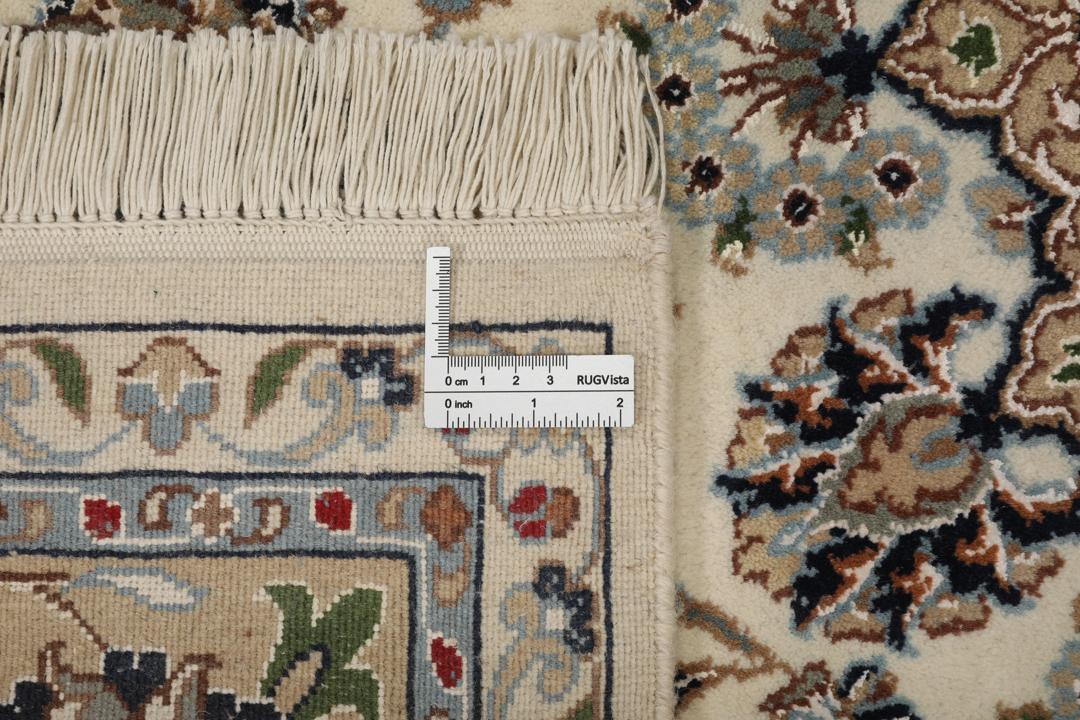
The Nain rug tradition originates from the desert town of Nain in the Middle East, a region historically renowned for its fine textile production. While the city of Nain became famous for its exquisite, high-density silk and wool rugs, the tradition has inspired skilled weavers across the globe, particularly in India, where artisans have mastered the intricate, flowing floral patterns that are the hallmark of this style.
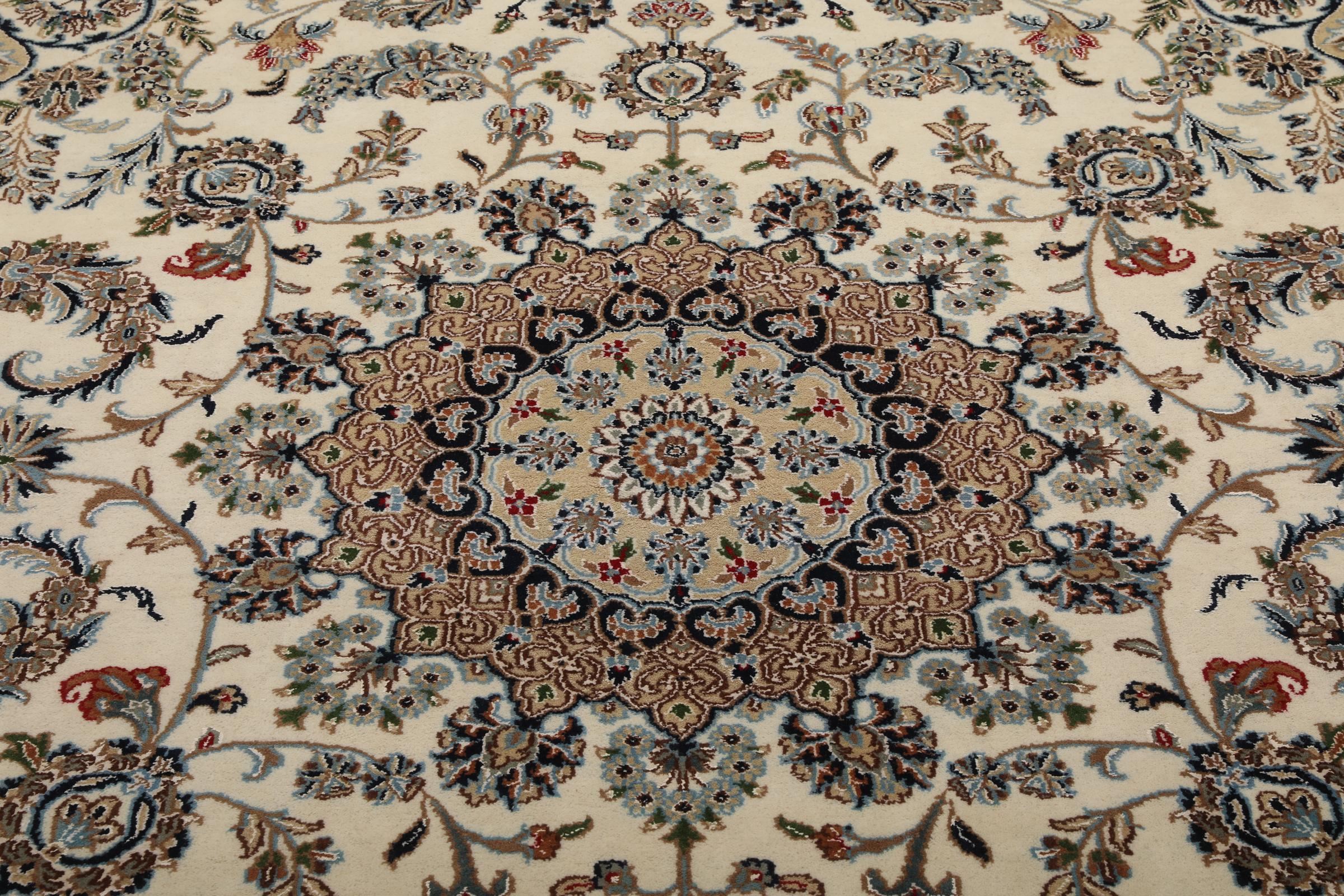
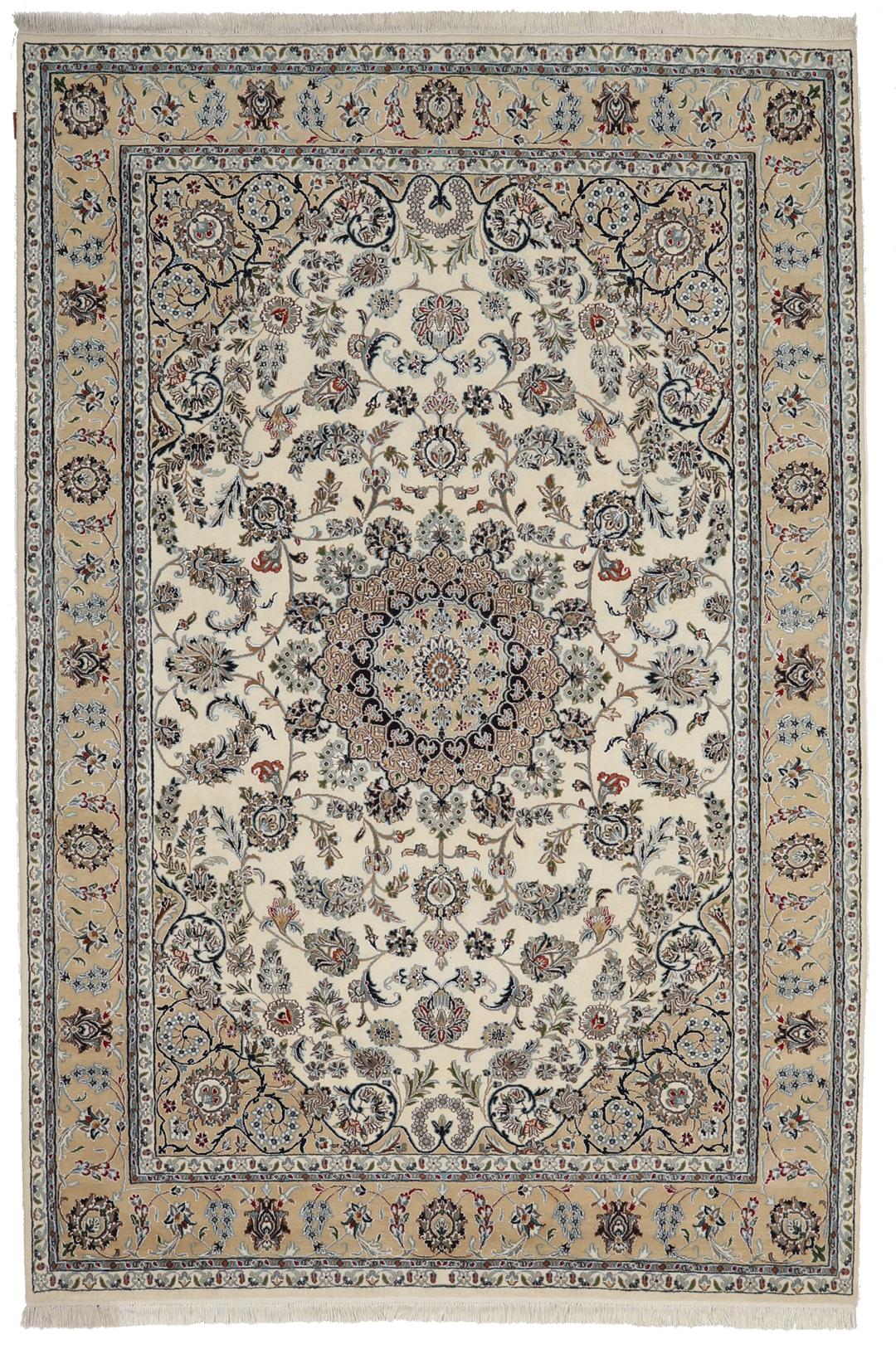
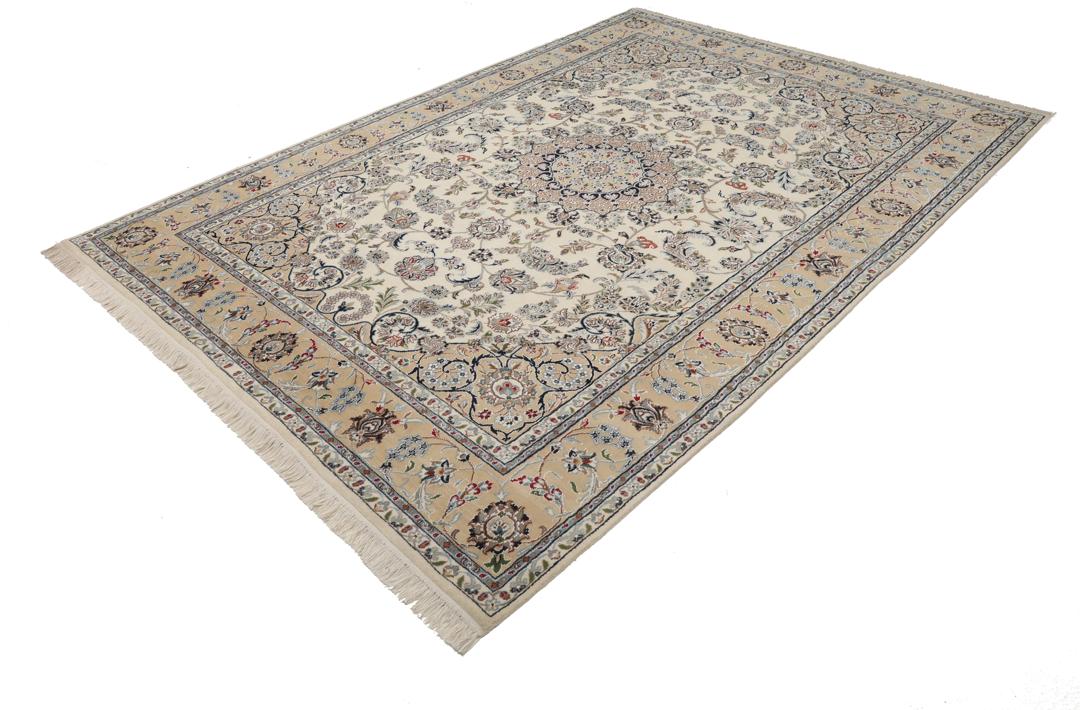
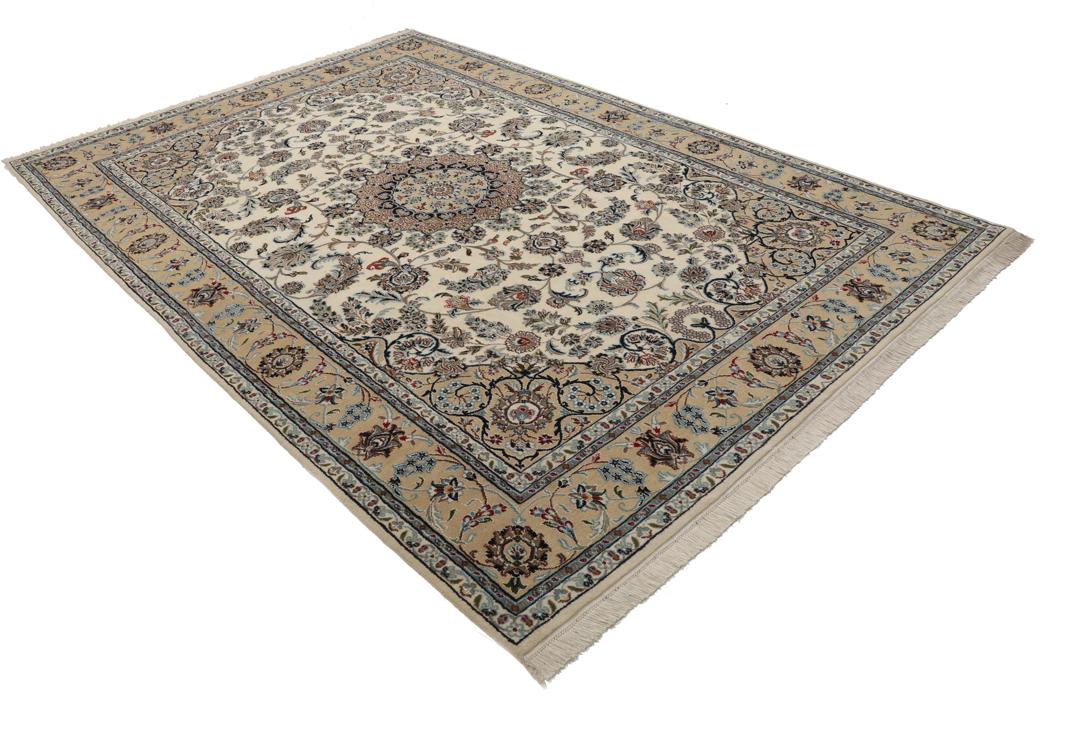
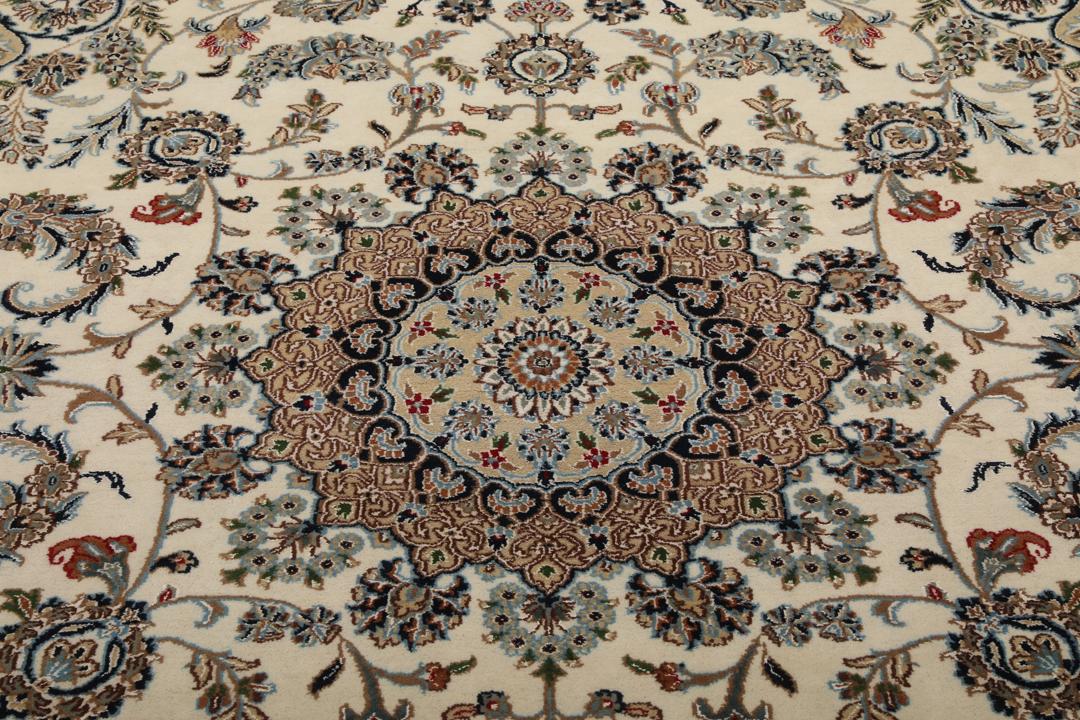
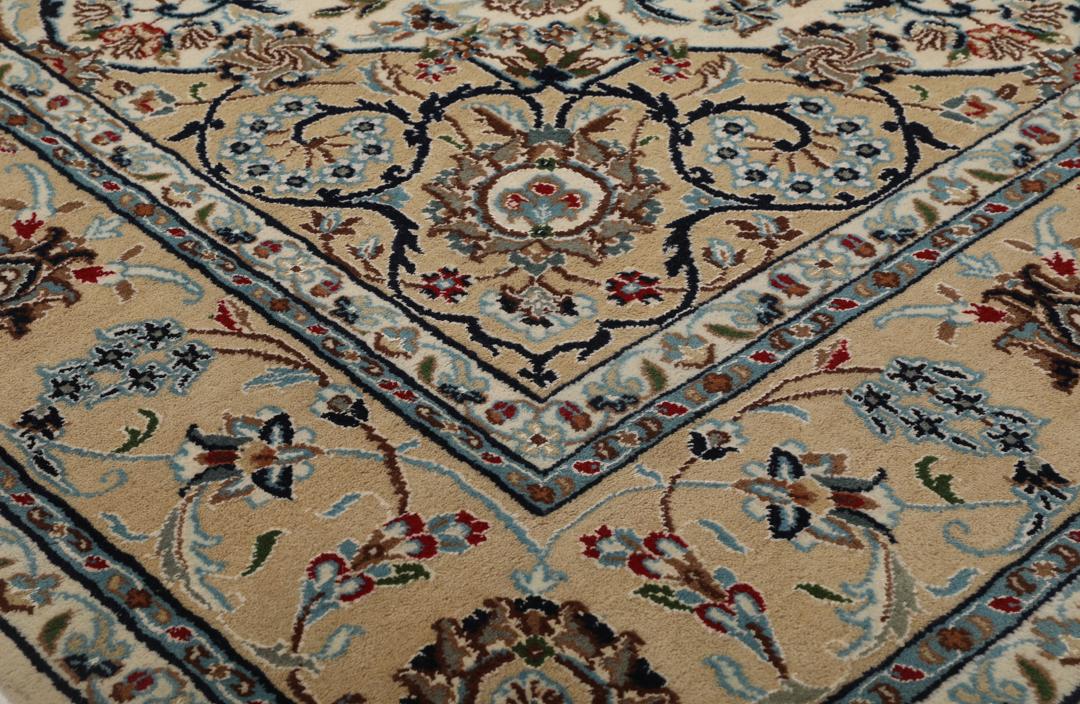
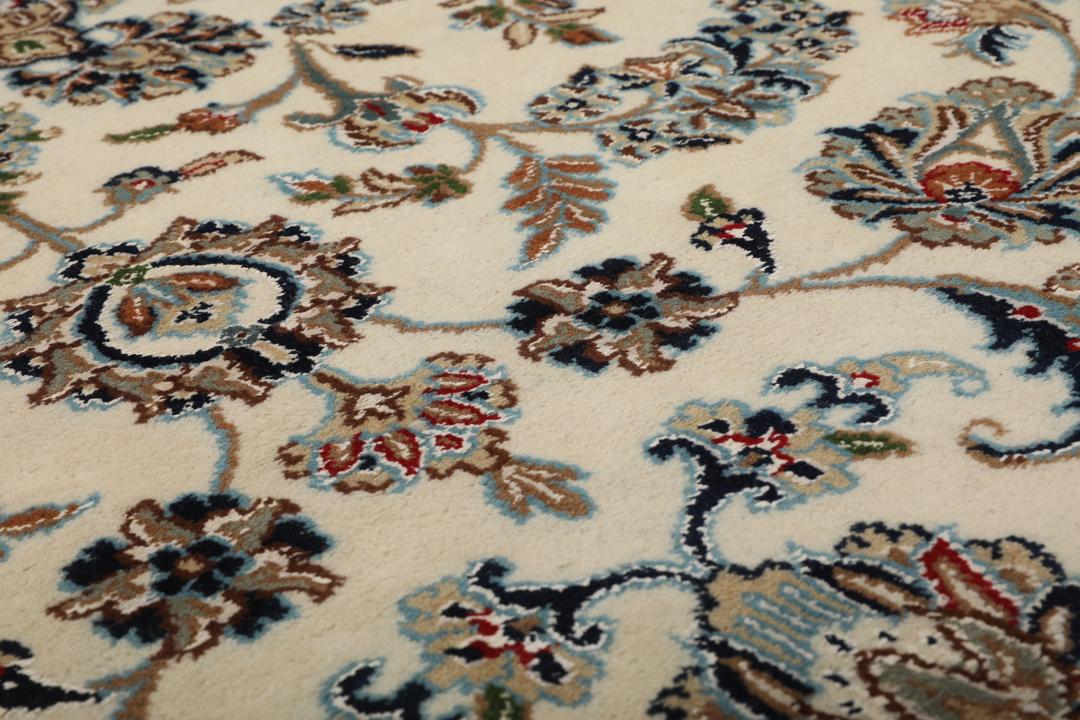
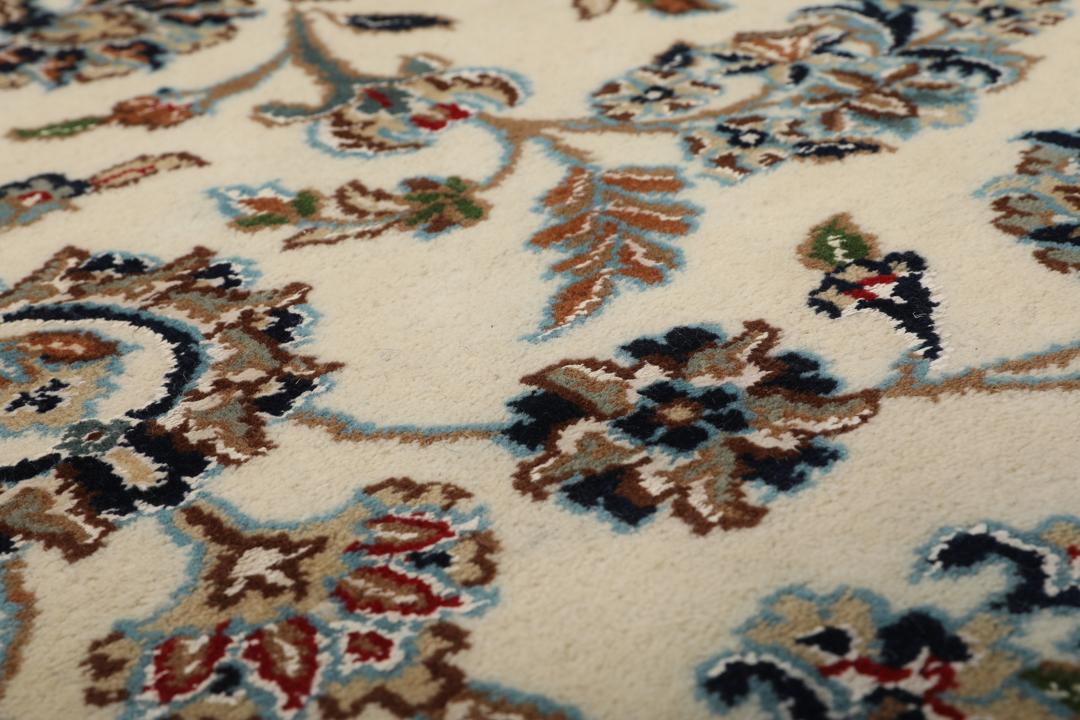
The term 'Nain' refers to a specific design vocabulary that emphasises elegance and balance. These rugs are celebrated for their sophisticated use of space, often featuring a central medallion that radiates outwards into a field of scrolling vines, leaves, and blossoms. This style relies on a high degree of precision to ensure that the delicate curves of the floral motifs remain crisp and harmonious across the entire surface.
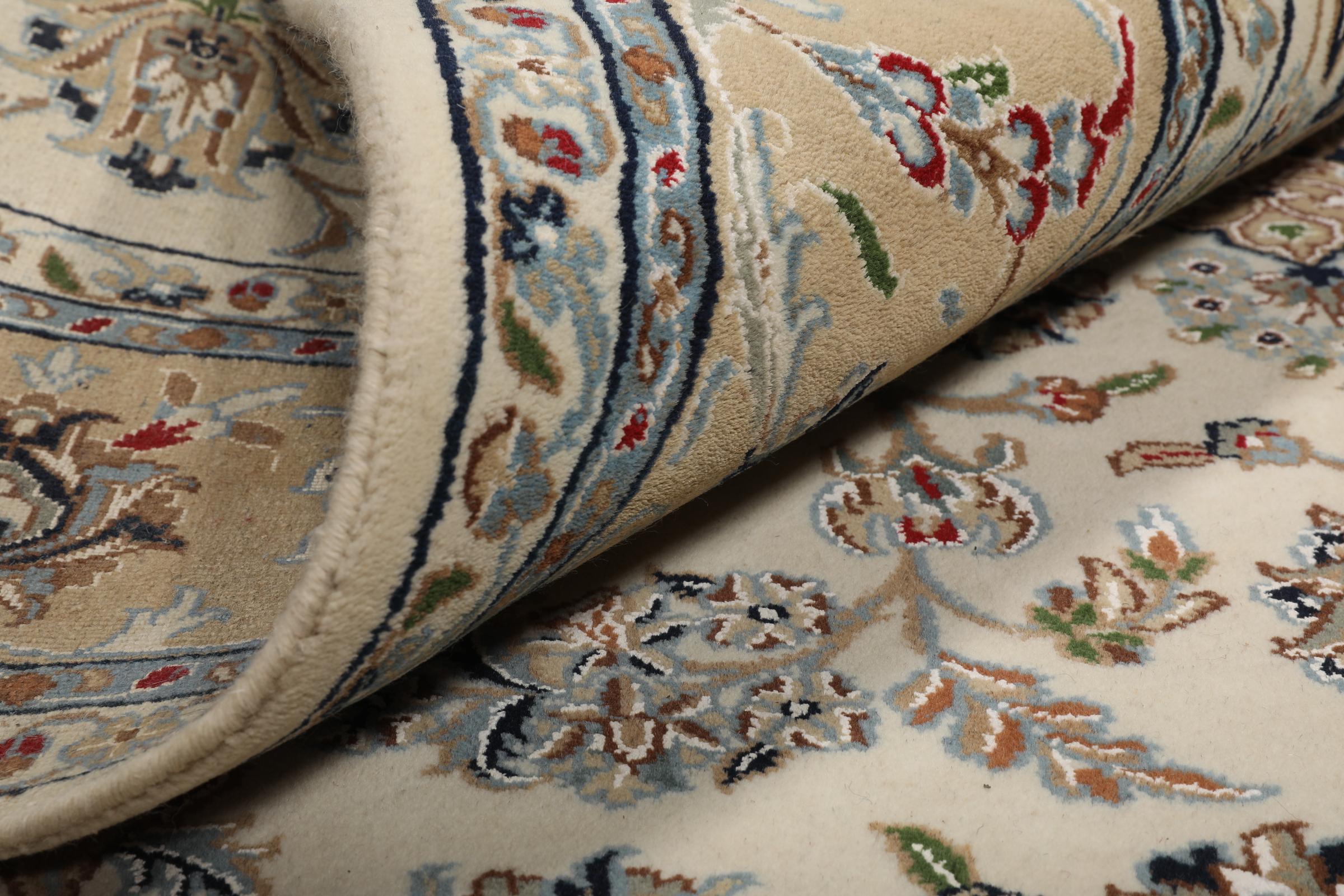
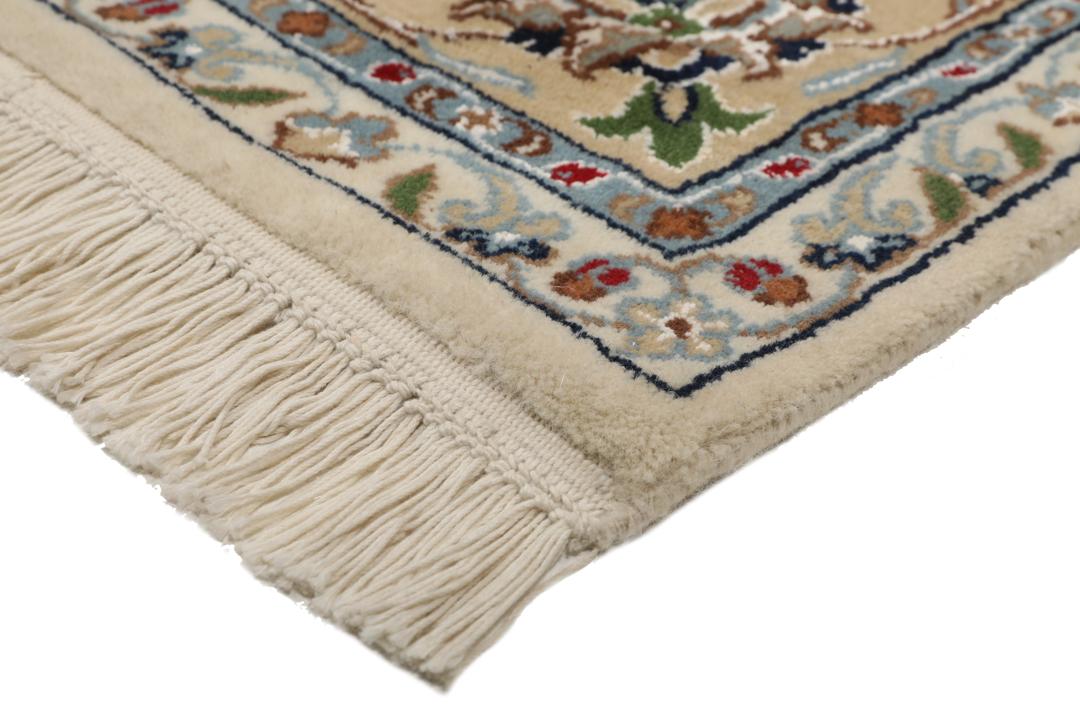
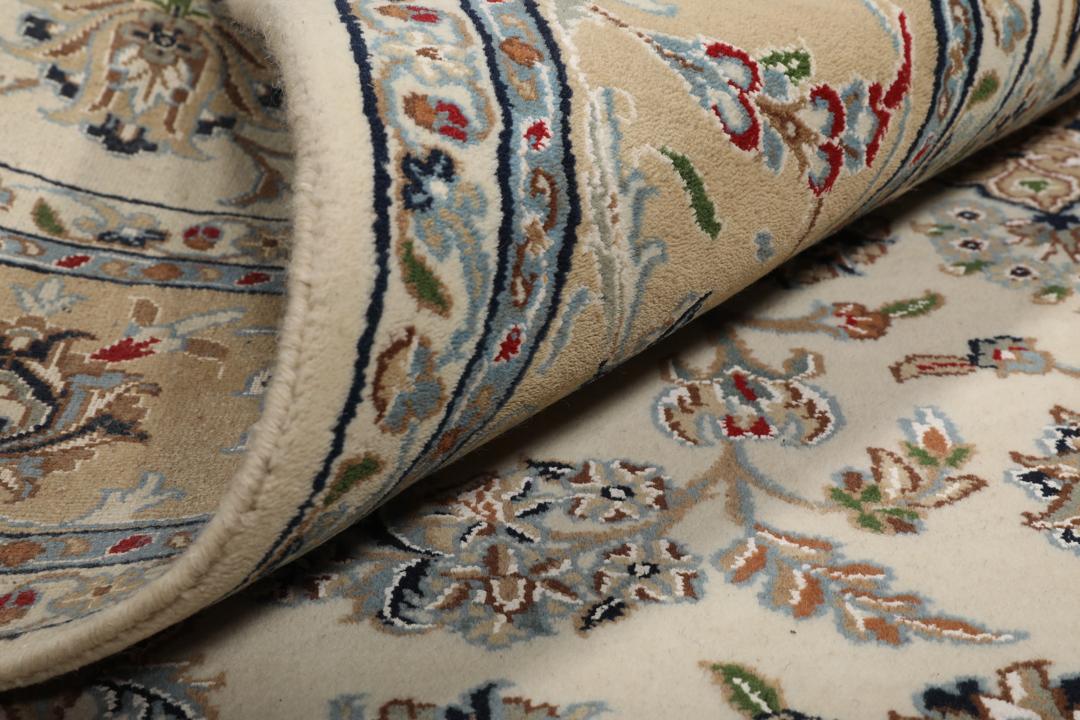
A key element of these rugs is the classic colour palette, which frequently utilises soft, neutral tones such as ivory, beige, and cream, often accented with shades of blue or sage green. This light, airy aesthetic was designed to reflect the light in a room and create a sense of openness. The borders are typically multi-layered and formal, framing the central field with repeating patterns that reinforce the rug's overall symmetry.
Collectors value these rugs for their ability to bring a sense of historical refinement into modern interiors. Owning a piece inspired by the Nain tradition is an appreciation of a craft that values patience and meticulous attention to detail. It represents a bridge between ancient design principles and the needs of a contemporary home, offering a timeless aesthetic that remains relevant across generations.