The Nain rug tradition hails from the historic desert city of Nain in the Middle East, a region once famous for creating high-quality wool cloaks. As the demand for such textiles shifted in the early 20th century, local weavers transitioned their exceptional skills to rug making, quickly gaining a reputation for producing some of the most refined and elegant rugs in the world.
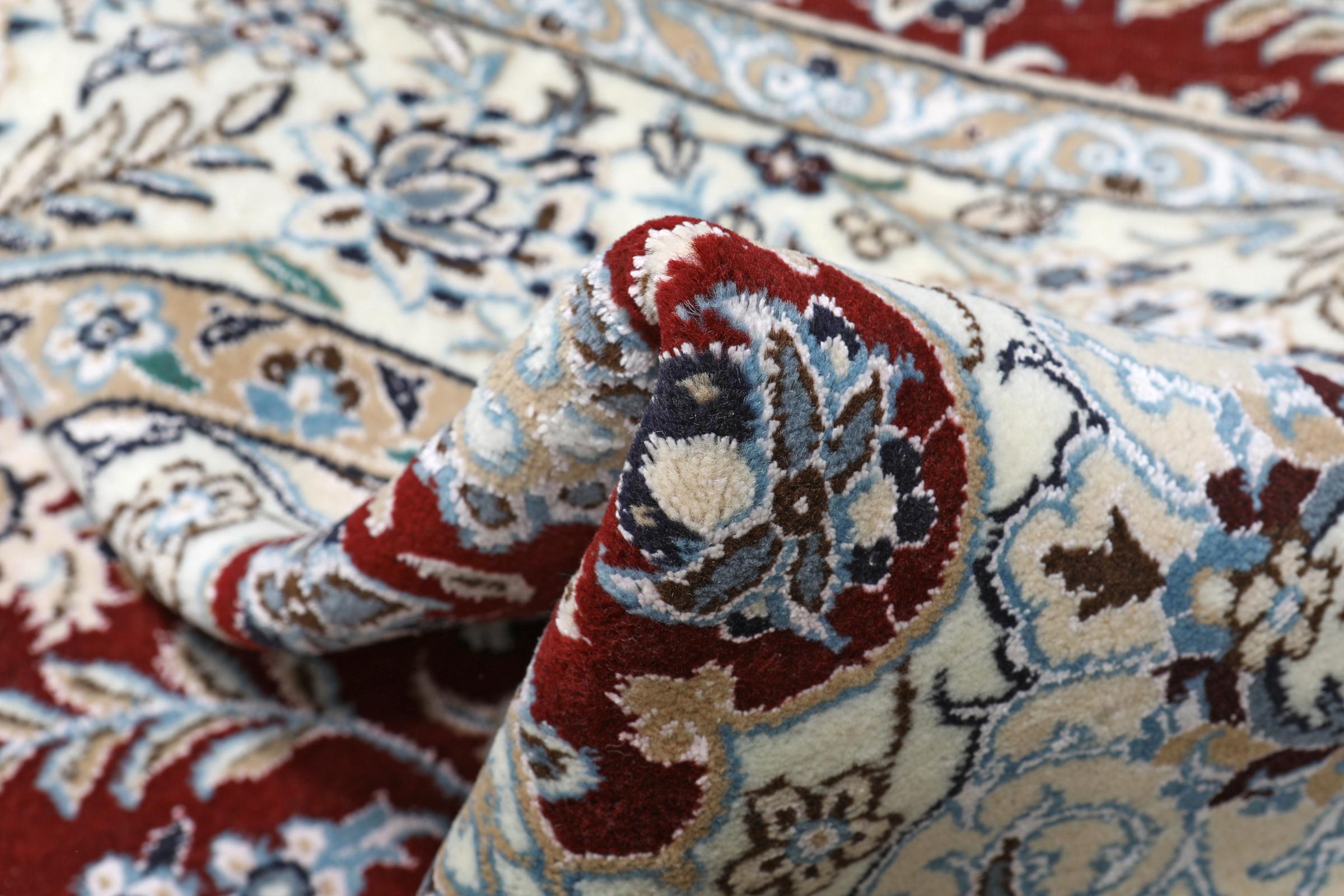
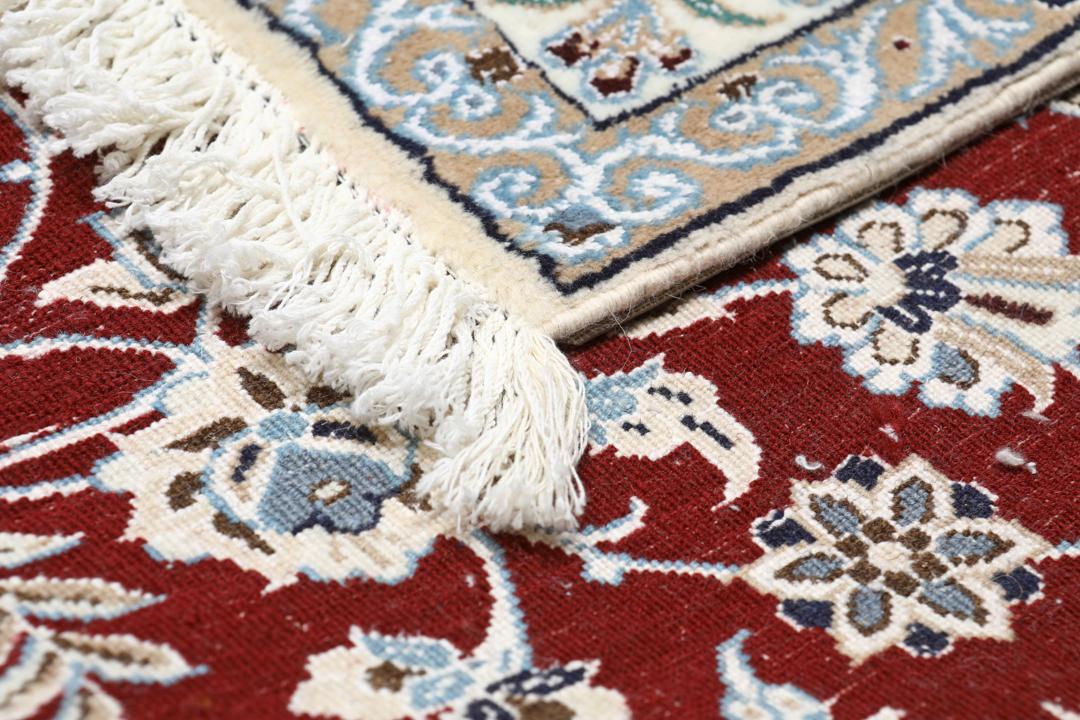
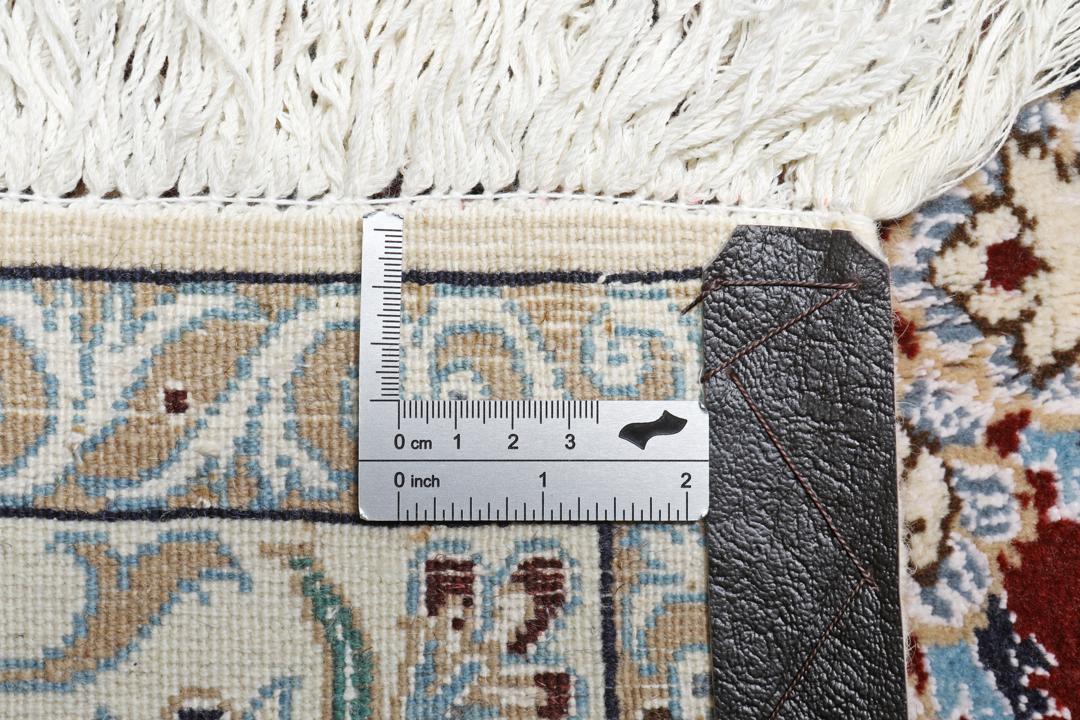
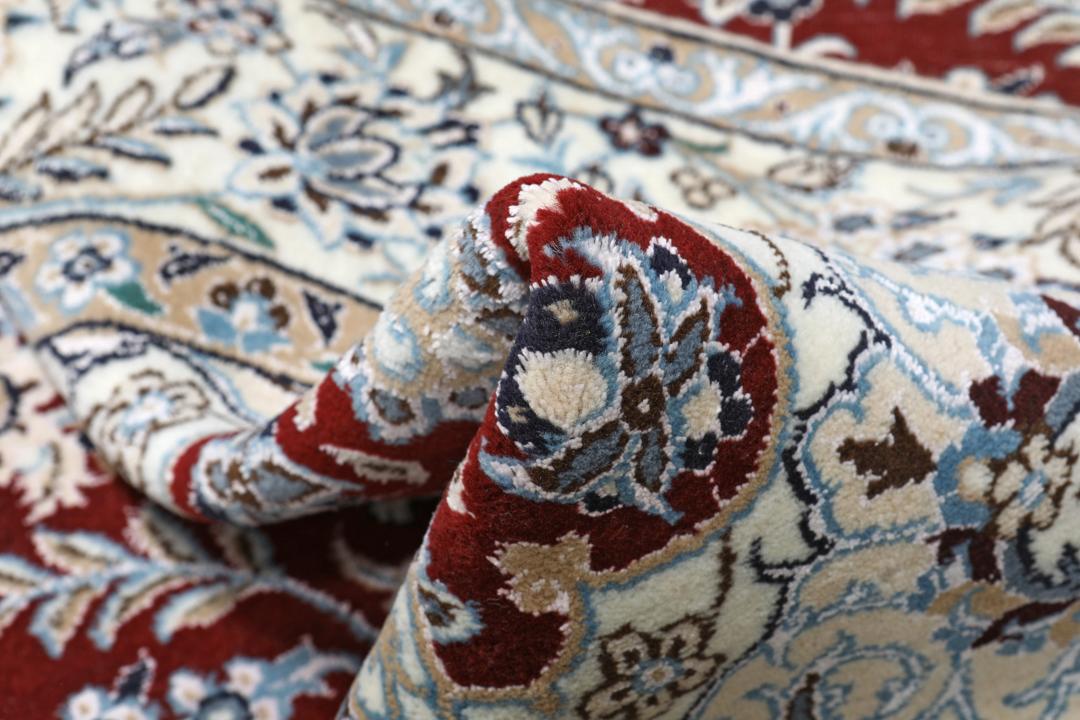
The term 9La is a technical classification that refers to the number of strands used in the foundation threads. A 9La rug uses a nine-thread foundation, which results in a slightly thicker and more robust pile compared to the even finer 4La or 6La variations. This classification is a hallmark of quality, indicating a specific balance between delicate pattern work and the structural durability expected of a premium, lasting rug.
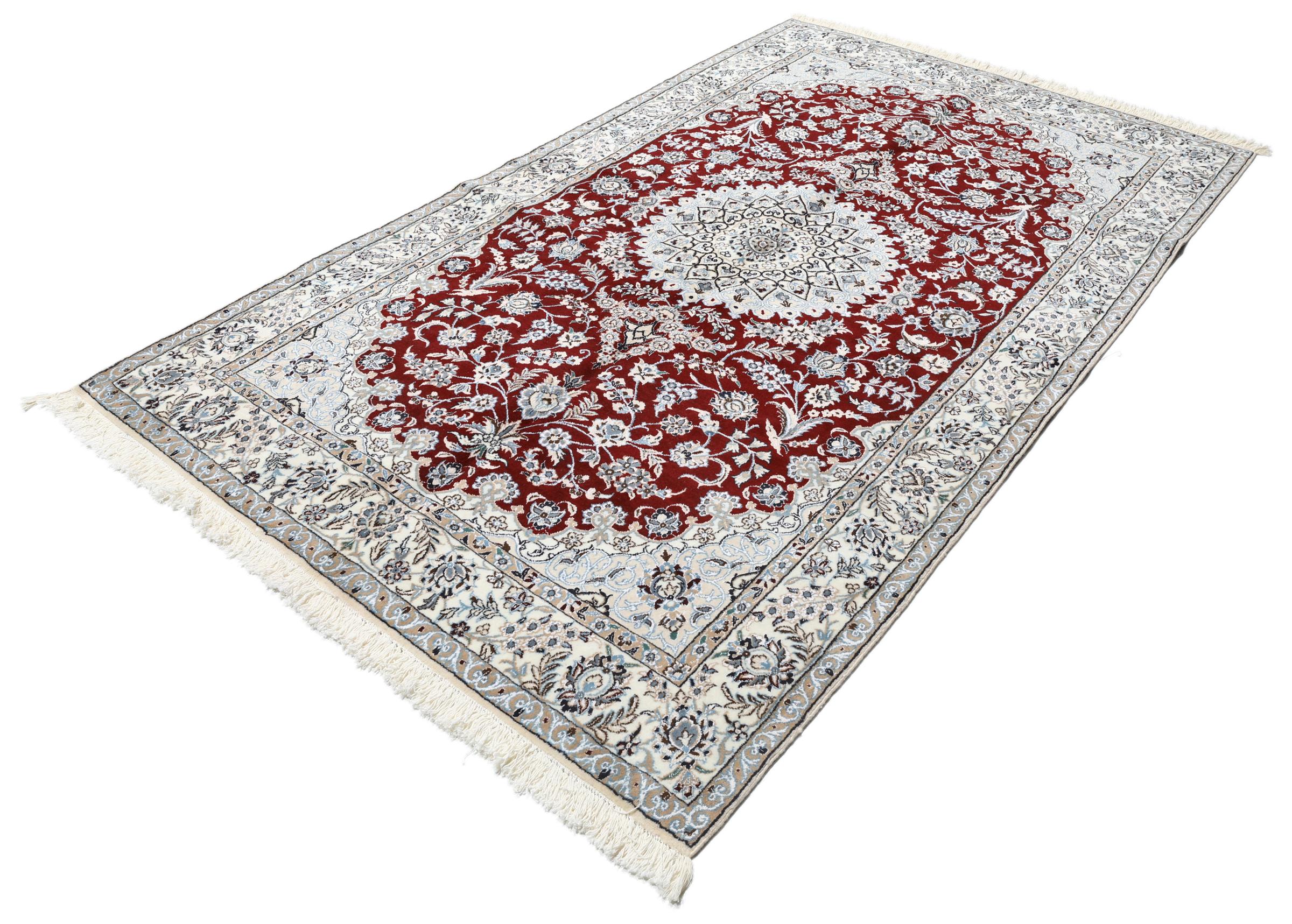
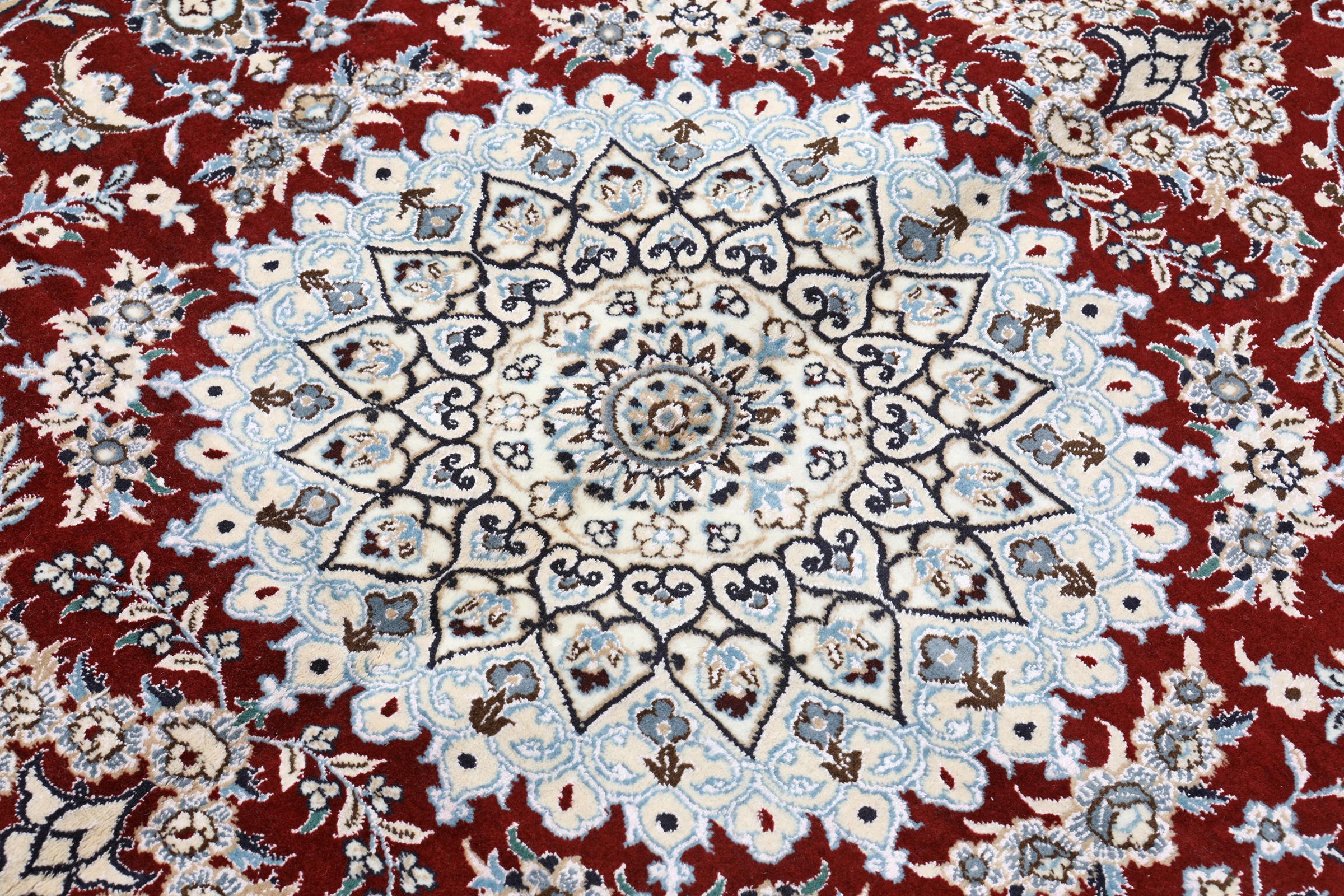
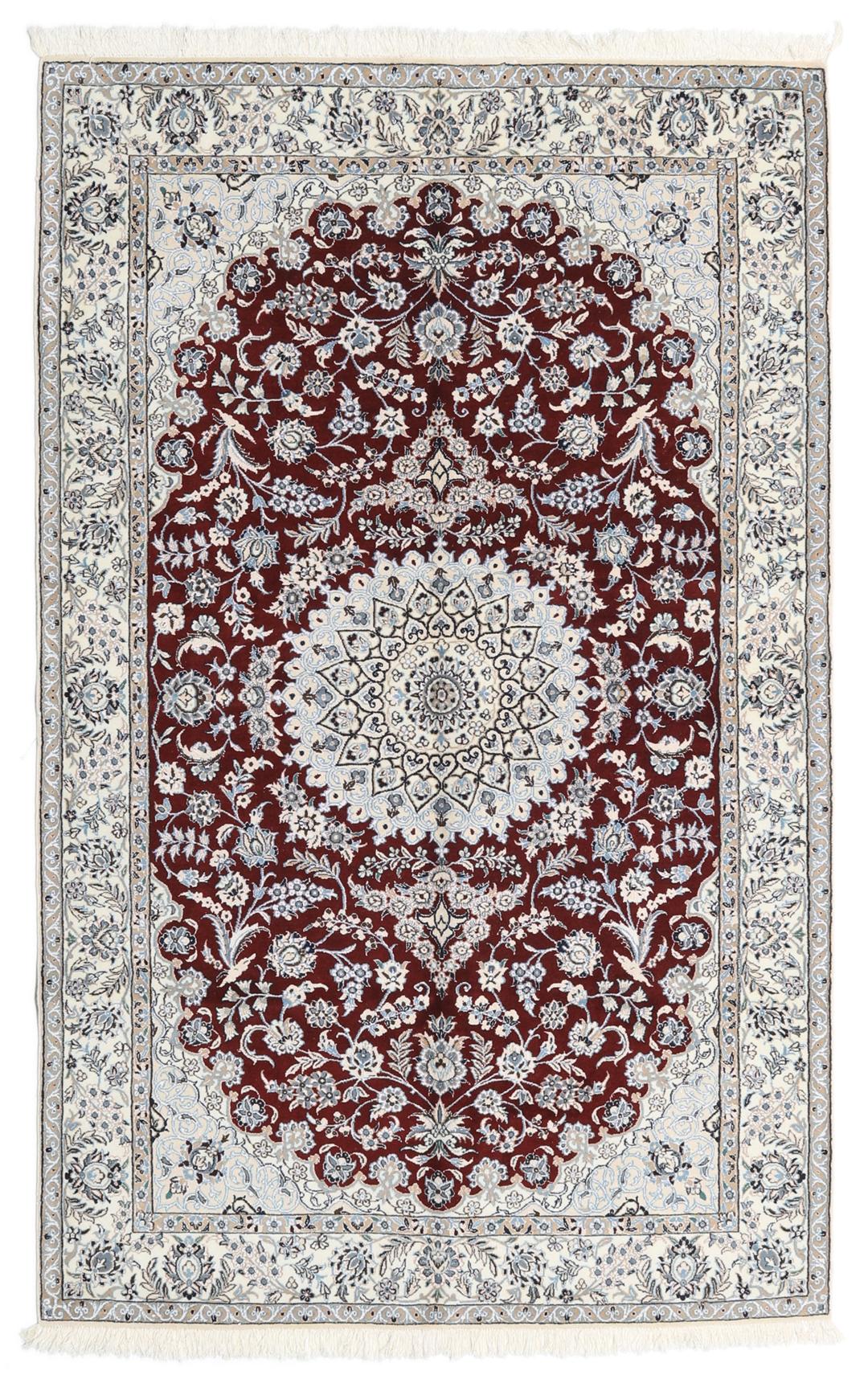
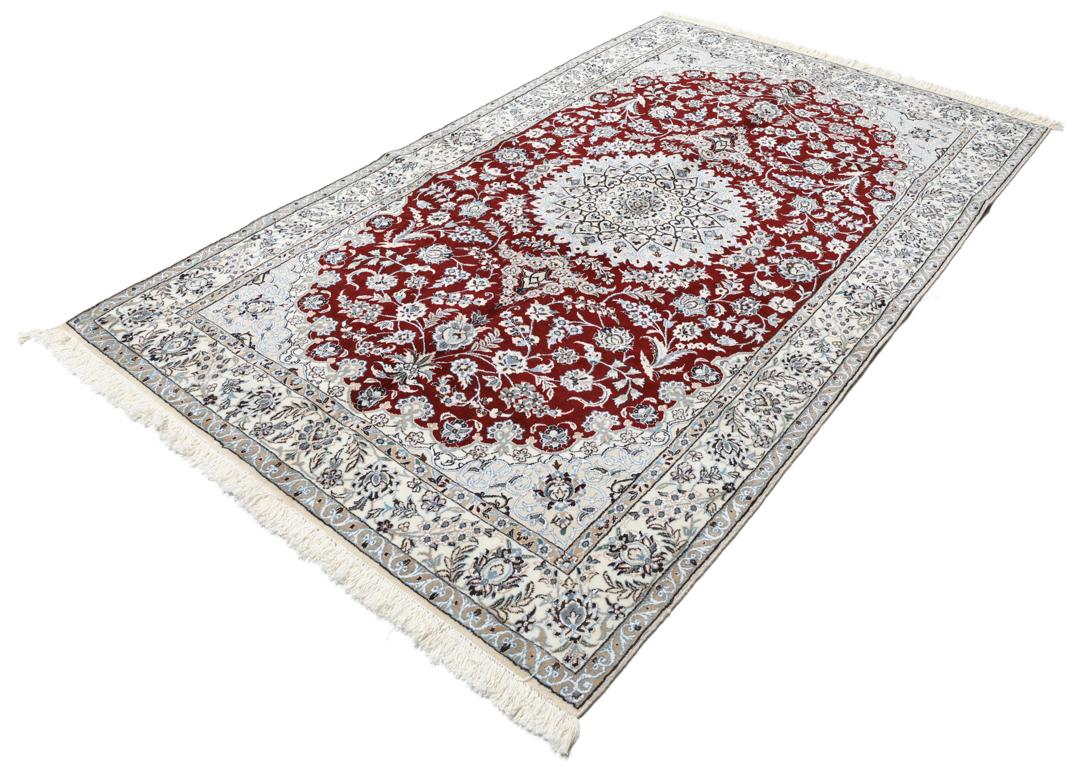
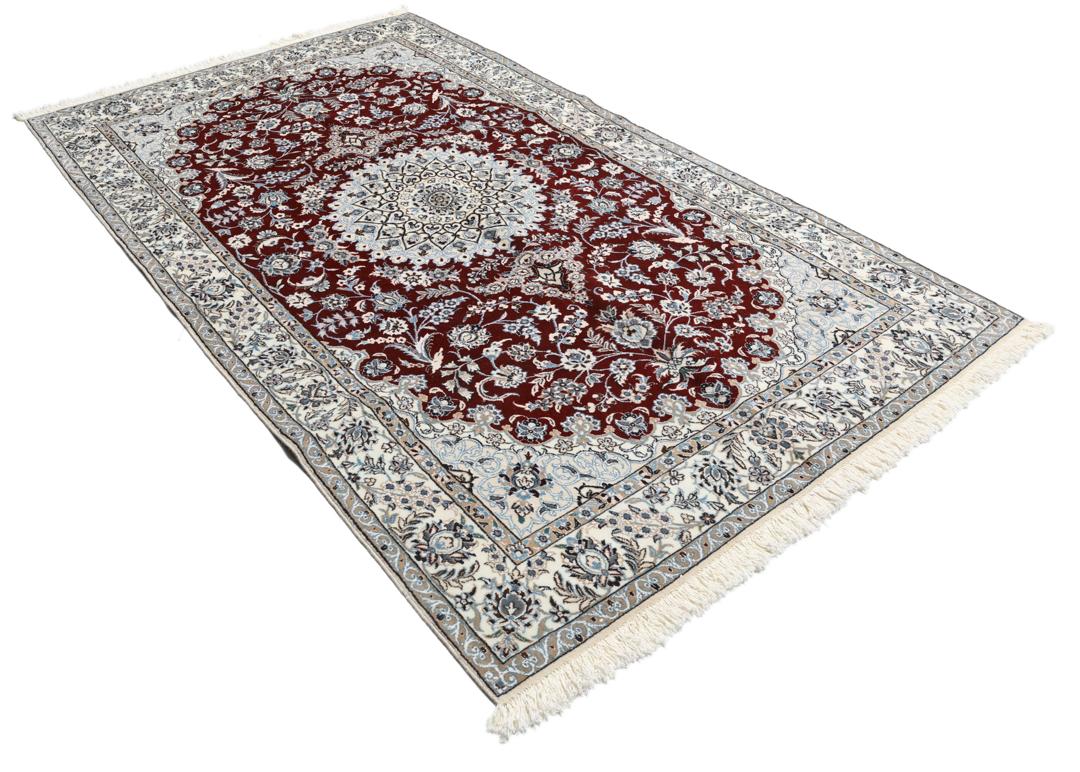
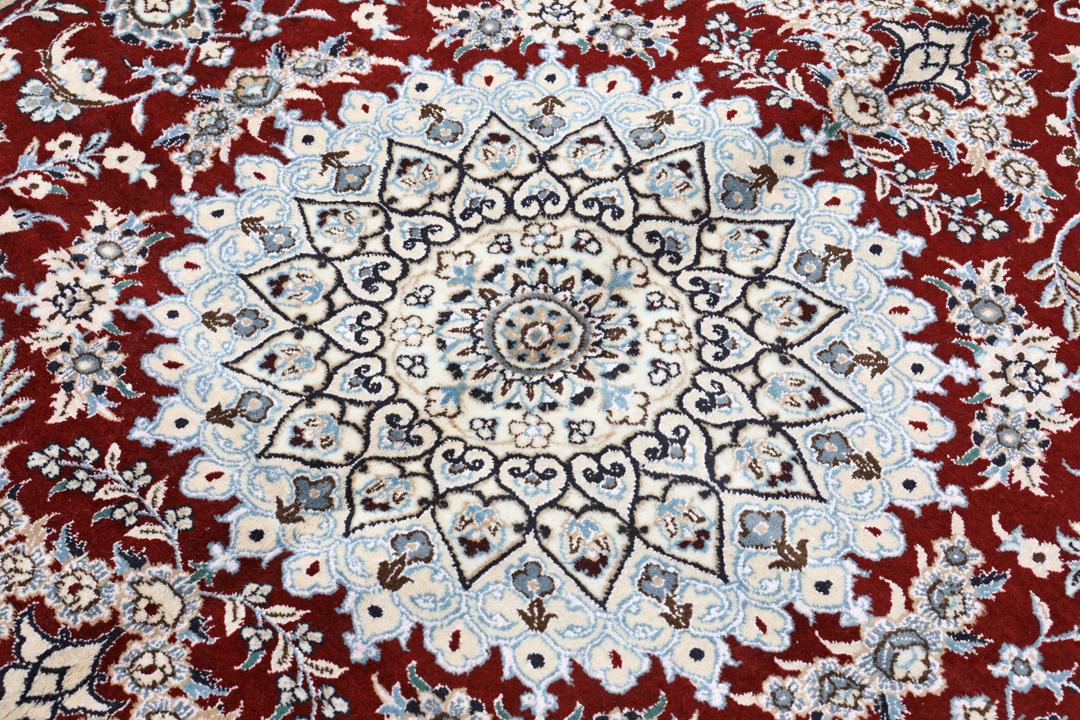
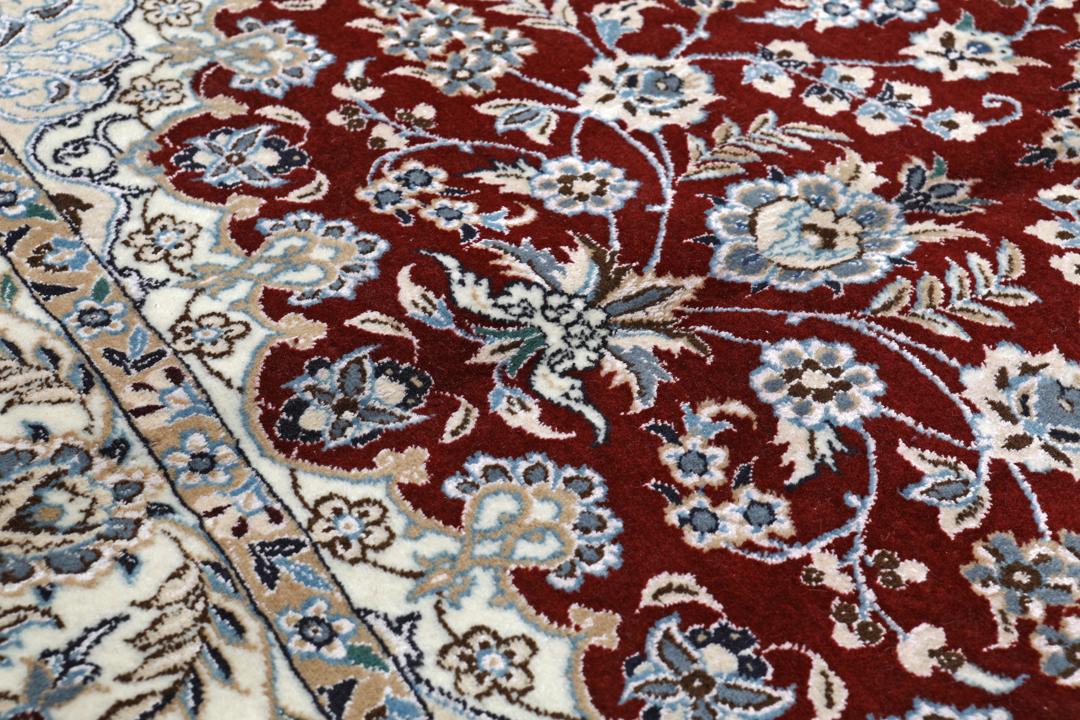
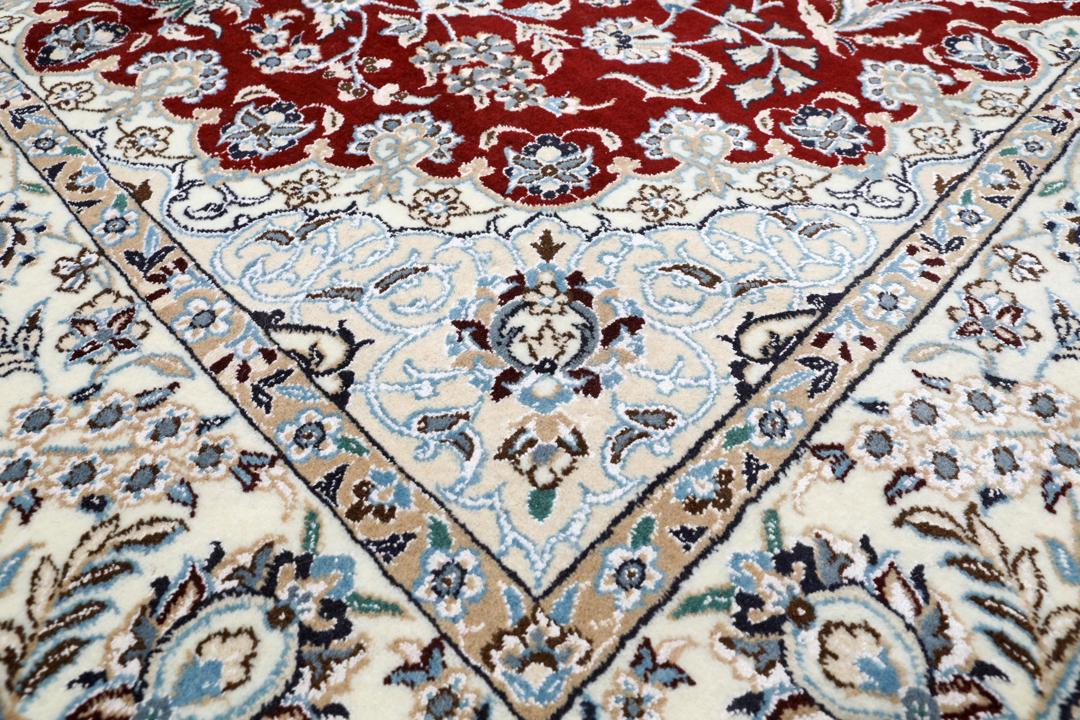
Visually, Nain rugs are defined by their sophisticated colour palettes, which often favour soft creams, ivories, and deep reds, accented by delicate blues. The design typically centres on a grand, intricate medallion surrounded by a sea of flowing floral vines and palmettes. This formal composition is balanced by a wide, detailed border, creating a sense of harmony and poise that is instantly recognisable to those who appreciate fine craftsmanship.
Collectors value Nain rugs not only for their aesthetic beauty but for their cultural significance as symbols of technical mastery. Owning a piece from this tradition is an investment in a legacy of precision. It represents a commitment to preserving the artistry of hand-knotting, ensuring that these complex, time-honoured designs continue to be celebrated for their skill and their enduring presence in the home.