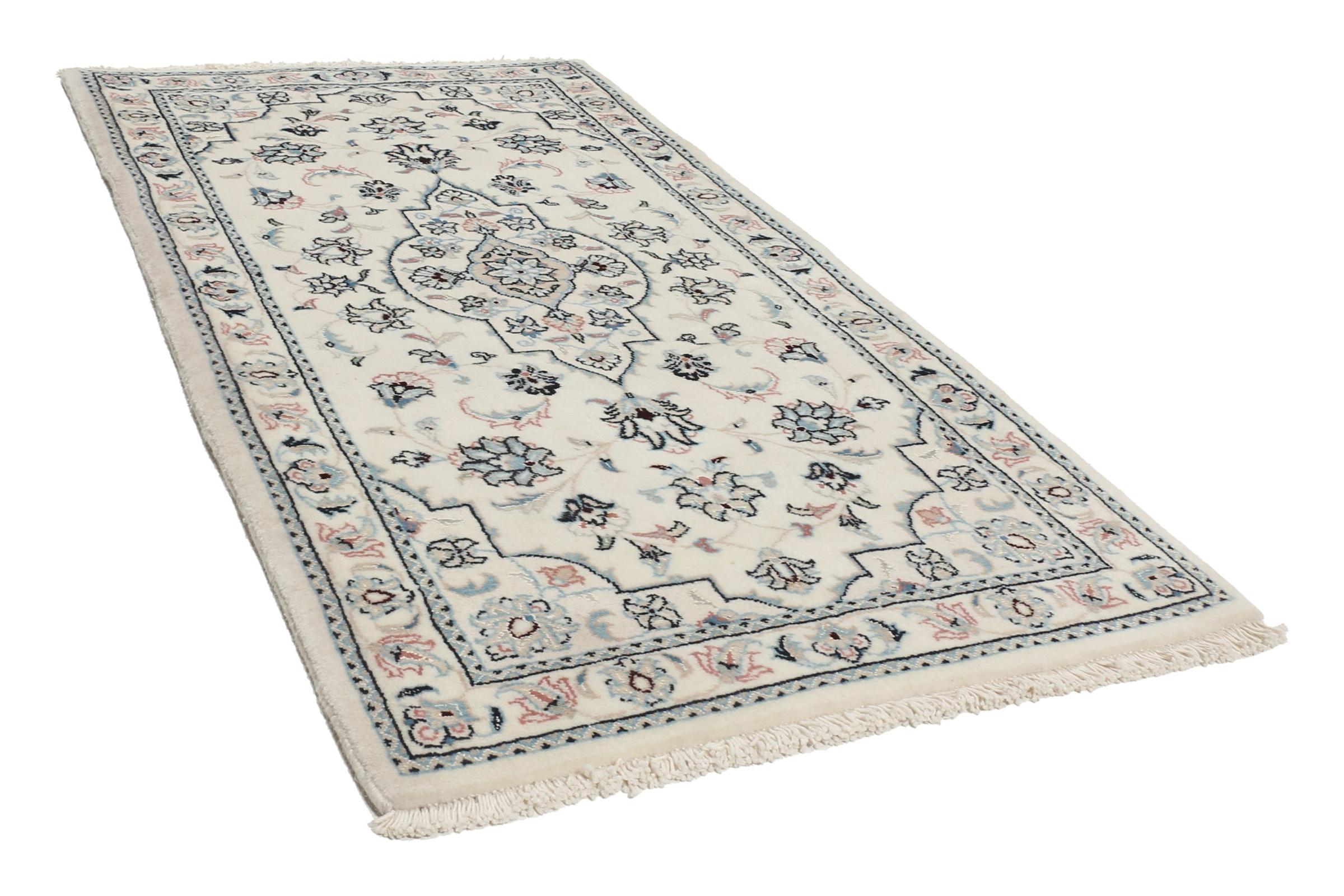
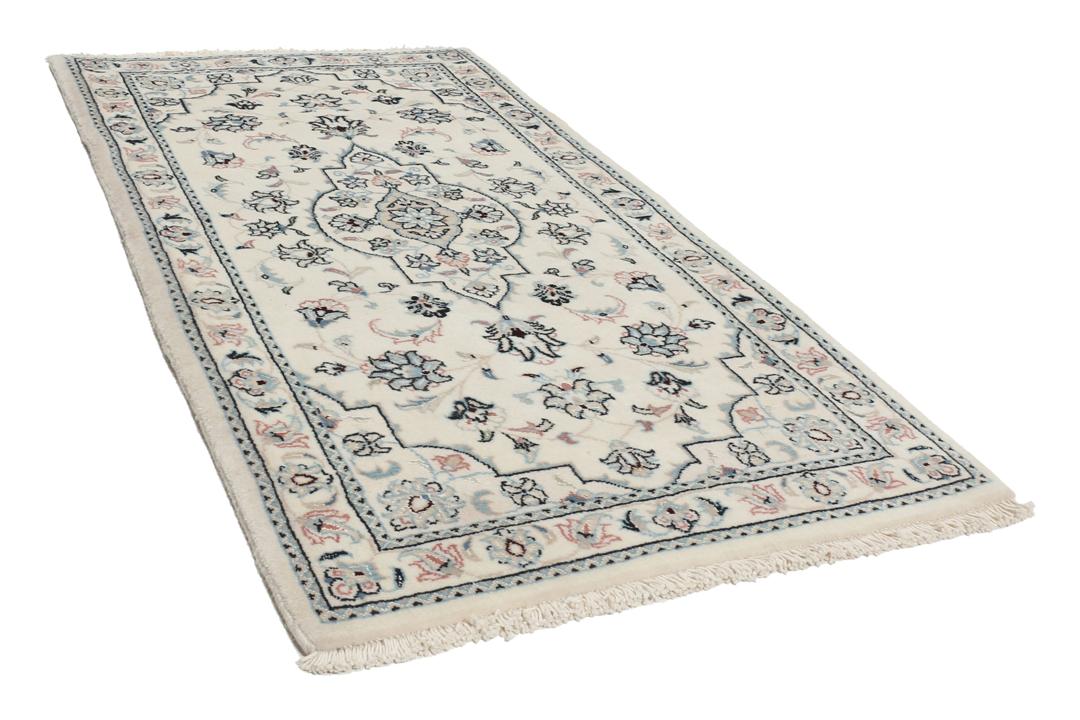
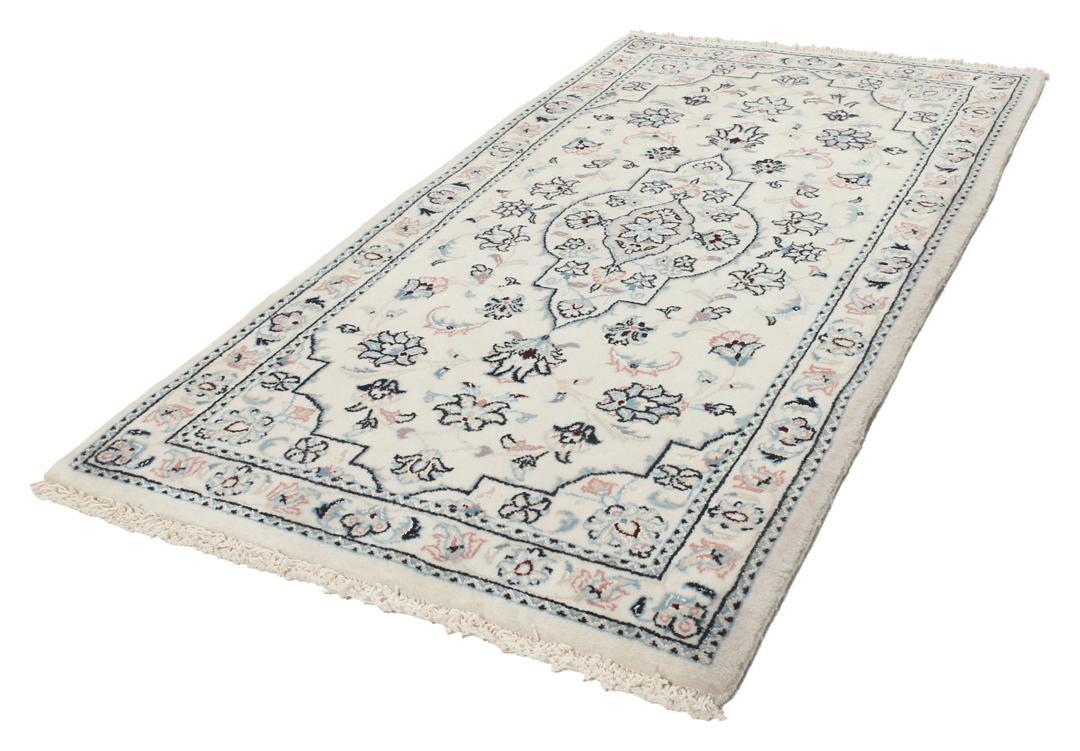
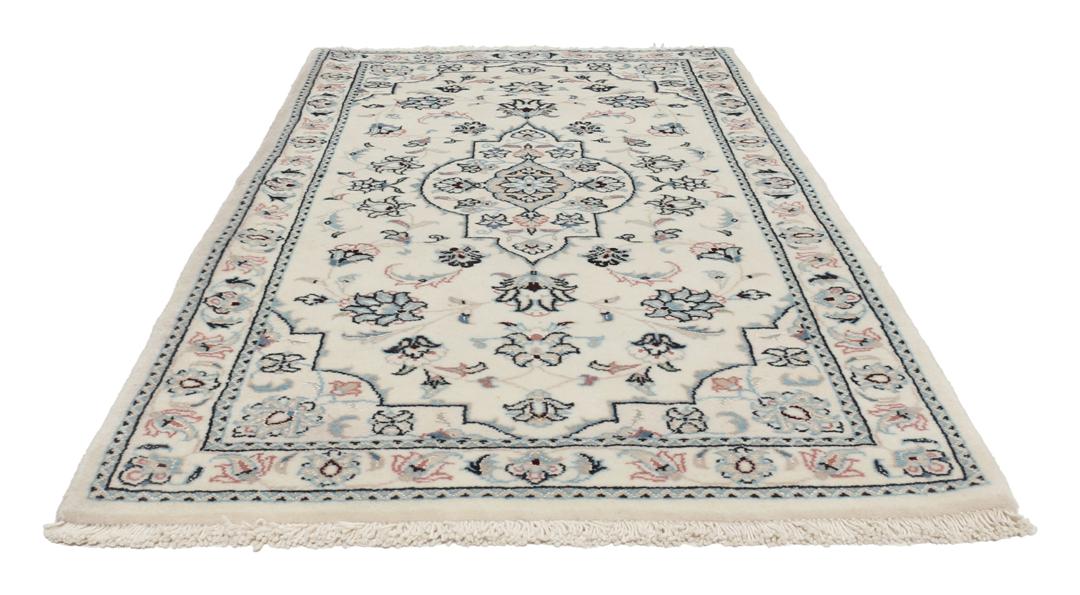
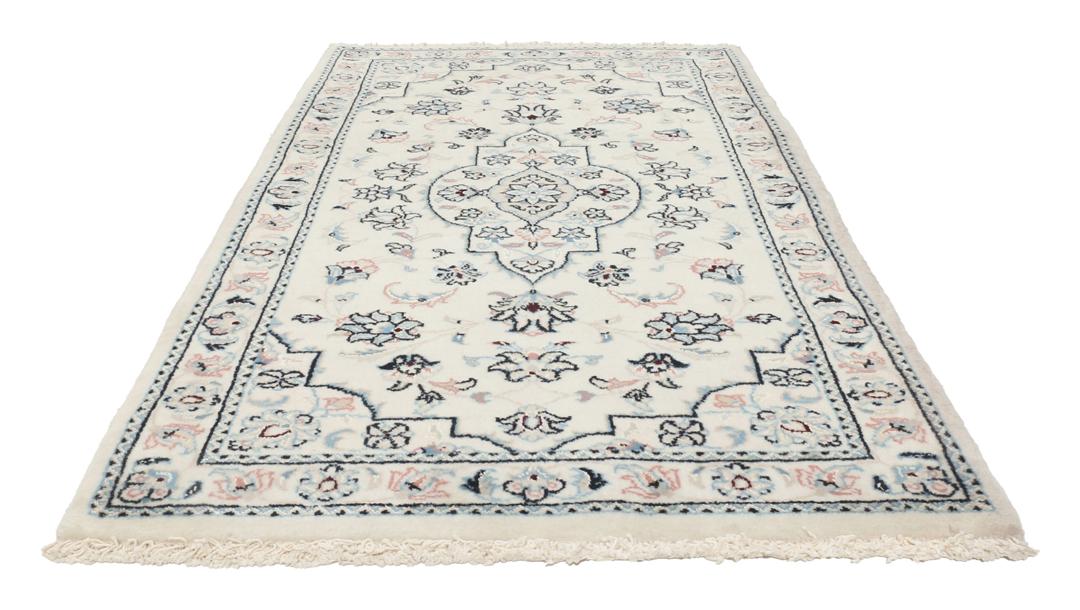
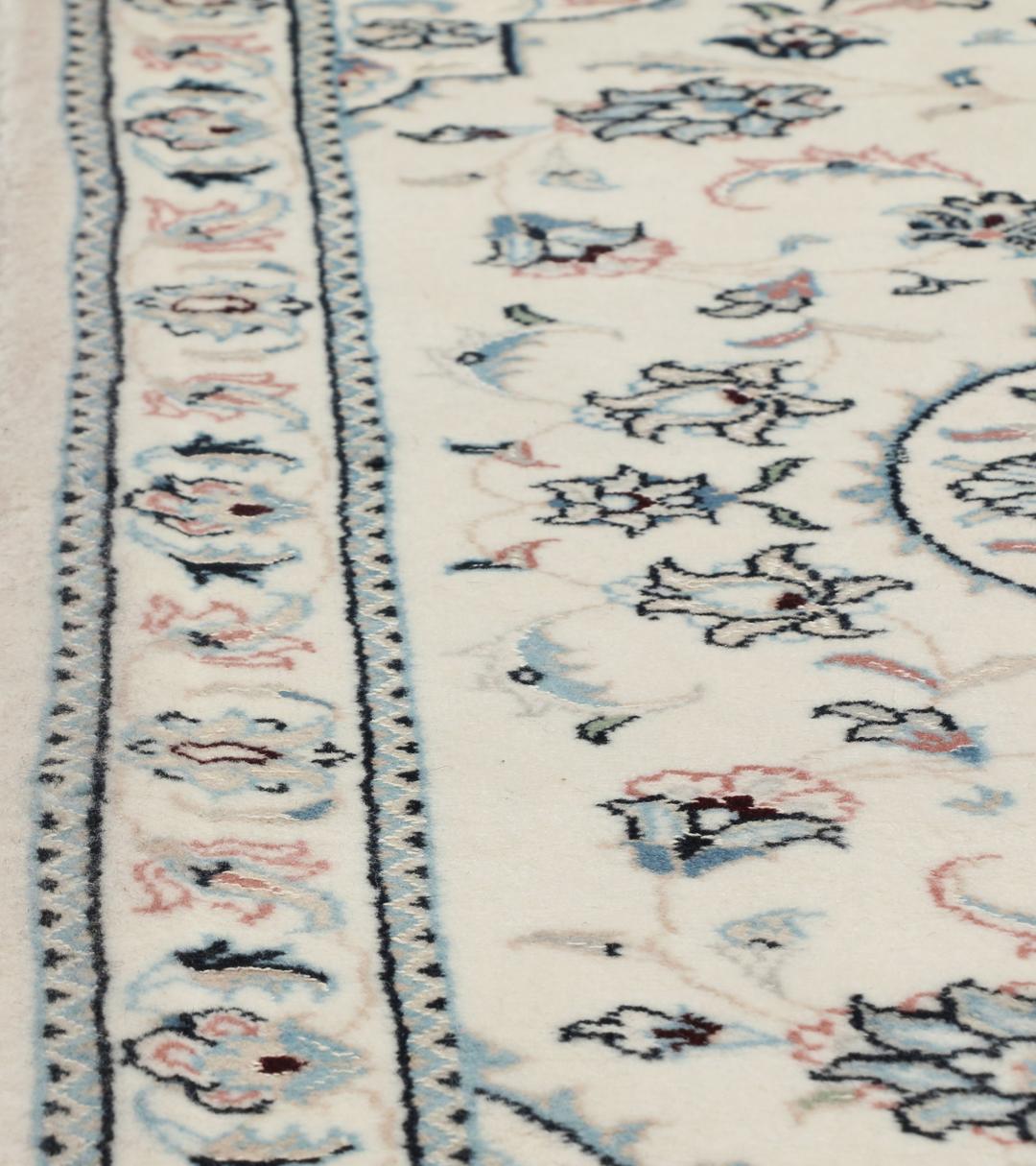
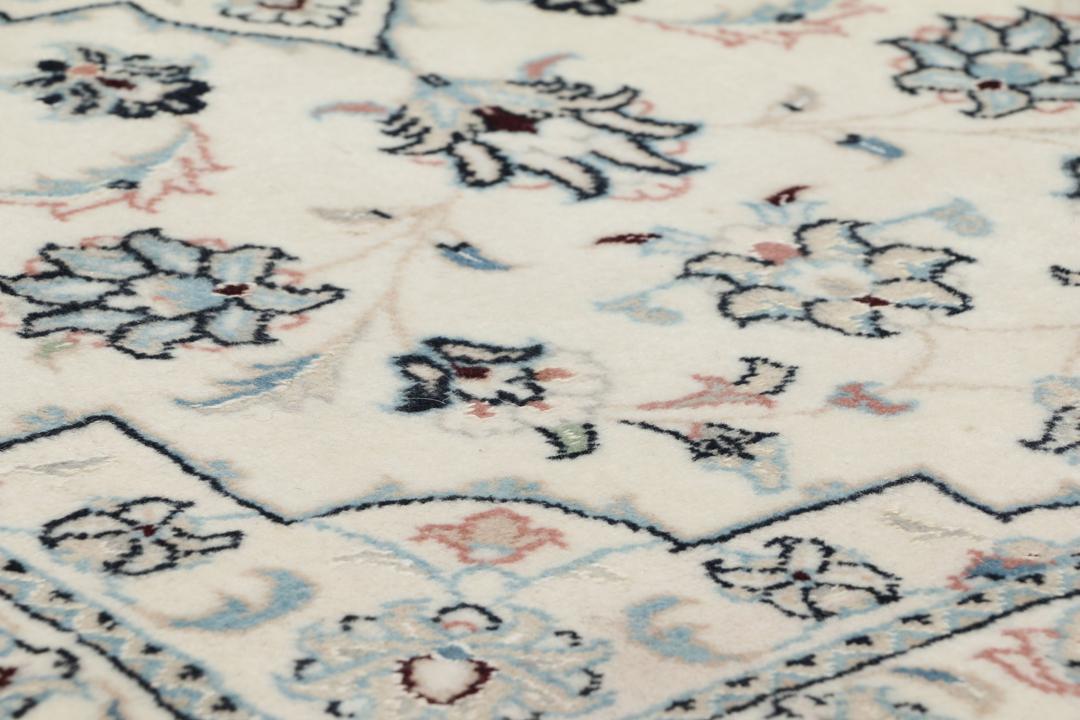
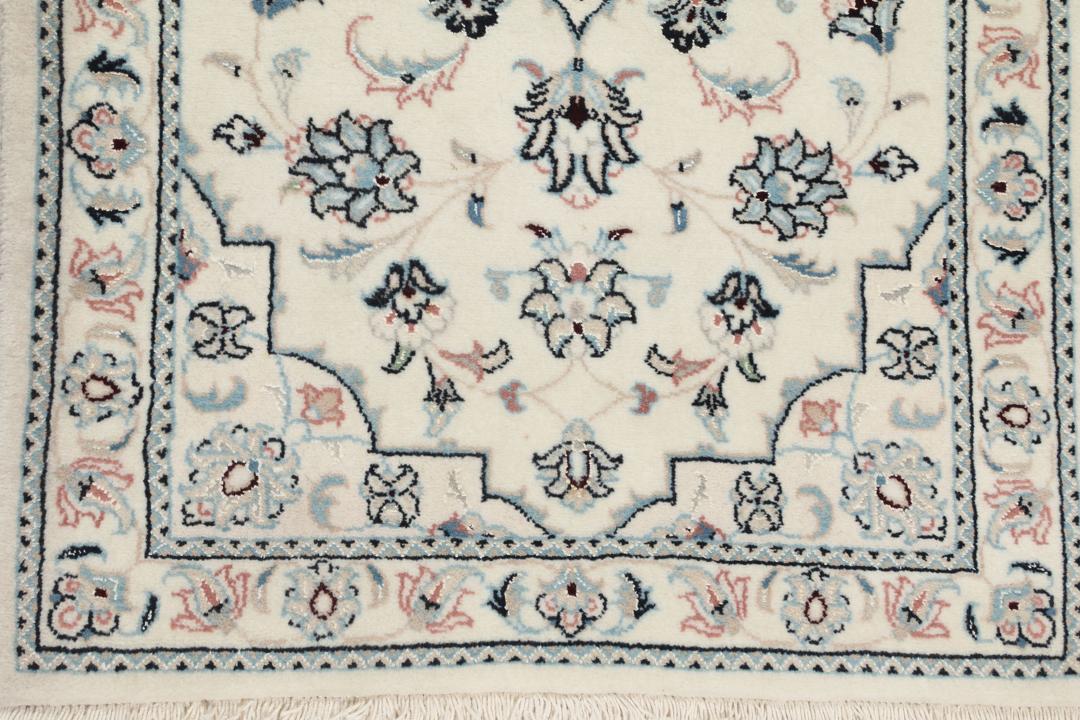
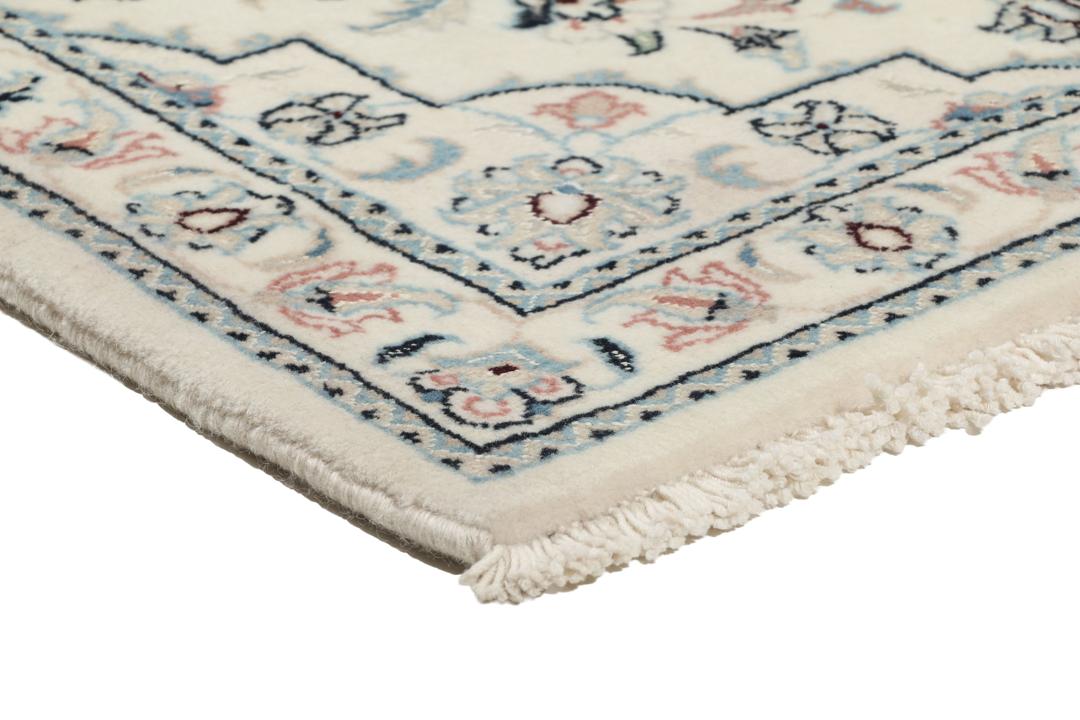
Nain rugs take their name from the historic city of Nain in the Middle East, a location renowned for its long-standing tradition of fine textile production. While the city was originally famous for its high-quality wool garments, it evolved into a significant hub for rug weaving during the 20th century, quickly gaining a reputation for producing some of the most elegant and sought-after pieces in the world.
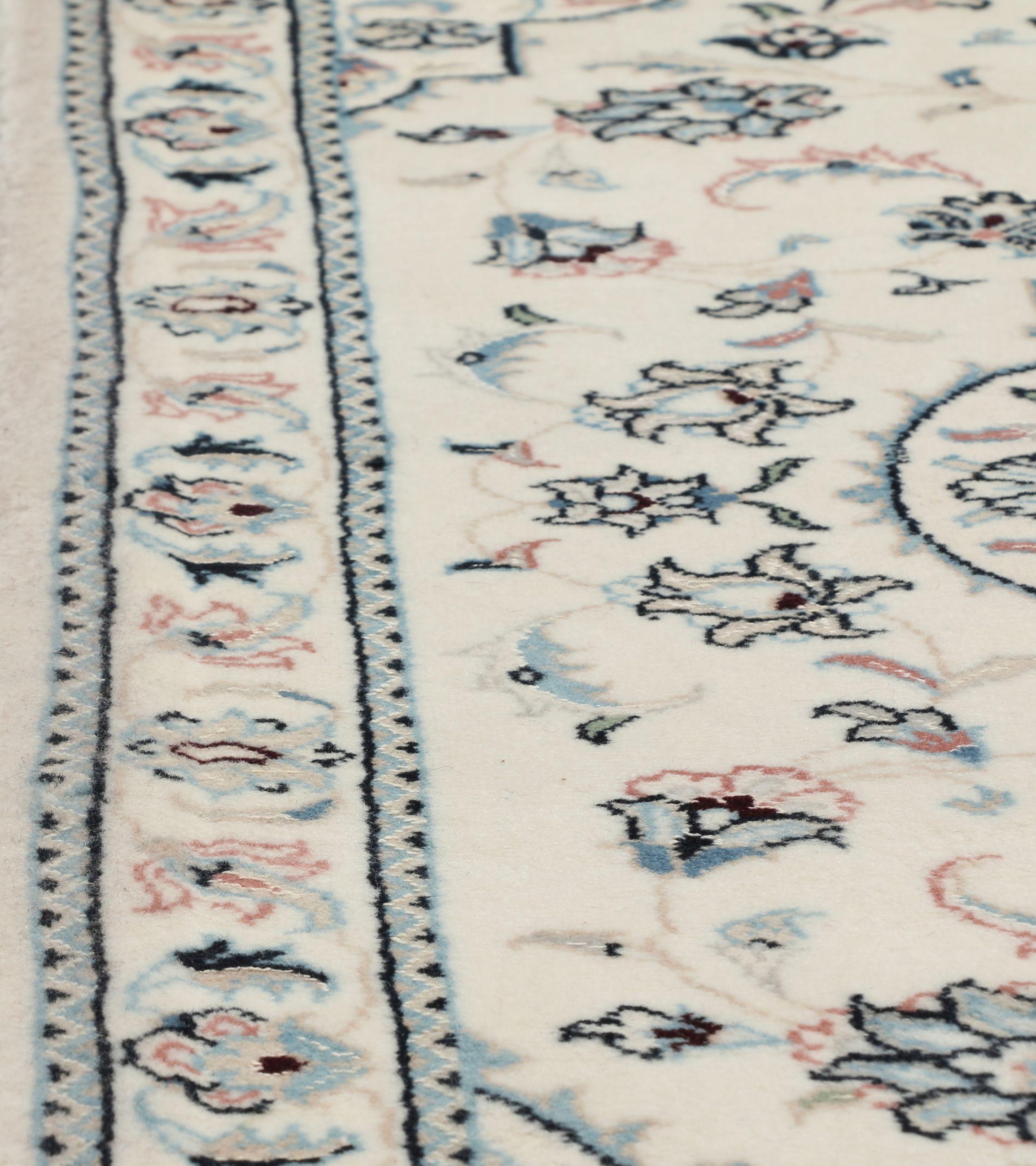
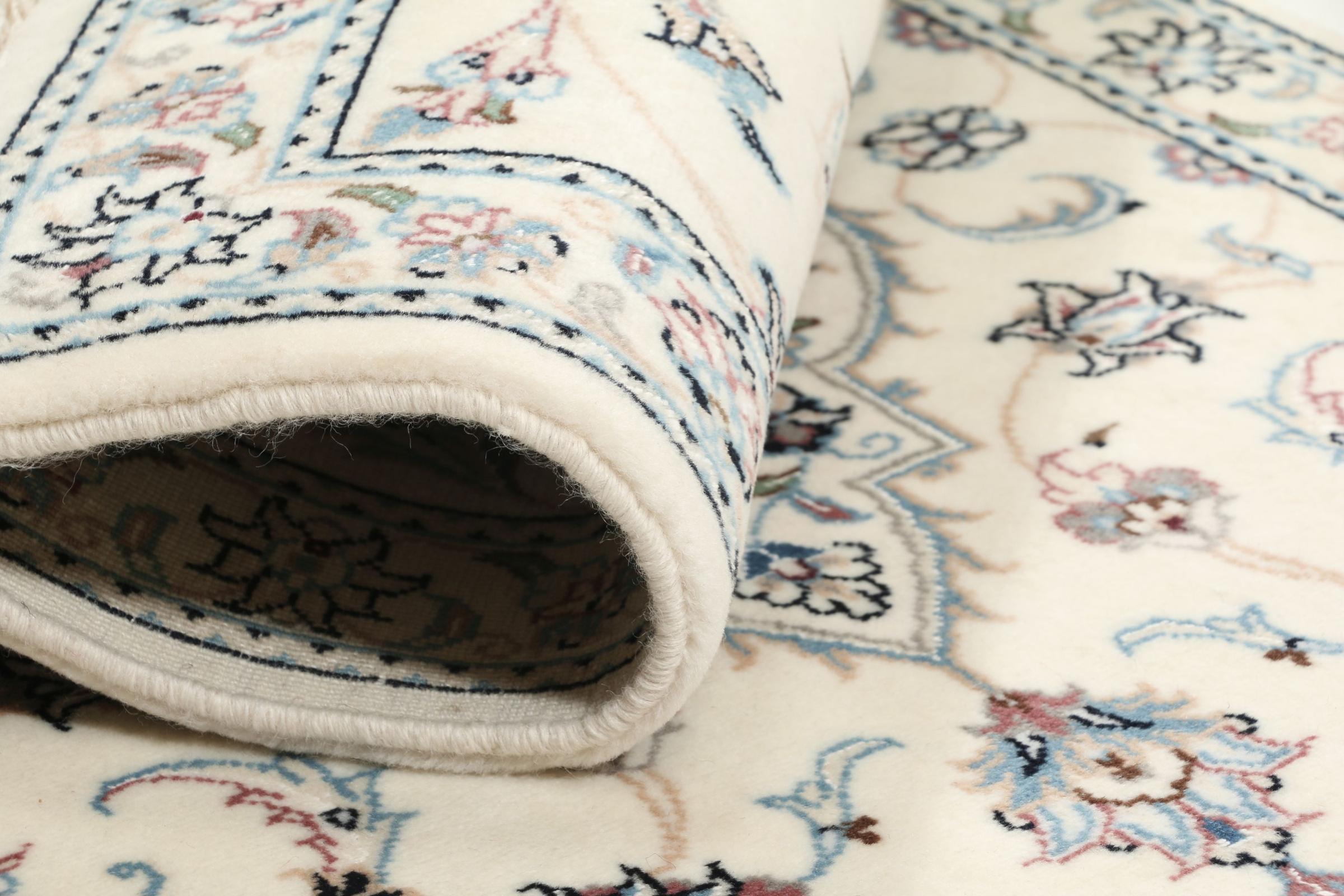
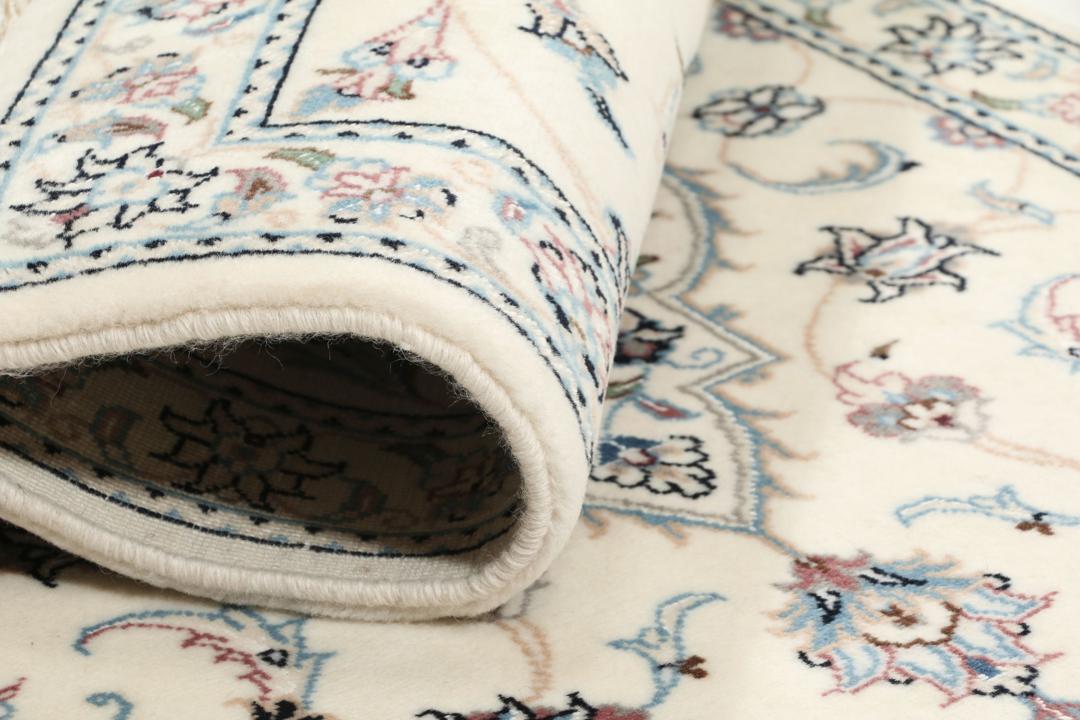
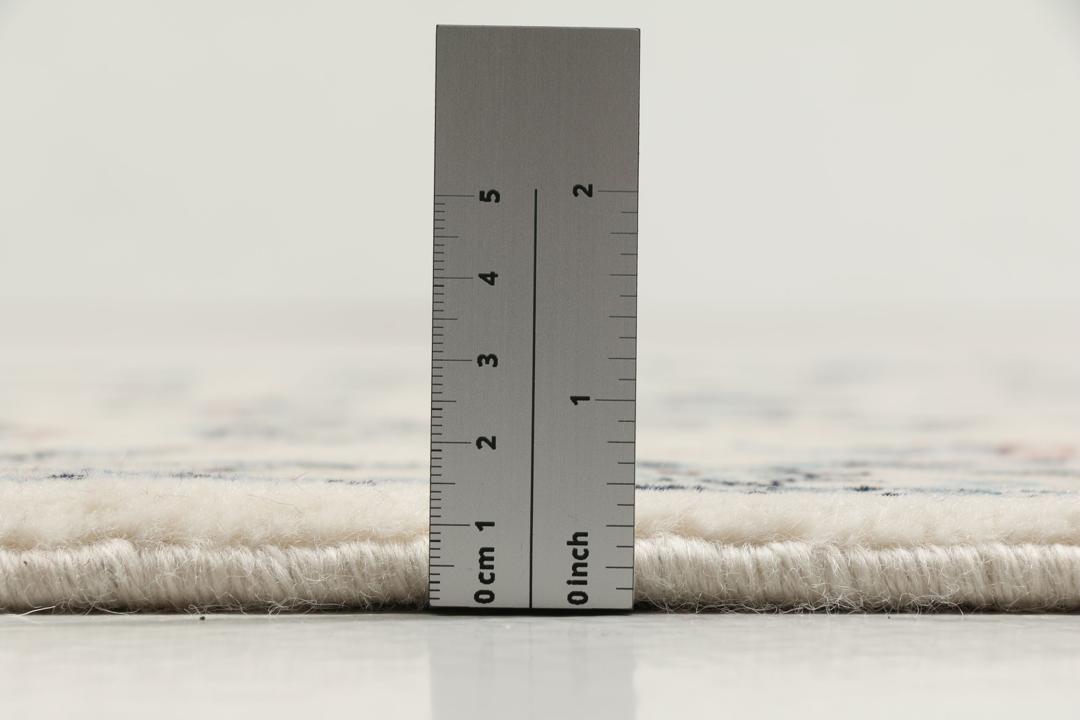
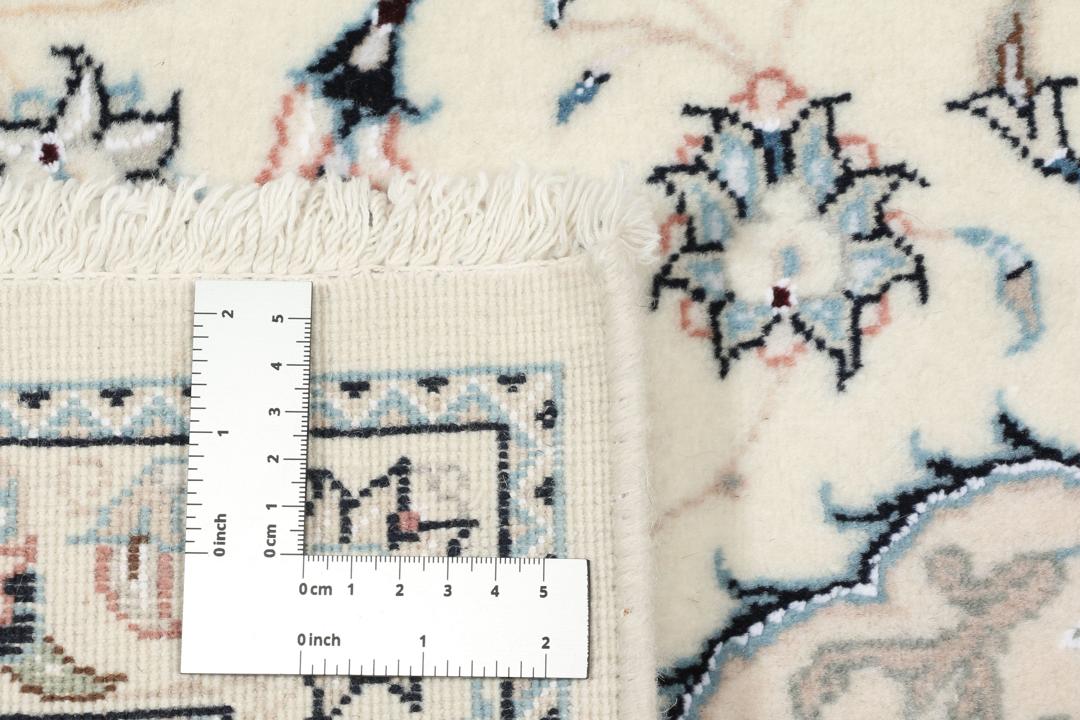
The 9La designation is a vital term in understanding the quality of these rugs. It refers to the number of strands of thread used in the foundation of the rug, a lower number like 9 indicates a finer, more delicate construction. This technique results in a higher density of knots, which translates to a more intricate design, a smoother texture, and a superior level of durability compared to standard weaves.
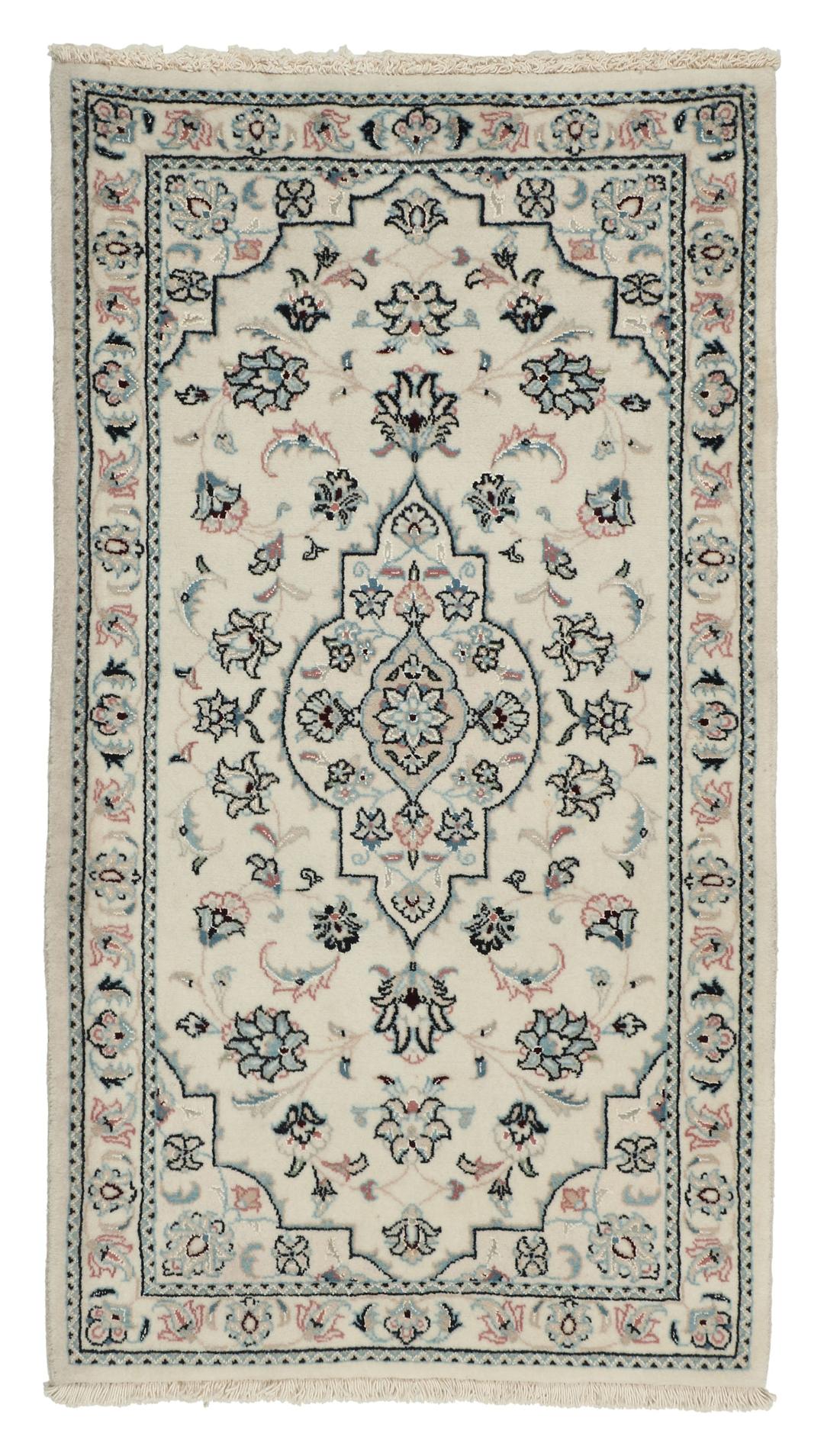
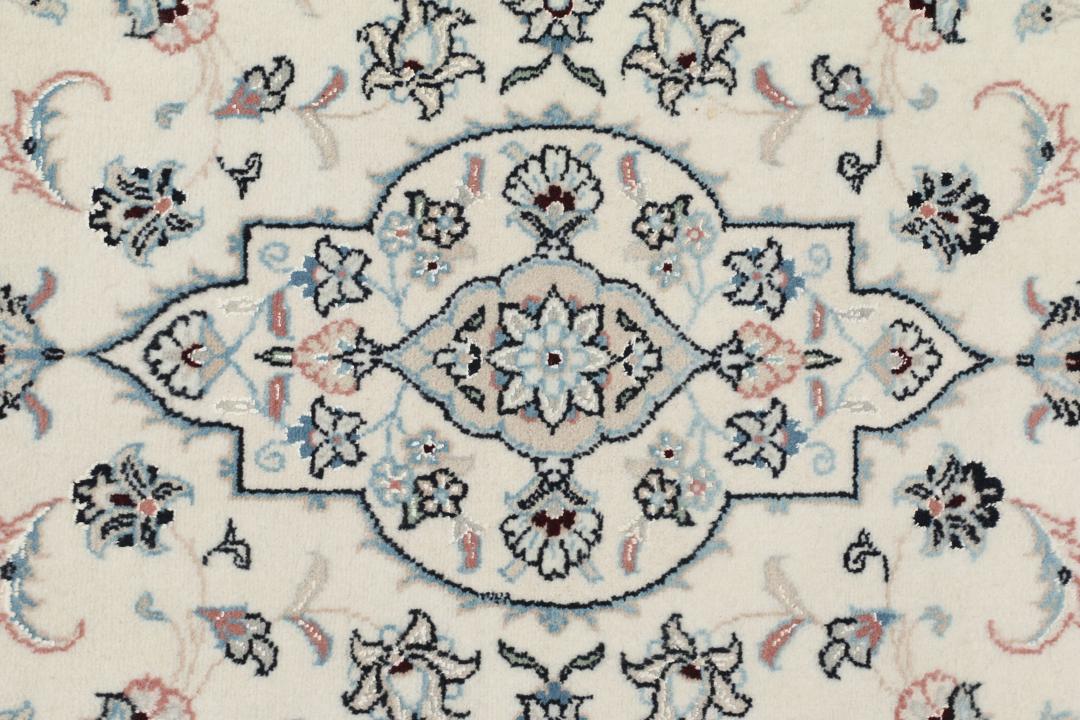
Design-wise, these rugs are celebrated for their sophisticated colour palettes and intricate floral motifs. Often featuring a central medallion surrounded by a delicate arrangement of arabesques and flowers, the designs are heavily influenced by classic artistic traditions. The use of soft, muted tones is a hallmark of the Nain style, allowing the complex patterns to reveal themselves slowly to the viewer.
Collectors value these rugs for their balance of artistic beauty and technical precision. Owning a piece from this tradition is a testament to an appreciation for heritage, skill, and the pursuit of excellence. These rugs are not merely floor coverings, but significant cultural artefacts that bring the weight and history of a storied region into the modern home.