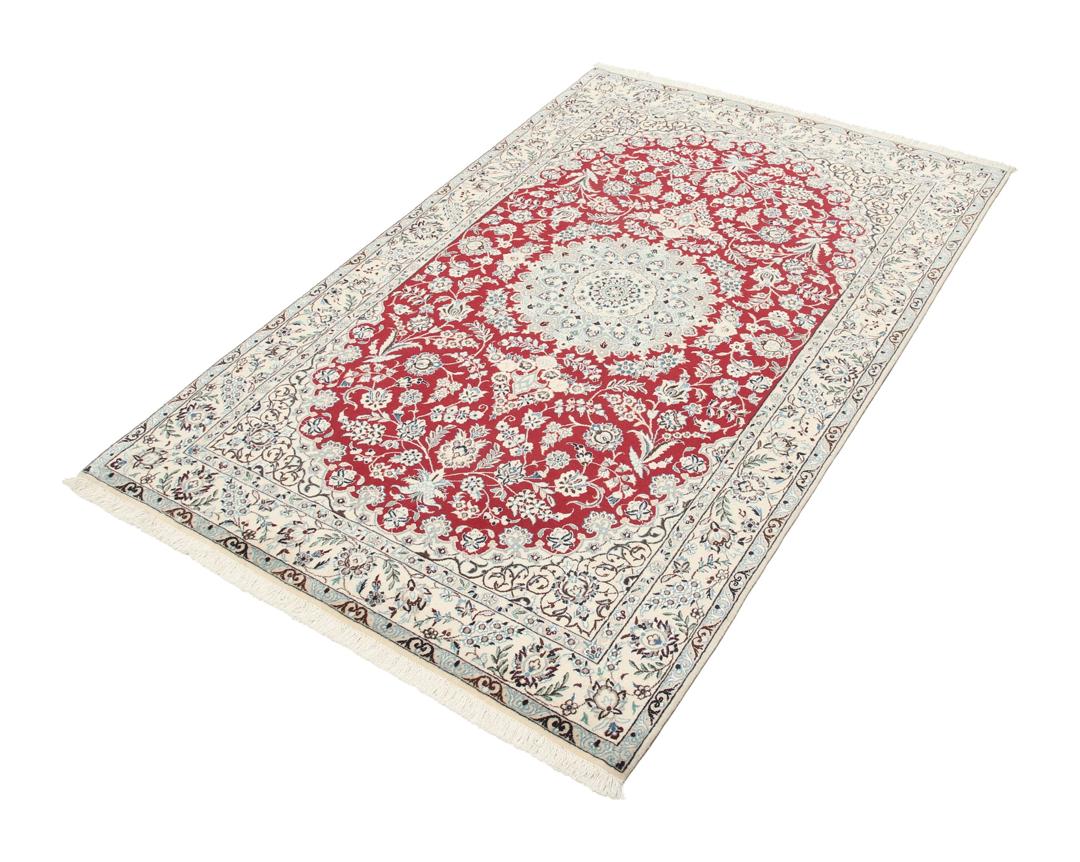
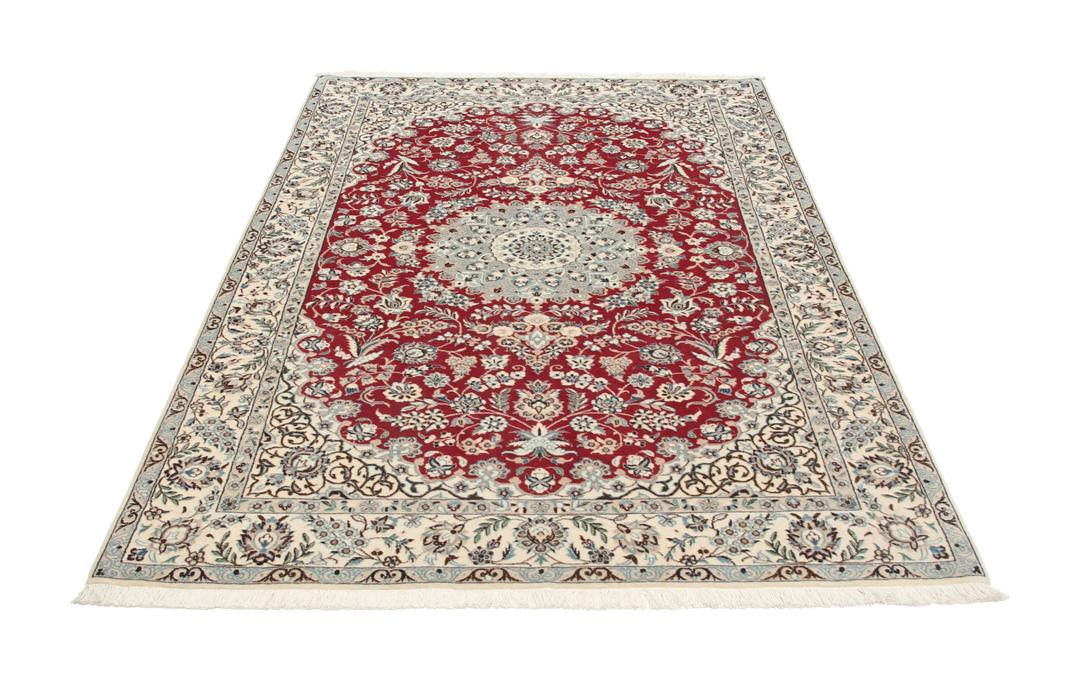
Nain rugs originate from the historic city of Nain, located near Isfahan in the Middle East. Originally known for producing high-quality wool garments, the region pivoted to rug weaving in the early 20th century, quickly gaining a reputation for producing some of the most sophisticated and finely crafted carpets in the world. This evolution reflects a deep-seated commitment to excellence, blending centuries-old weaving traditions with a refined, modern sensibility.
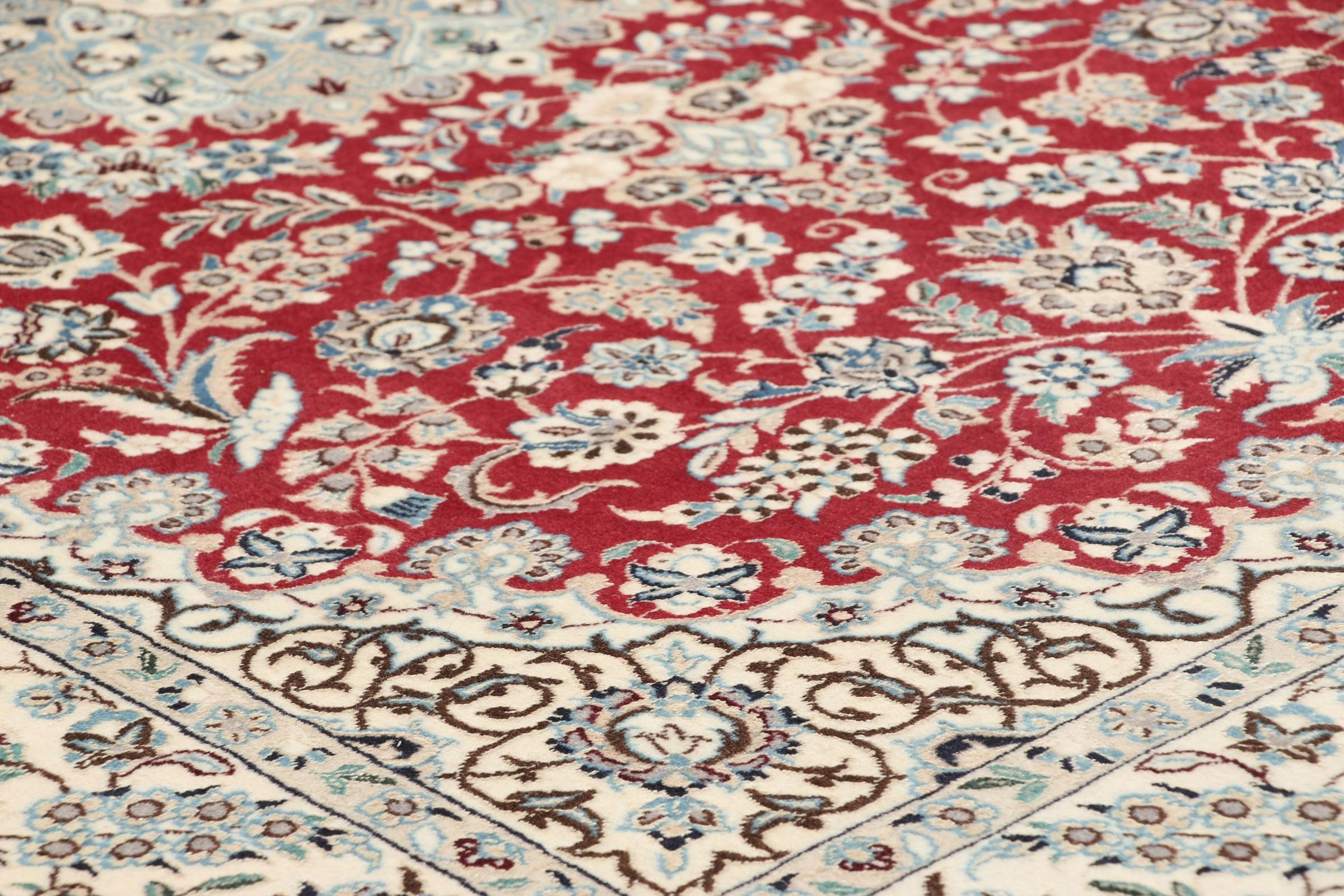
The term 'La' is a central concept in understanding the quality of these rugs. It refers to the number of threads used in the warp, which dictates the fineness of the knotting. A 6La classification signifies a very high level of complexity and detail, requiring a finer touch and more time than standard weaves. This technical classification is a hallmark of quality, ensuring that the rug is not only visually stunning but also built to endure for generations.
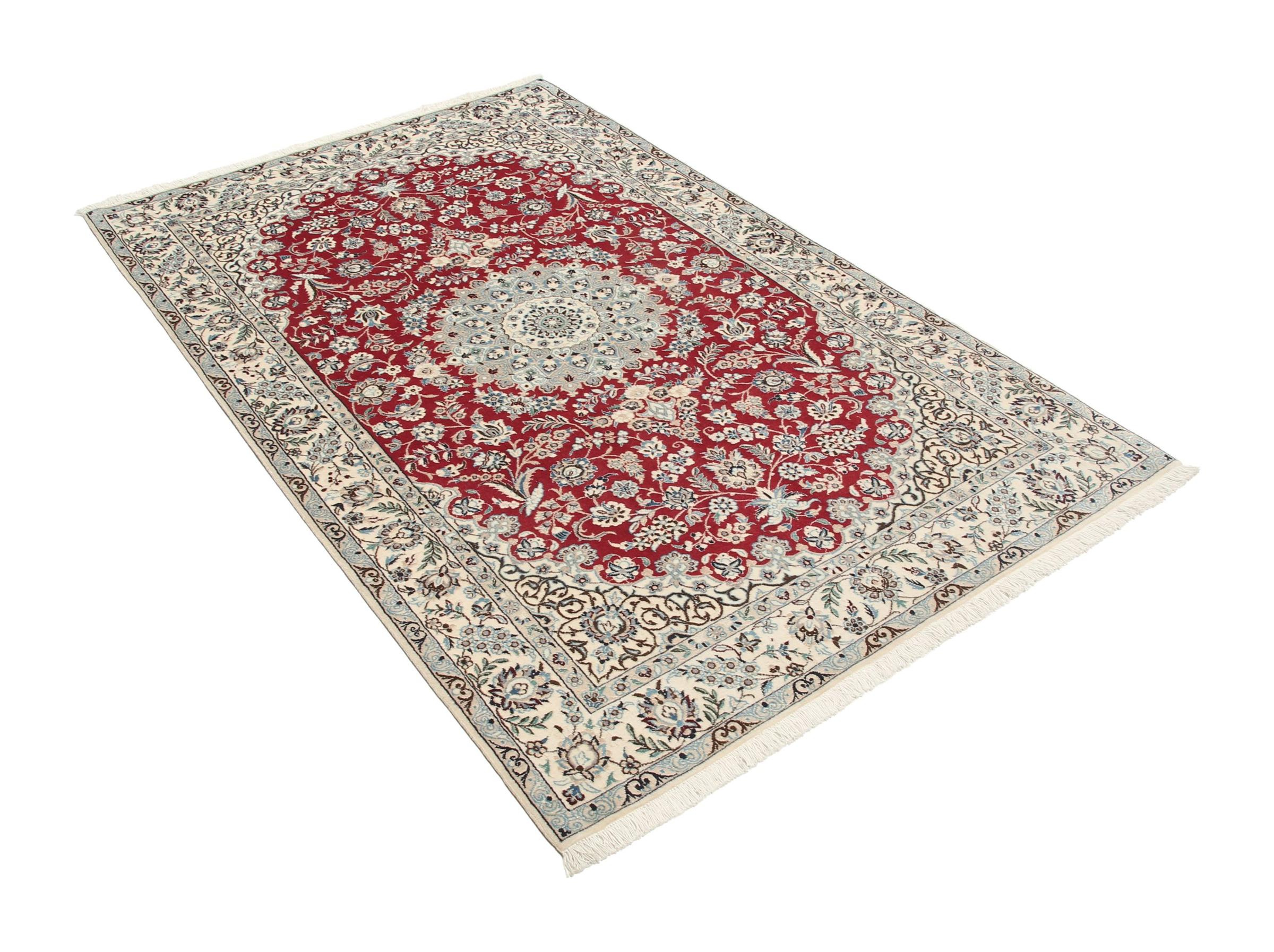
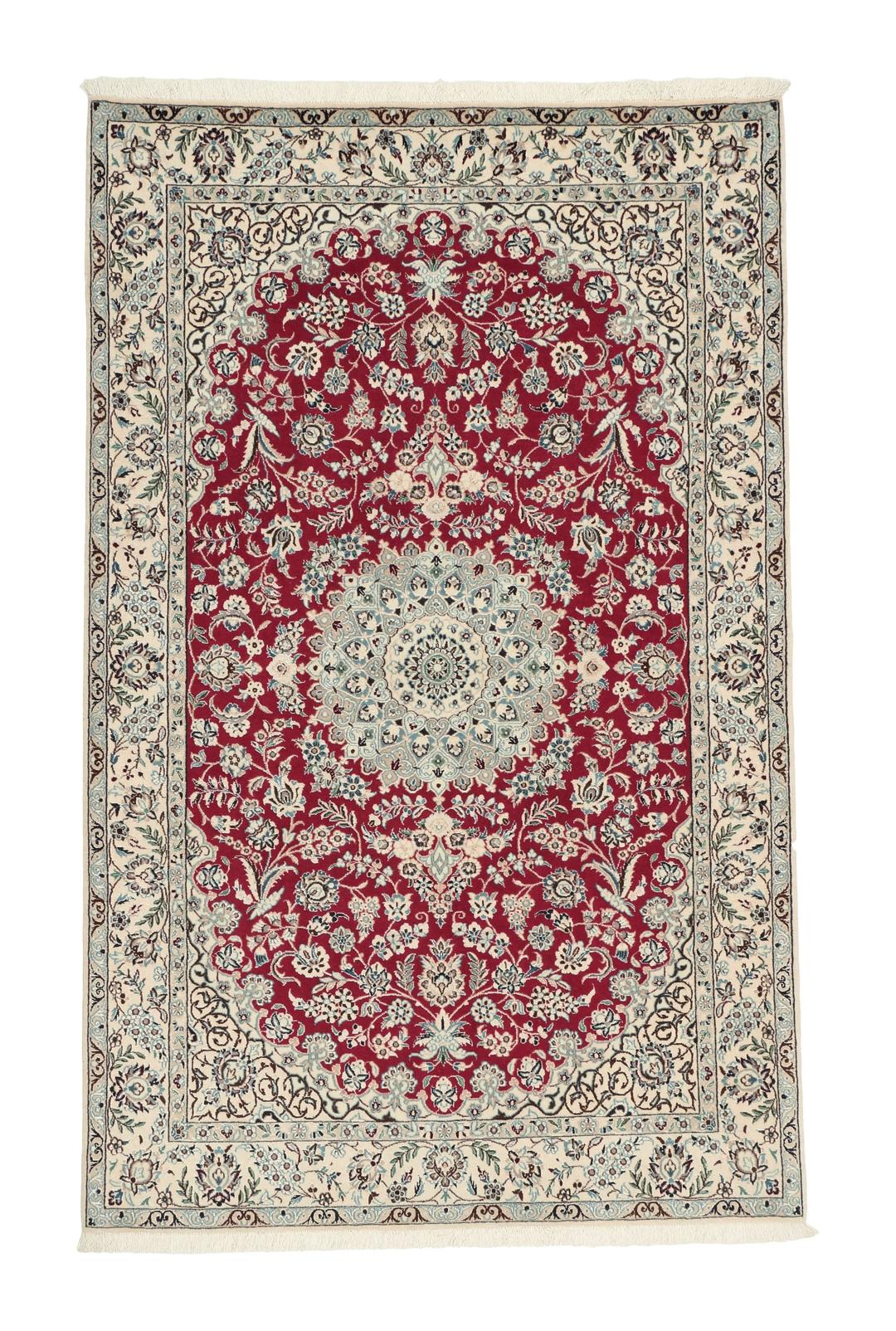
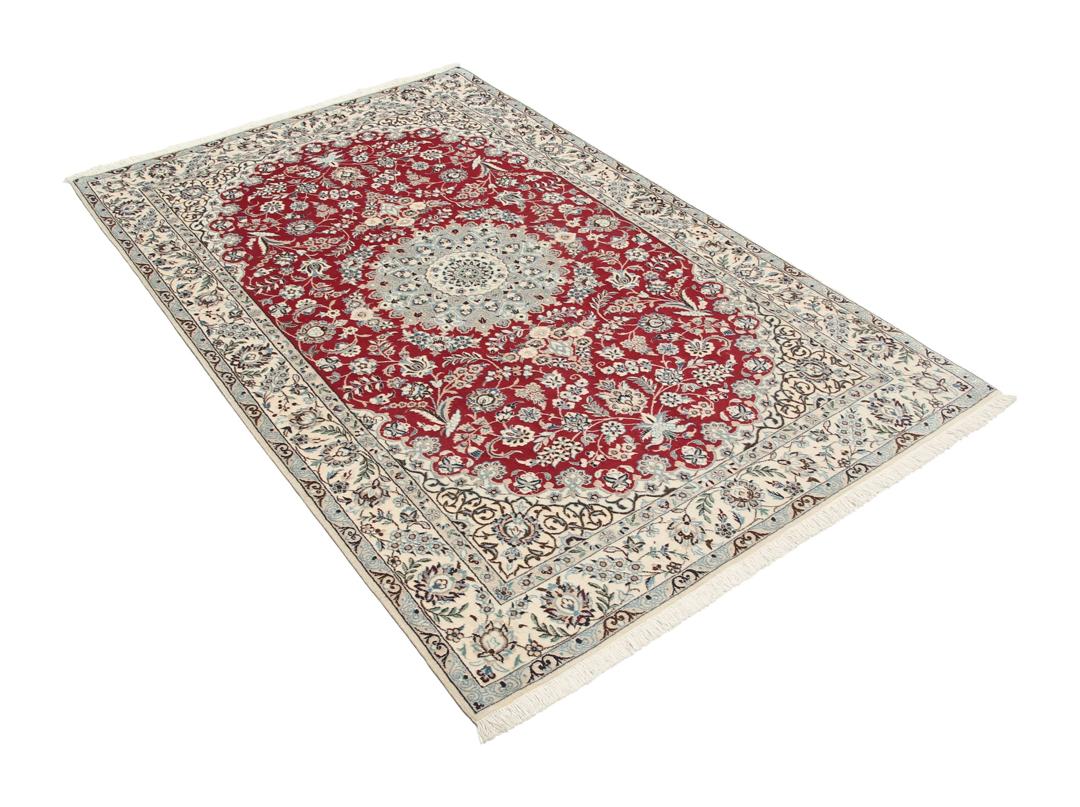
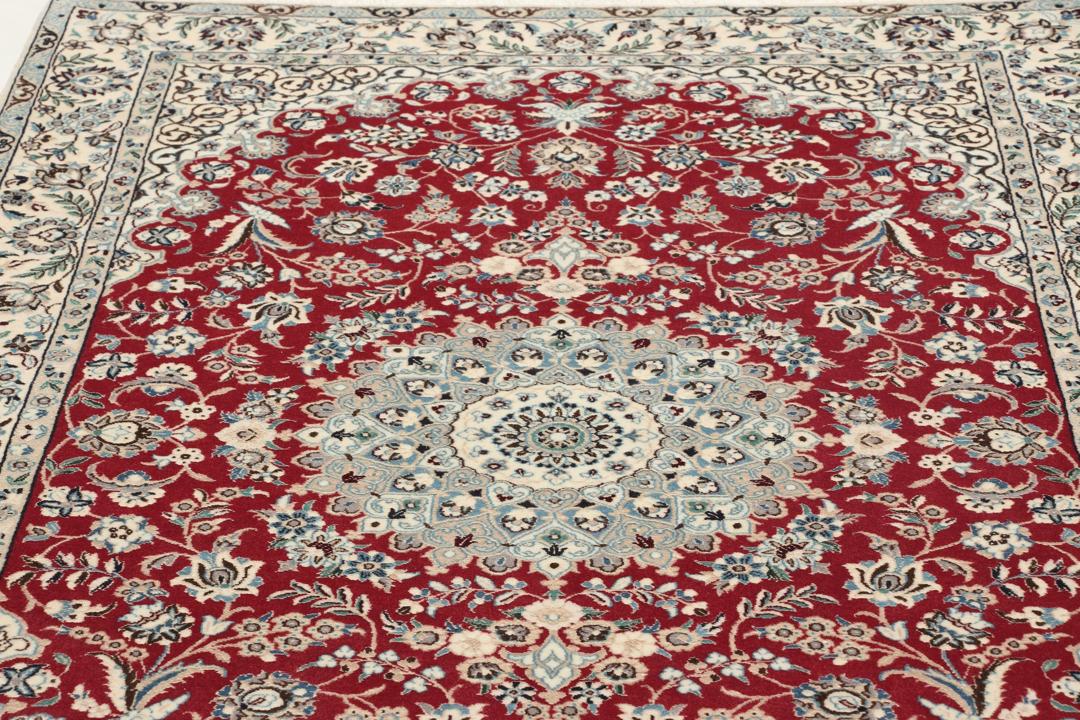
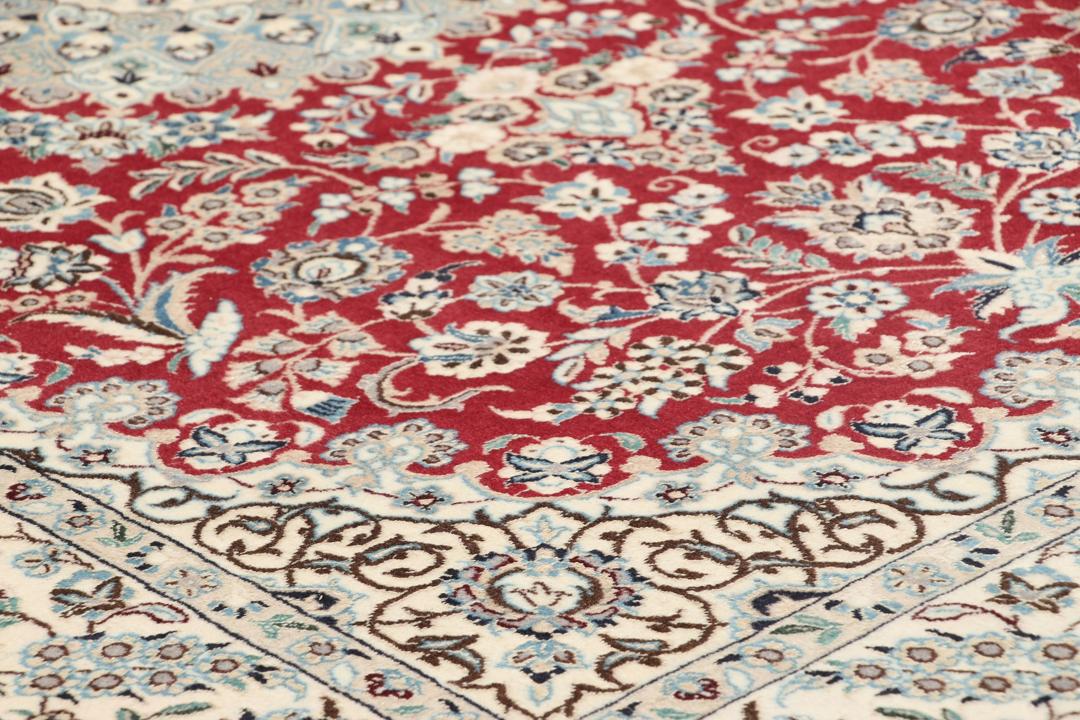
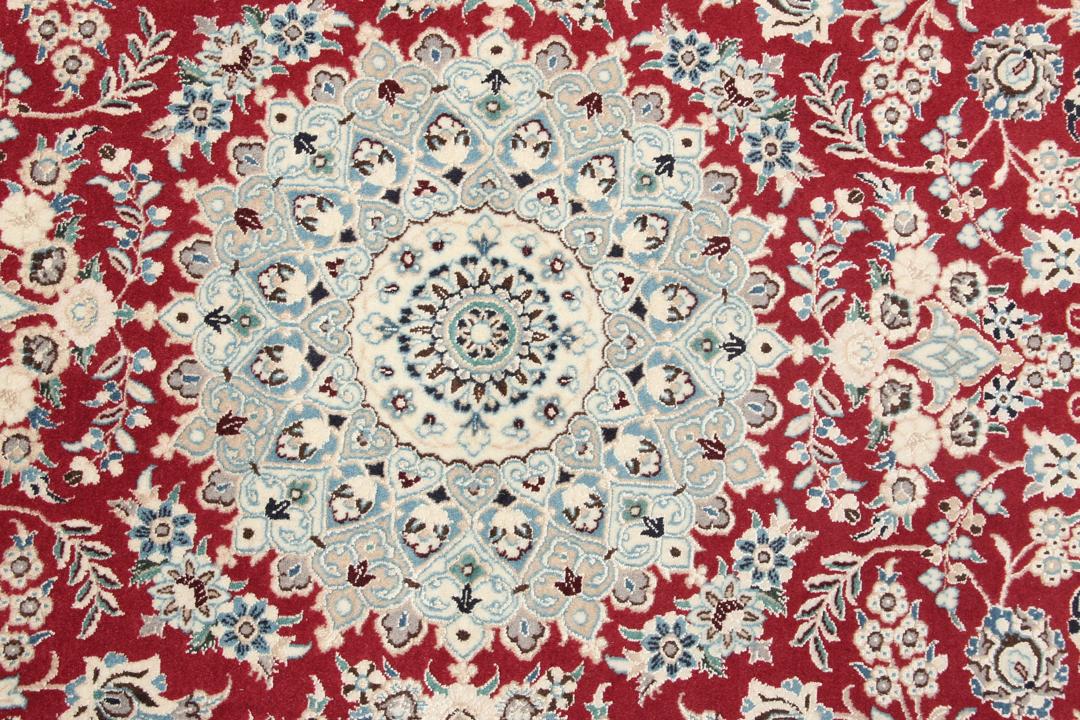
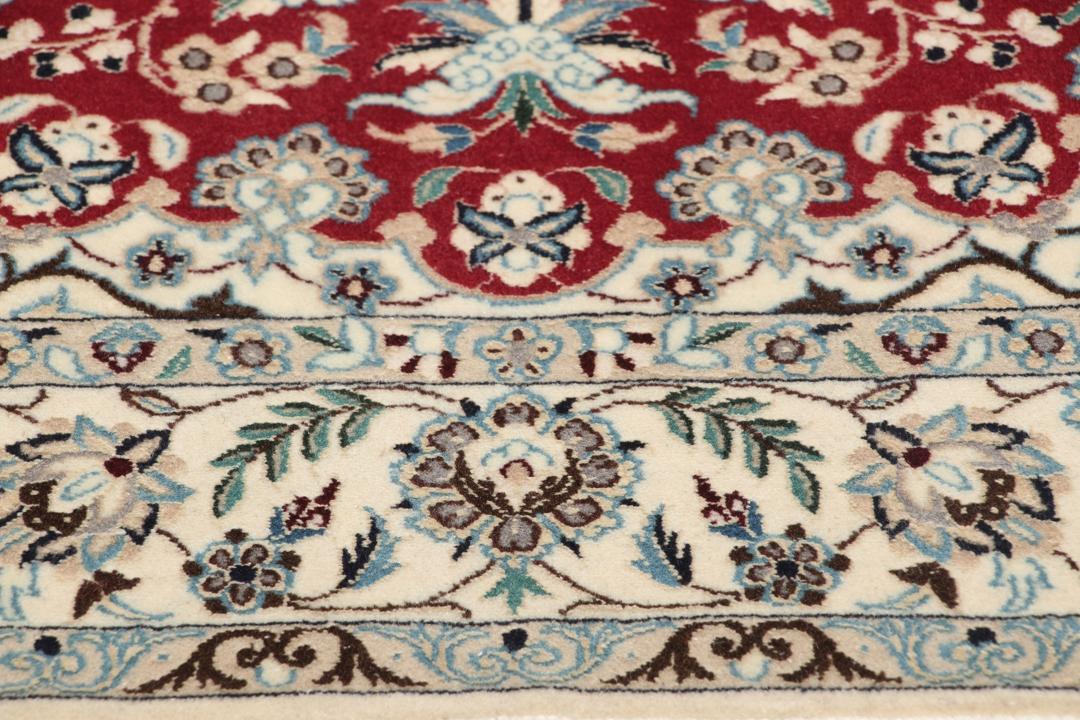
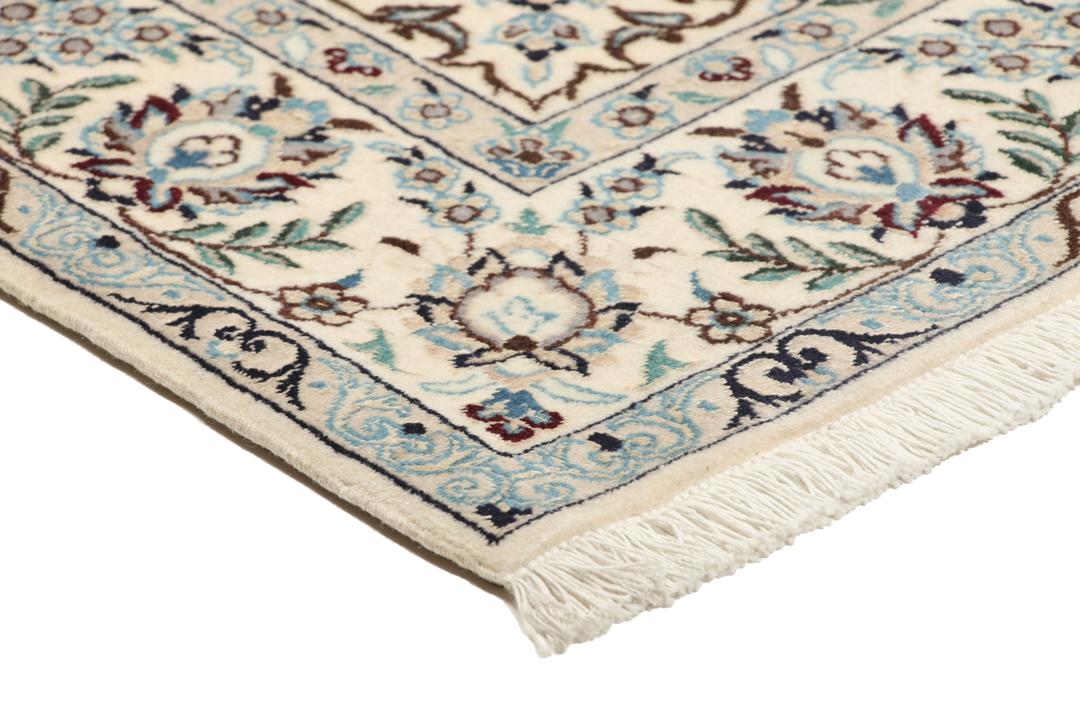
Visually, these rugs are celebrated for their balanced and harmonious designs. They typically feature a central medallion, often echoing the architectural details found in historical Middle Eastern mosques and palaces. The colour palette is traditionally restrained, often utilising shades of cream, blue, and red to create a sense of understated luxury. The intricate floral patterns, or 'Shah Abbasi' motifs, are hallmarks of the style, showcasing a level of detail that is rare in contemporary rug production.
Owning a Nain rug is considered a significant acquisition for any collector or lover of fine interiors. These pieces represent a pinnacle of manual skill and cultural heritage, serving as a bridge between ancient artistic traditions and the modern home. The value lies not only in the materials used but in the cultural narrative woven into every square centimetre, making them prized possessions that carry a legacy of beauty and dedication.