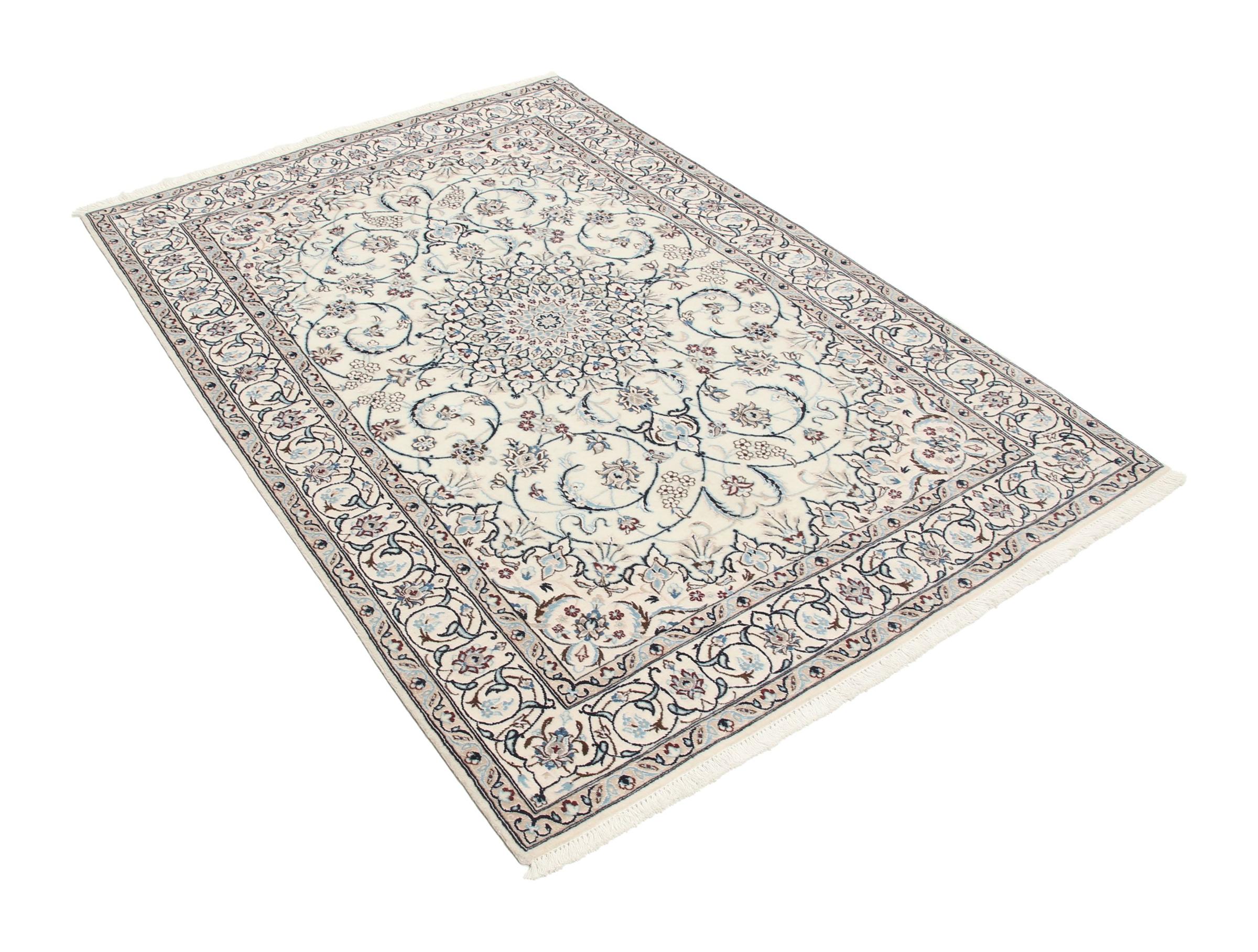
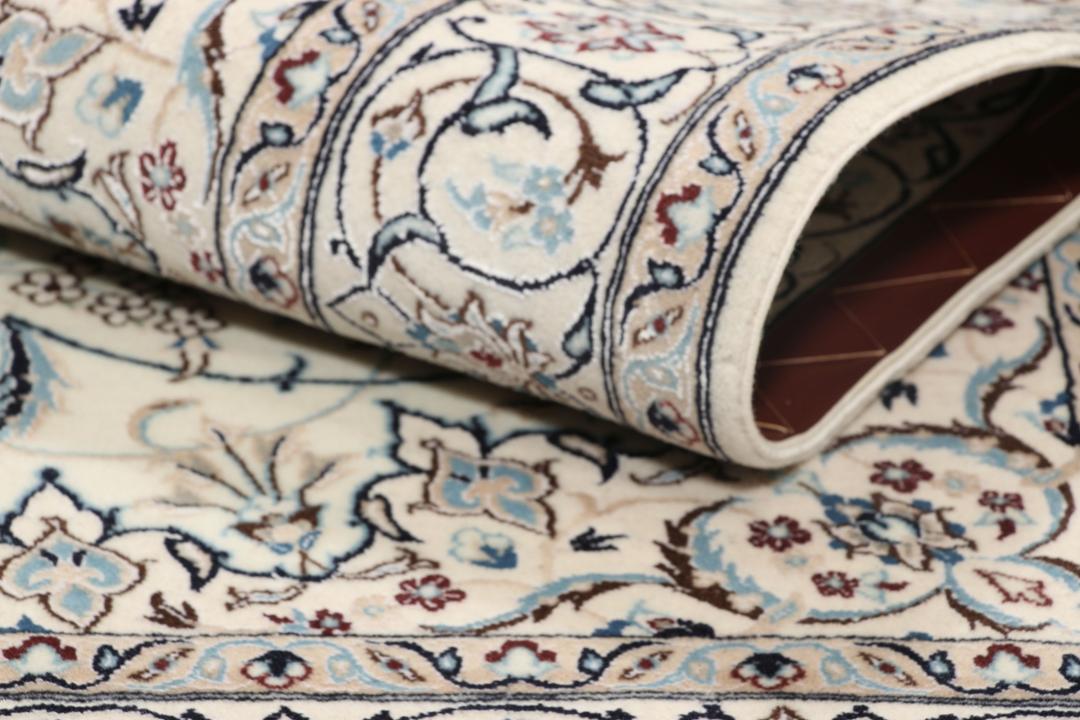
The Nain rug tradition originates from the desert city of Nain in the Middle East, a place historically known for its fine textile production. Originally famous for high-quality wool cloaks, the region transitioned into rug weaving during the early 20th century. By adopting the sophisticated techniques and intricate floral aesthetics of nearby weaving centres, Nain artisans developed a distinct style characterised by elegance and refinement.
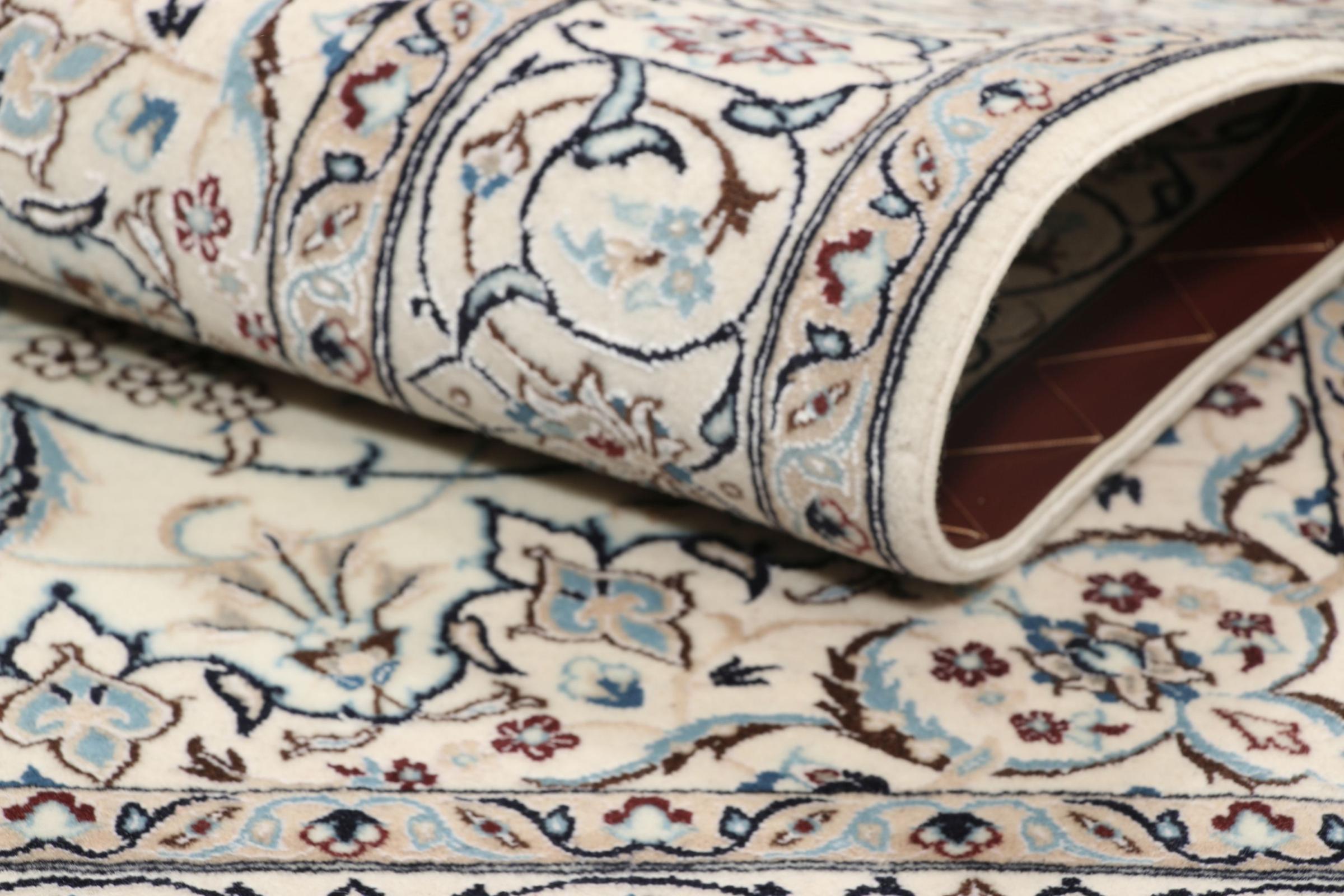
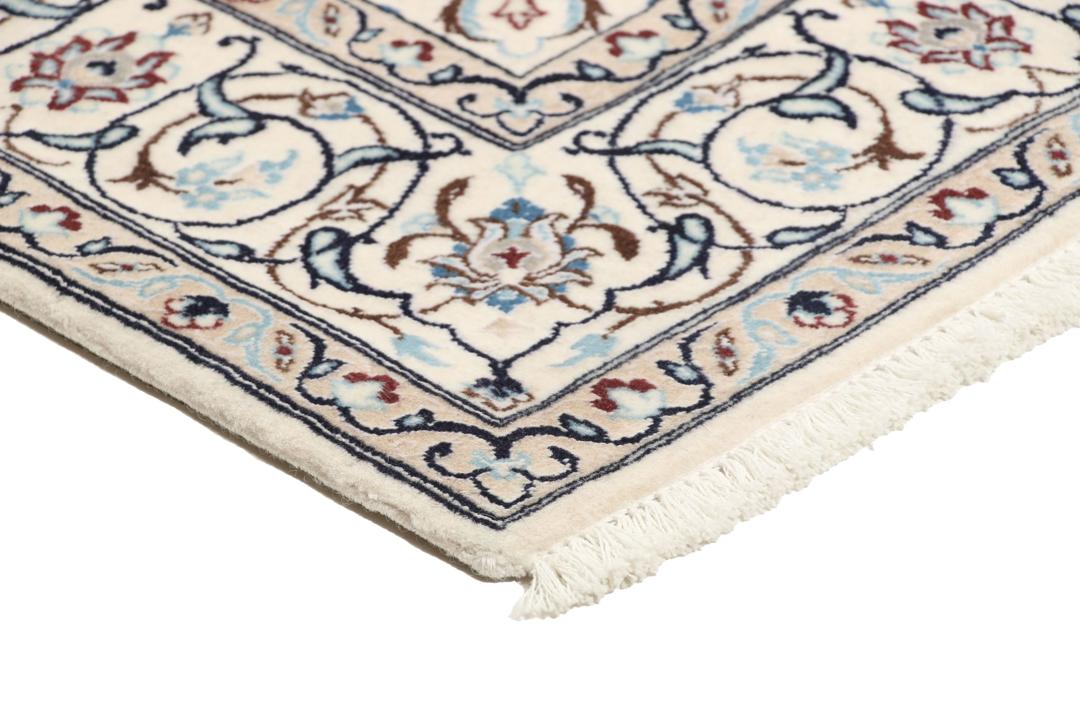
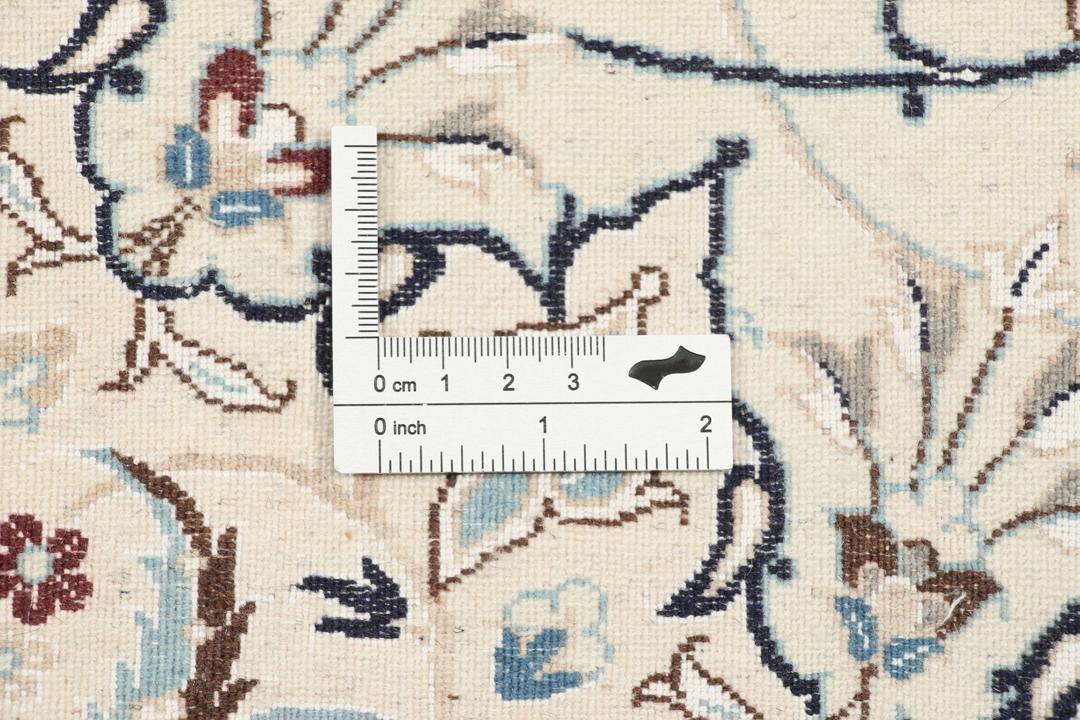
The classification system for these rugs, such as the 6La designation, refers to the number of threads used in the fringe. A lower number indicates a higher knot density and a finer, more delicate weave. This specific technical distinction is a hallmark of the region's commitment to quality, as it requires a higher level of skill and significantly more time to construct, ensuring the final product is exceptionally dense and durable.
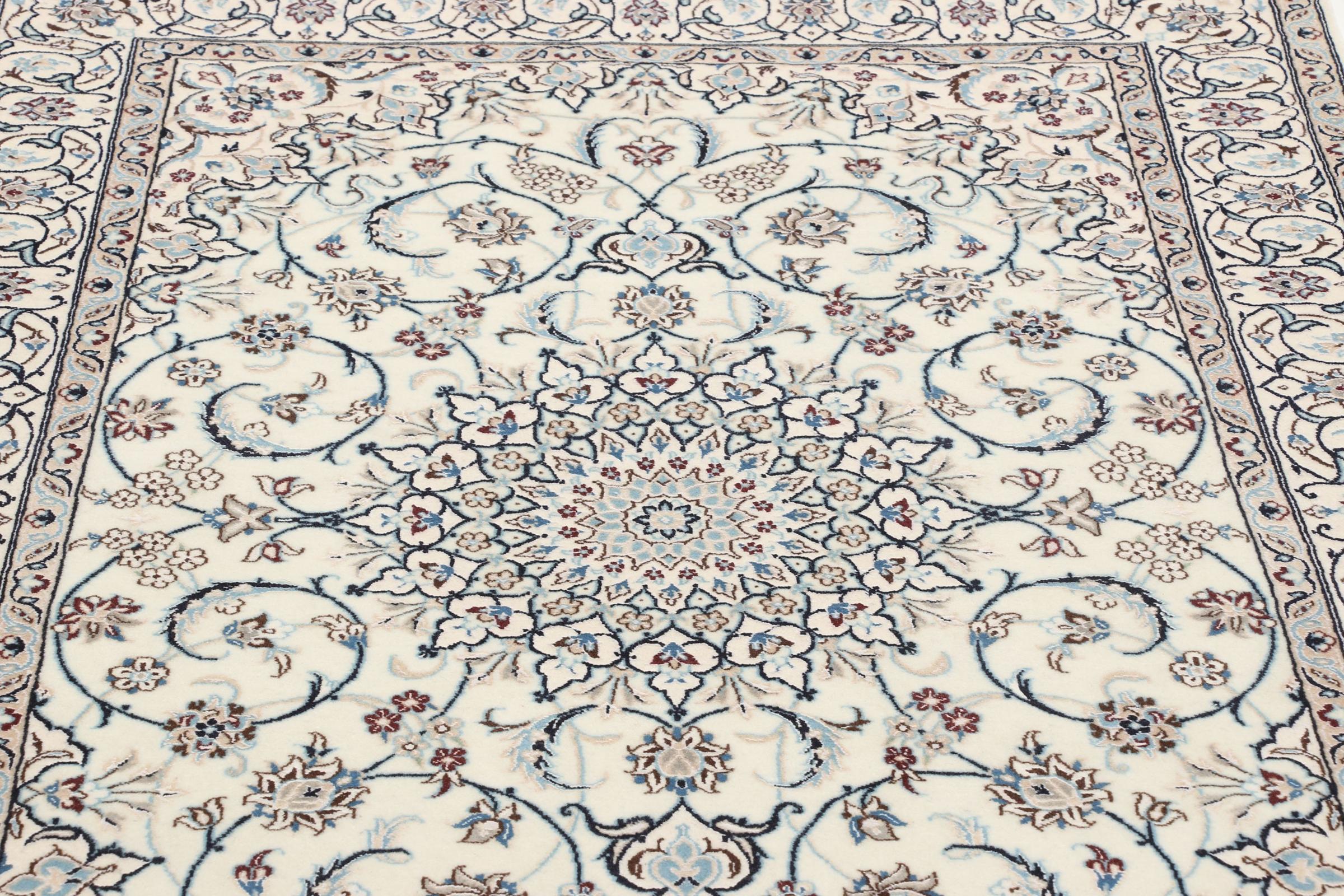
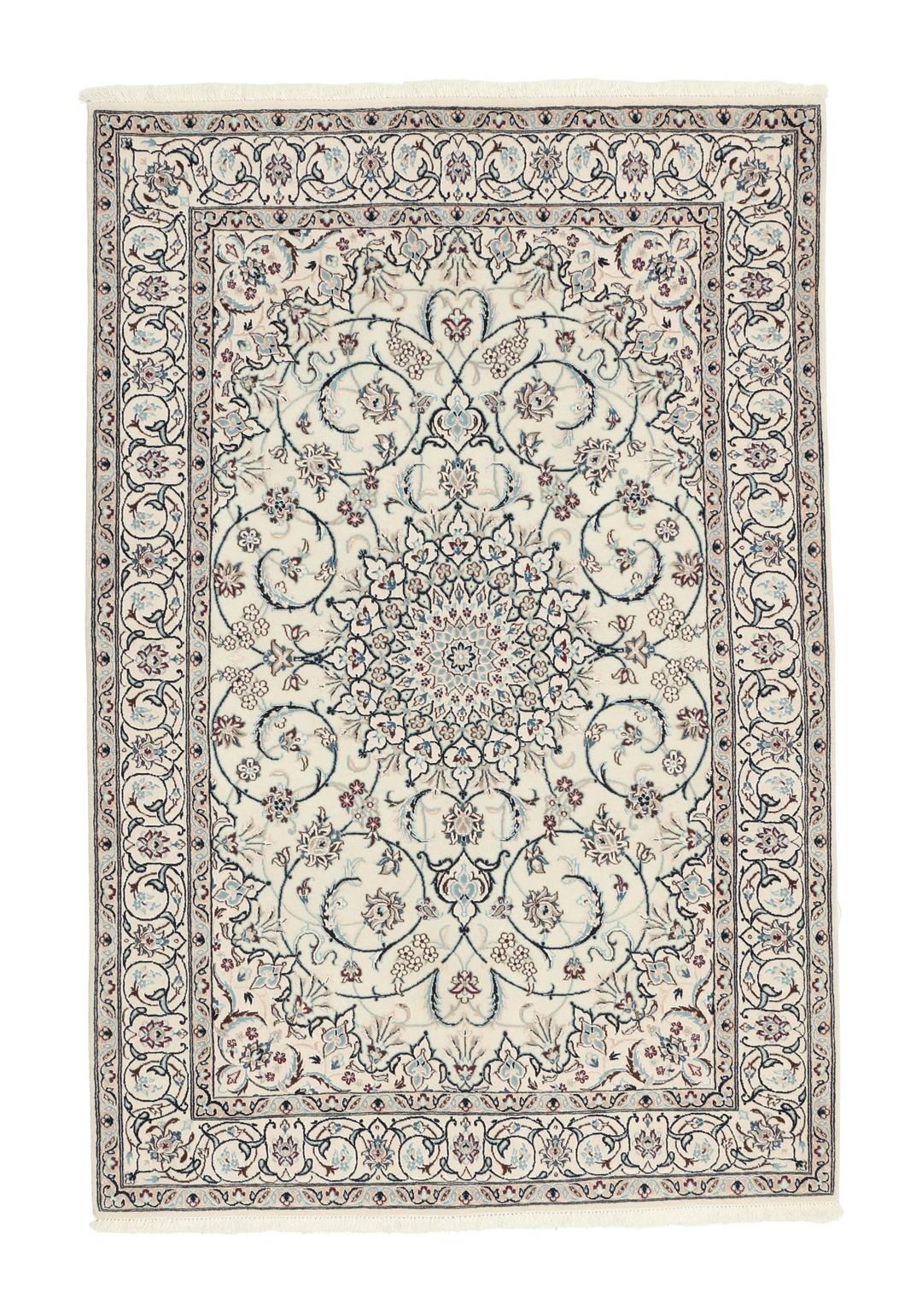
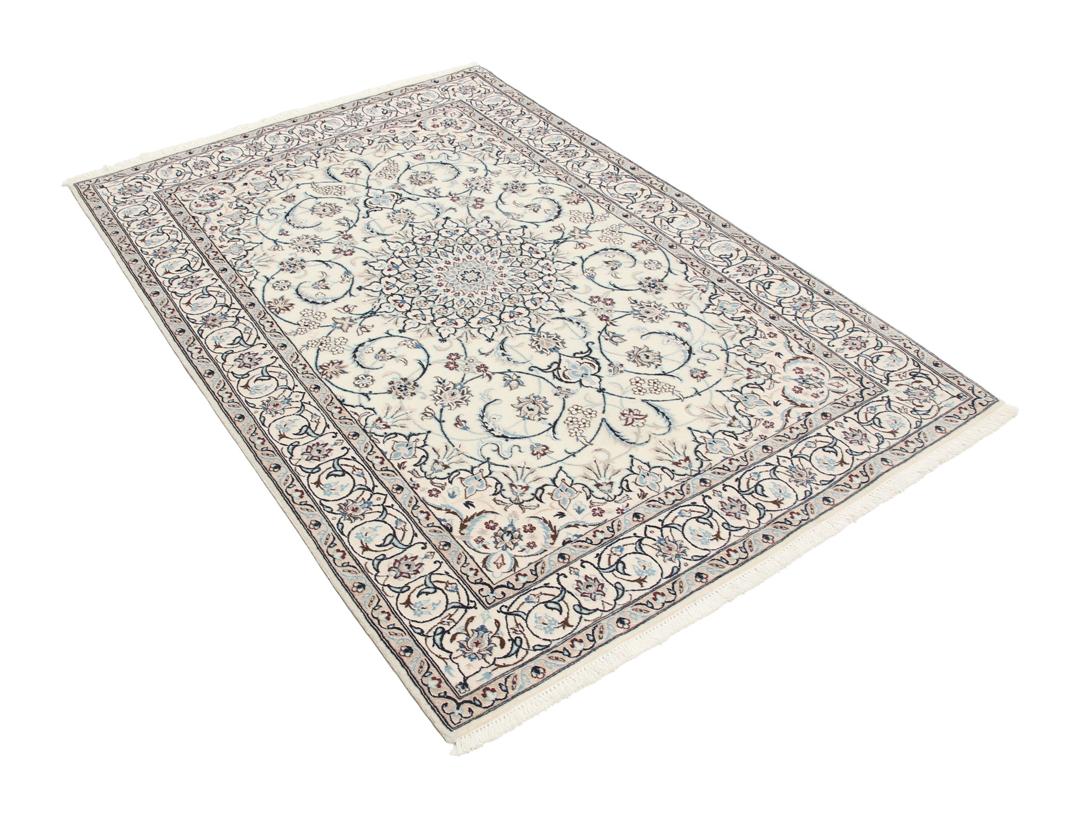
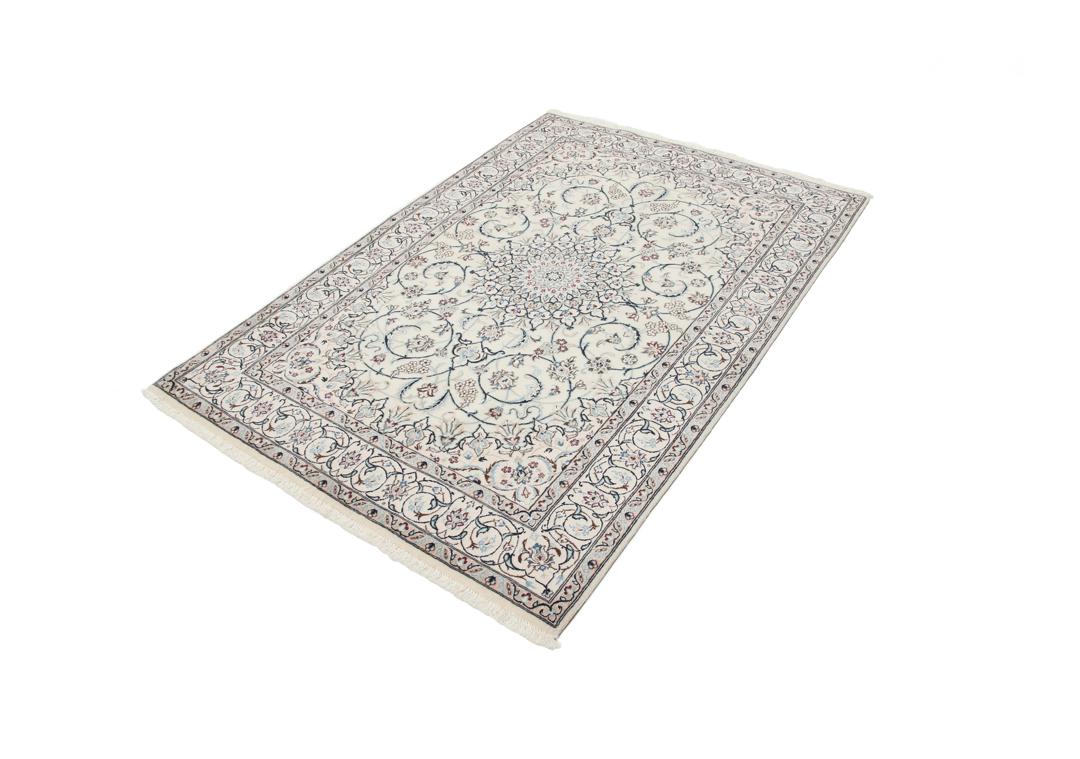
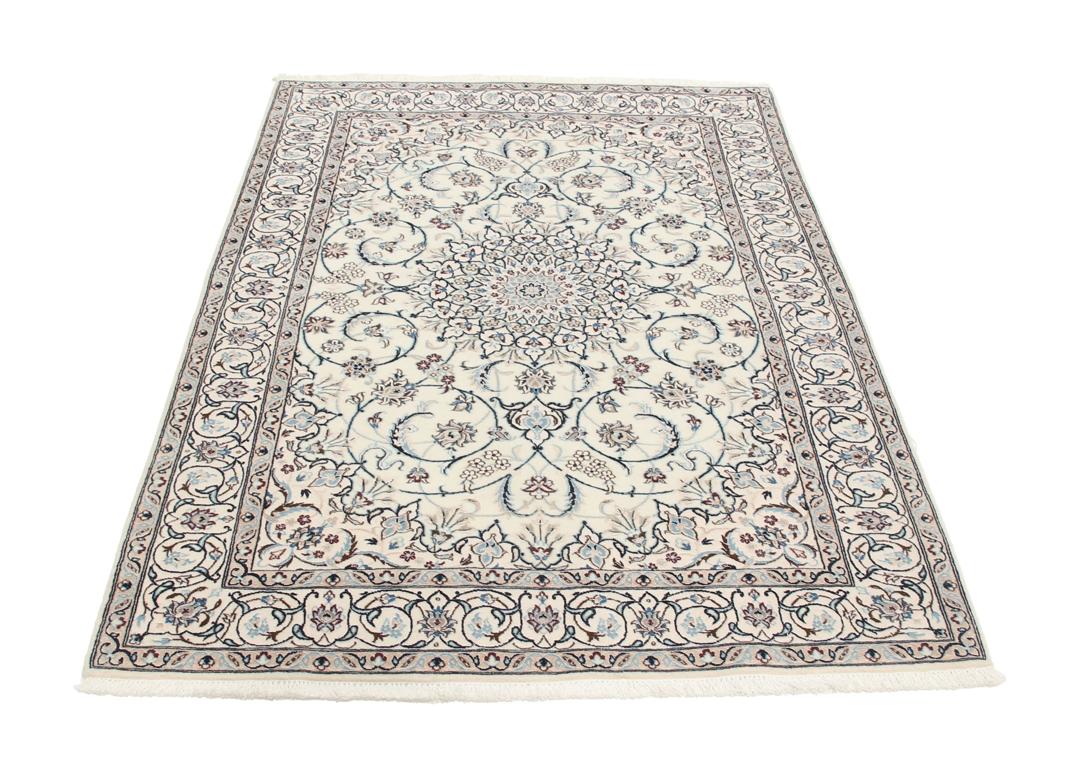
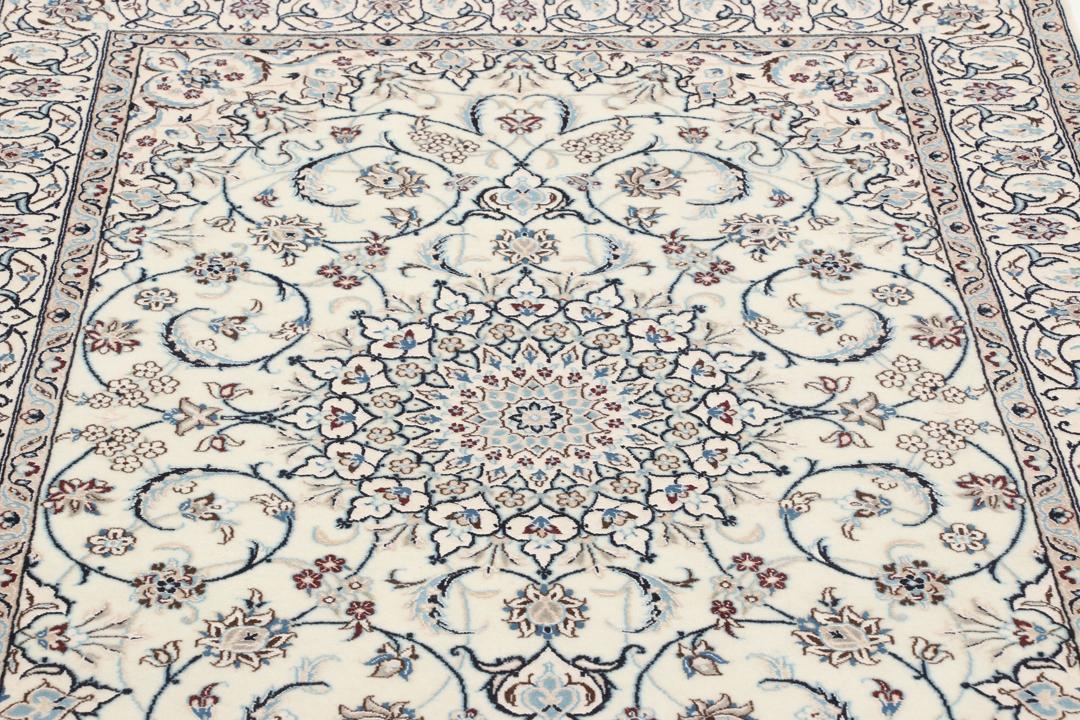
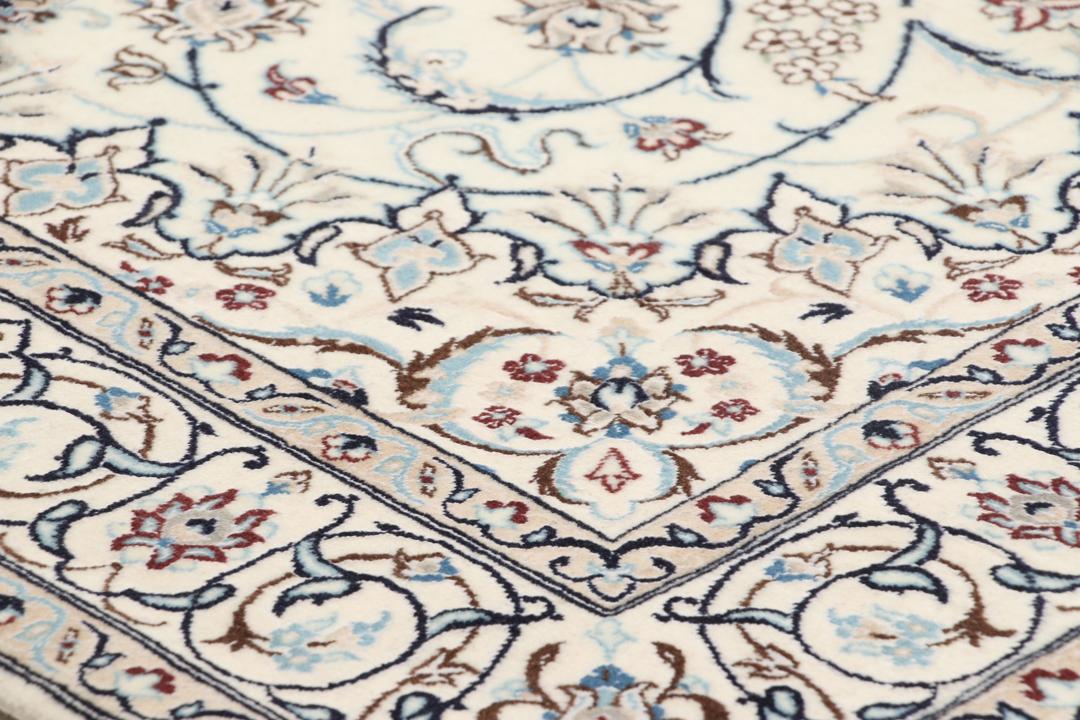
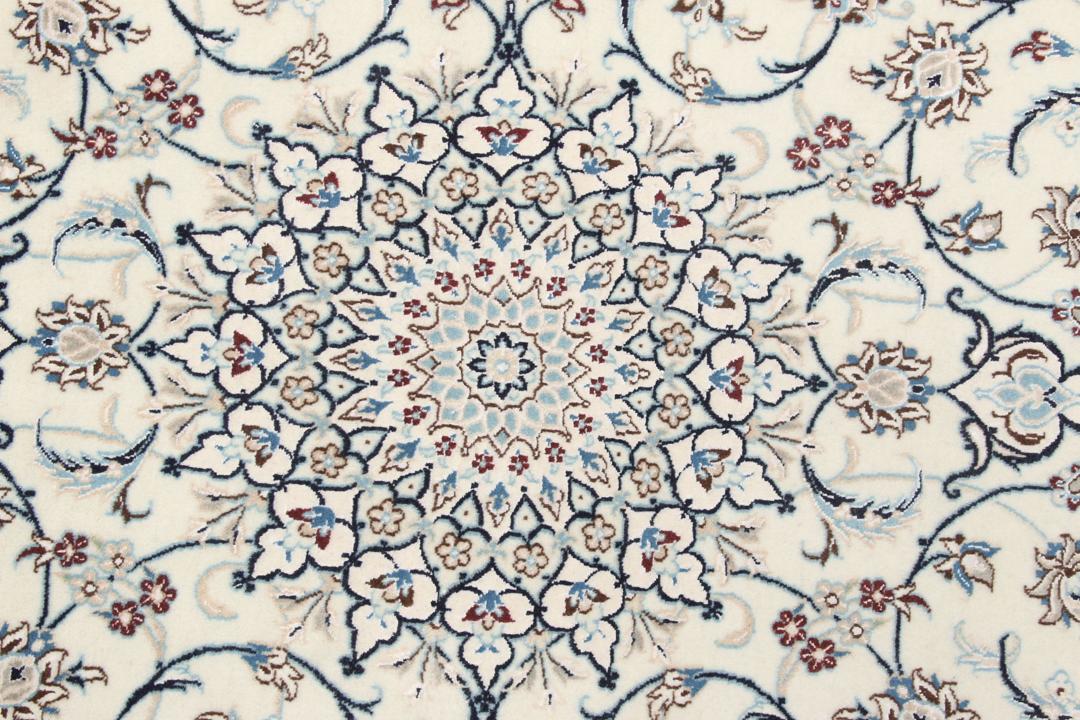
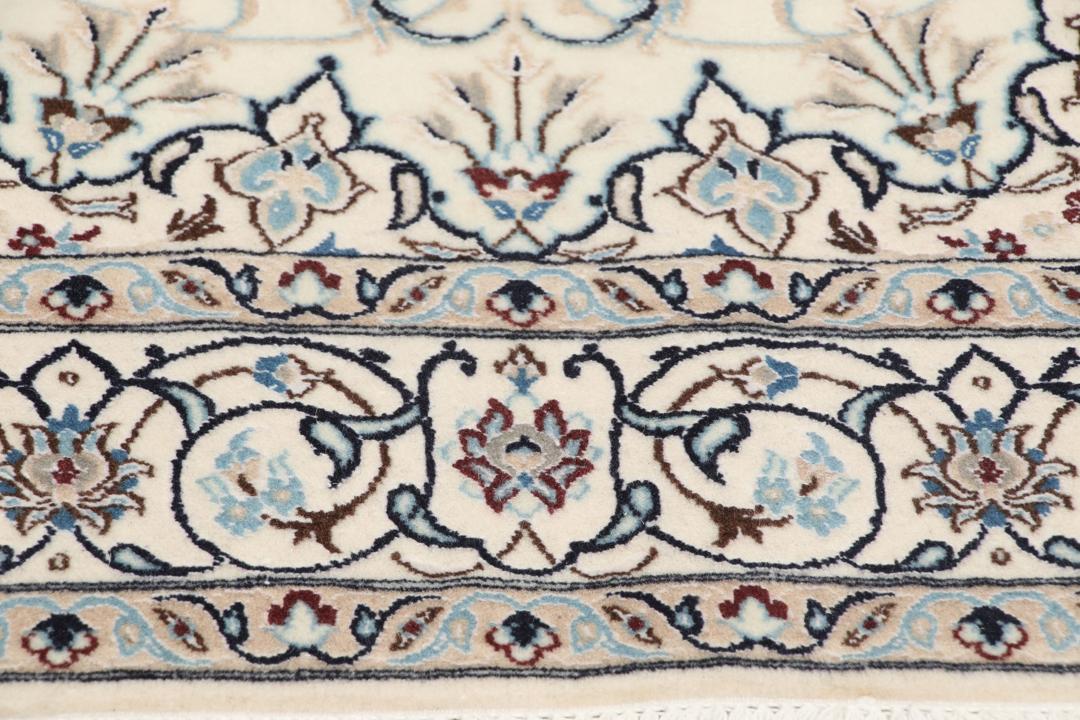
Visually, these rugs are defined by their soft, restrained colour palettes, often utilising white, cream, and various shades of blue. The design language typically features a central medallion surrounded by a series of scrolling vines, leaves, and floral motifs, all bordered by elaborate, repeating patterns. This composition creates a sense of harmony and balance that has made these rugs highly sought after by collectors and interior designers alike.
Owning a piece from this tradition is an investment in cultural heritage and human skill. Because each rug is individually crafted, they are valued not only for their aesthetic beauty but also for the narrative of the artisan's labour they carry. These pieces are intended to be passed down through generations, serving as a lasting connection to the historical traditions of the region and the enduring value of manual craft.