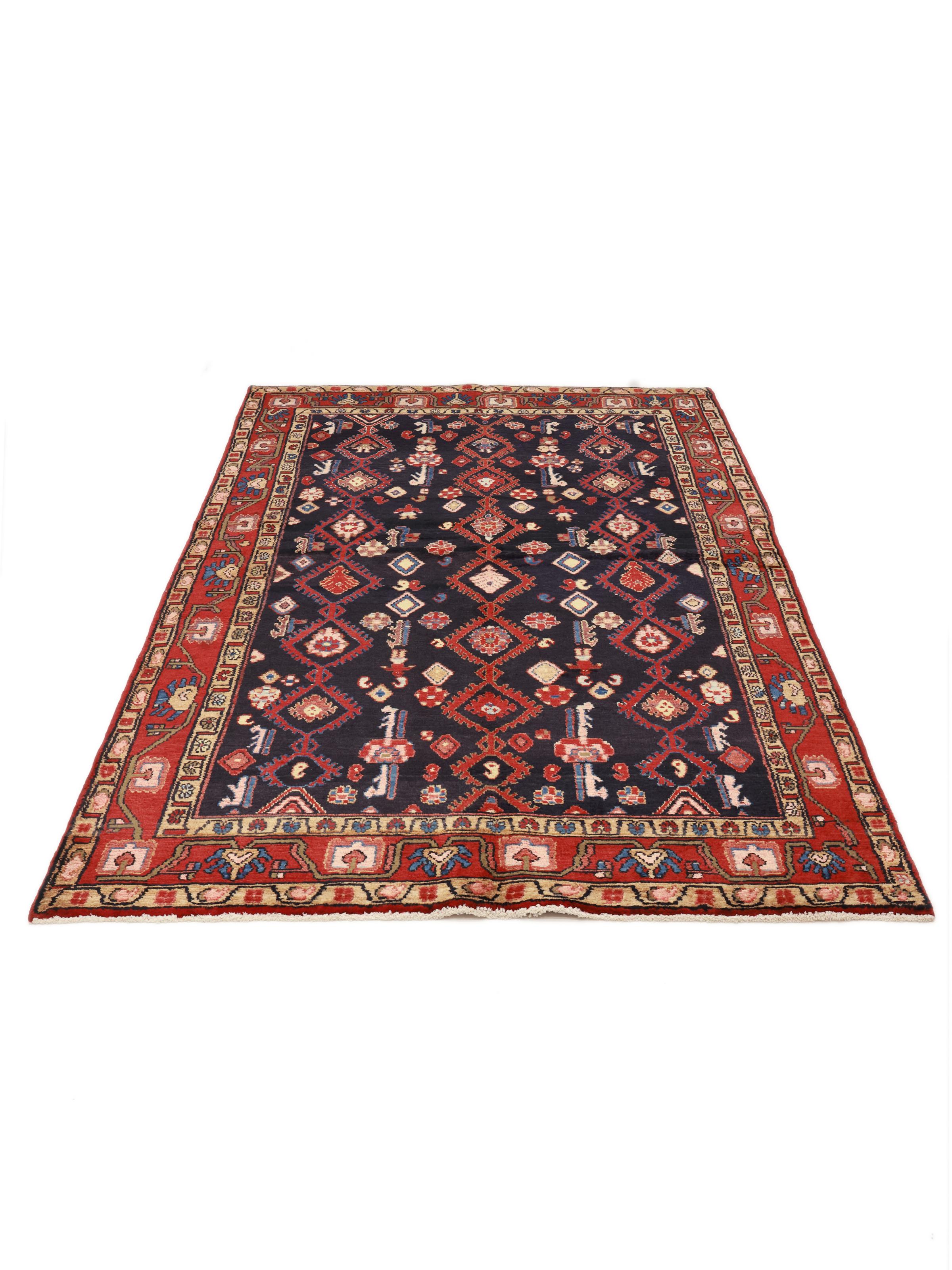
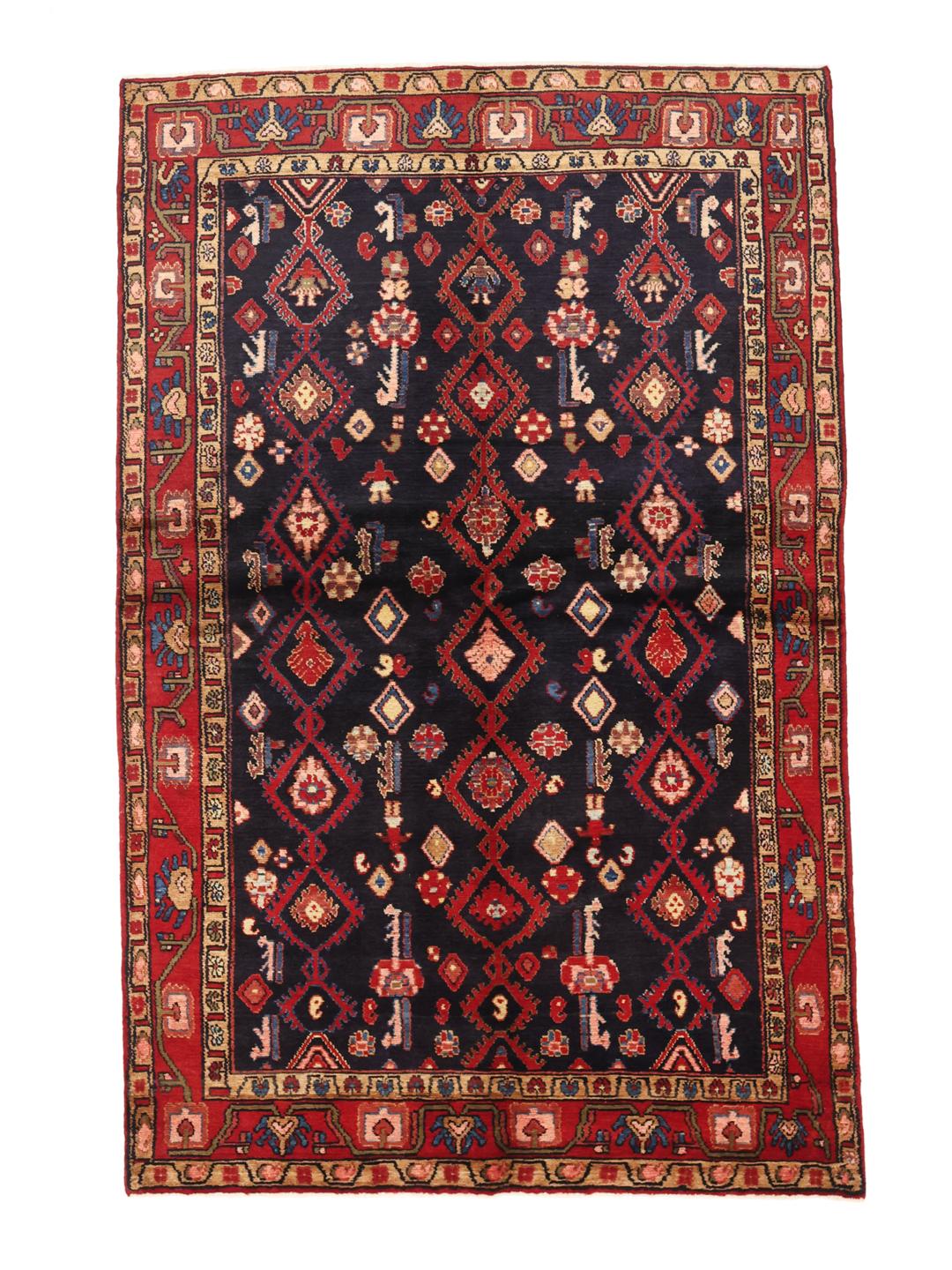
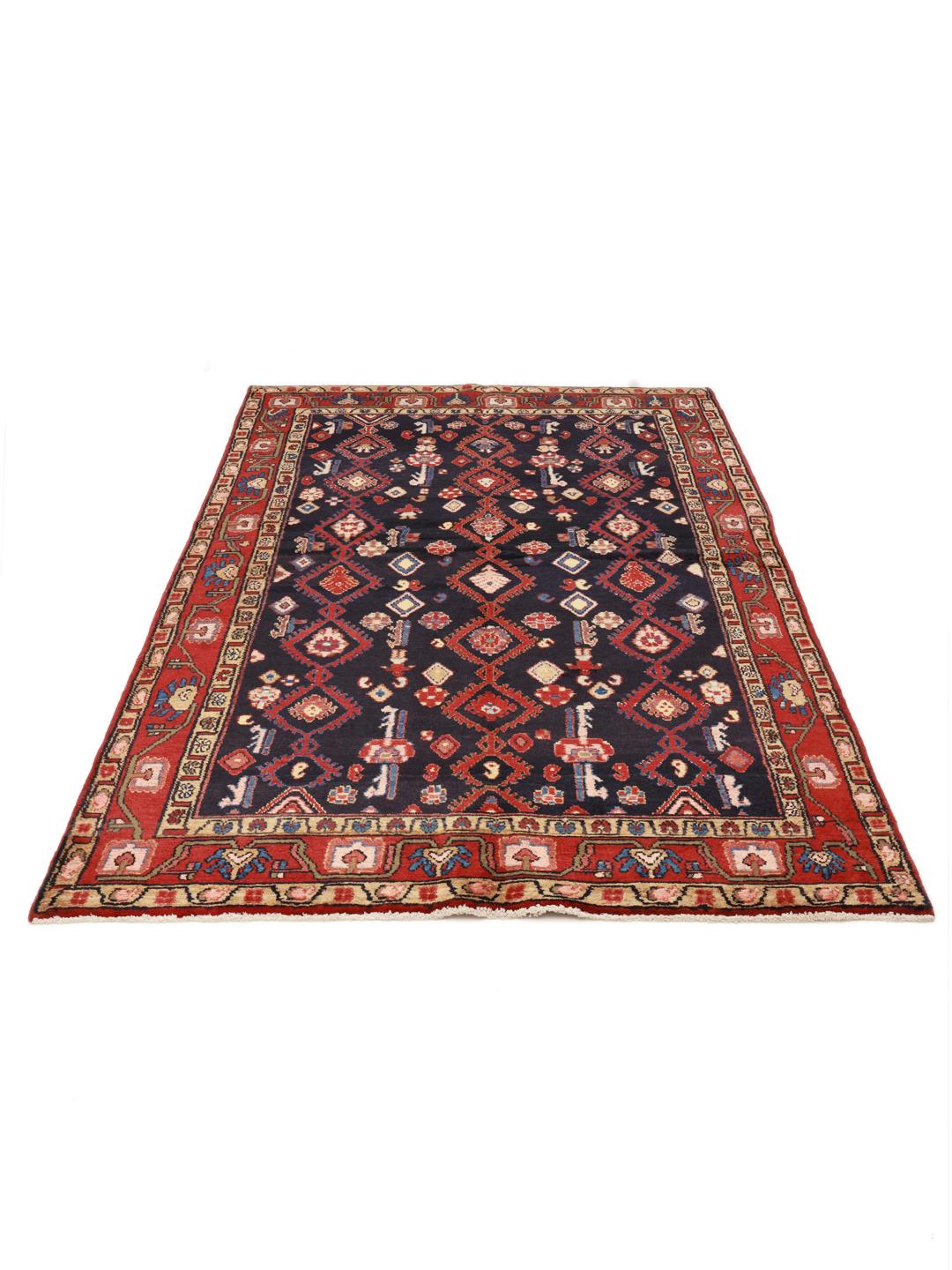
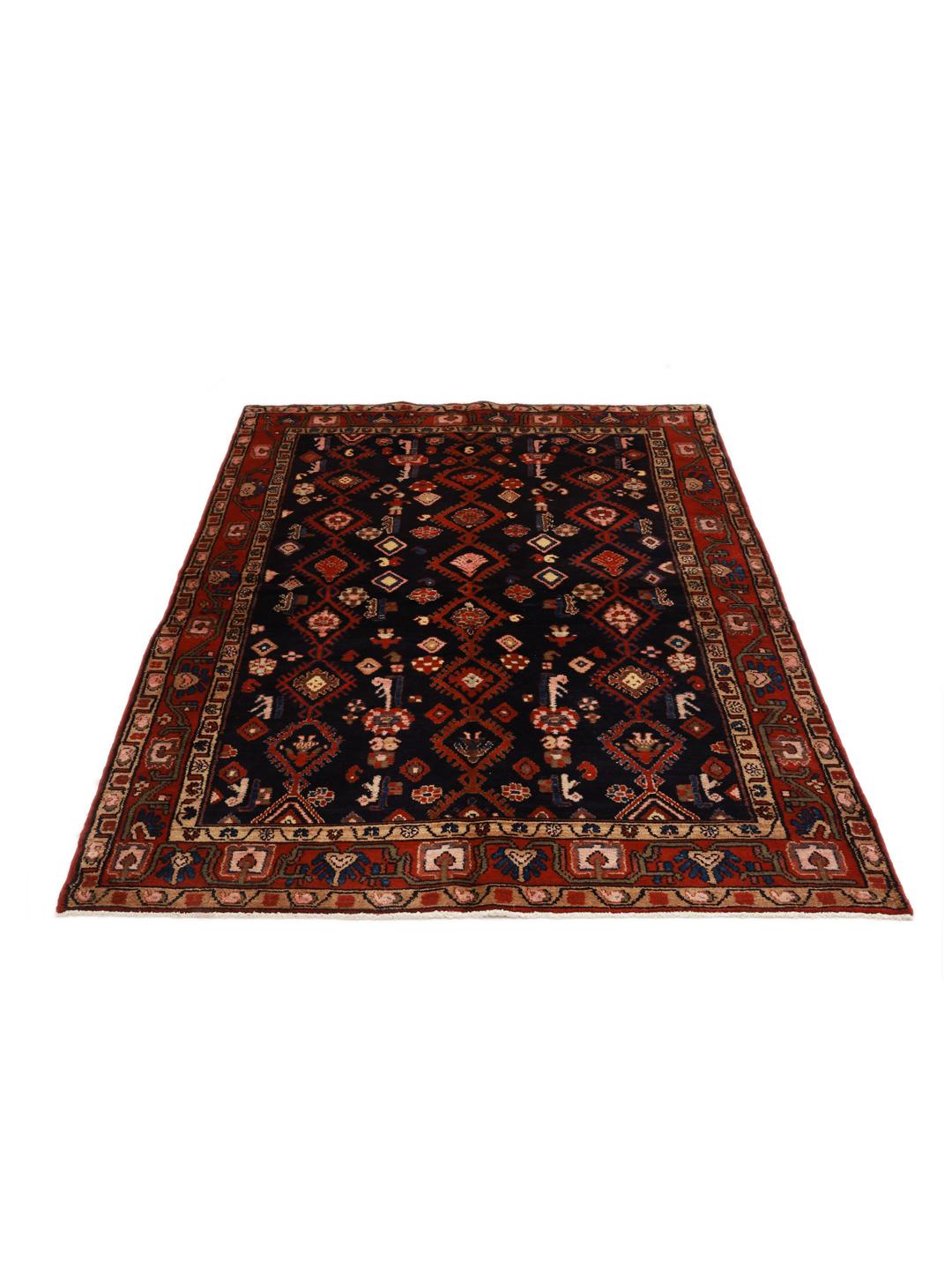
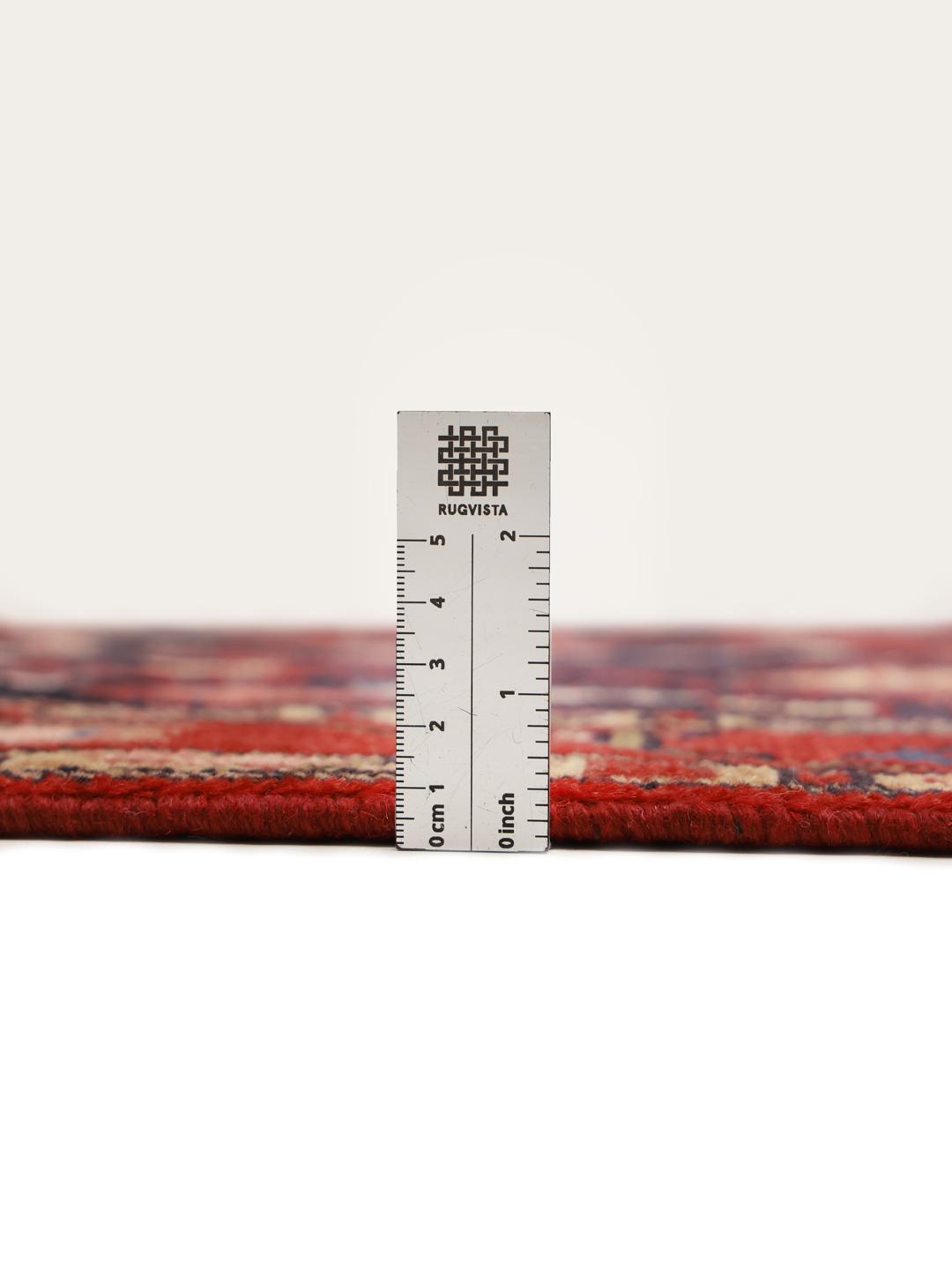
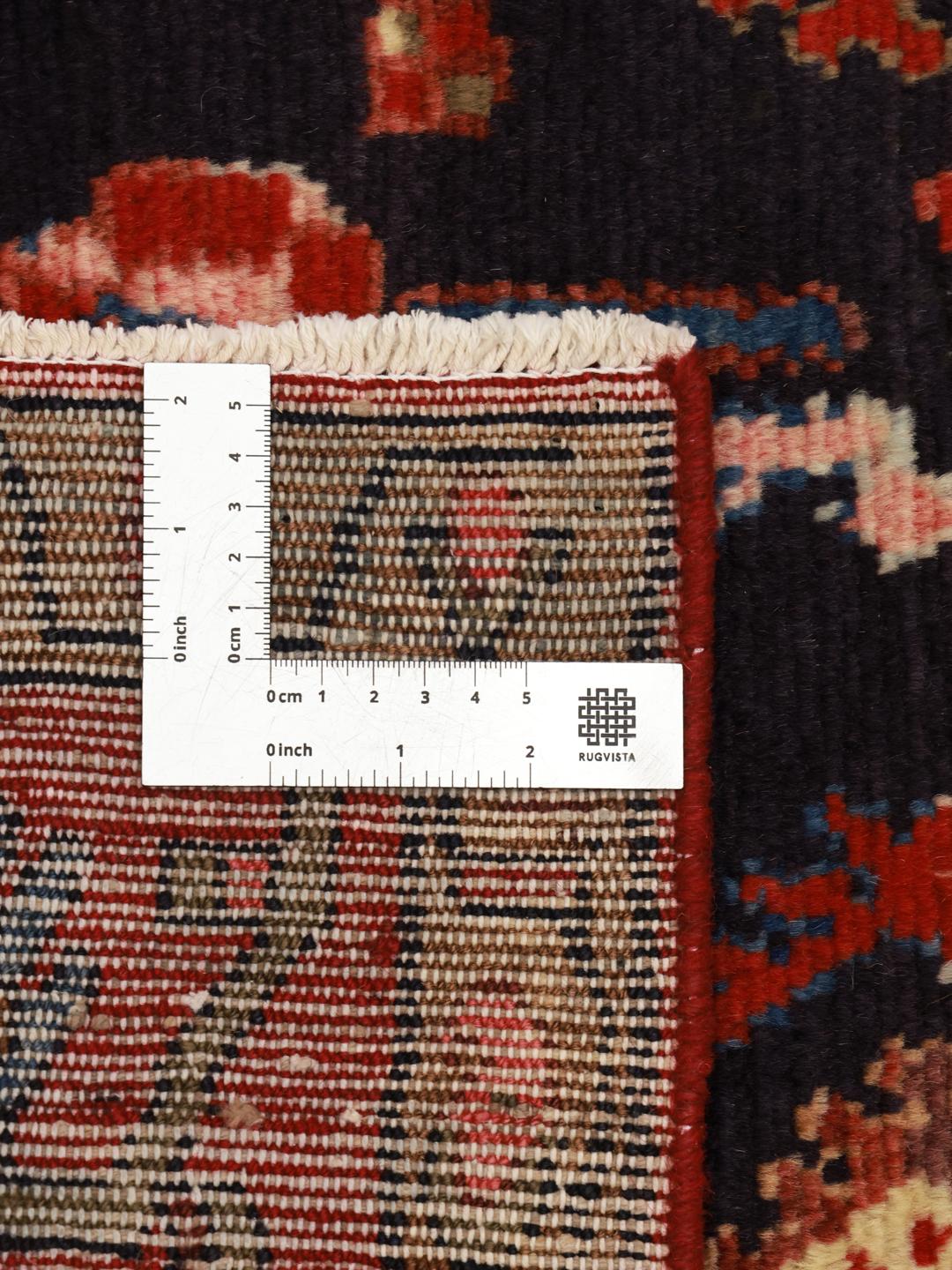
The Nahavand rug tradition originates from the historic town of Nahavand, located in the mountainous region of the Middle East. This area has long been a hub for traditional weaving, where local artisans have developed a distinct visual language that sets their work apart from other regional styles. The rugs are deeply connected to the geography and culture of the Zagros Mountains, reflecting the rugged beauty and enduring traditions of the people who live there.
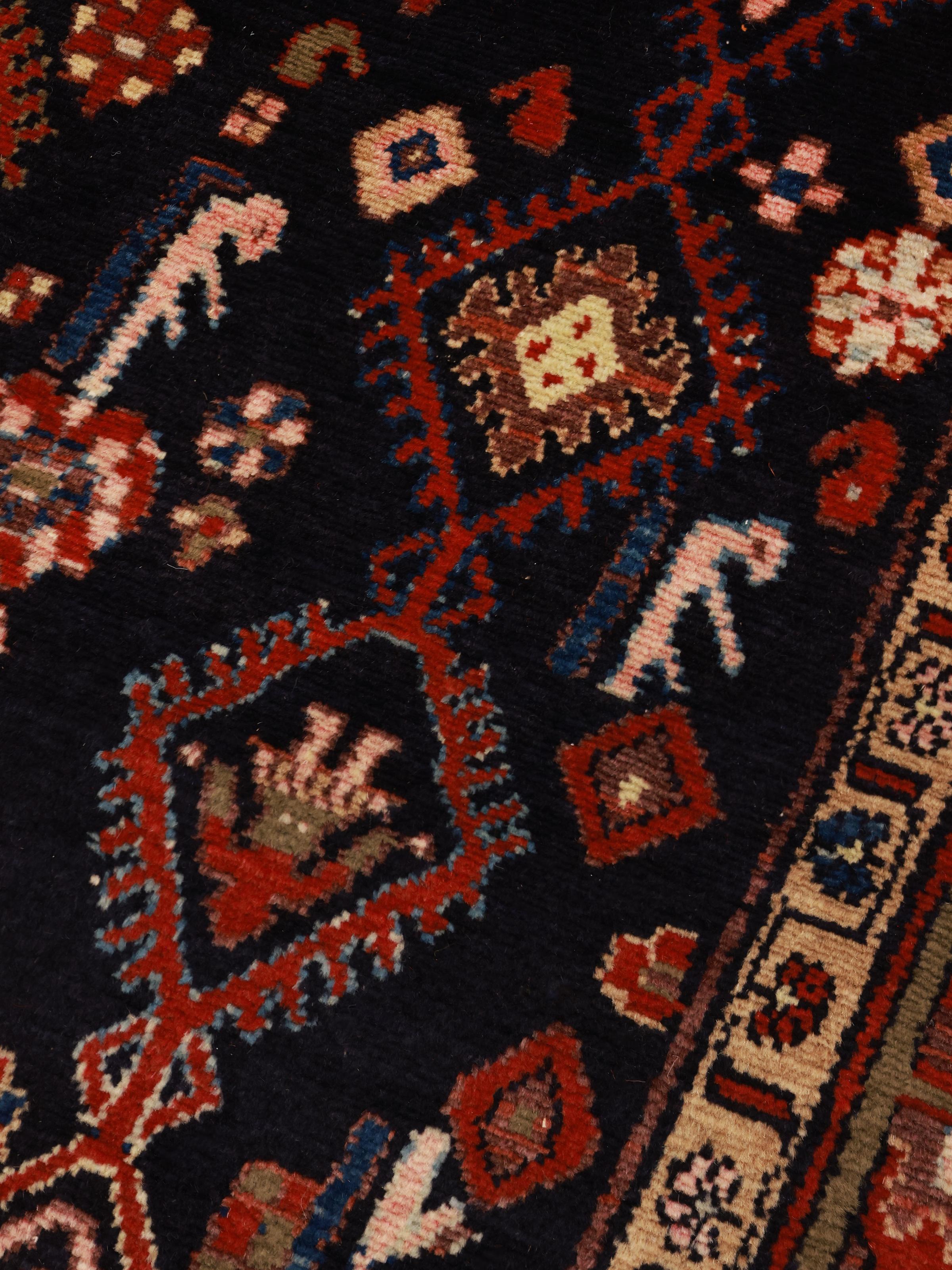
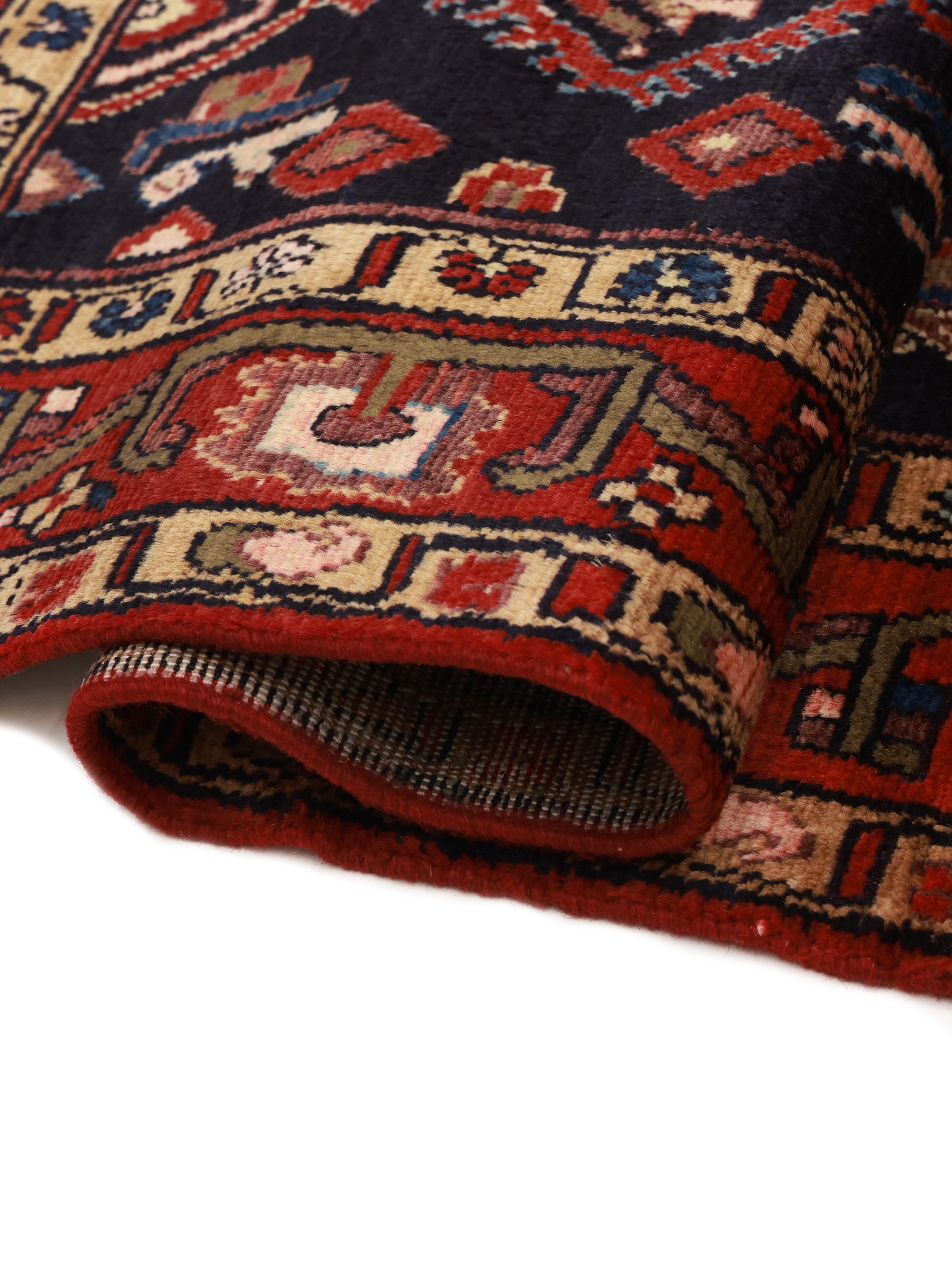
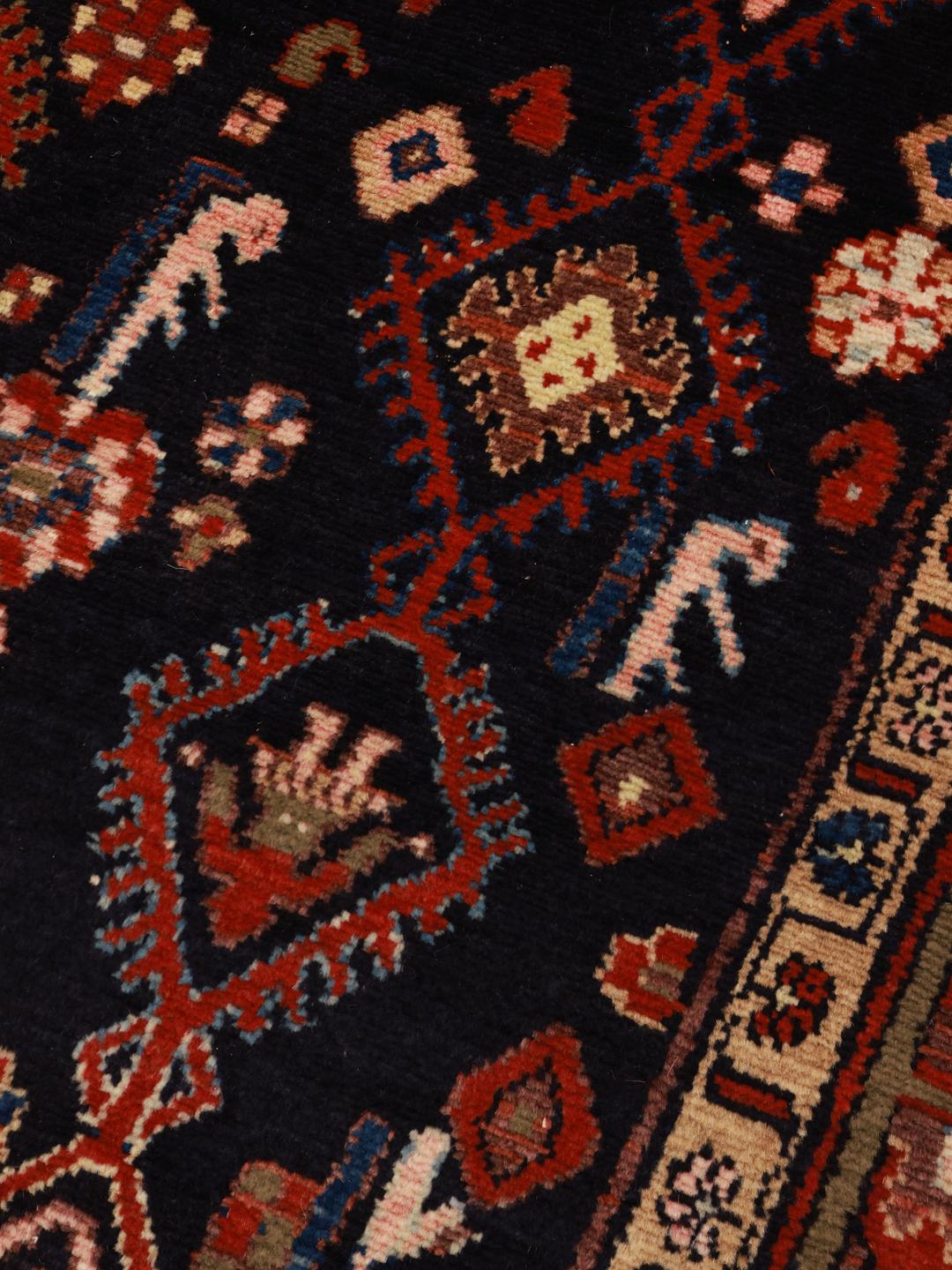
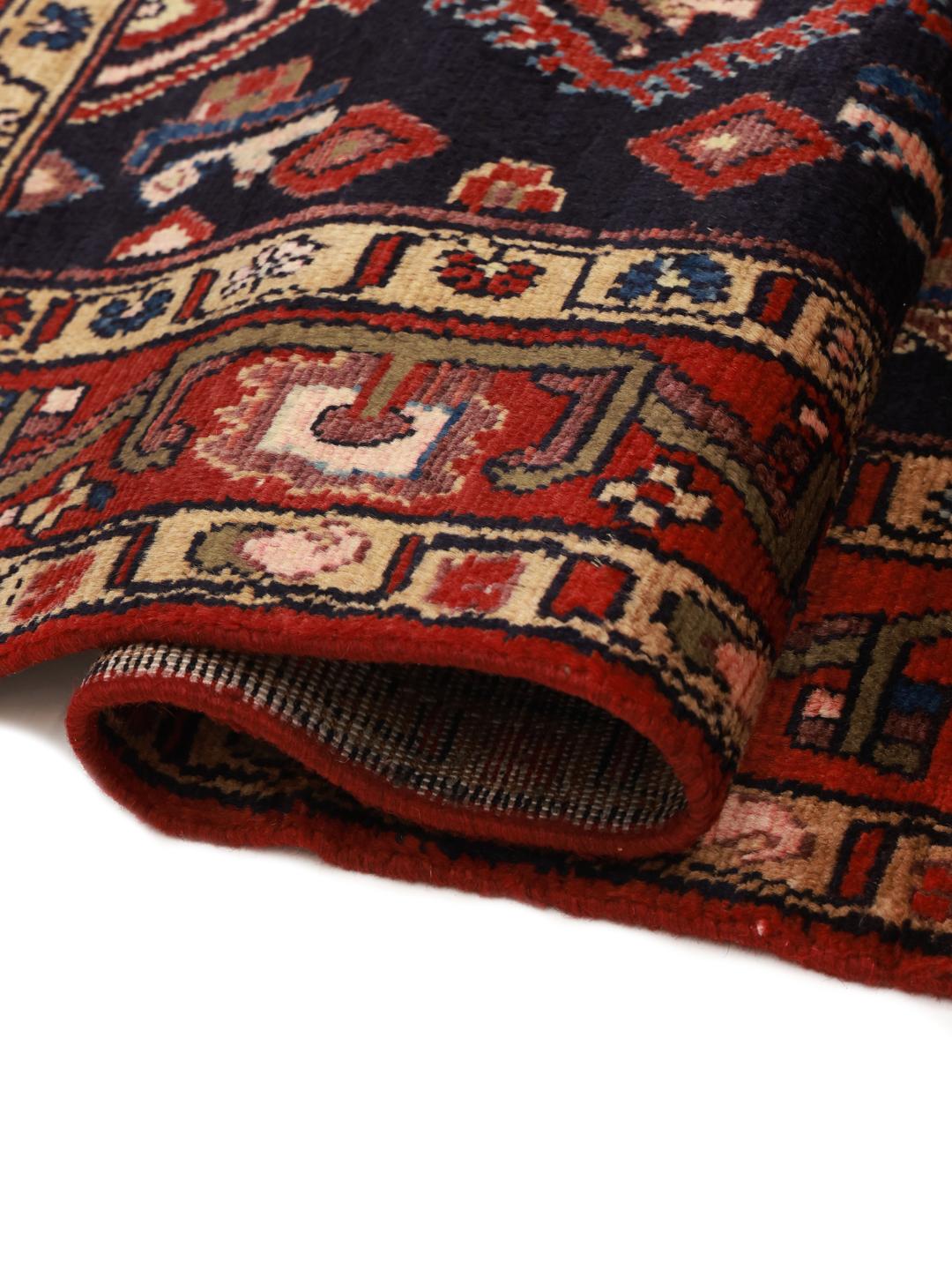
Technically, these rugs are known for their sturdy construction and the use of high-quality, durable wool. The term 'Nahavand' implies a specific approach to loom work, where the tension and knotting style are optimised for longevity. This results in a rug that is not only beautiful but also remarkably tough, capable of maintaining its structure and vibrant appearance even after decades of use in a family home.
Visually, these pieces are celebrated for their geometric and stylised floral motifs. While many rugs from this region focus on formal, symmetrical layouts, Nahavand rugs often feature a more whimsical, organic arrangement of guls, diamonds, and stylised animal or plant forms. The use of a dark, moody background often makes the bright, contrasting reds and beiges of the patterns pop, creating a striking and sophisticated visual effect.
Collecting a Nahavand rug is an act of preserving a piece of Middle Eastern craft history. Because they are woven in smaller batches by individual families and workshops, each piece carries the unique signature of its maker. Owning such a rug is a testament to the appreciation of human skill, providing your home with a connection to a long-standing tradition of artistry that is increasingly rare in the modern world.