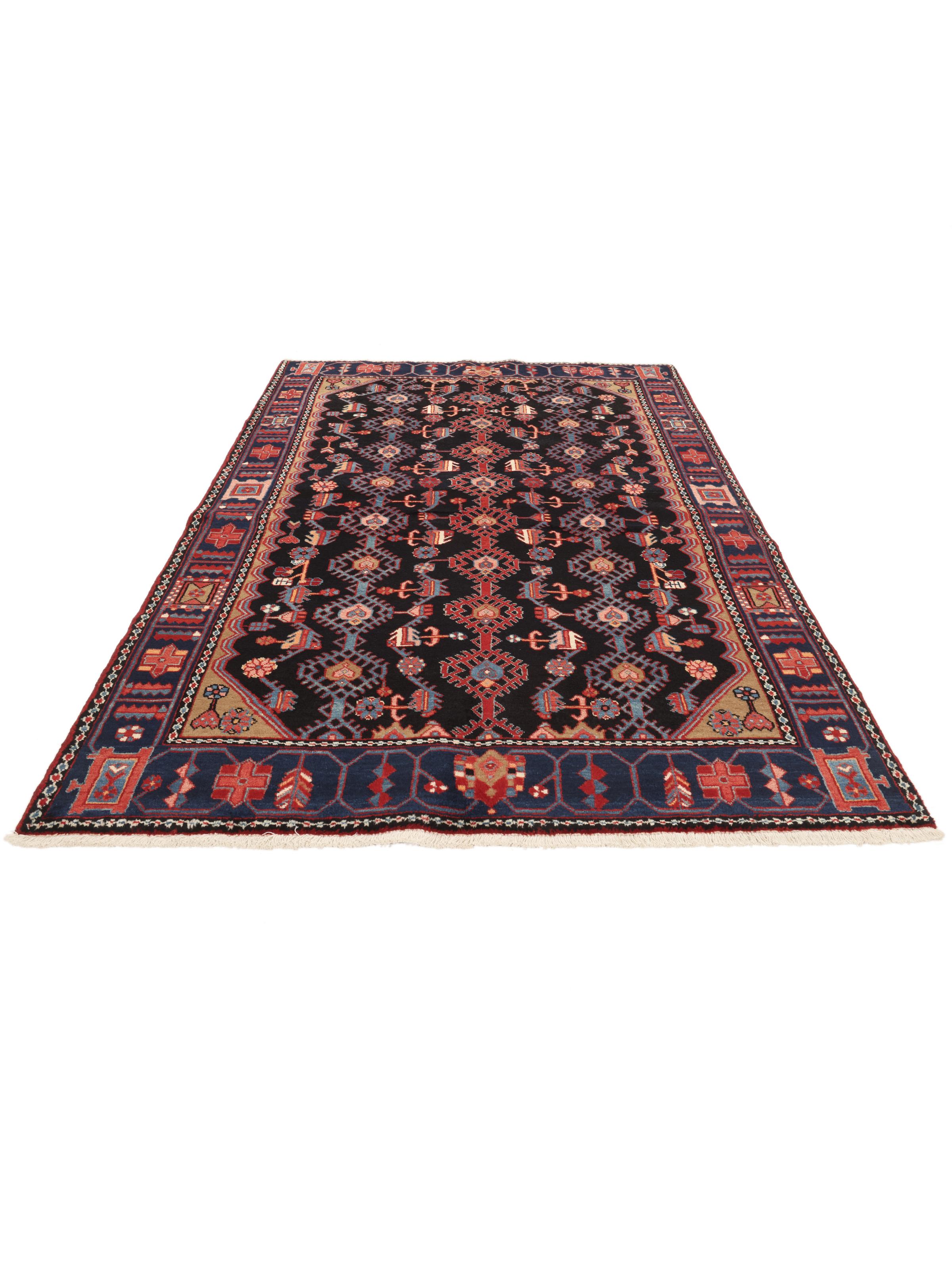
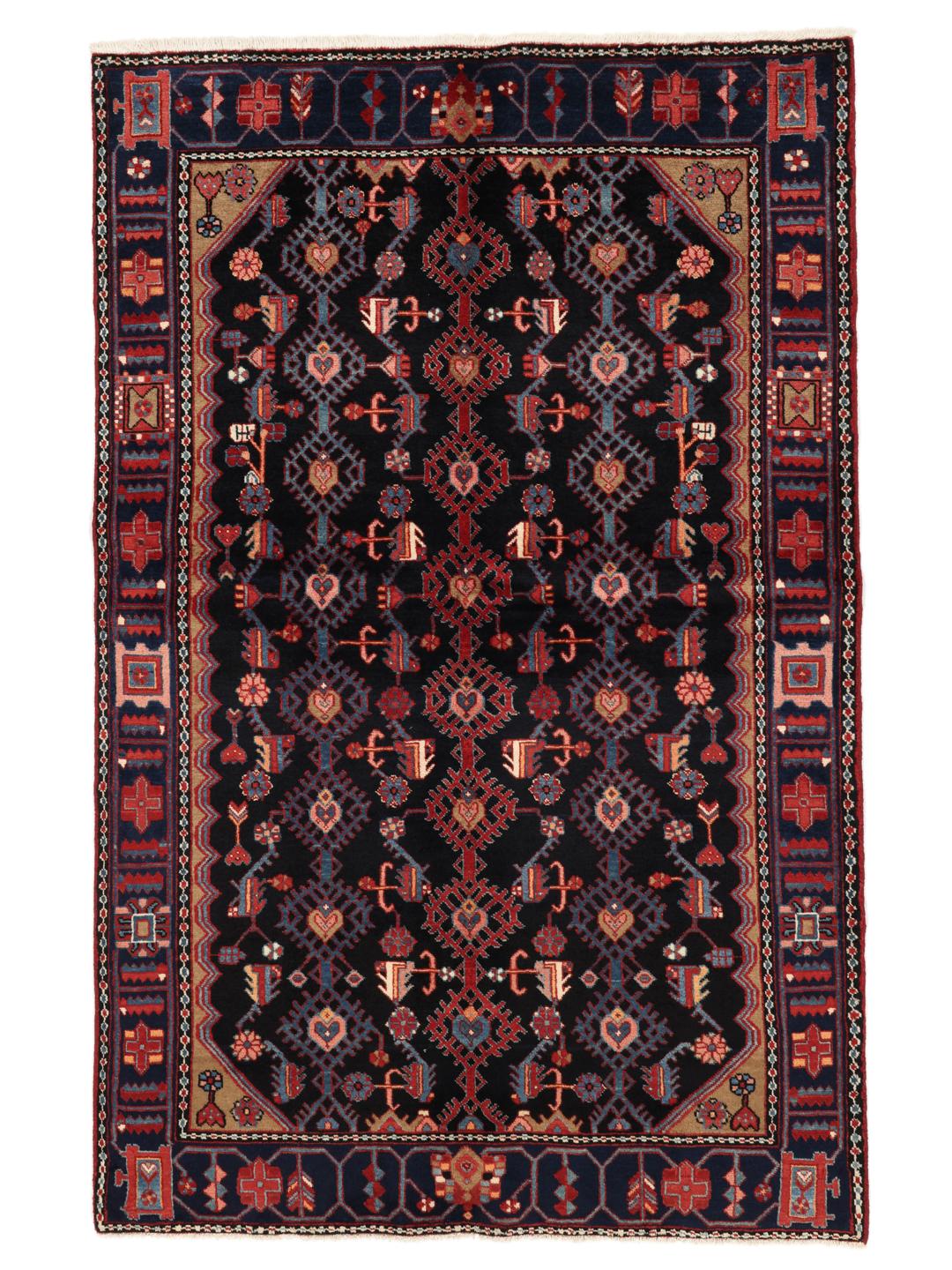
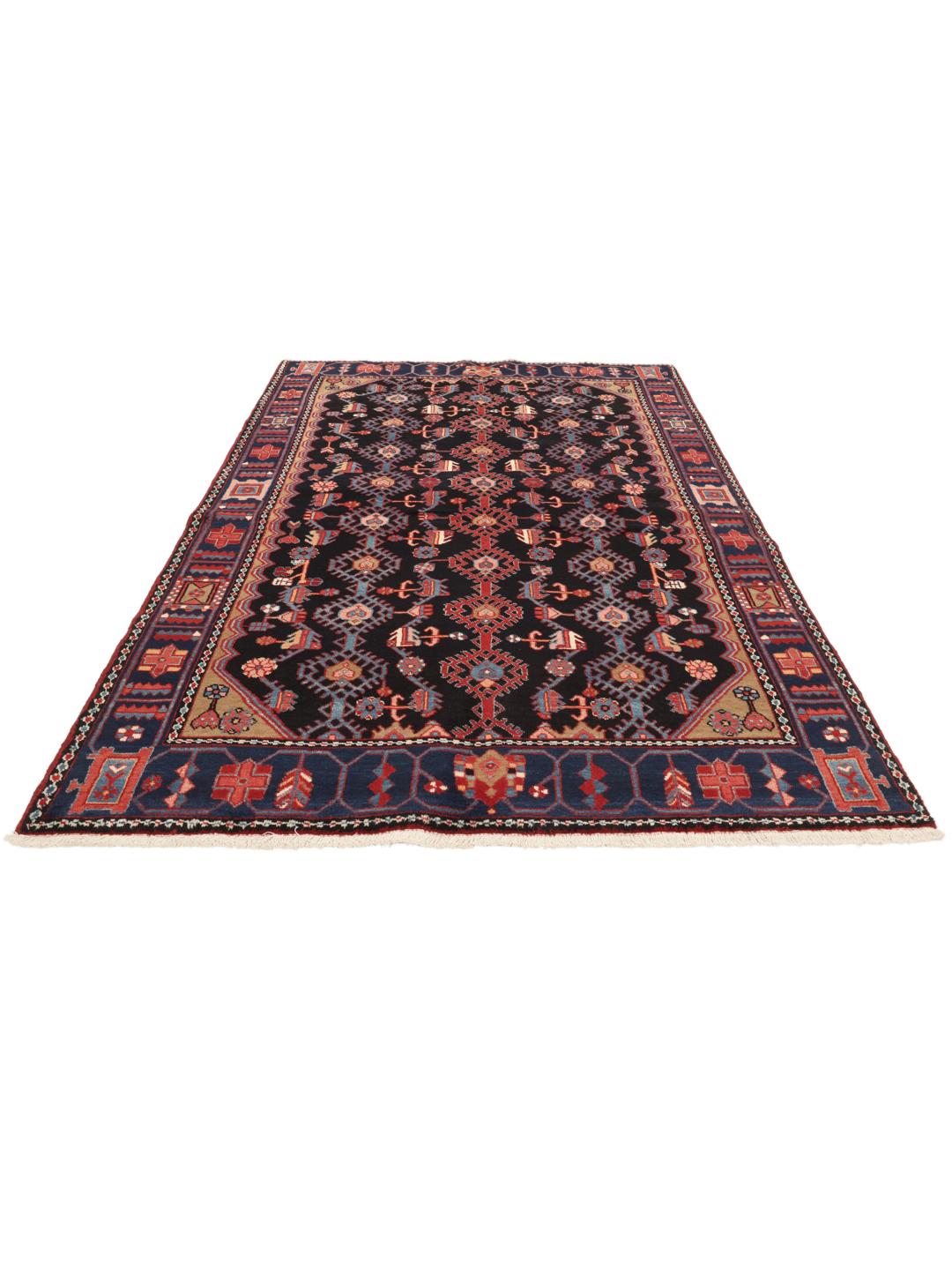
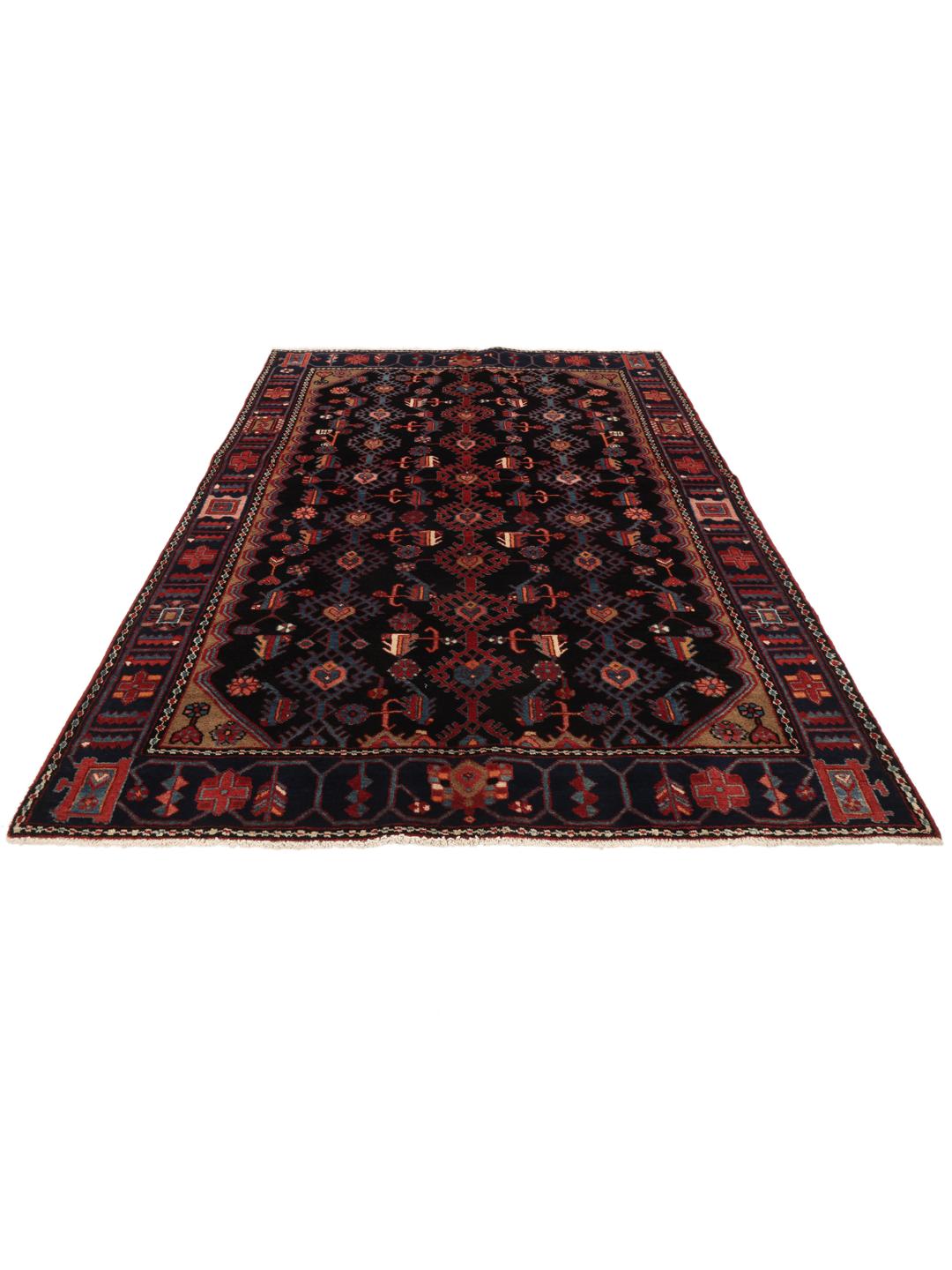
Nahavand rugs originate from the town of the same name in the western part of the Middle East, a region with a long and storied history of textile production. Historically, these rugs were woven by nomadic and semi-nomadic tribes who incorporated the landscapes and stories of their surroundings into their designs. Today, the style remains a cherished link to these ancient traditions, celebrated for its blend of rustic charm and sophisticated artistry.
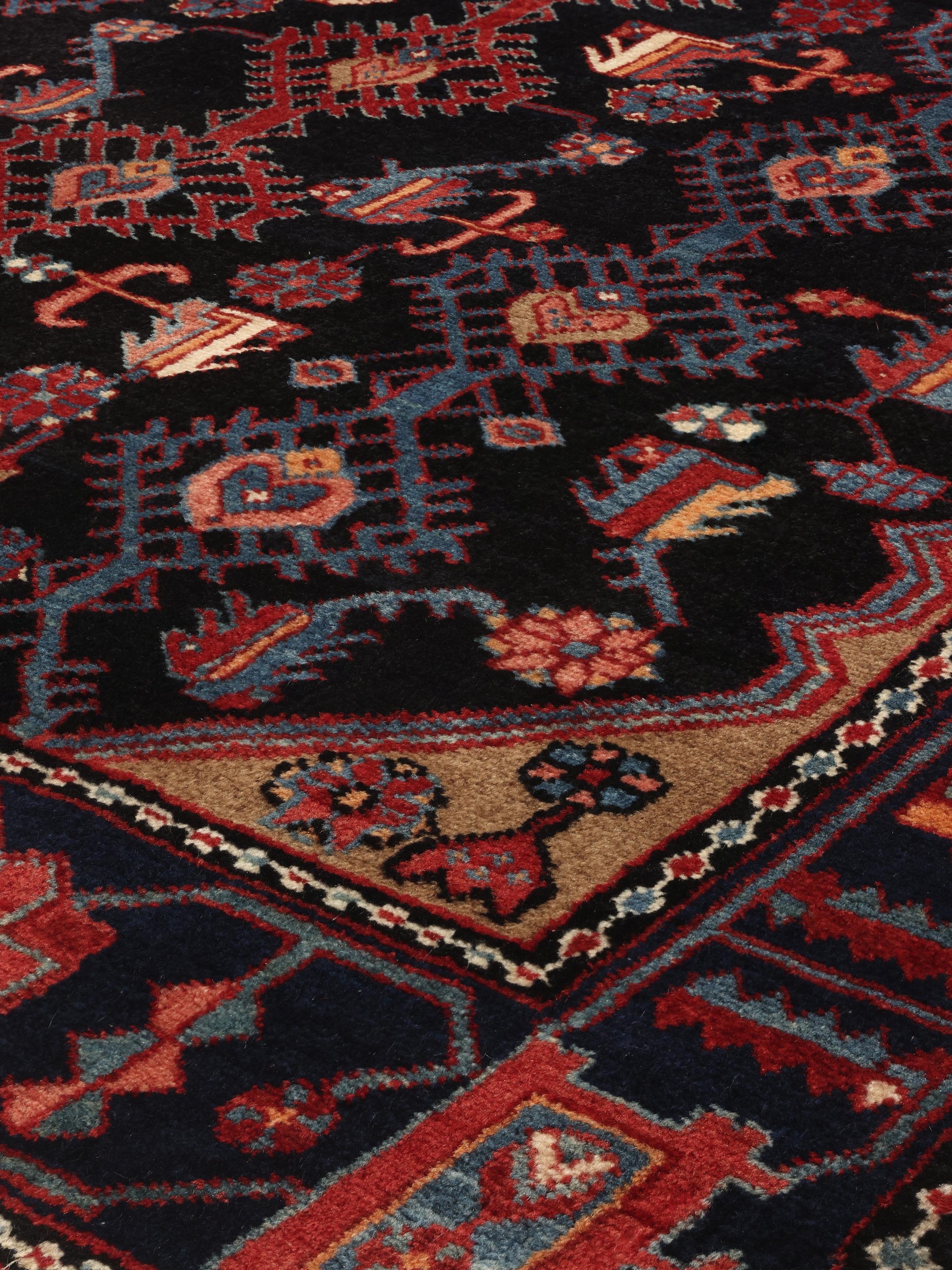
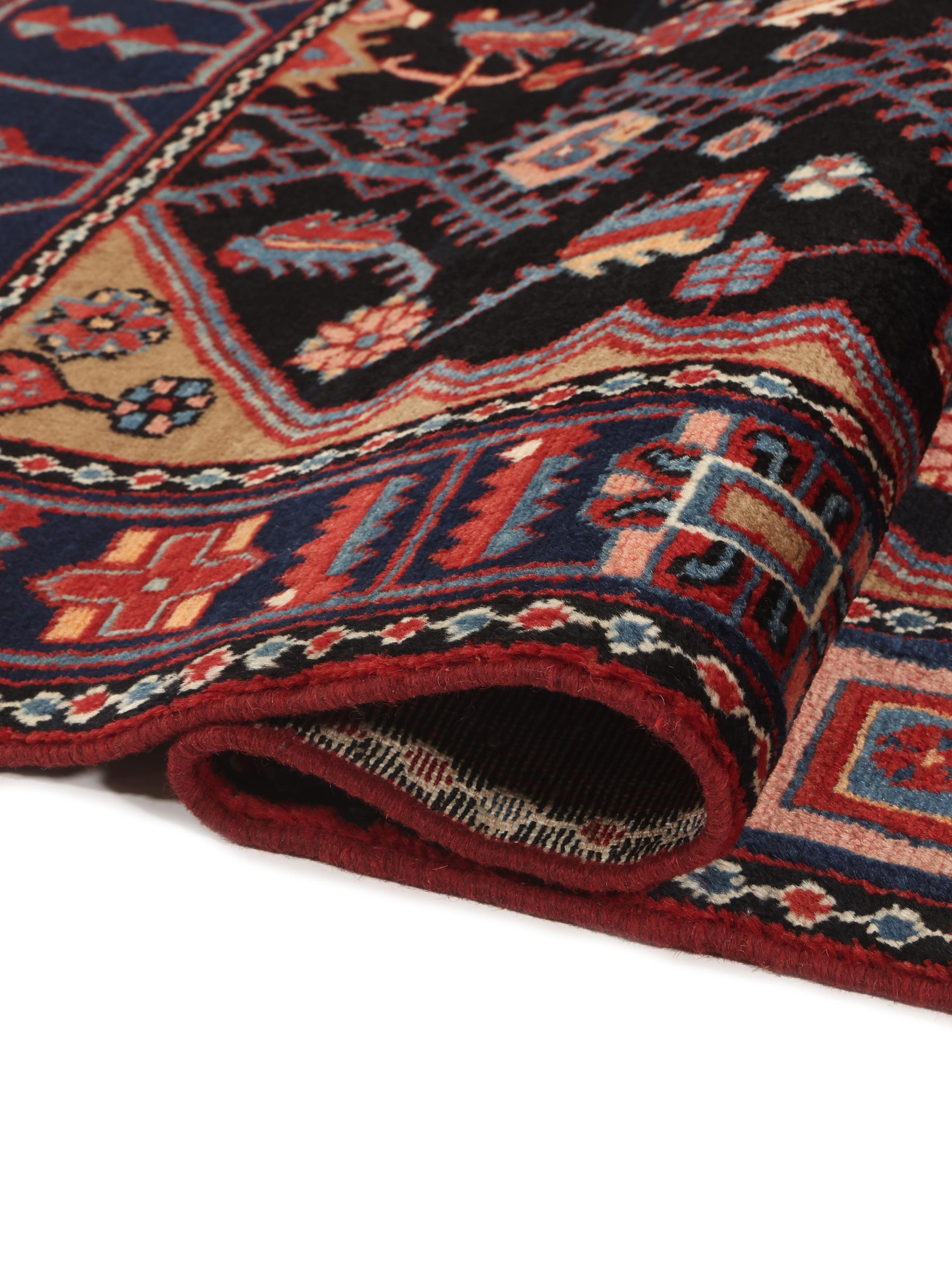
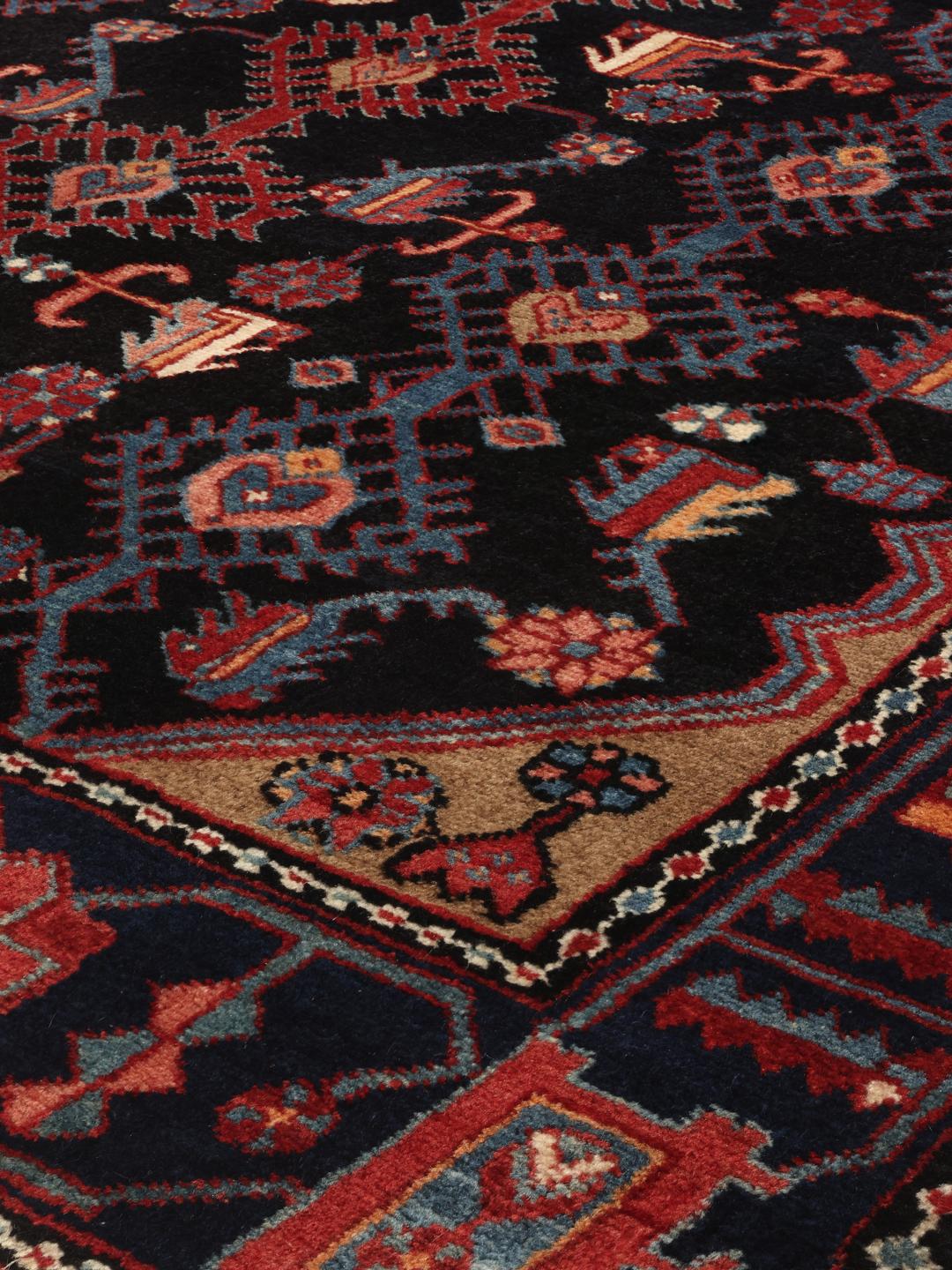
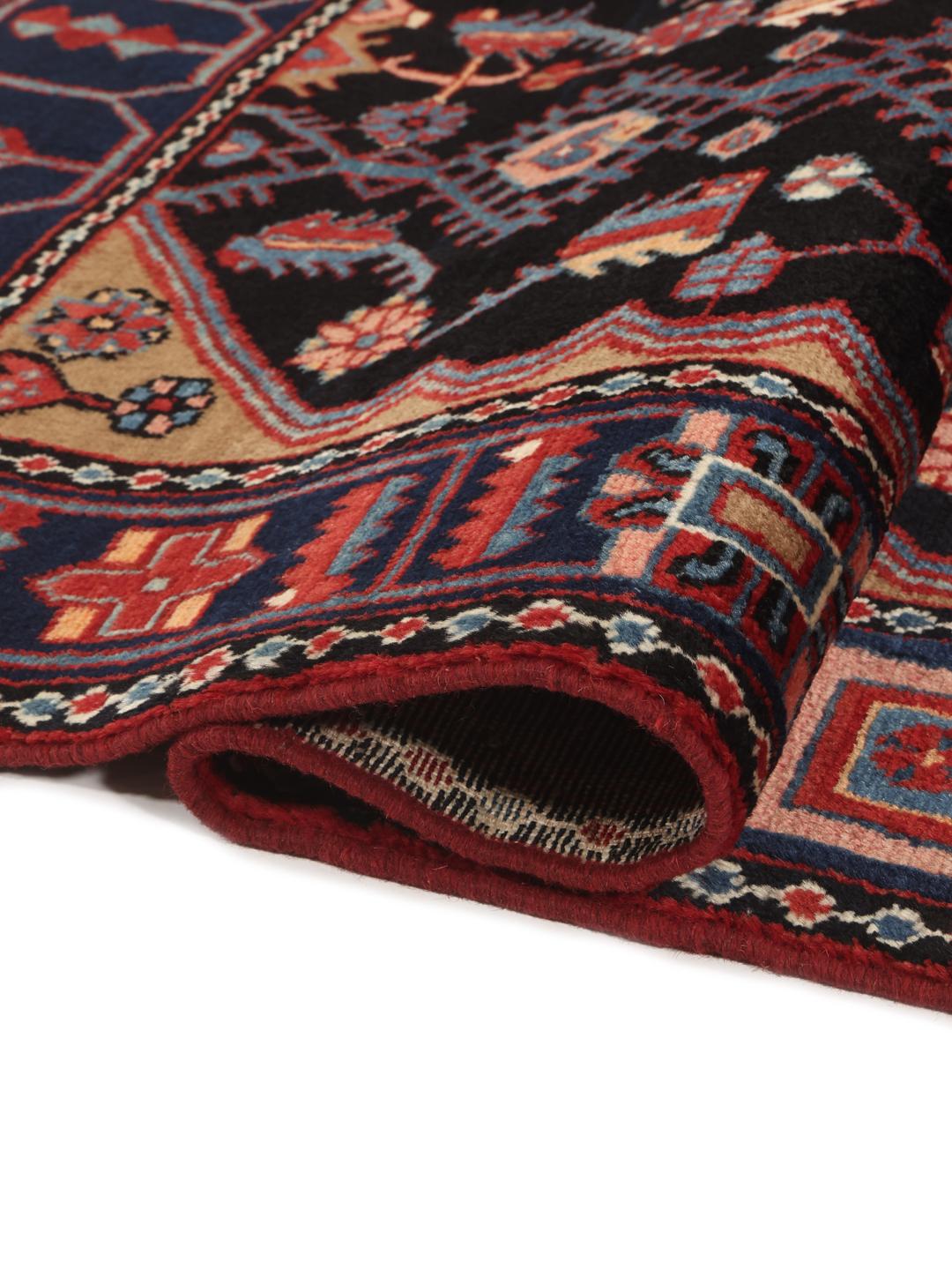
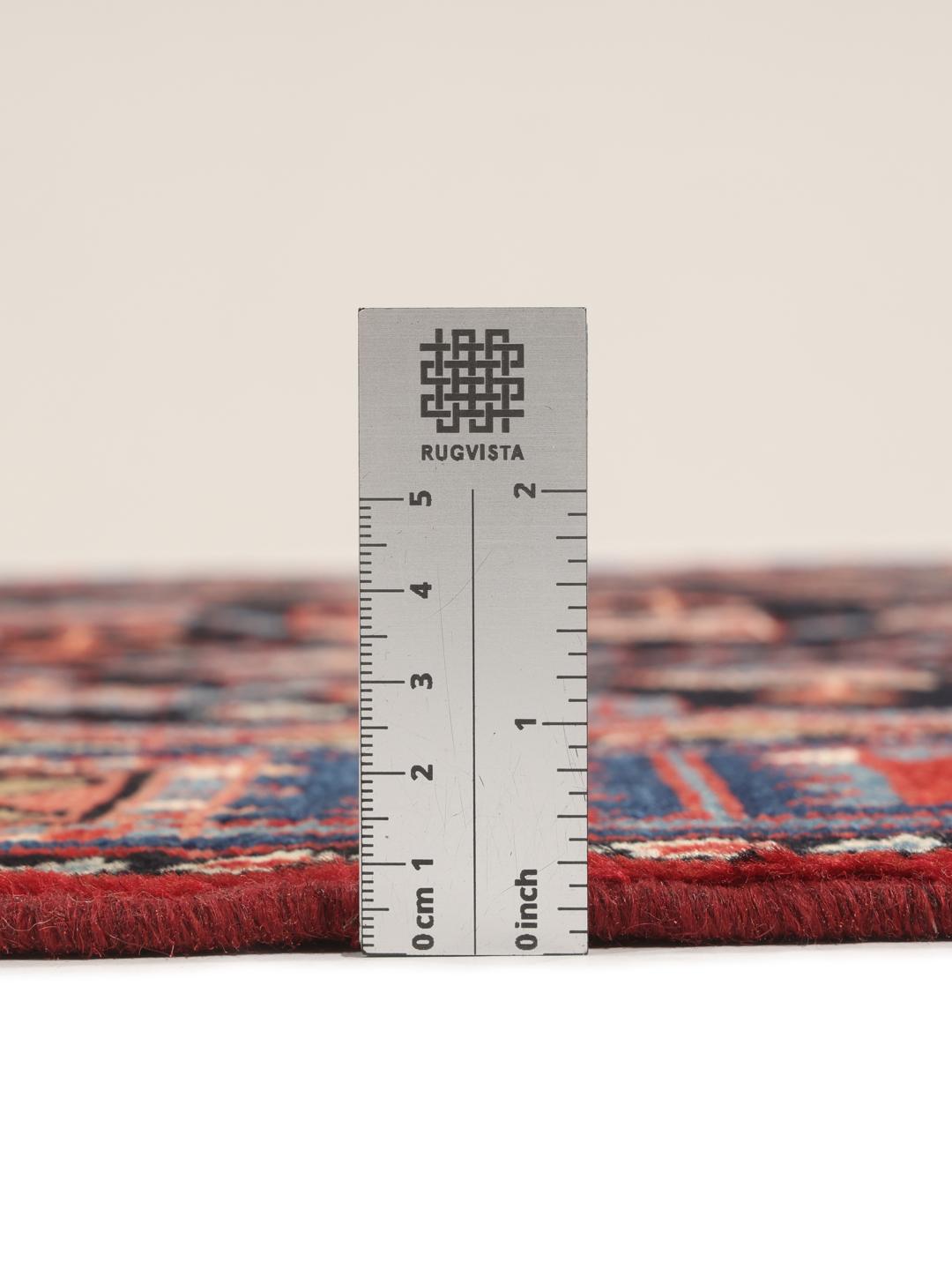
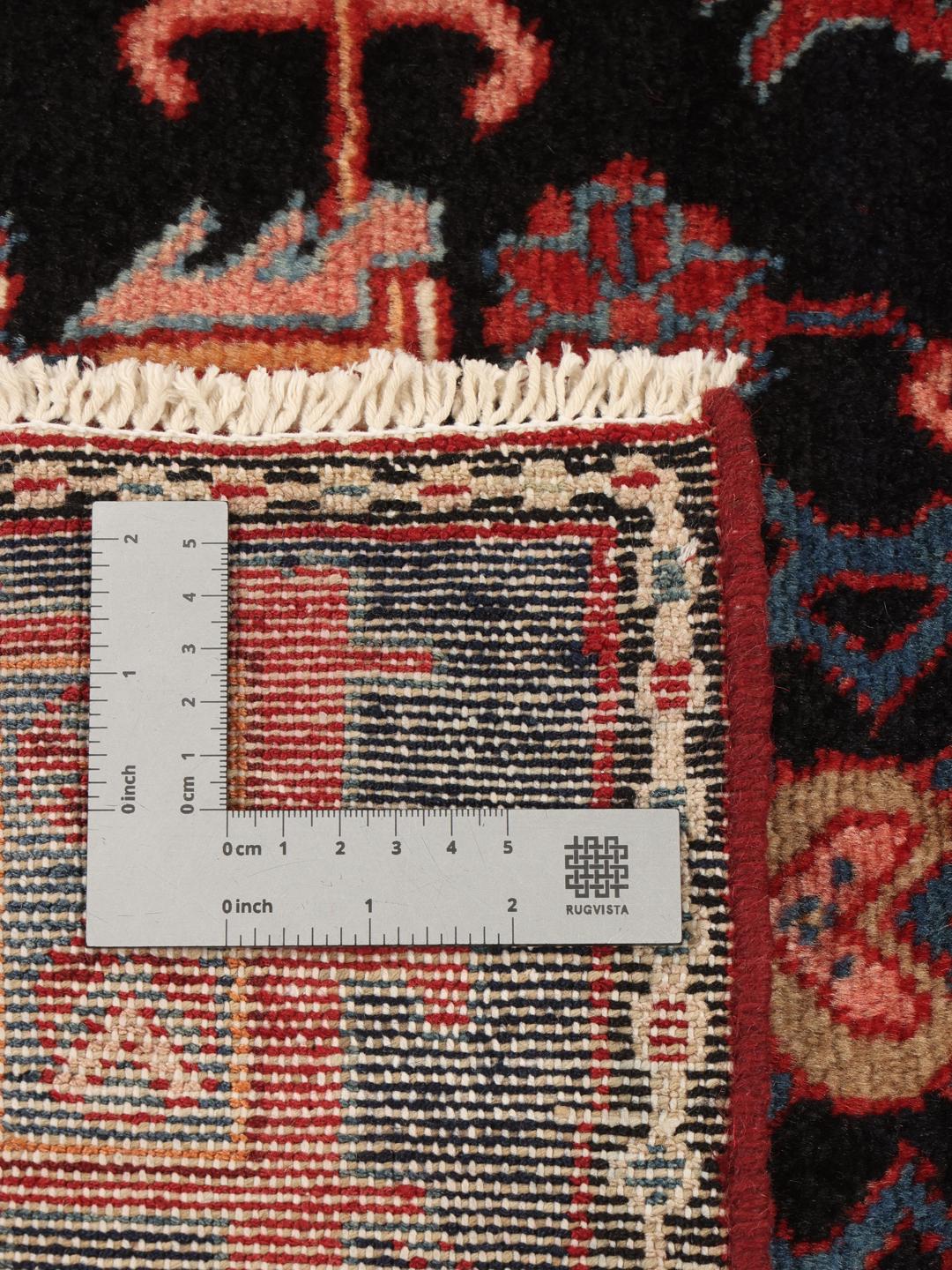
The quality of a Nahavand rug is defined by the quality of its Wool and the tightness of its weave. Using hand-spun Wool, the artisans achieve a pile that is both soft and incredibly durable. The term 'hand-knotted' refers to the technique where each individual strand is tied to the foundation, a process that determines the sharpness of the design and the longevity of the rug. This method is the hallmark of premium rug-making, ensuring that the piece can withstand daily wear while retaining its beauty.
Signature design elements of the Nahavand tradition often include stylized floral motifs, geometric animals, and intricate medallions, all set against a dark or earthy background. The borders are typically elaborate, framing the central field with repeating patterns that draw the eye inward. Unlike many other styles, Nahavand rugs are known for their slightly whimsical and organic interpretation of traditional motifs, giving each rug a distinct personality that feels both ancient and fresh.
Collecting a Nahavand rug is an investment in cultural heritage. These pieces are valued not only for their aesthetic beauty but for the immense skill required to produce them. Owning one means participating in a tradition that has survived for centuries, preserving a unique form of human expression that values patience, precision, and the beauty of natural materials above all else.