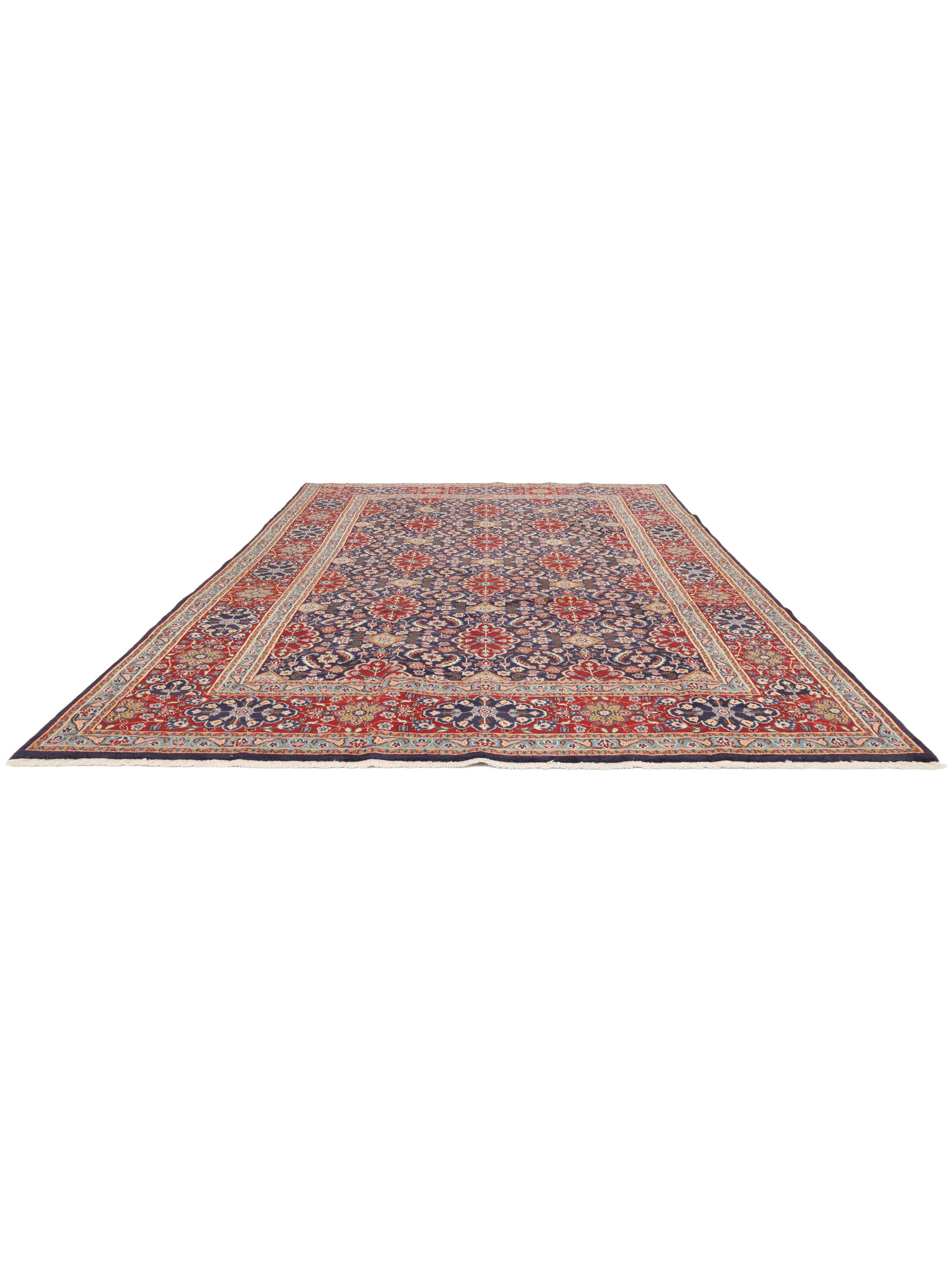
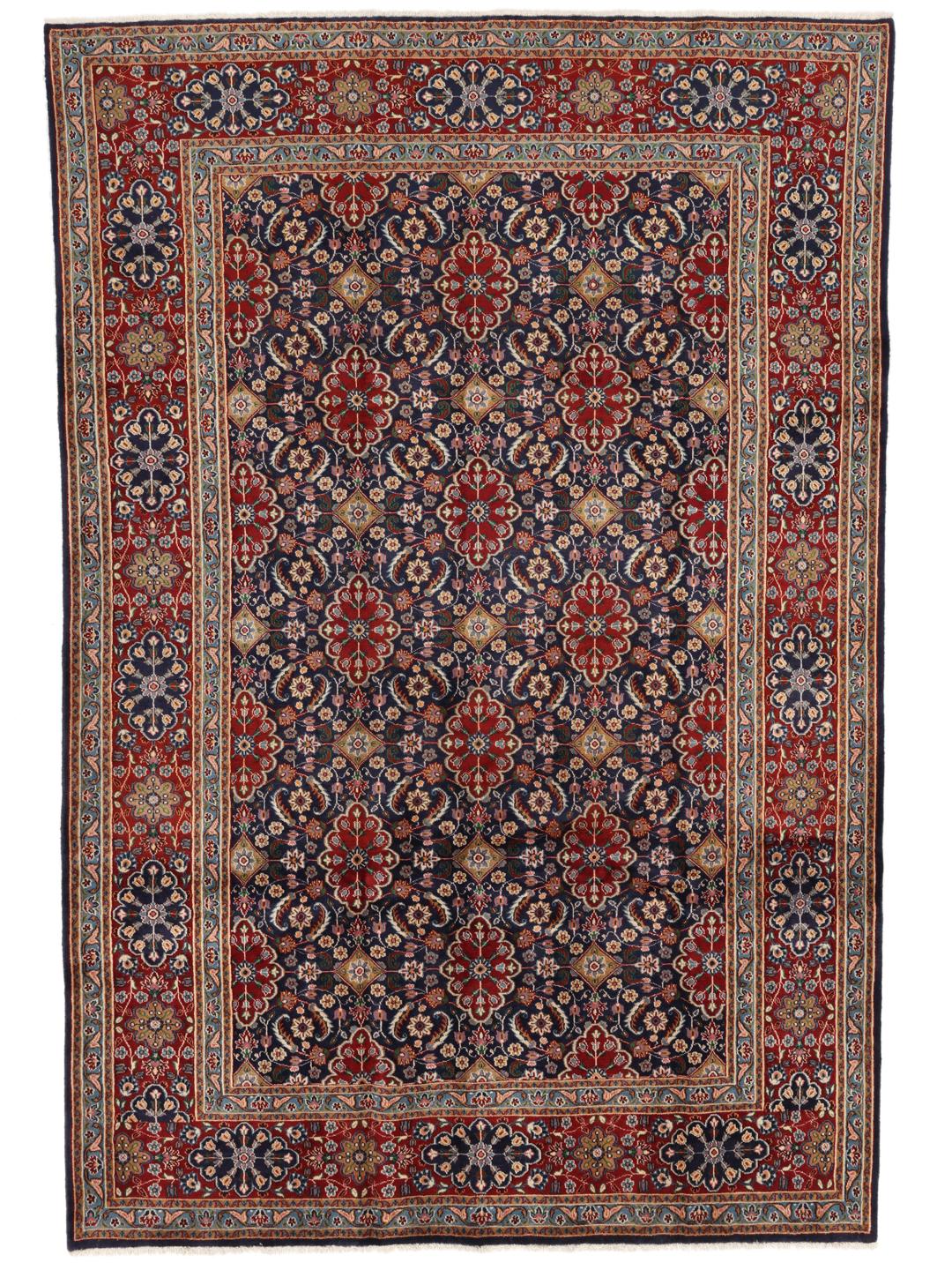
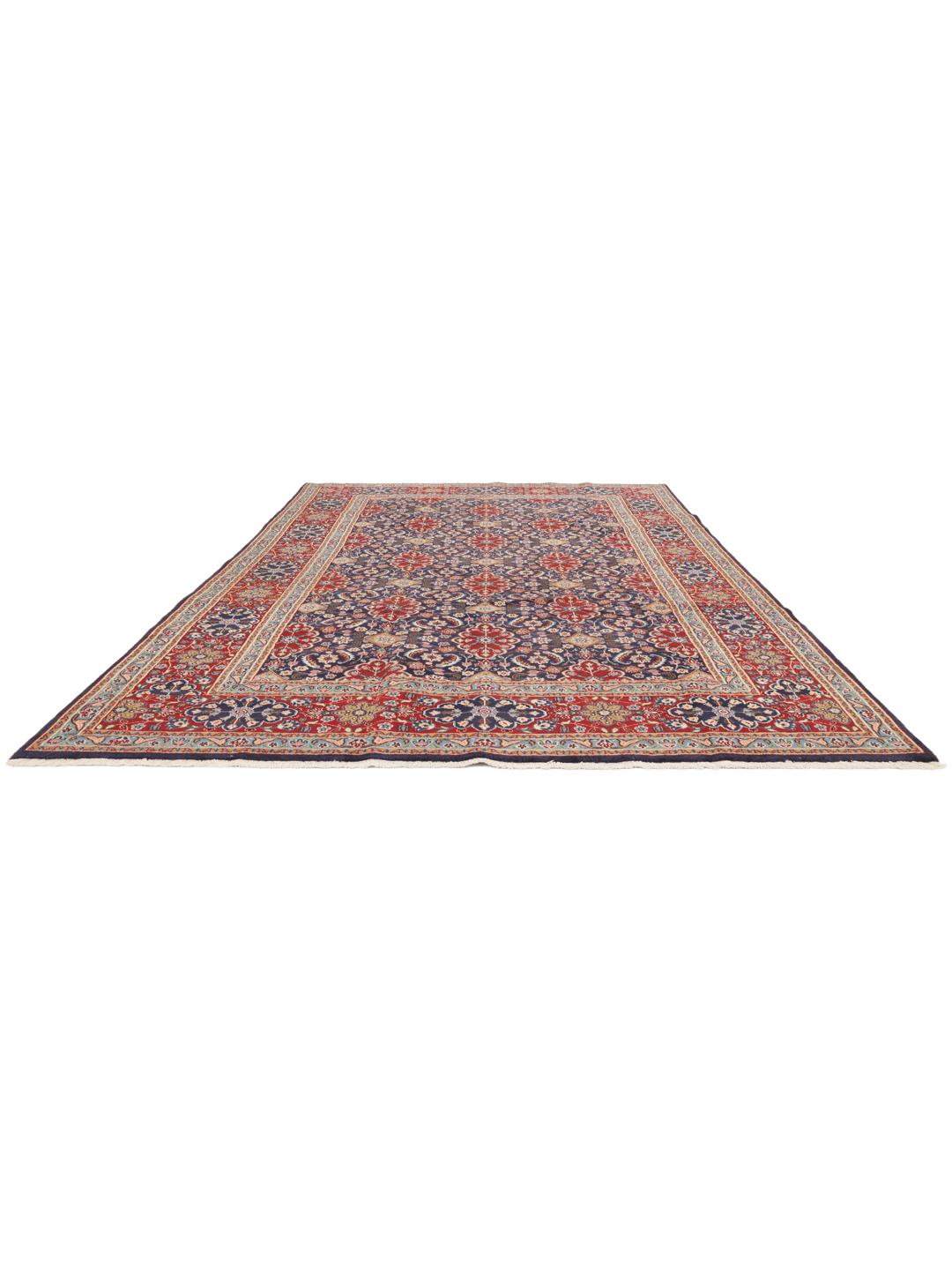
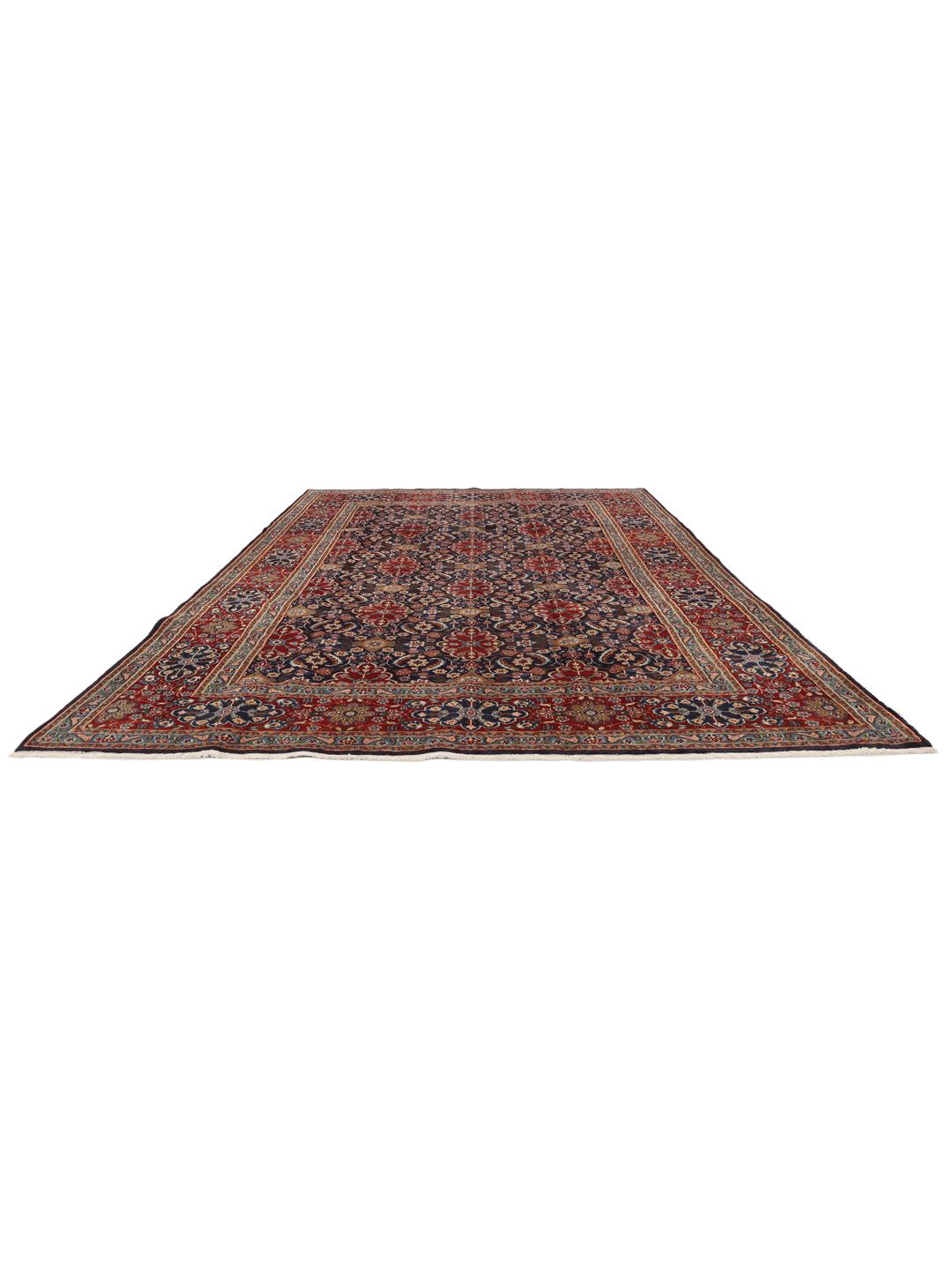
The Moud rug tradition originates from the town of Moud, located in the Khorasan province of the Middle East. This region has a long and storied history of rug production, characterised by a unique aesthetic that often blends classical floral elements with a distinct local identity. The Sherkat Farsh label is particularly significant, as it represents a historical organisation dedicated to preserving the quality and authenticity of these traditional weaving practices, ensuring that each piece meets rigorous standards of excellence.
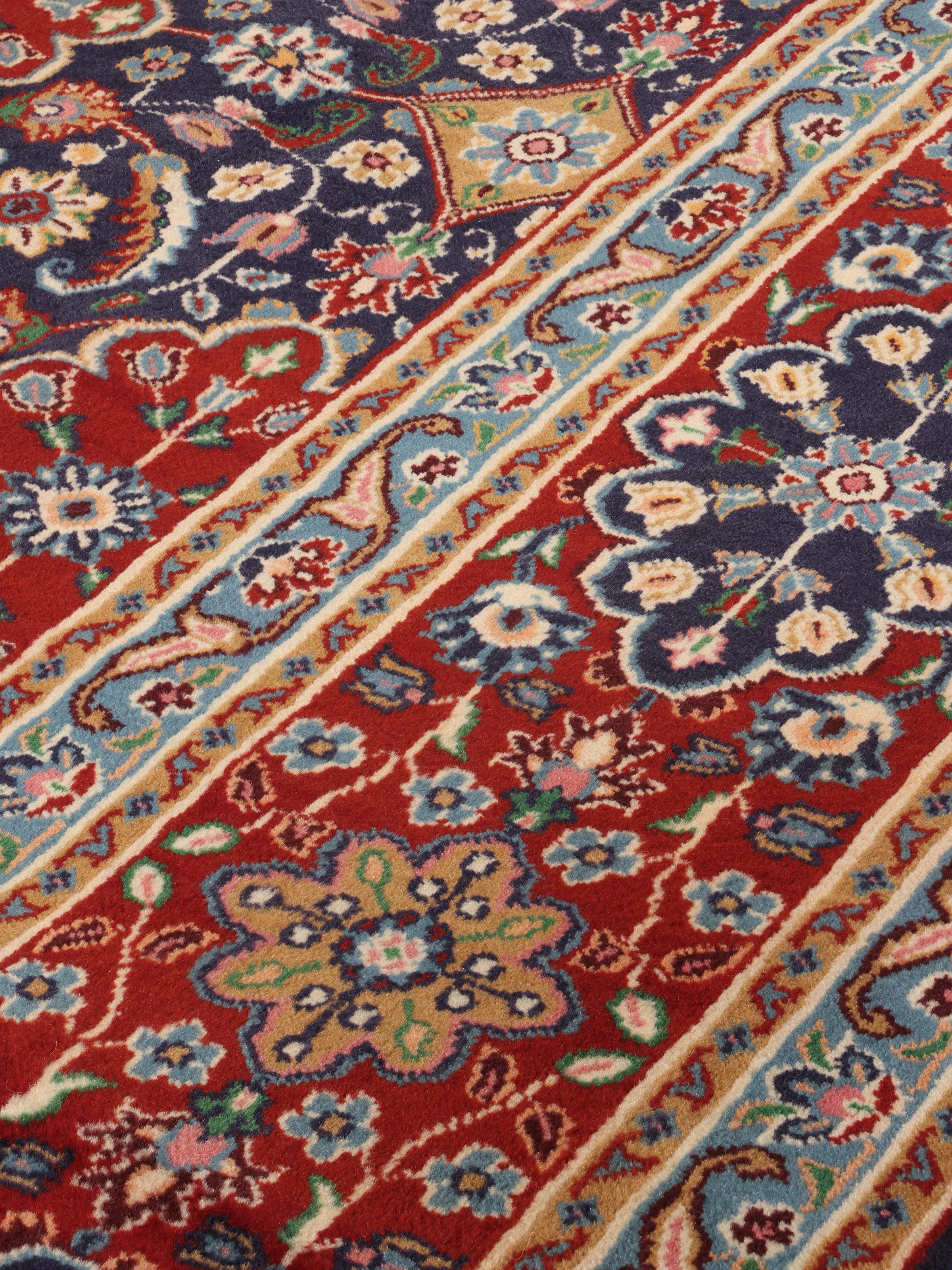
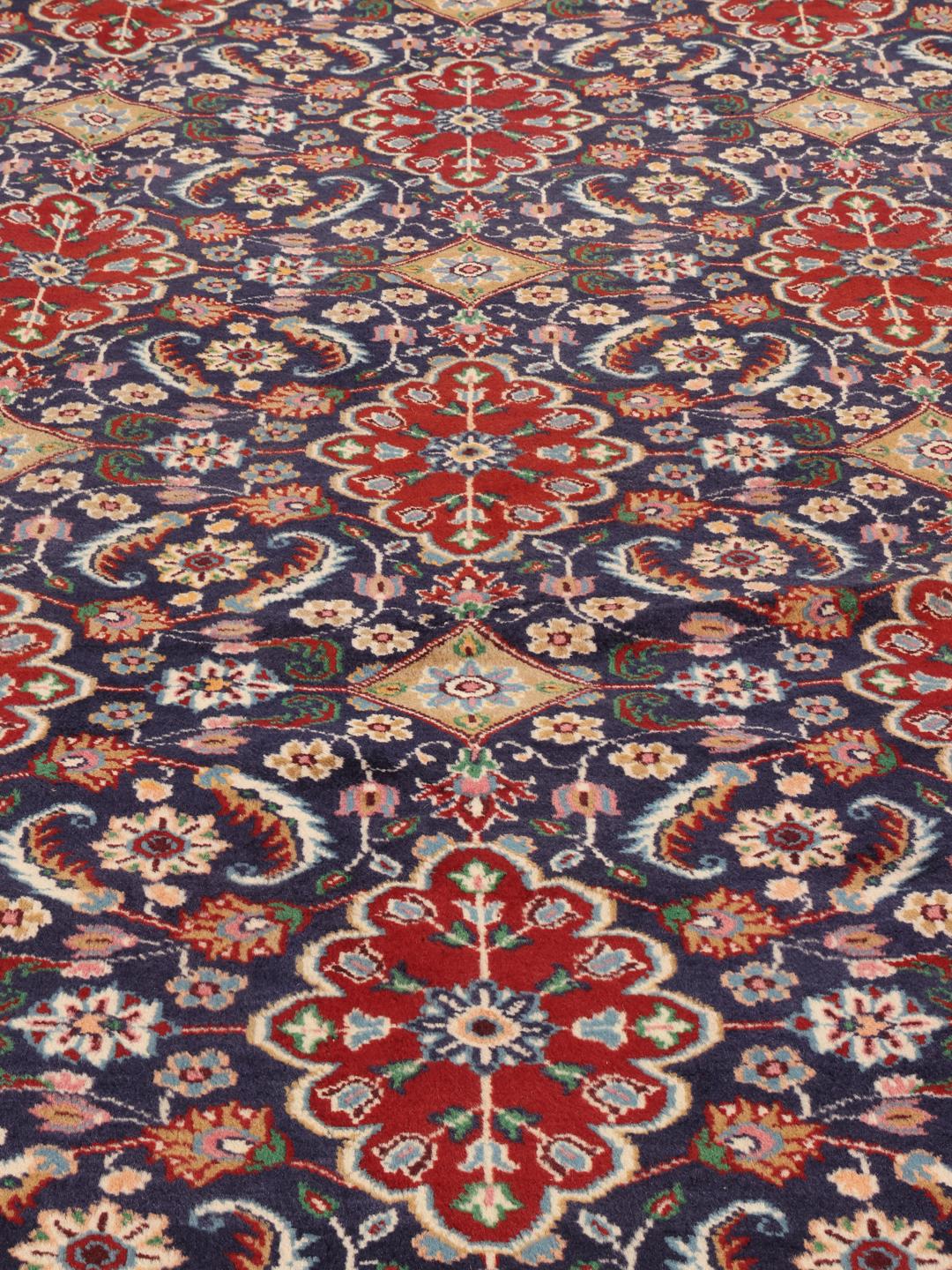
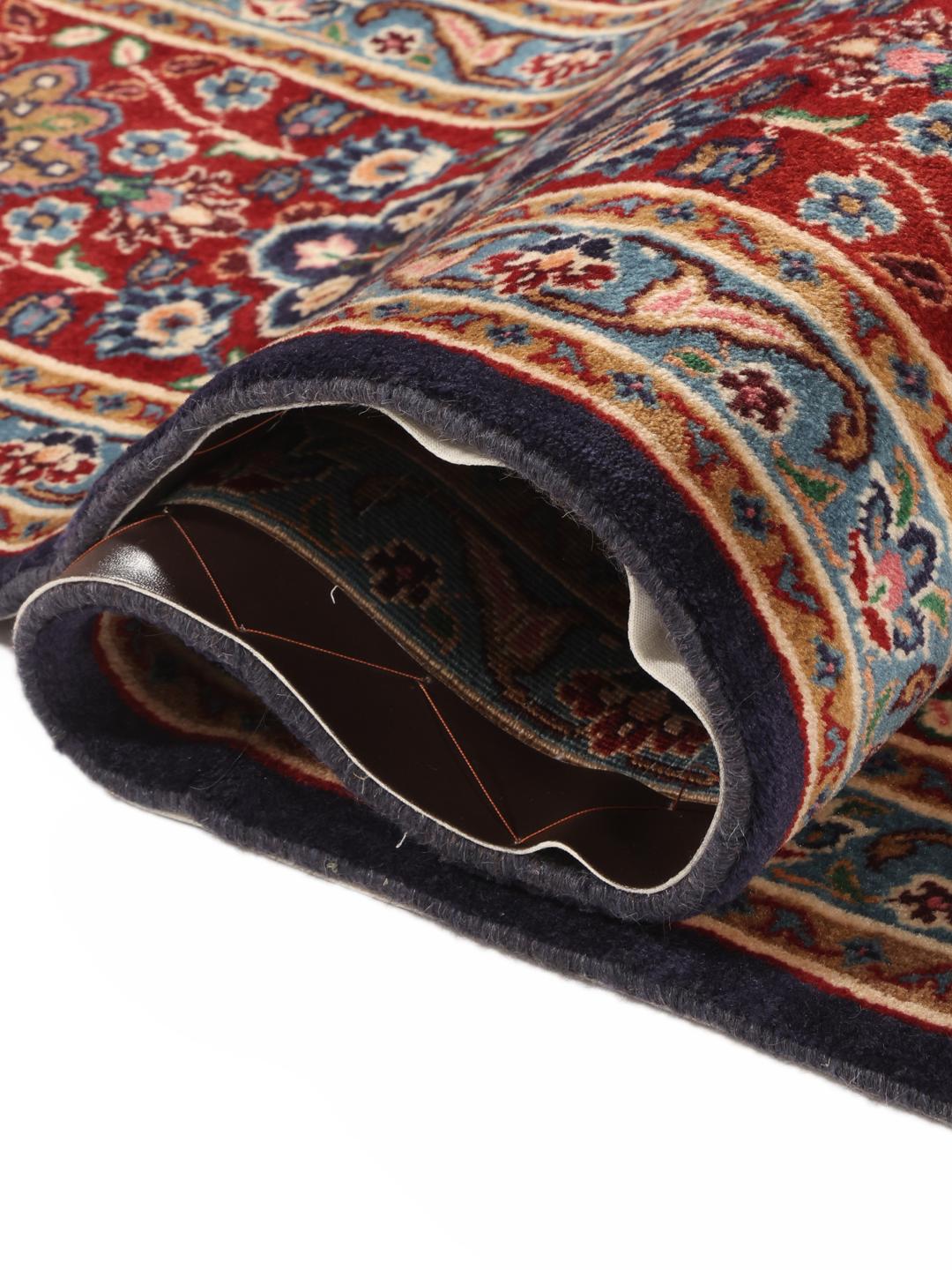
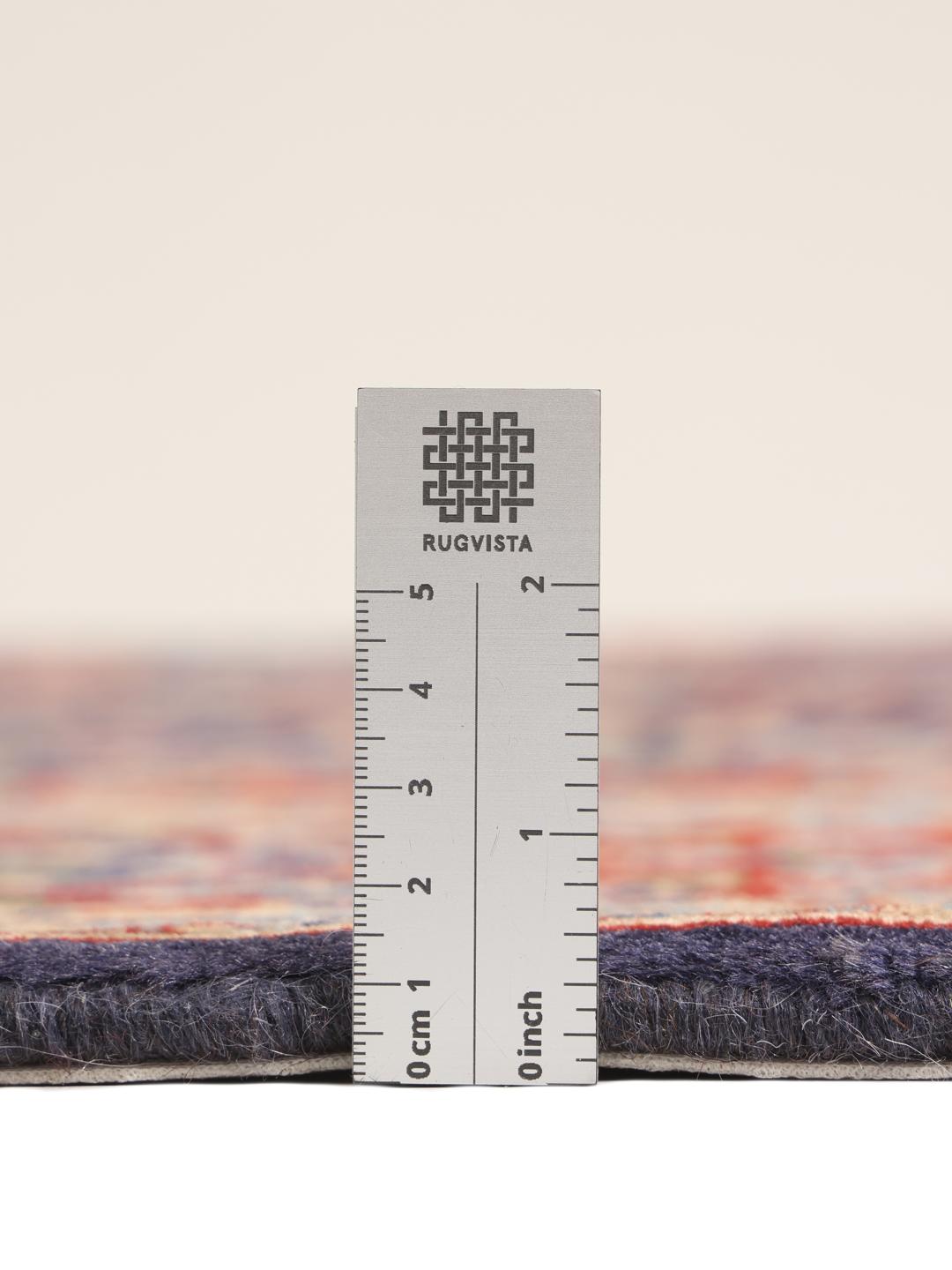
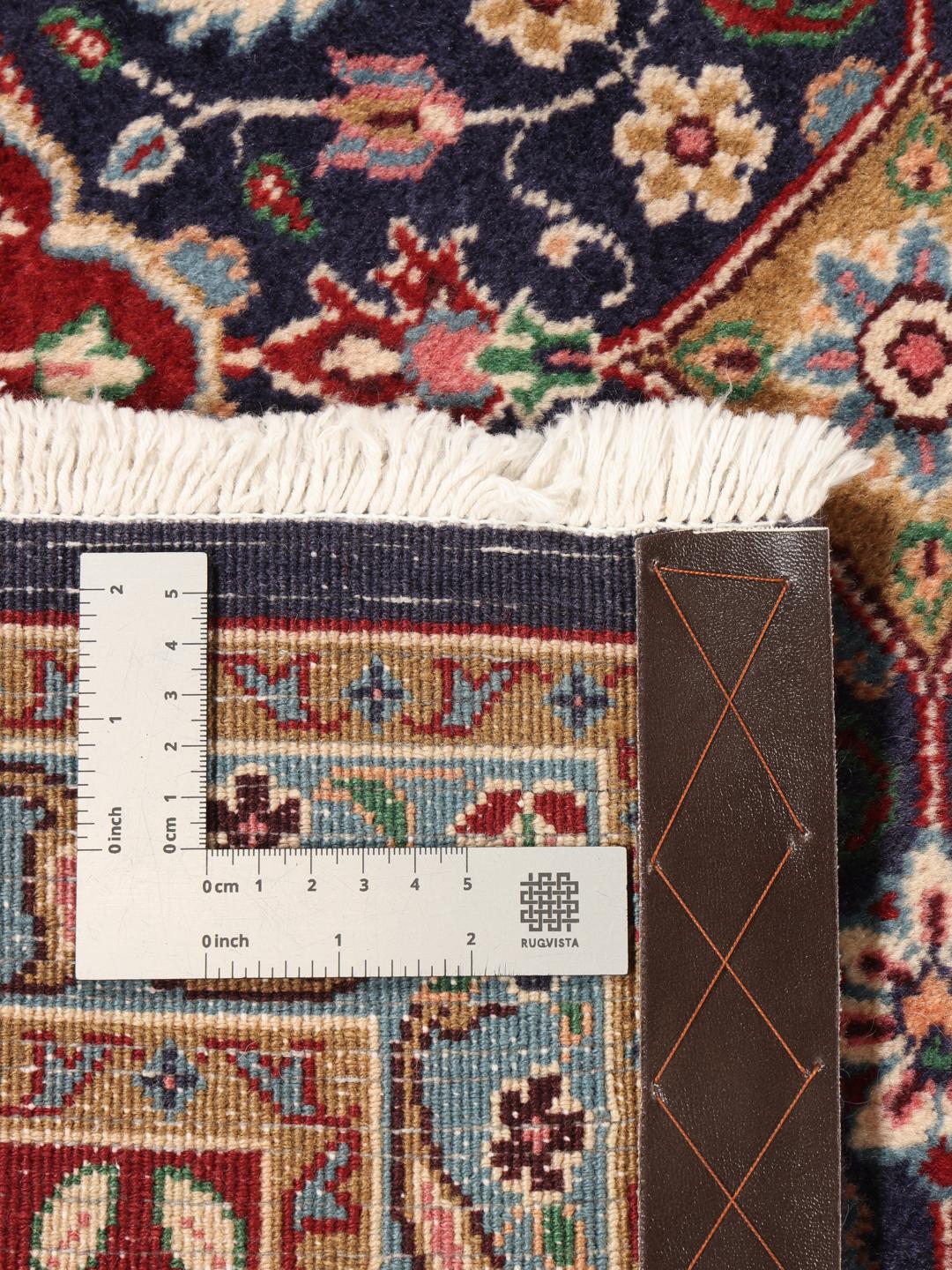
Technical quality in Moud rugs is often defined by the precision of the knotting and the quality of the wool used. The pile is typically woven with a dense, fine knotting technique that allows for highly detailed patterns, such as the famous Herati or Mahi motifs. This density is not merely for show; it is what gives the rug its exceptional durability and its ability to maintain a sharp, clear pattern even after decades of use in a busy home.
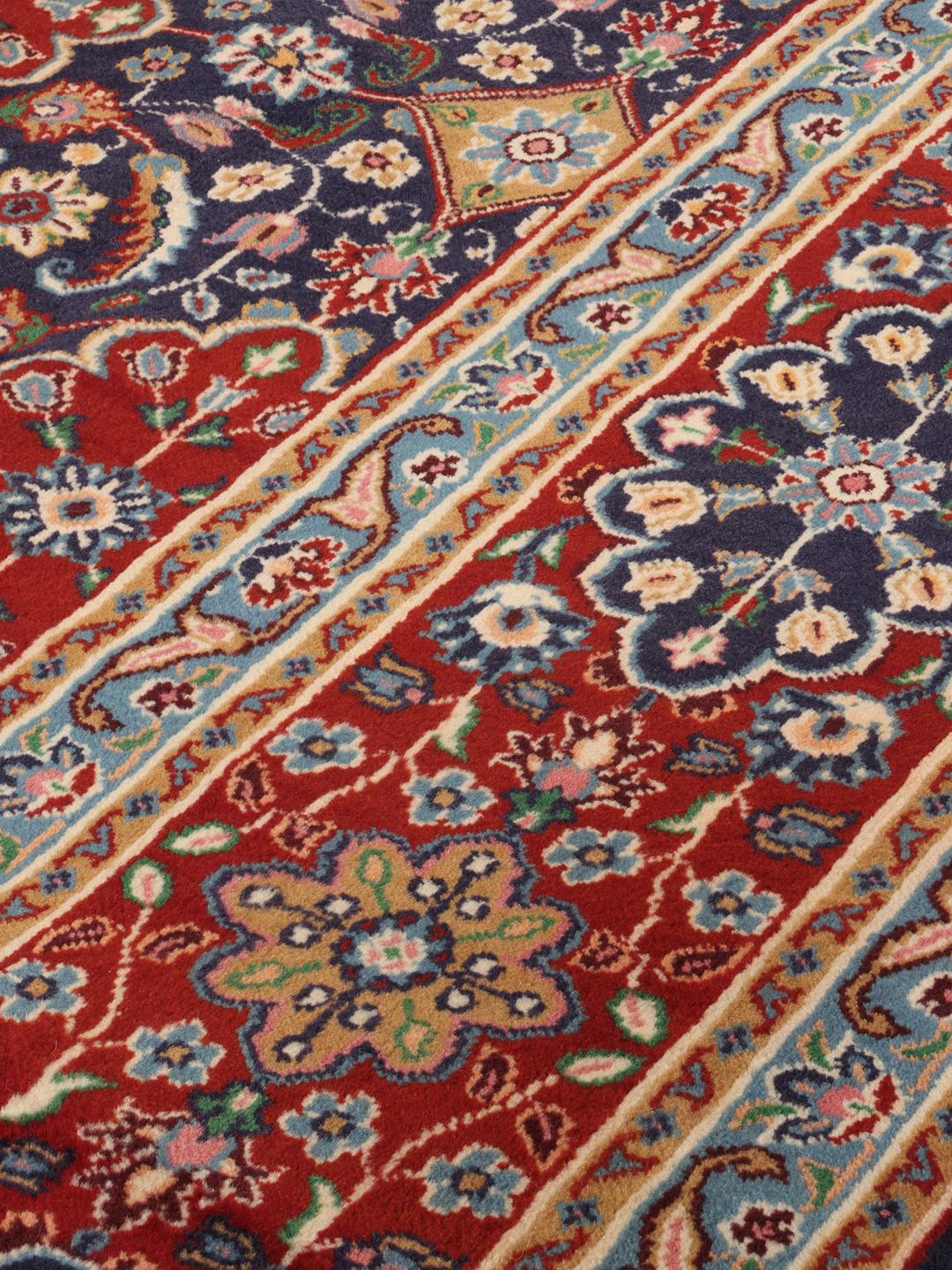
Visually, Moud rugs are renowned for their sophisticated use of colour and complex, balanced compositions. A signature element is the combination of deep, rich reds and blues, often accented with lighter ivory or golden tones. The field is frequently adorned with an all-over floral pattern or a central medallion, framed by elaborate borders that showcase the weaver's mastery of symmetry and proportion. It is this visual language that makes Moud rugs so instantly recognisable and highly sought after by collectors.
Owning a Moud Sherkat Farsh rug is an opportunity to connect with a profound cultural heritage. These rugs are valued not only for their aesthetic appeal but also for the immense skill and cultural history they represent. They are considered long-term investments, often passed down through generations as family treasures. By acquiring such a piece, you are maintaining a bridge to the past, celebrating the human ingenuity and artistic tradition that defines the finest examples of Middle Eastern weaving.