The Berber rug tradition originates from the indigenous tribes of North Africa, where these textiles were historically woven for warmth, protection, and as functional art within the home. Over centuries, these designs have evolved, finding their way into homes across the globe and influencing design traditions in the Middle East. The rugs are deeply tied to the cultural heritage of their weavers, who incorporate local traditions and personal narratives into every piece.
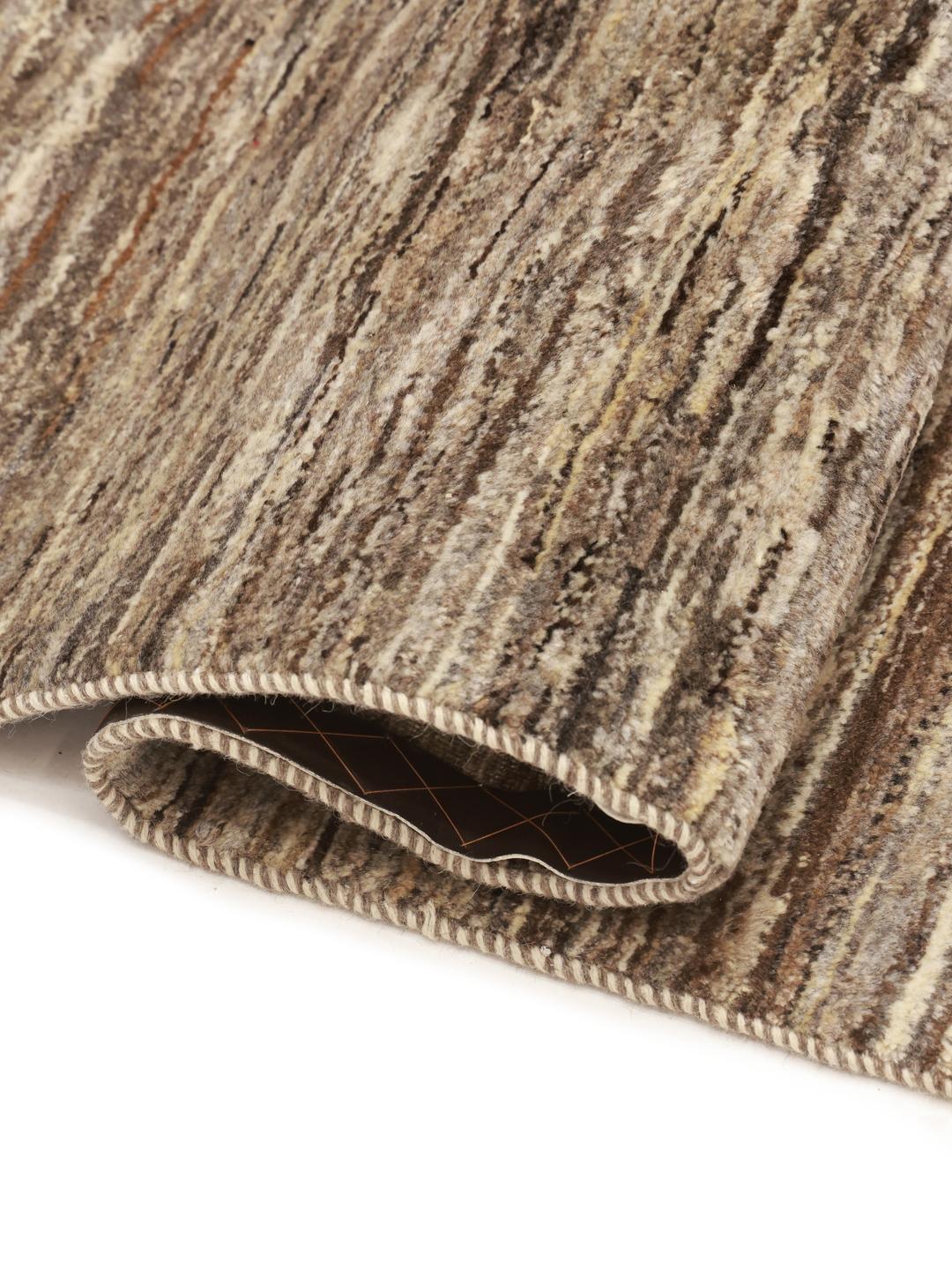
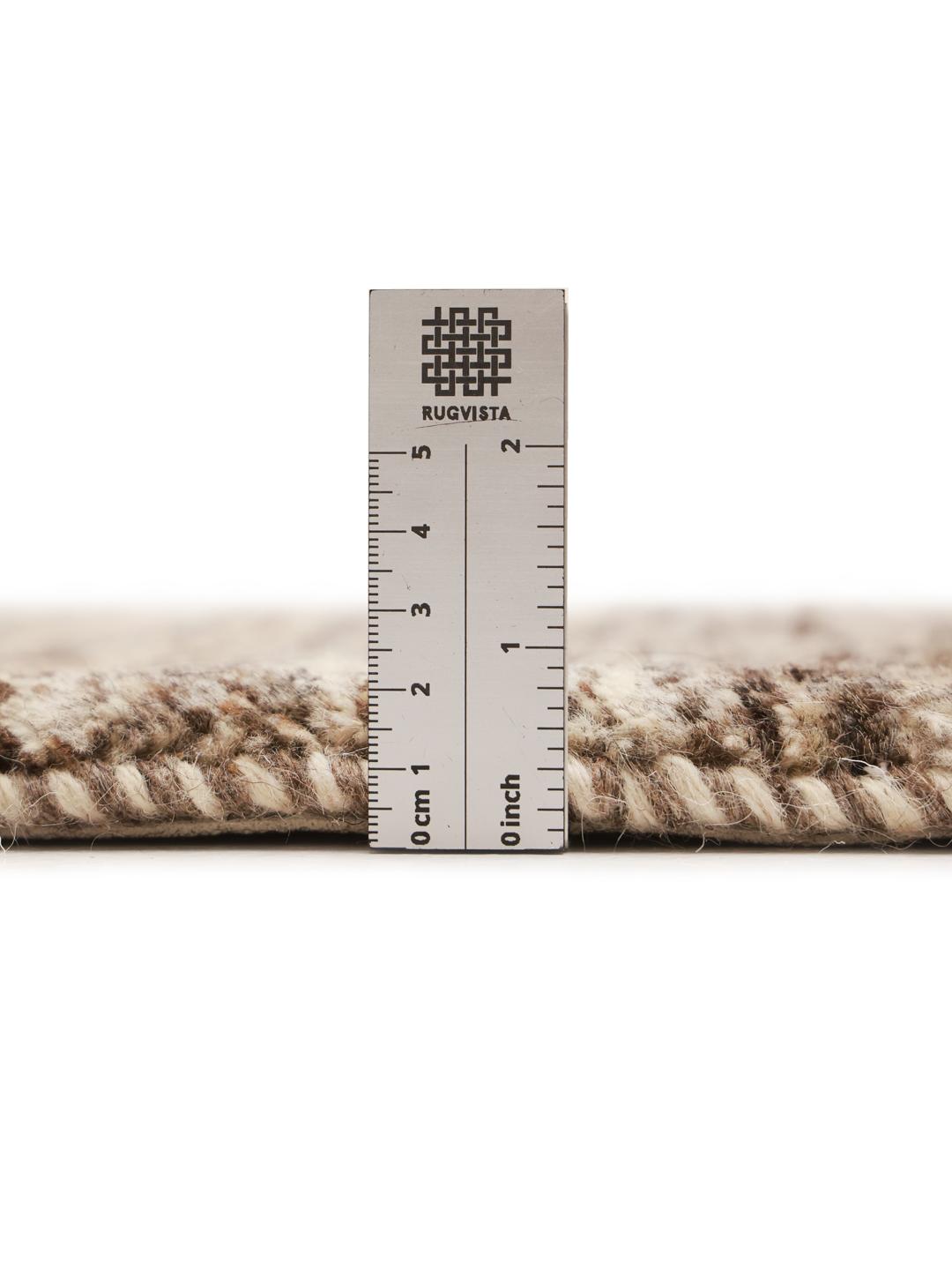
The term Berber refers to a specific style of weaving that emphasises a thick, high-pile construction. This technique is designed to provide insulation against cold floors, making these rugs a practical choice for comfort. The use of natural, undyed or minimally processed materials is a hallmark of this tradition, ensuring that the final product retains the raw, organic beauty of the fibre.
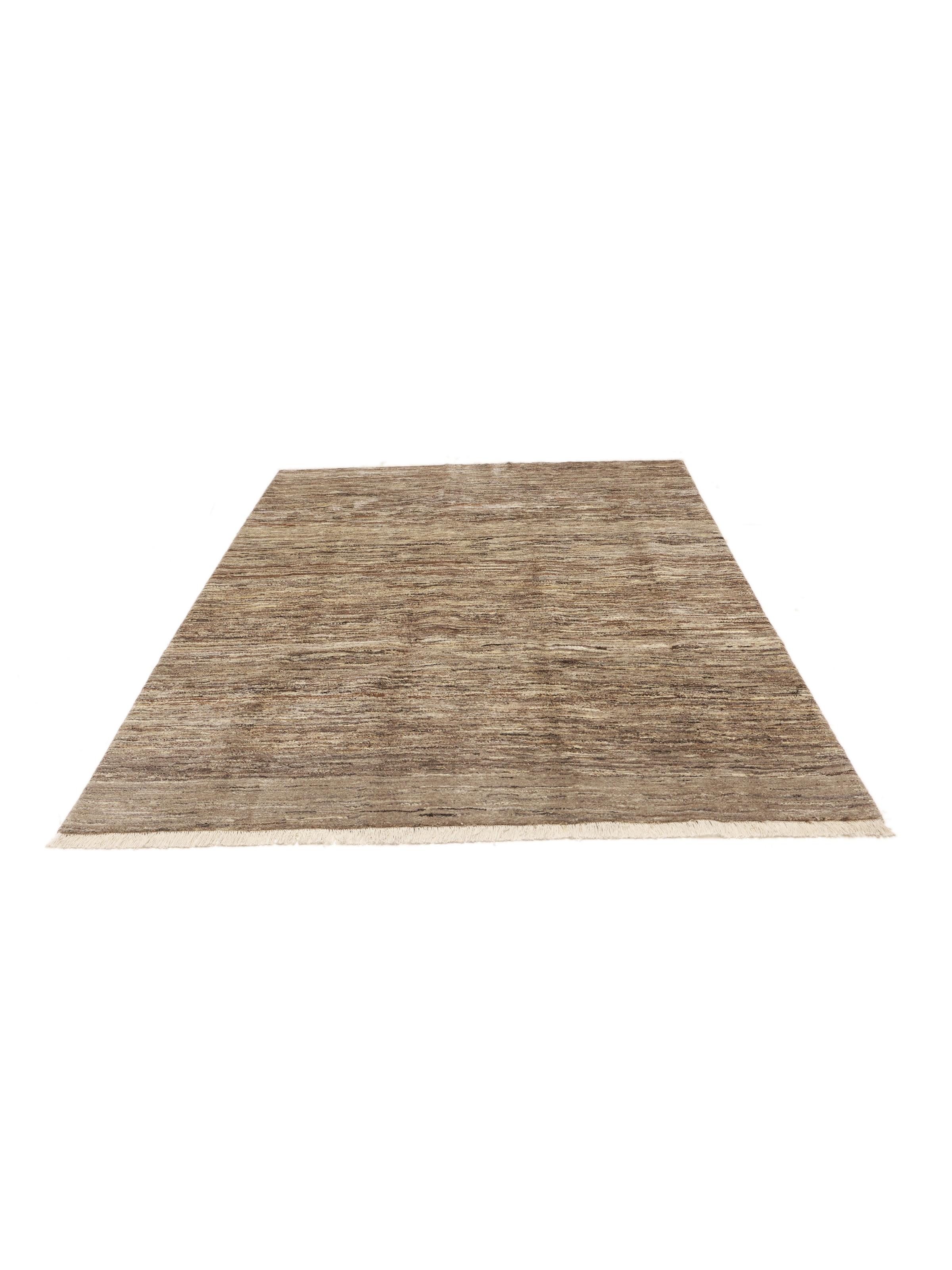
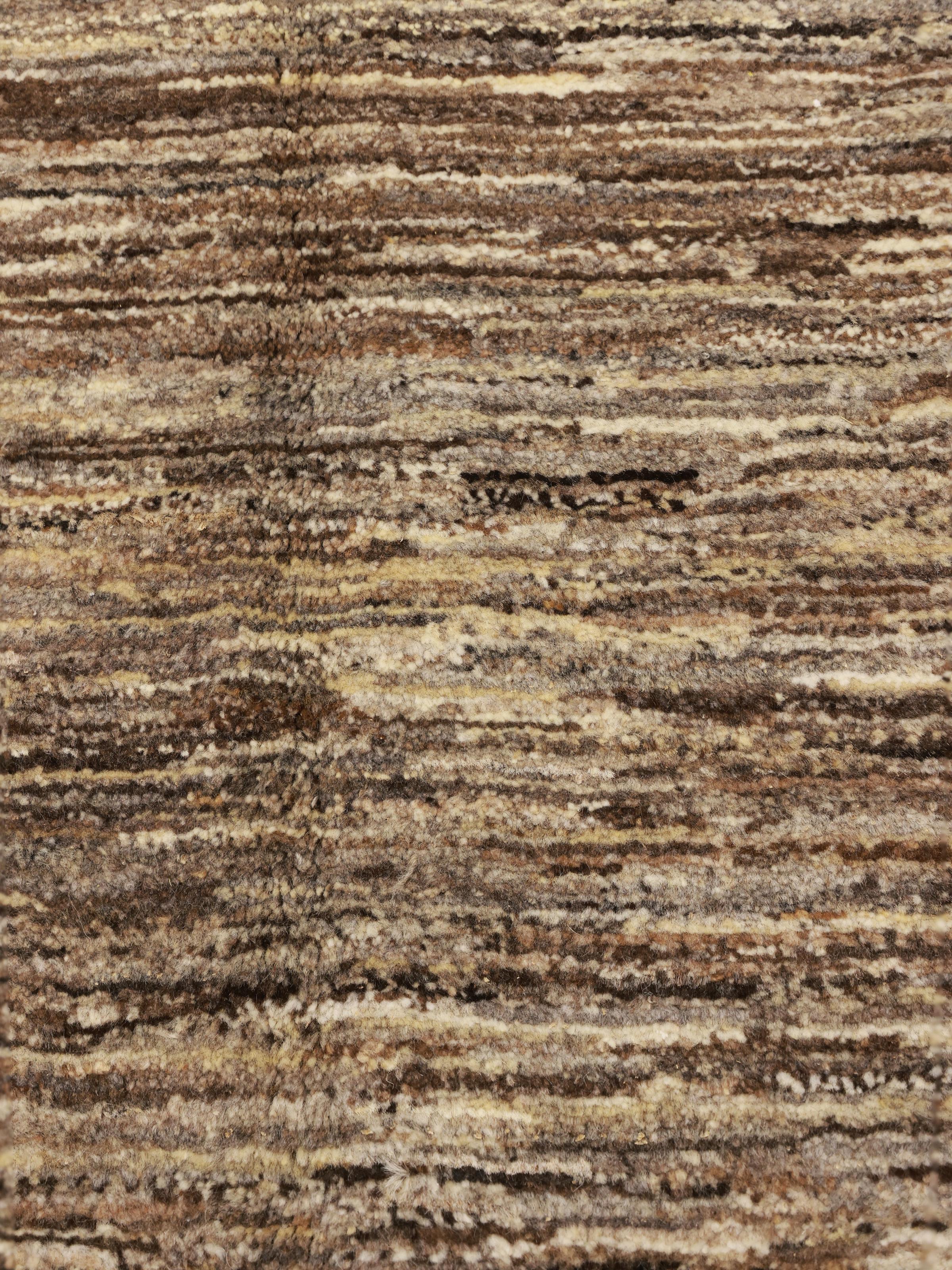
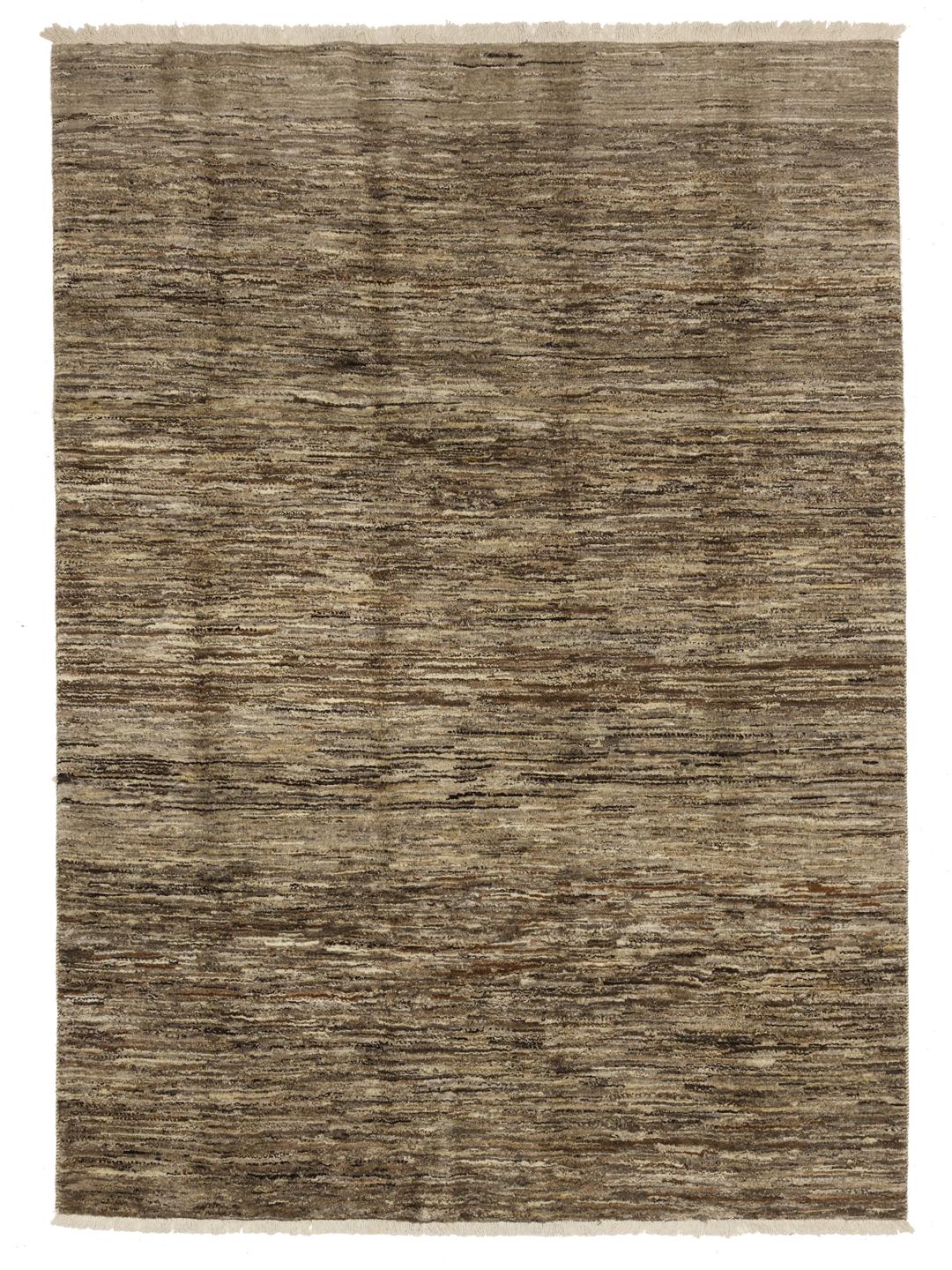
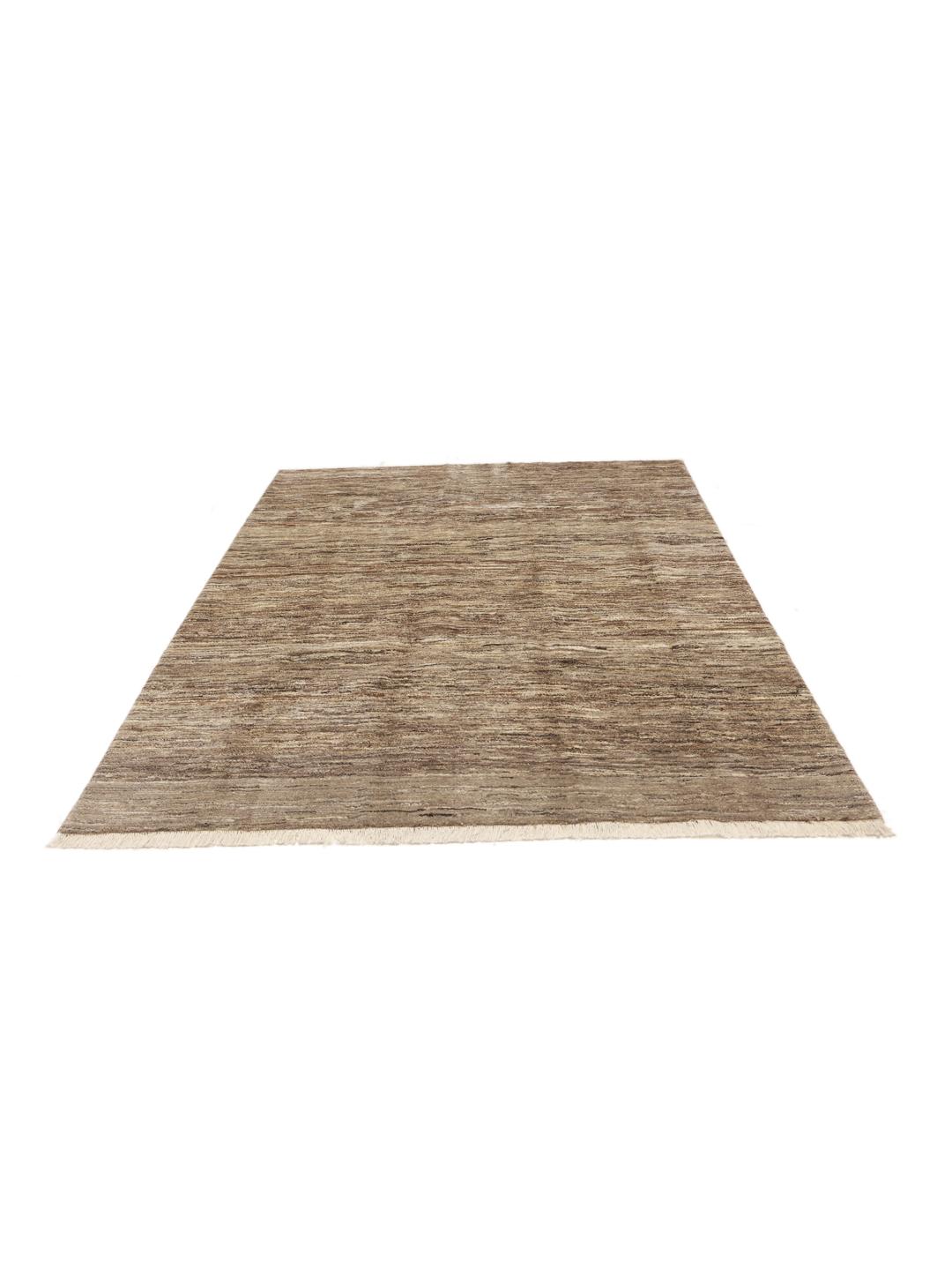
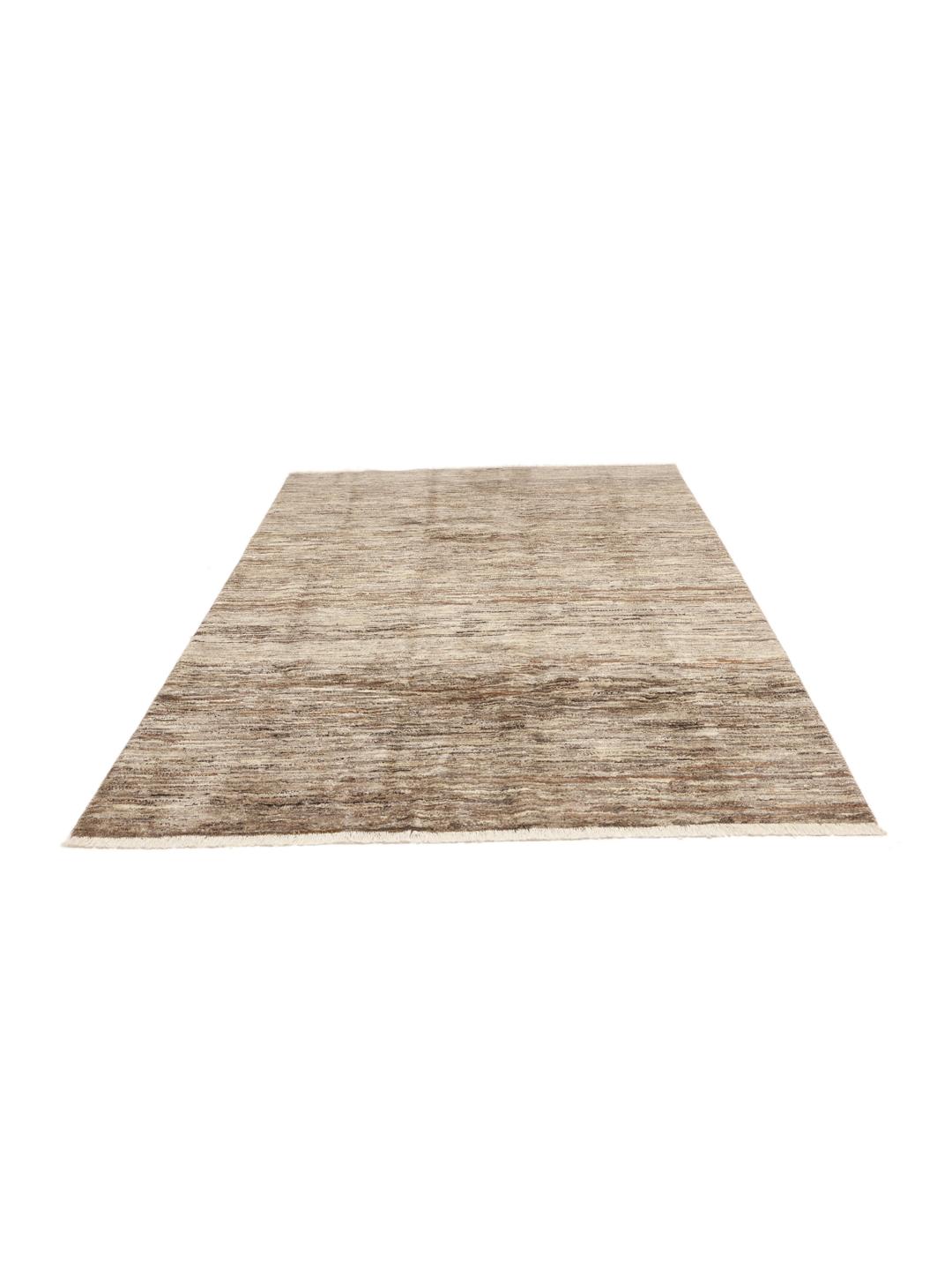
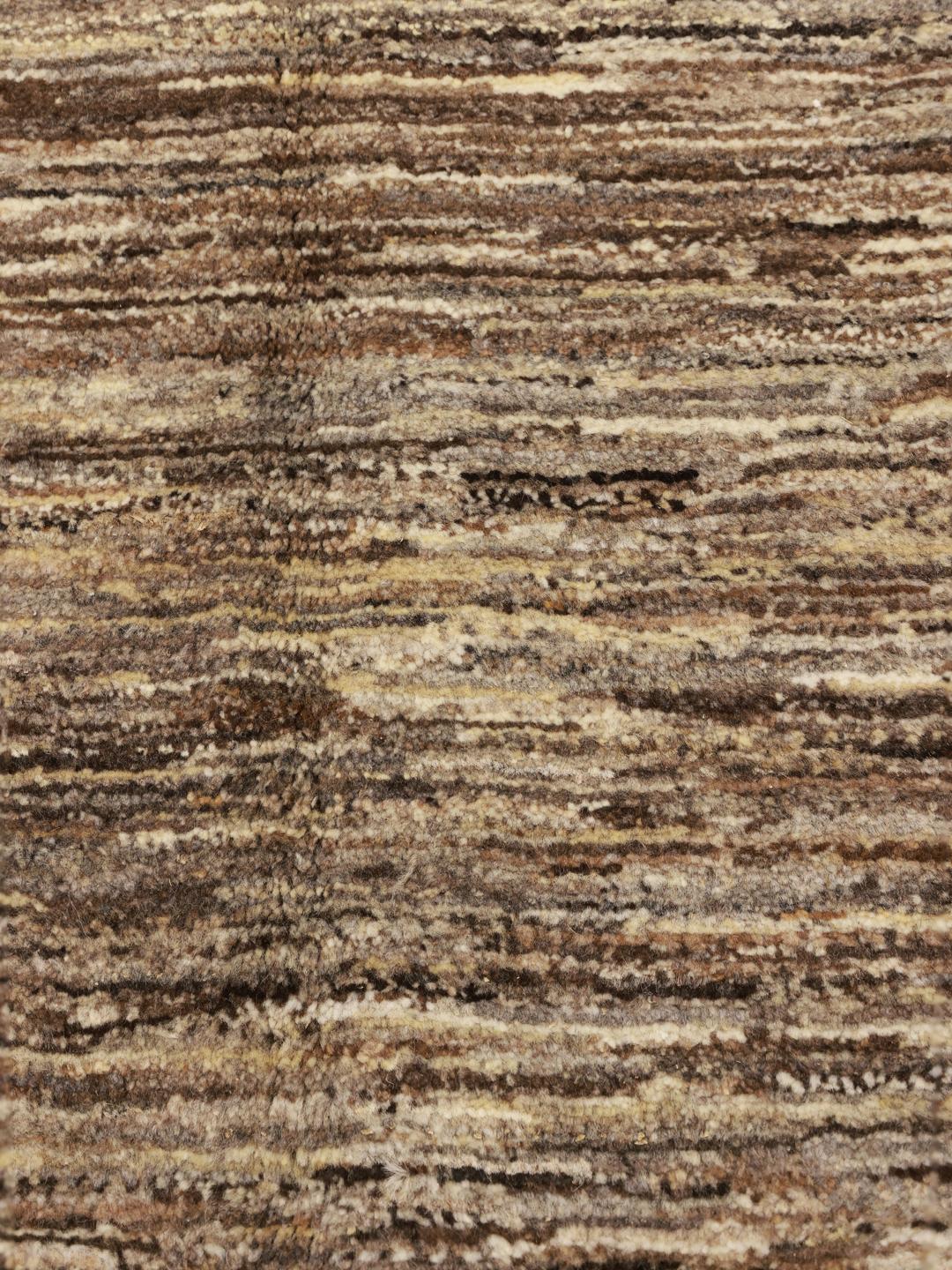
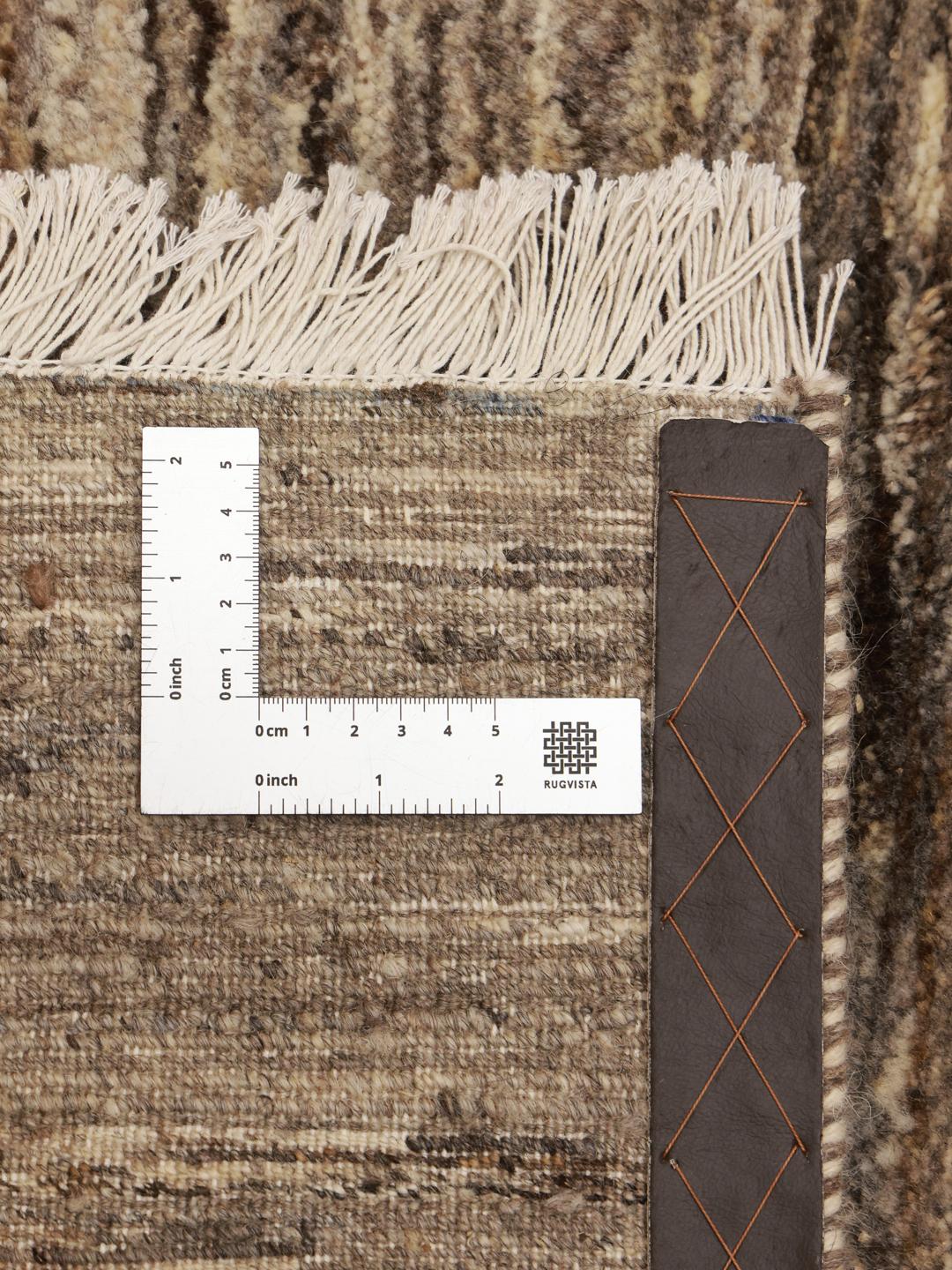
Signature elements of the Berber style include a focus on simplicity and texture rather than complex, rigid patterns. Whilst many traditional examples feature geometric motifs or tribal symbols, the most classic versions celebrate the natural variations in the material itself. This rug's earthy, tonal palette is a classic expression of this tradition, highlighting the beauty of the wool's natural variations.
Collecting a Berber rug is an investment in a living tradition. These pieces are valued not only for their aesthetic appeal but also for the cultural weight they carry. By owning a hand-knotted rug from this lineage, you are participating in a long-standing history of craft that values patience, skill, and the honest beauty of natural materials.