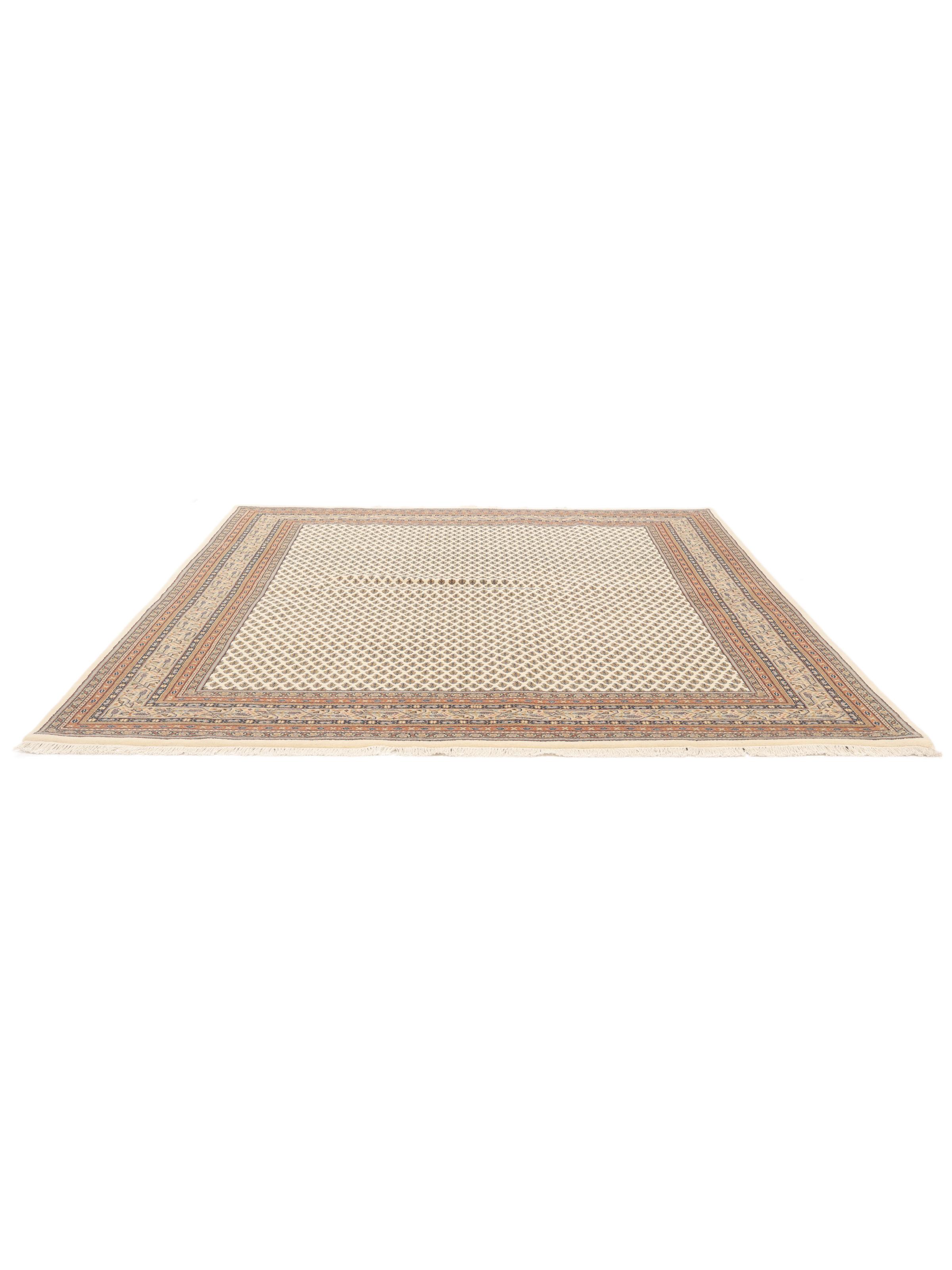
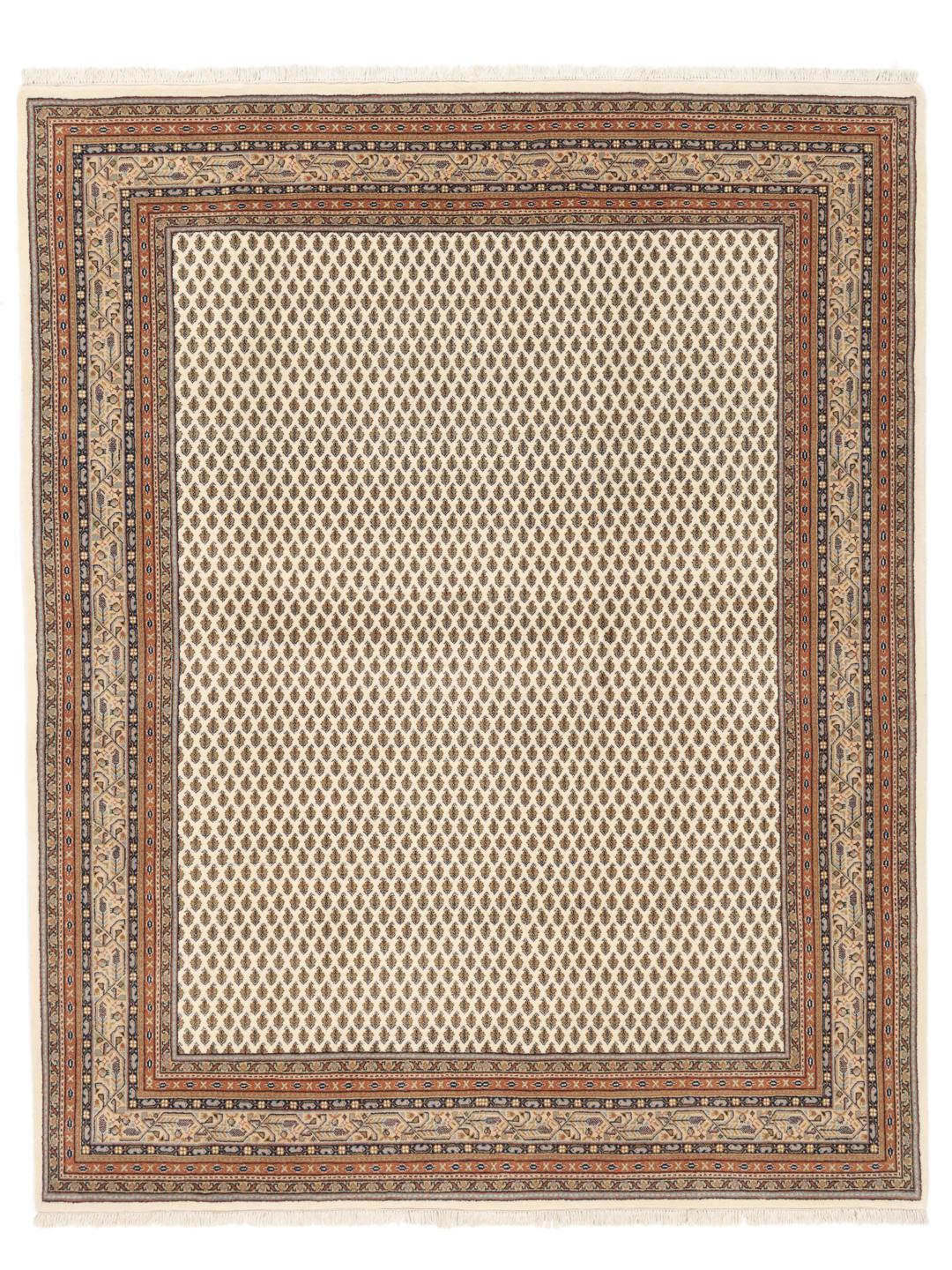
The Mir design is a celebrated tradition in the world of floor coverings, originating from the Middle East. While its roots are deeply embedded in the historical weaving centres of the region, the style has been masterfully adopted and refined by artisans in India. This migration of design reflects the global nature of textile artistry, where traditional motifs are preserved and reimagined by new generations of skilled weavers.
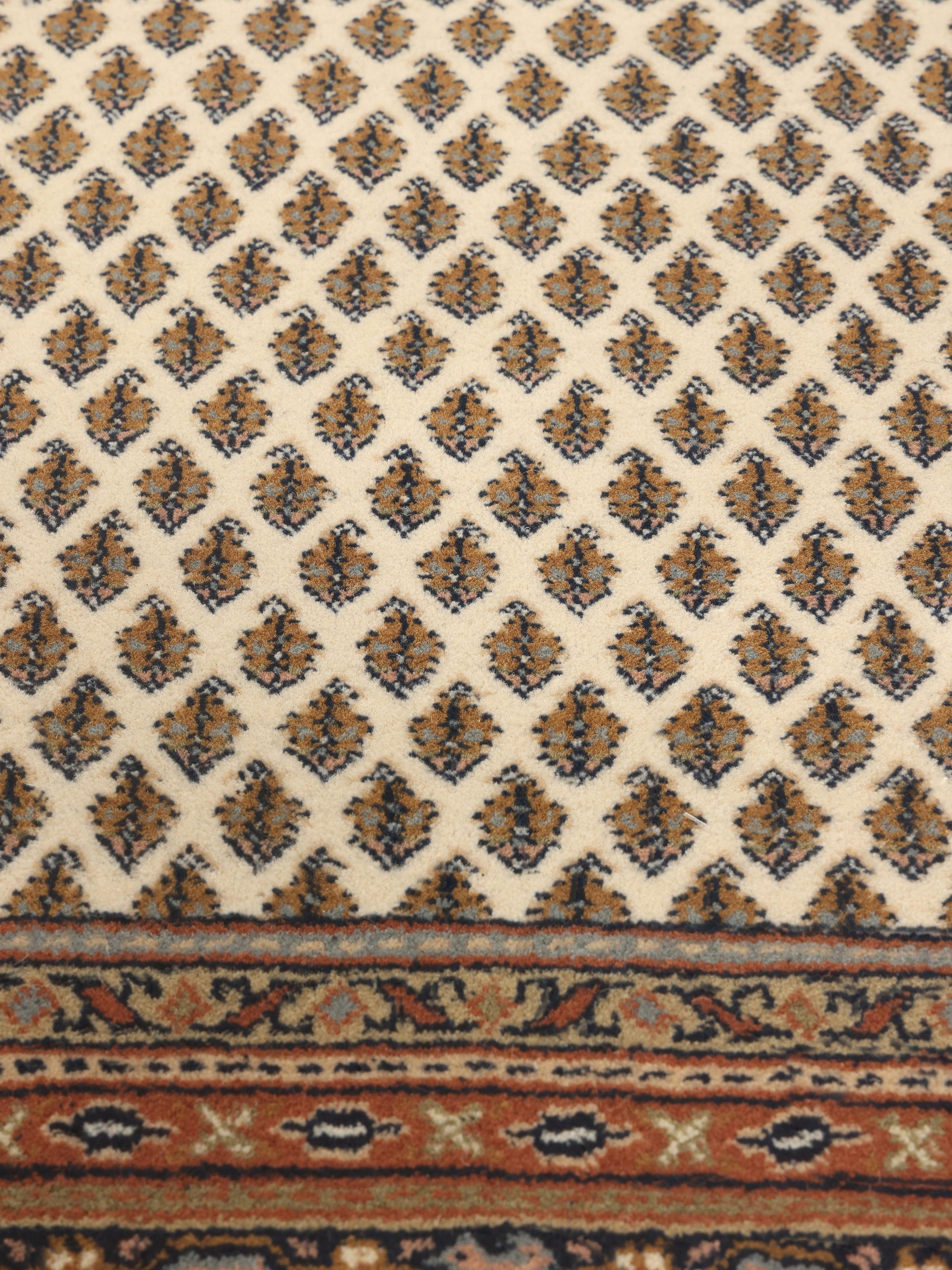
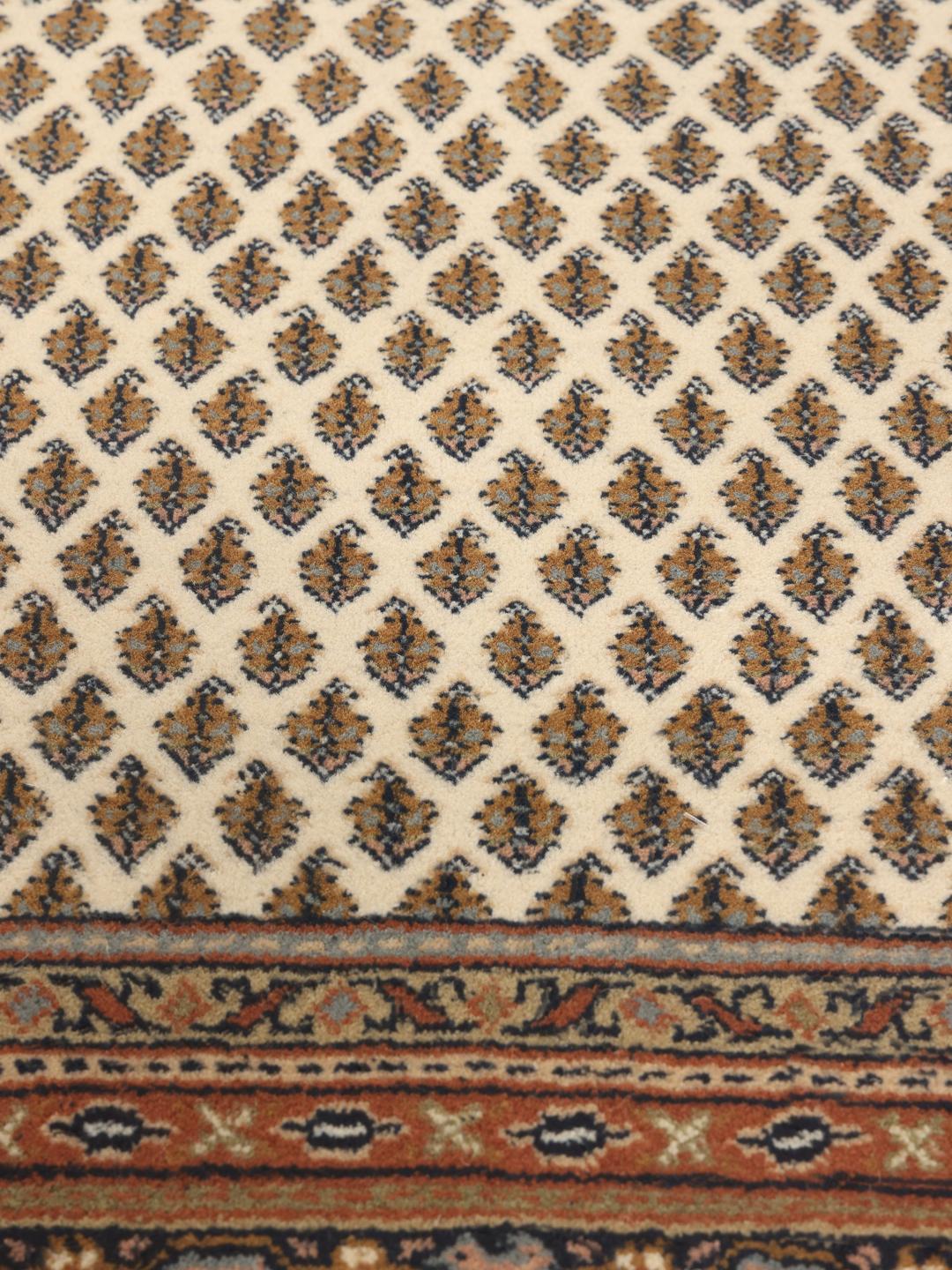
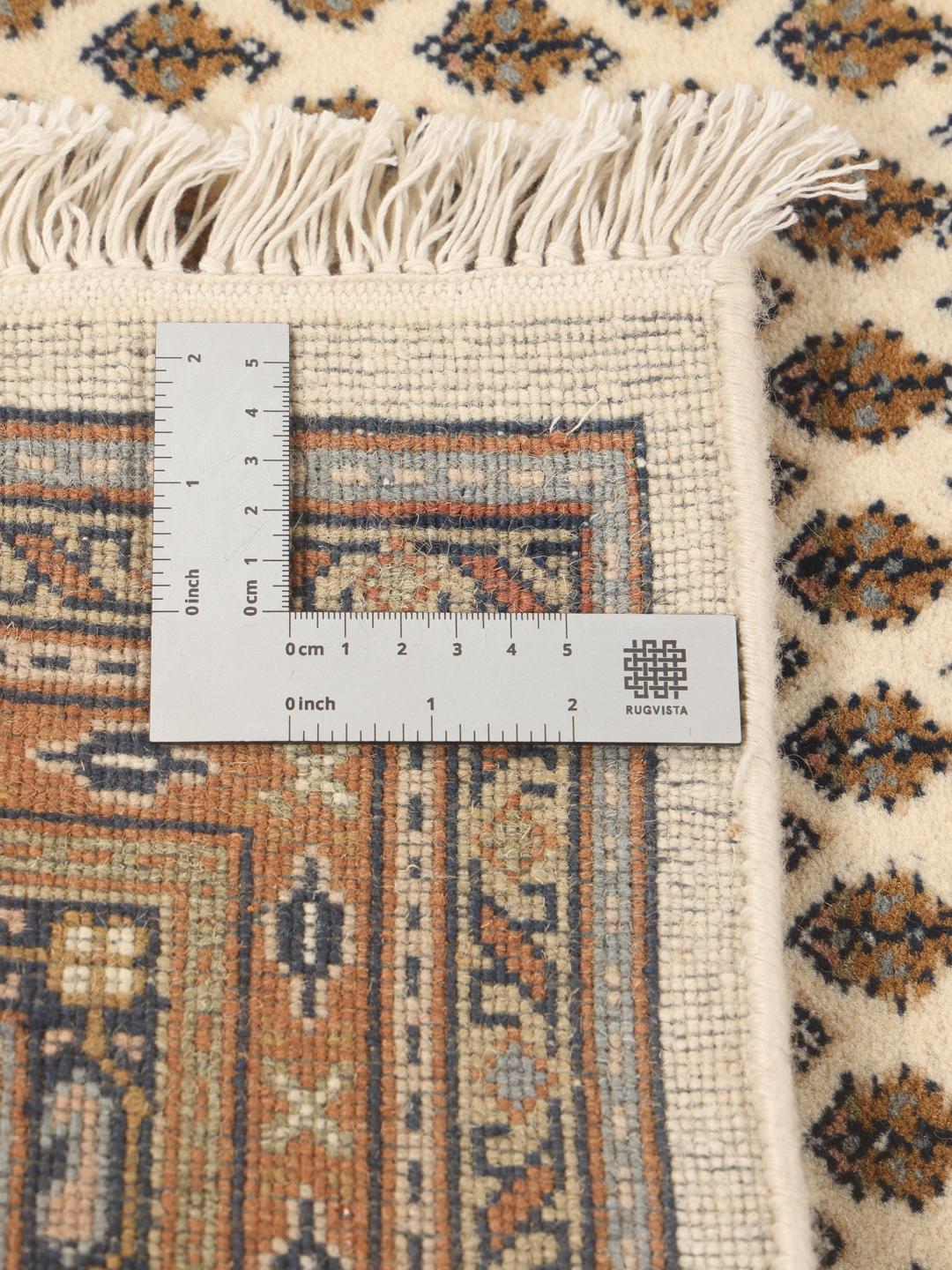
The term 'Mir' refers to the signature 'Mir-i-buteh' or 'Boteh' pattern, a stylised, teardrop-shaped floral motif that repeats across the field of the rug. This pattern is often thought to symbolise life, growth, or the cypress tree, which is a significant cultural icon. The repetition of this motif requires a high degree of precision, as the weaver must maintain perfect spacing and symmetry across the entire surface to achieve the desired visual flow.
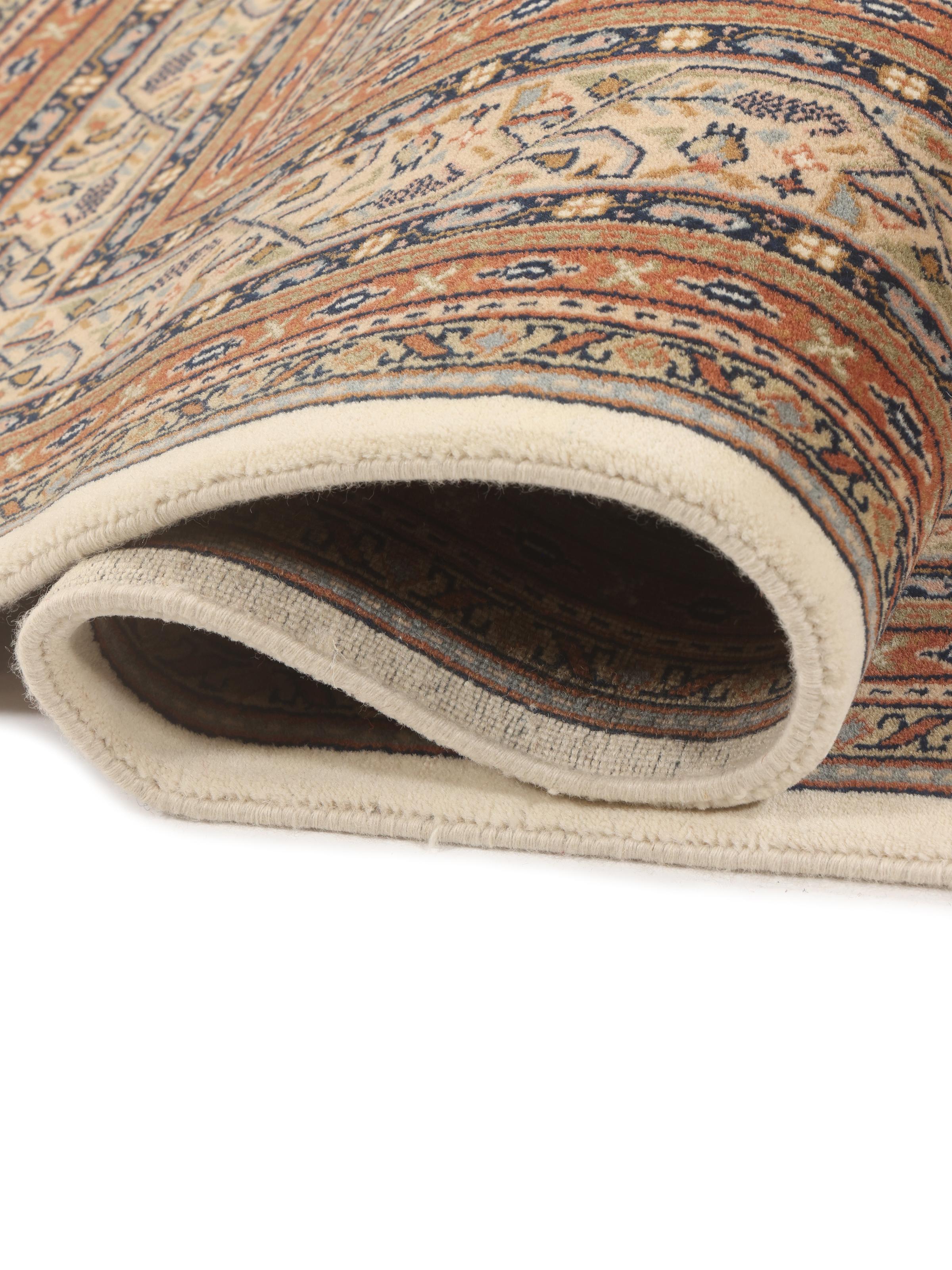
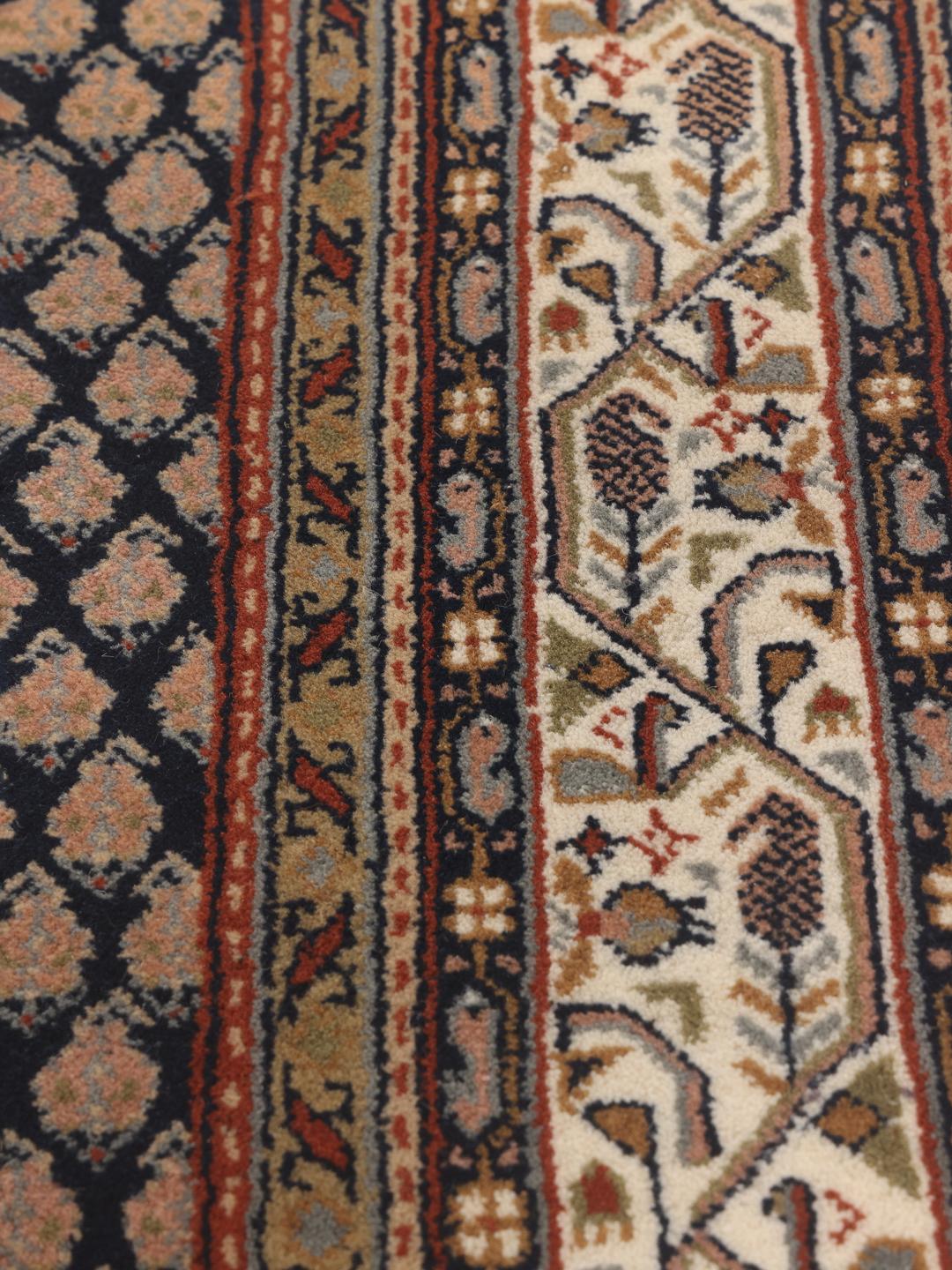
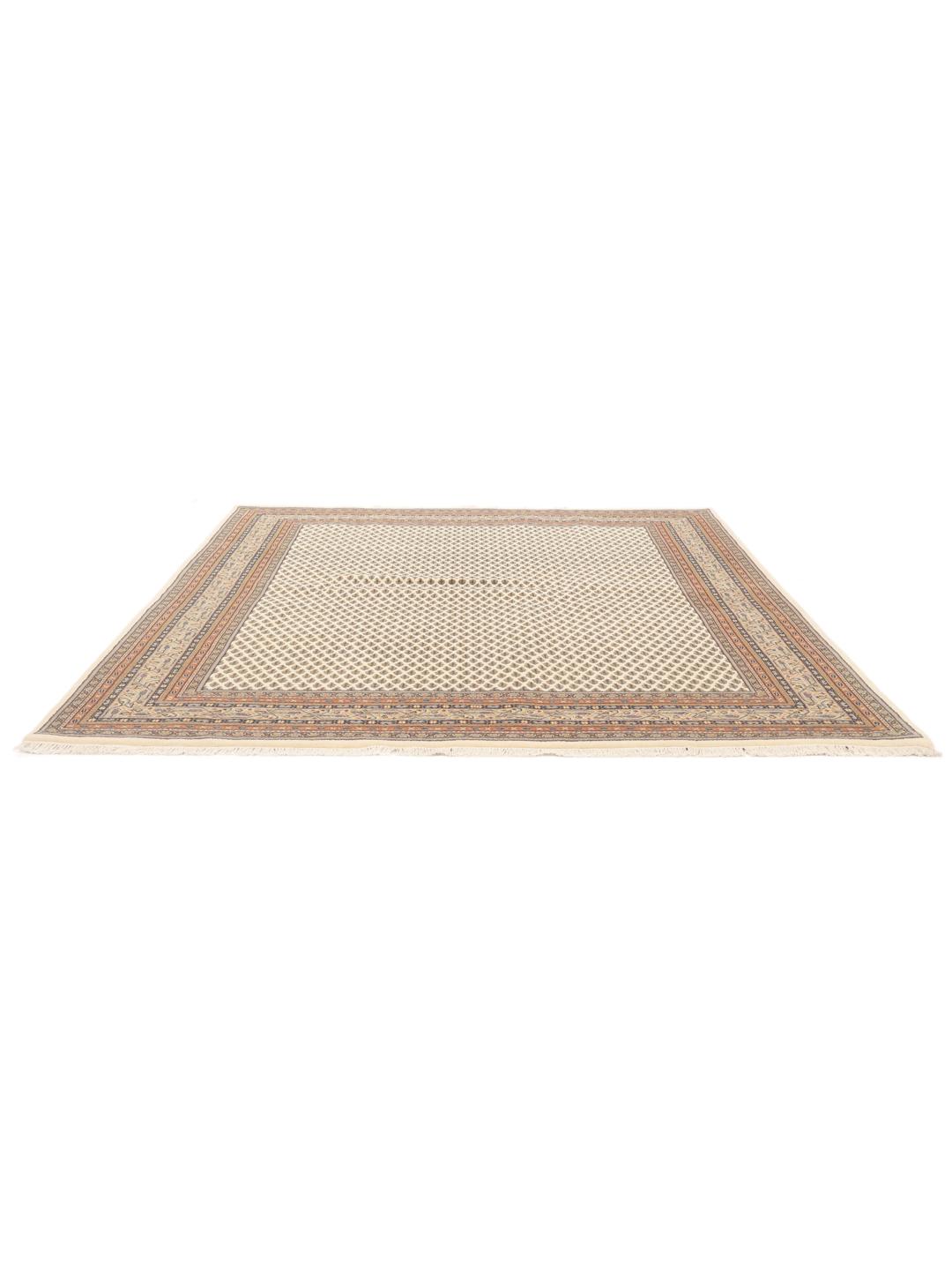
Visually, Mir rugs are defined by their all-over pattern, which creates a sense of continuous motion and elegance. The field is typically filled with the repeating boteh, often enclosed by a sophisticated series of borders that frame the central design. This formal layout provides a balanced look that is both complex and easy to integrate into a variety of spaces, making it a favourite among those who appreciate detailed, traditional artistry.
Owning a Mir Indo rug is more than just a decor choice; it is an appreciation of a craft that has survived for centuries. These rugs are highly valued for their ability to bridge the gap between historical tradition and contemporary home needs. By acquiring such a piece, you are continuing a legacy of skill and cultural exchange, securing a work of art that represents the dedication of the hands that created it.