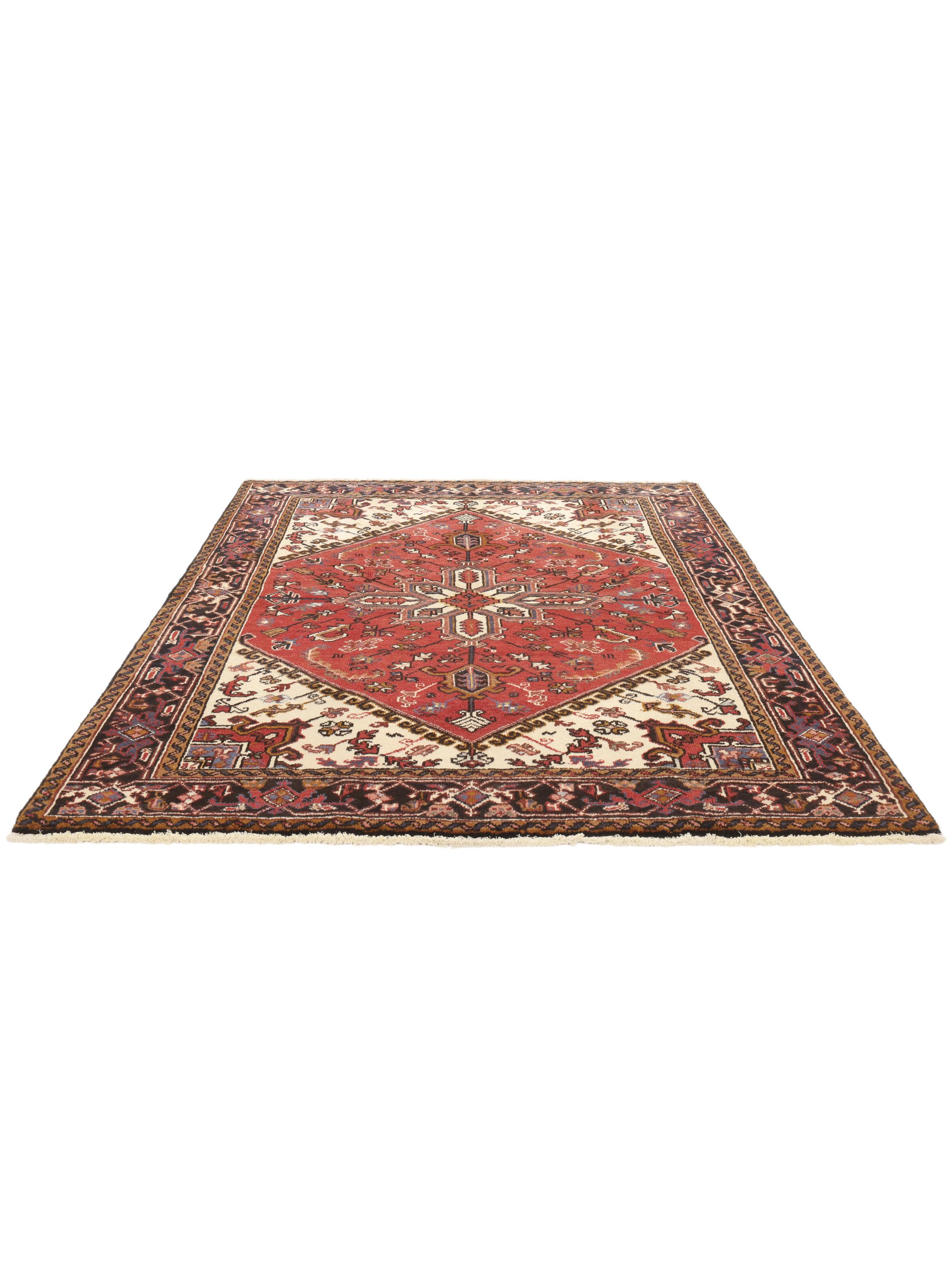
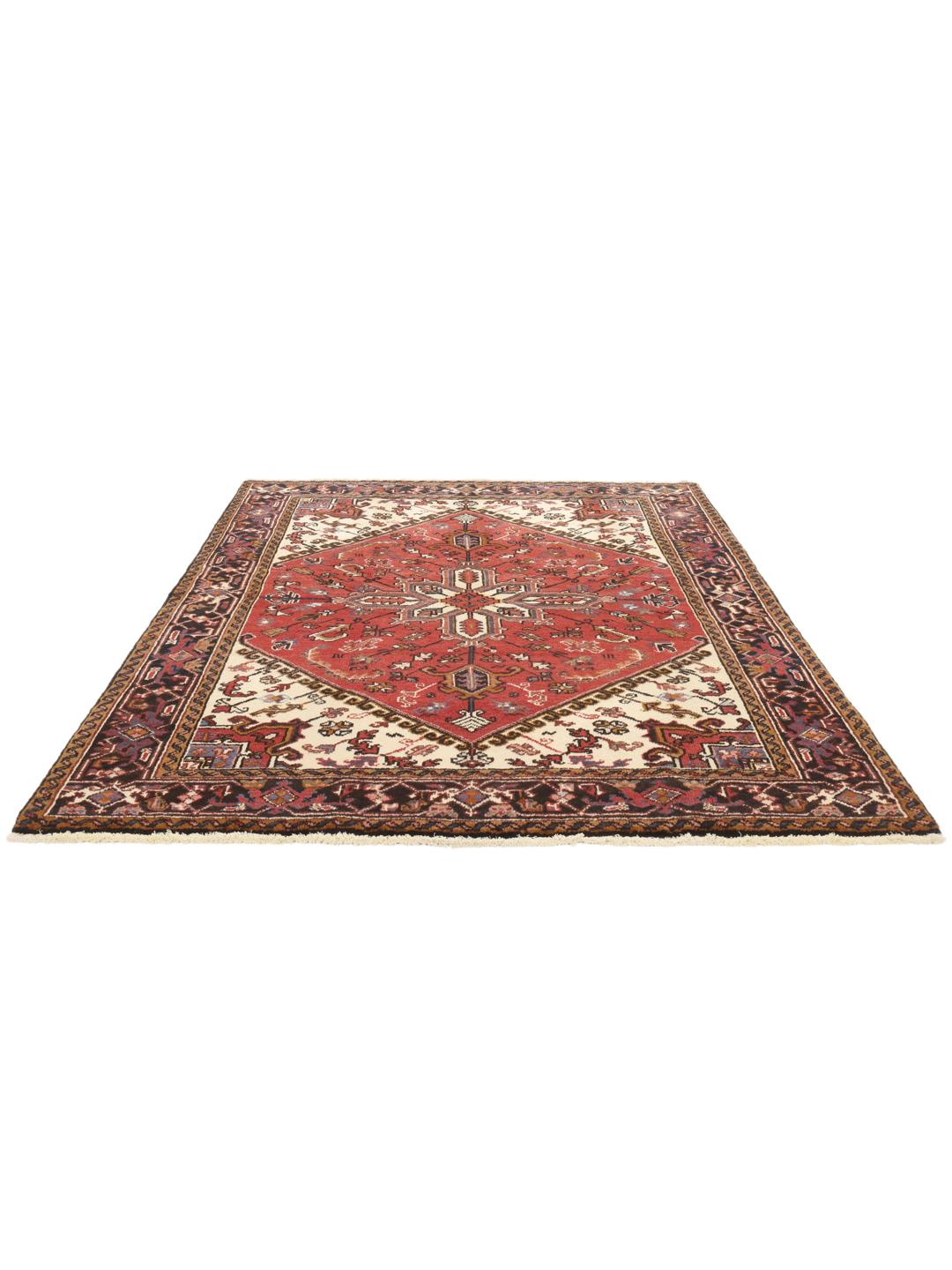
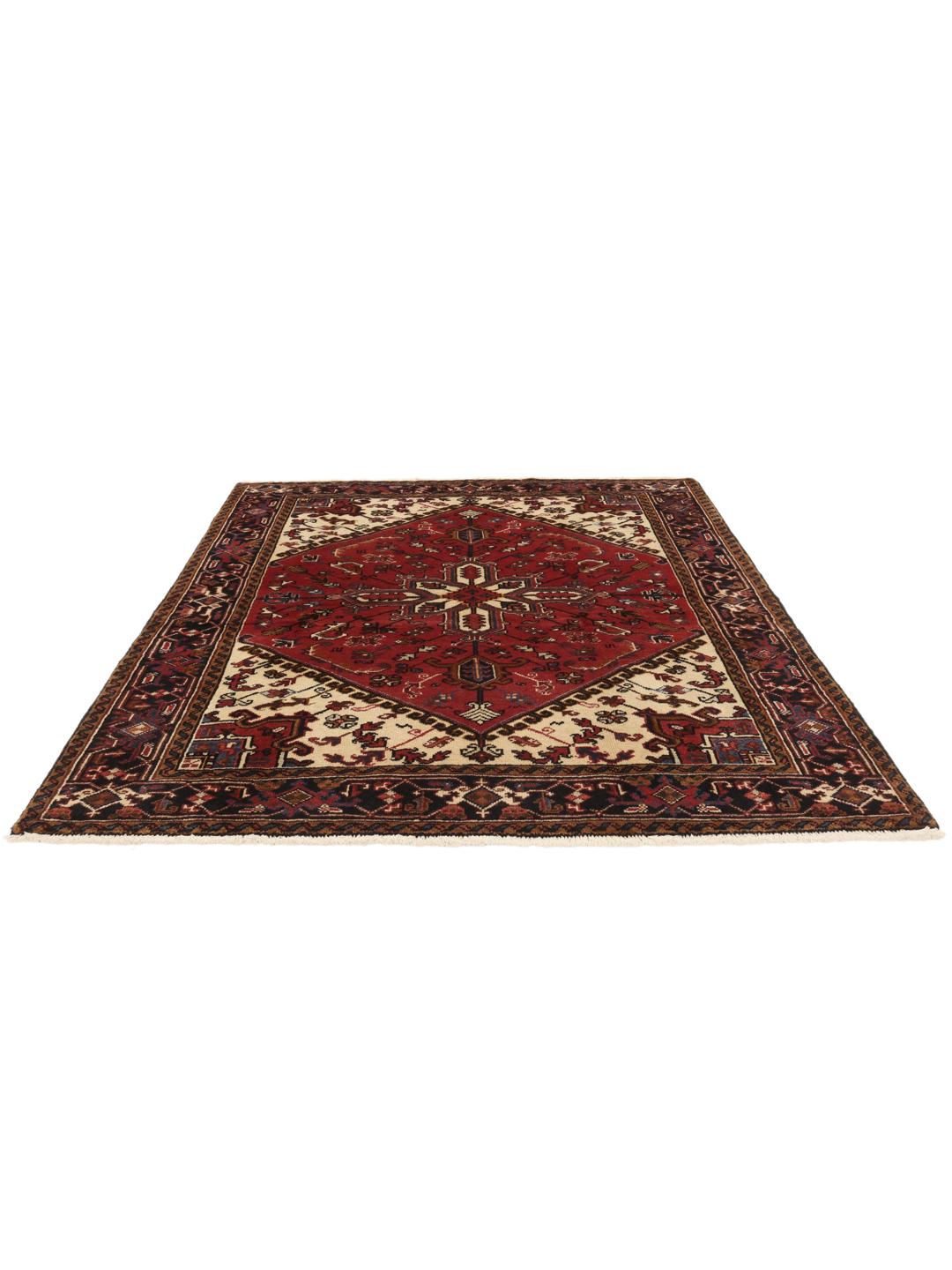
Mehraban rugs originate from the Hamadan region in the Middle East, an area with a long-standing reputation for producing distinctive and durable hand-knotted floor coverings. These rugs are deeply rooted in the traditions of local weaving communities, where techniques have been passed down through families for generations. The name Mehraban itself refers to the specific village and its surrounding area, which has become synonymous with a unique style of rug making that balances tradition with local artistry.
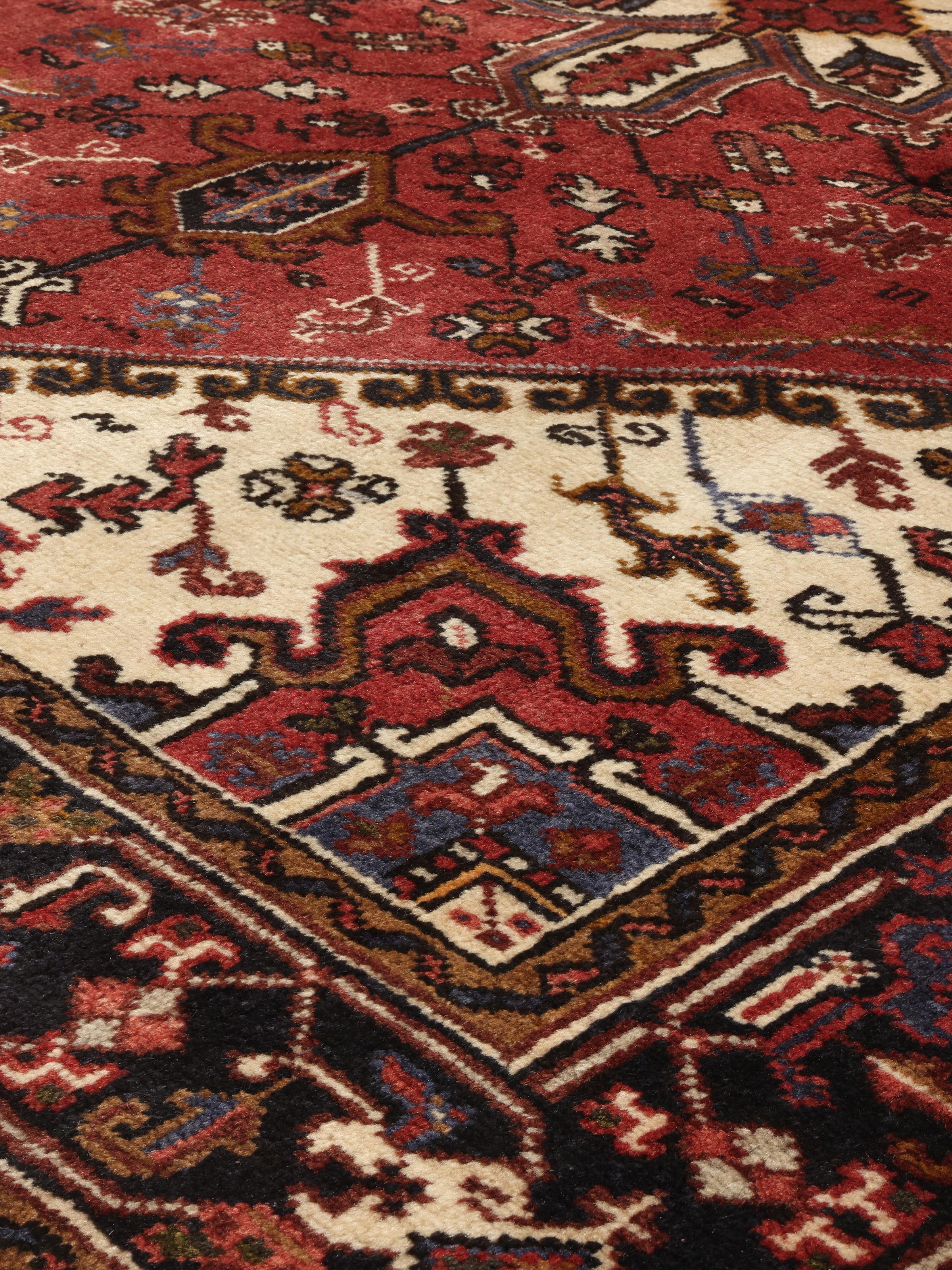
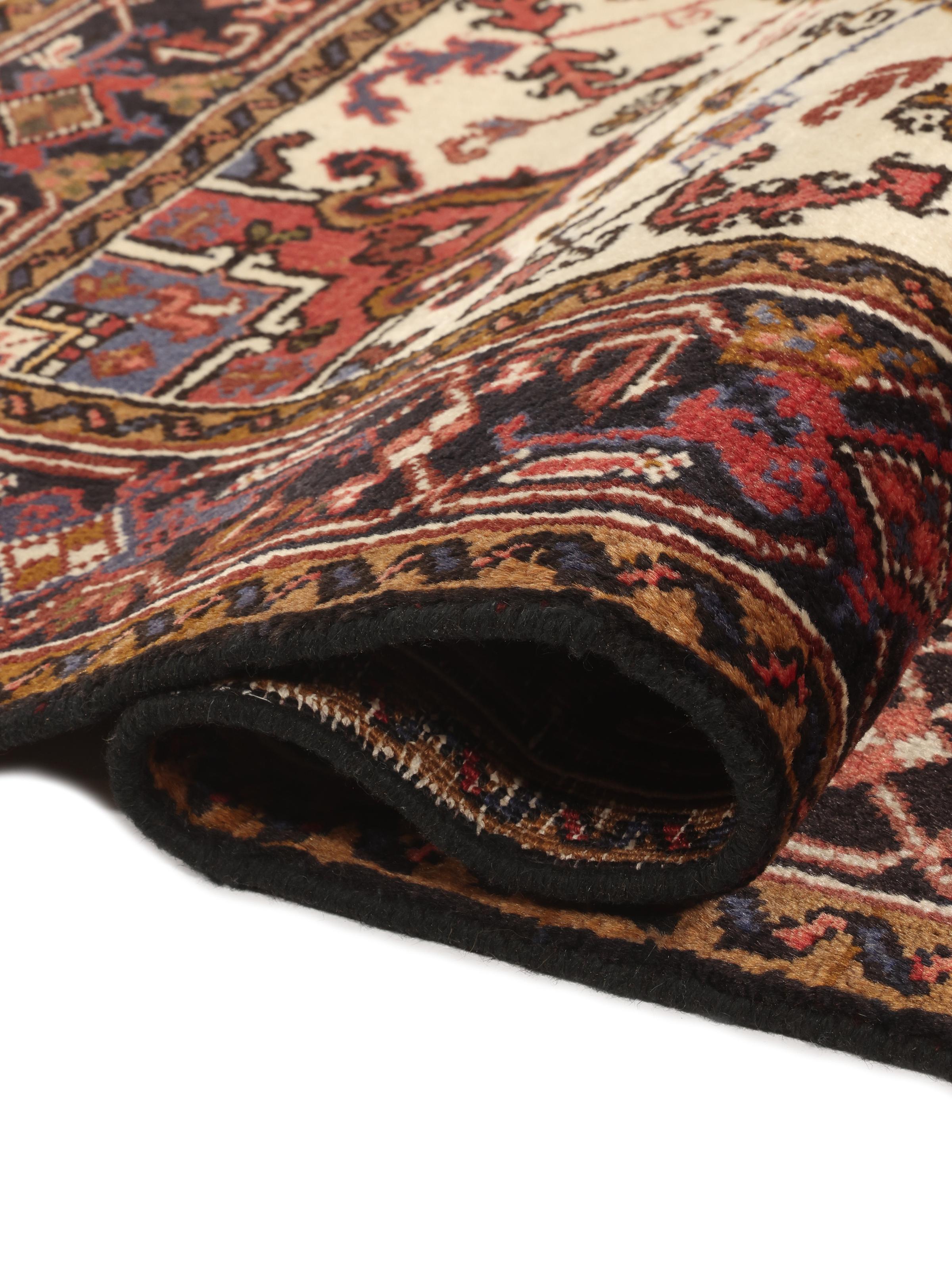
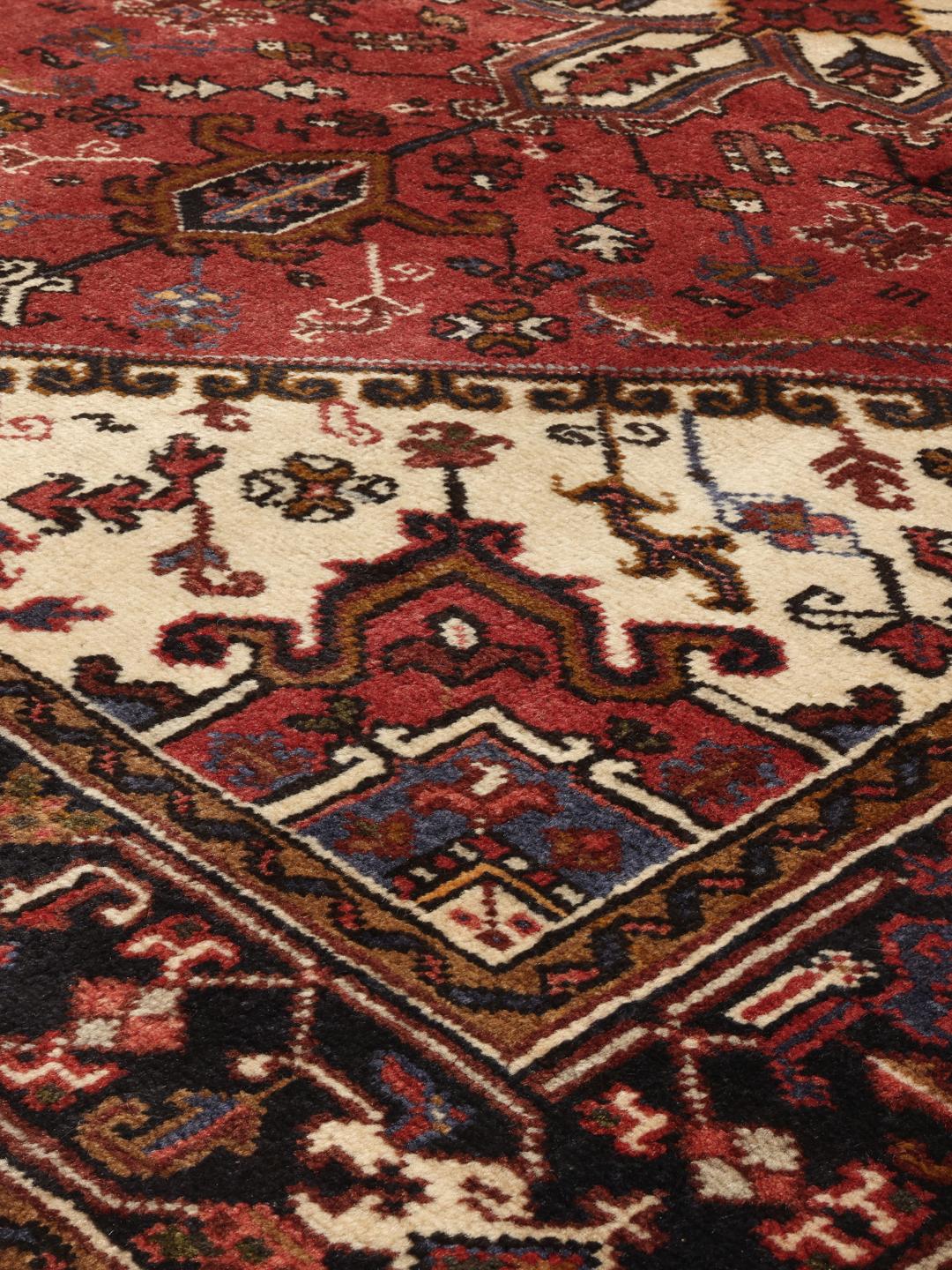
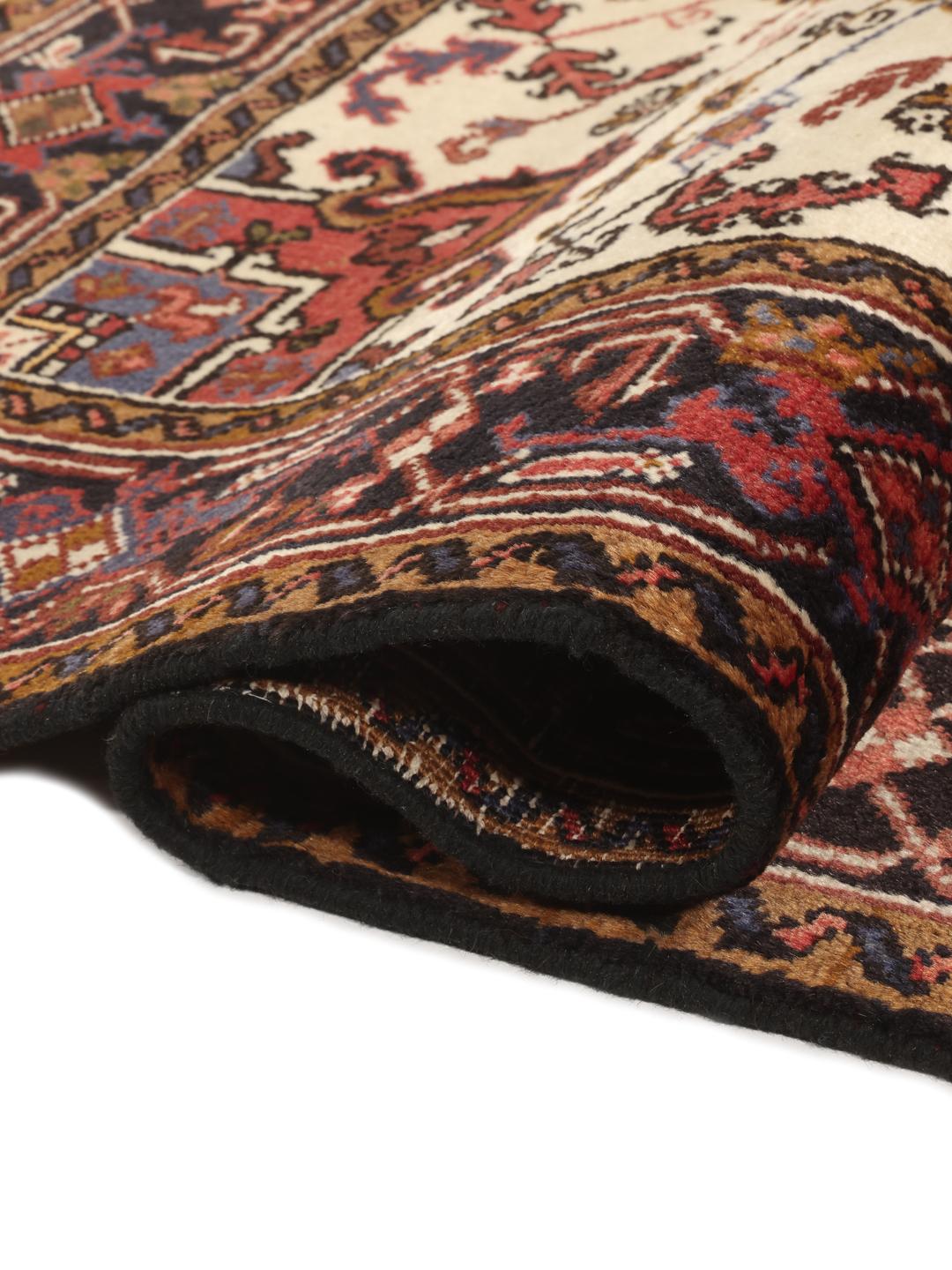
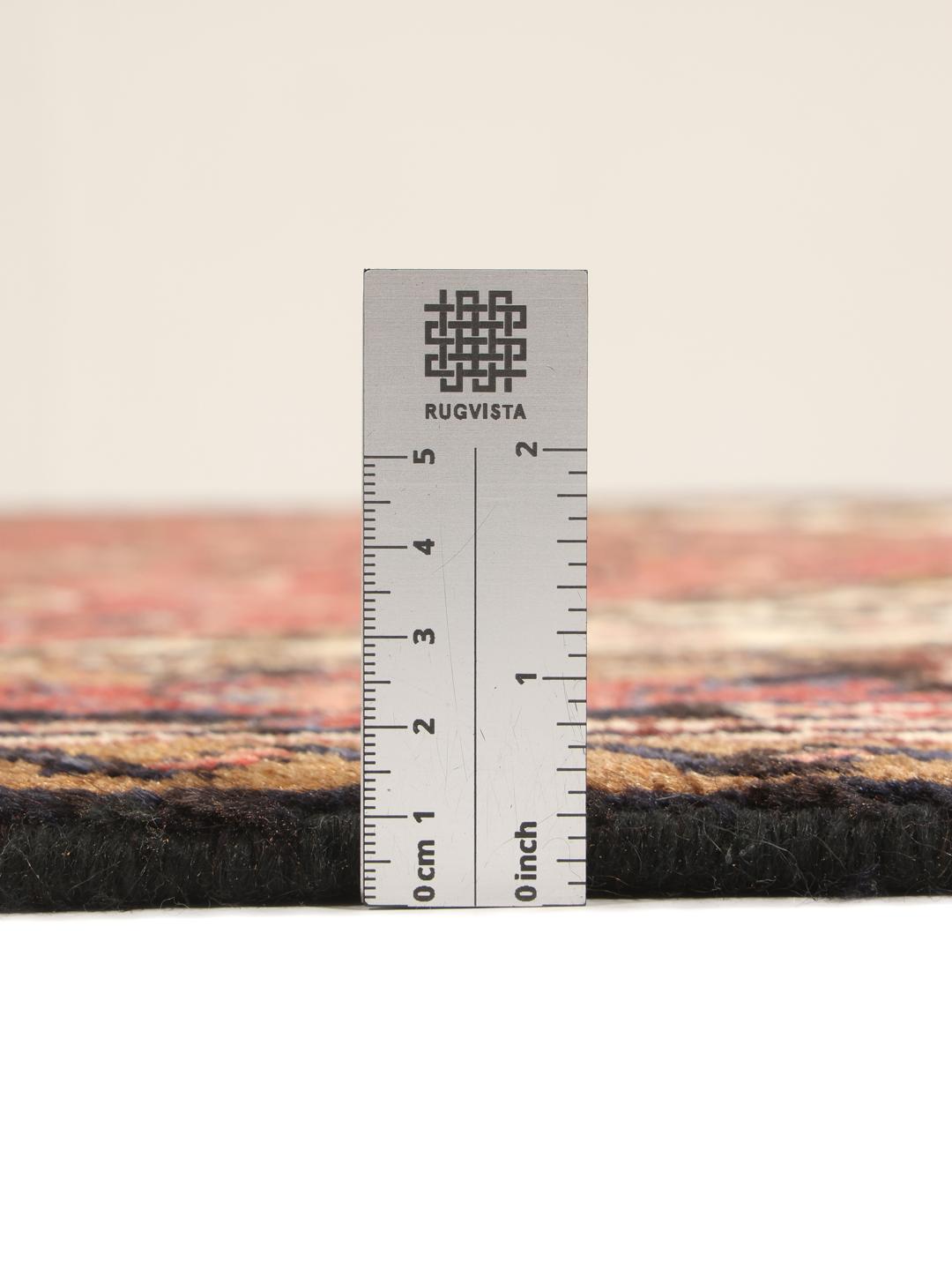
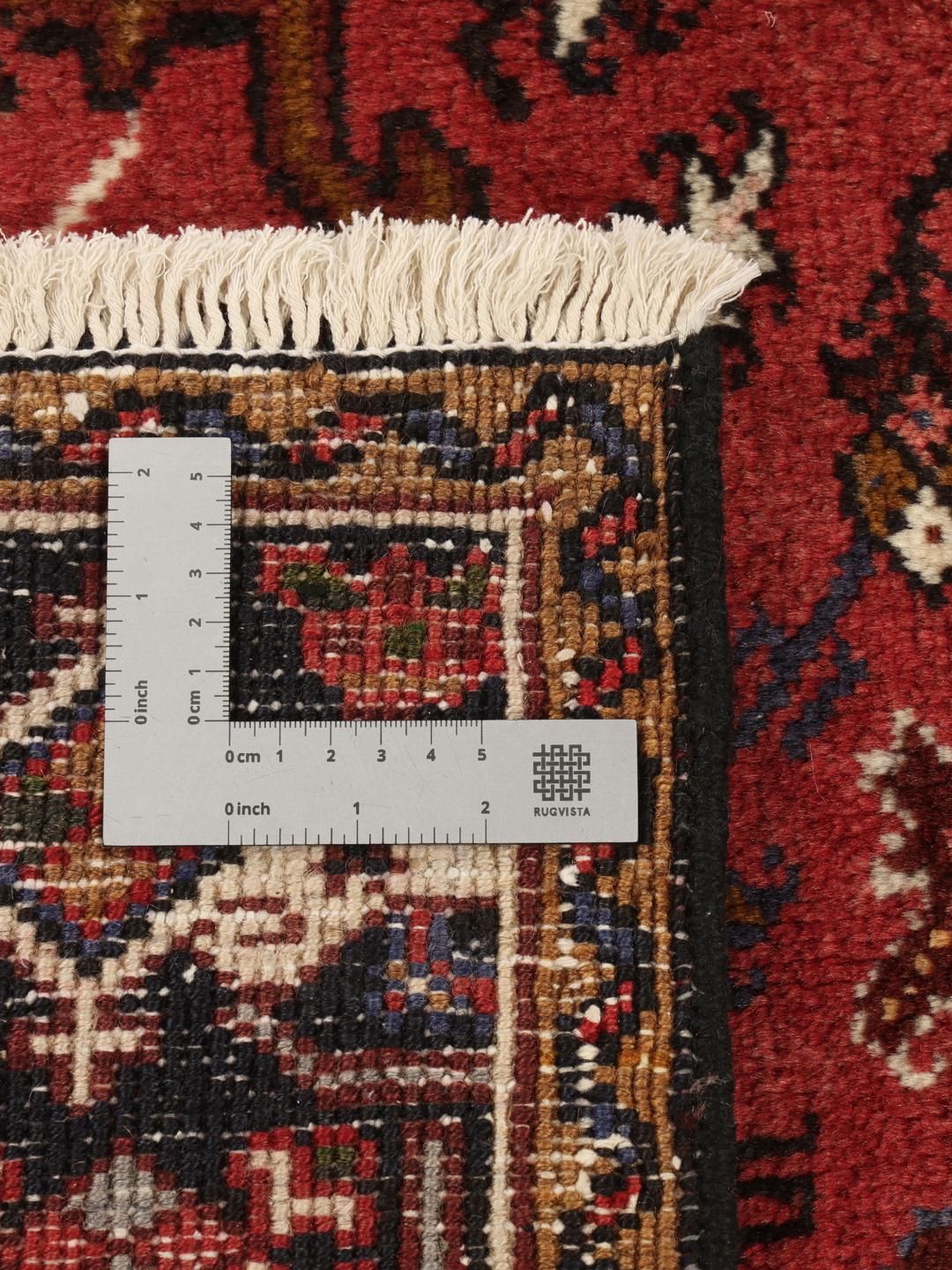
The craft of these rugs relies on a foundation of natural fibres, often using a sturdy cotton base to support the wool pile. This combination is essential for the rug's longevity, providing a stable structure that allows the pile to remain dense and upright. The term hand-knotted refers to the technique where every strand of wool is tied individually to the warp and weft, a process that defines the quality and feel of the finished product.
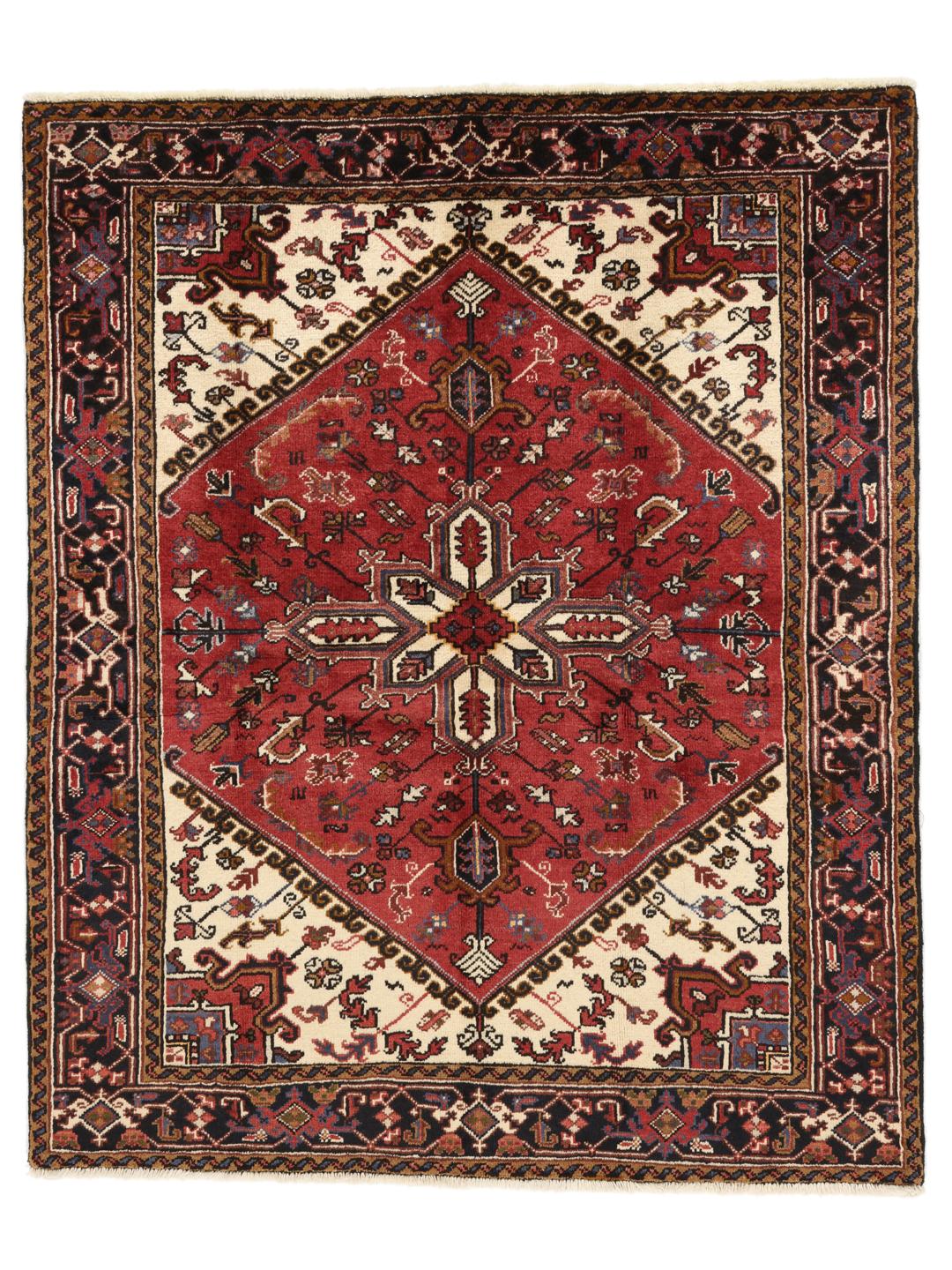
Visually, these rugs are known for their bold geometric motifs and striking use of colour. You will often find central medallions surrounded by intricate, stylised floral patterns or geometric shapes that tell a story of the region's cultural heritage. The borders are typically well-defined, framing the field with repeating patterns that draw the eye inward, creating a balanced and harmonious composition.
Collectors value these rugs for their authenticity and the human story behind every knot. Owning a piece from this tradition means supporting a craft that has survived the pressures of industrialisation, preserving a vital part of Middle Eastern history. These rugs are highly regarded not just for their visual beauty, but for their ability to carry the warmth and soul of their origin into a modern home.