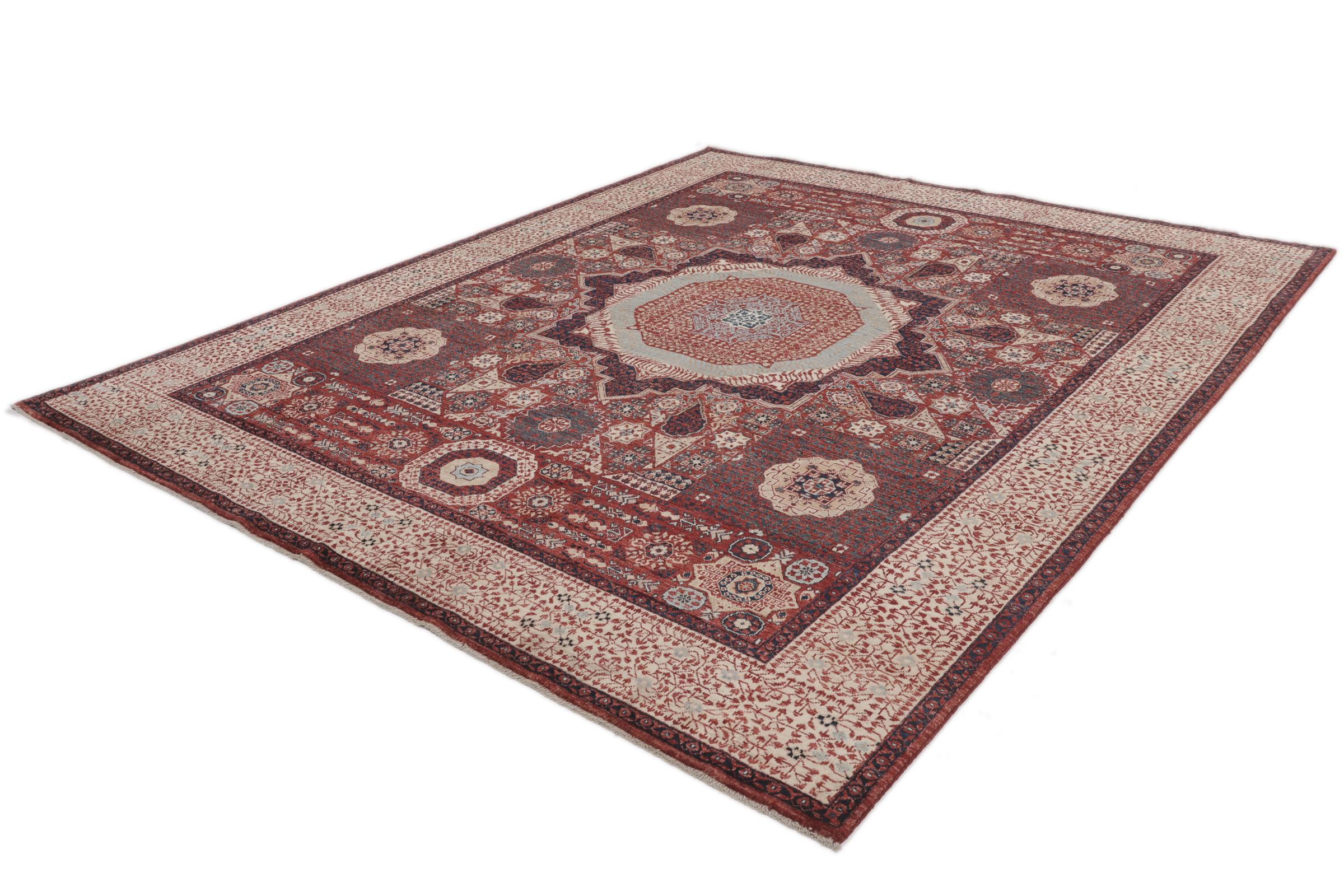
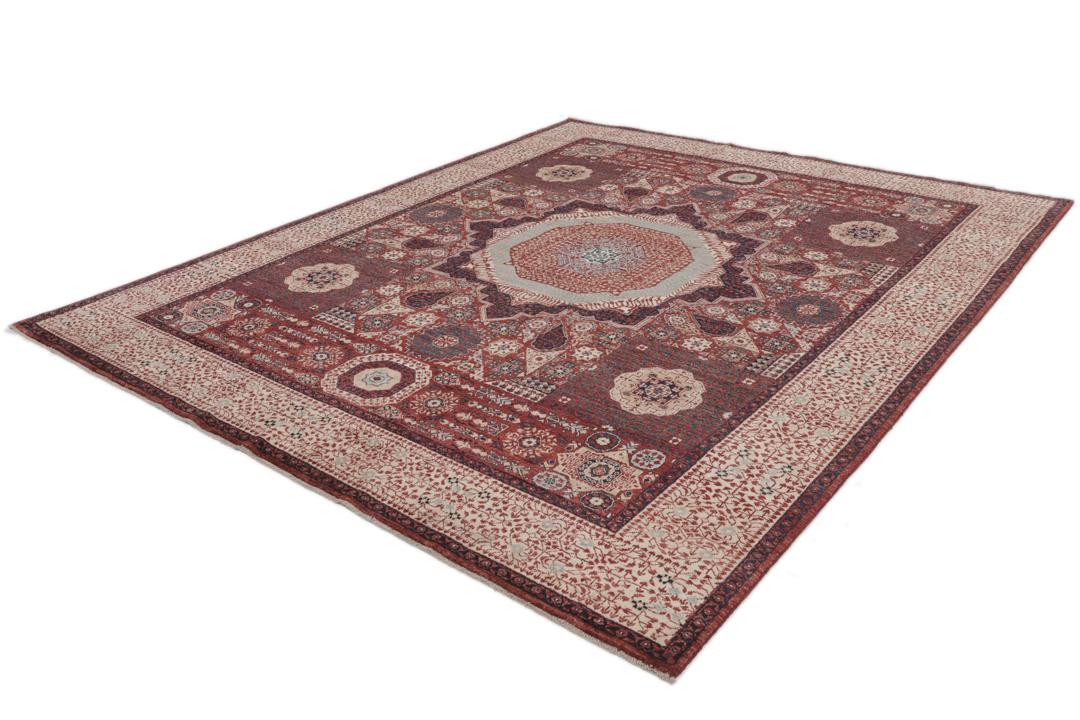
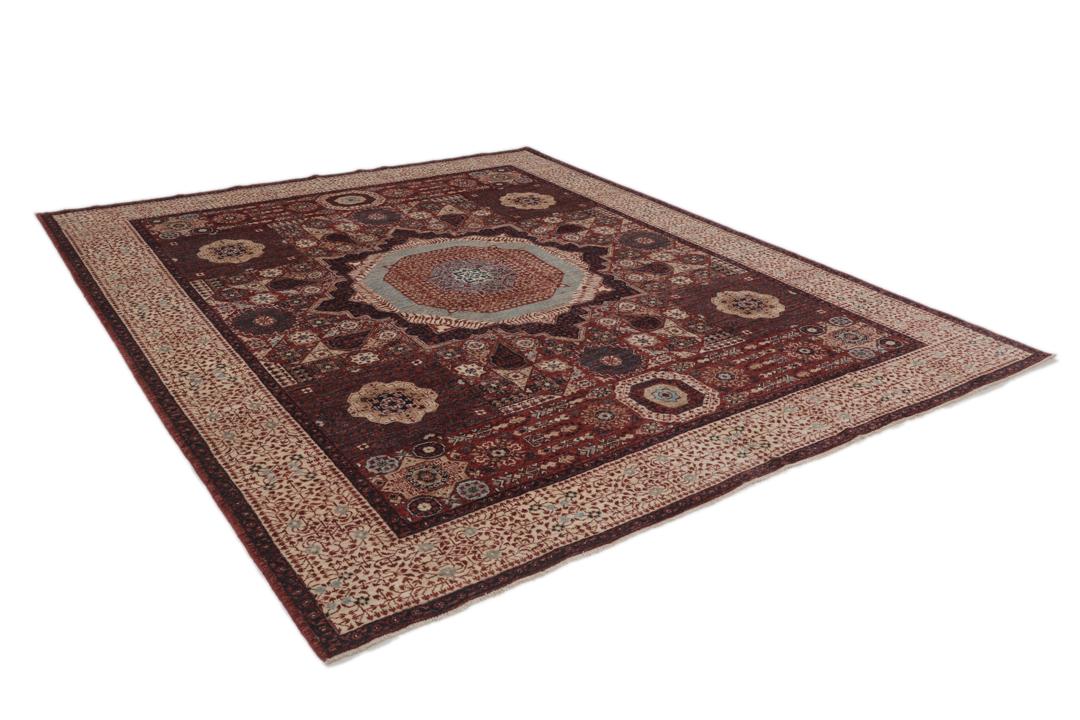
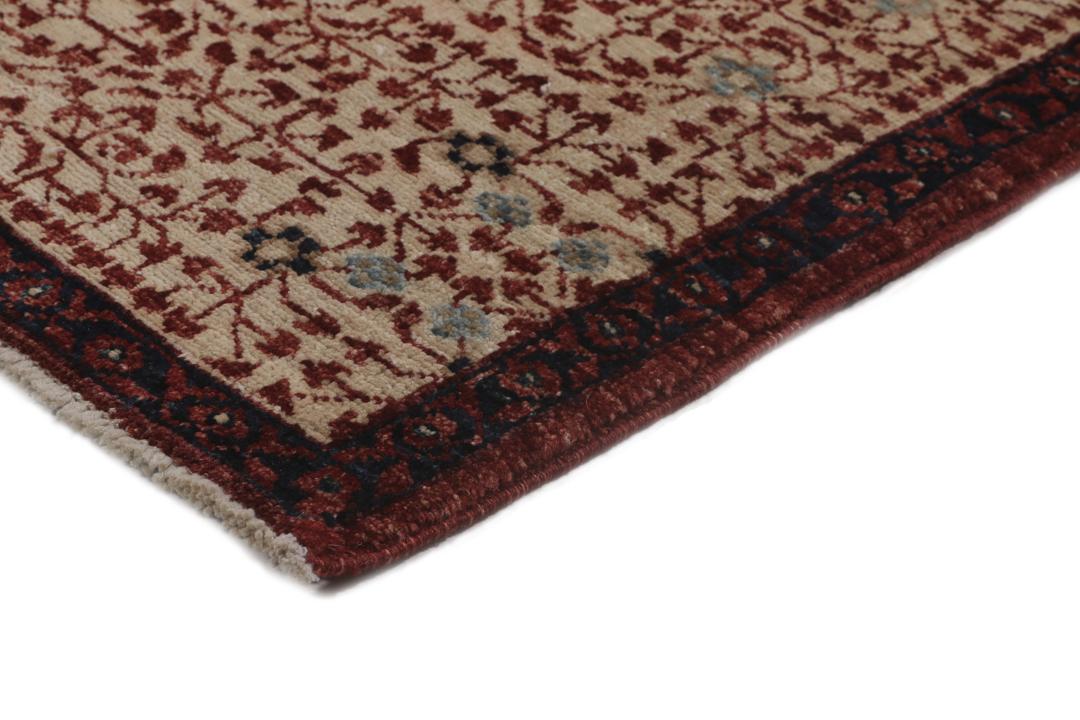
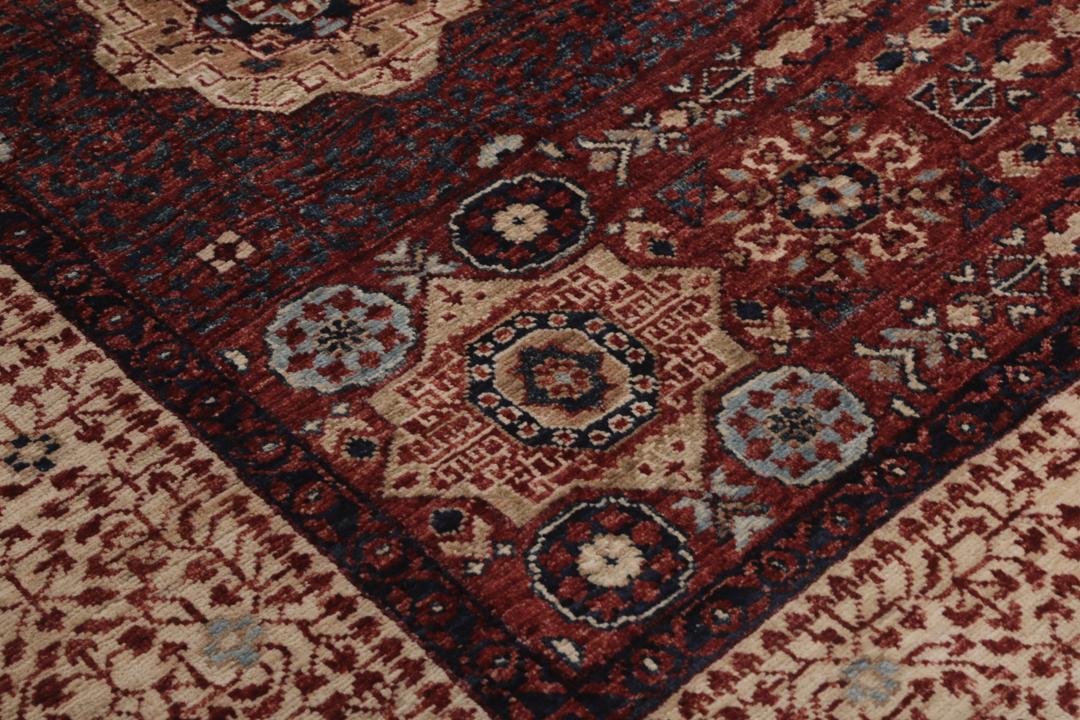
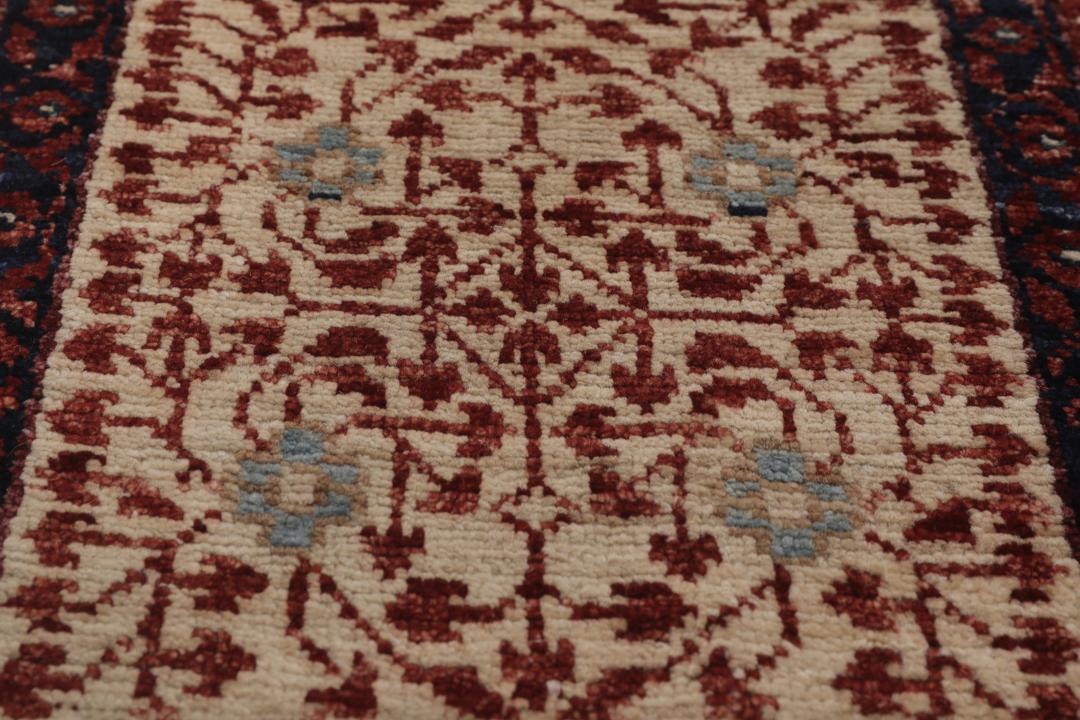
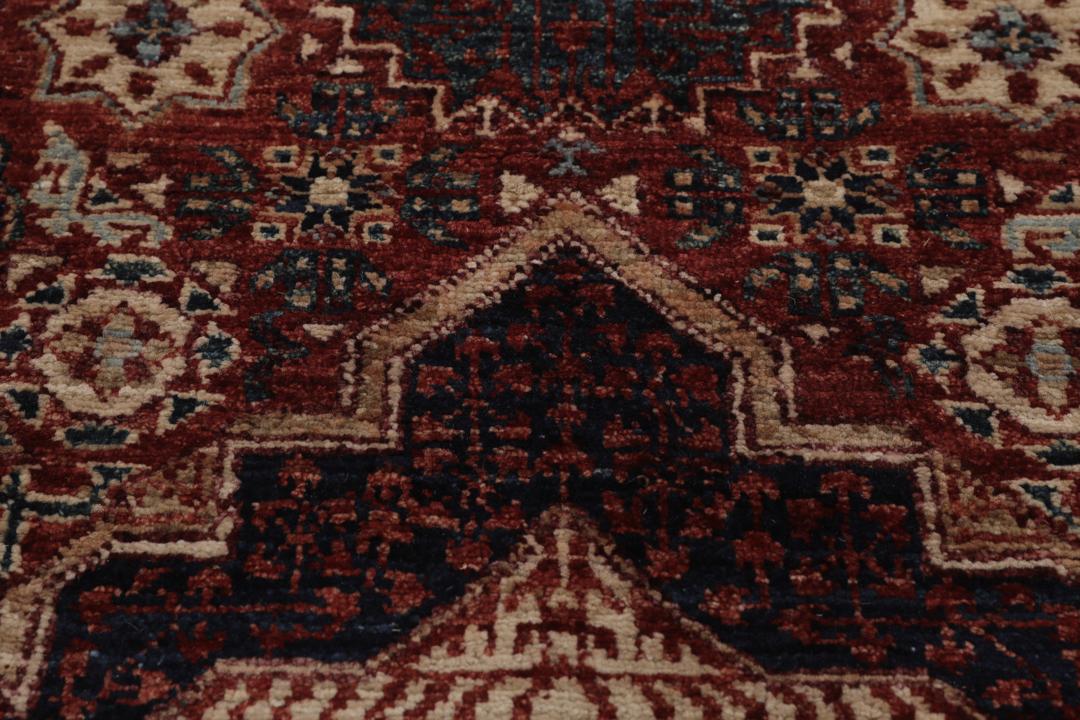
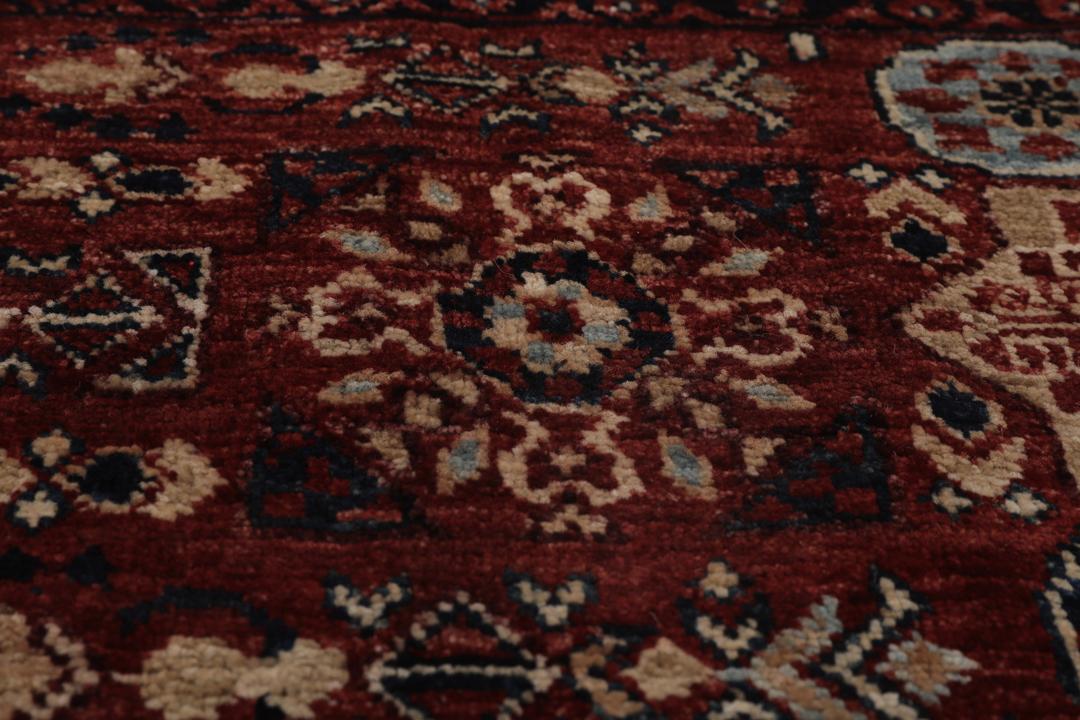
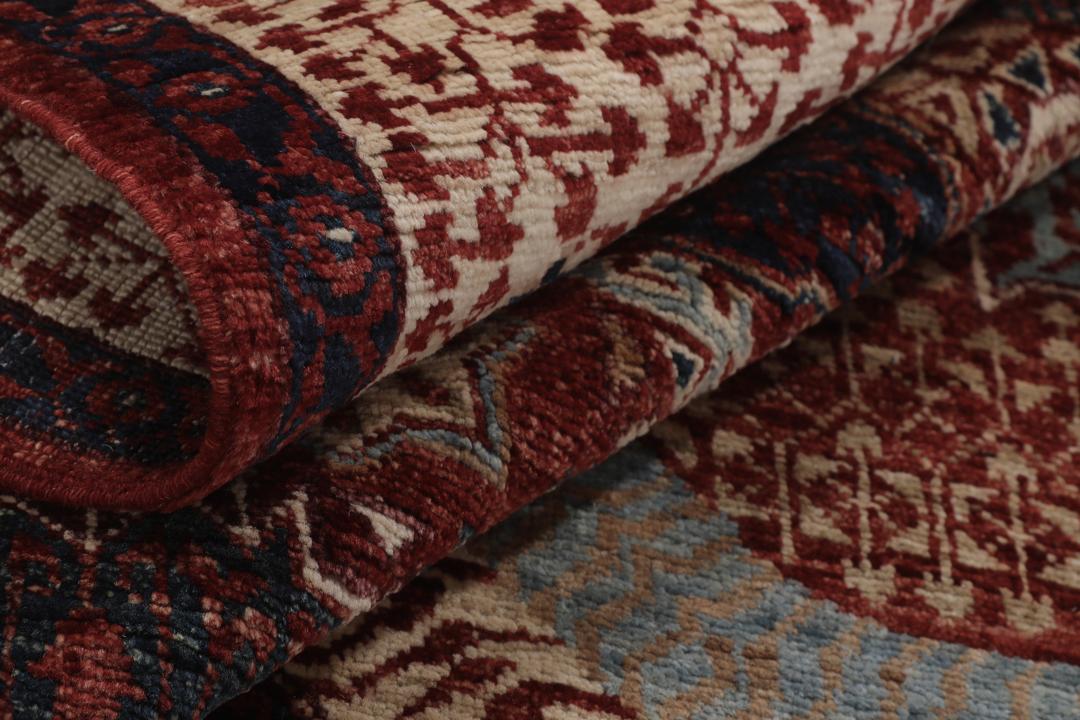
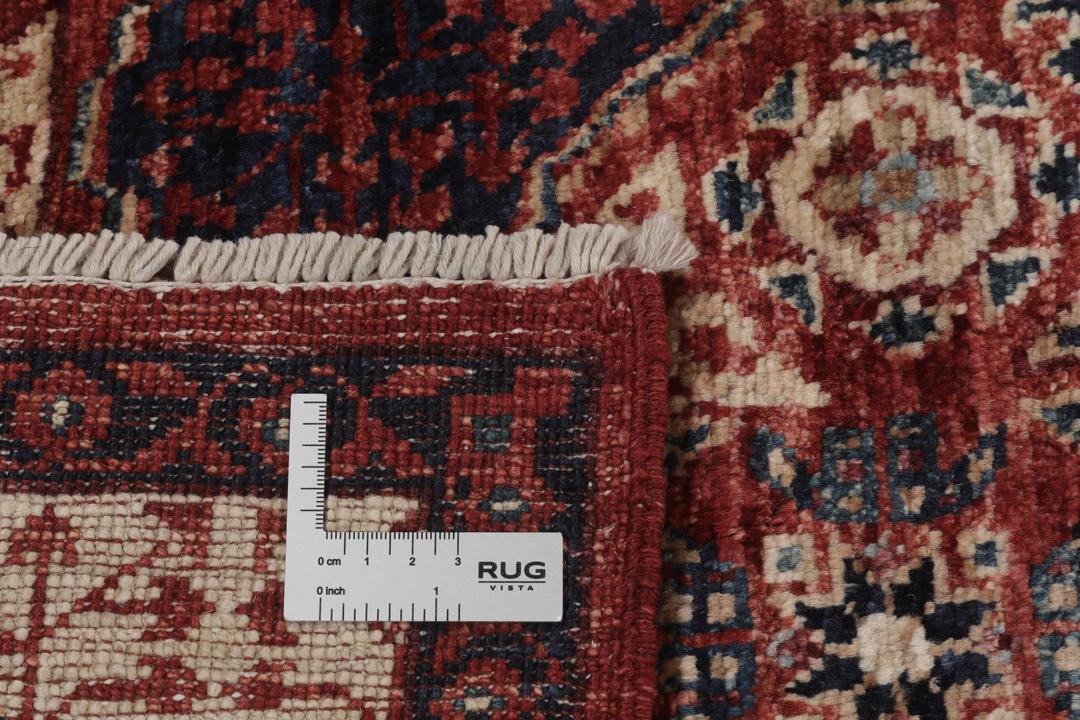
The Mamluk style of rug weaving traces its origins back to the 15th and 16th centuries in Cairo, during the era of the Mamluk Sultanate. These rugs were highly prized for their sophisticated geometric designs and distinctive colour palettes, often featuring deep reds, blues, and creams. Today, the tradition has found a new home in Afghanistan, where master weavers continue to honour these classical aesthetics with modern materials and impeccable skill.
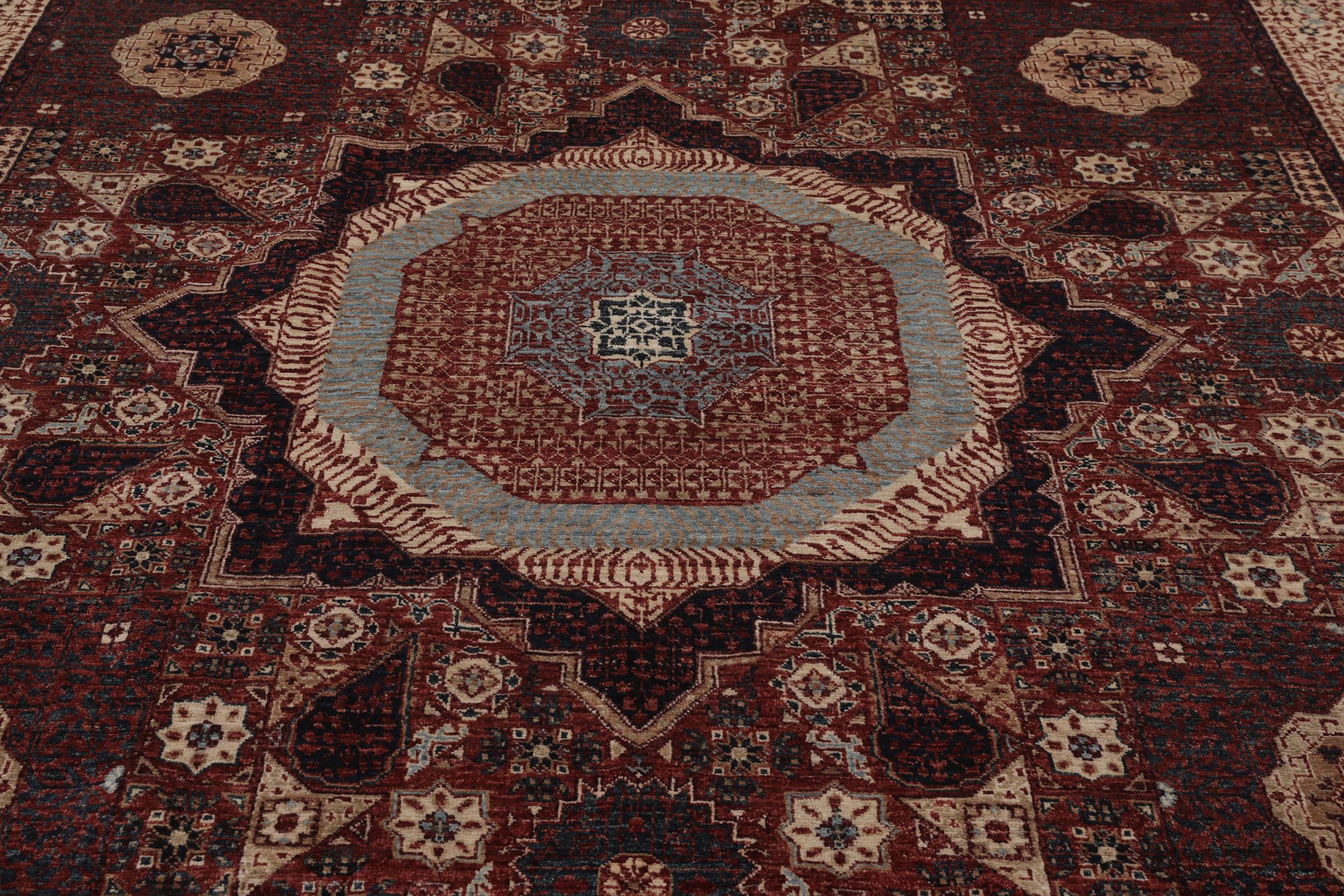
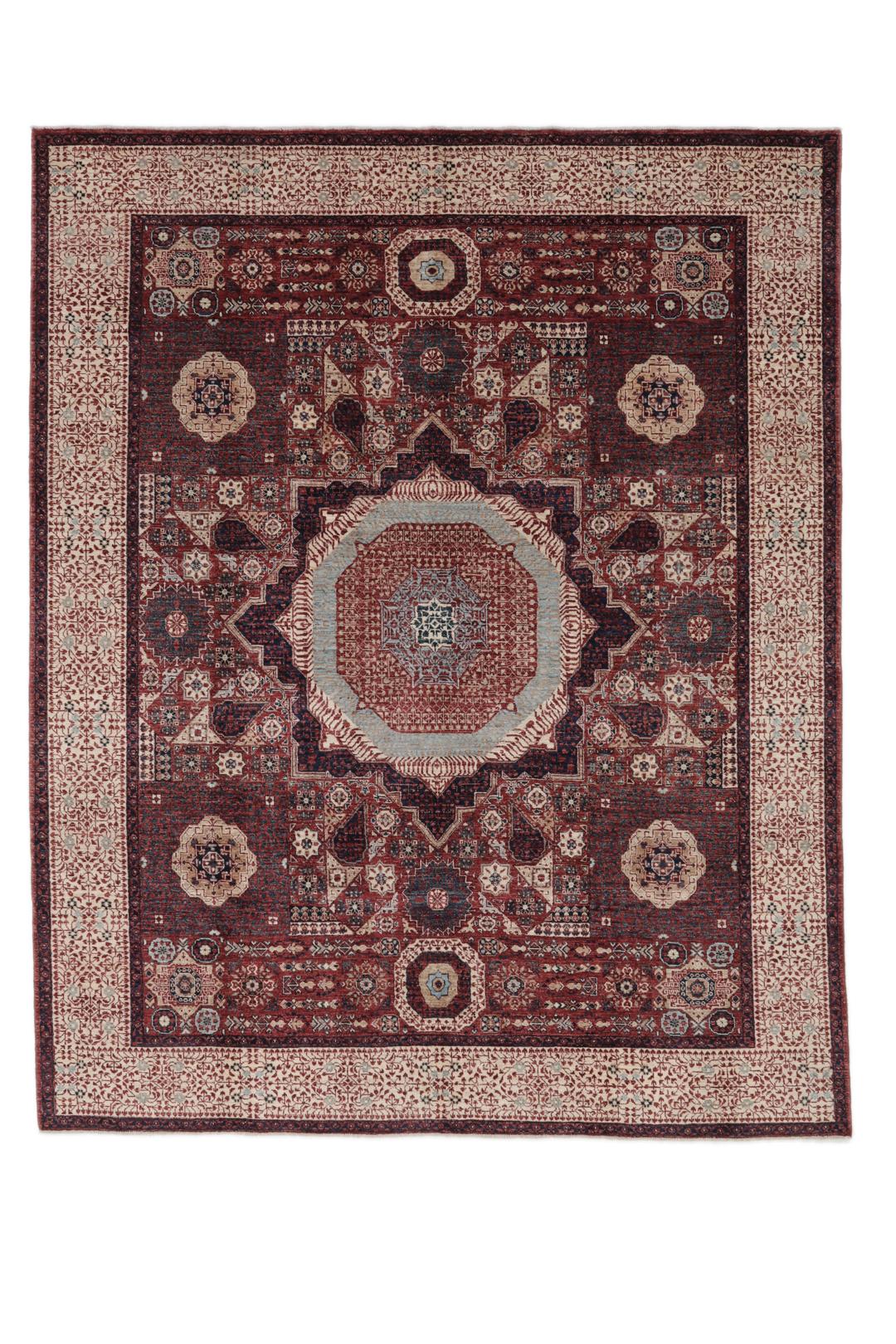
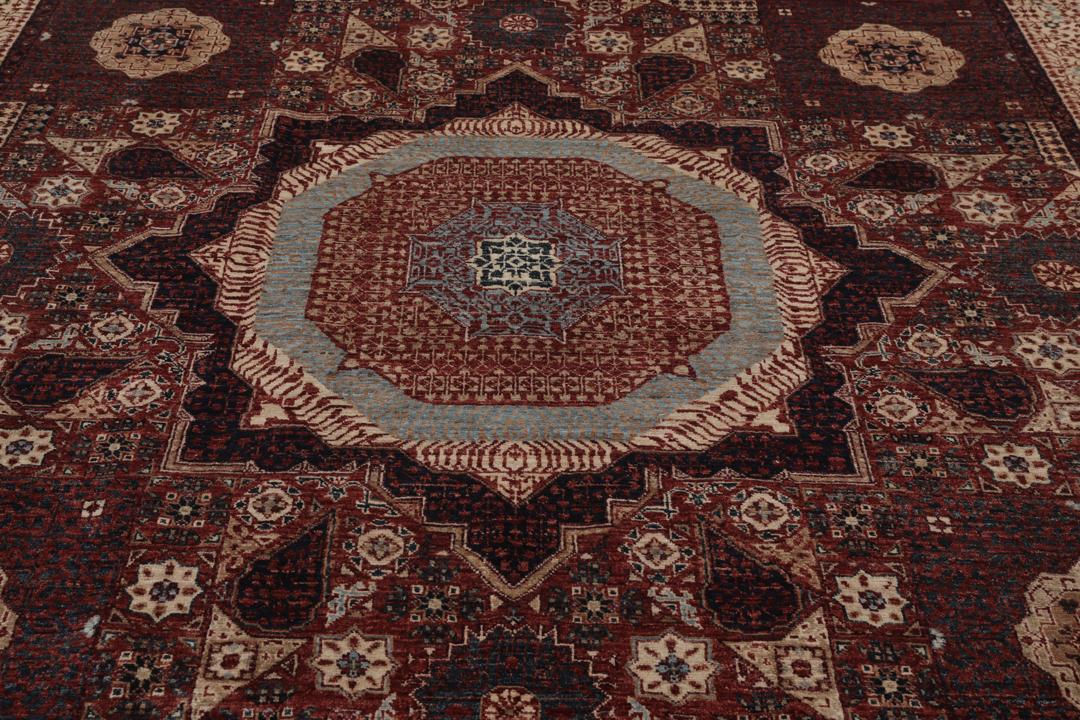
The term 'Mamluk' refers to a specific design language characterised by large, complex medallions and smaller, interconnected geometric shapes. These patterns are not merely decorative but are deeply rooted in Islamic art, where symmetry and repetition are used to create a sense of harmony and infinite order. The geometric precision required to execute these designs is a hallmark of the most skilled weaving workshops.
Visually, Mamluk rugs are defined by their grand scale and the use of 'star' or 'hexagonal' medallions that seem to float within a field of intricate, smaller motifs. Unlike more floral traditions, the Mamluk aesthetic is architectural and structured, making it a favourite among collectors who appreciate a clean, balanced look that still possesses a wealth of detail.
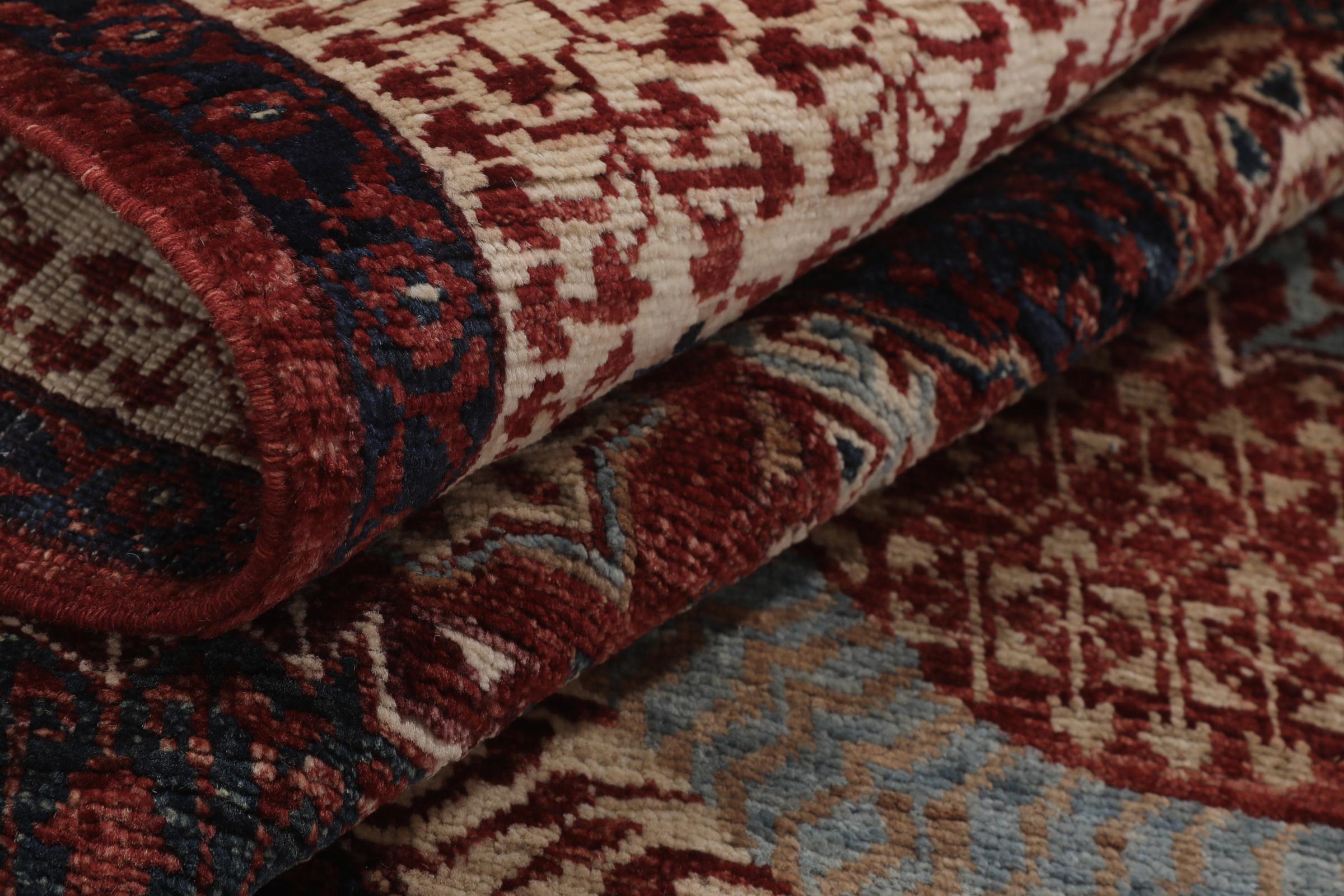
Owning a Mamluk rug is an investment in cultural heritage. Because these rugs are crafted using traditional techniques that have been passed down through generations, they carry a sense of authenticity and human connection that is increasingly rare in the modern world. Collectors value them for their ability to bridge the gap between historical art and contemporary living.