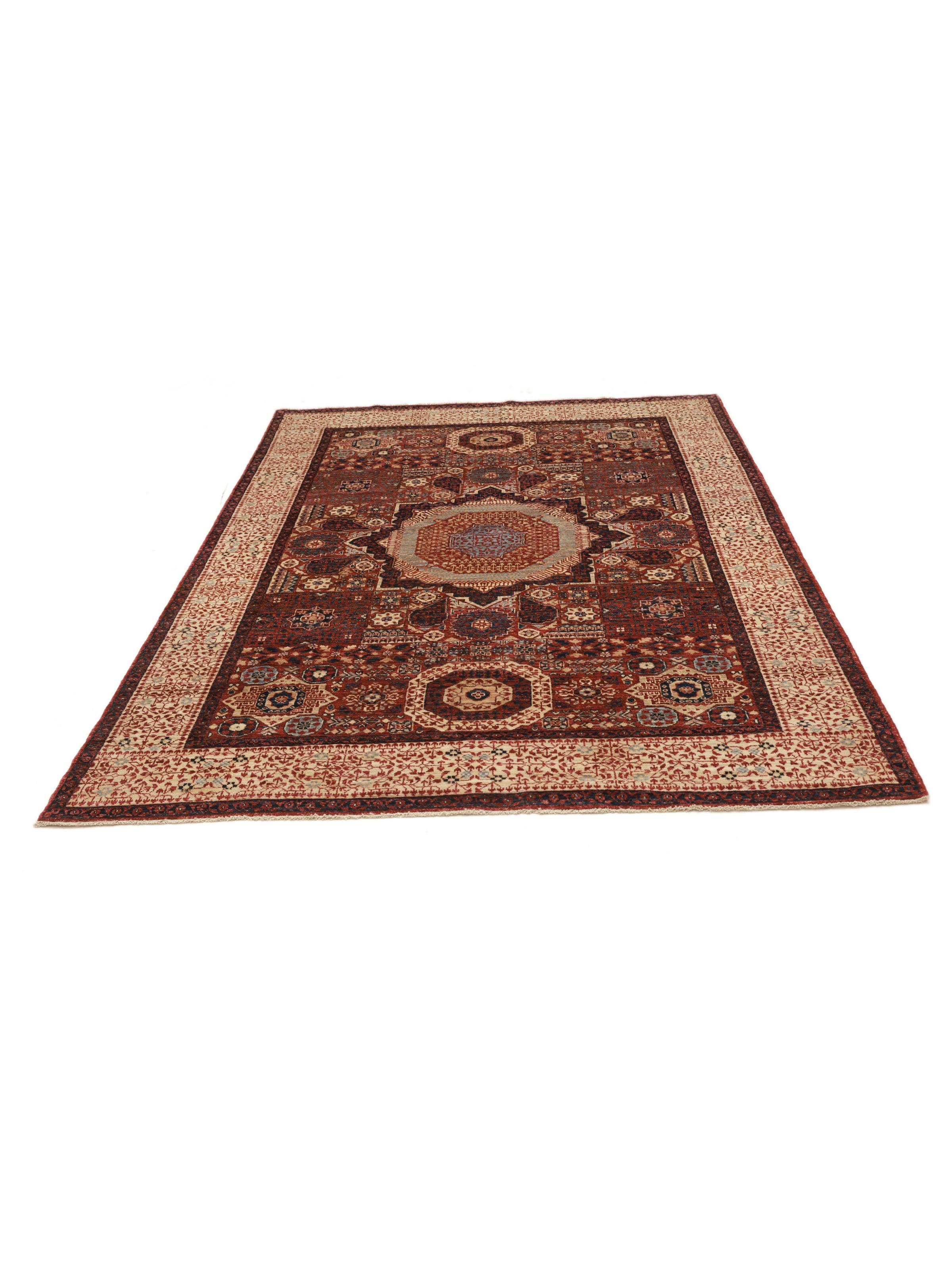
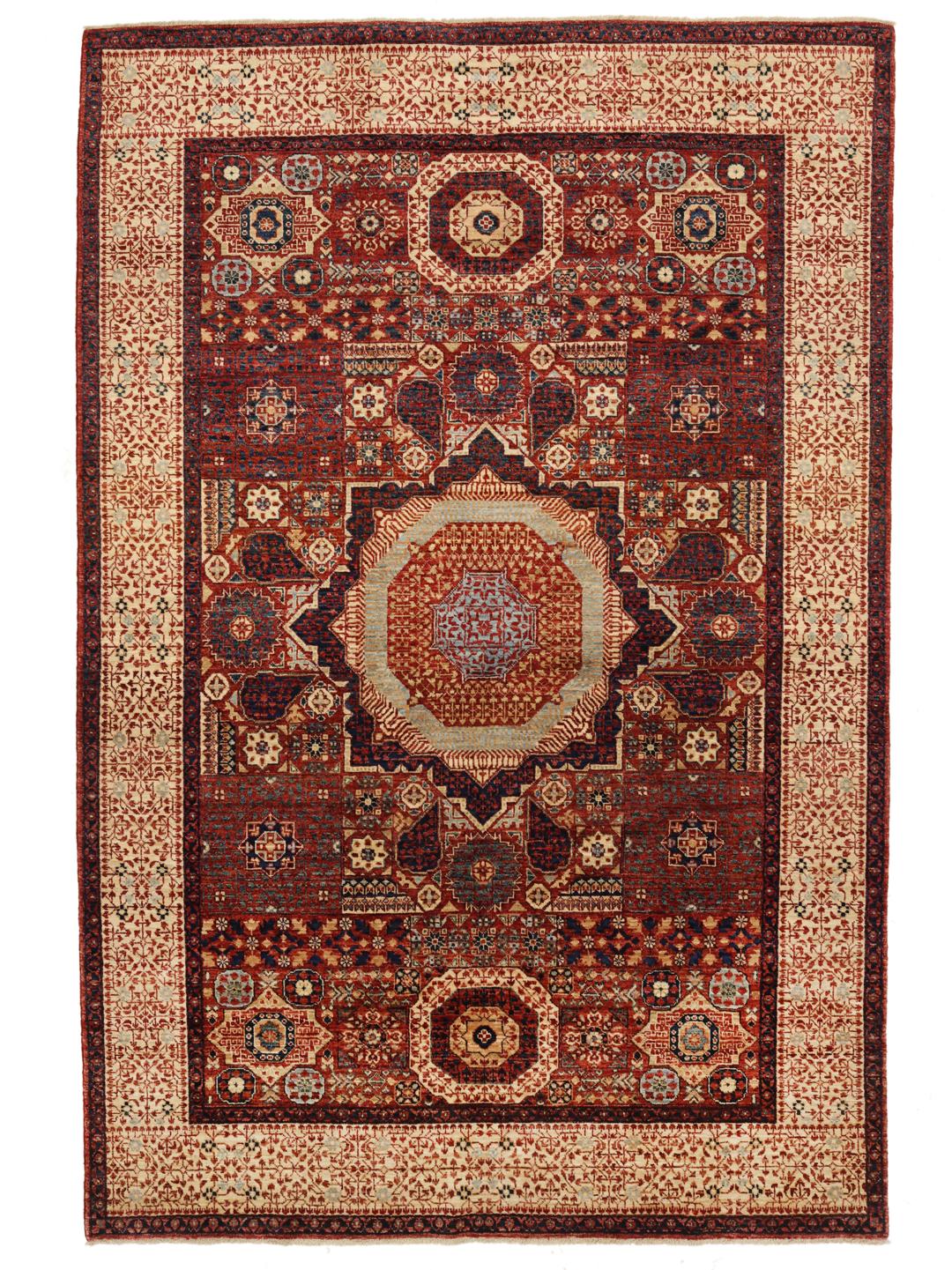
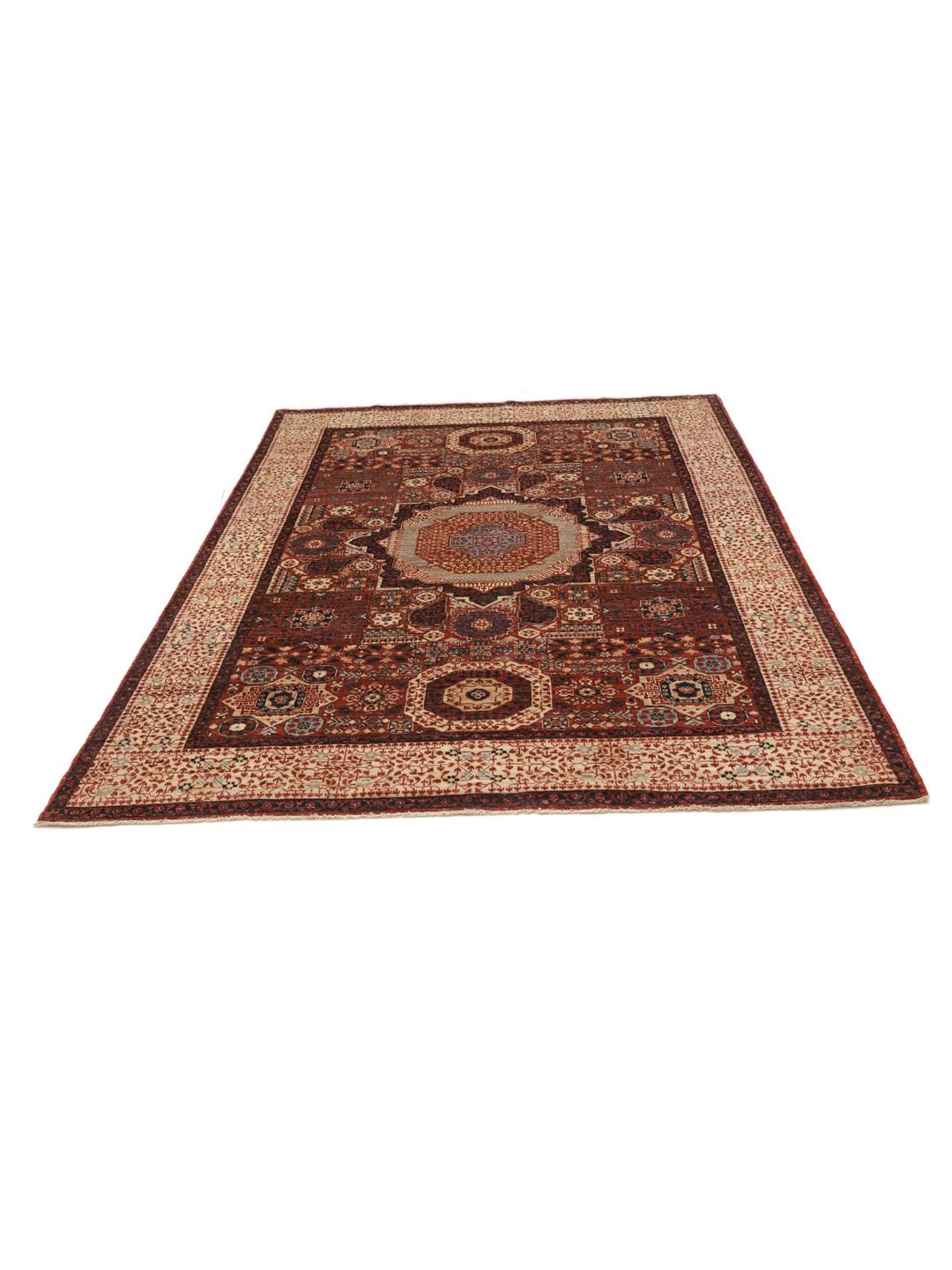
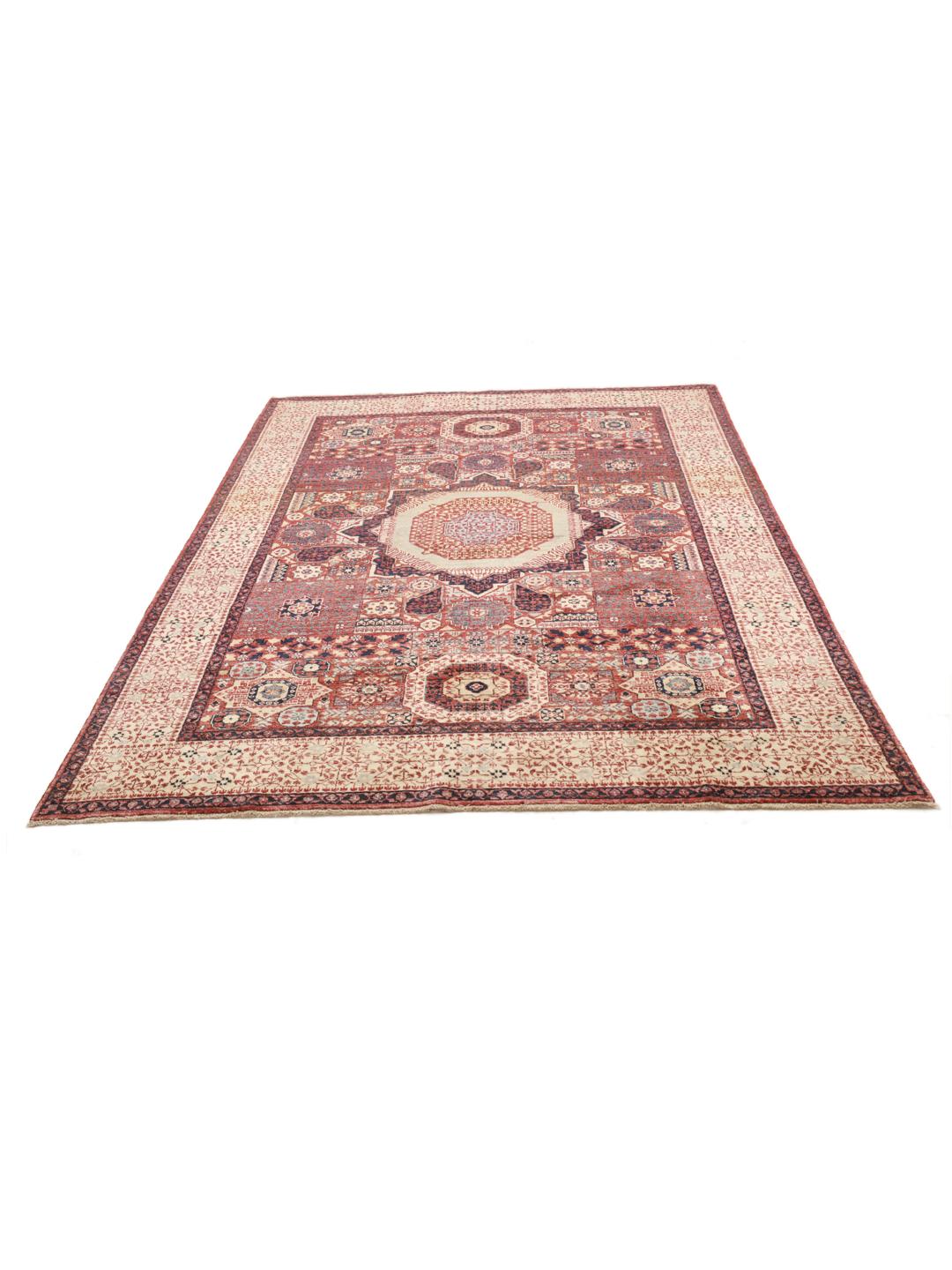
The Mamluk rug tradition traces its origins to the Mamluk Sultanate, which ruled over Egypt and the Levant between the 13th and 16th centuries. These rugs are celebrated for their distinctive geometric style, often featuring large, central medallions surrounded by smaller, intricate octagonal motifs and star-like patterns. While the original historical pieces were crafted in Cairo, the tradition has evolved and found a new home among the skilled weavers of Afghanistan, who have mastered the complex patterns and colour palettes associated with this style.
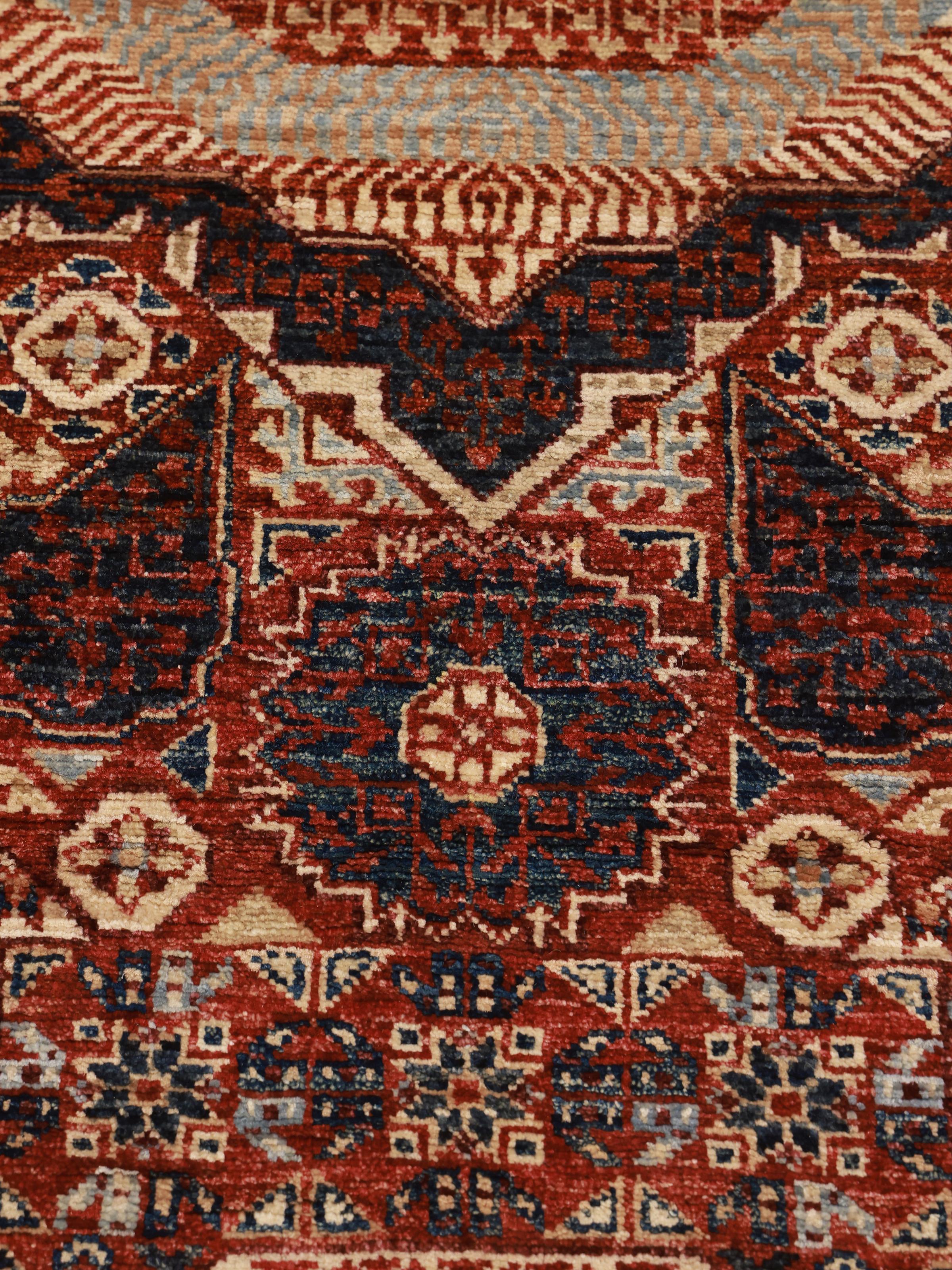
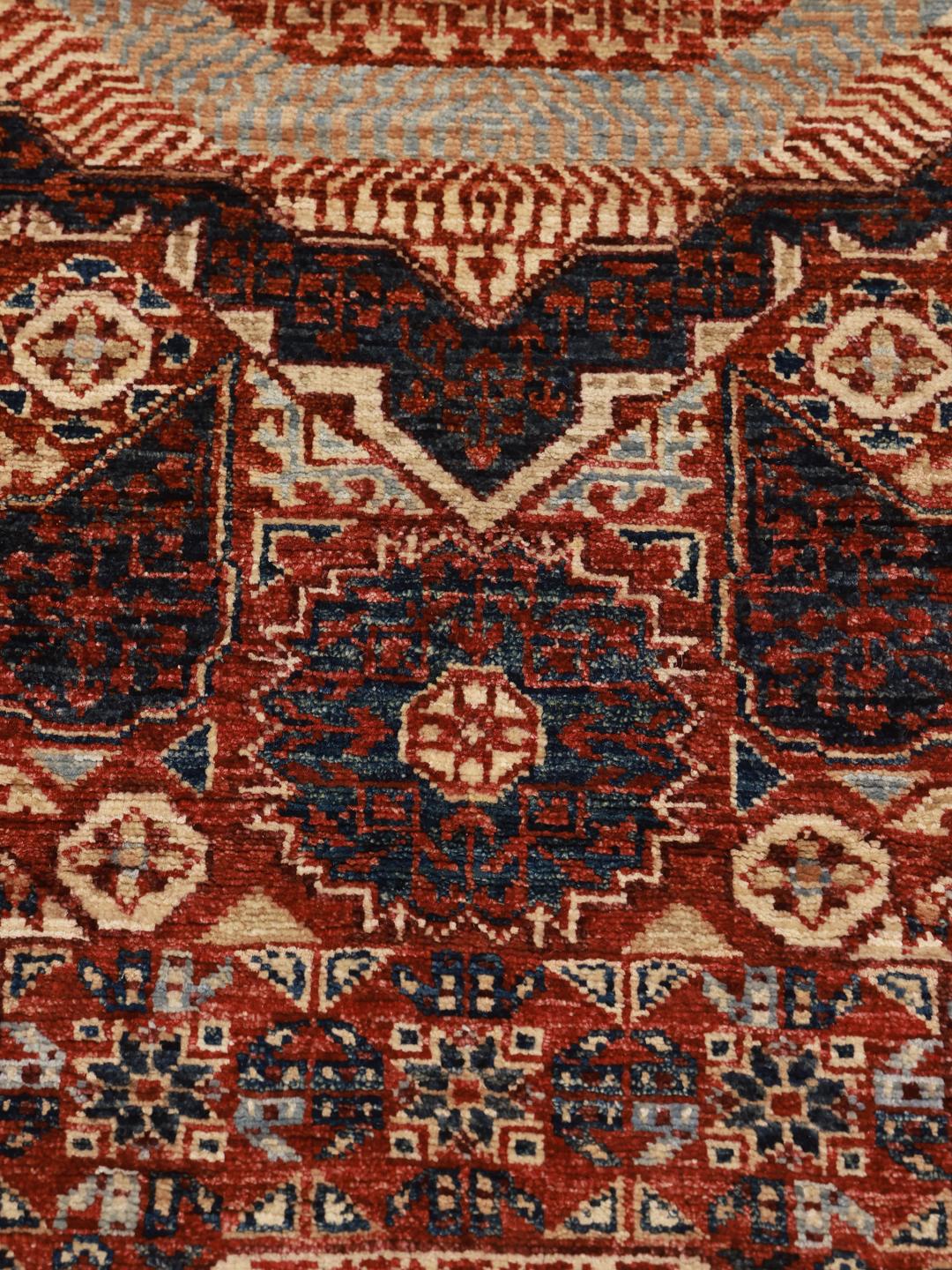
The term 'Mamluk' refers specifically to these complex, multi-layered geometric designs. The characteristic look is achieved through a technical mastery of colour and proportion, where the field is often divided into smaller segments or 'gul'-like medallions. This design language creates a sense of infinite complexity, drawing the eye across the surface as the patterns repeat and intersect. The use of varied, harmonious tones within these geometric shapes is what gives these rugs their timeless, sophisticated appearance.
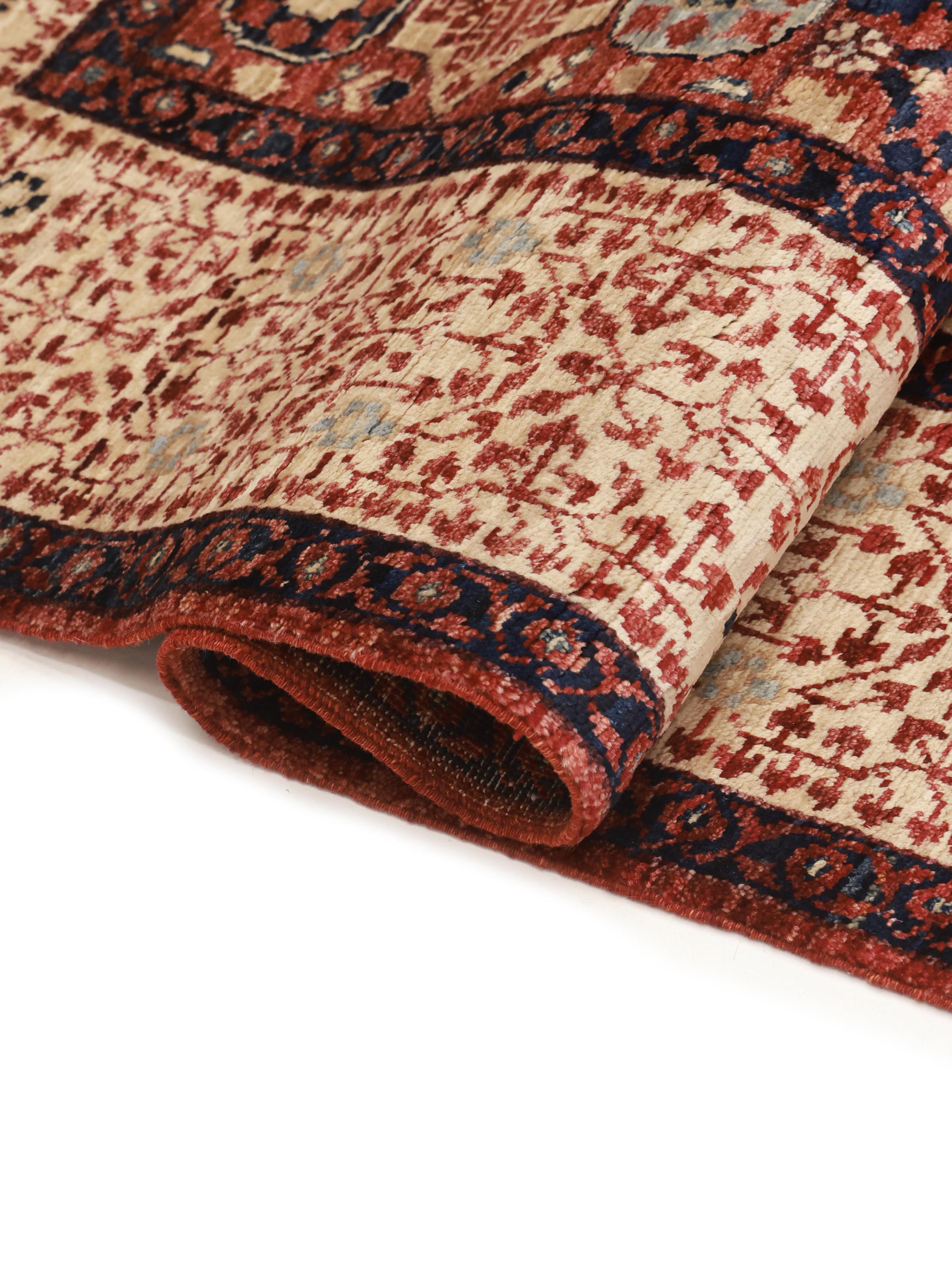
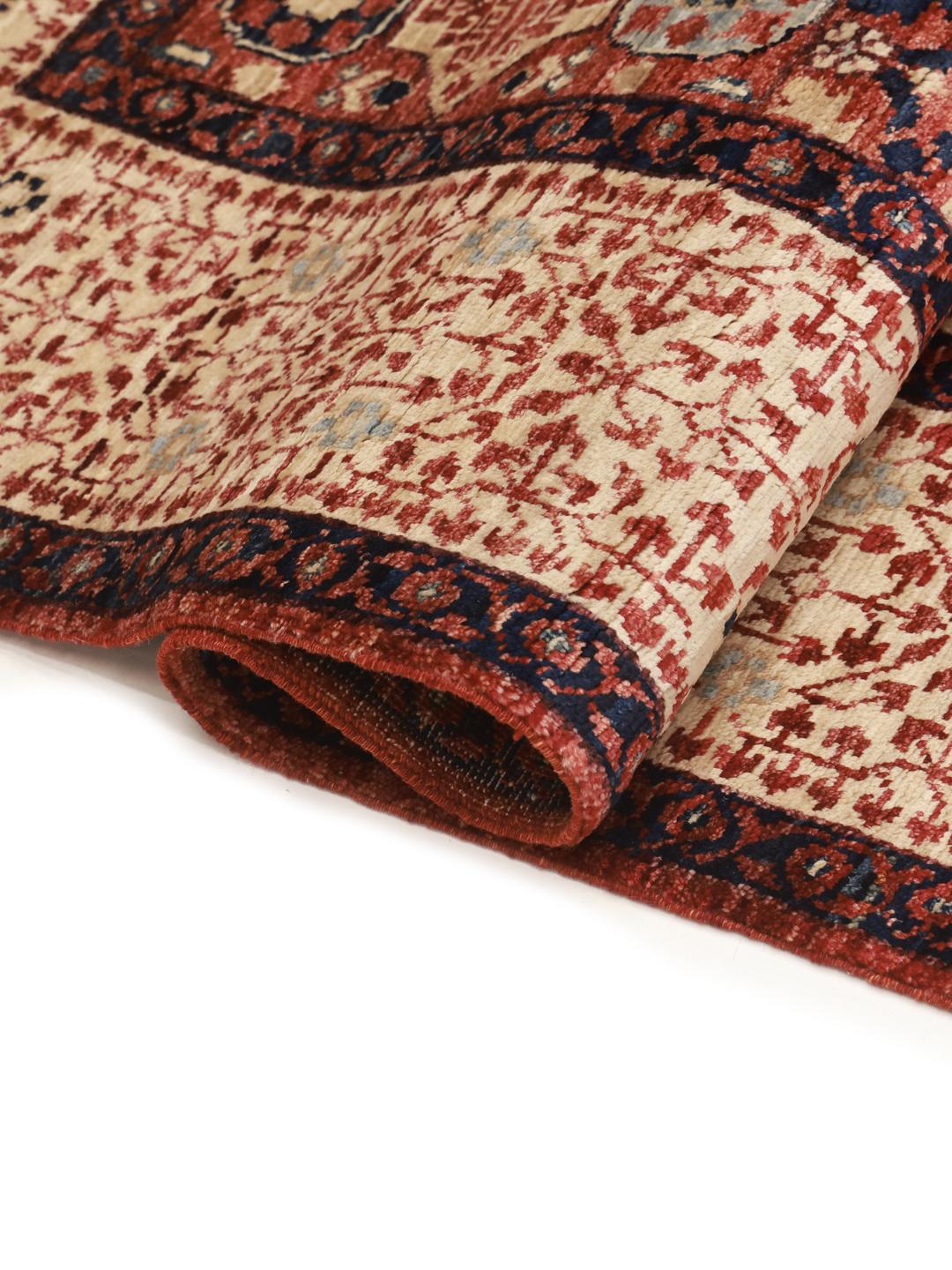
Signature elements of the Mamluk style include a grand central medallion that serves as the focal point, often framed by a series of detailed, ornamental borders. These borders are frequently filled with intricate floral or geometric vines that contrast beautifully with the starker, larger motifs of the field. The result is a rug that feels both balanced and dynamic, capable of fitting into diverse interior settings while maintaining its own strong, historic character.
Collecting a Mamluk rug is an appreciation of a design tradition that has survived and adapted through centuries of change. These rugs are highly valued for their artistic depth and the immense skill required to execute such precise, repetitive geometric work. Owning a piece from this tradition connects you to a long lineage of artisans who have kept these complex designs alive, making it a meaningful addition to any collection of fine textiles.