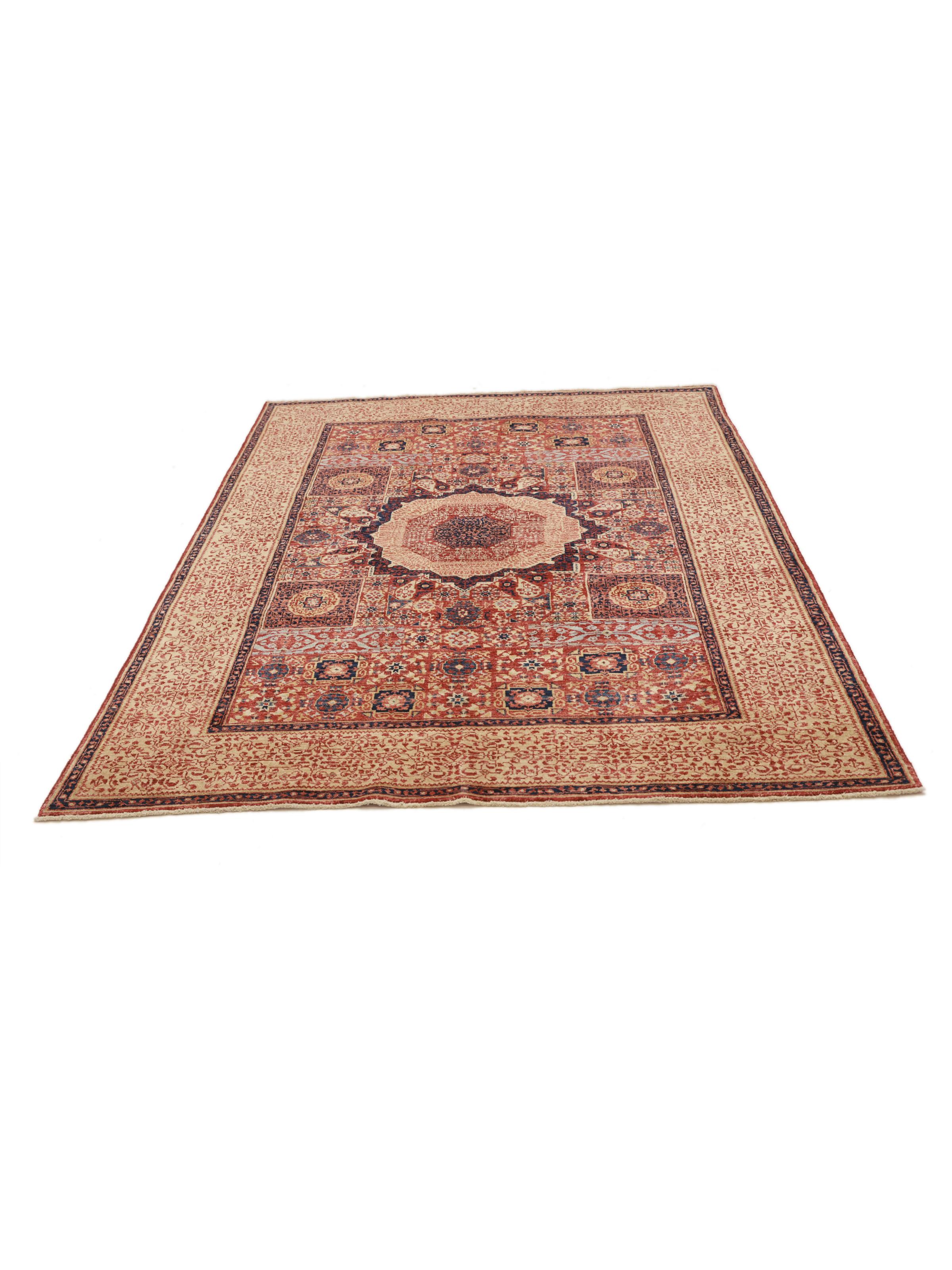
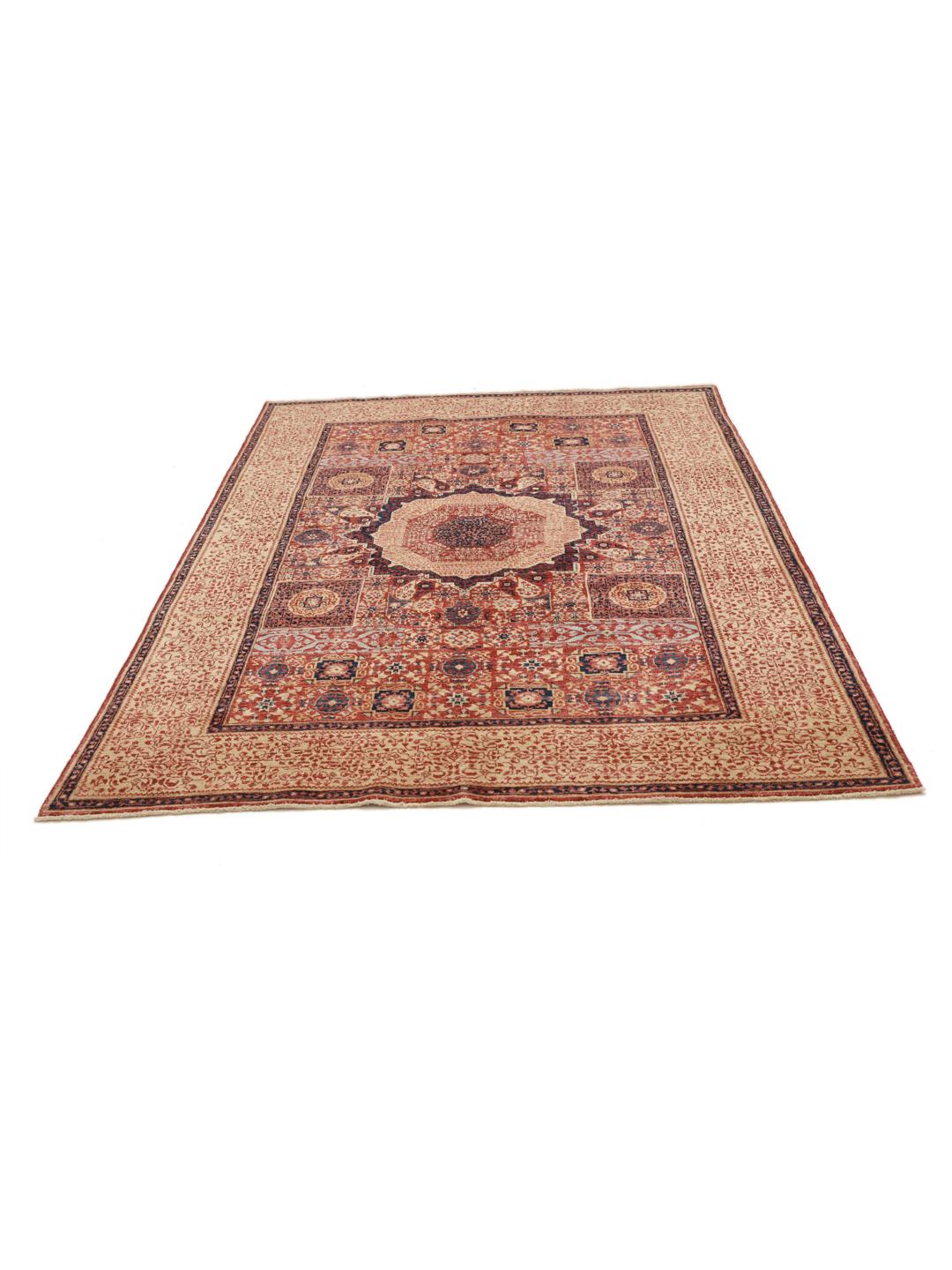
Mamluk rugs are renowned for their distinct, sophisticated design language that traces its roots back to the Mamluk Sultanate of Cairo, which ruled over Egypt and the Levant from the 13th to the 16th century. While the original antique carpets were woven in the workshops of Cairo, the tradition has evolved and found a vibrant home in contemporary Afghanistan, where weavers have mastered the intricate, geometric style that defines this category.
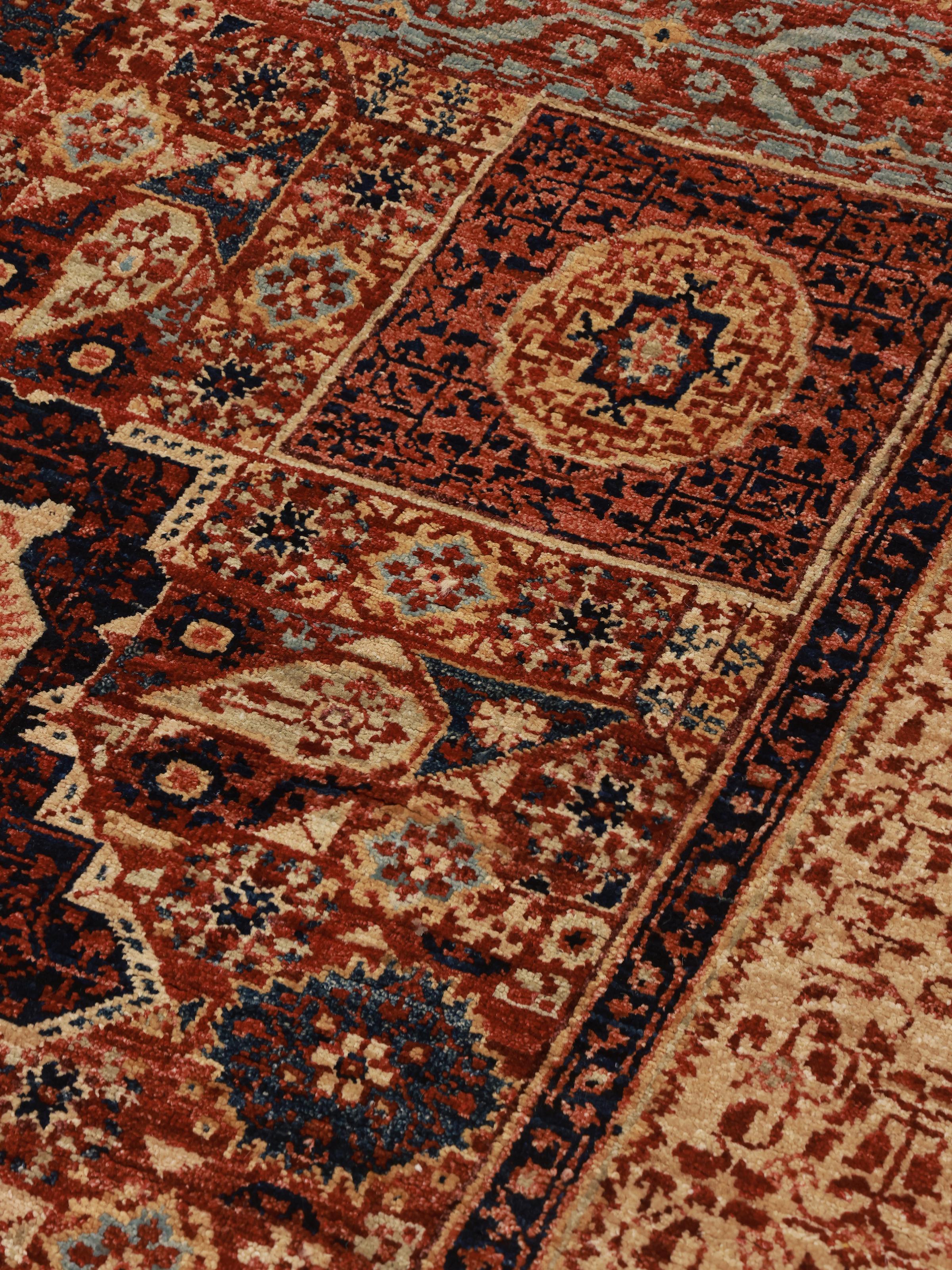
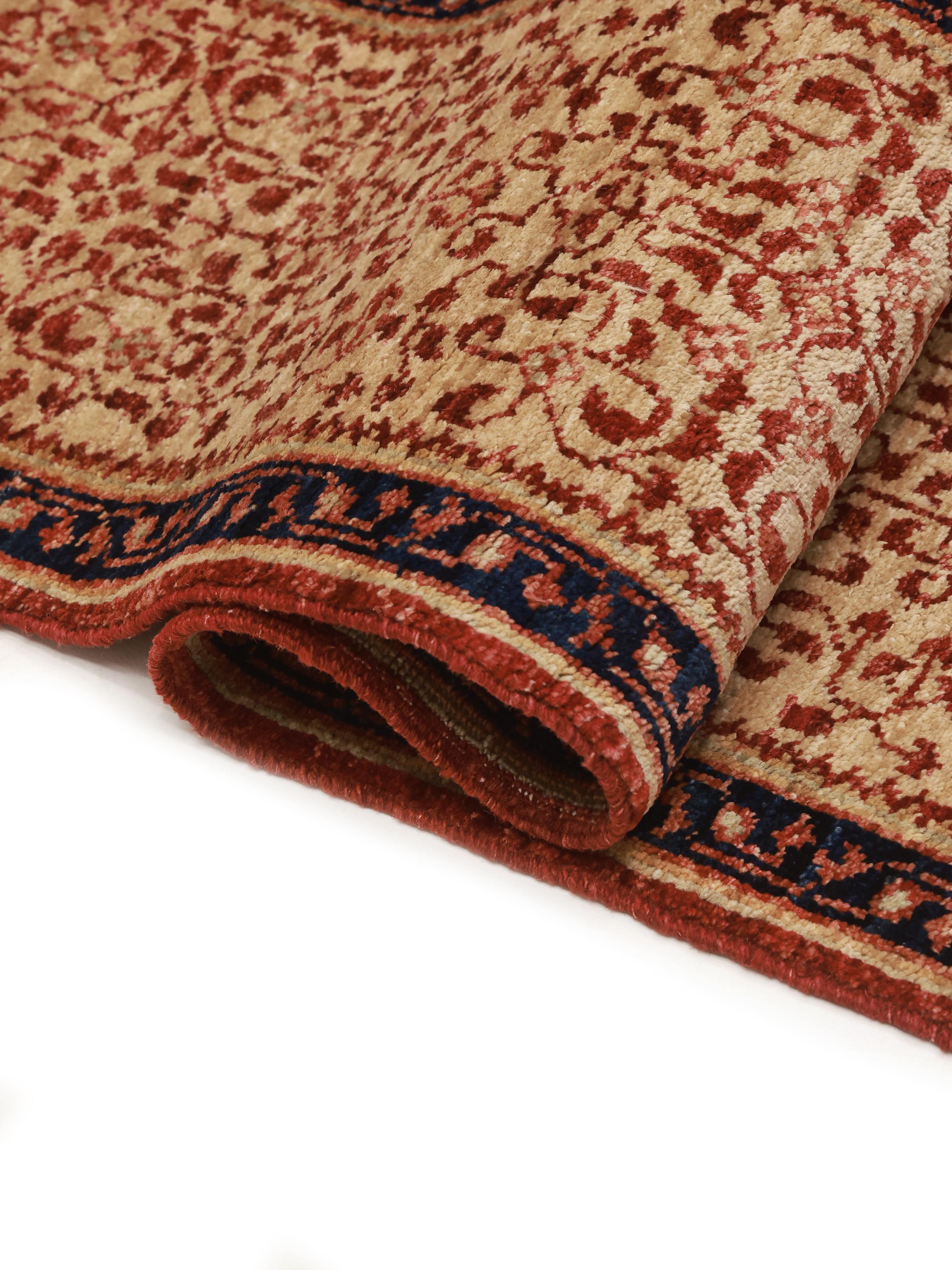
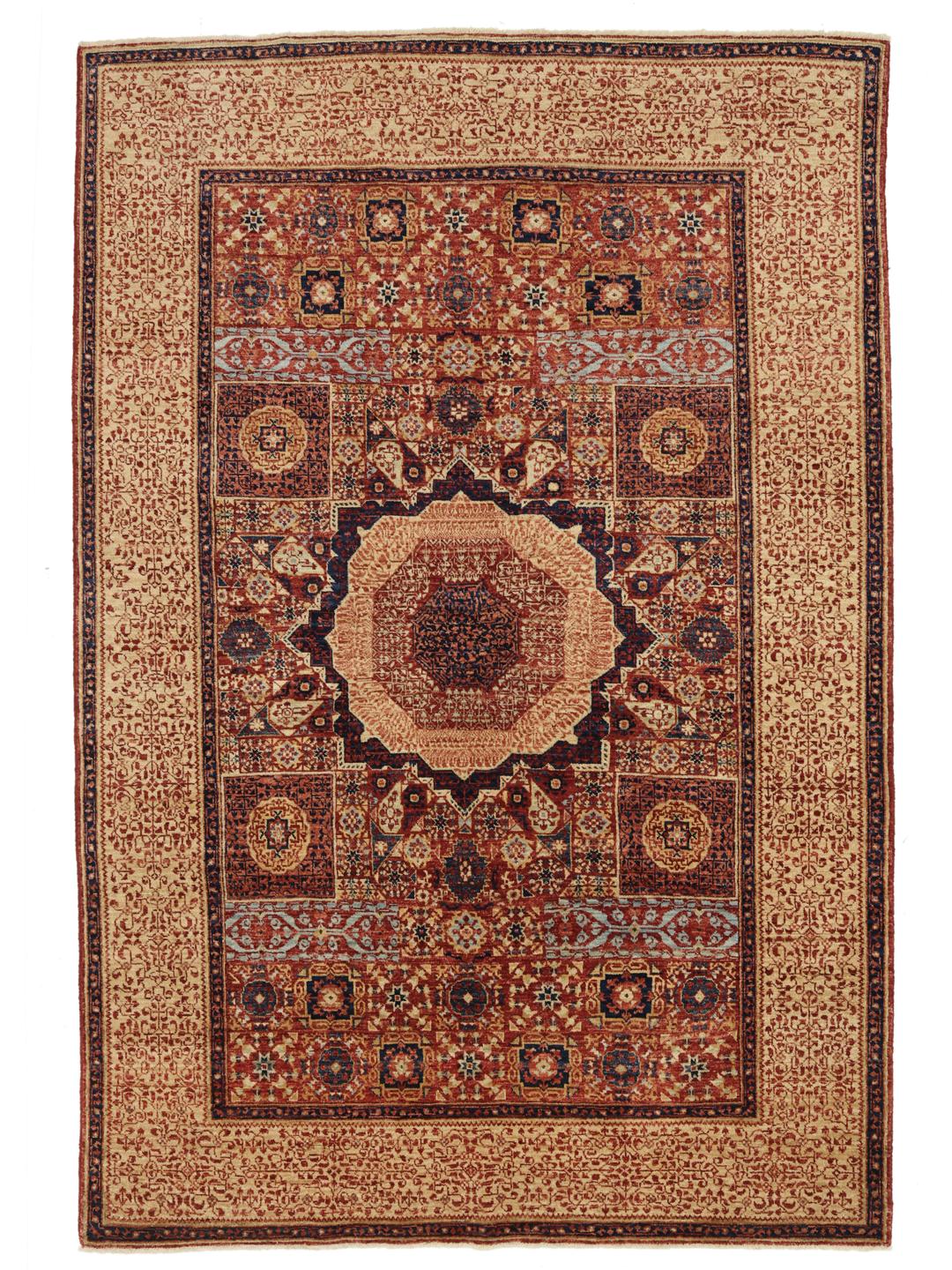
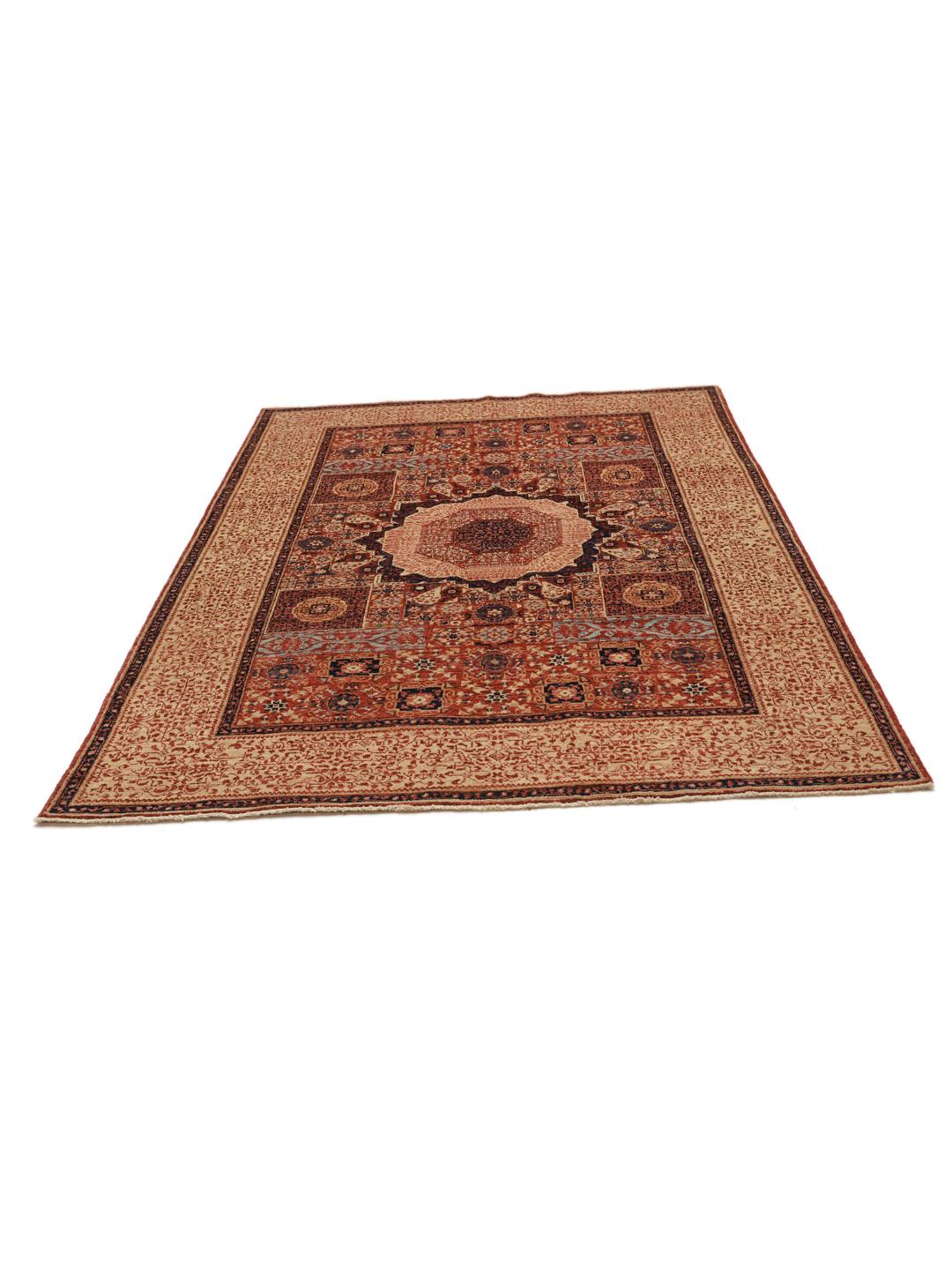
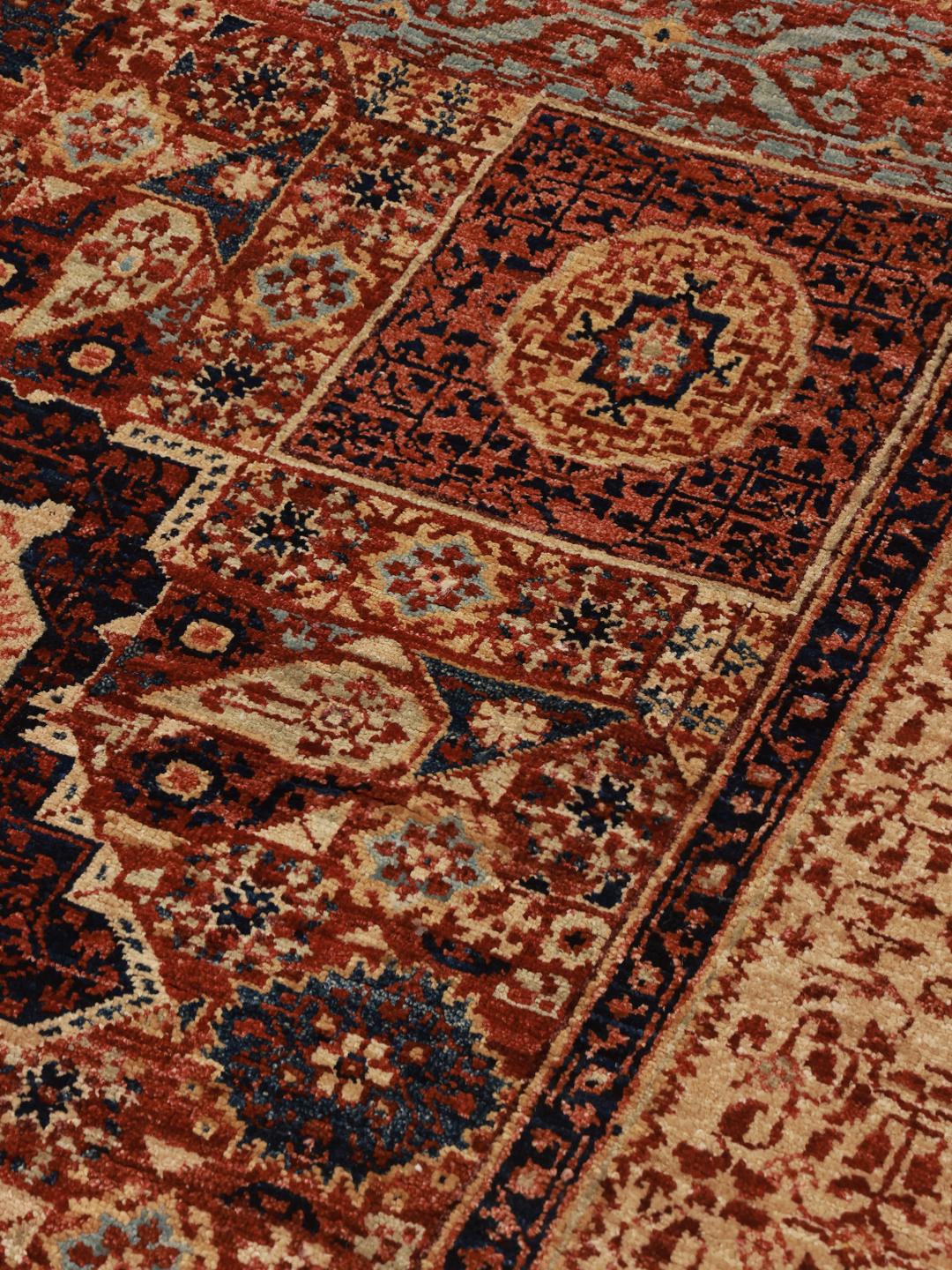
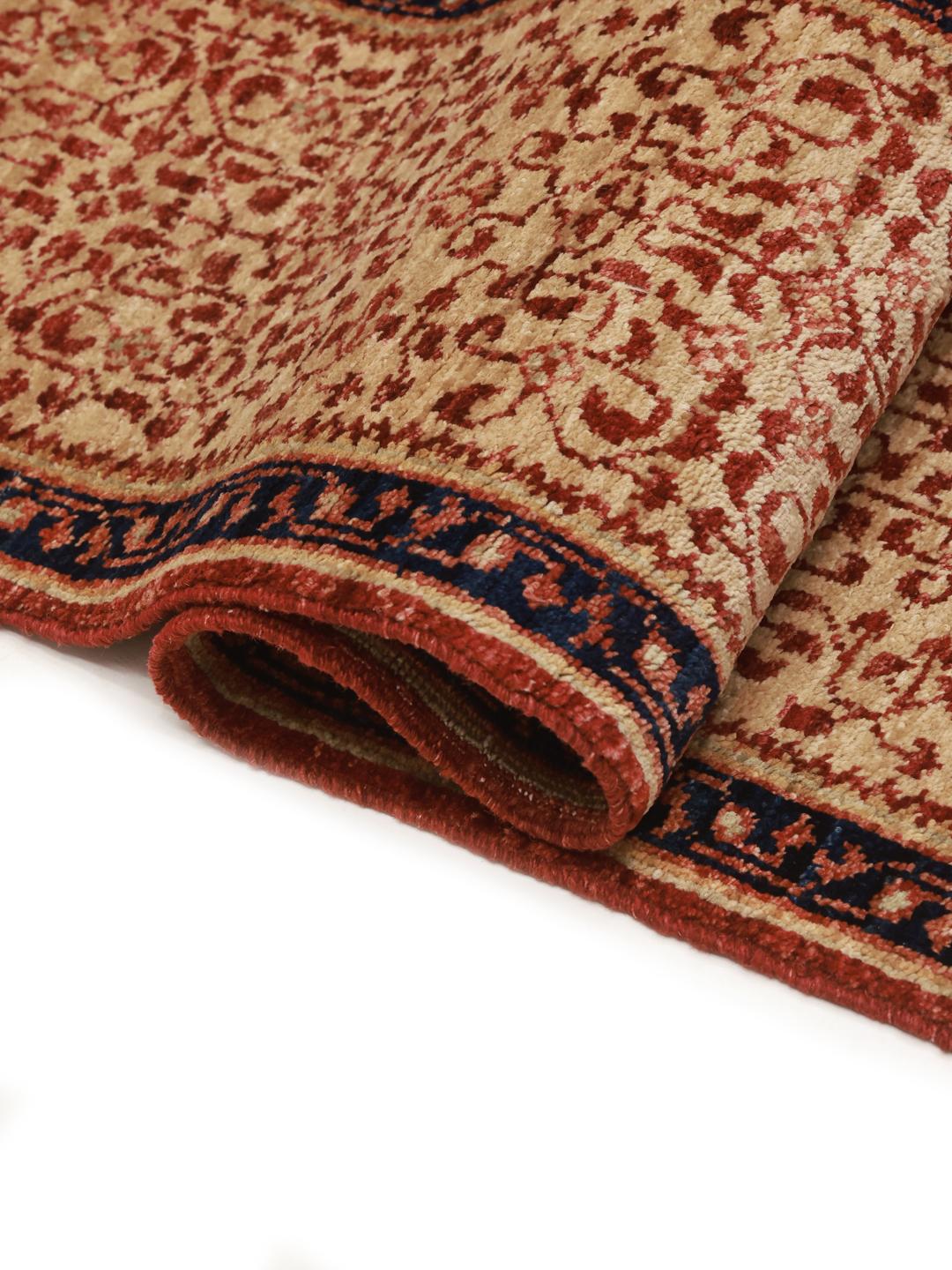
The technical brilliance of a Mamluk rug lies in its complex geometric composition. Unlike the curvilinear floral designs found in other traditions, Mamluk rugs often feature a central medallion surrounded by smaller, intricate geometric shapes, stars, and interlocking patterns. The use of high-quality wool allows for a precise rendering of these complex motifs, creating a surface that is both structurally sound and visually captivating.
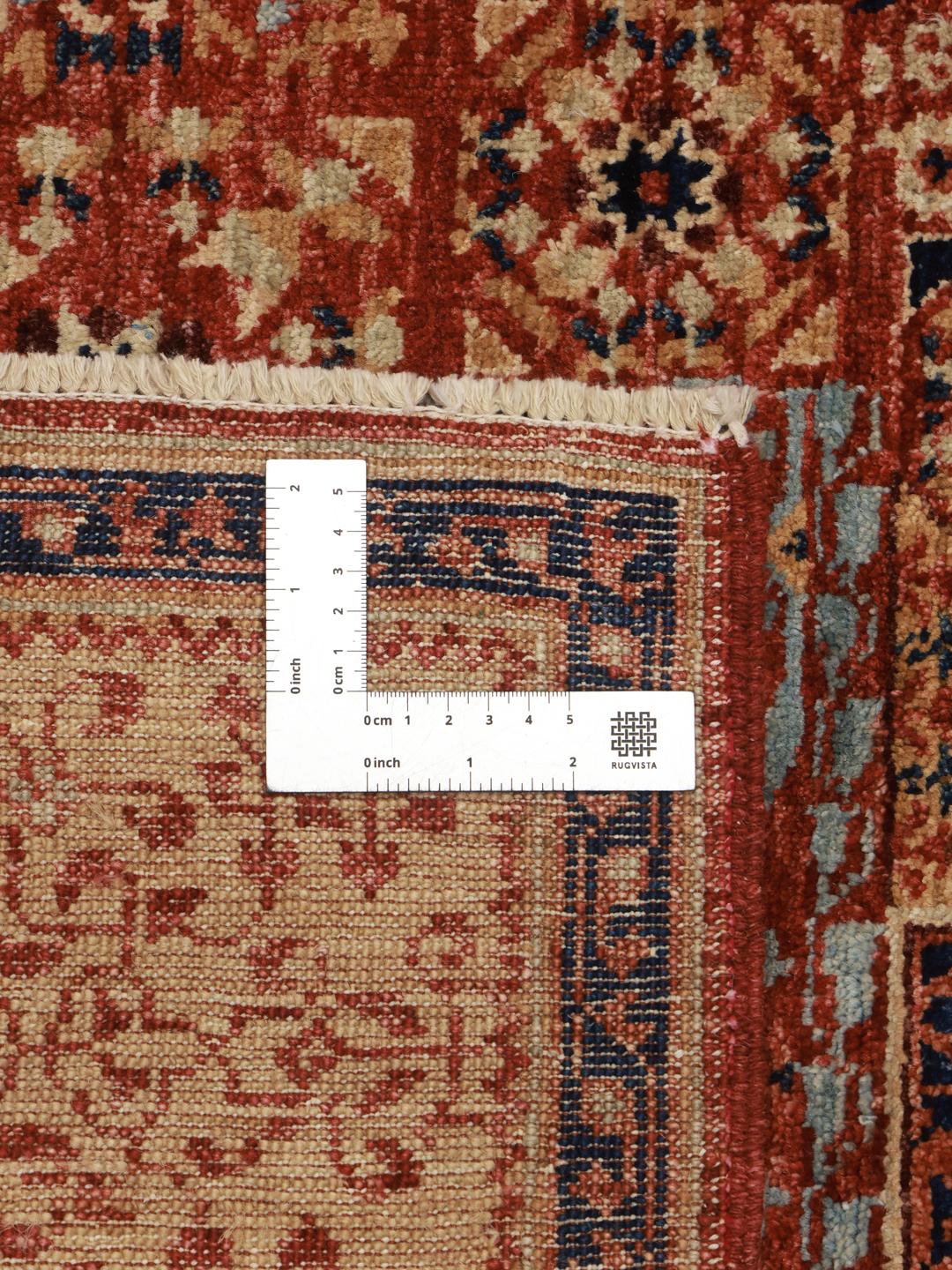
Signature design elements of the Mamluk style include a restrained but powerful colour palette, often relying on deep reds, rich blues, and soft beiges. The patterns are meticulously organised, often using a central, large-scale medallion that radiates outward into a field of smaller, repeating geometric forms. This balance of scale is what gives Mamluk rugs their iconic, architectural look, making them highly sought after for their ability to bring a sense of order and calm to a space.
Collecting a Mamluk rug is an investment in cultural heritage and refined skill. These pieces are valued for their ability to bridge the gap between historical tradition and modern interior needs. By choosing a Mamluk, you are not just purchasing a floor covering; you are acquiring a piece of history that speaks to a legacy of craft, precision, and the enduring human desire to create beauty that lasts for generations.