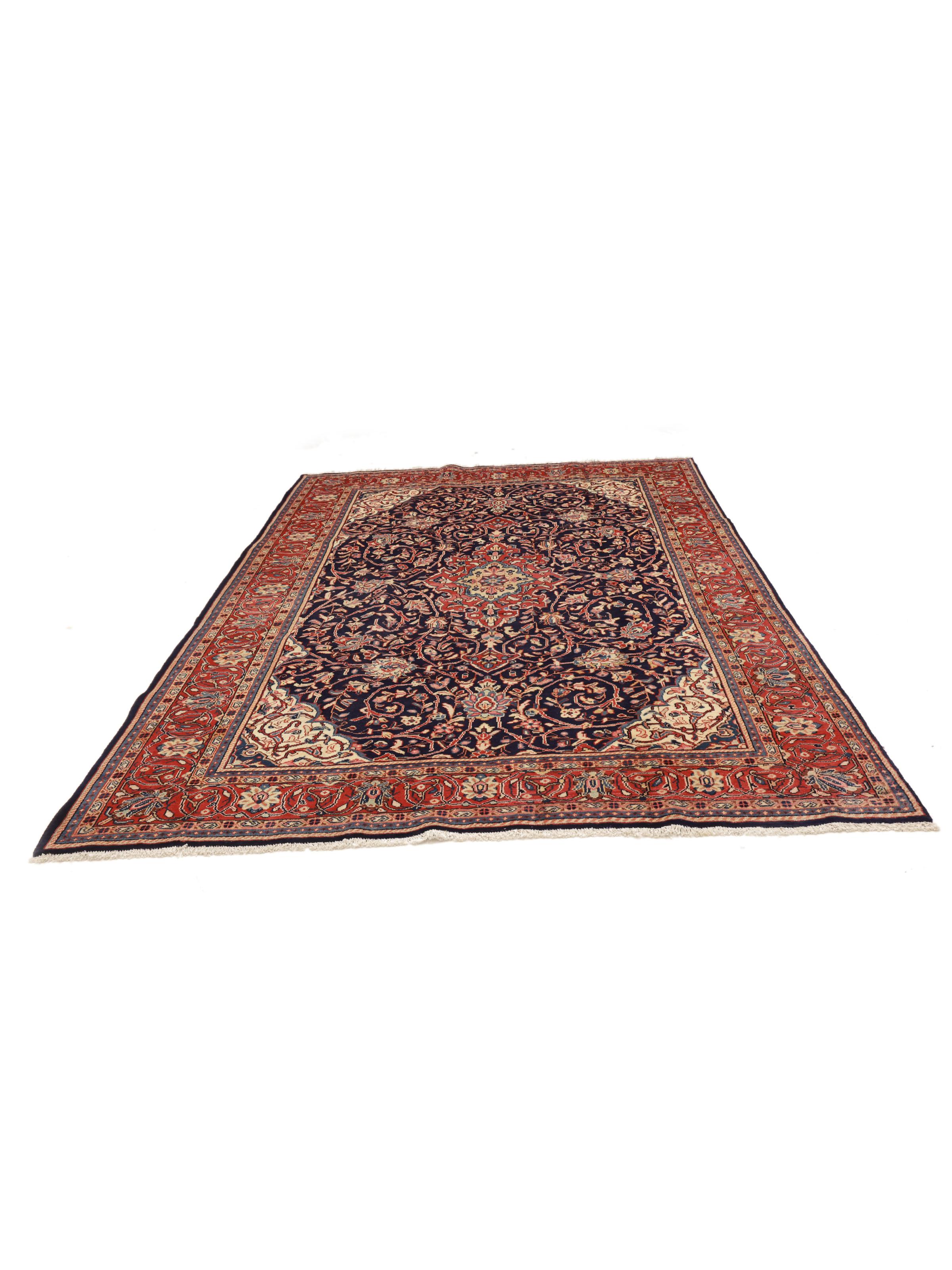
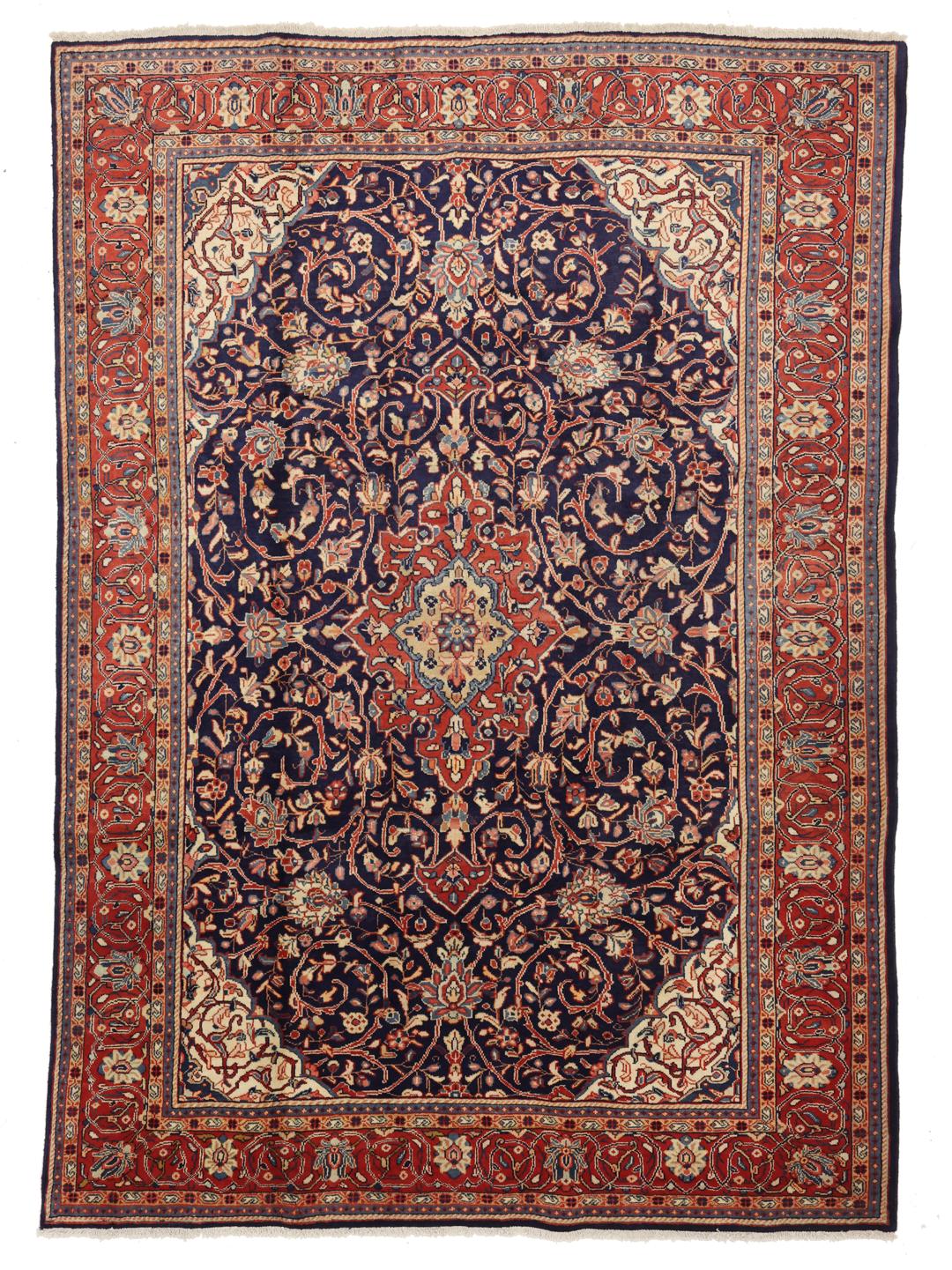
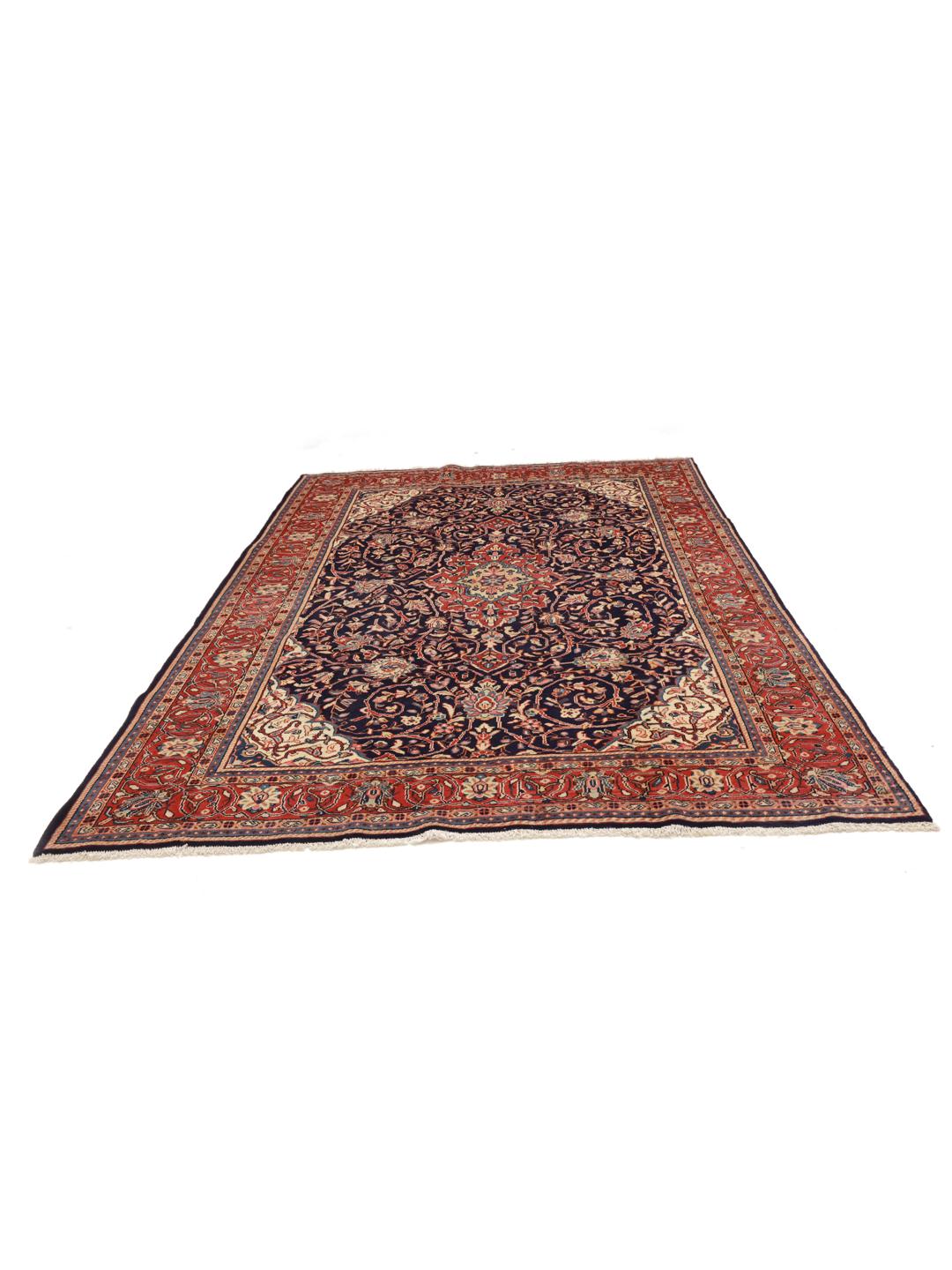
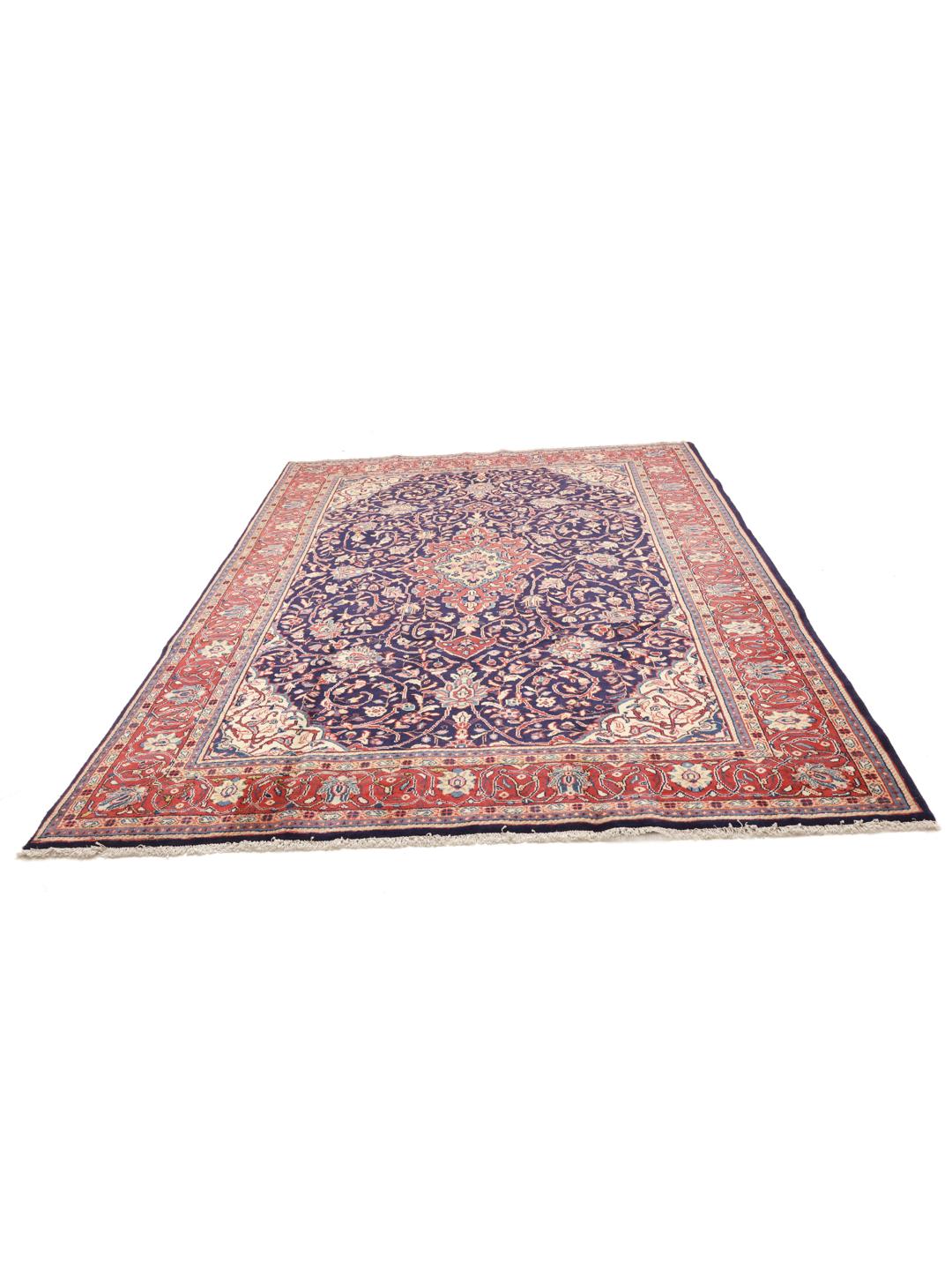
The Mahal rug tradition originates from the Arak region in the Middle East, a historic centre for textile production. These rugs are celebrated for their bold, oversized floral patterns and a distinctively relaxed approach to classical design, which emerged as the region adapted to the growing international demand for high-quality floor coverings during the late 19th and early 20th centuries.
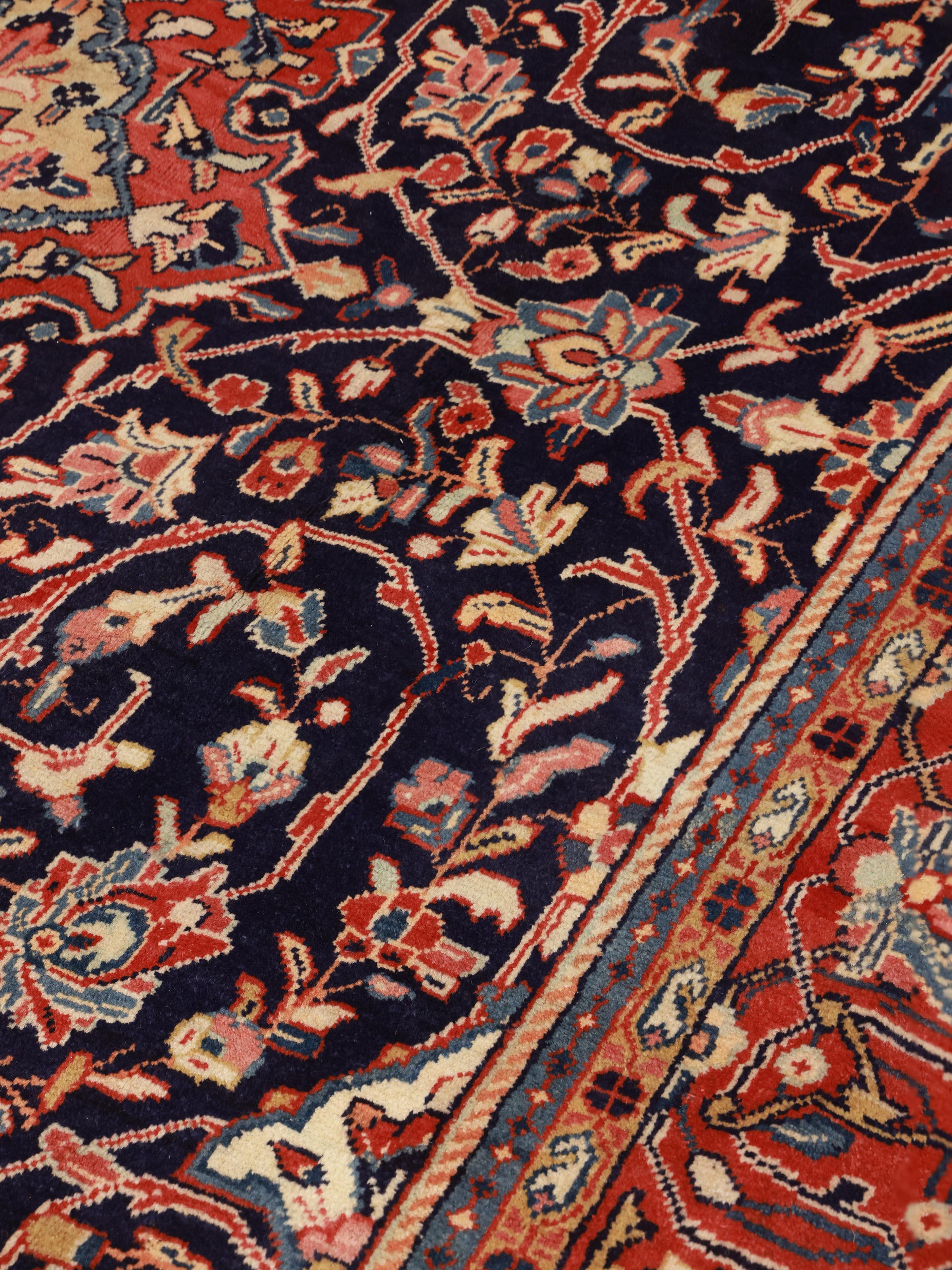
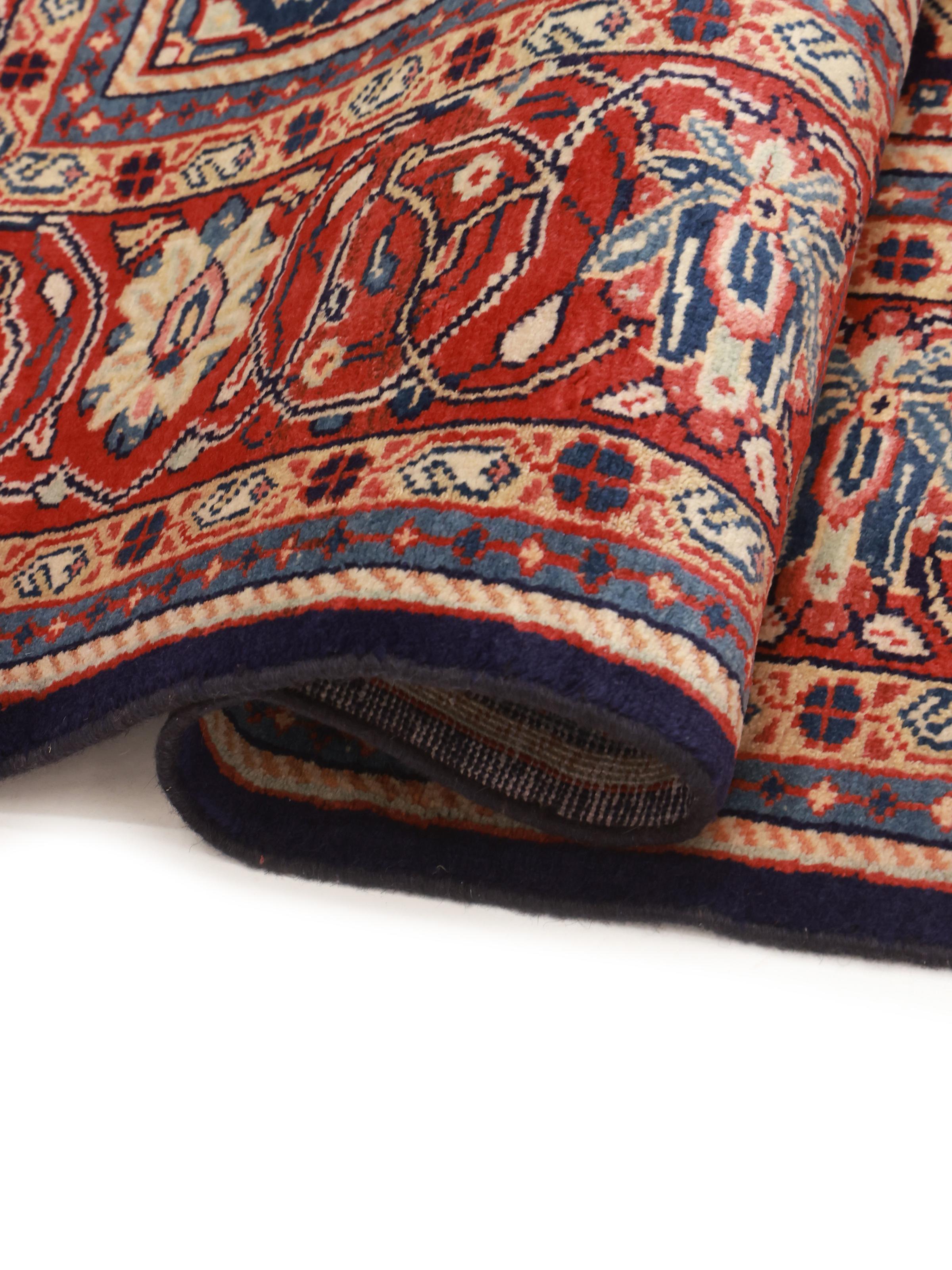
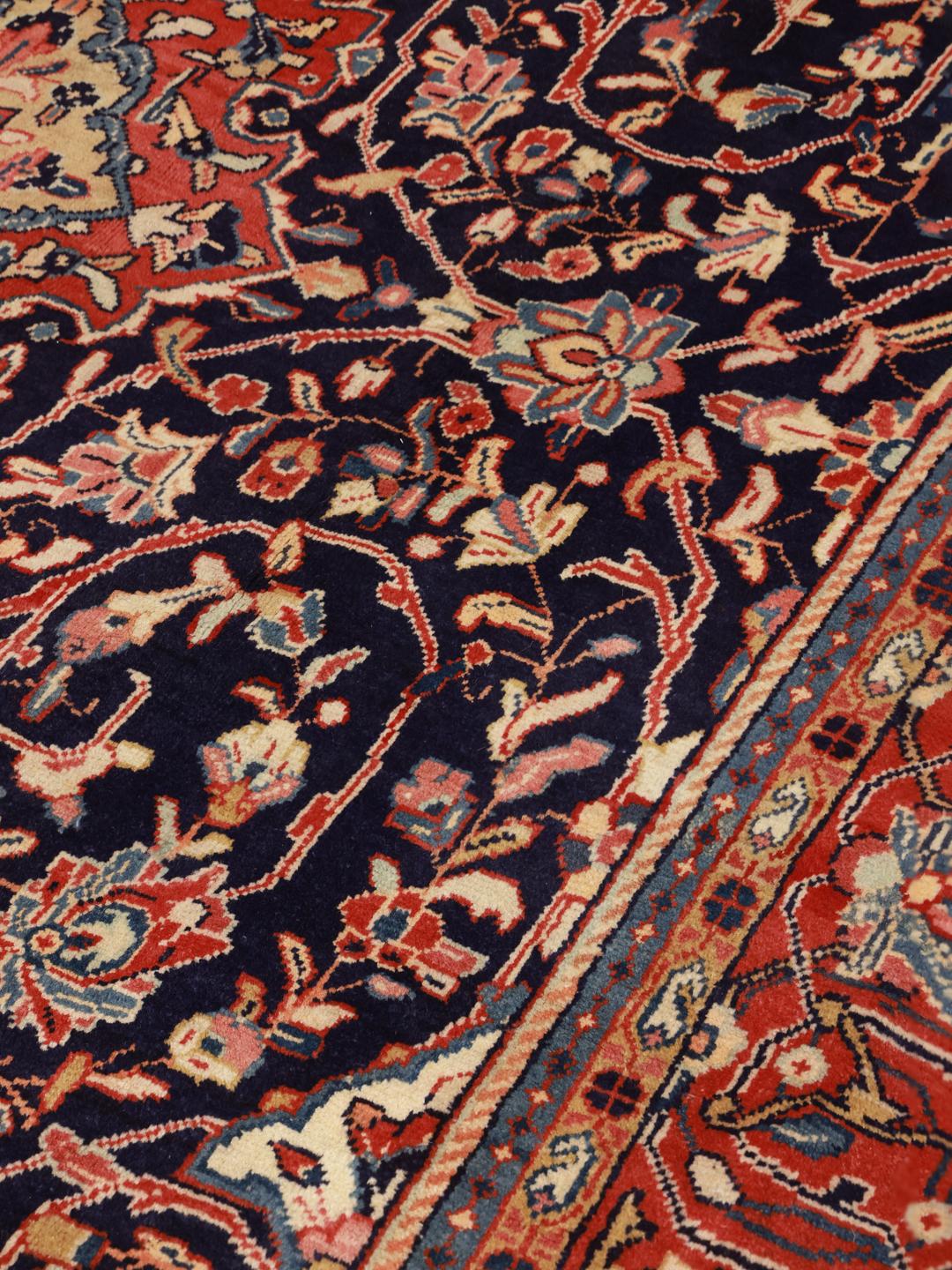
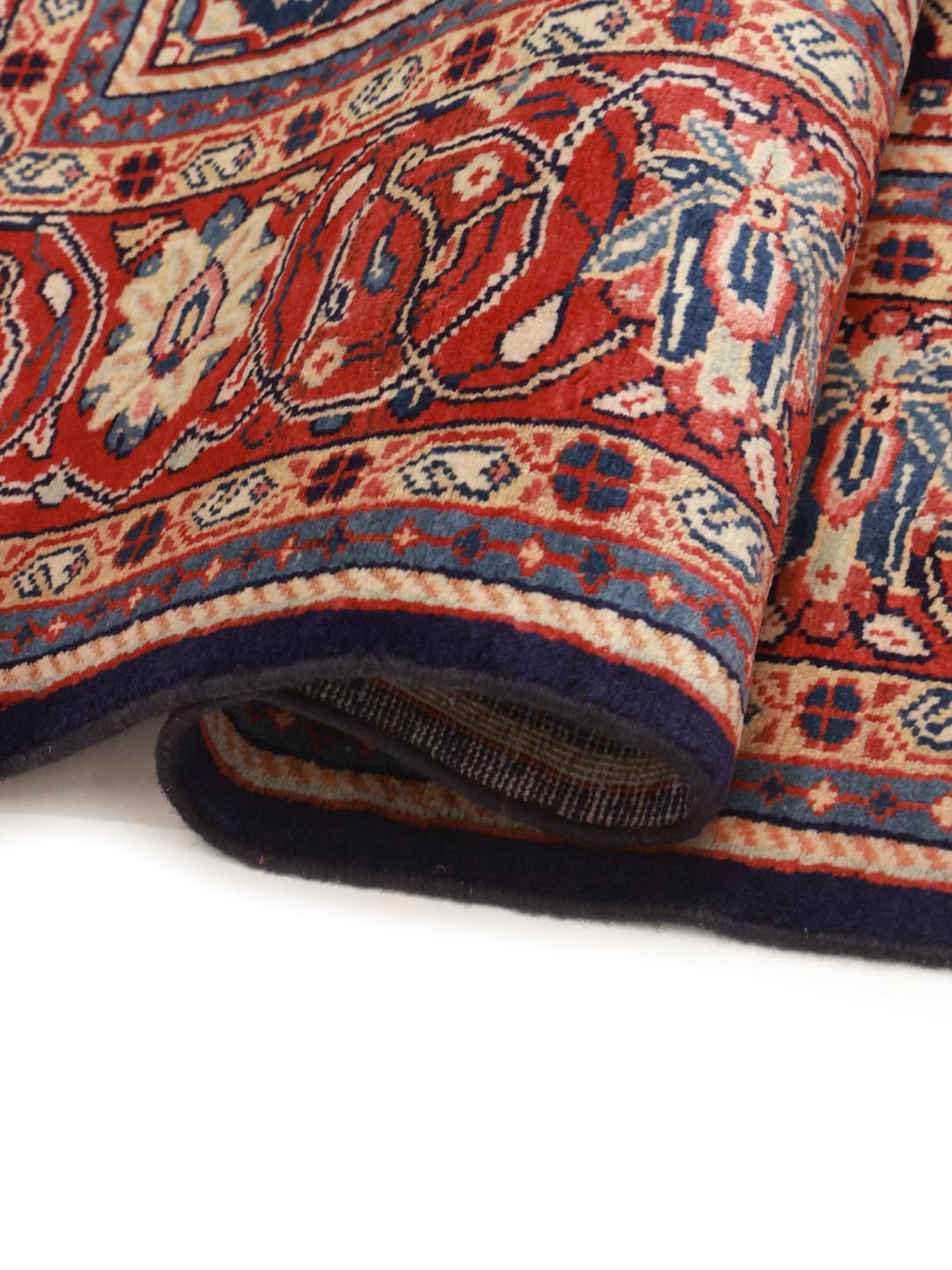
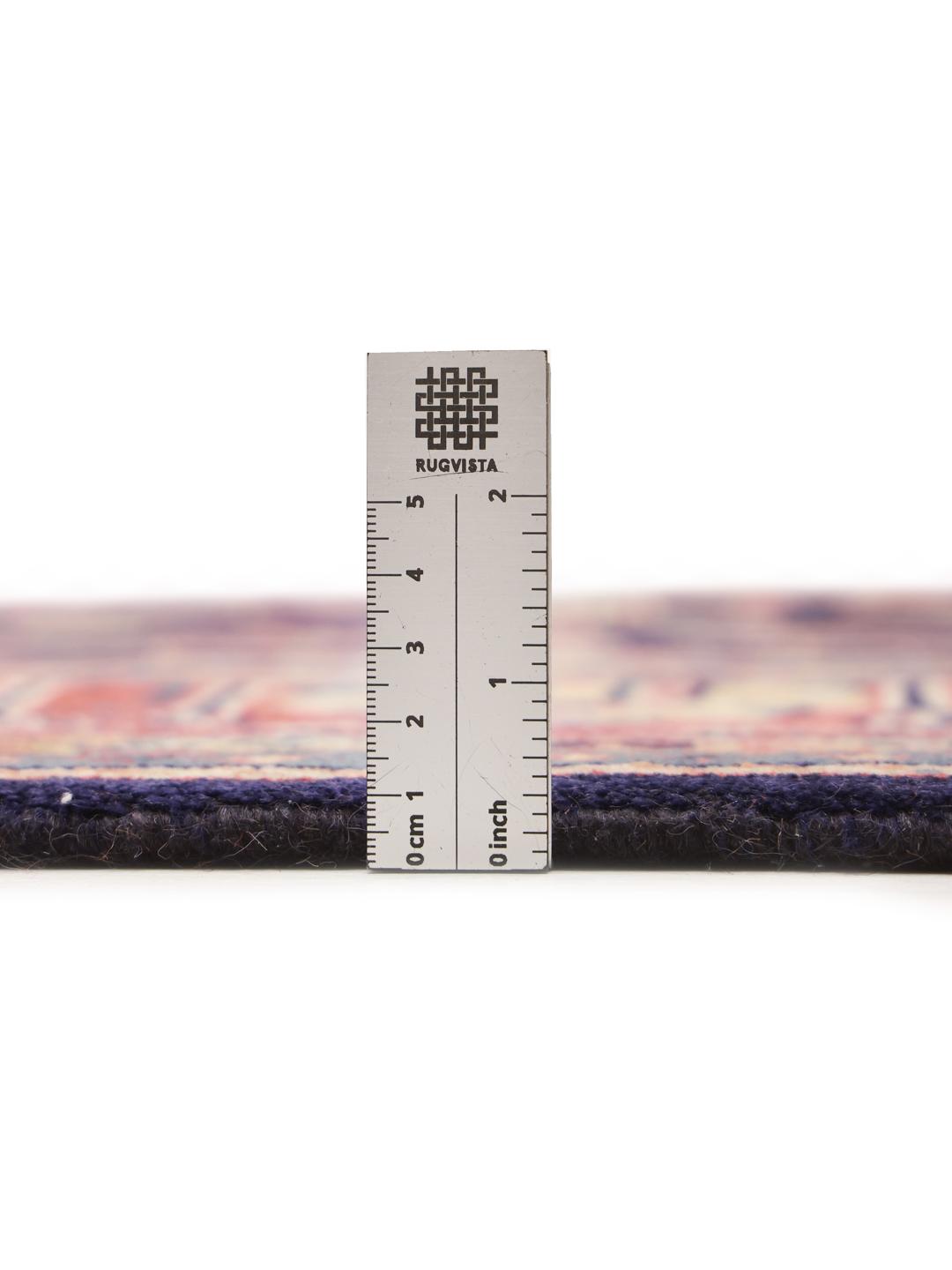
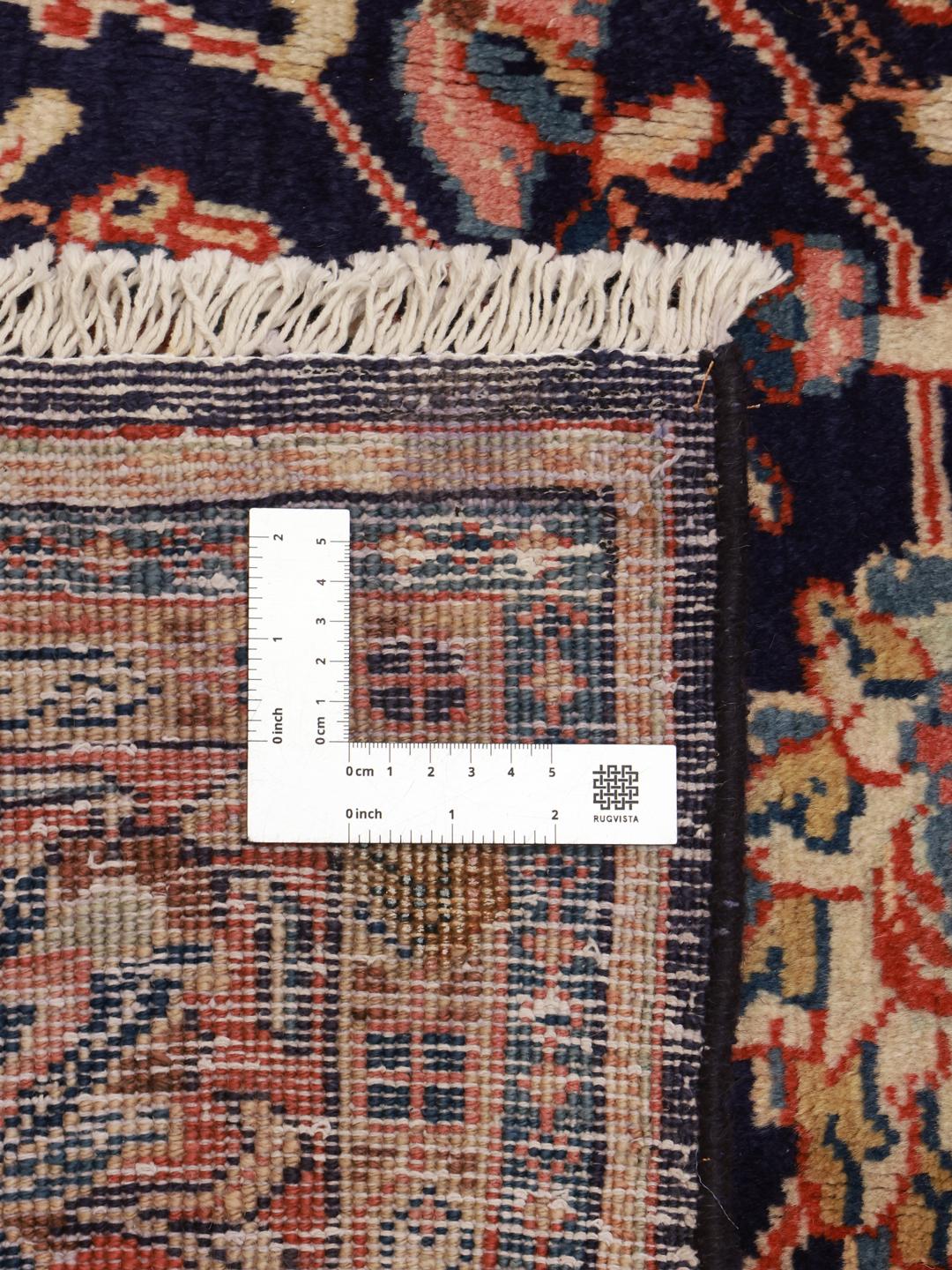
Mahal rugs are recognised for their high-quality wool, which is often spun by hand to create a resilient, slightly lustrous pile. This construction is designed to handle the wear of daily life, making them as functional as they are beautiful. The technique involves a sturdy foundation that allows the weavers to create large-scale, fluid designs that feel both grand and approachable.
Visually, these rugs are defined by their grand, sweeping floral motifs, often featuring large palmettes and scrolling vines that fill the field. While many traditional rugs from the region adhere to strict, repetitive geometric symmetry, Mahal rugs are known for a more artistic, organic flow. The colour palettes are typically rich and earthy, often relying on deep blues and vibrant reds to create a warm, inviting presence.
Owning a Mahal rug is an investment in cultural heritage. Collectors value these pieces not only for their striking visual appeal but for the way they embody the evolution of regional weaving styles. By bringing a piece like this into your home, you are connecting with a long lineage of artisans who have spent centuries perfecting the balance between intricate detail and bold, expressive design.