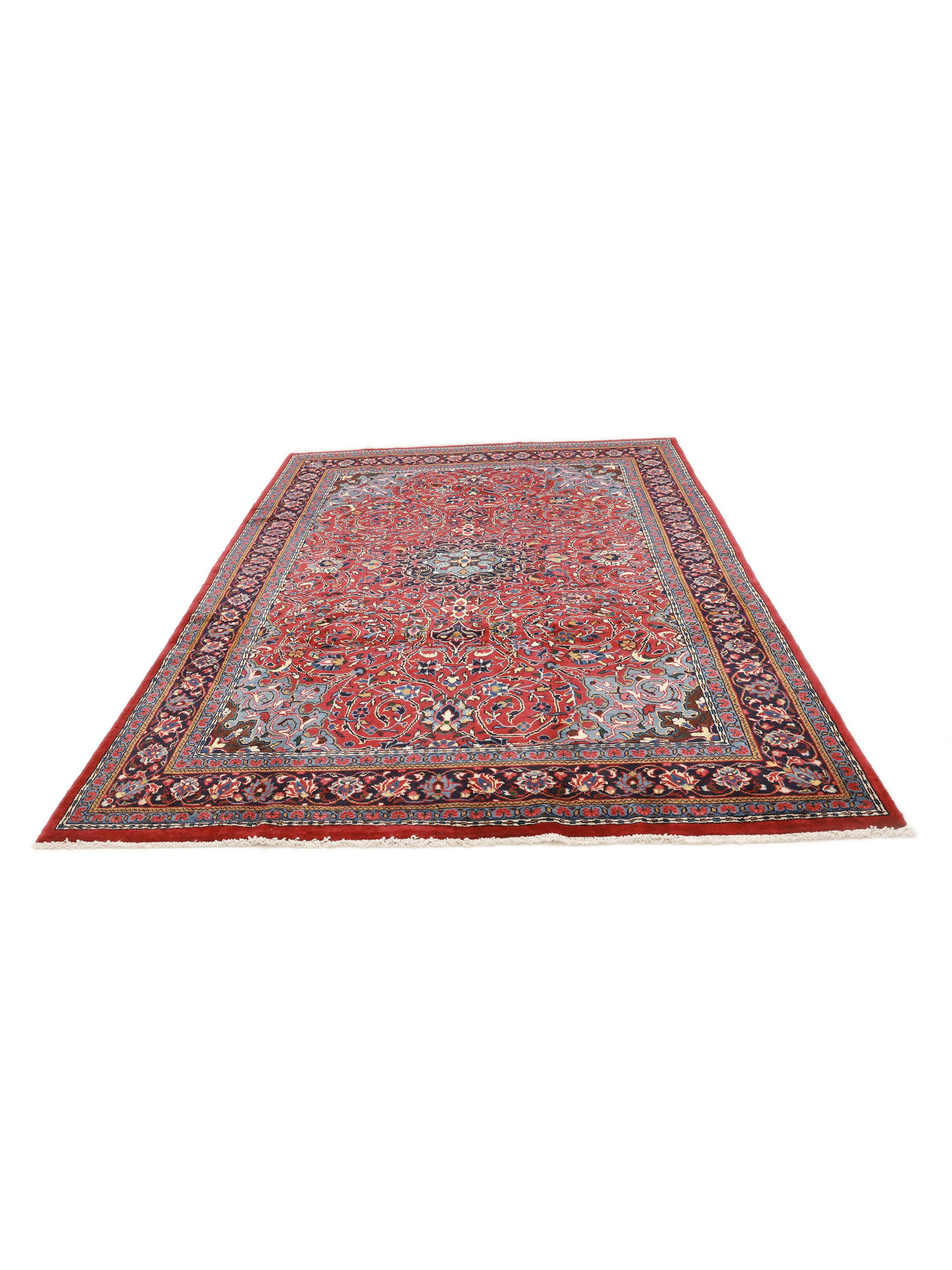
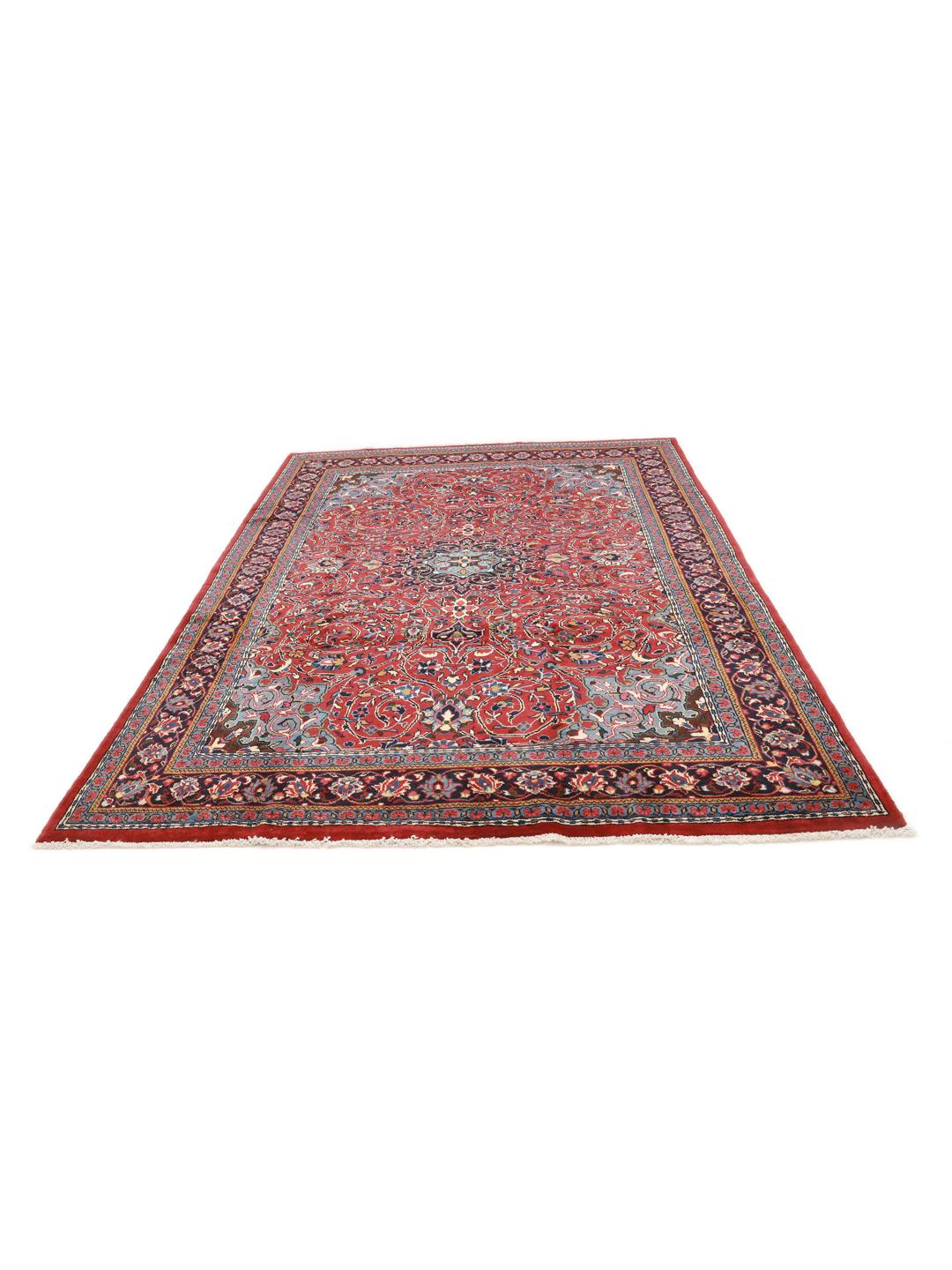
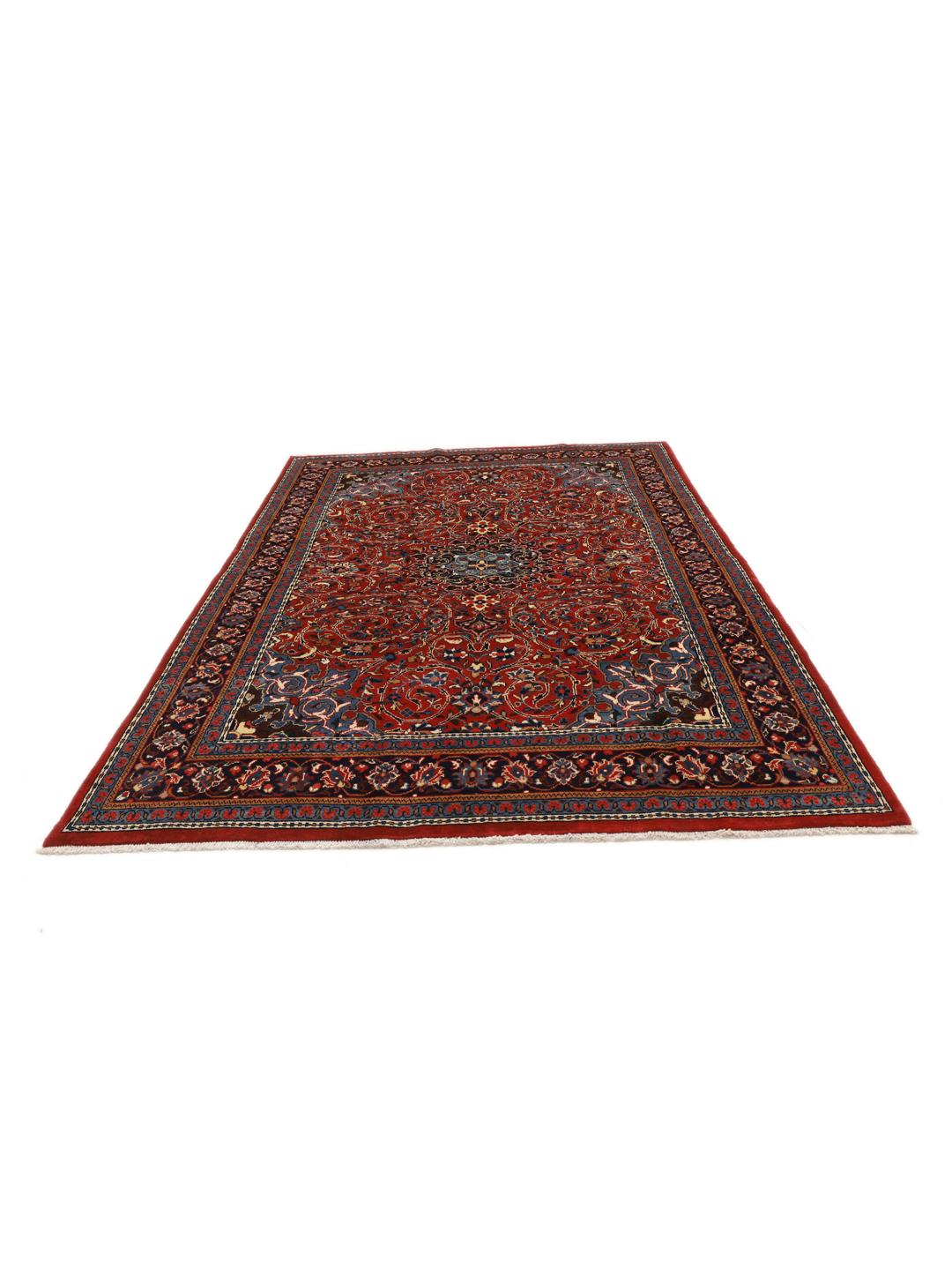
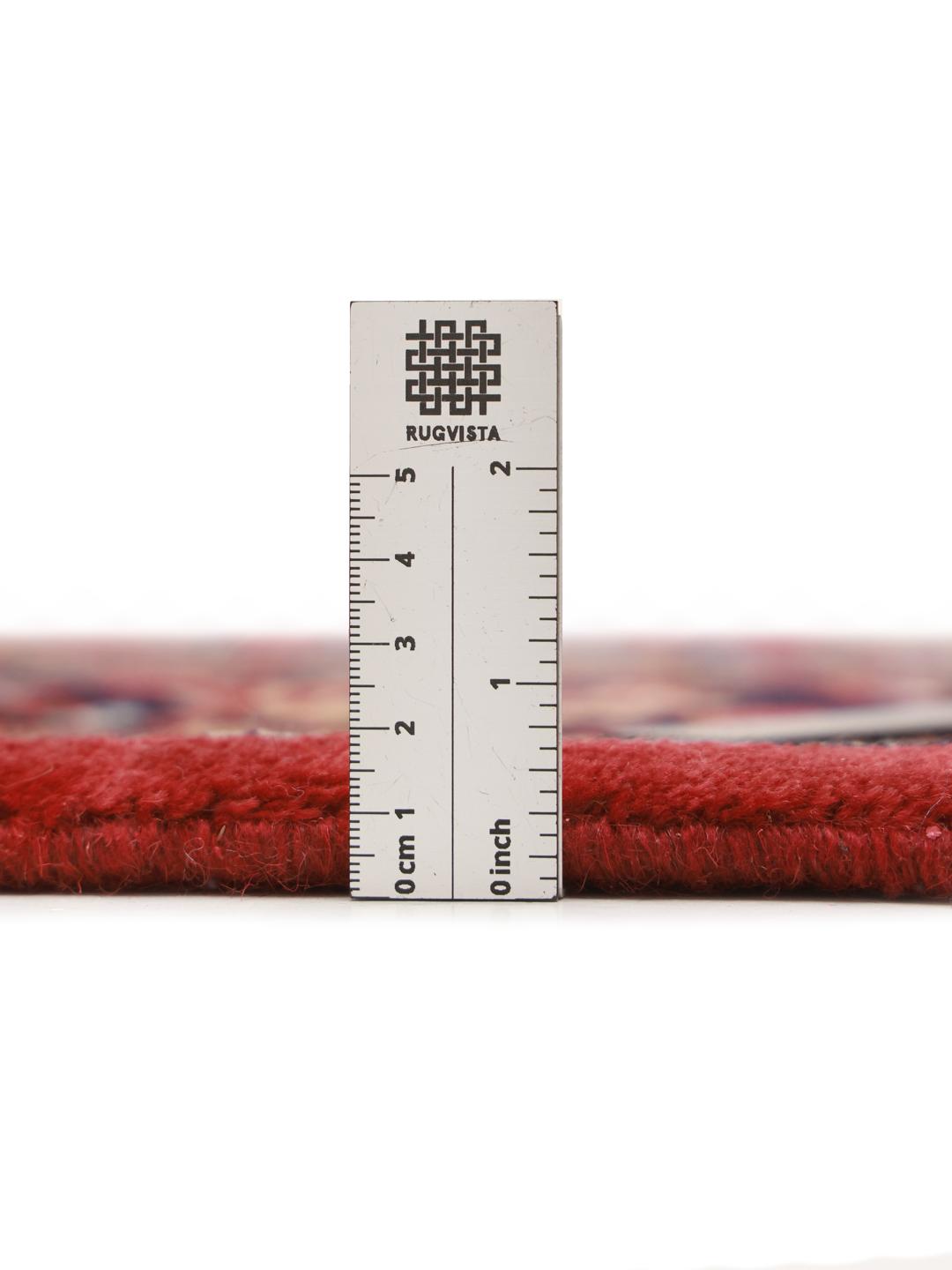
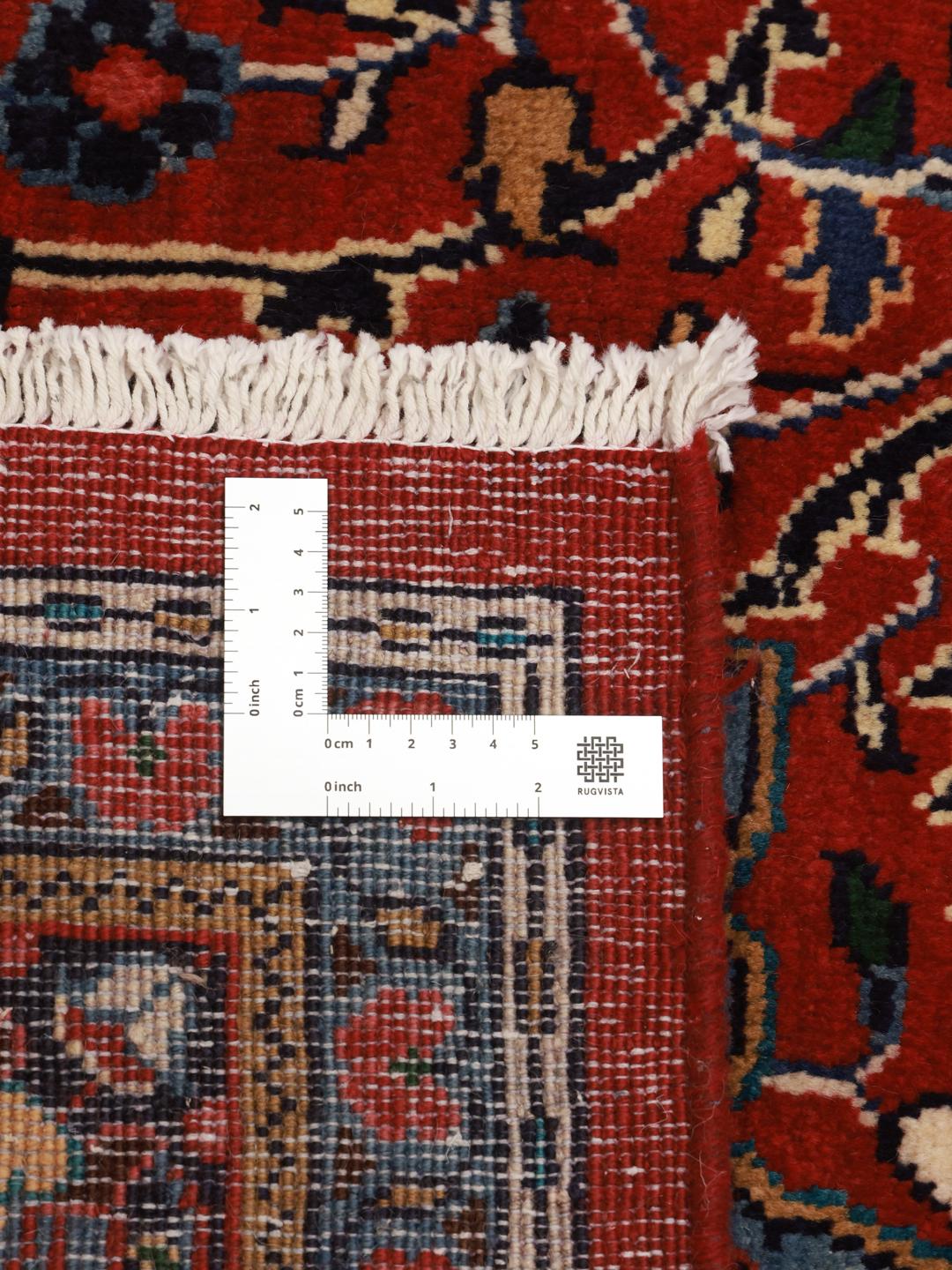
Mahal rugs are celebrated for their distinctive style, originating from the village of Mahal in the Middle East. Historically, these rugs were produced for the Western market, which led to the development of unique designs that combined traditional regional aesthetics with a sense of scale and proportion that appealed to international tastes. This cross-cultural dialogue helped shape the Mahal rug into the iconic and highly sought-after piece it is today.
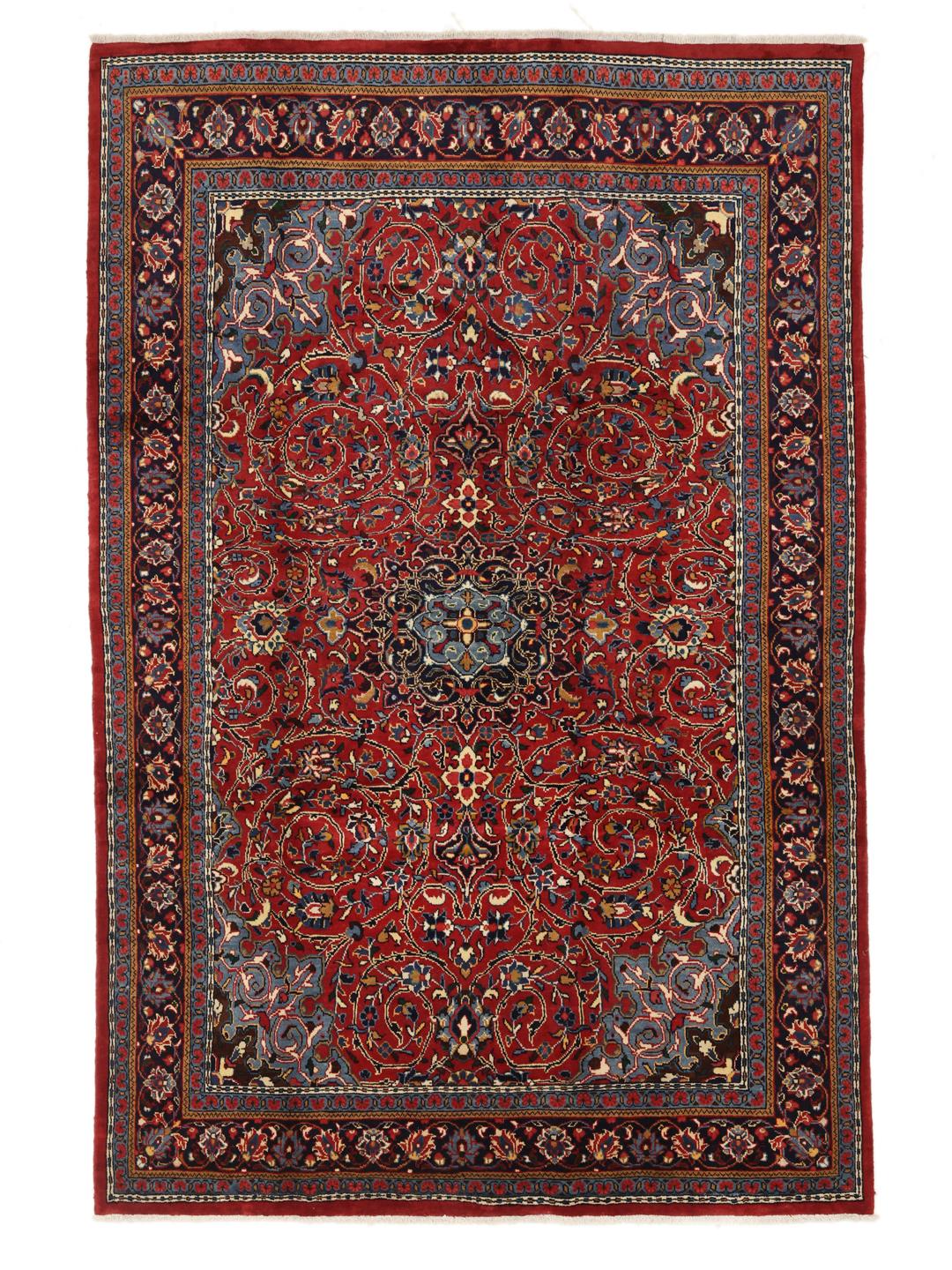
The term Mahal refers to the specific style of weaving and design that evolved in this region. These rugs are known for their bold, oversized floral patterns and a relaxed, artistic approach to symmetry. Unlike some formal, tightly geometric styles, Mahal rugs often feature a more fluid and organic composition, which is achieved through a deep understanding of traditional weaving techniques.
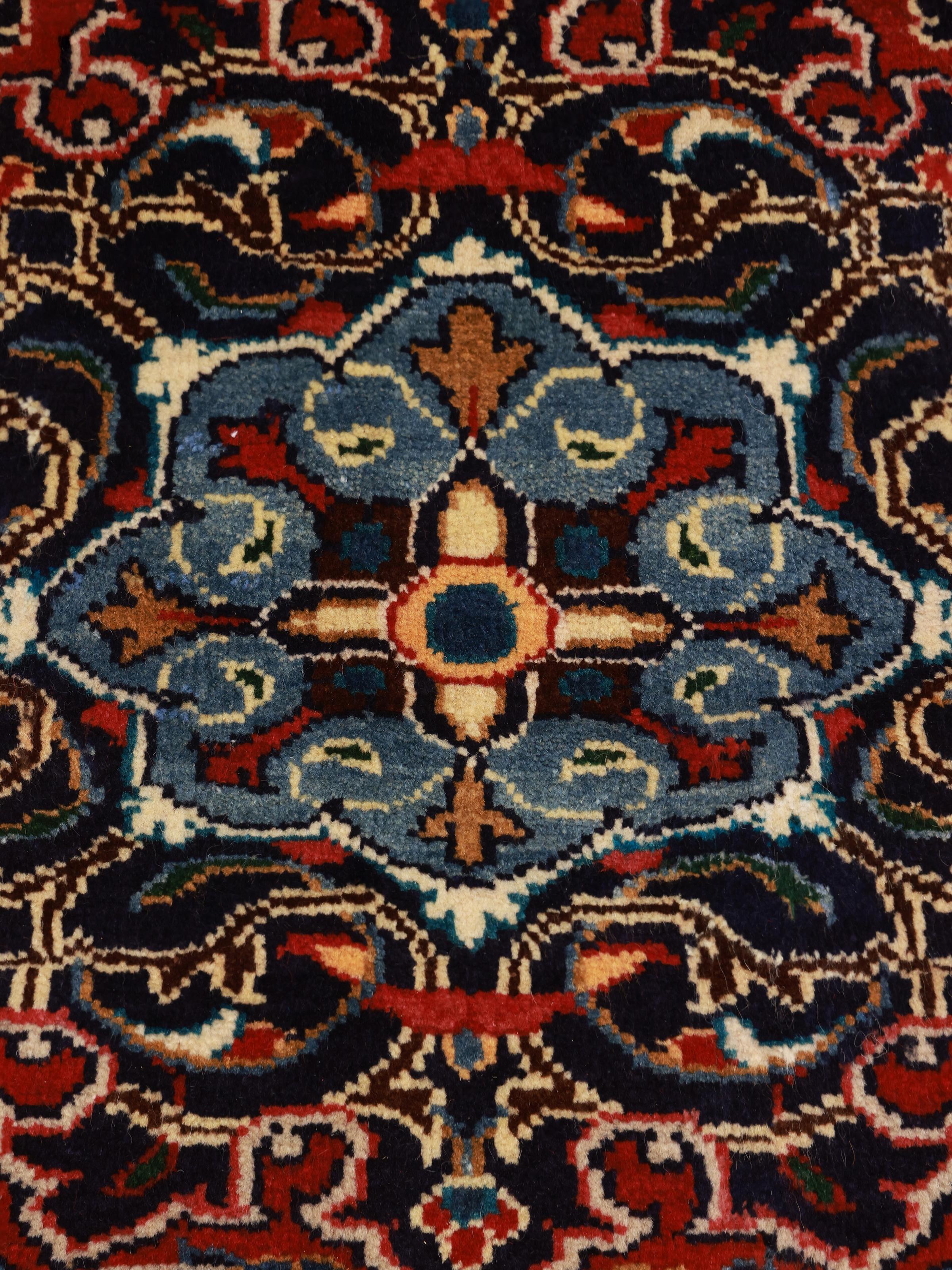
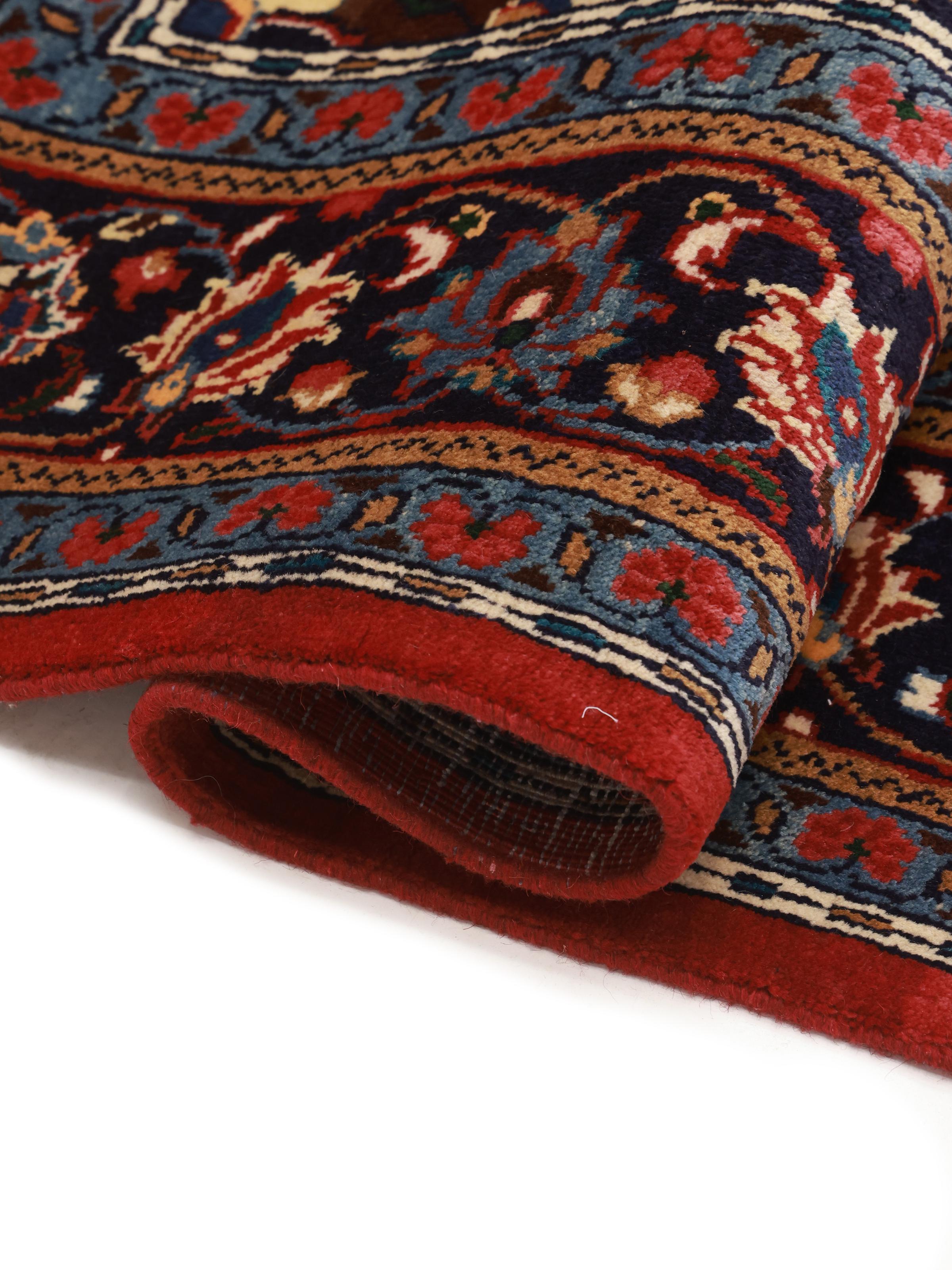
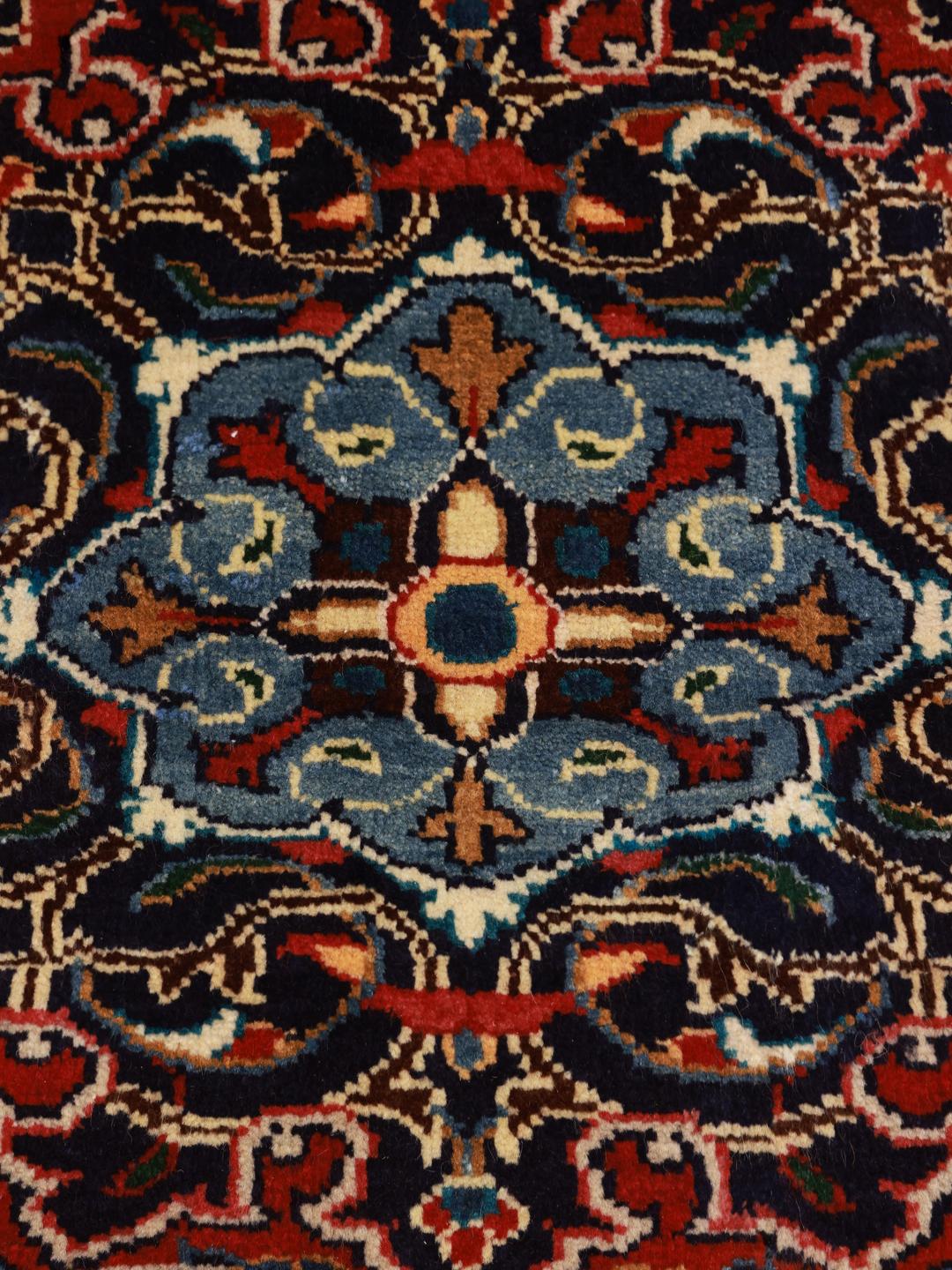
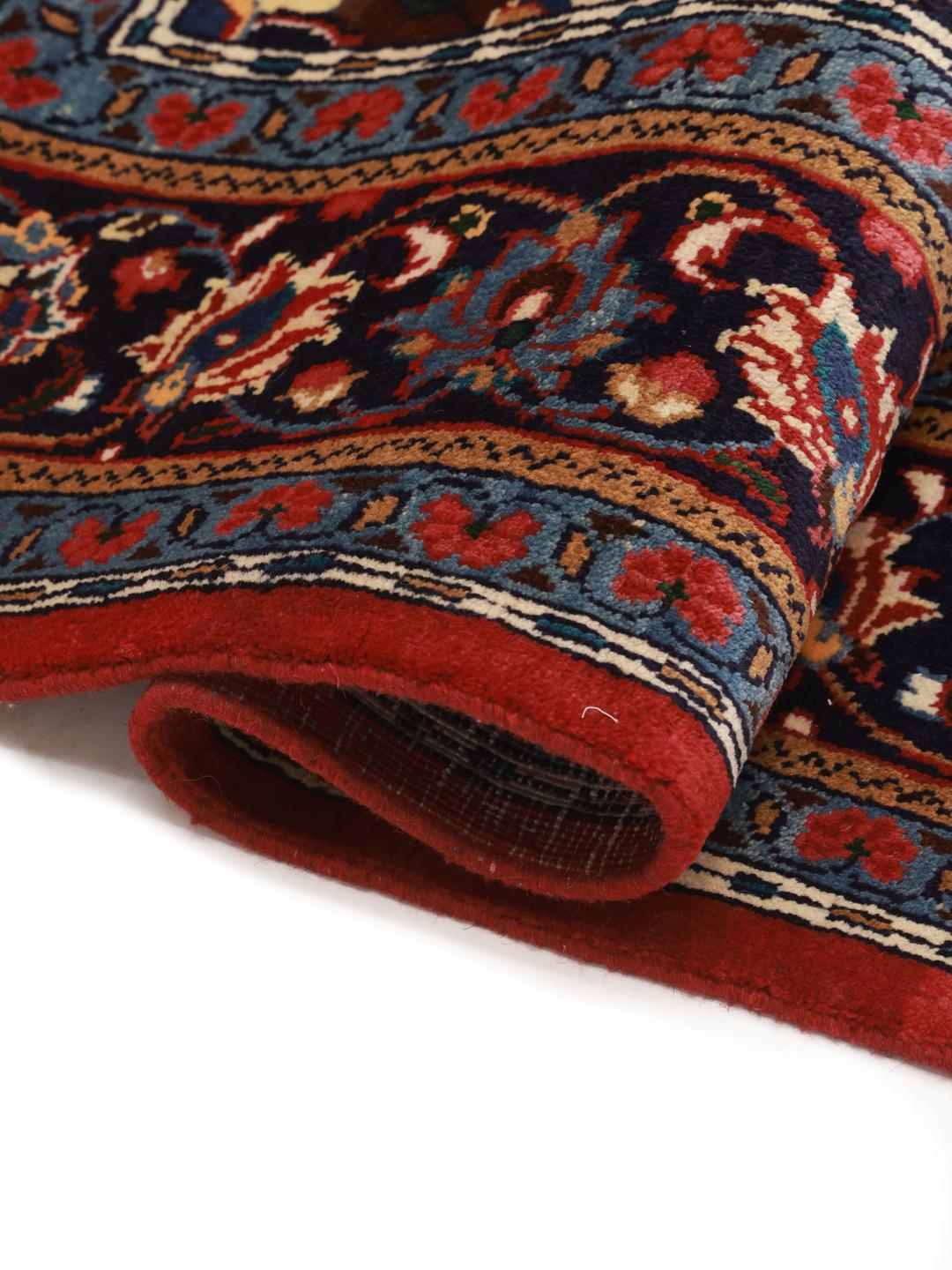
Signature design elements of these rugs include large-scale floral sprays, palmettes, and scrolling vines that fill the field in an elegant, rhythmic pattern. The borders are typically well-proportioned, framing the central field with complementary motifs that echo the primary design. The use of natural dyes historically gave these rugs their characteristic depth and warmth, a tradition that remains a hallmark of their visual appeal.
Owning a Mahal rug is a connection to a long-standing tradition of craftsmanship. These rugs are highly valued by collectors not only for their beauty but for the cultural narrative they carry. They represent a bridge between the artistic heritage of the Middle East and the modern home, offering a sense of history and human connection that makes them truly special additions to any collection.