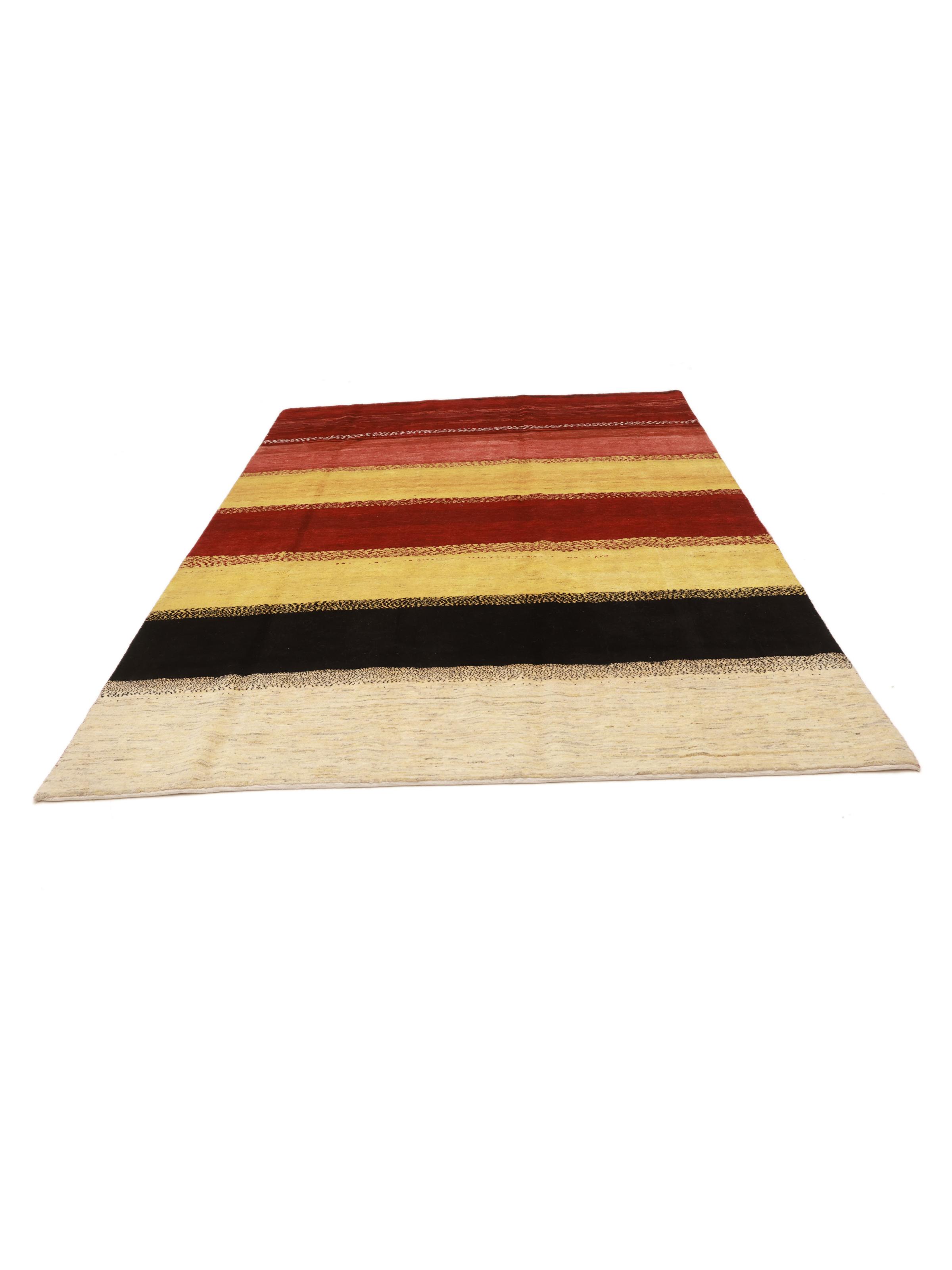
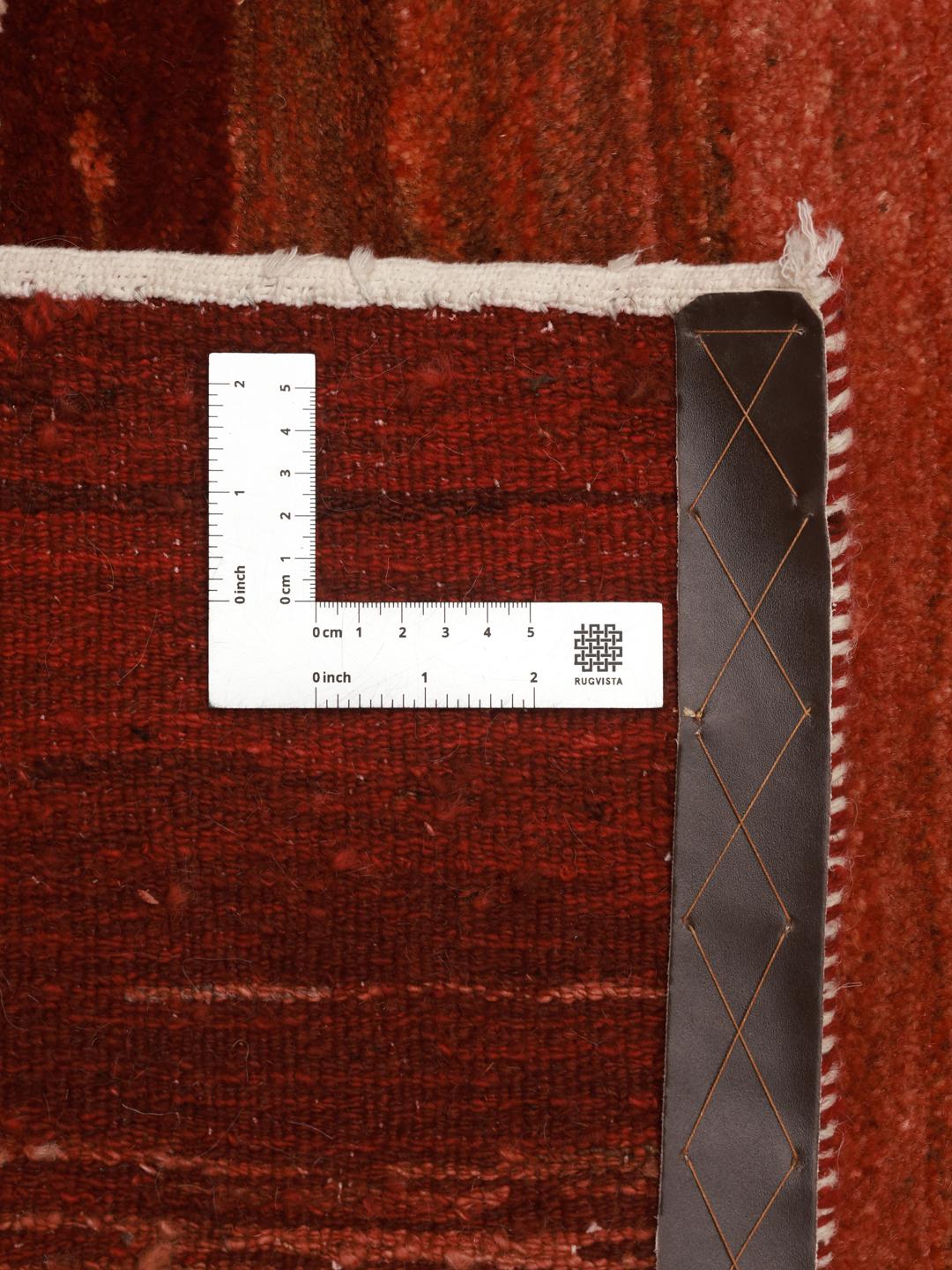
Loribaft rugs, often closely related to the Kashkooli tradition, originate from the nomadic tribes of the Middle East. These rugs were historically created by tribal weavers who drew inspiration from their immediate environment, using natural dyes and hand-spun wool to create functional items for tent life. Over time, these styles have evolved into the sophisticated, highly sought-after pieces we see today, known for their thicker pile and more relaxed, artistic designs.
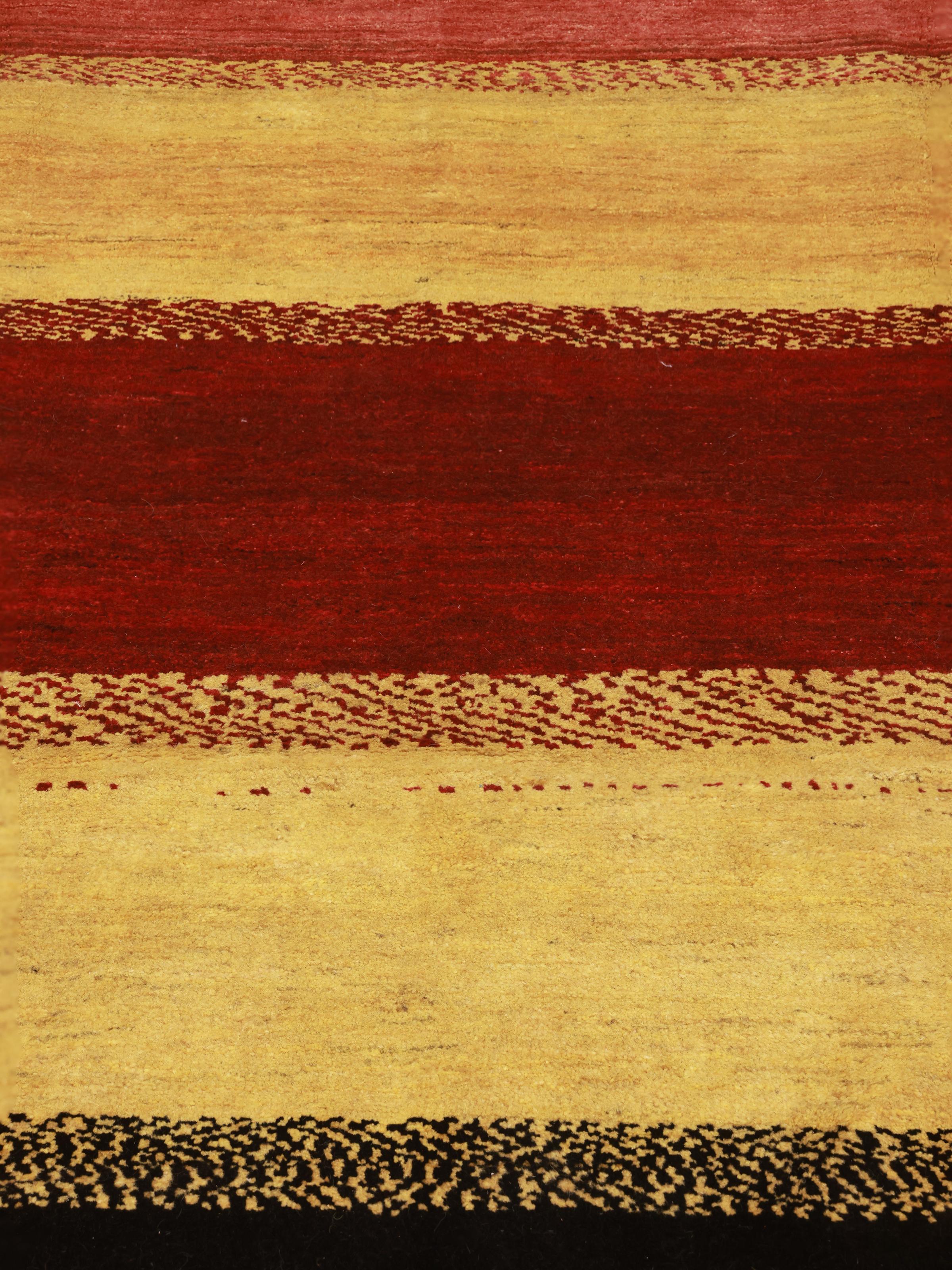
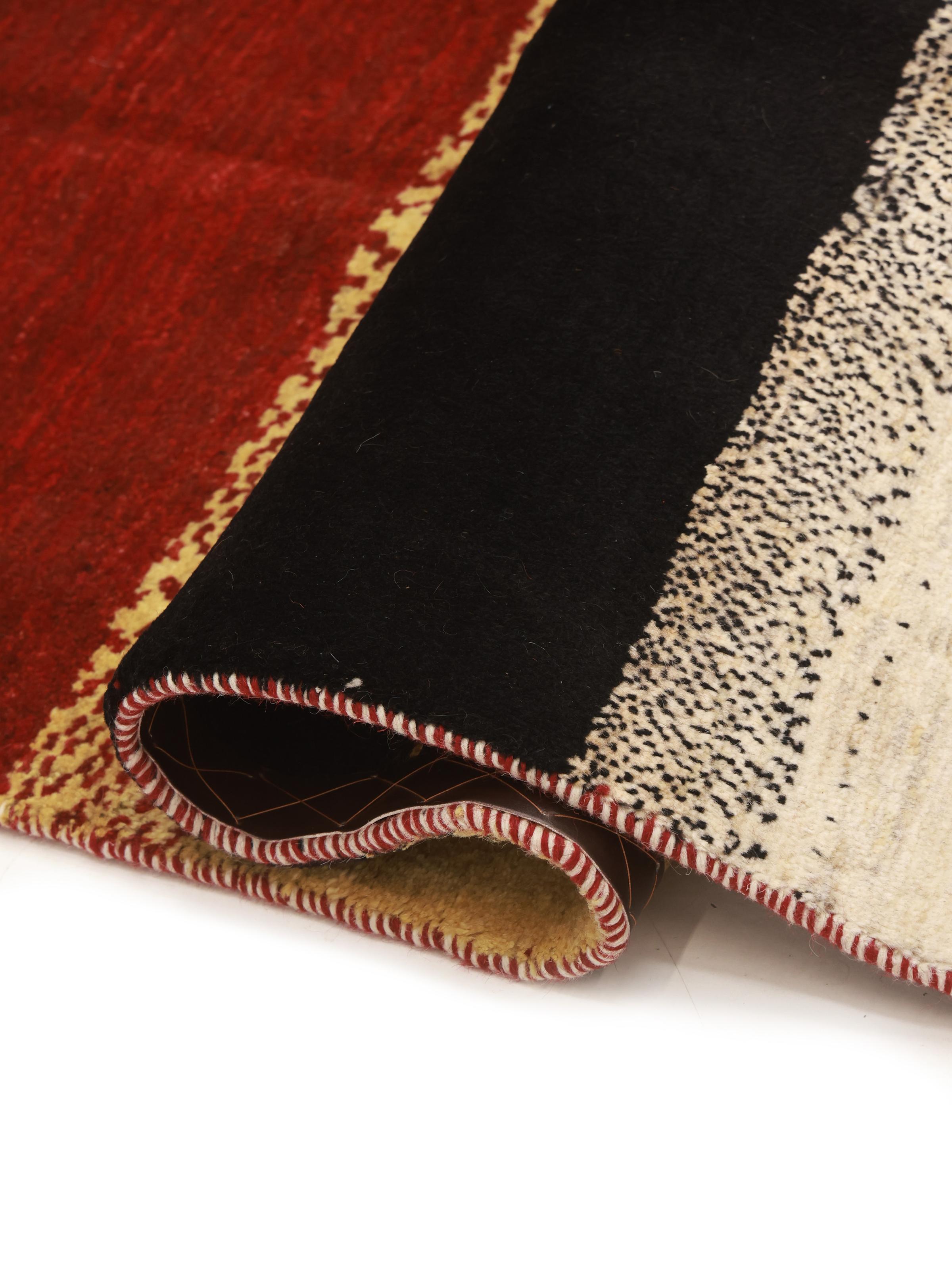
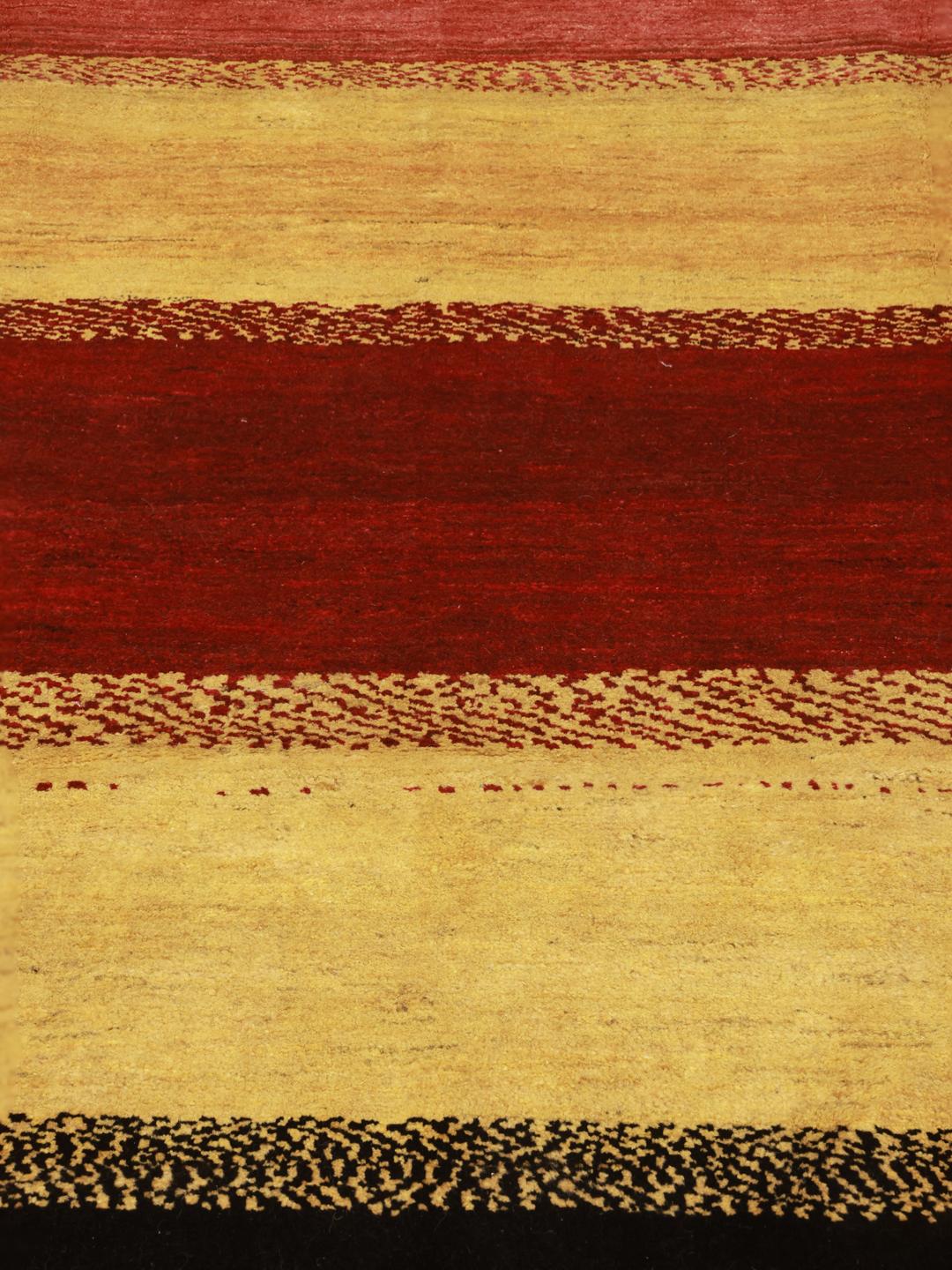
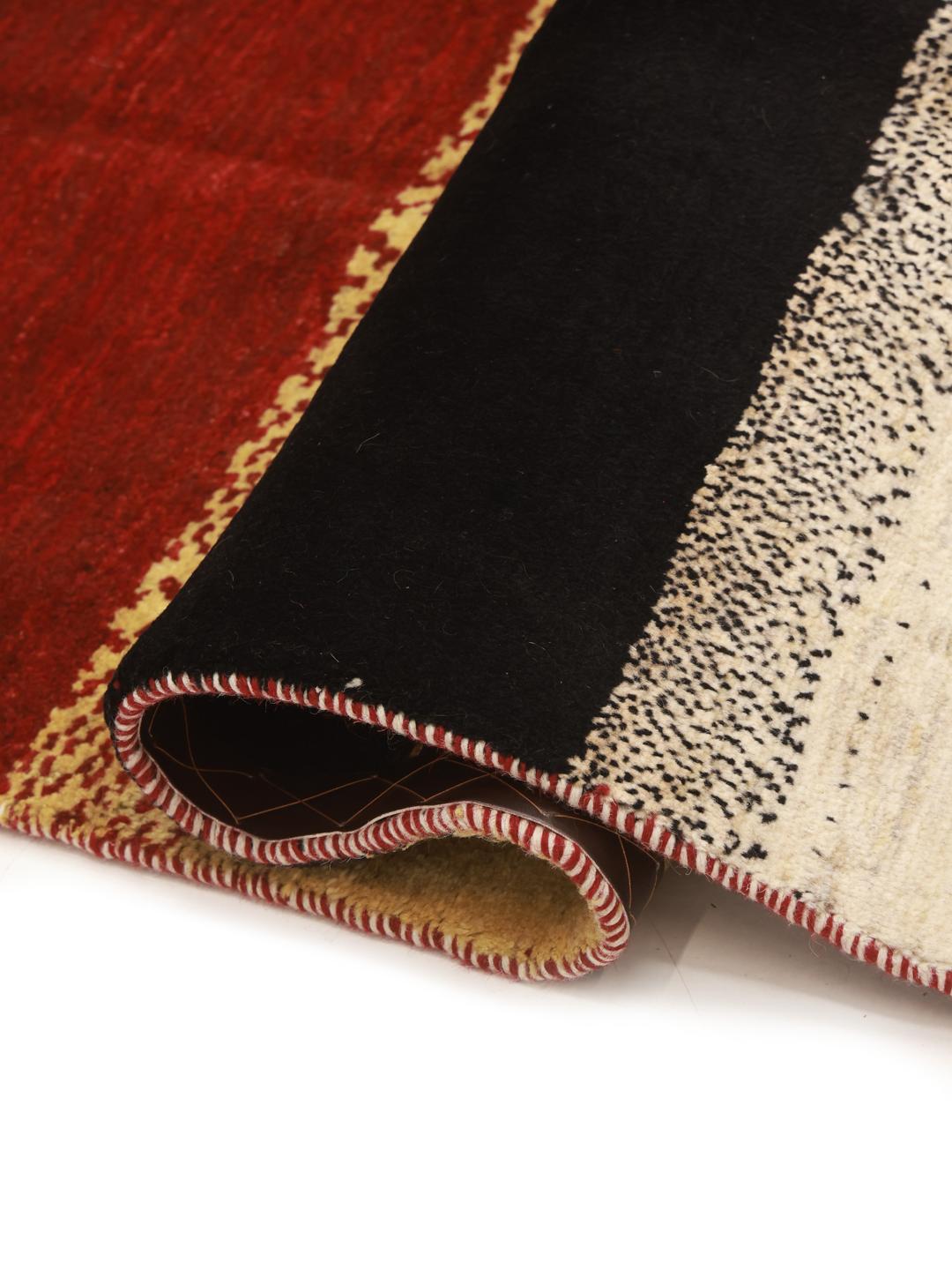
The term 'Baft' refers to the weaving process, and in the case of these rugs, it signifies a specific approach to knotting that creates a dense and luxurious surface. This construction is highly valued because it results in a pile that is not only soft and comfortable but also incredibly resistant to wear. The use of high-quality, hand-spun wool ensures that the rug retains its natural lanolin, which provides a soft sheen and inherent dirt resistance.
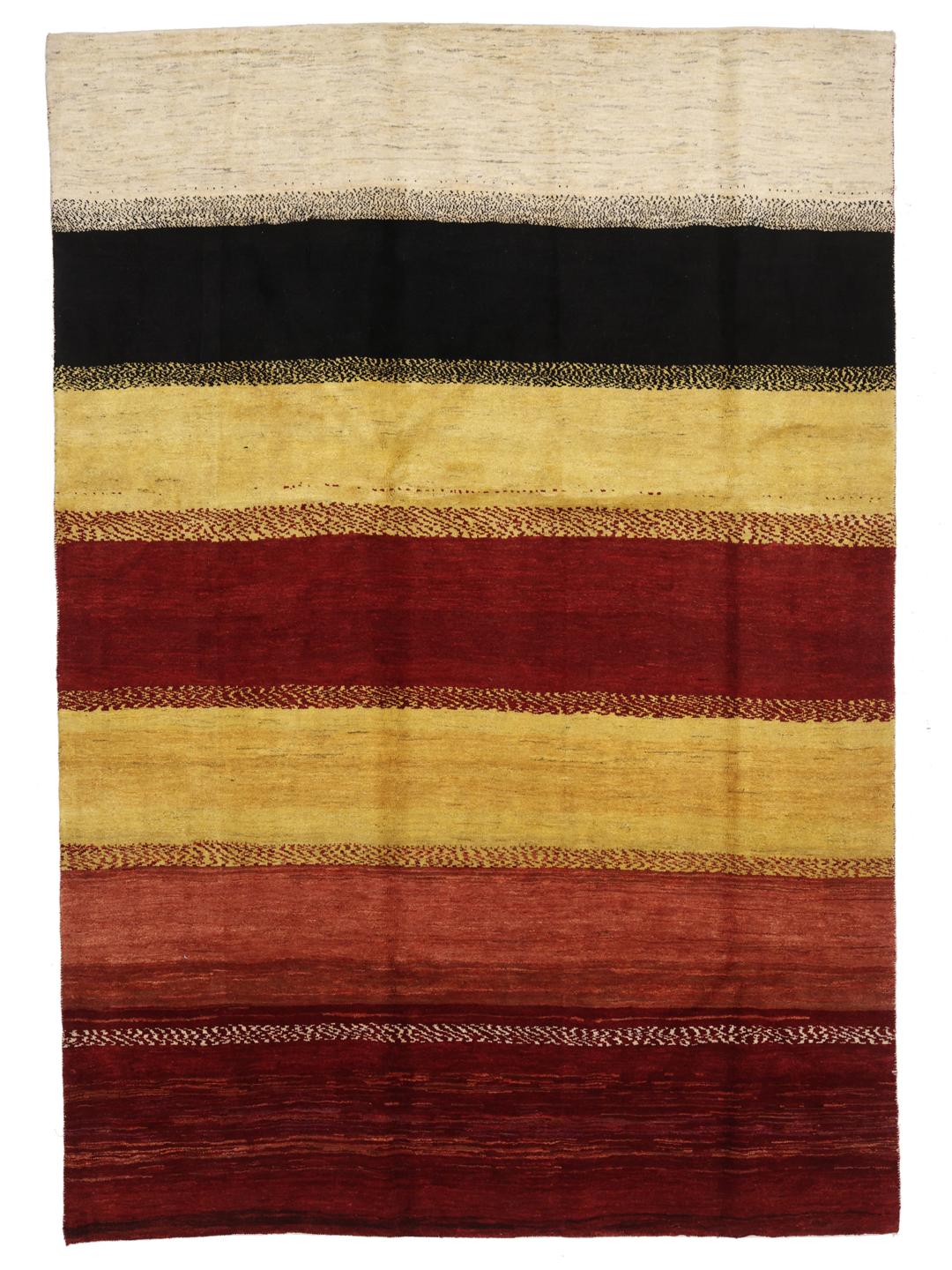
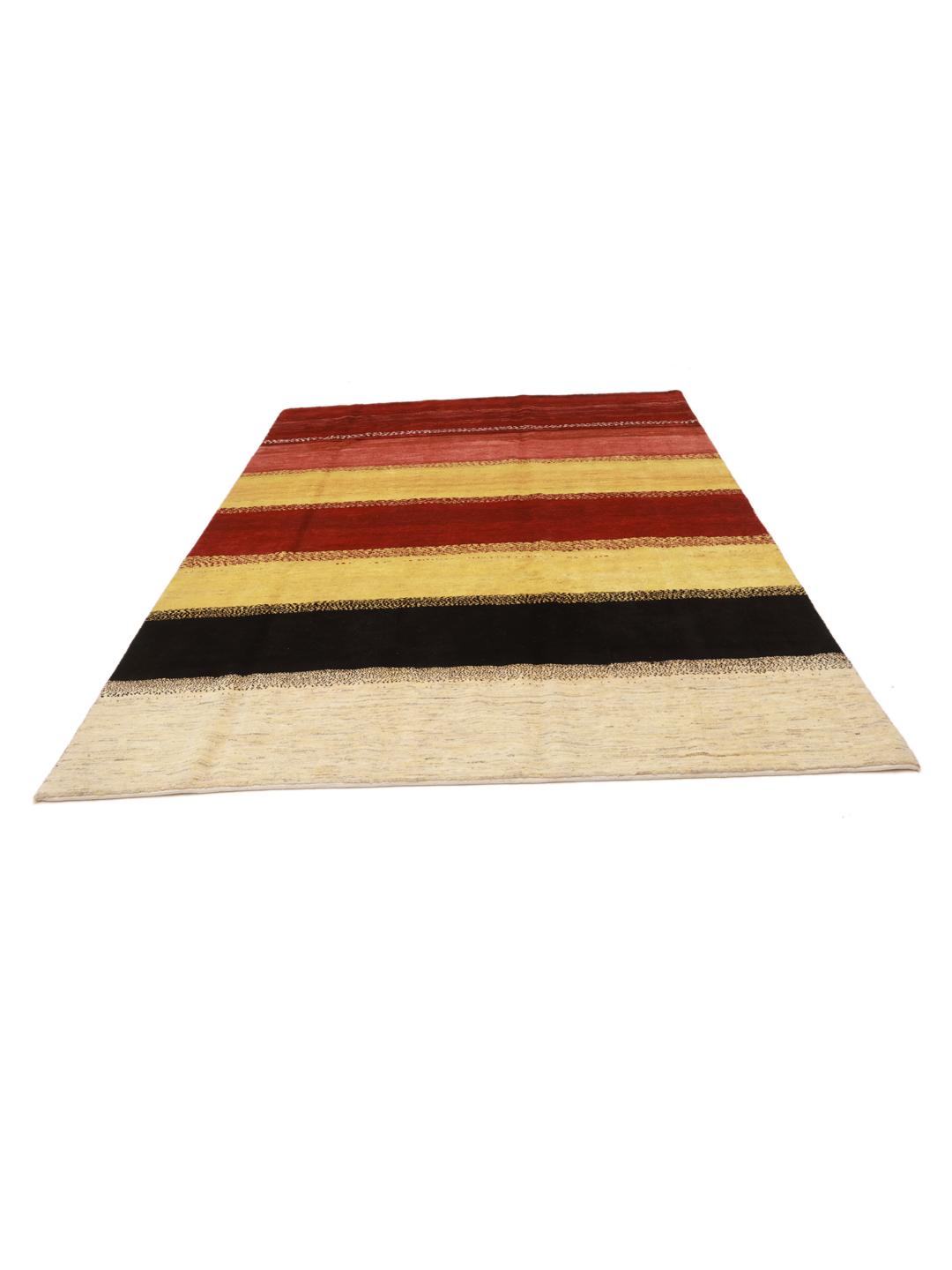
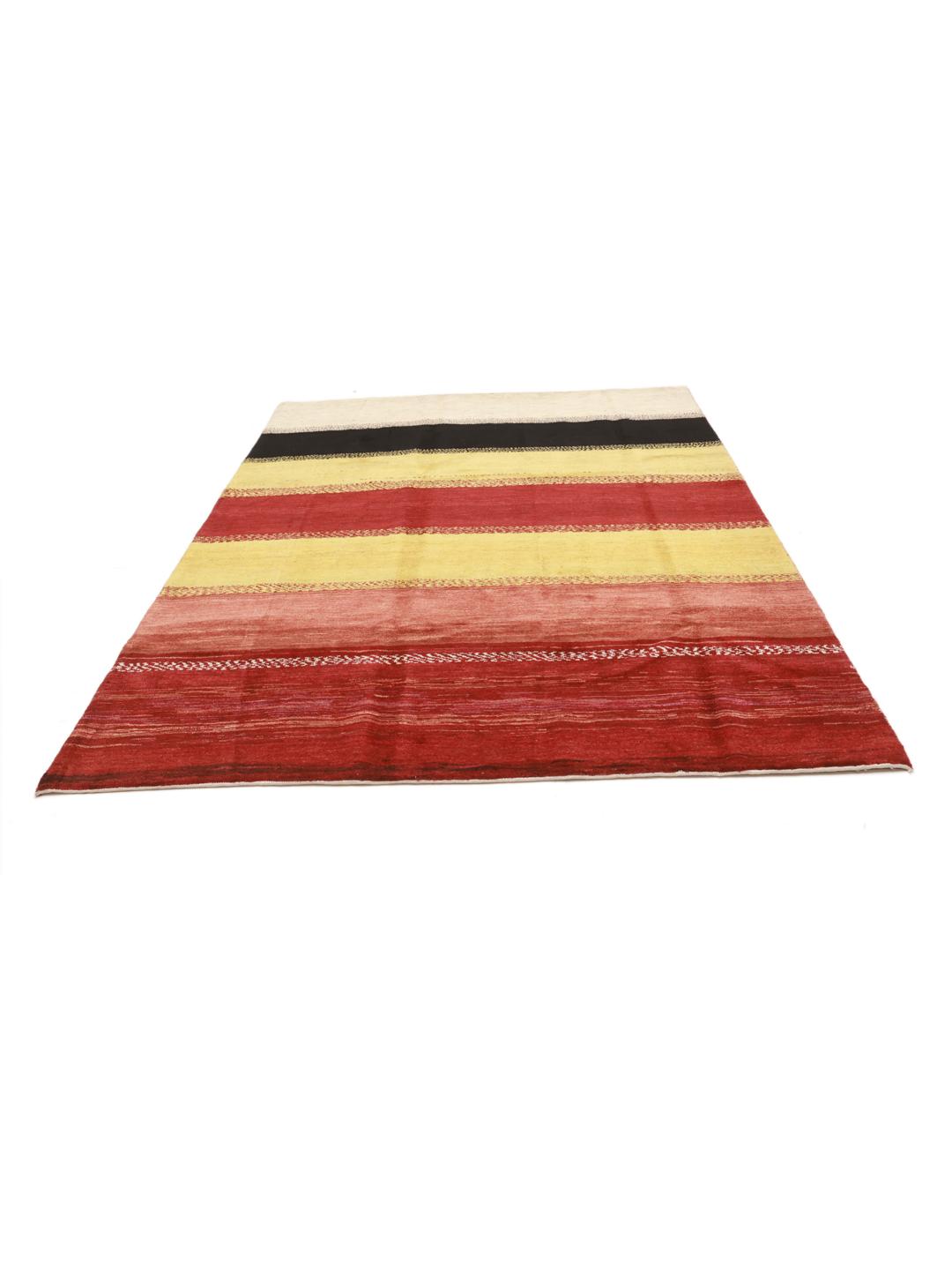
Visually, these rugs are celebrated for their bold, often abstract or minimalist designs. While traditional tribal rugs might feature geometric medallions, the Loribaft style frequently explores the beauty of colour and texture through simple motifs or, as seen here, striking bands of colour. These stripes are a classic expression of the weaver's ability to balance vibrant hues, creating a rhythmic, harmonious flow that adds energy to any floor space.
Collecting a rug from this tradition is an act of supporting a living history. These pieces are valued for their authenticity and the human story woven into every knot. Owning a Loribaft rug signifies a deep appreciation for craft, heritage, and the enduring beauty of handmade objects that carry the spirit of their makers into your modern home.