The Loribaft rug tradition is deeply rooted in the nomadic history of the Middle East, specifically associated with the nomadic tribes who have passed down their weaving knowledge through generations. These rugs are celebrated for their simplicity and the raw, natural beauty of the materials used, reflecting a lifestyle that is intimately connected to the landscape and the seasons.
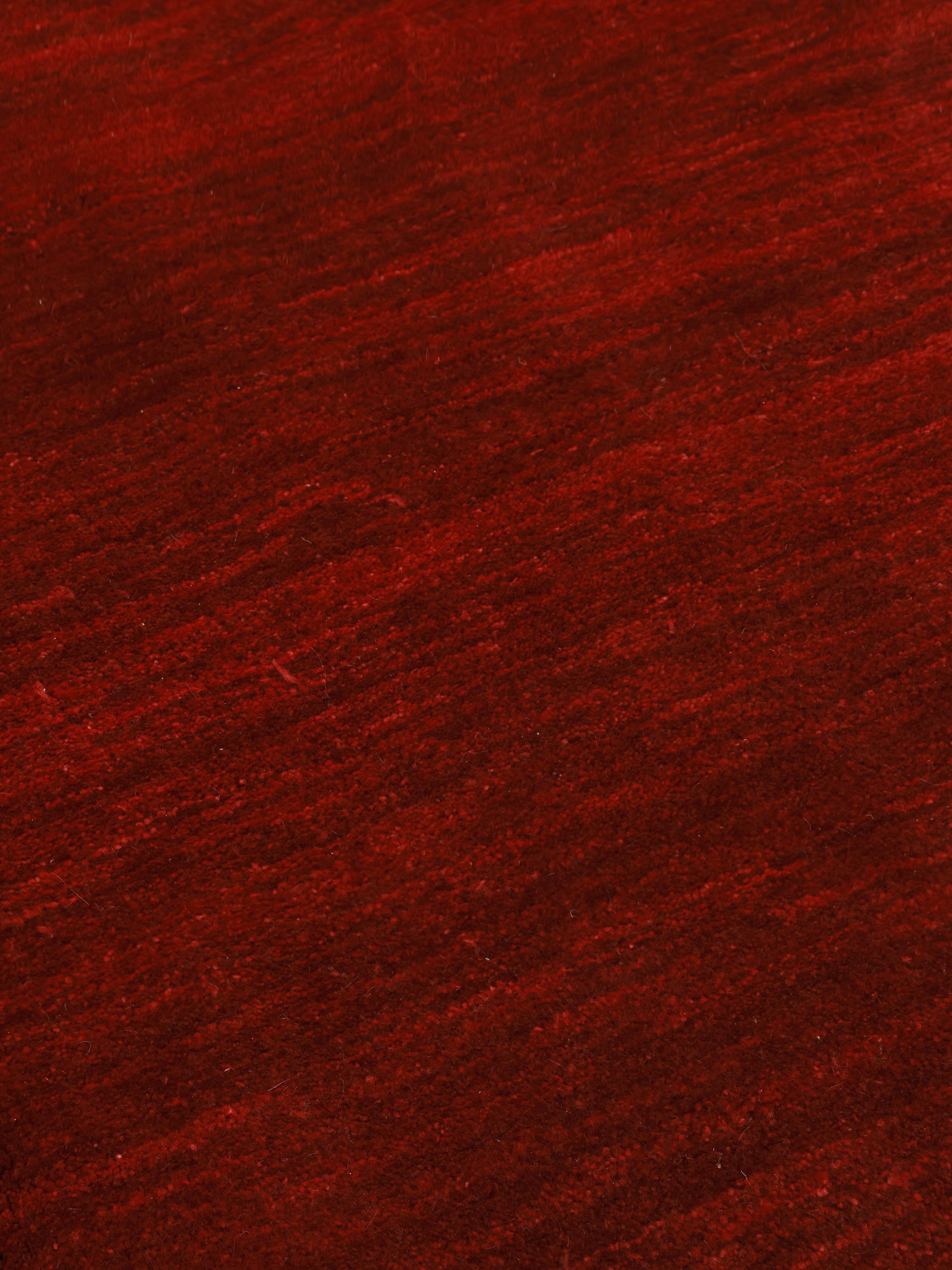
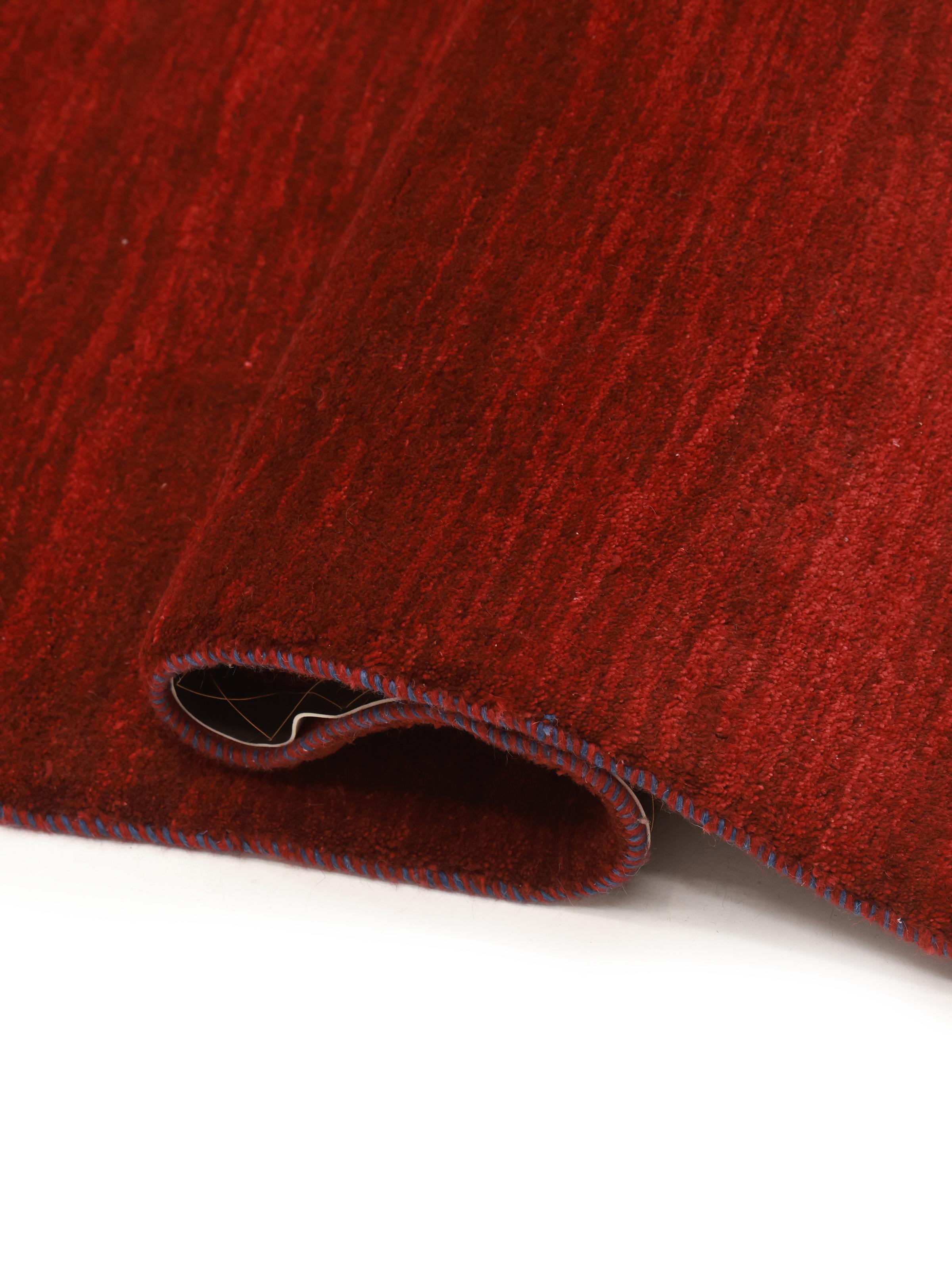
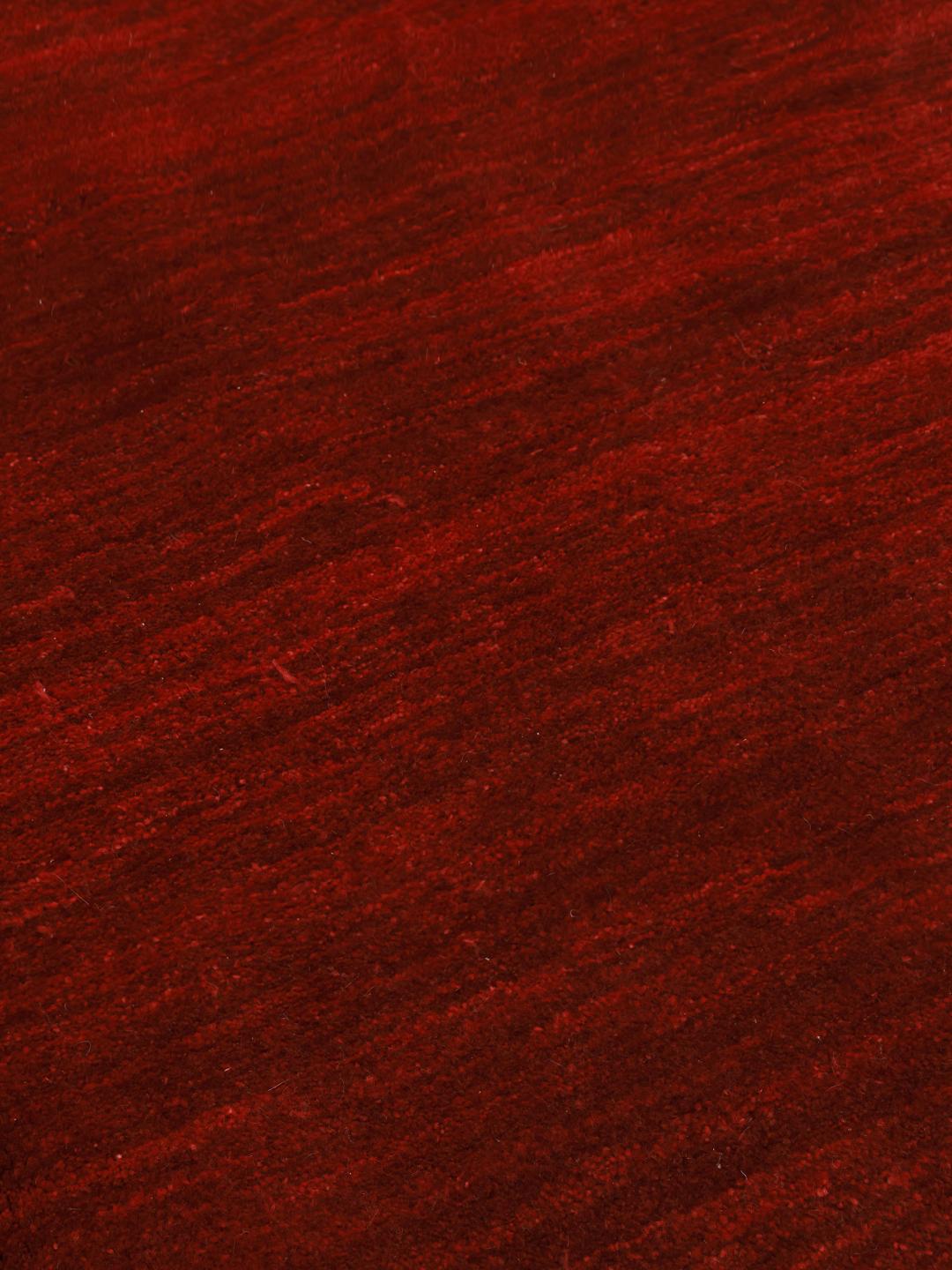
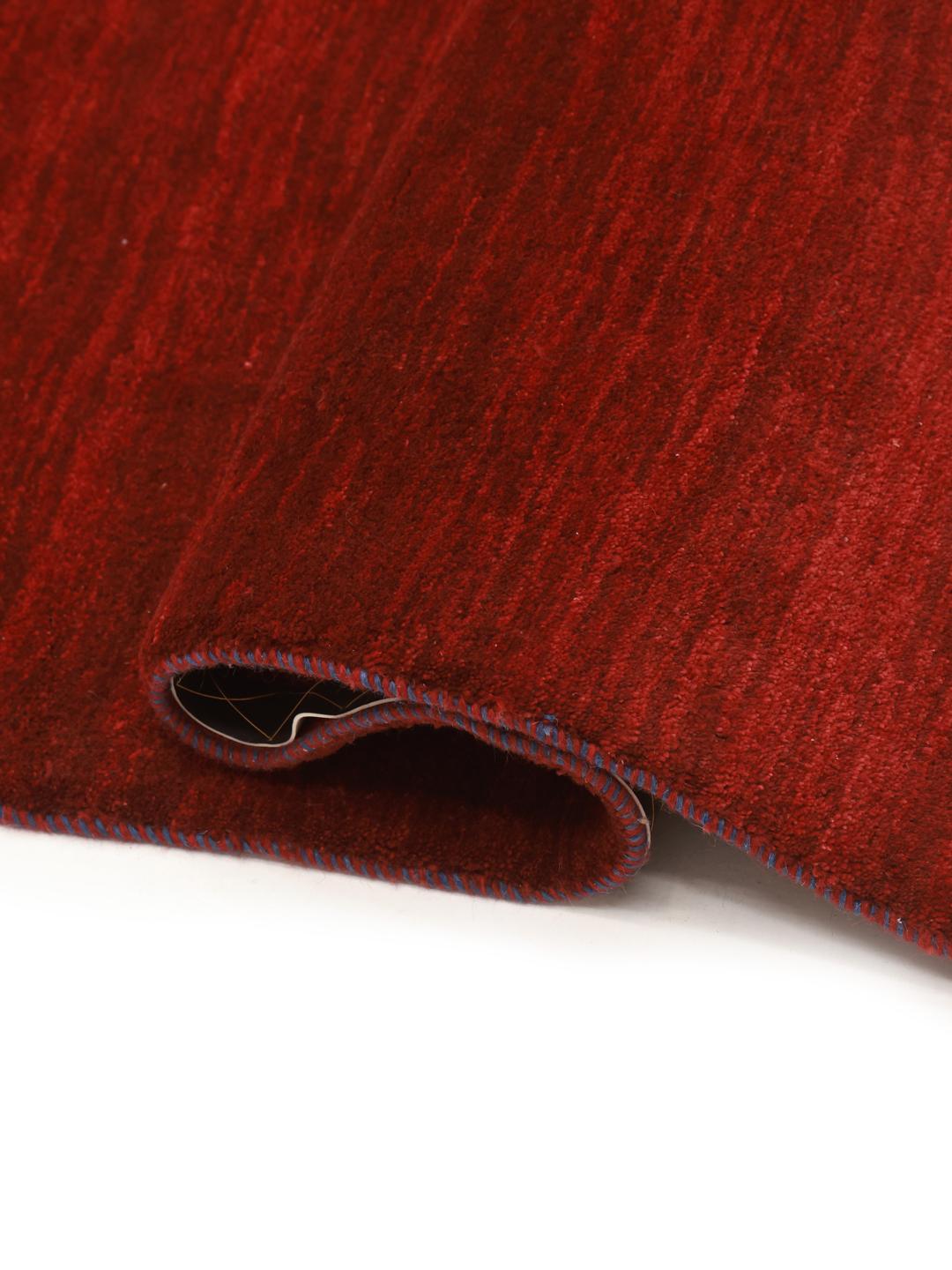
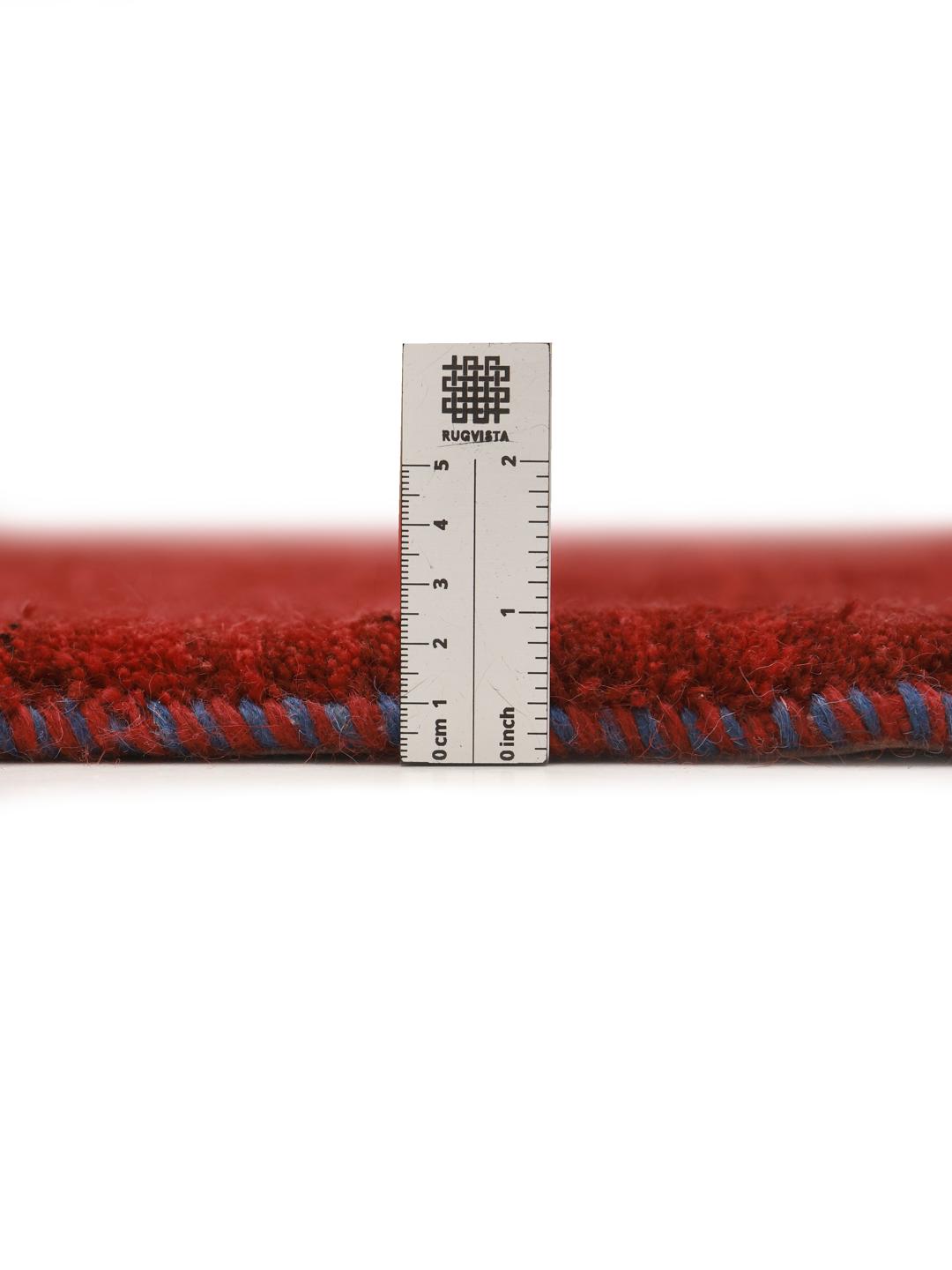
The term Loribaft refers to a specific, high-quality style of weaving that emphasises a dense, plush pile. Unlike more intricate, pattern-heavy carpets, Loribaft rugs often prioritise the texture and the depth of colour, showcasing the skill of the weaver through the consistency of the knotting and the quality of the wool. This focus on the tactile experience makes them a favourite for those who value both comfort and authenticity.
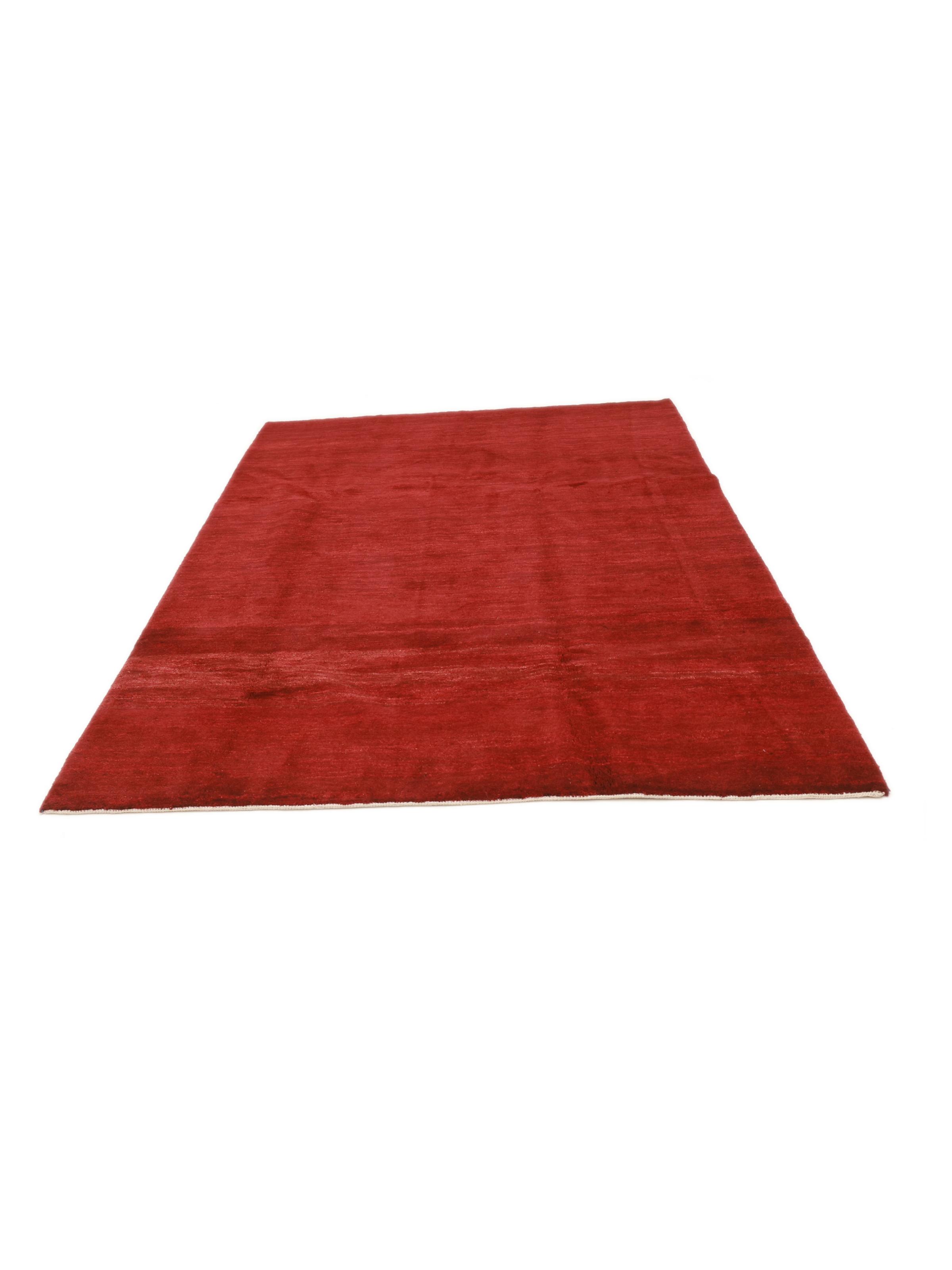
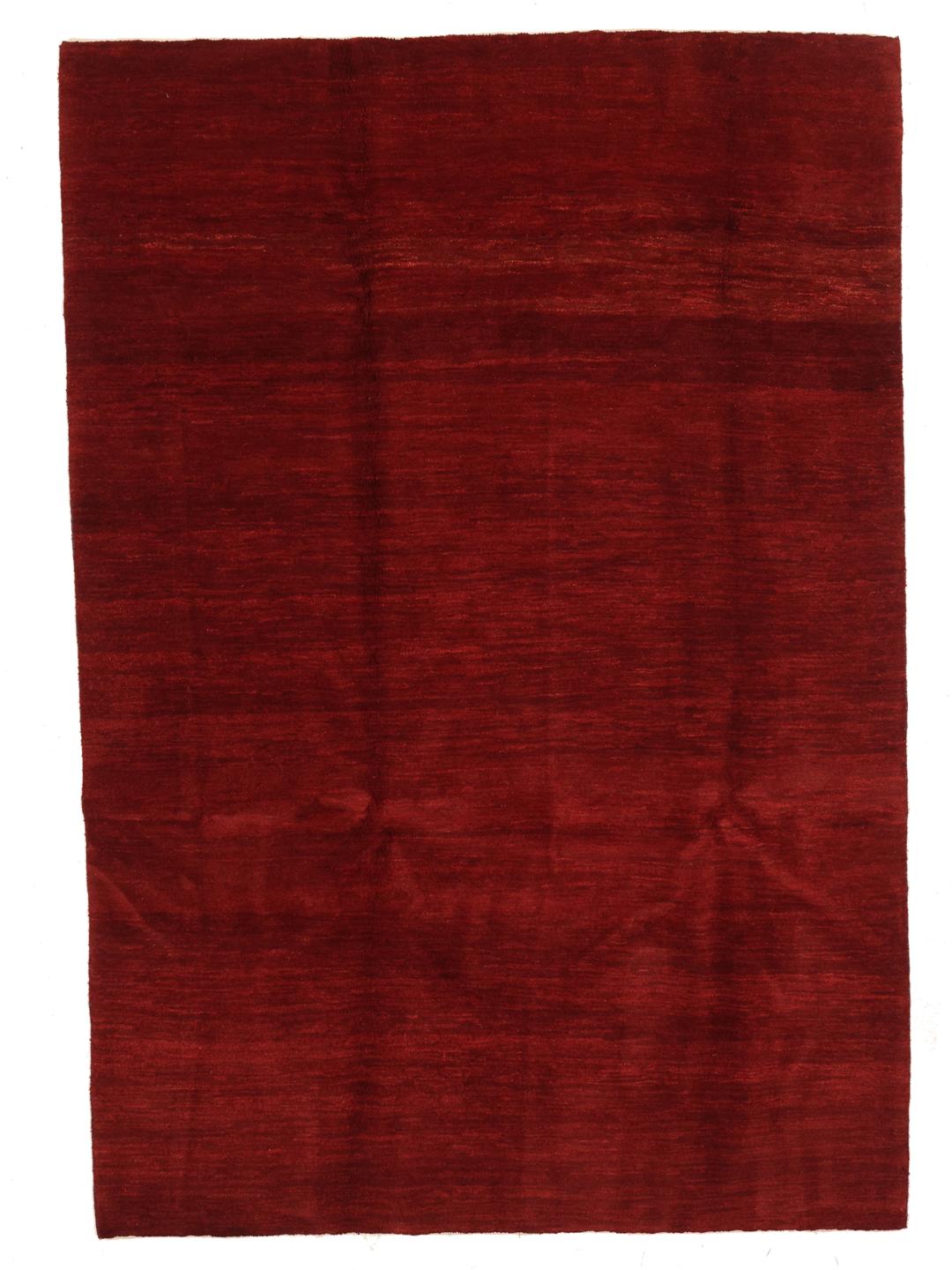
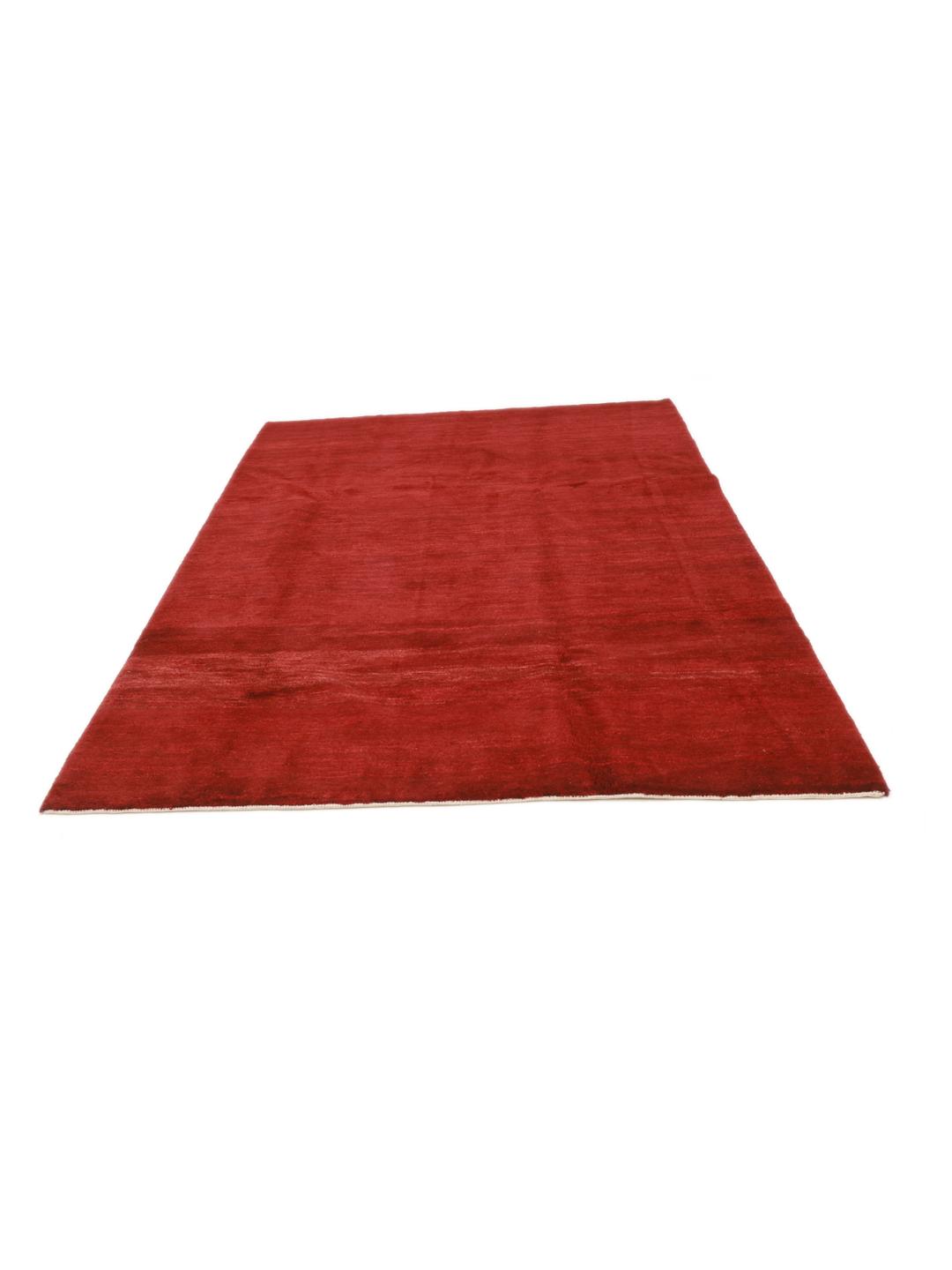
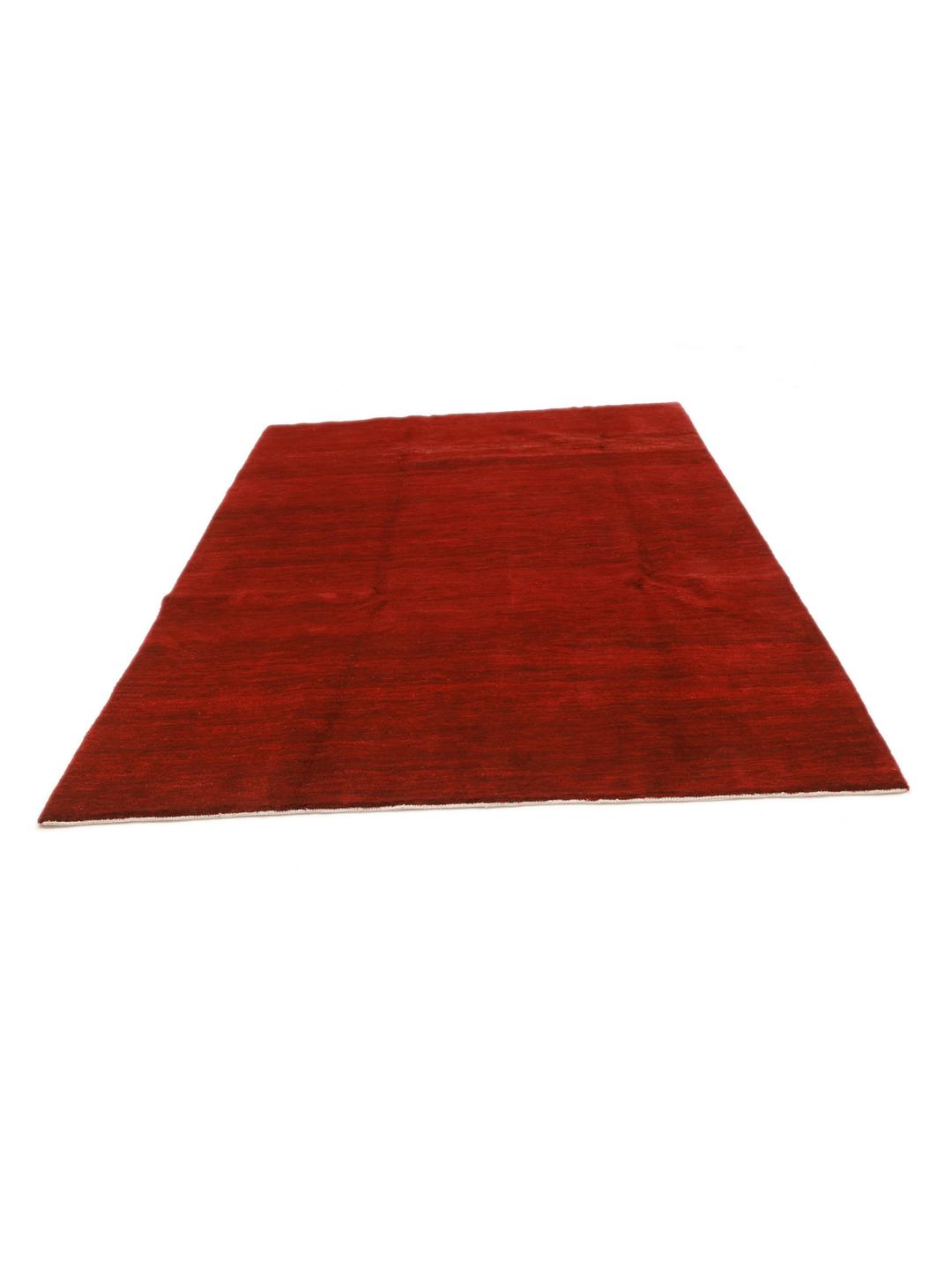
While many traditional rugs from this region are known for their geometric or floral motifs, the Loribaft is often distinguished by its minimalist approach, sometimes featuring solid or subtly variegated colour fields. This design choice highlights the natural variation in the wool and the depth of the dyes, creating a visual richness that is both understated and powerful. It is a style that bridges the gap between ancient craft and contemporary interior needs.
Collecting a Loribaft rug is an investment in a living tradition. These pieces are valued not just for their utility, but for the story they tell of the artisans and the cultural heritage of the region. By choosing this rug, you are preserving a craft that has survived for centuries, ensuring that this unique expression of skill and tradition remains a part of your home for many years.