The Loribaft rug tradition originates from the nomadic tribes of the Middle East, particularly the Luri and Qashqai people. These rugs were historically woven by women in tribal environments, using designs passed down through generations. The evolution of these rugs has moved from purely functional nomadic floor coverings to highly prized decorative pieces that are celebrated for their artistic freedom and connection to ancestral landscapes.
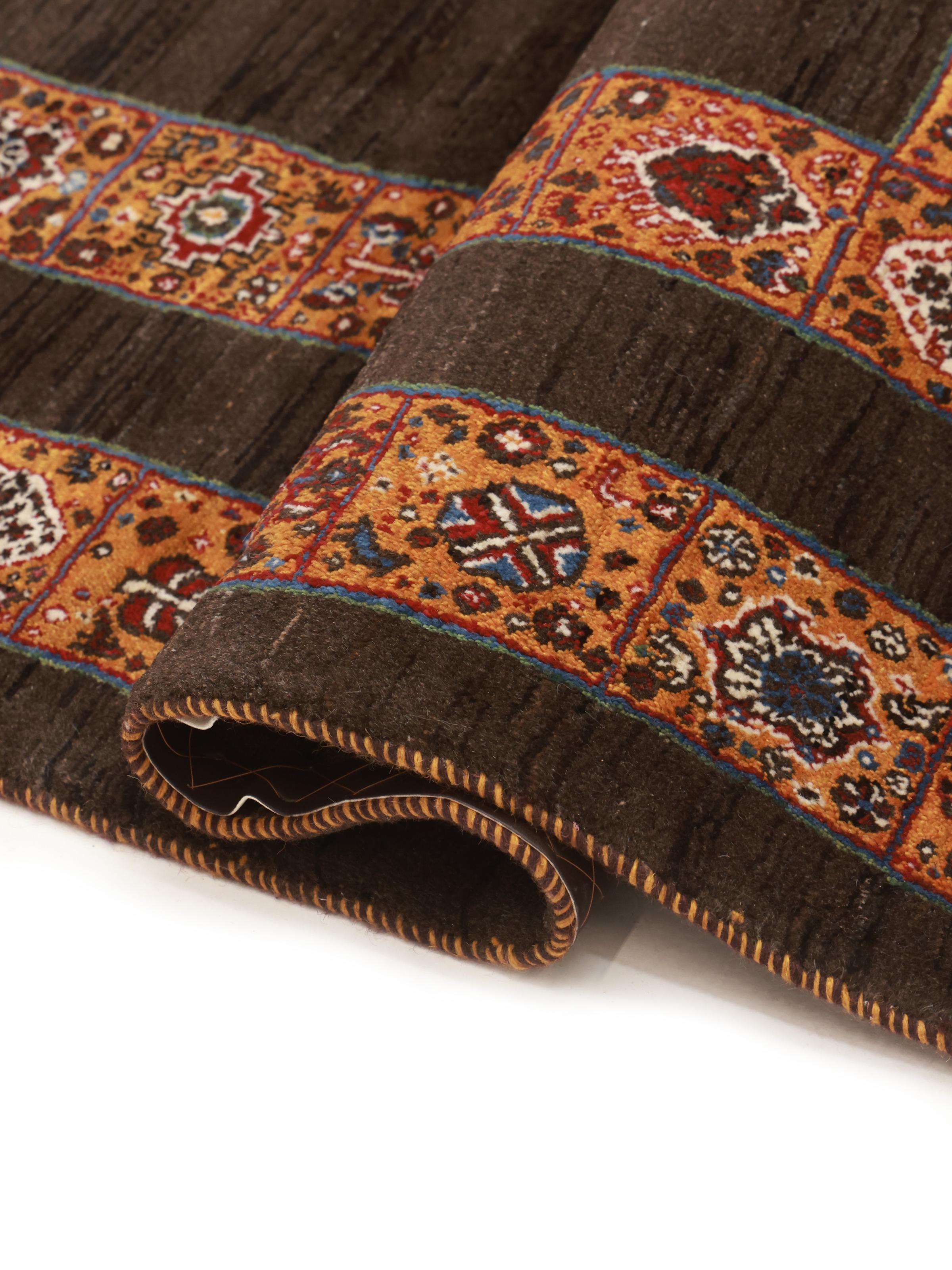
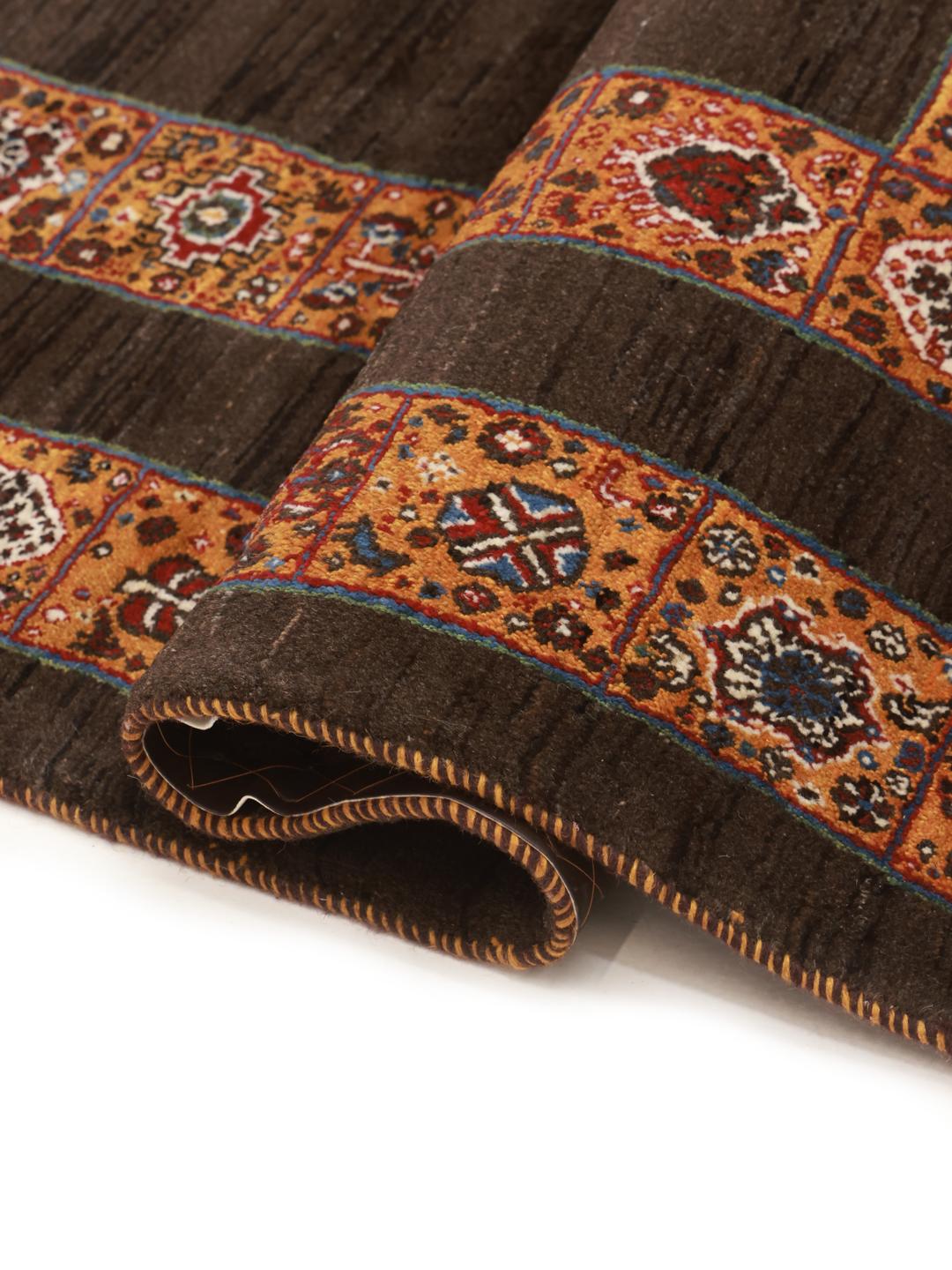
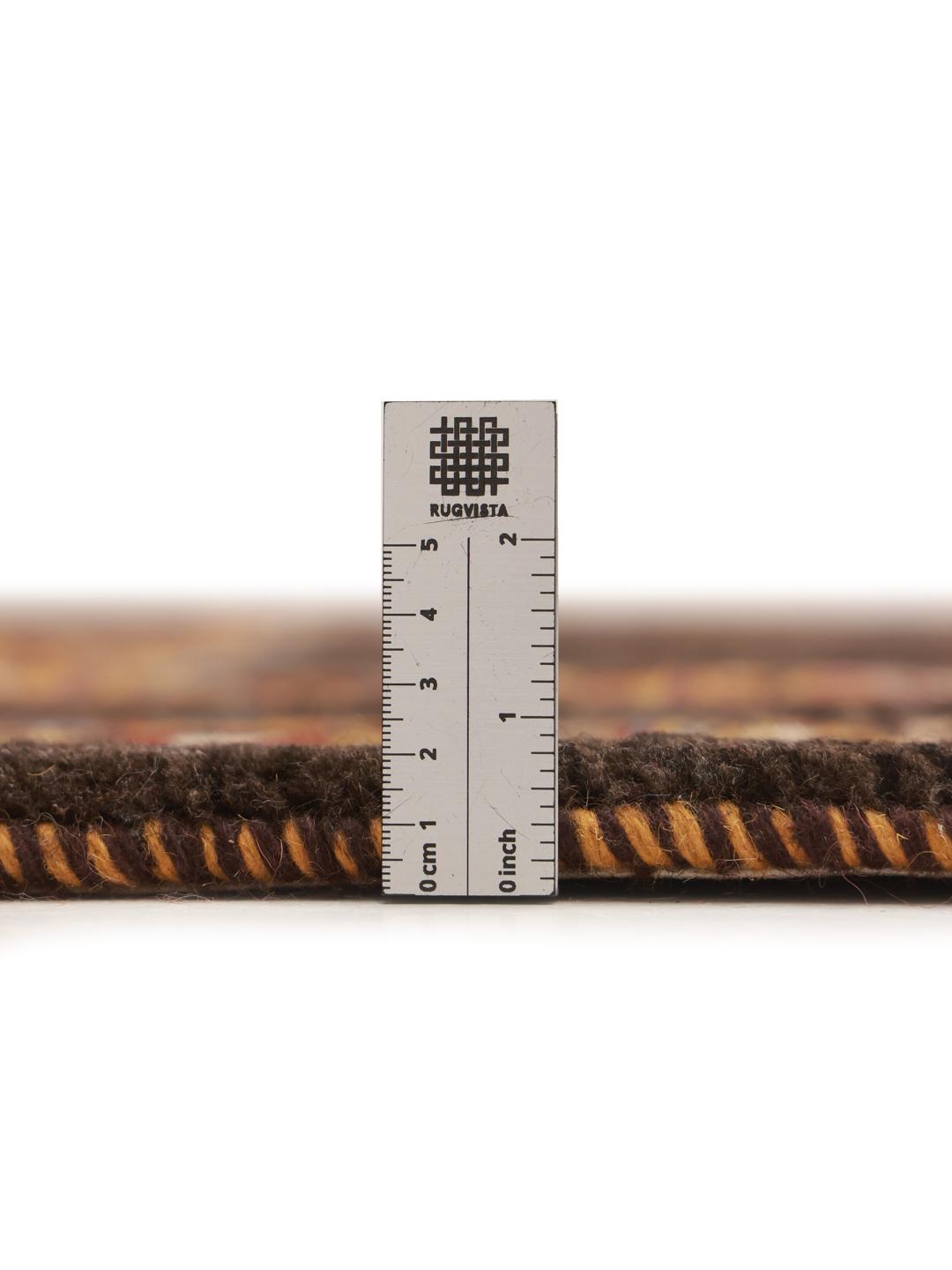
The term Loribaft refers to a style that emphasises a thicker, more plush pile, often using wool that is hand-spun to retain its natural lanolin. This provides a softer, more luxurious texture compared to thinner, more traditional flat-woven tribal rugs. The technical focus here is on the quality of the wool and the density of the knots, which together determine the rug's longevity and its ability to age gracefully, developing a deeper character over time.
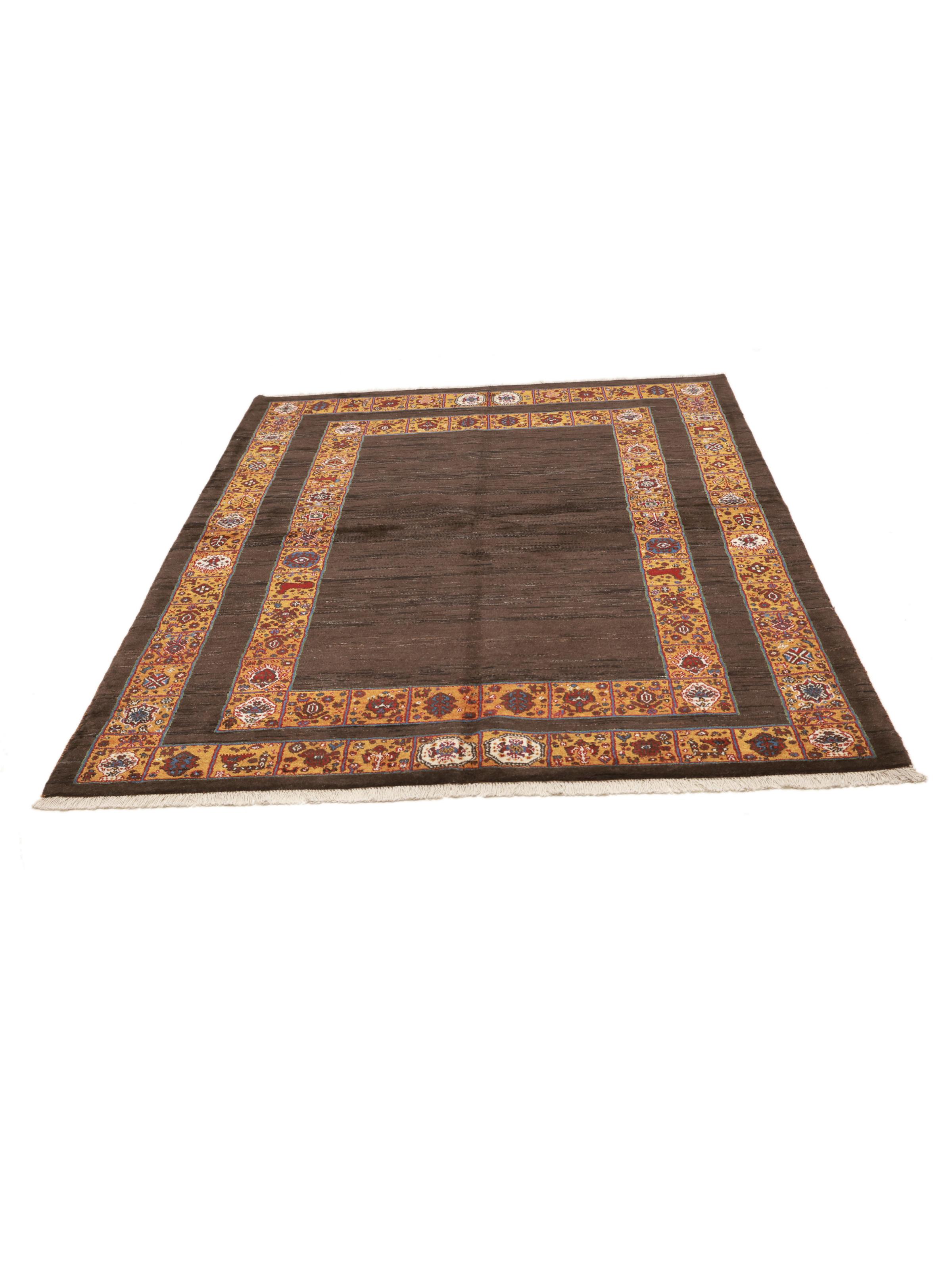
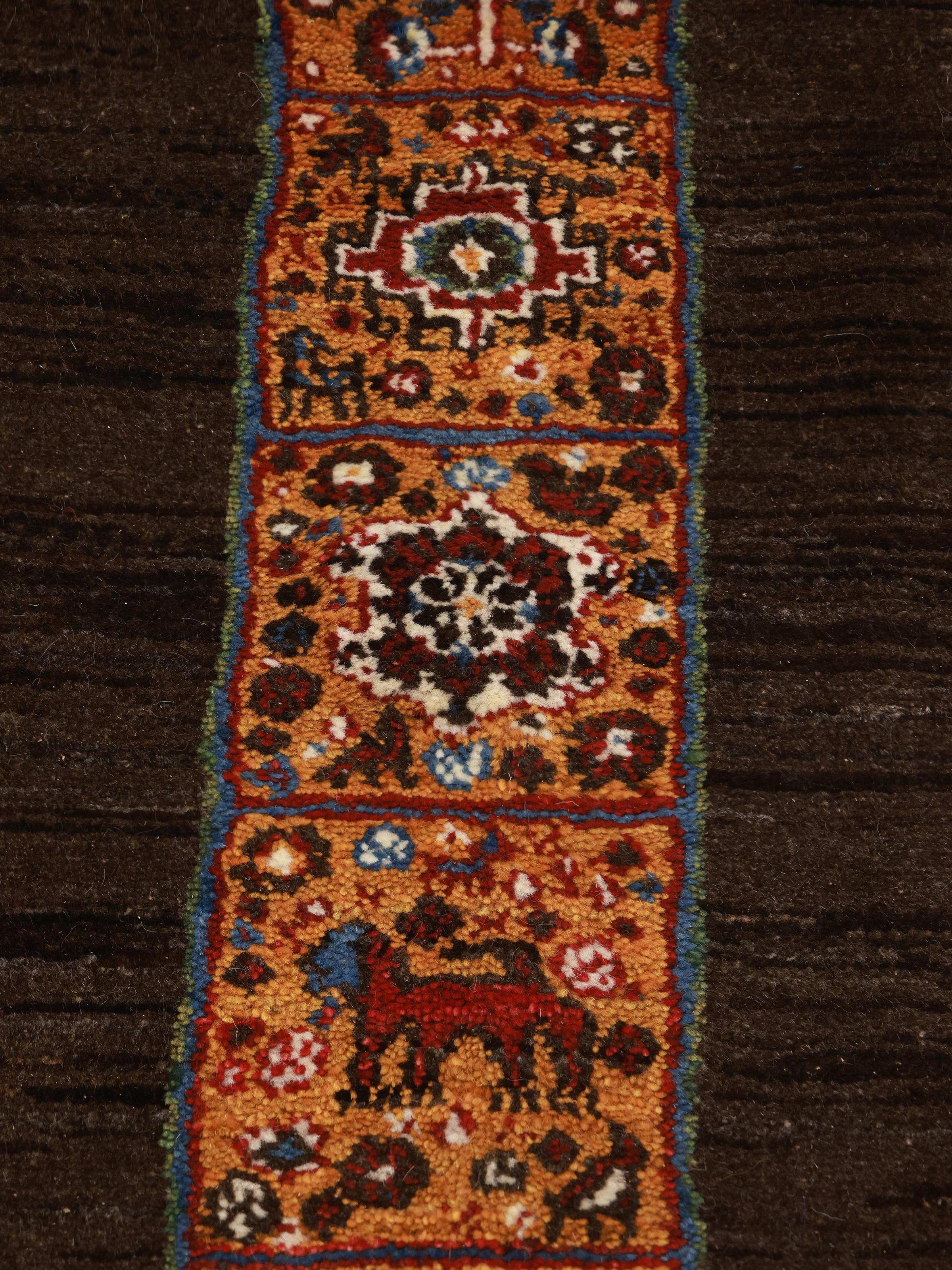
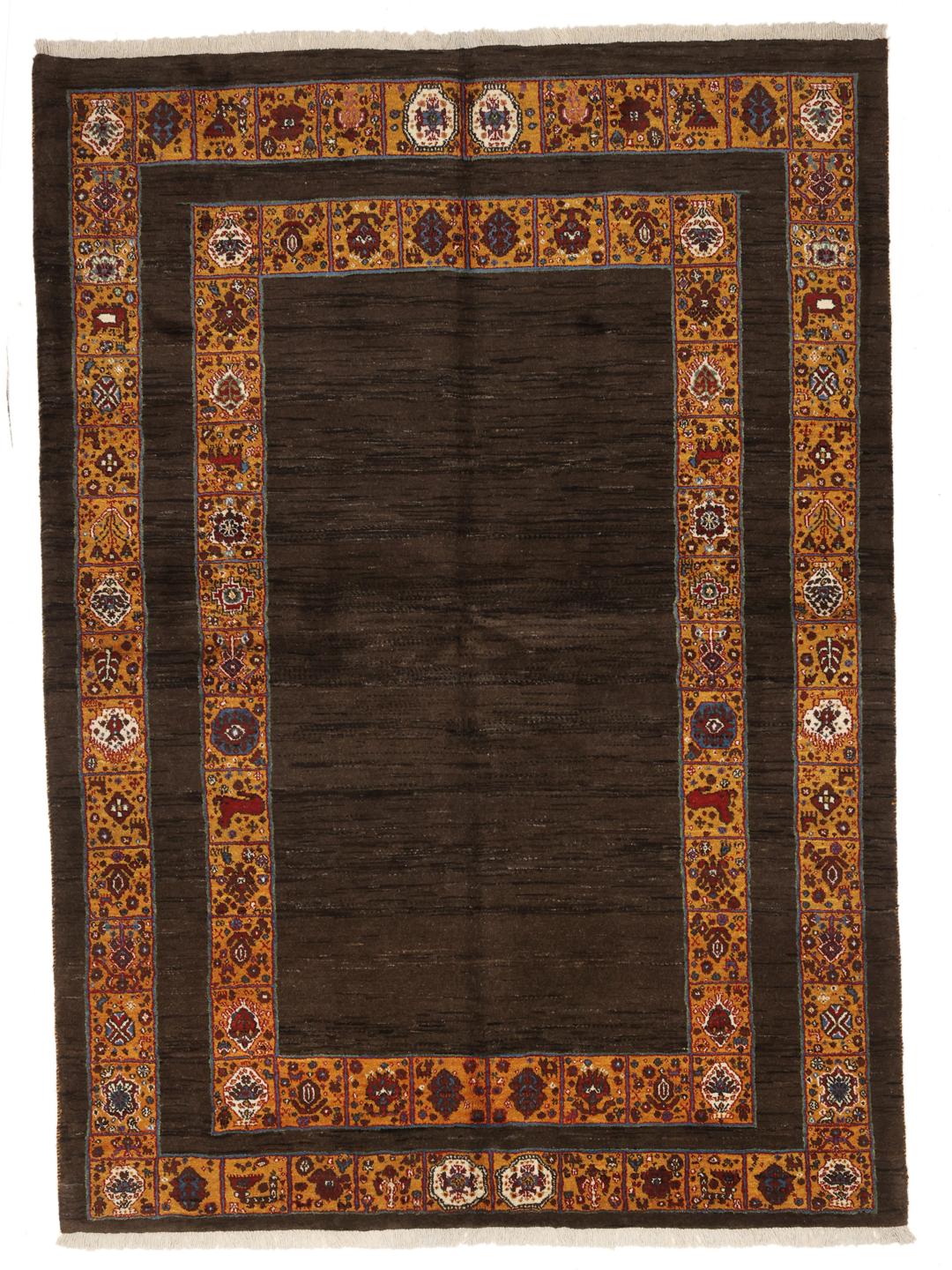
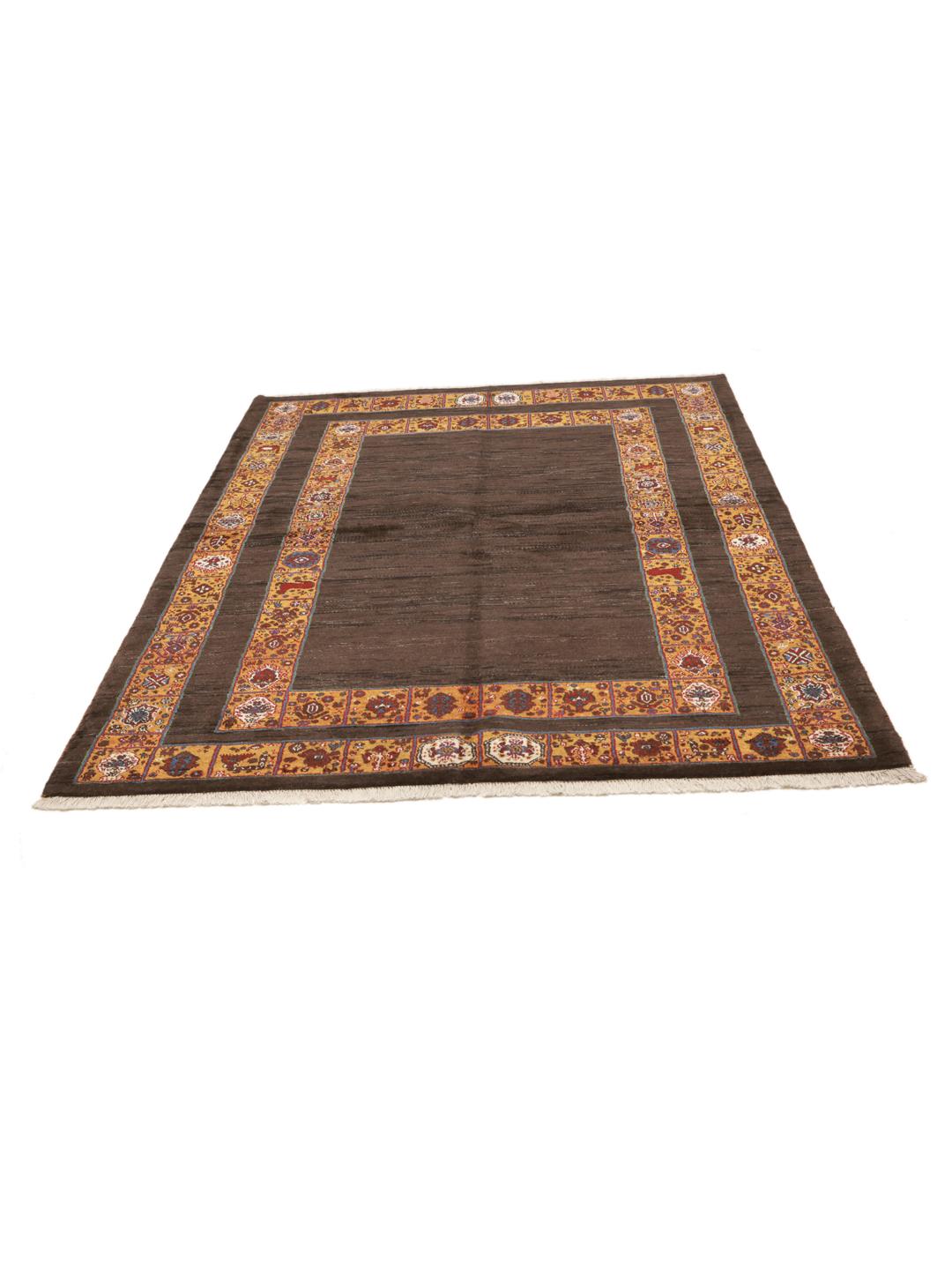
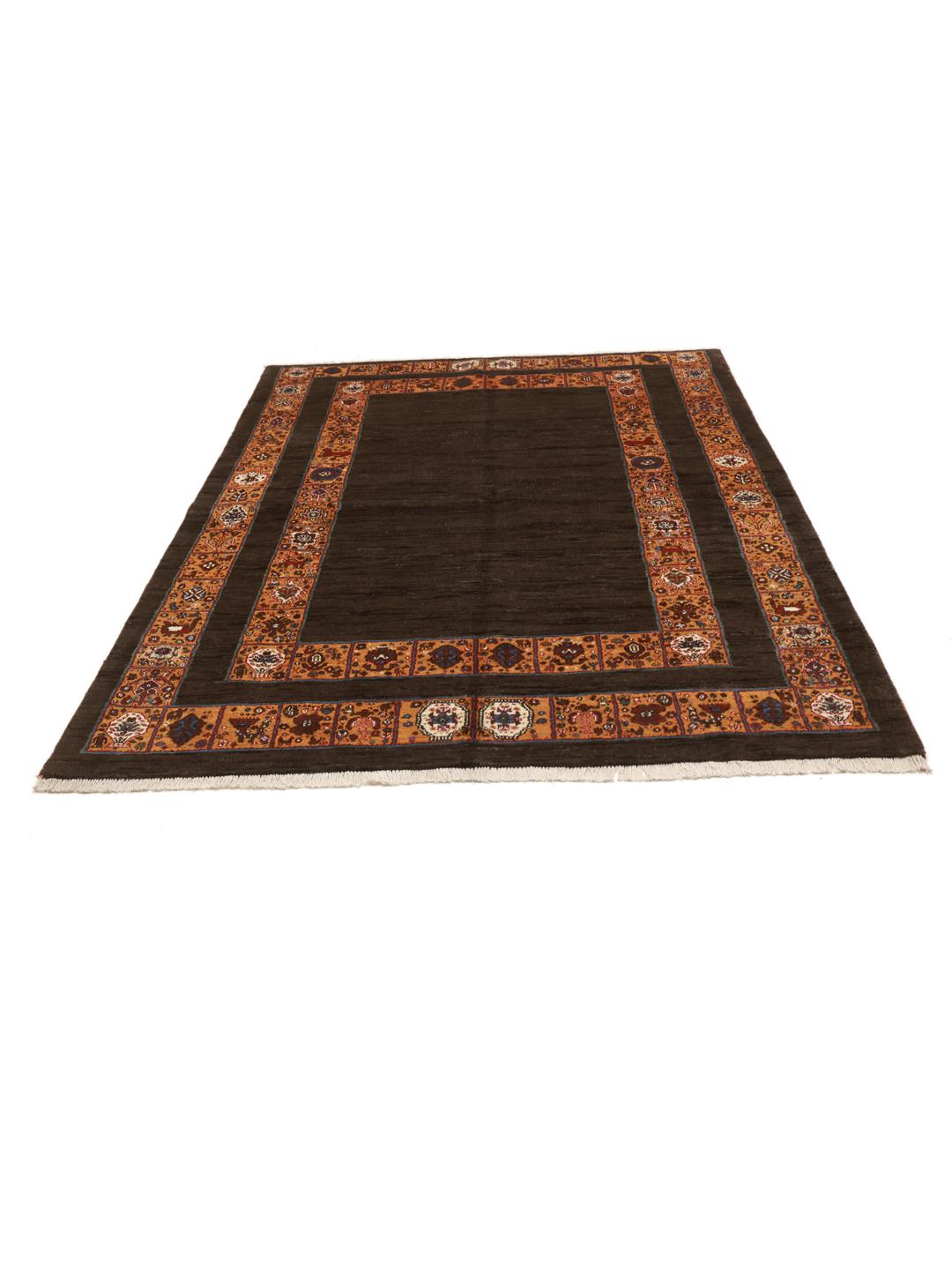
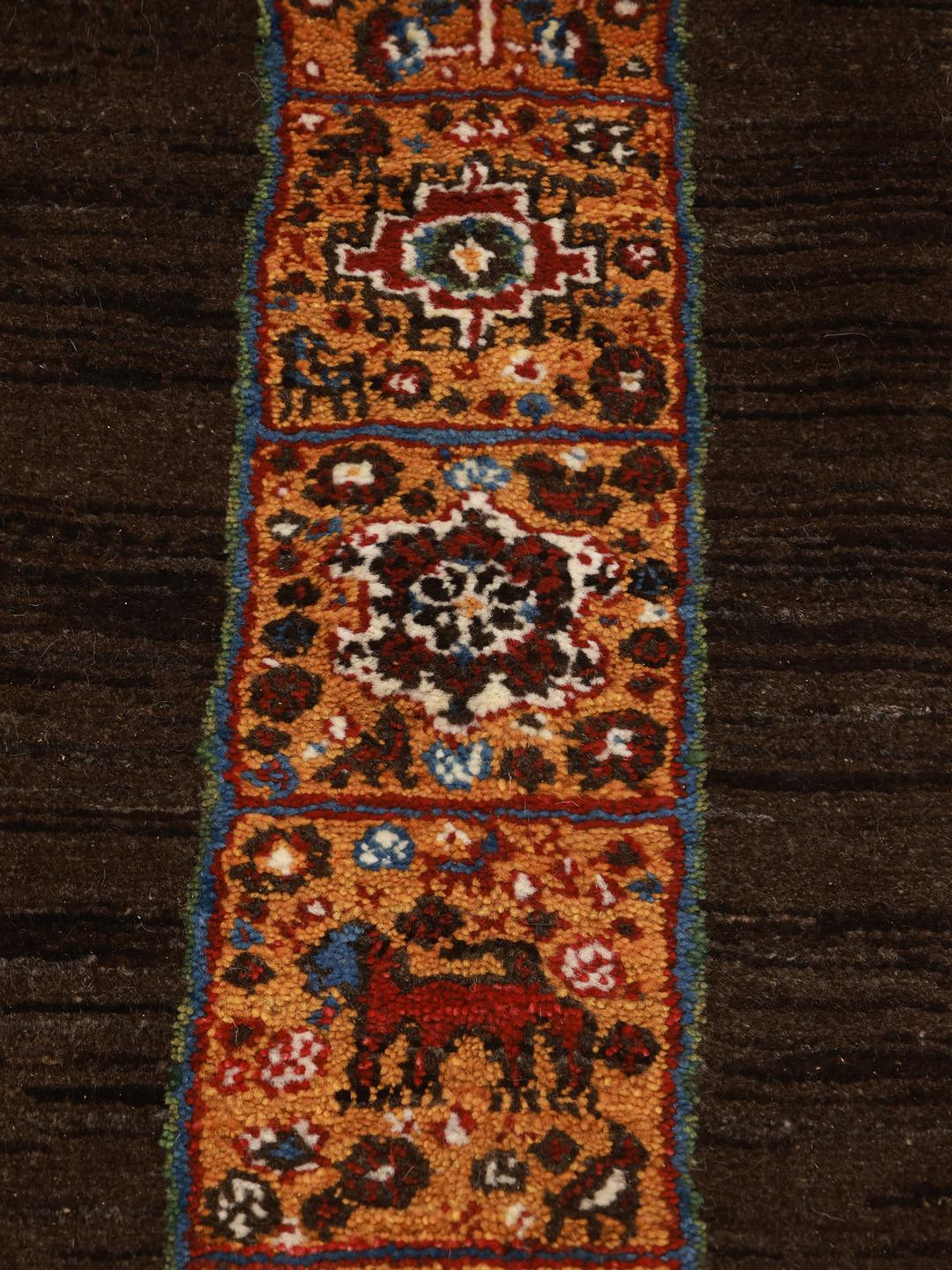
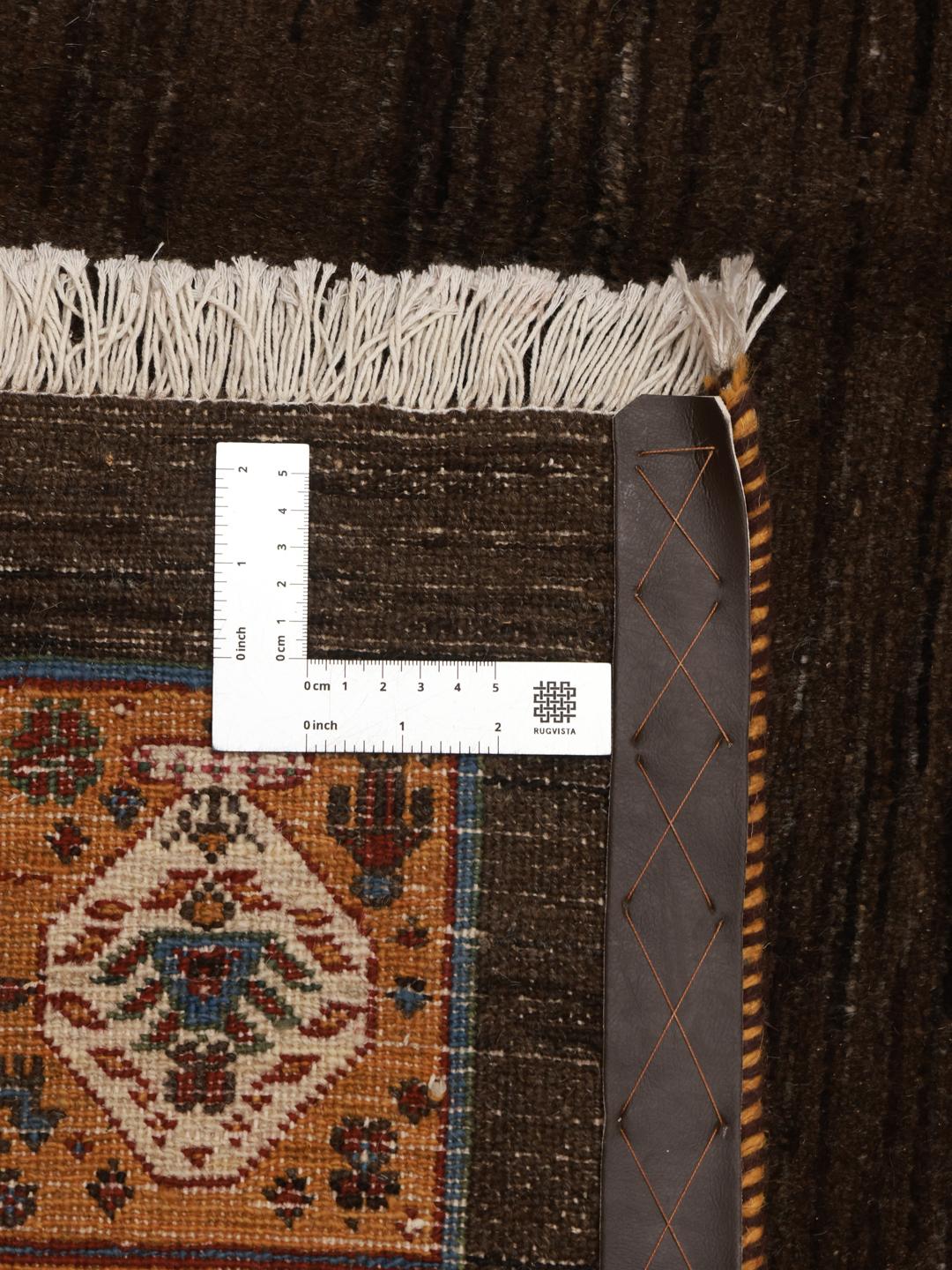
Visually, Loribaft rugs are known for their minimalist fields contrasted with highly decorated, busy borders. While the central area is often left open or features very subtle, rustic patterns, the borders are typically densely packed with stylised floral, animal, or geometric motifs. This specific rug follows this tradition, using a dark, contemplative field to balance the energy of the colourful, highly detailed border elements.
Collecting a Loribaft rug is an investment in cultural heritage and the preservation of ancient craft techniques. These rugs are valued not just for their physical beauty, but for the story they tell of the people who created them. By choosing such a piece, you are supporting a tradition that prizes individual expression within a formal framework, ensuring that these skills continue to be passed down and appreciated in modern homes.