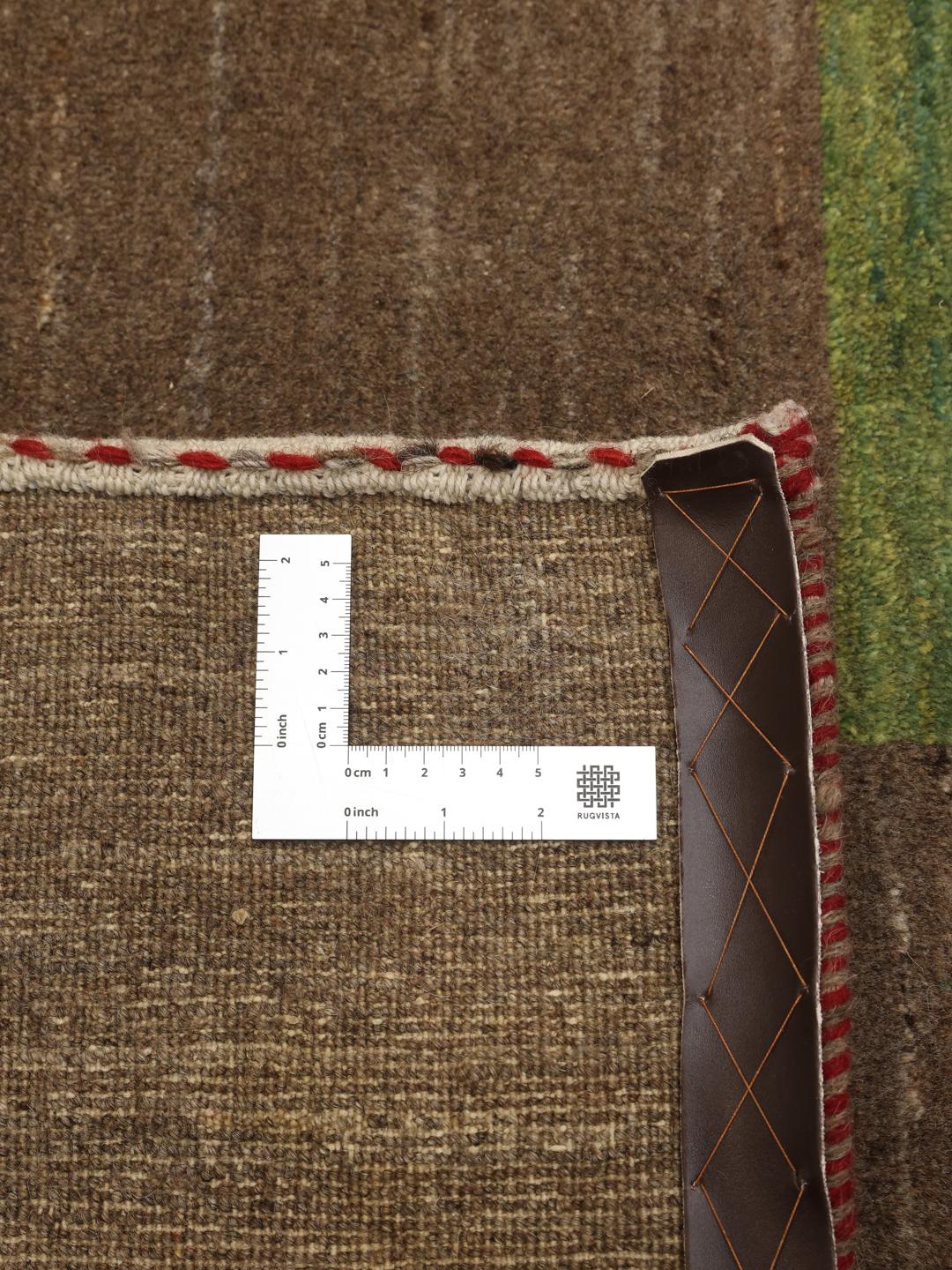
Loribaft rugs trace their origins to the nomadic tribes of the Middle East, particularly the Luri people. These rugs were historically crafted for personal use within tents, serving as functional floor coverings that provided necessary insulation against the harsh environments of the region. Over time, these rugs evolved from purely utilitarian items into highly sought-after expressions of tribal identity and artistic heritage.
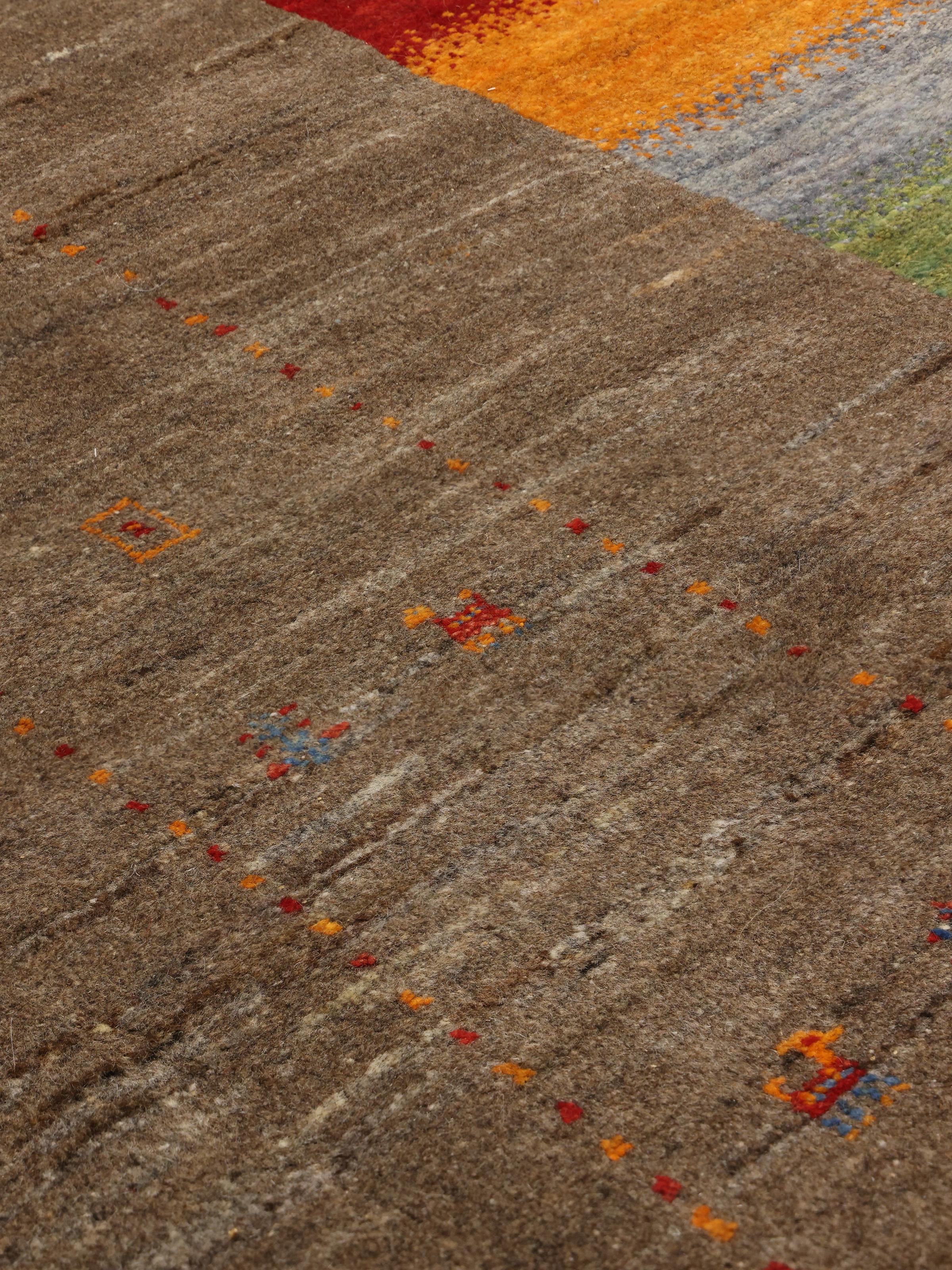
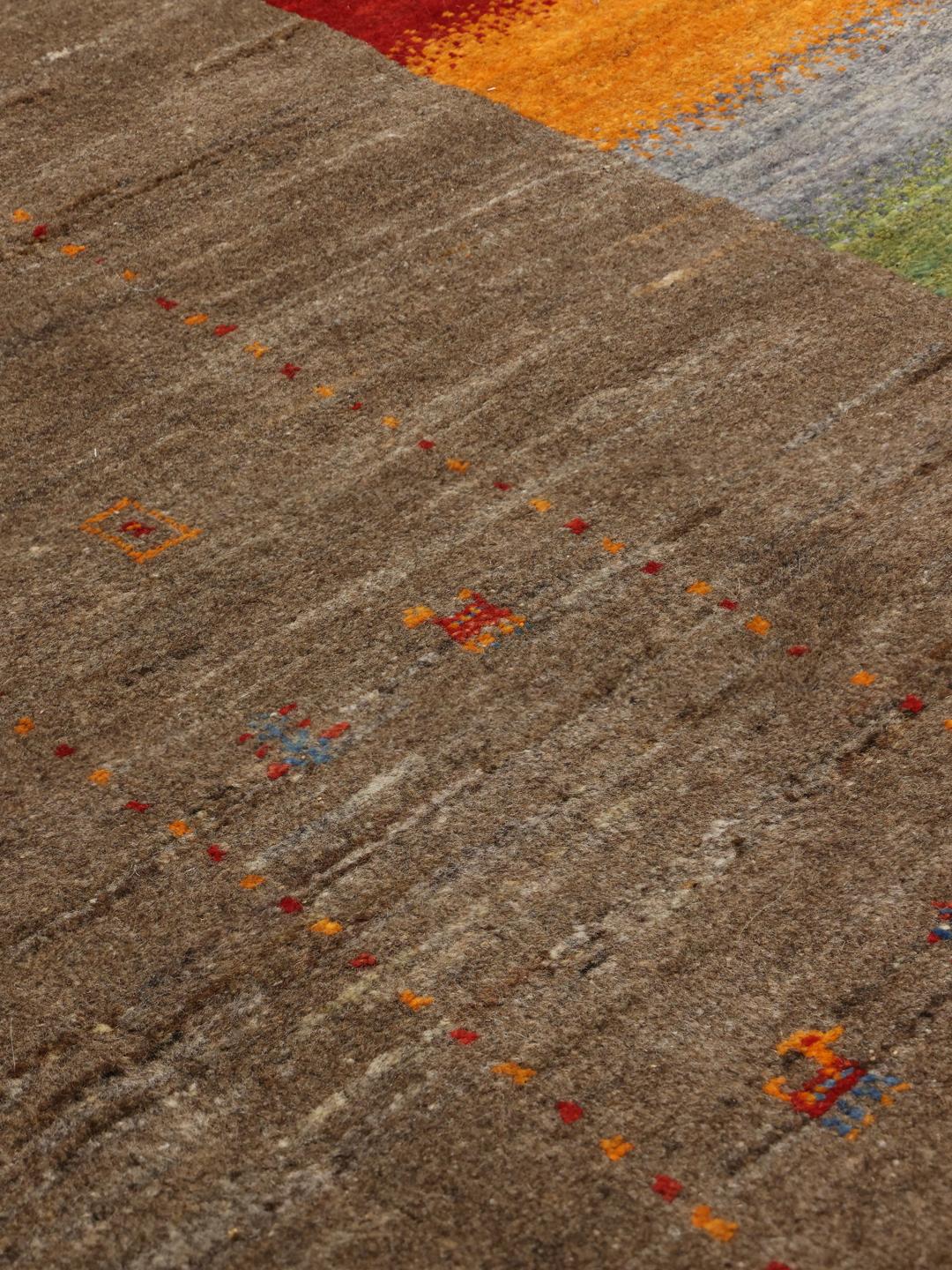
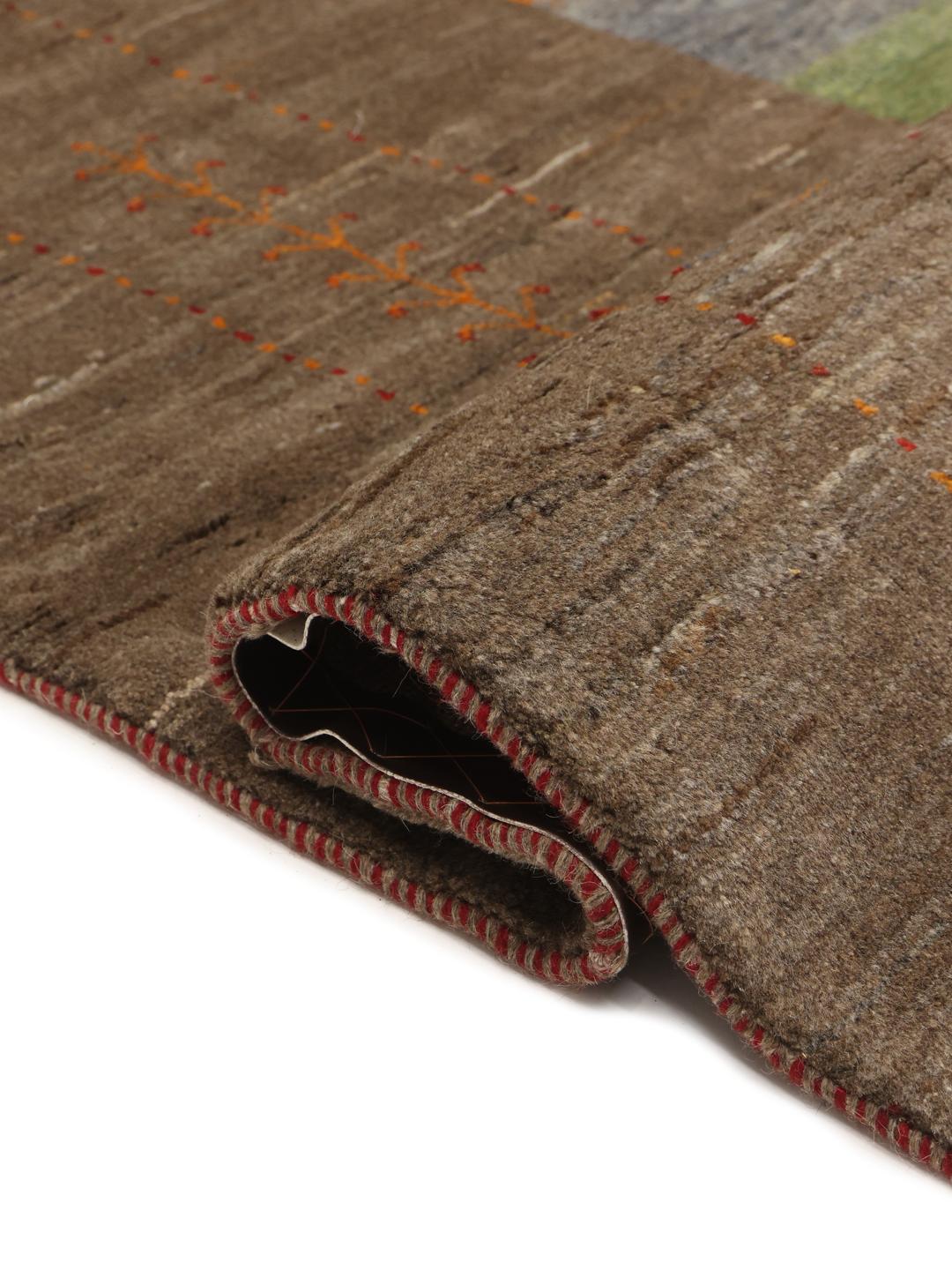
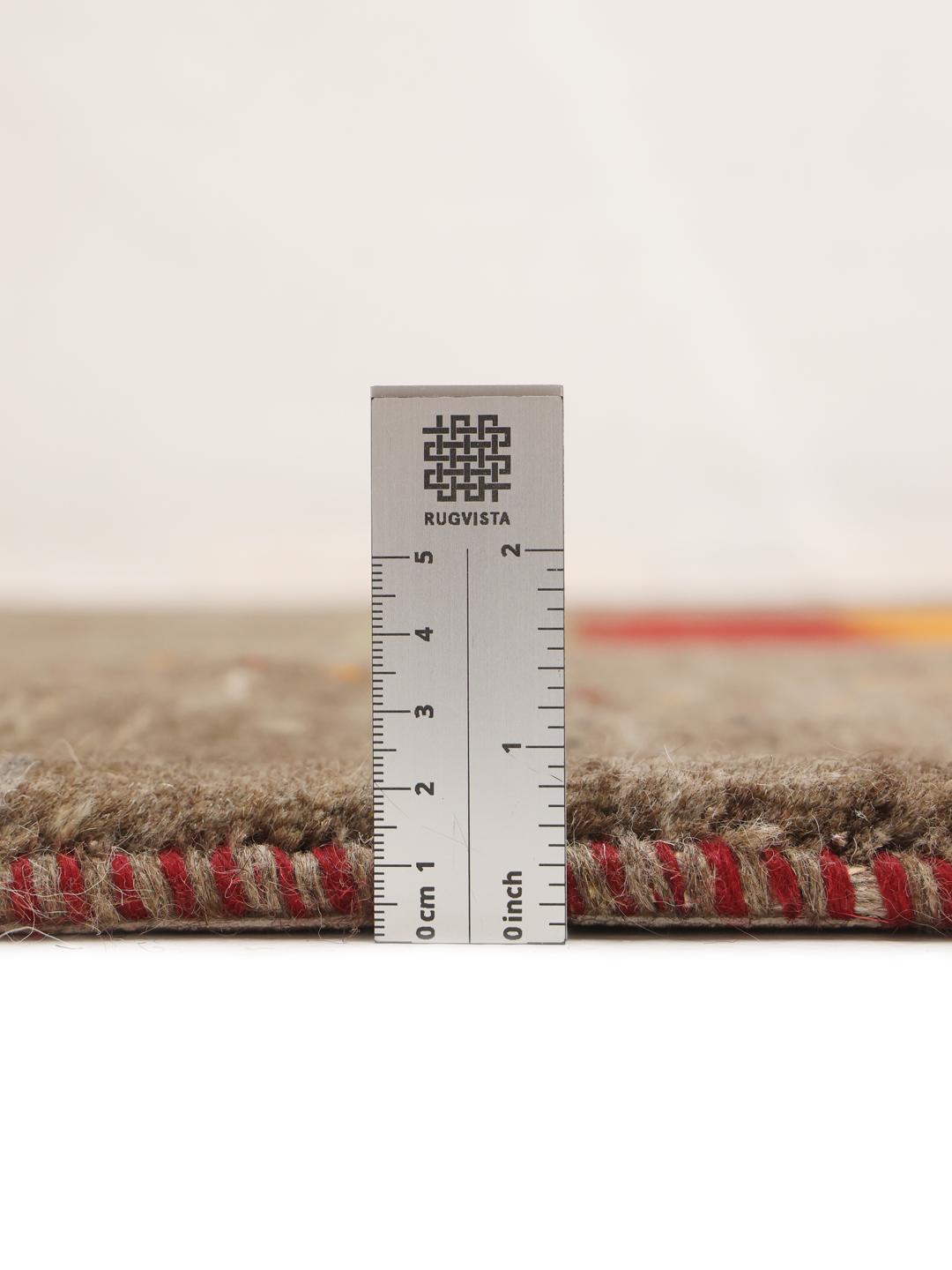
The term Loribaft refers to a specific type of weaving that prioritises a thicker, softer pile compared to traditional, thinner tribal rugs. This style is closely related to the Kashkooli tradition, which is known for its slightly more refined approach while still maintaining the rustic, hand-spun wool character that defines high-quality tribal weaving. These techniques are passed down through generations, ensuring the craft remains authentic and connected to its roots.
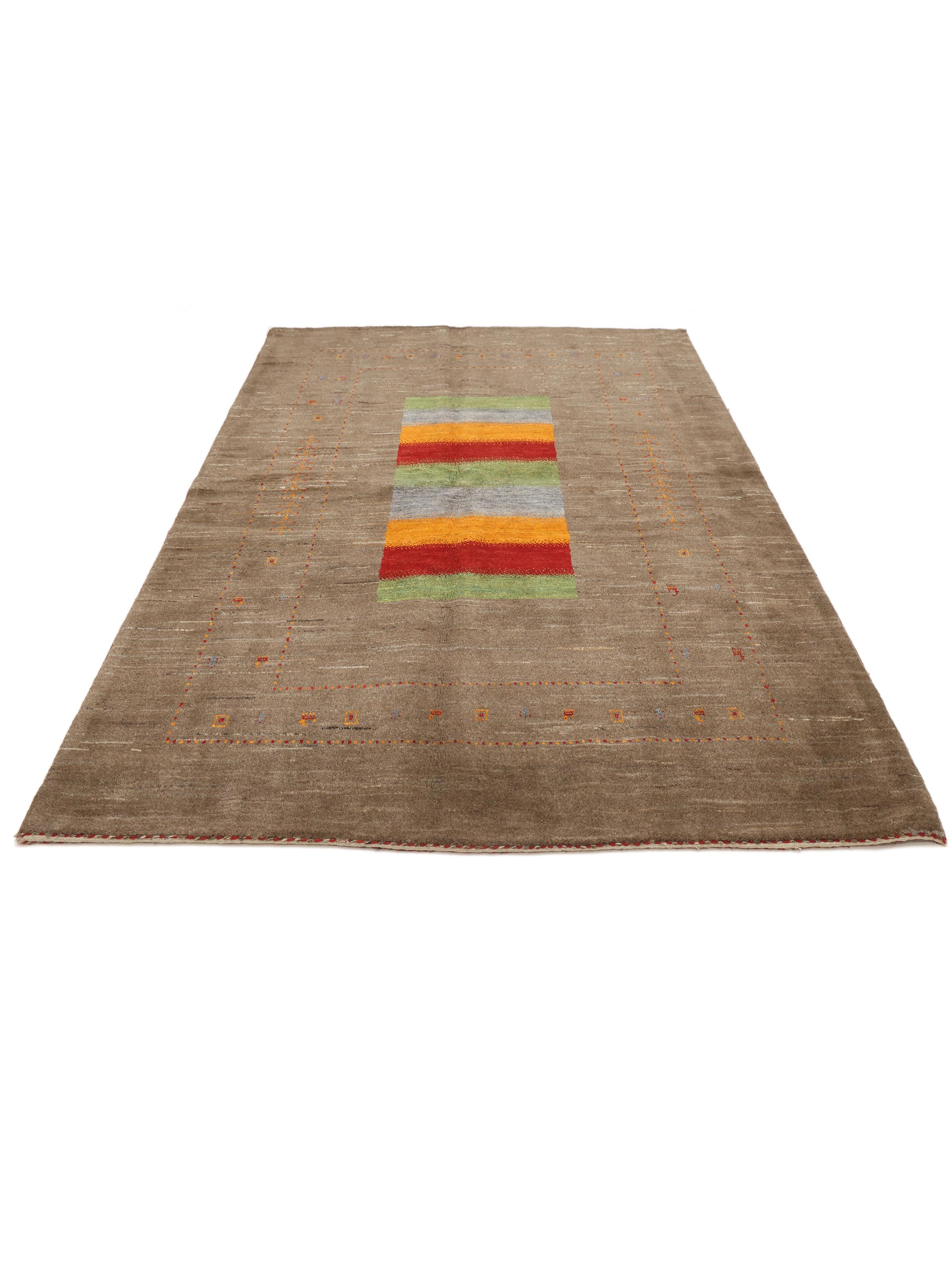
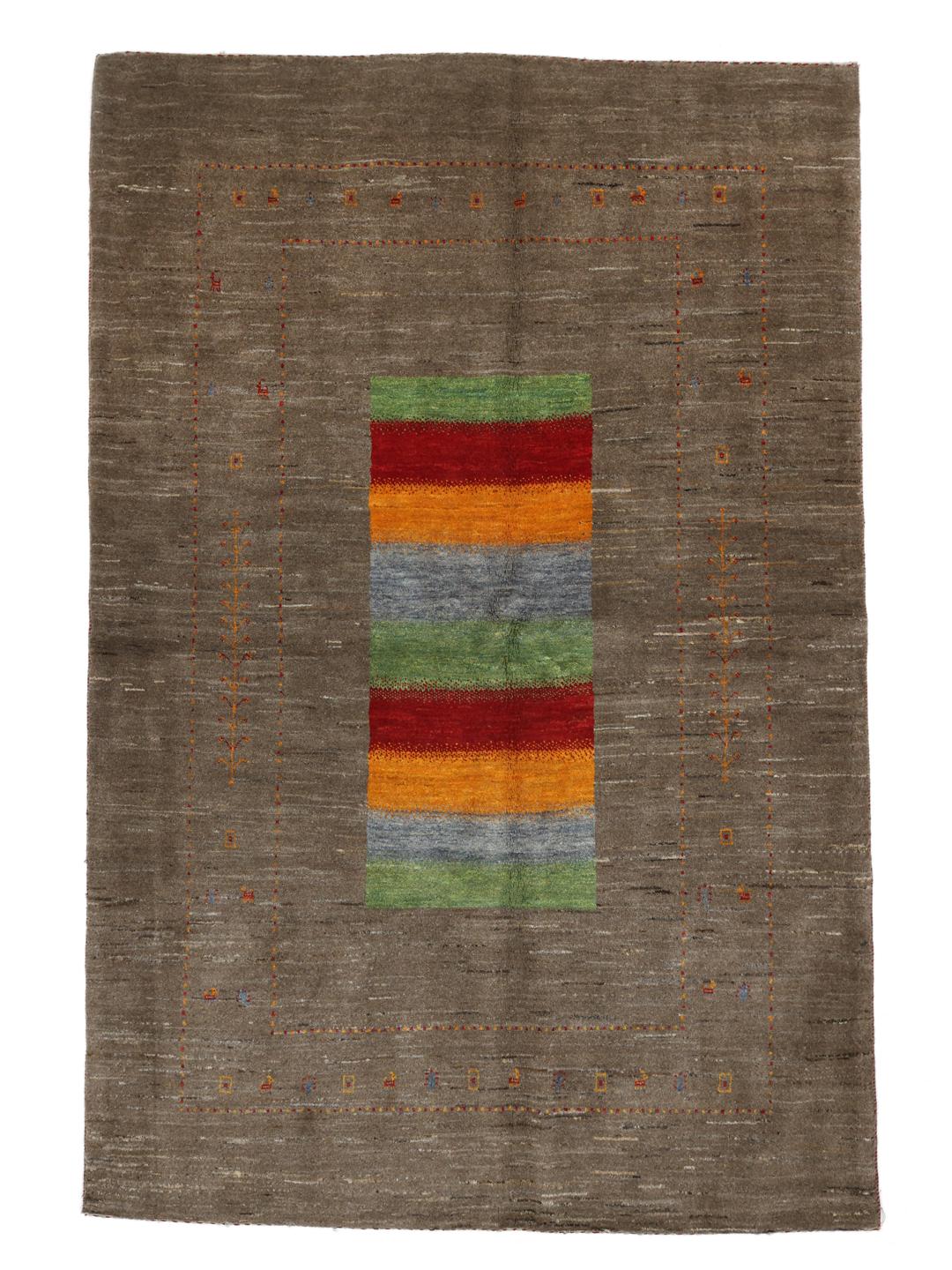
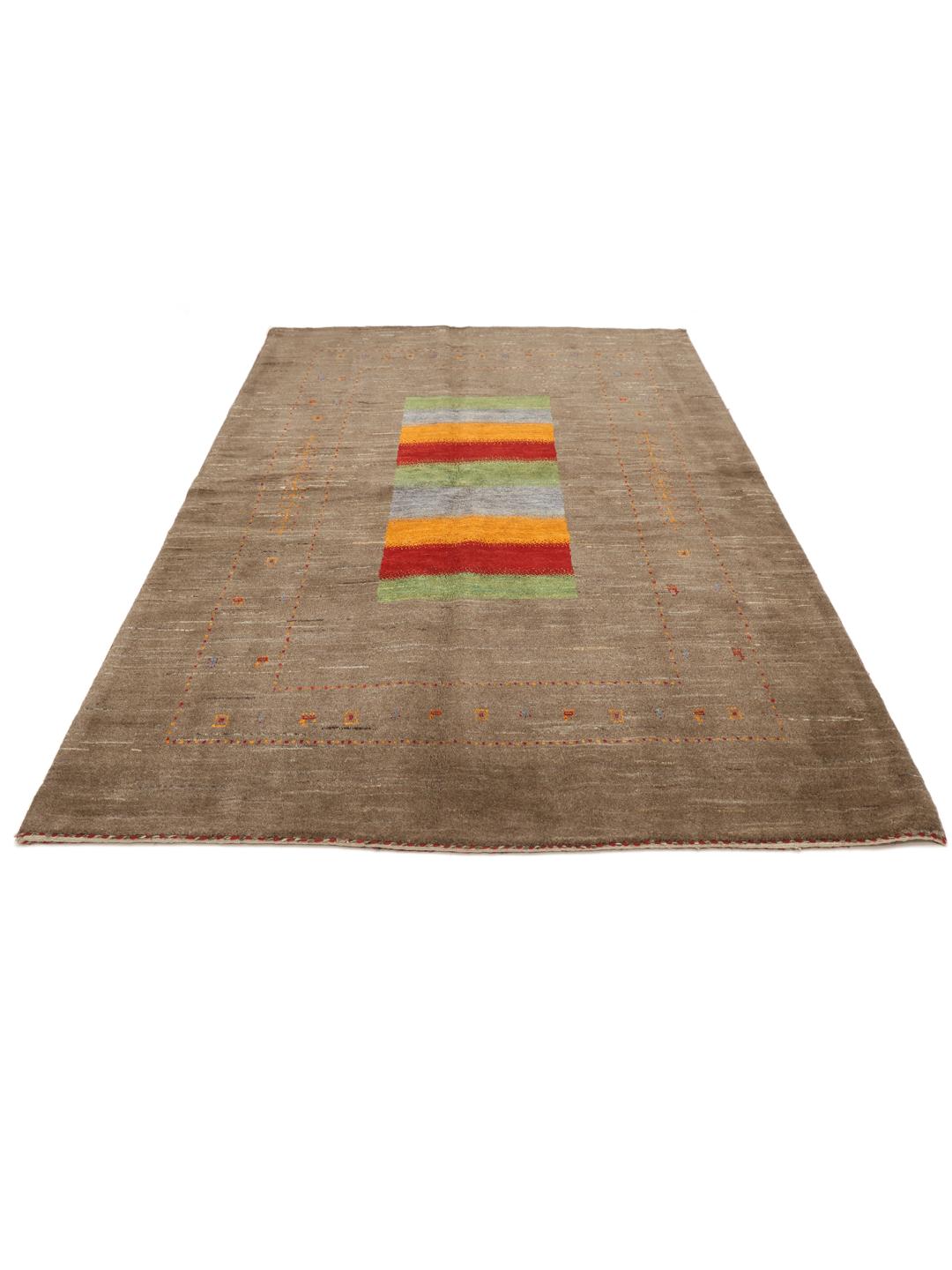
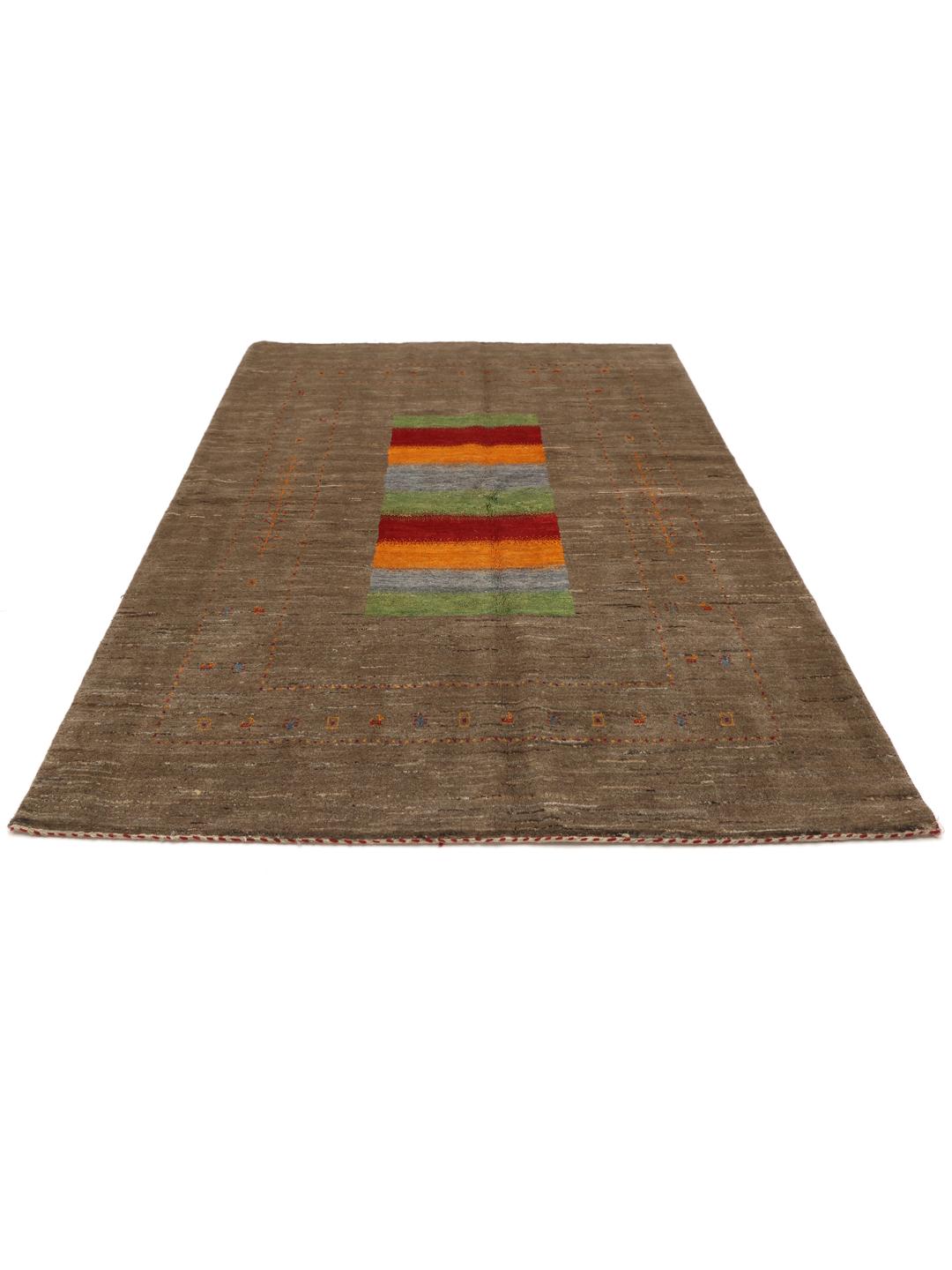
Visually, these rugs are often celebrated for their open fields and whimsical, symbolic motifs. While traditional examples might feature geometric representations of the natural world, contemporary Loribaft rugs like this one often incorporate bold, modern colour blocks and minimalist elements. This rug's central band of colour is a distinctive design choice that breaks away from typical all-over patterns, showcasing the weaver's ability to innovate within a classic framework.
Owning a Loribaft rug is an opportunity to connect with a rich history of craftsmanship. These pieces are valued by collectors not just for their aesthetic warmth, but for the human story embedded in every knot. They represent a bridge between ancient nomadic traditions and the modern home, offering a level of authenticity and tactile quality that mass-produced items simply cannot replicate.