The Loribaft rug tradition is deeply rooted in the nomadic heritage of the Southwest region of the Middle East. Historically woven by the Luri tribe, these rugs were initially created for practical use within nomadic tents, serving as warm bedding and floor coverings. Over generations, these weaving techniques evolved, blending rustic tribal traditions with a refined aesthetic that appeals to contemporary homes worldwide.
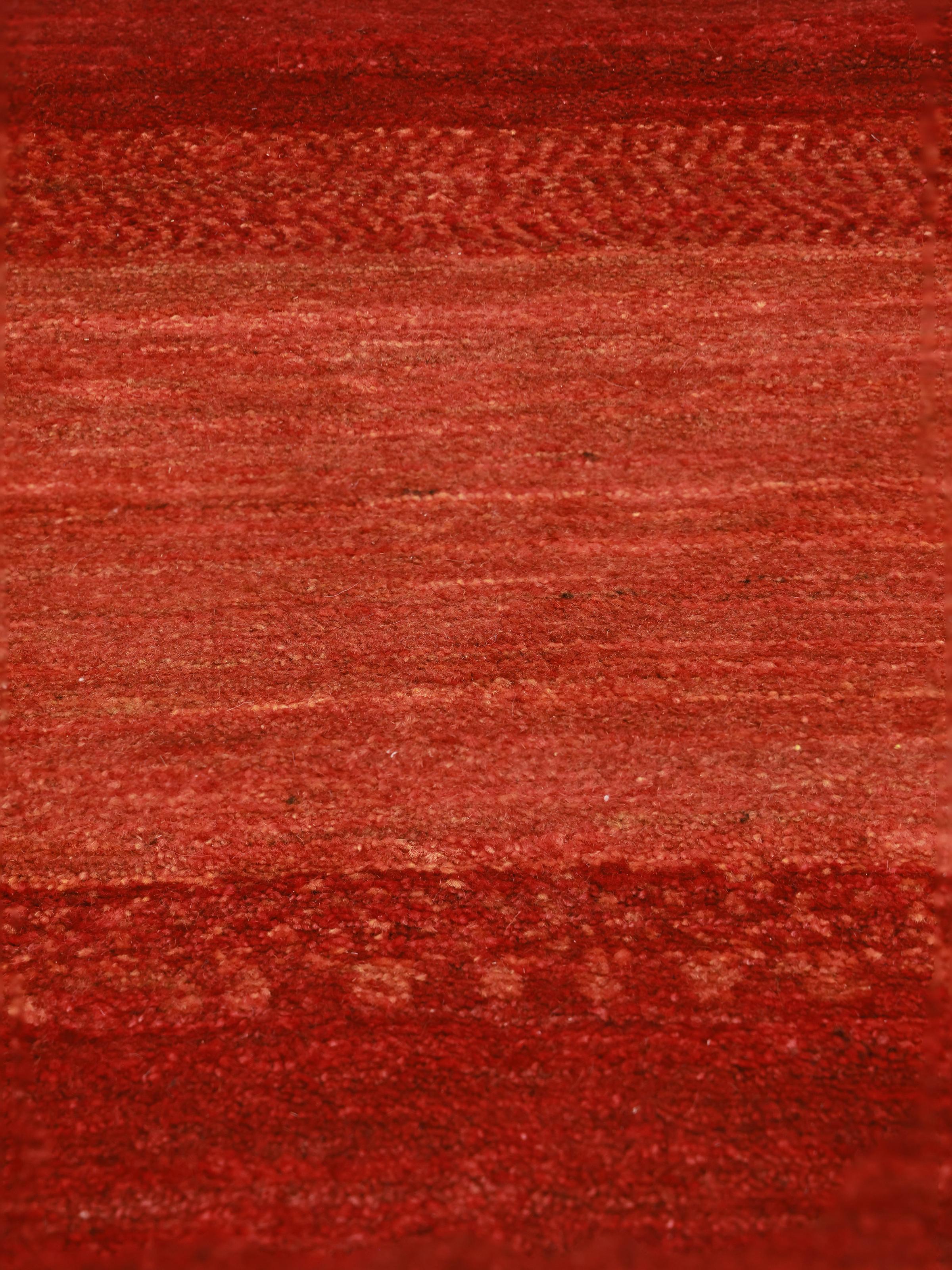
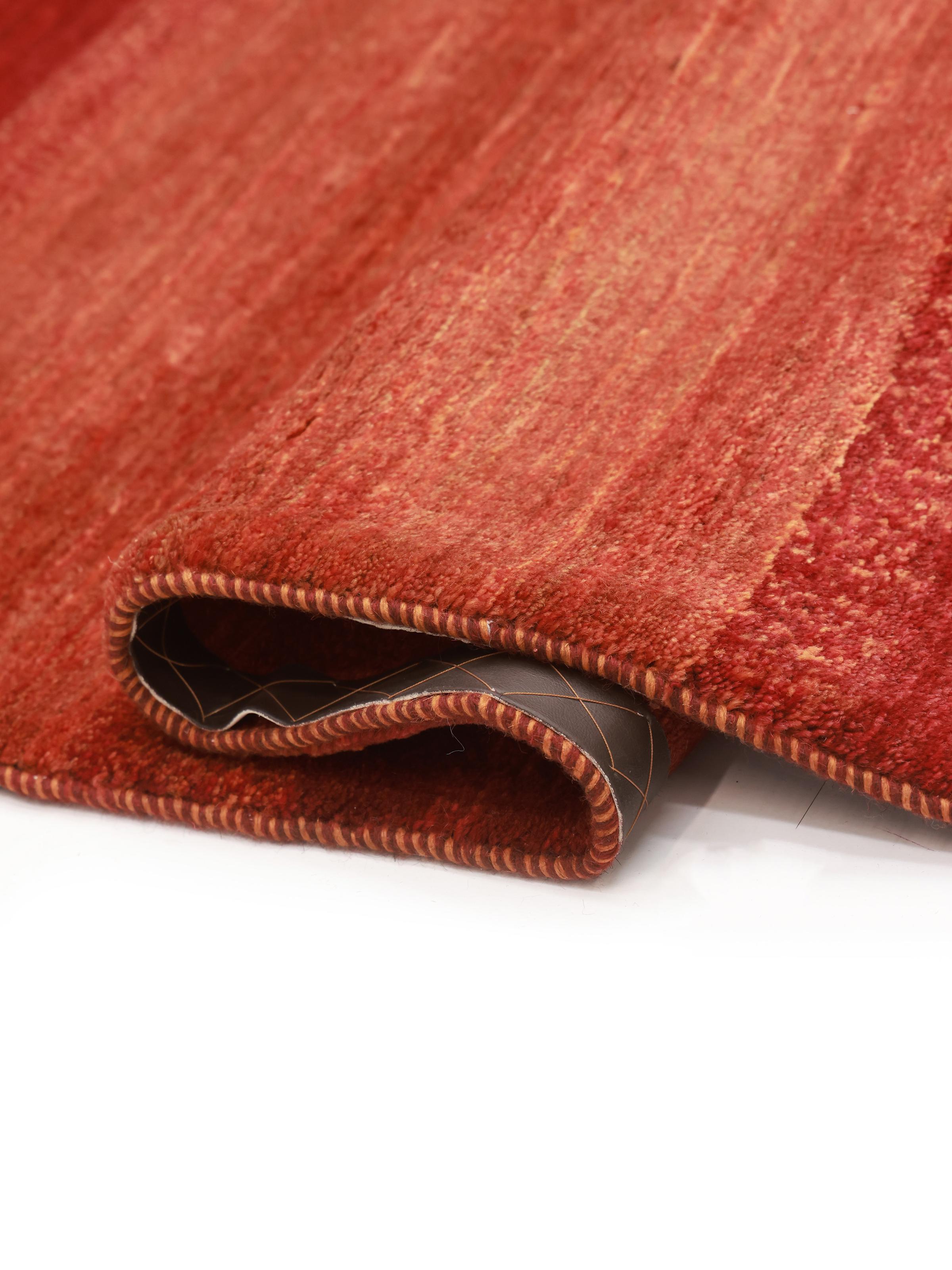
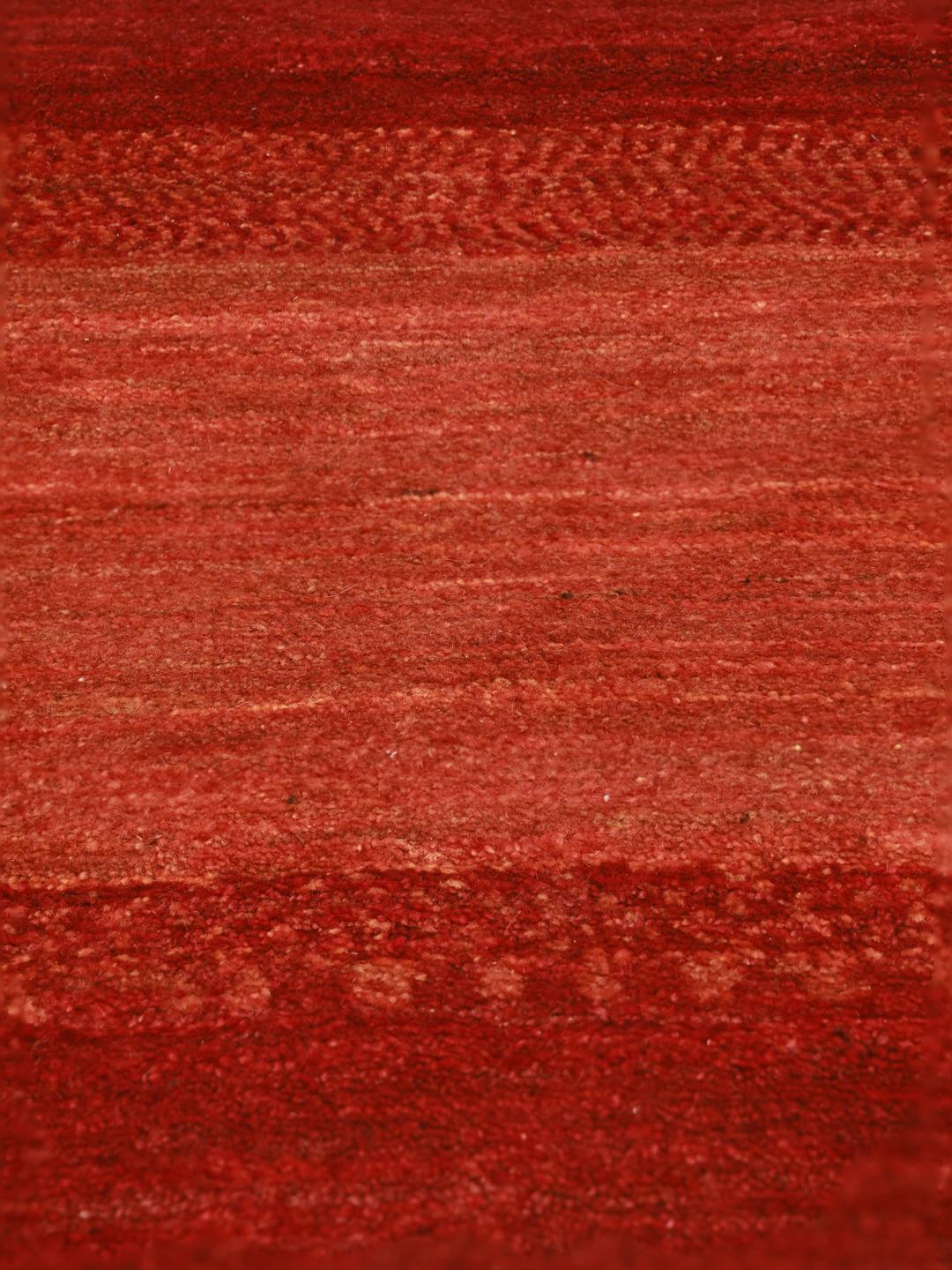
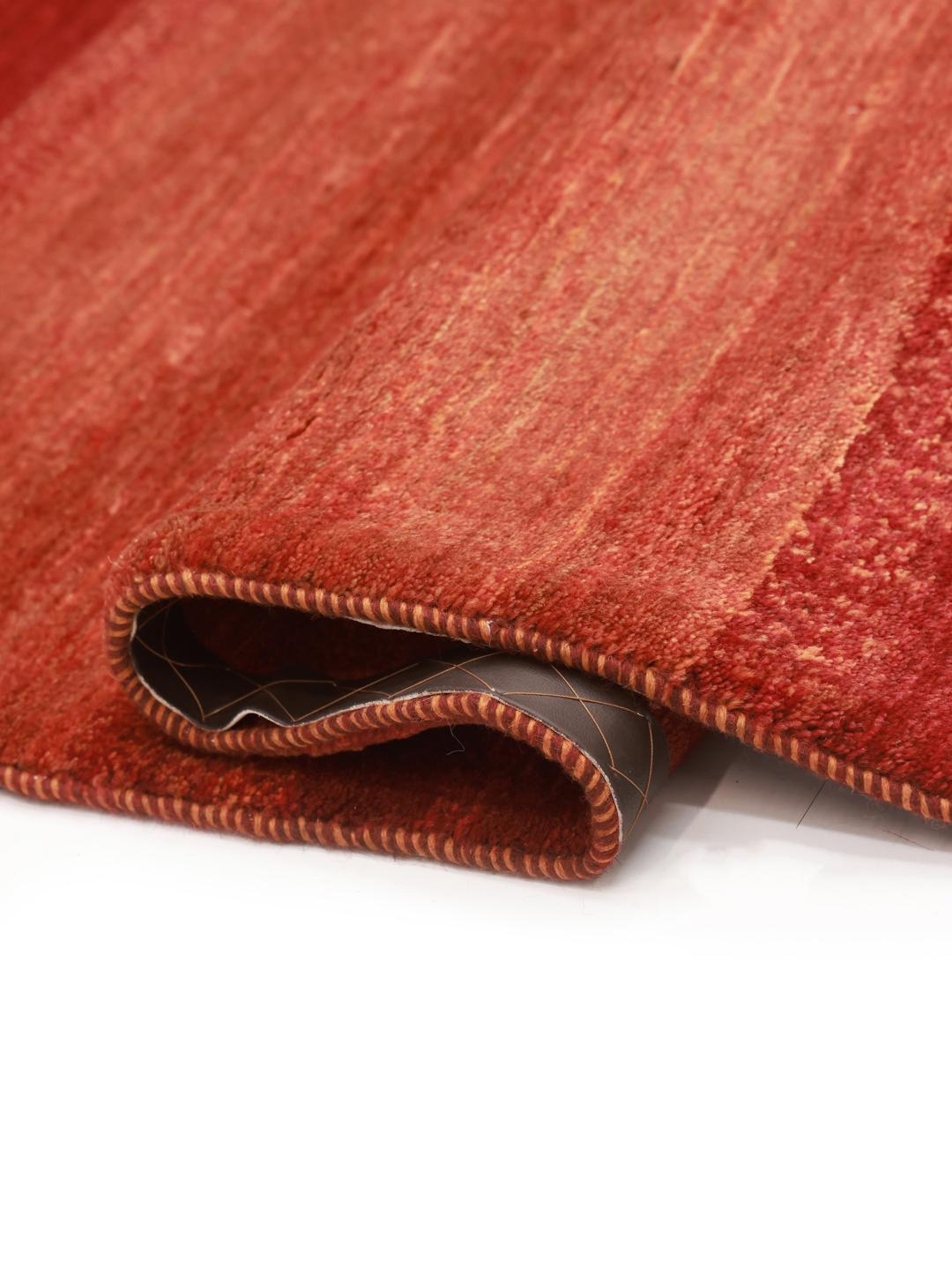
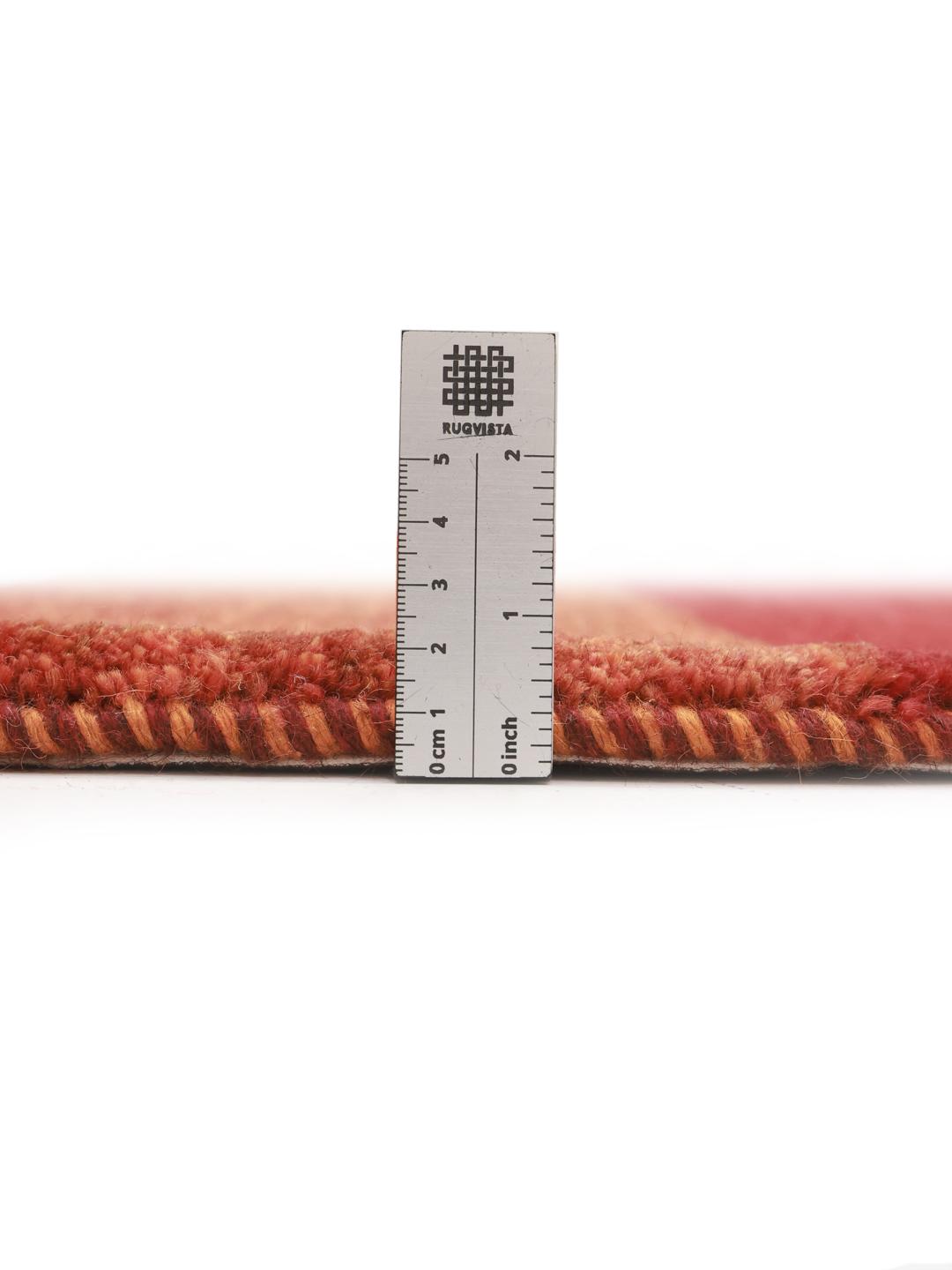
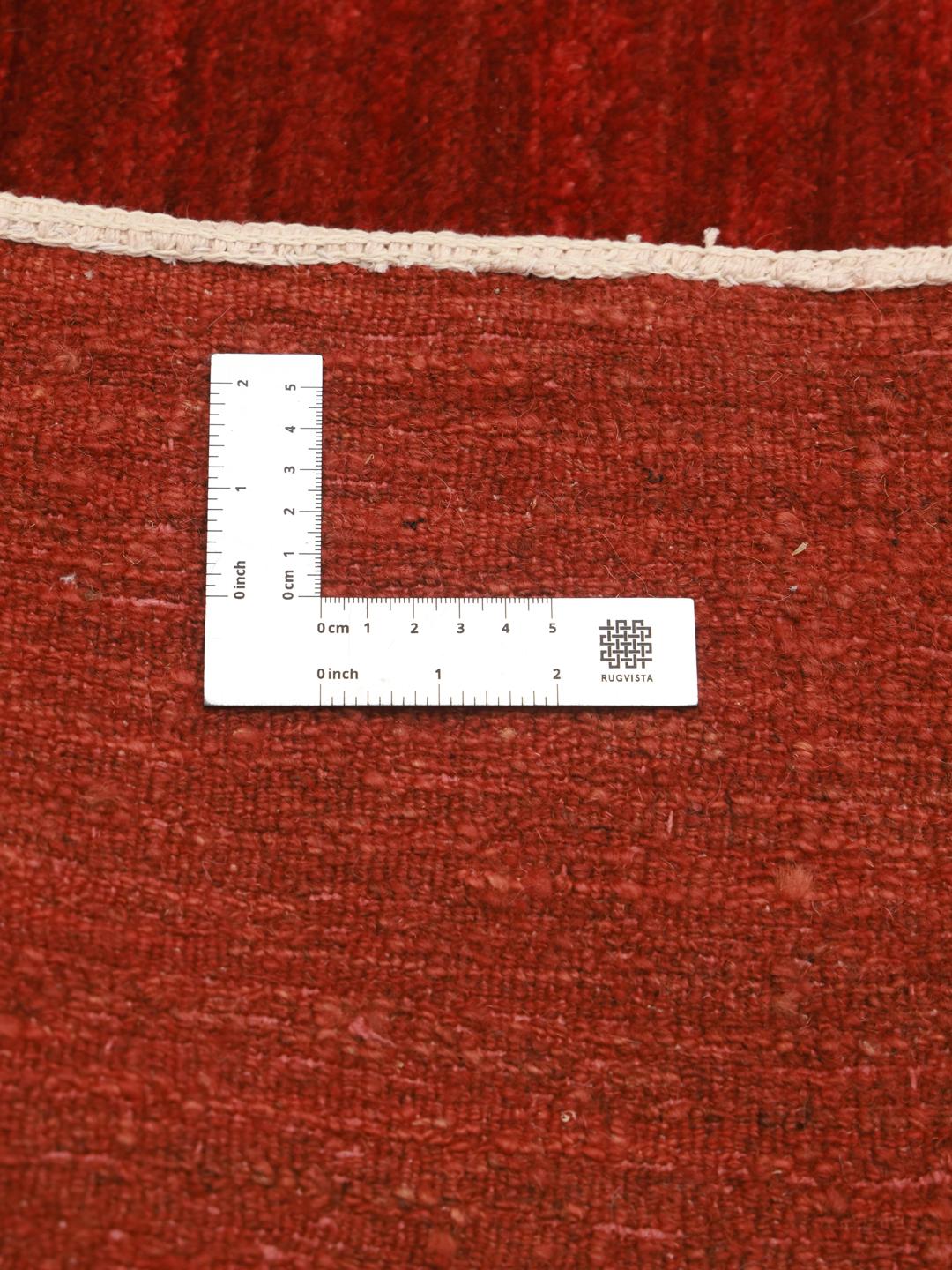
The term Loribaft itself translates to "woven by the Luri," signalling both its tribal origin and its distinctive, high-quality weave. Unlike traditional flat-woven tribal pieces, Loribaft rugs are characterised by a much thicker, plush pile and a tighter knotting technique. This specific construction method elevates the classic tribal rug, offering superior durability and a more luxurious texture than standard nomadic weaves.
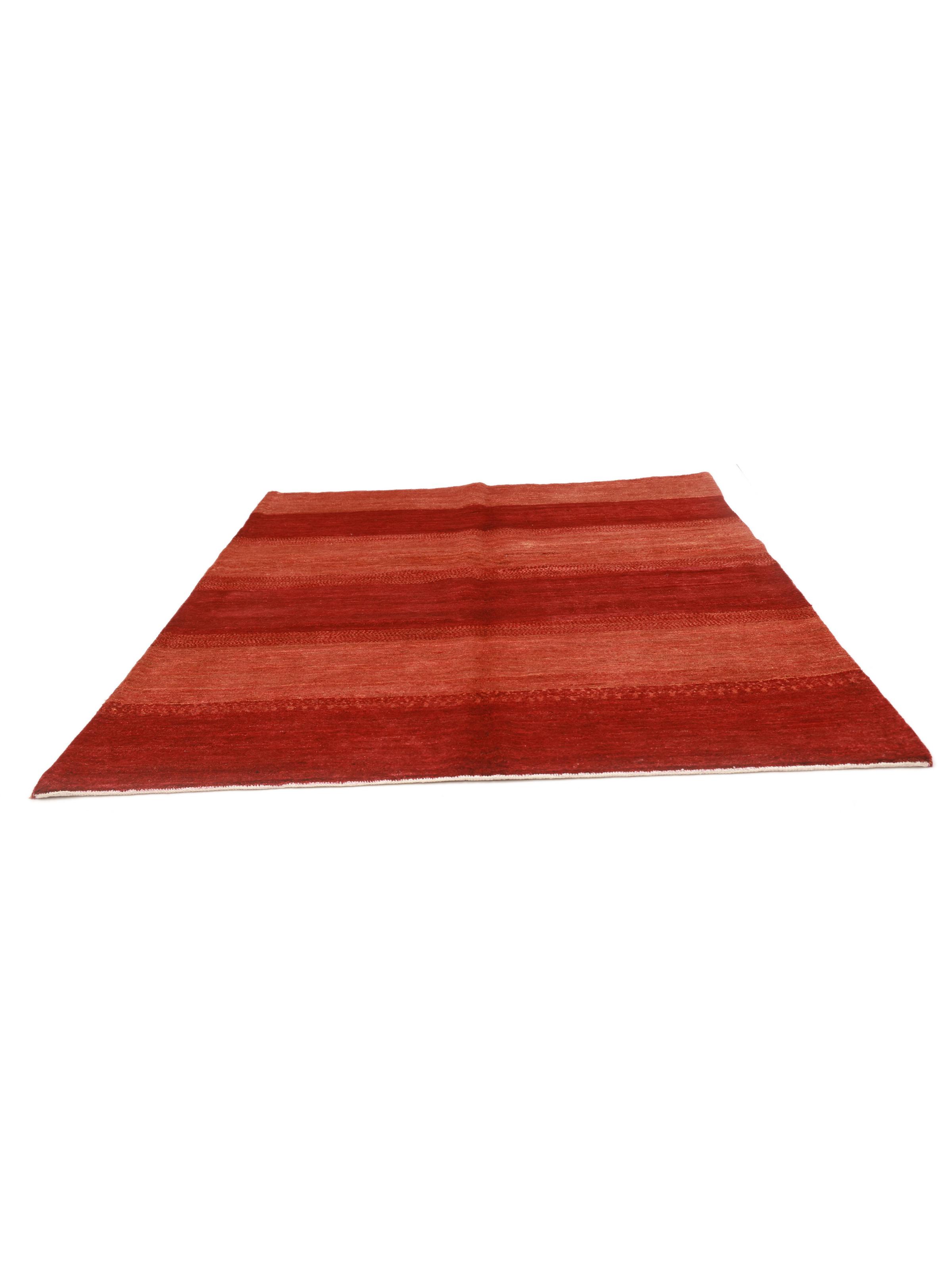
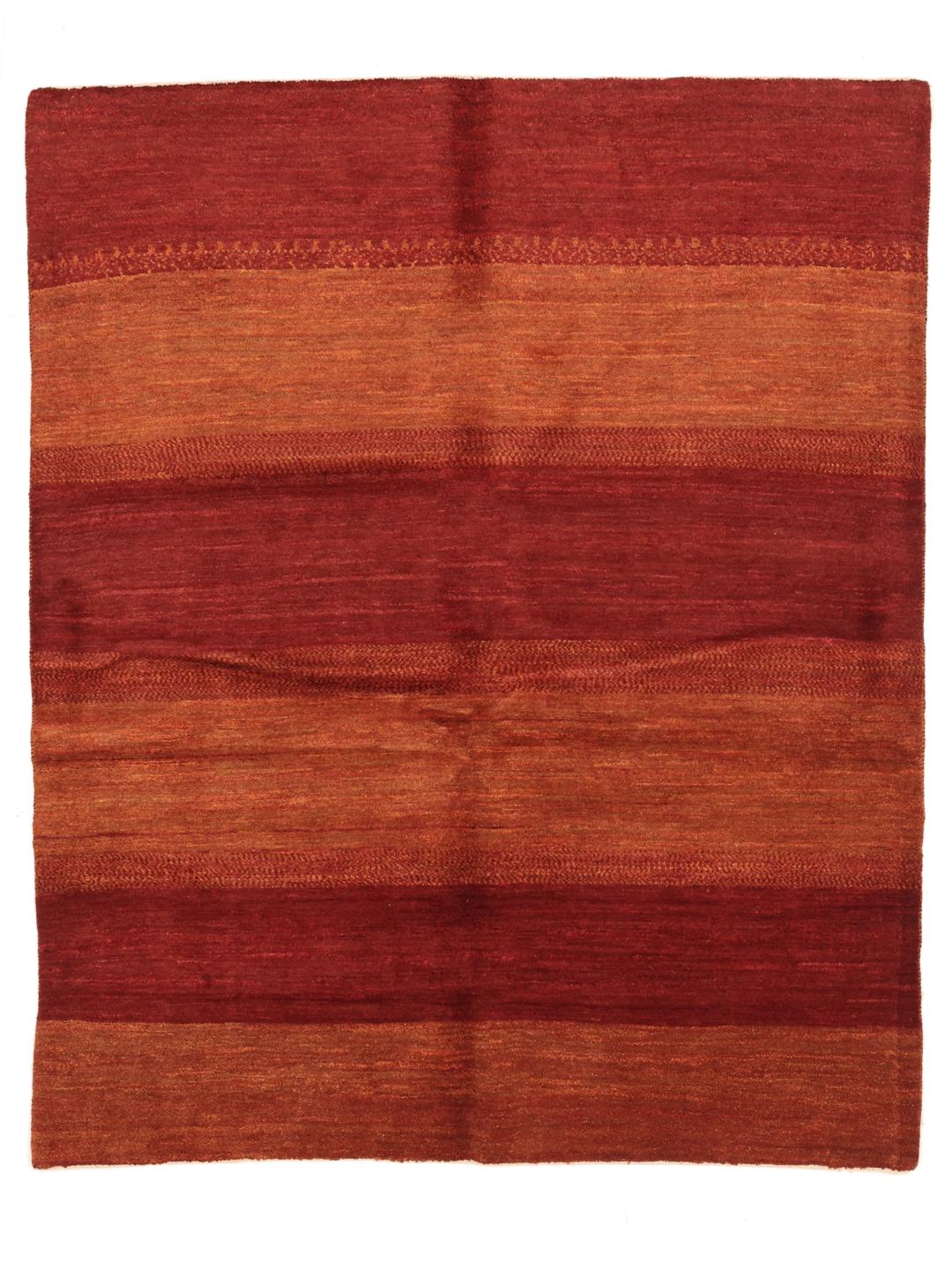
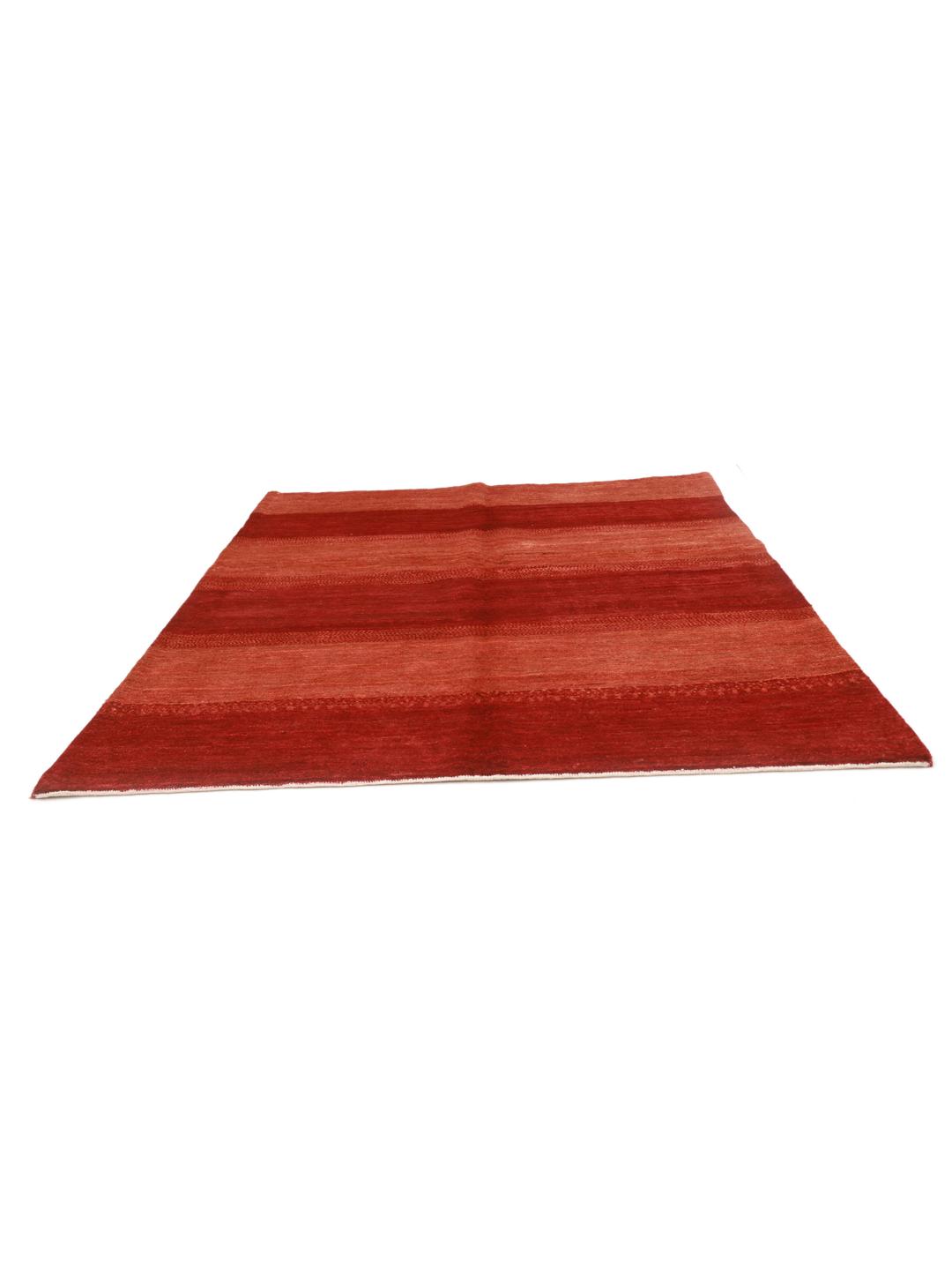
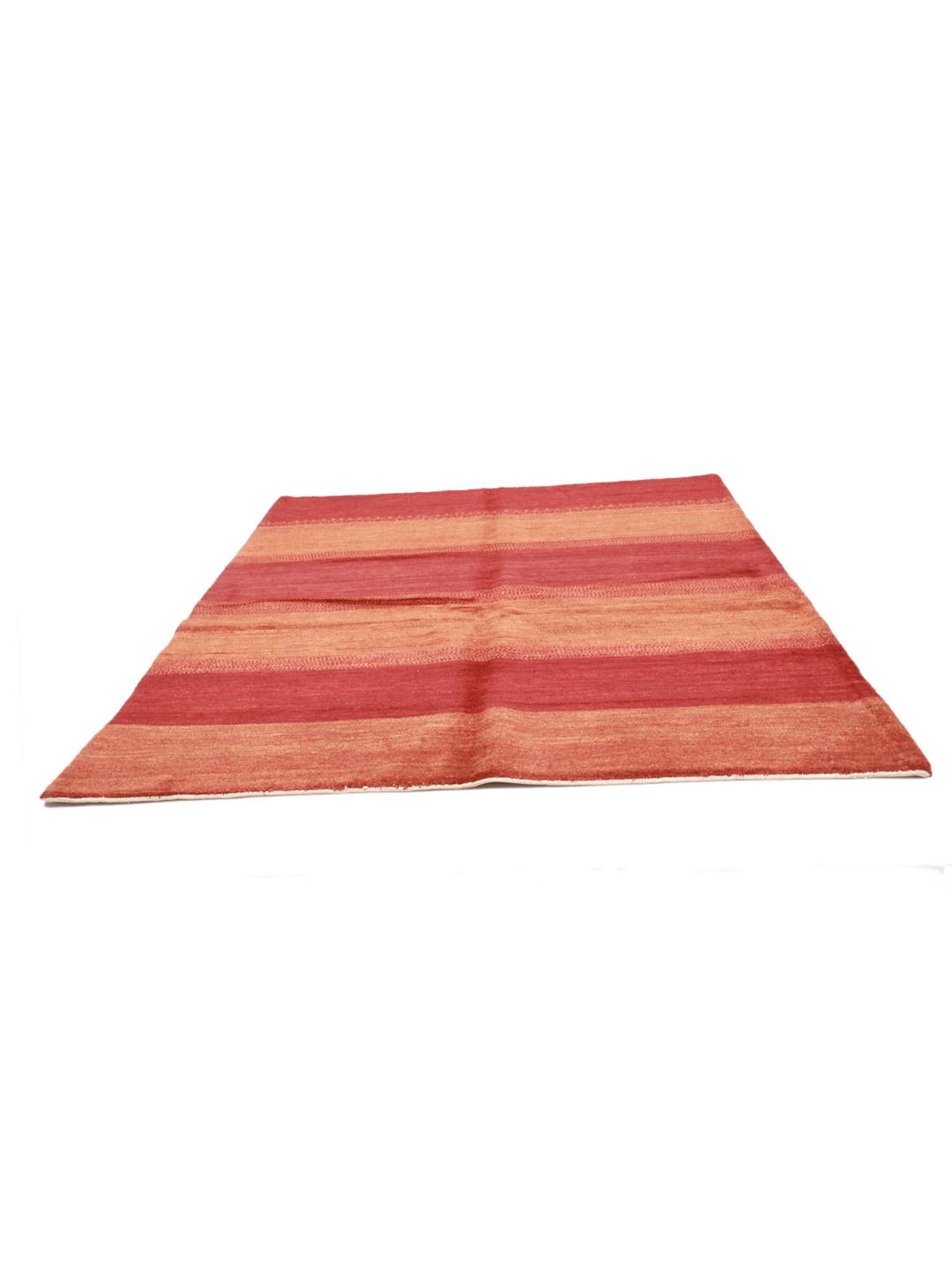
Visually, Loribaft rugs are celebrated for their minimalist, abstract designs that stand in stark contrast to highly intricate floral patterns. They often feature large, block-like fields of colour, subtle horizontal stripes, or simple geometric motifs inspired by the natural landscapes of the Middle Eastern highlands. The warm red and orange tones in this piece are typical of the natural vegetable dyes traditionally used to colour the spun wool.
Today, Loribaft rugs are highly valued by collectors and design enthusiasts for their ability to bridge the gap between ancient tribal art and modern minimalism. Each rug represents a living connection to a nomadic way of life, carrying the personal expression of the individual weaver. Acquiring a Loribaft means bringing a piece of authentic cultural heritage and timeless artistic expression into your contemporary living space.