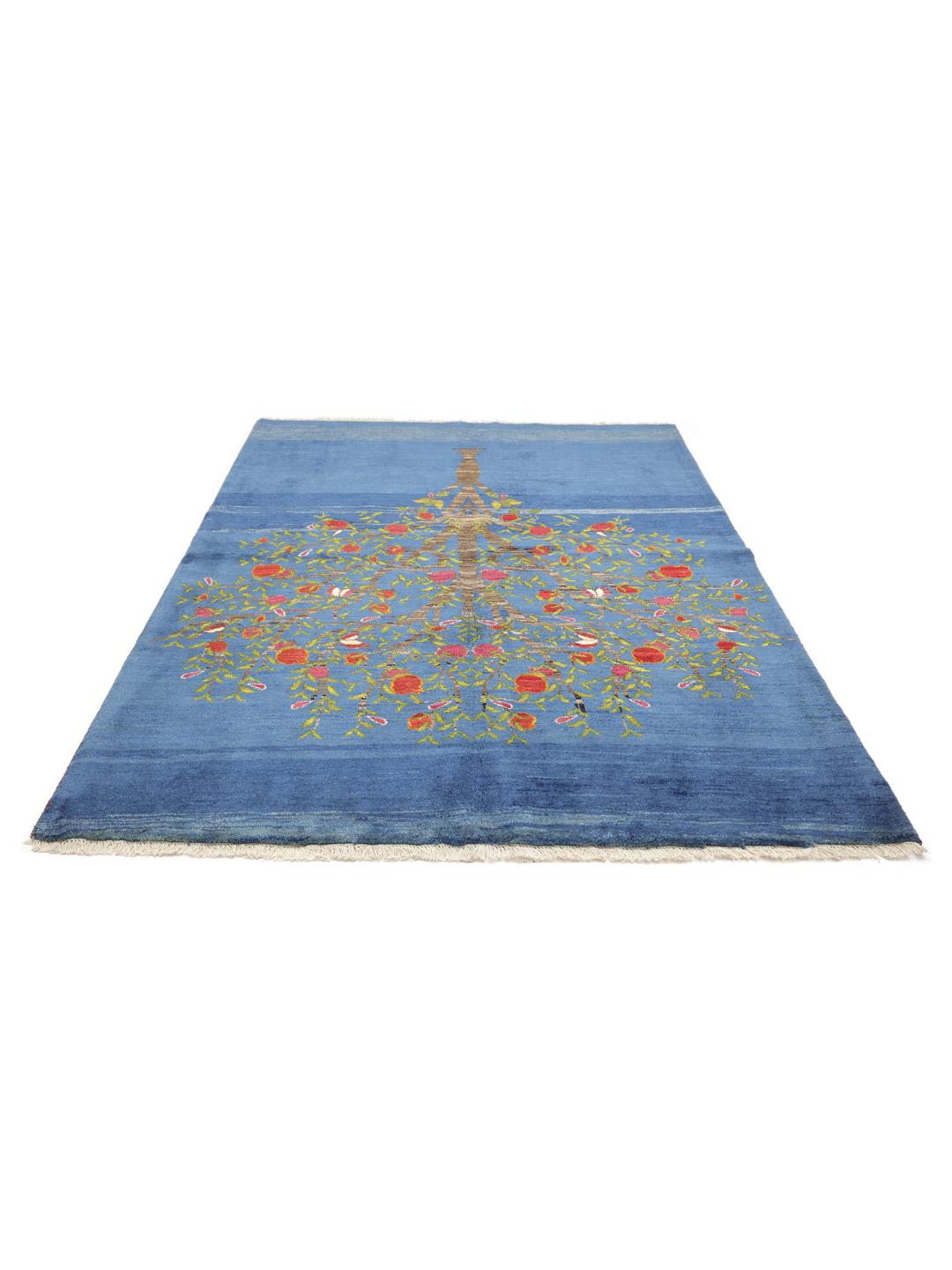
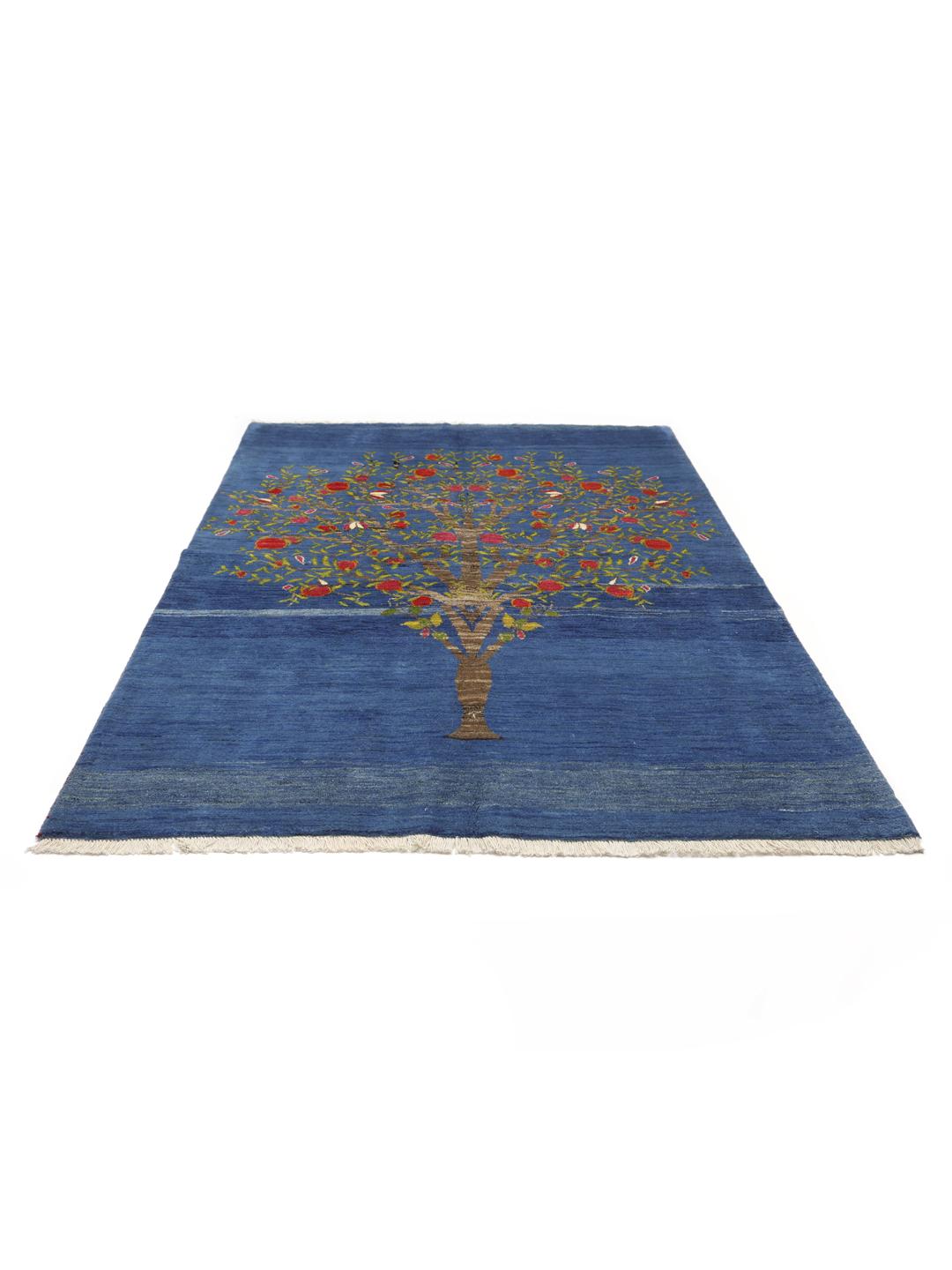
Loribaft rugs originate from the tribal weaving traditions of the Middle East, specifically associated with the nomadic and settled communities of the region. These rugs are celebrated for their thick, plush piles and their ability to blend ancient tribal aesthetics with a more modern, decorative sensibility. The tradition is deeply connected to the daily lives of the weavers, who often draw inspiration from the natural world surrounding them.
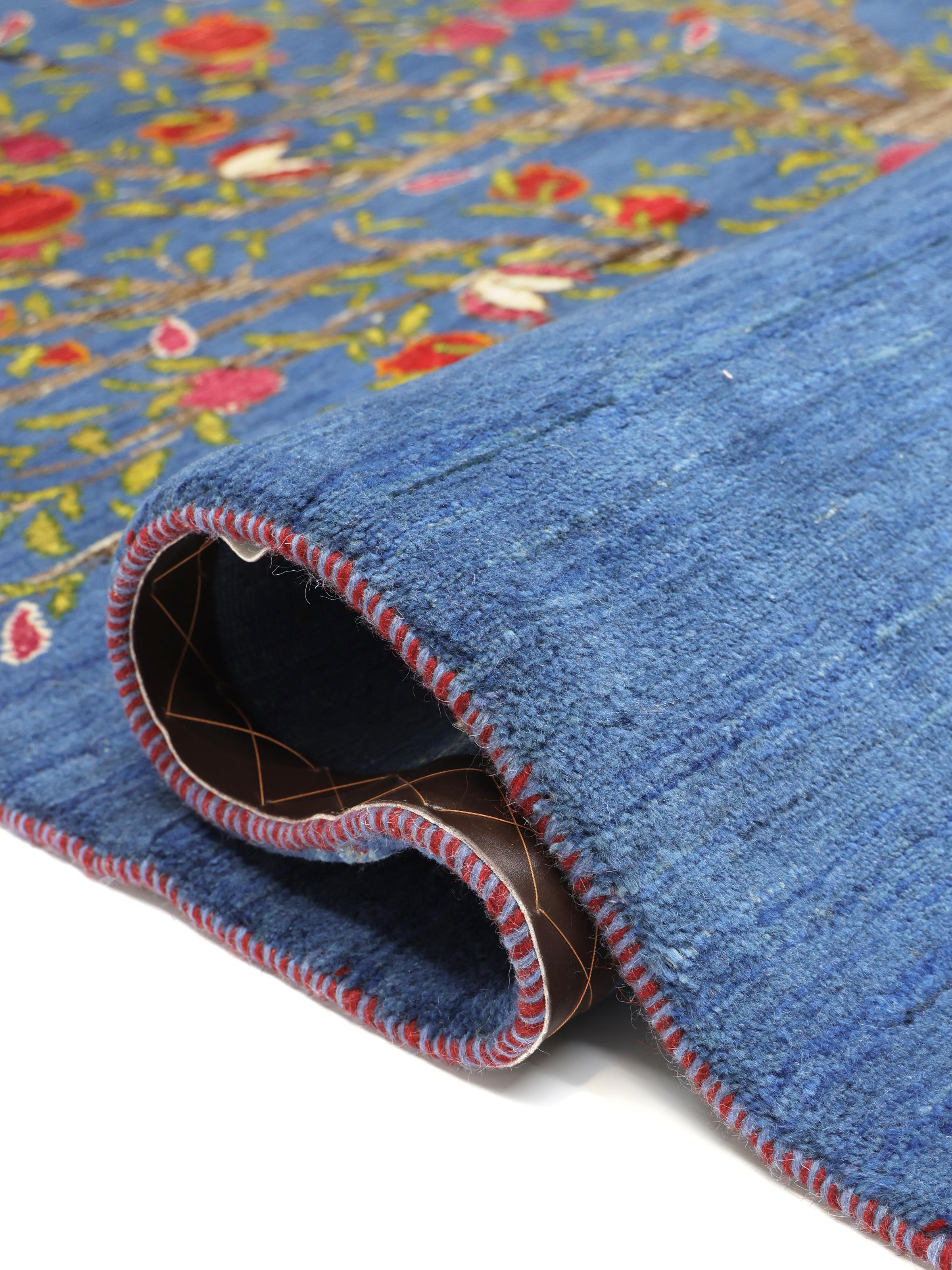
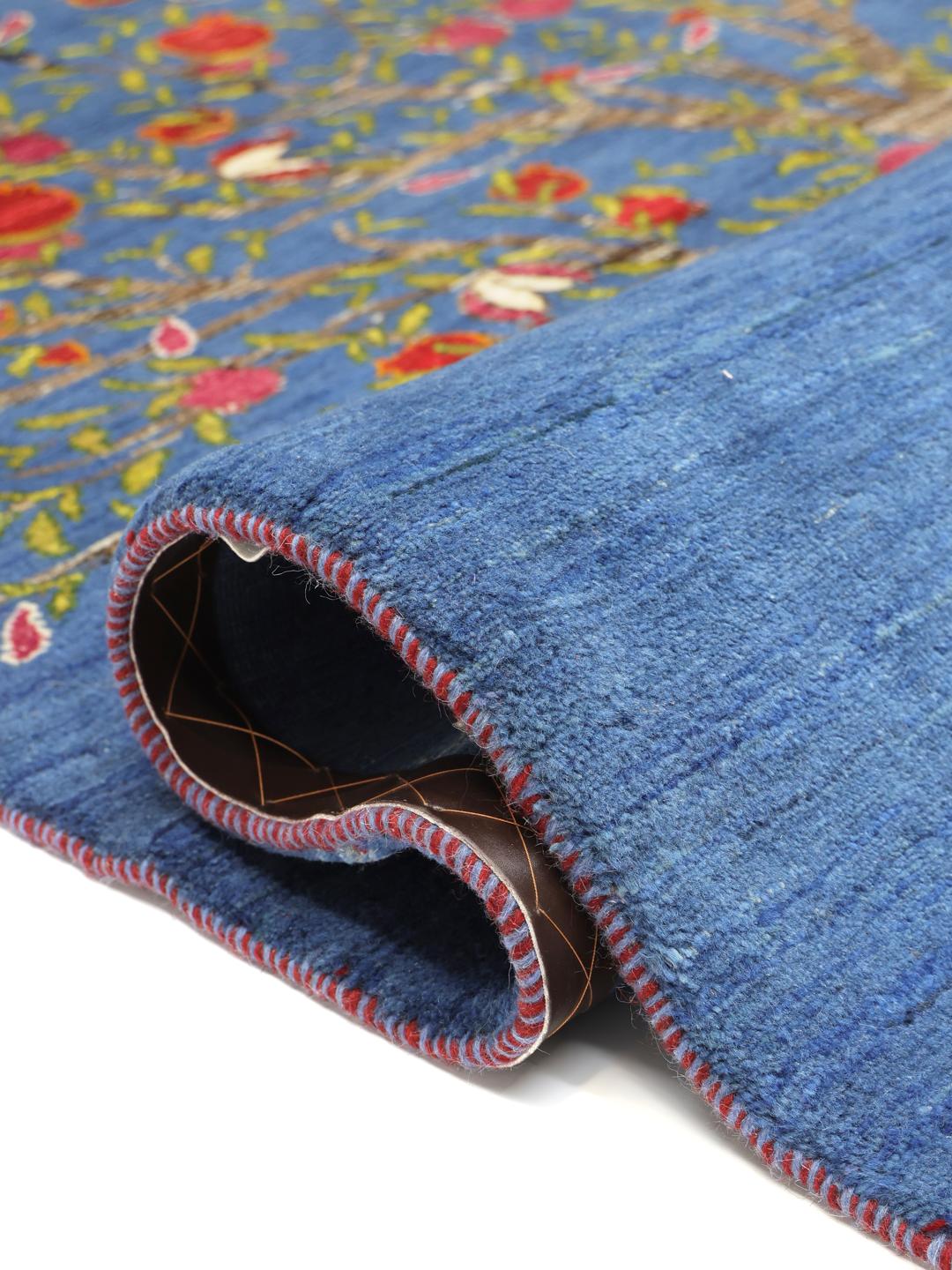
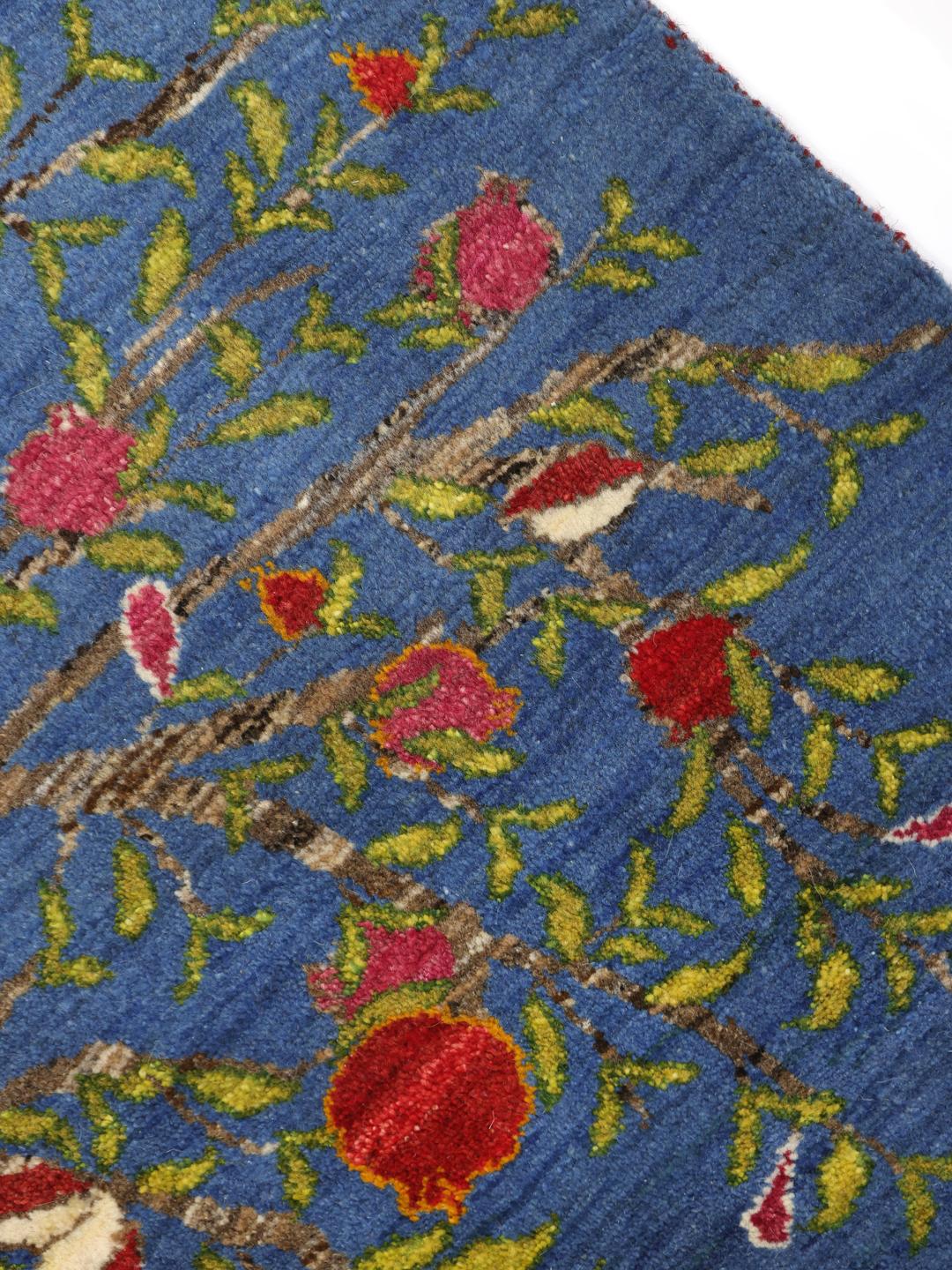
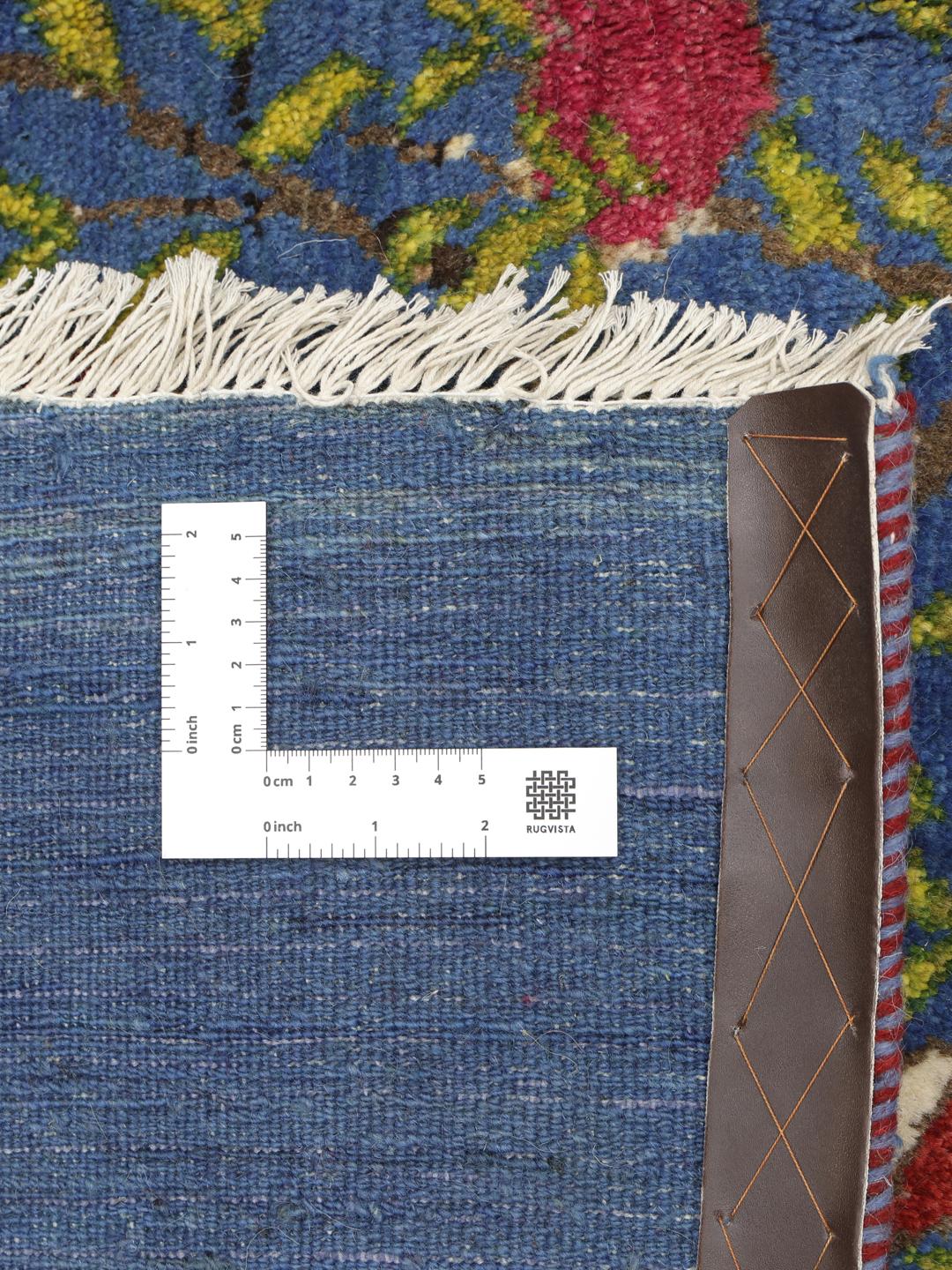
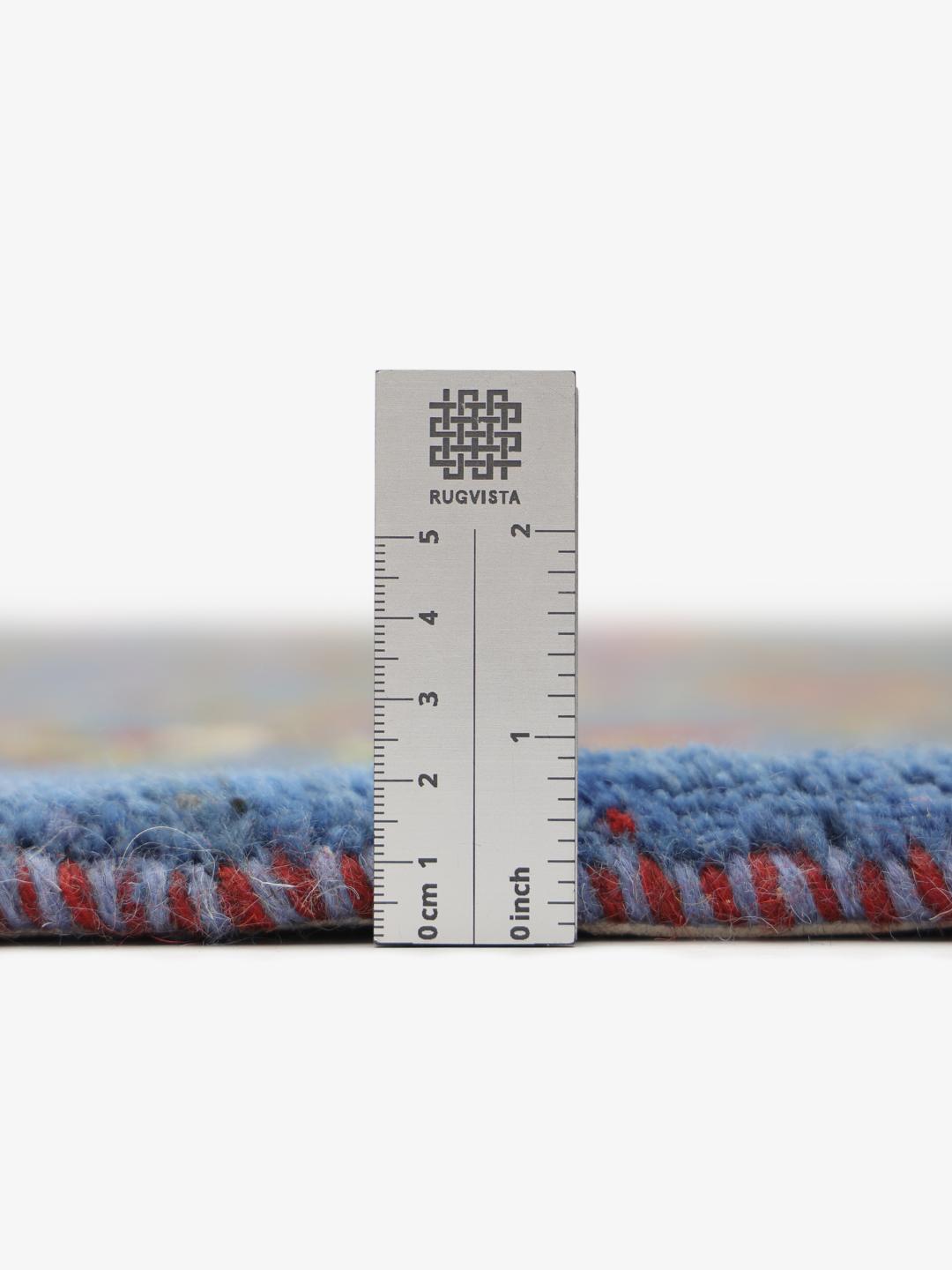
The term 'Loribaft' refers to a specific style of knotting that prioritises the density and softness of the wool. Unlike more formal, city-workshop rugs, these pieces often feature a slightly more relaxed approach to symmetry, which is a hallmark of their authentic, tribal roots. The 21 mm thickness of this piece is a direct result of this style, providing a deep, luxurious texture that is highly sought after by those who value both comfort and authenticity.
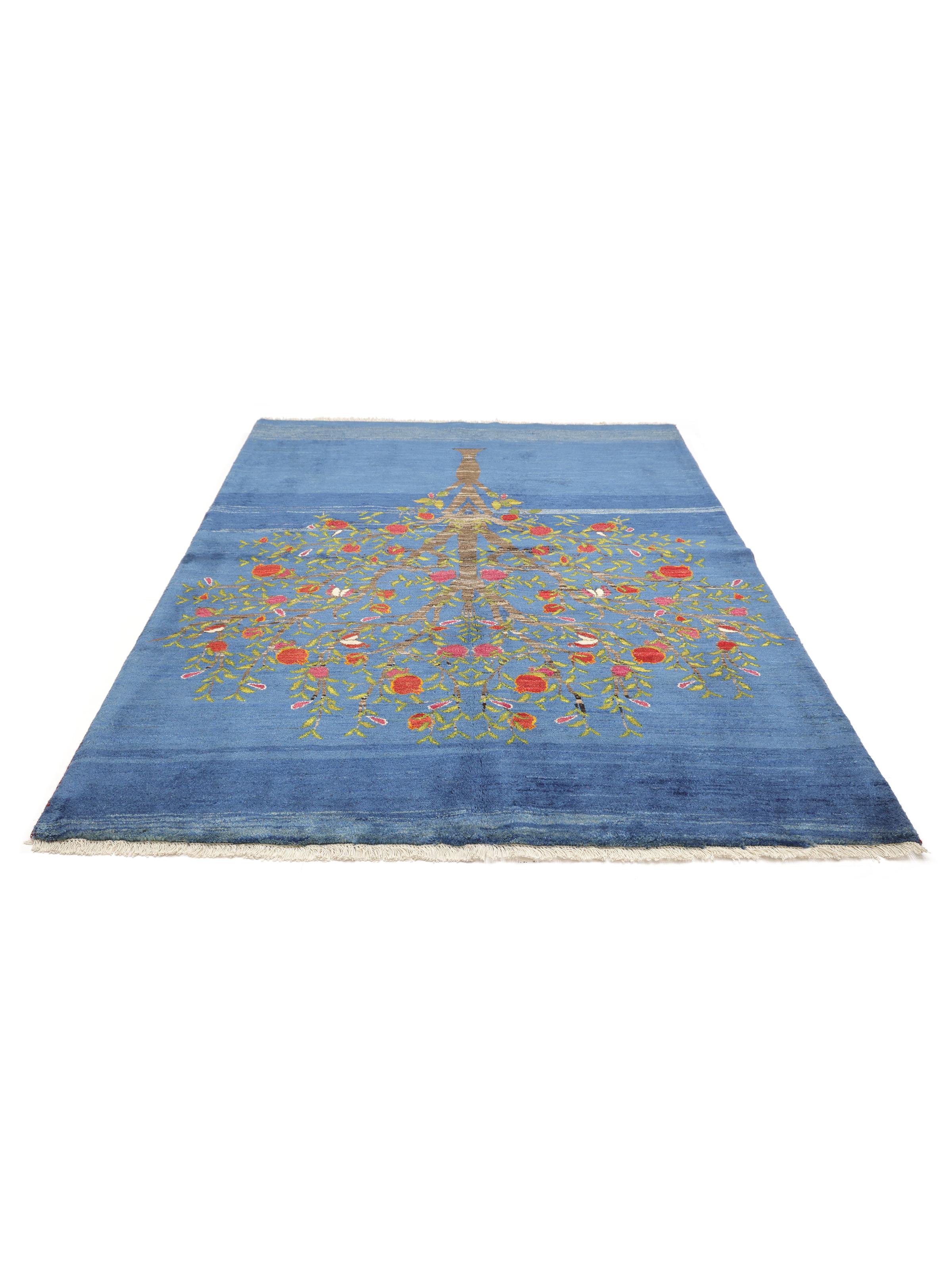
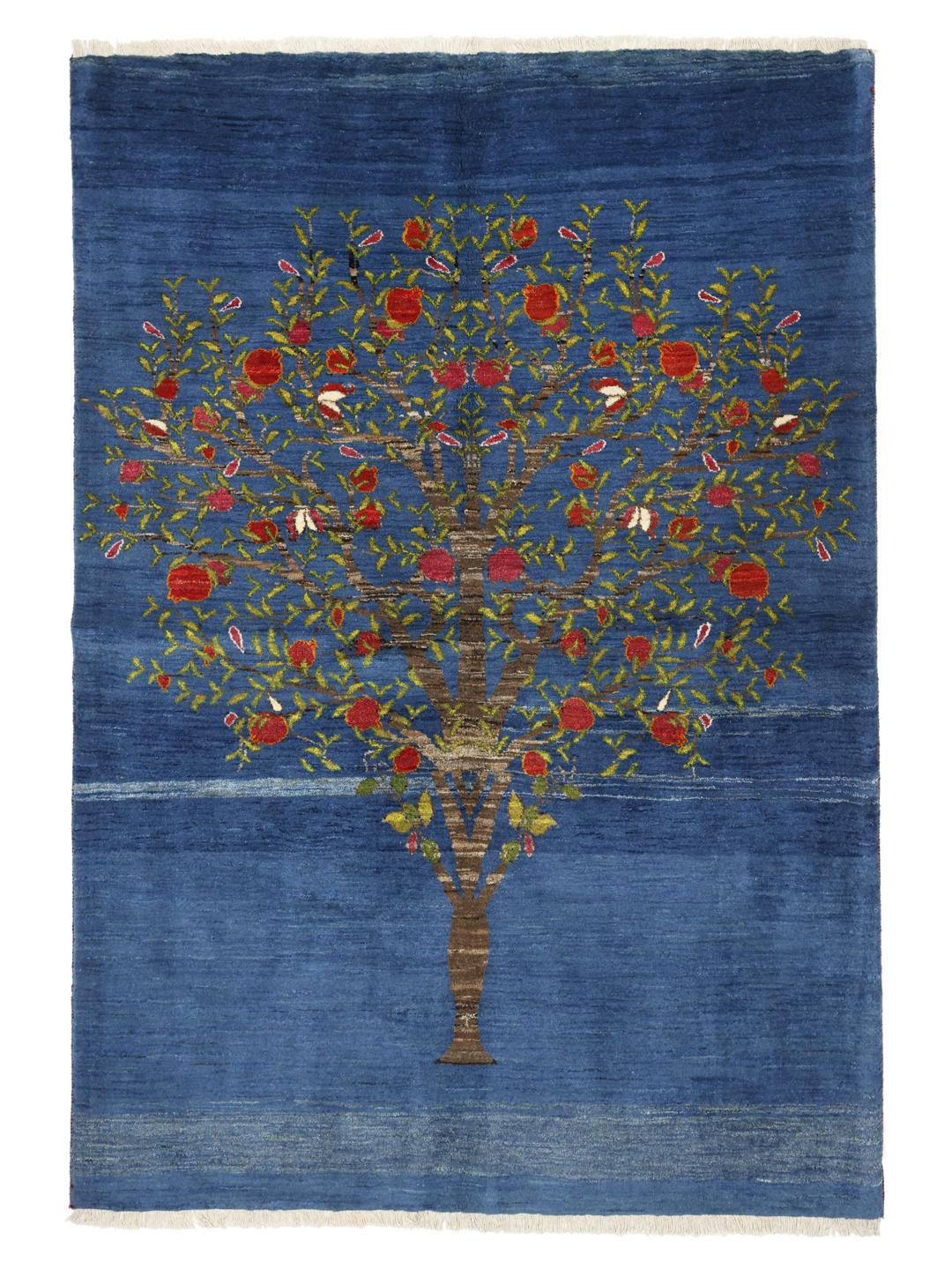
The central motif on this rug, the Tree of Life, is a timeless symbol found throughout the art of the Middle East. It represents growth, fertility, and the connection between the heavens and the earth. In this specific rug, the design is rendered with a focus on vibrant, organic shapes, with the red fruits acting as a beautiful contrast to the deep blue field. This use of colour and symbolism turns the rug into a narrative piece, telling a story that has been passed down through generations.
These rugs are highly valued by collectors for their unique blend of raw, tribal energy and refined craftsmanship. Owning a Loribaft means owning a piece of living history, where the skill of the weaver is evident in every strand. The cultural weight of these rugs lies in their ability to bridge the gap between traditional nomadic utility and the sophisticated needs of a contemporary home.