The Loribaft and Kashkooli traditions are deeply rooted in the nomadic heritage of the Middle East. These rugs are traditionally associated with the tribes of the region, who have passed down their weaving techniques through generations. The evolution of these styles has seen a transition from purely functional tent coverings to highly sought-after decorative pieces, yet they retain the soulful, spontaneous spirit of their nomadic origins.
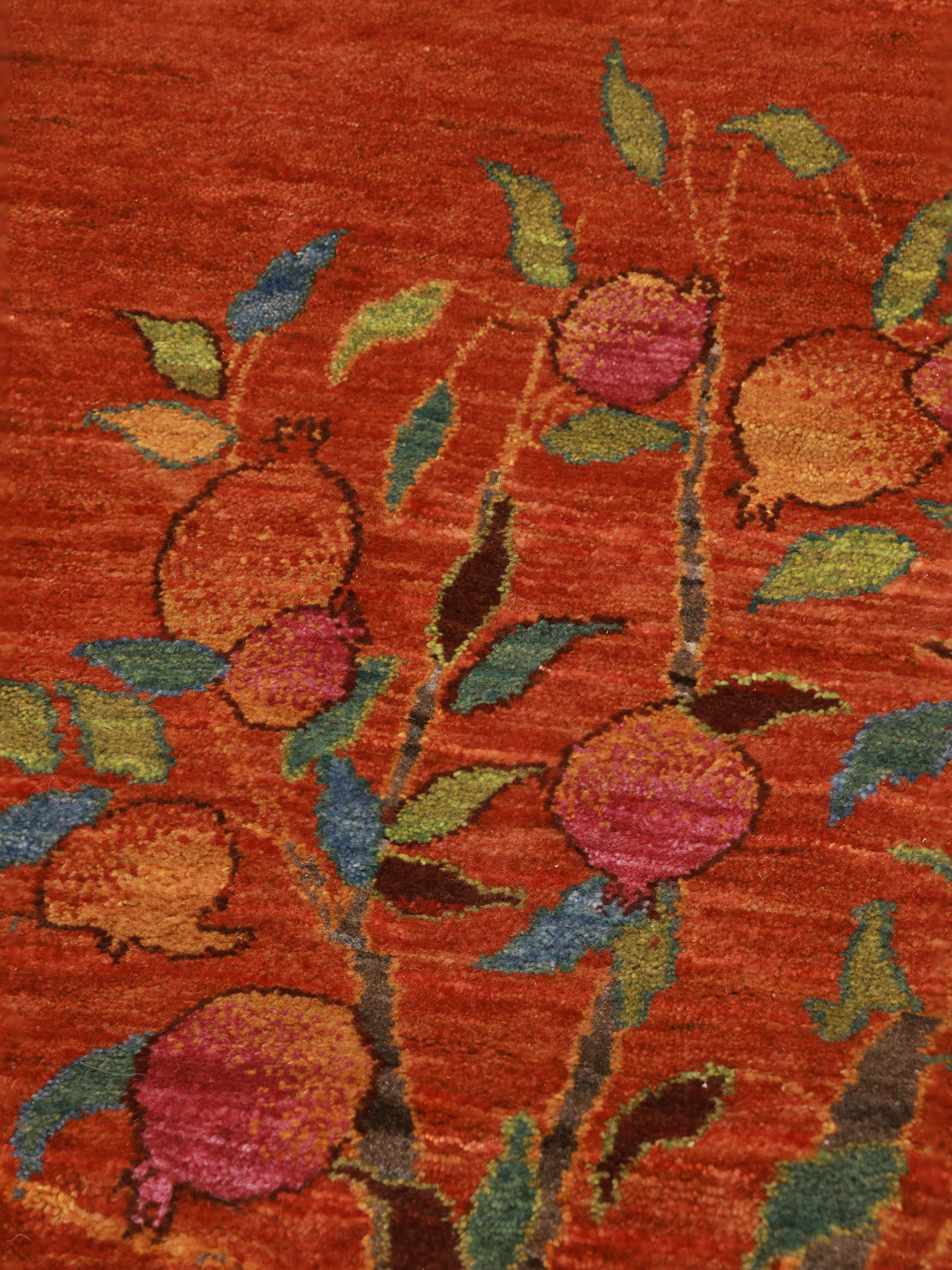
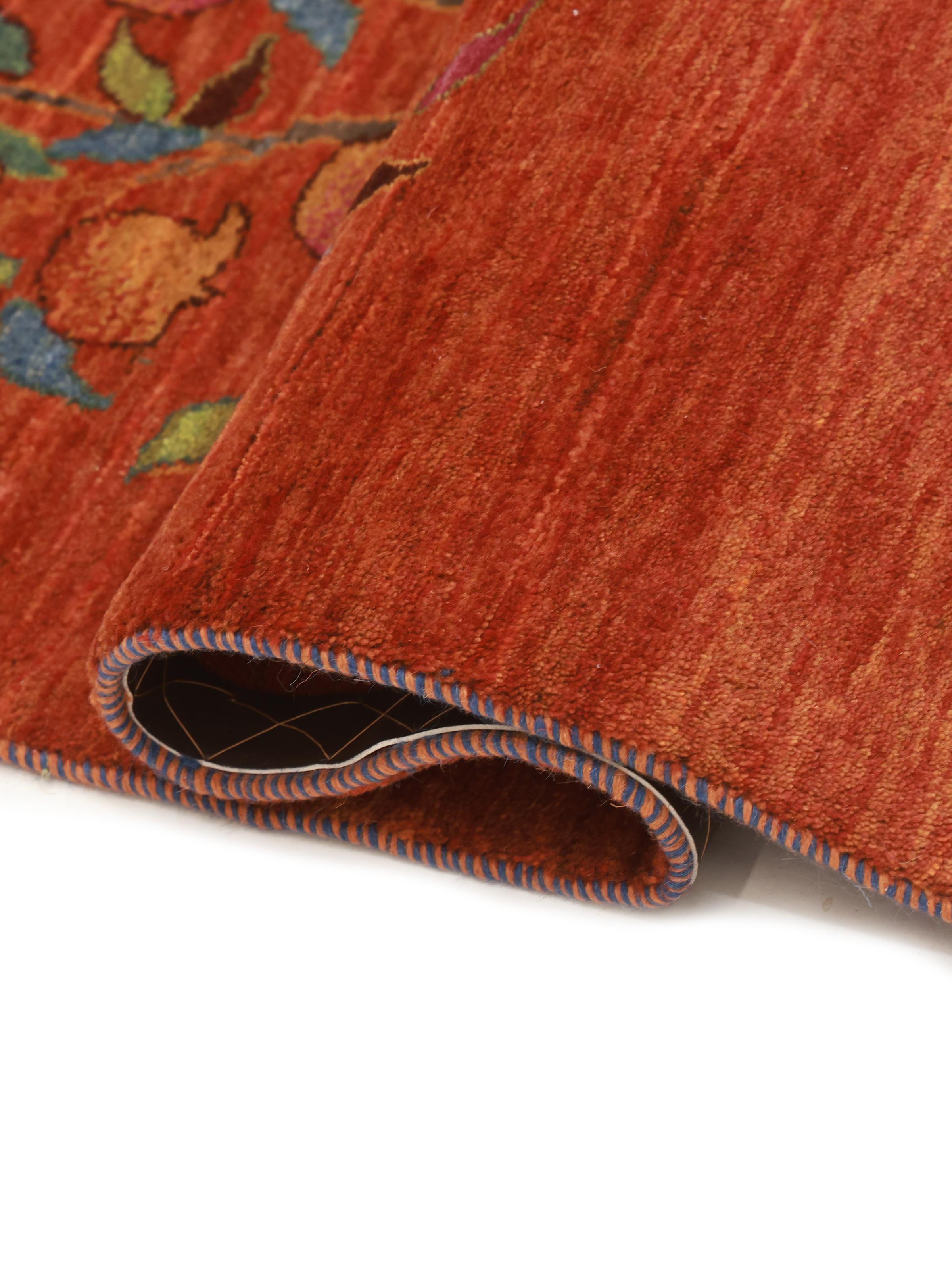
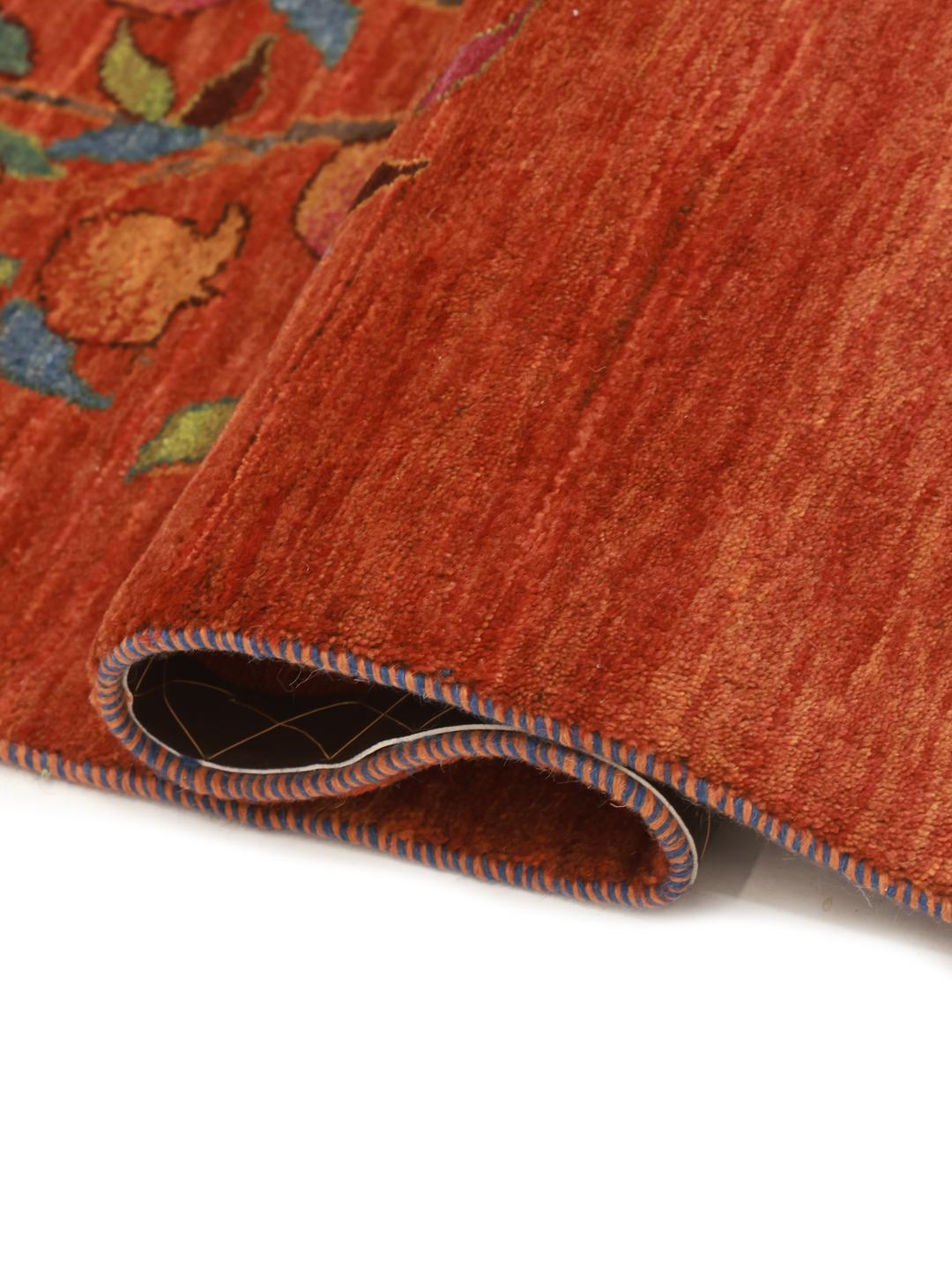
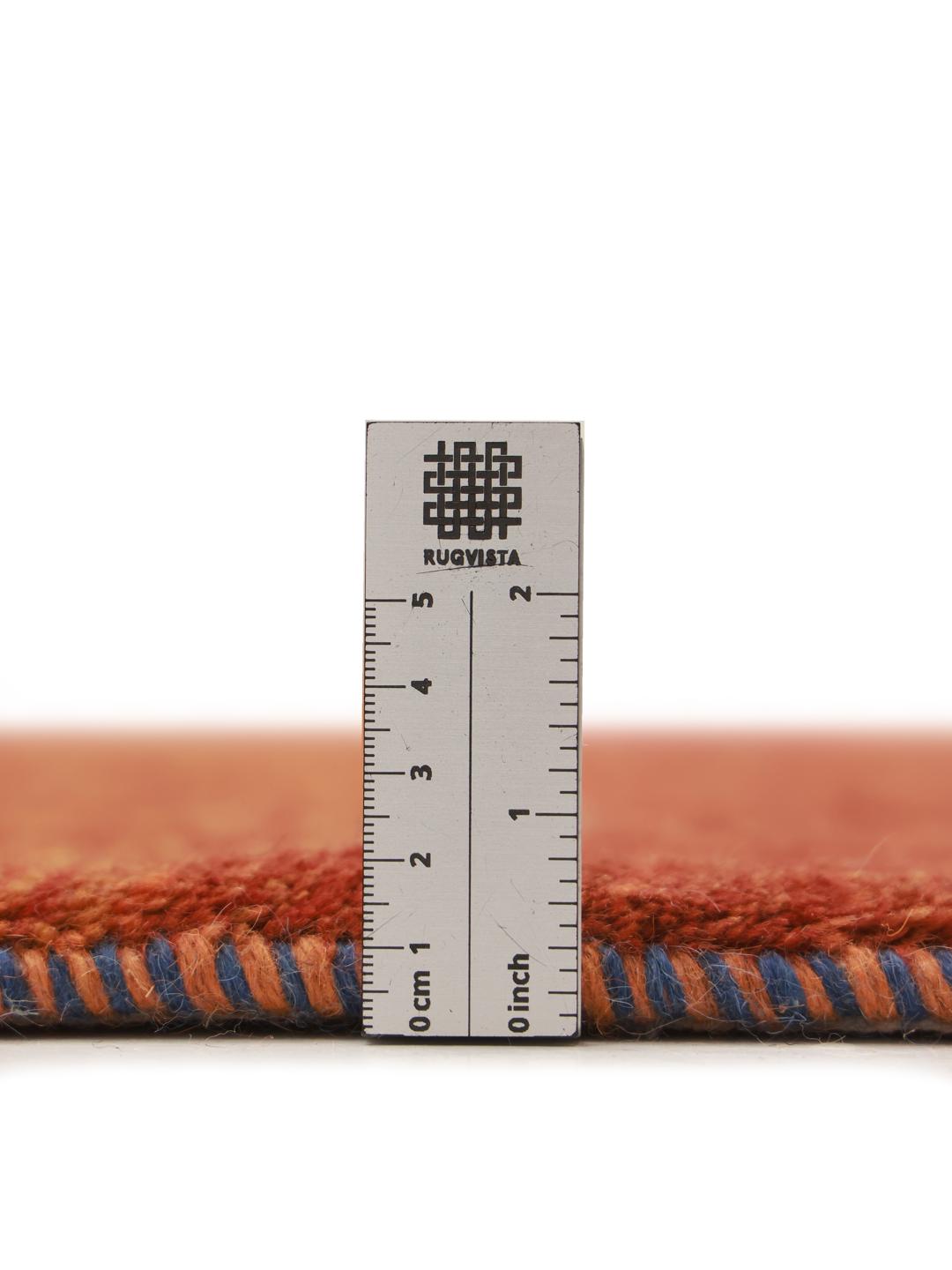
The term 'baft' in the name refers to the weaving process itself, which is often characterised by a thicker, more generous pile compared to other styles. This construction choice is not merely aesthetic; it is a functional adaptation to the rugged, cooling environments where these rugs were traditionally used. By using a denser, thicker pile, the weavers created a barrier against the cold, resulting in a rug that feels remarkably luxurious and warm.
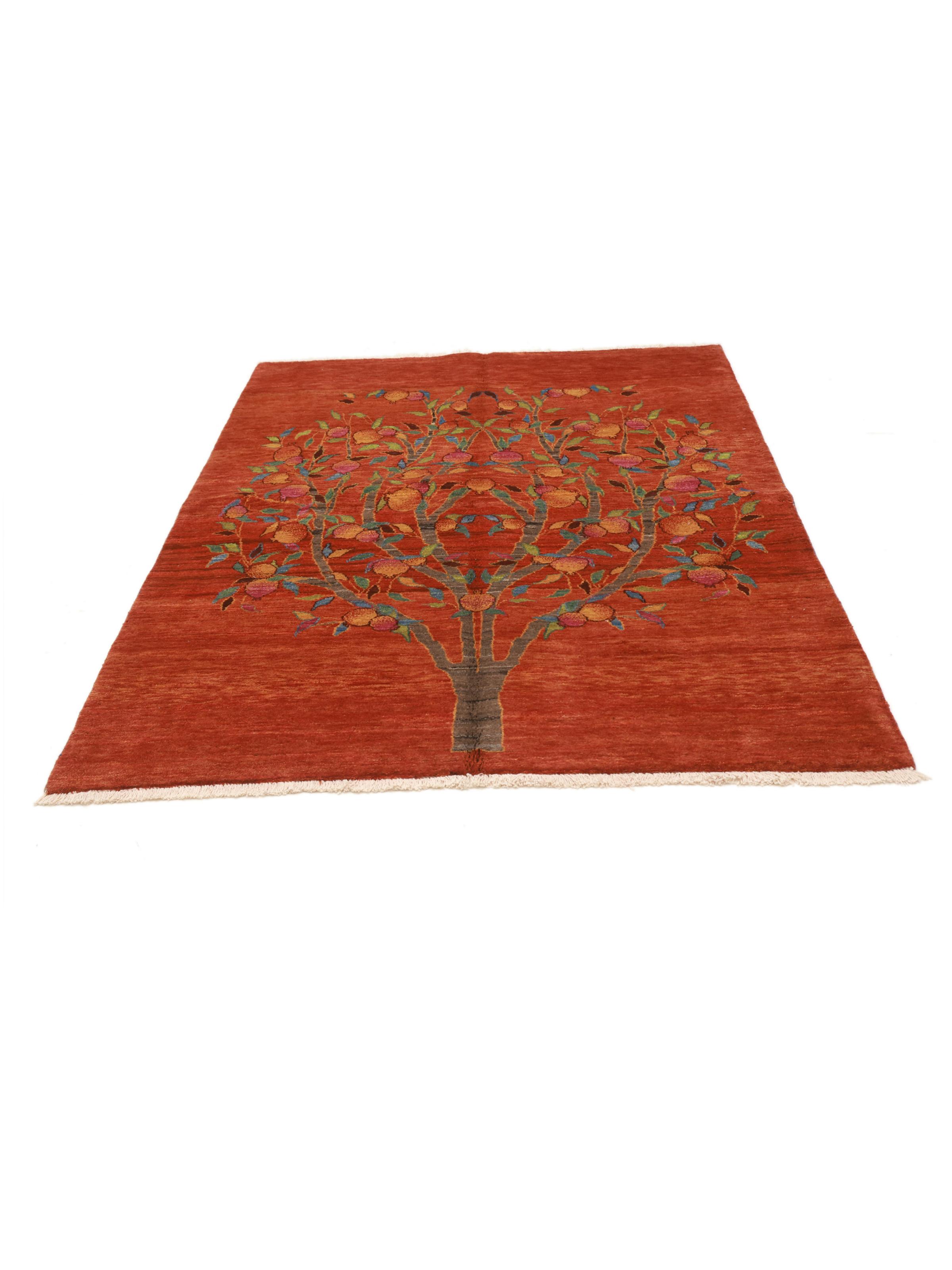
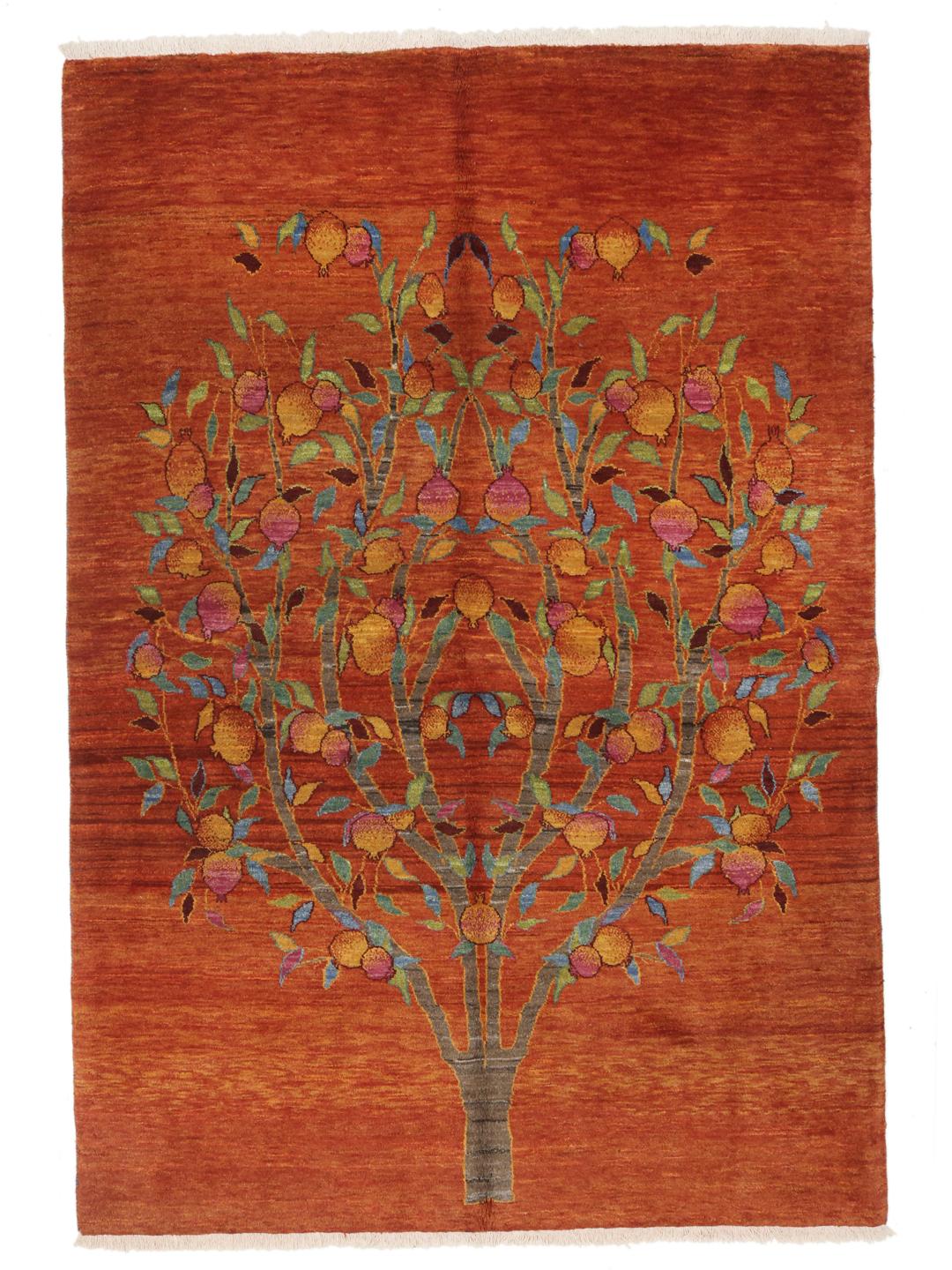
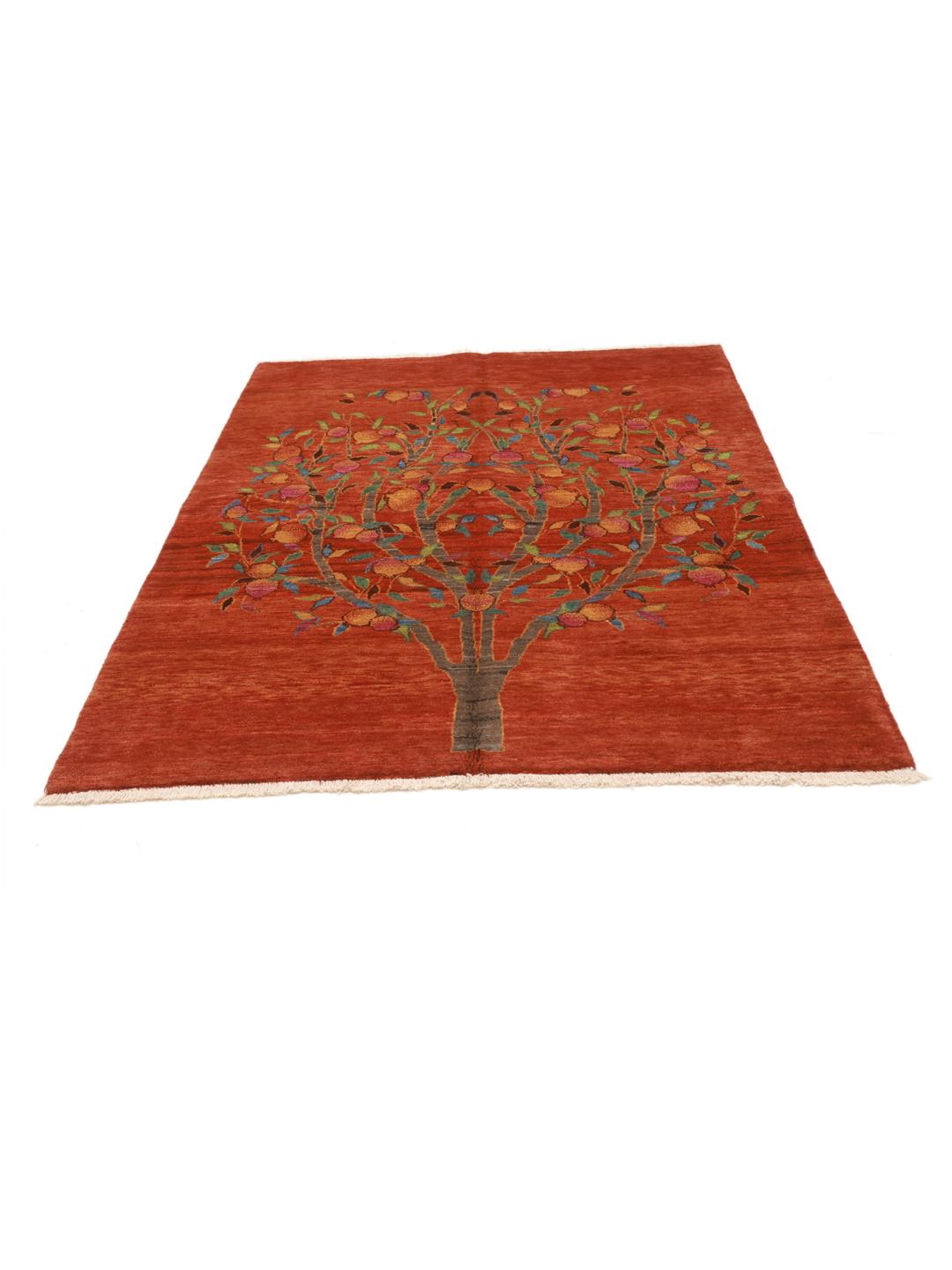
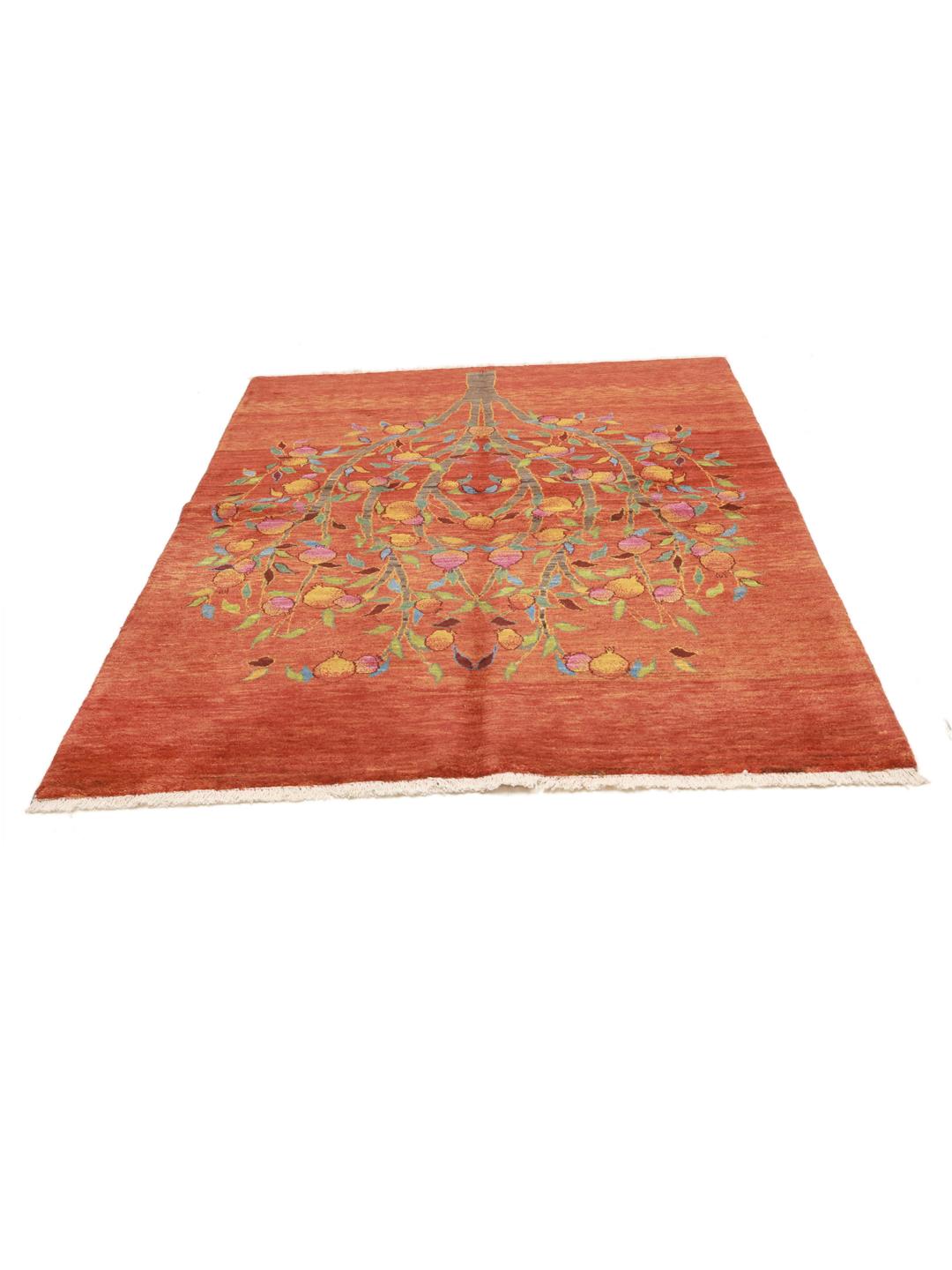
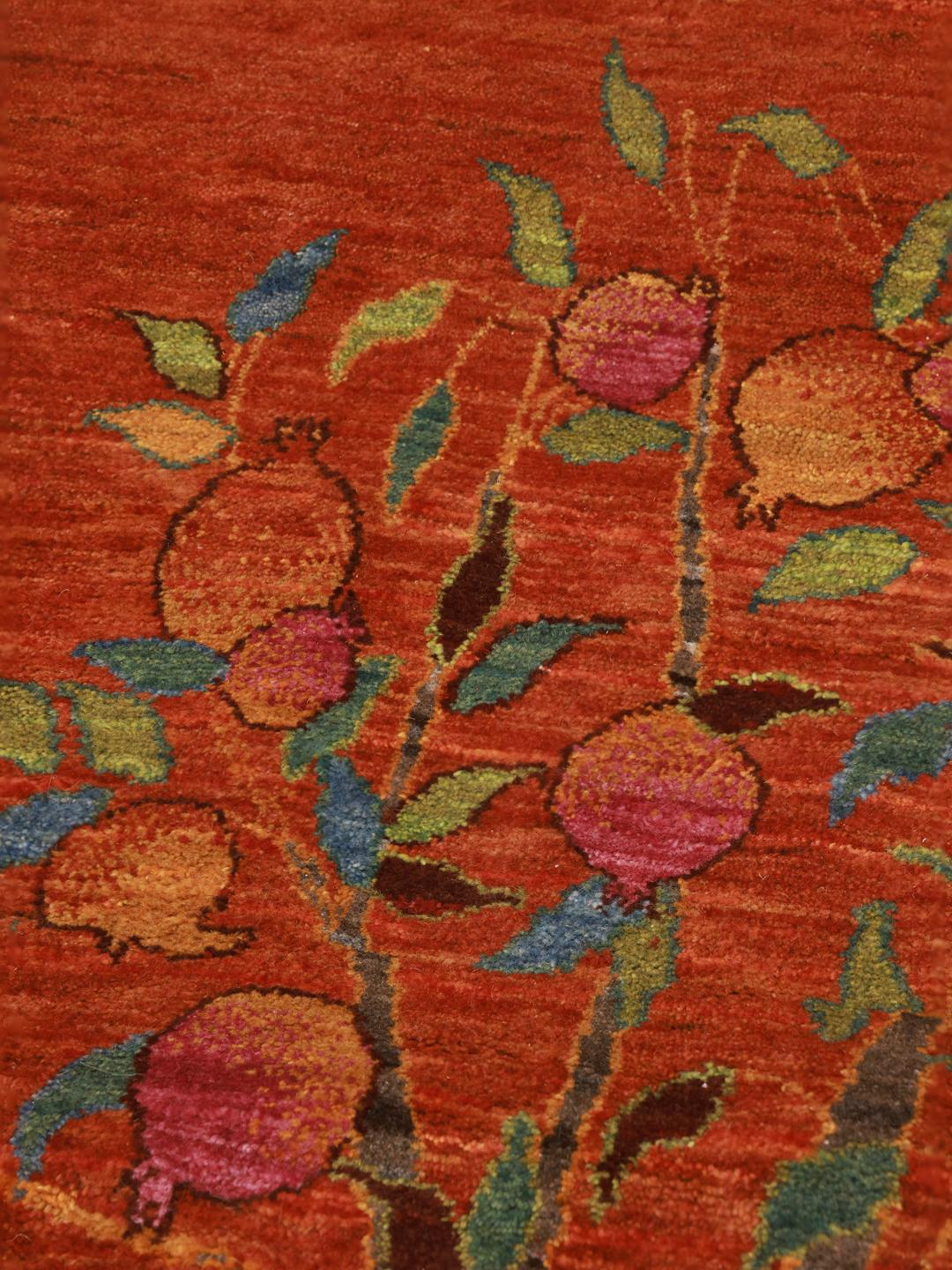
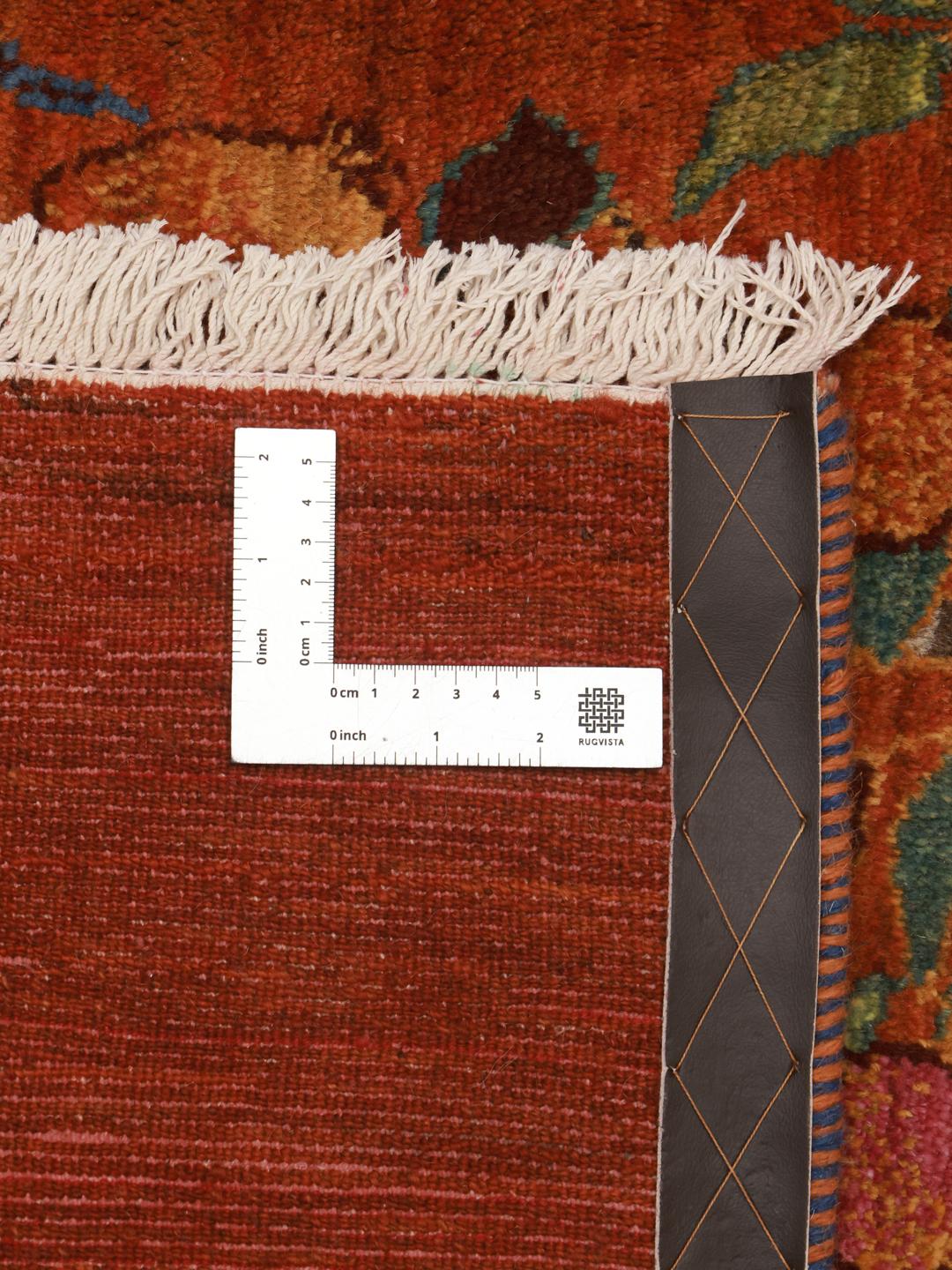
Visually, these rugs are defined by their expressive use of colour and motifs. While traditional patterns often include geometric shapes, the tree of life is a recurring and highly symbolic element. It represents the cycle of nature, fertility, and prosperity. The vibrant, warm tones found in this piece are achieved through traditional dyeing methods, which often result in subtle variations—a hallmark of authenticity that collectors deeply appreciate.
Owning a piece from this tradition is an investment in cultural heritage. Because each rug is created by hand without the use of a rigid design template, every piece reflects the personal interpretation and mood of the person who made it. This makes these rugs highly collectible, as they offer a tangible connection to a storied craft tradition that values human creativity and the slow, deliberate process of making something that truly lasts.