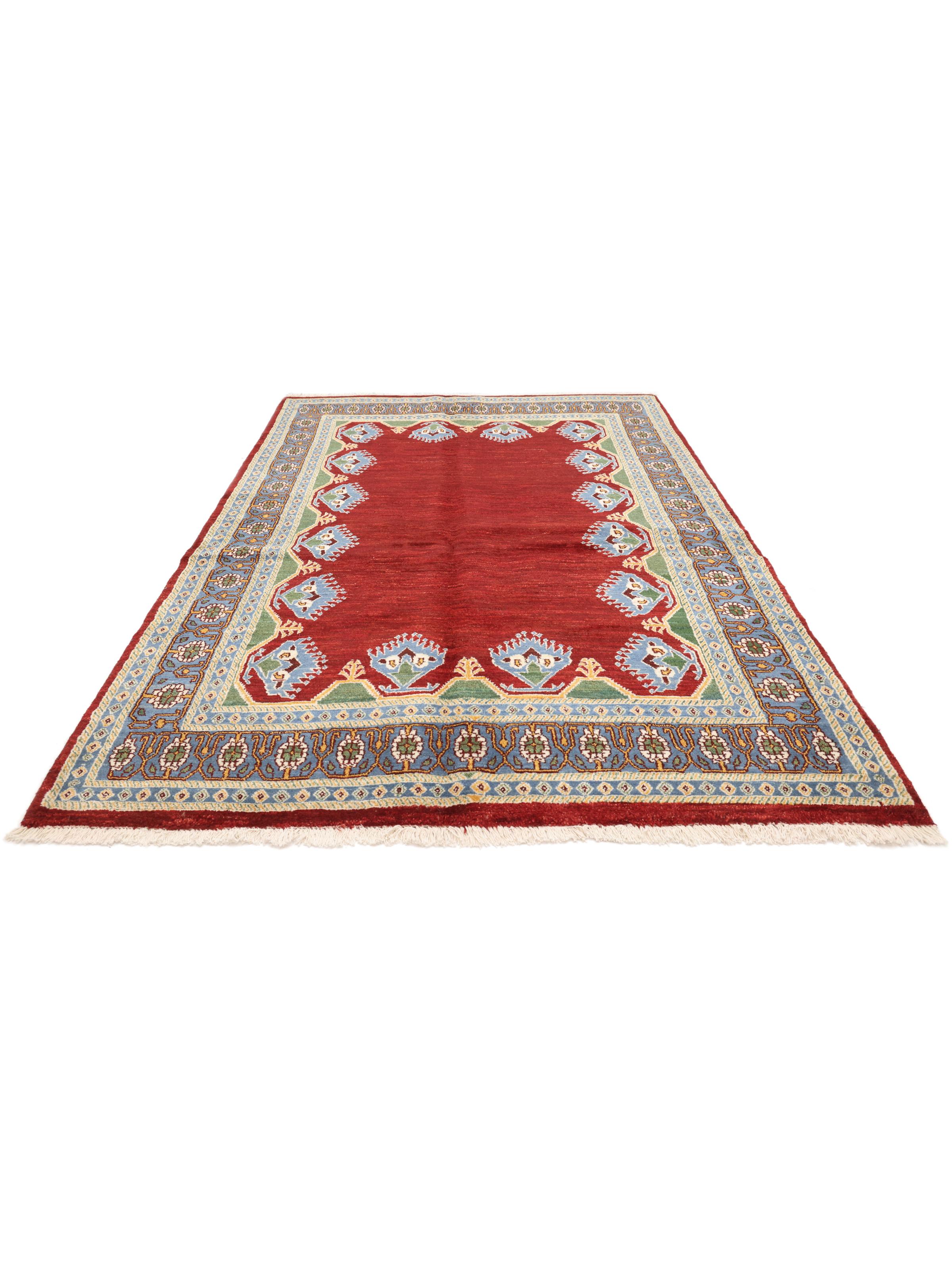
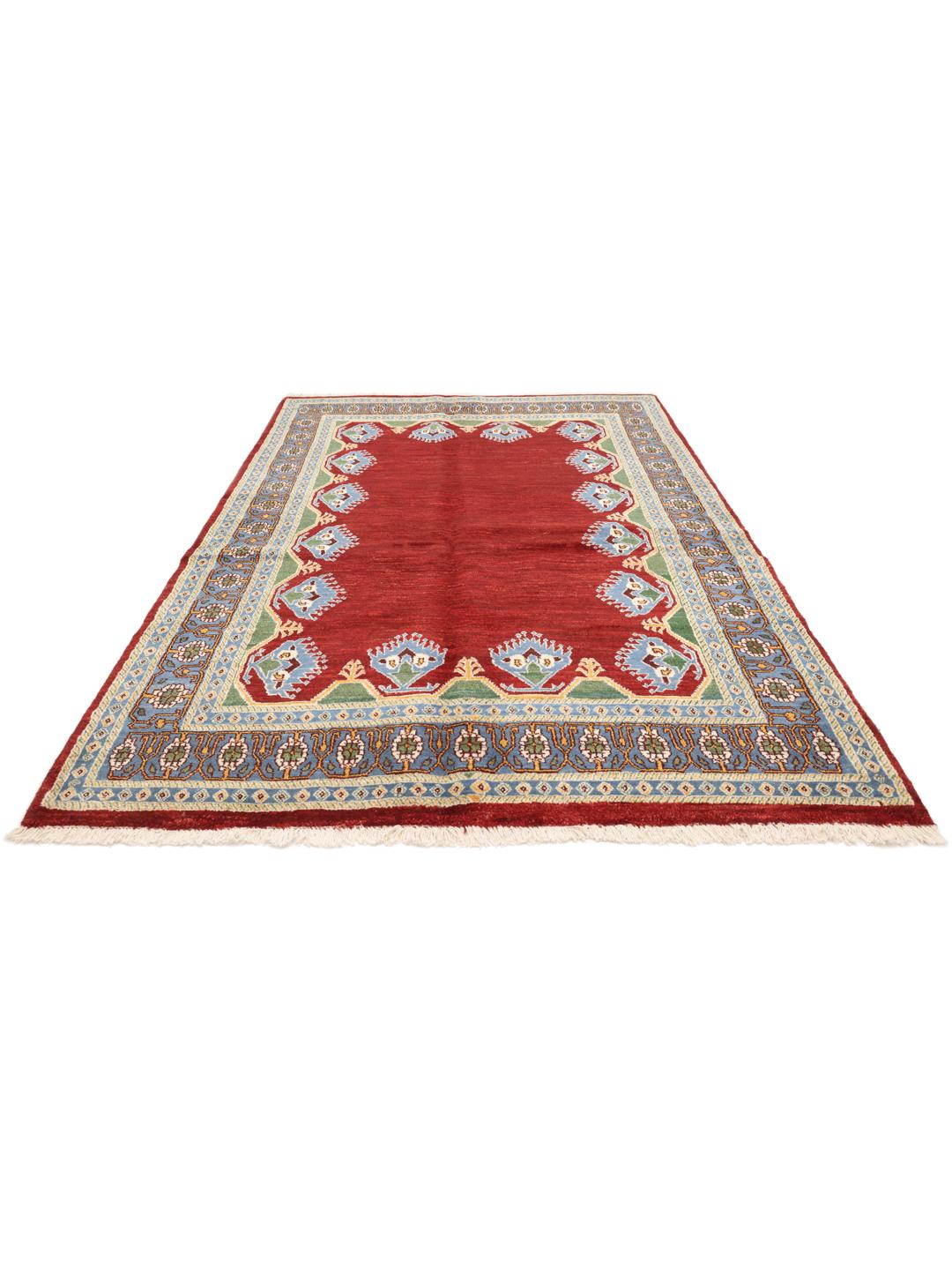
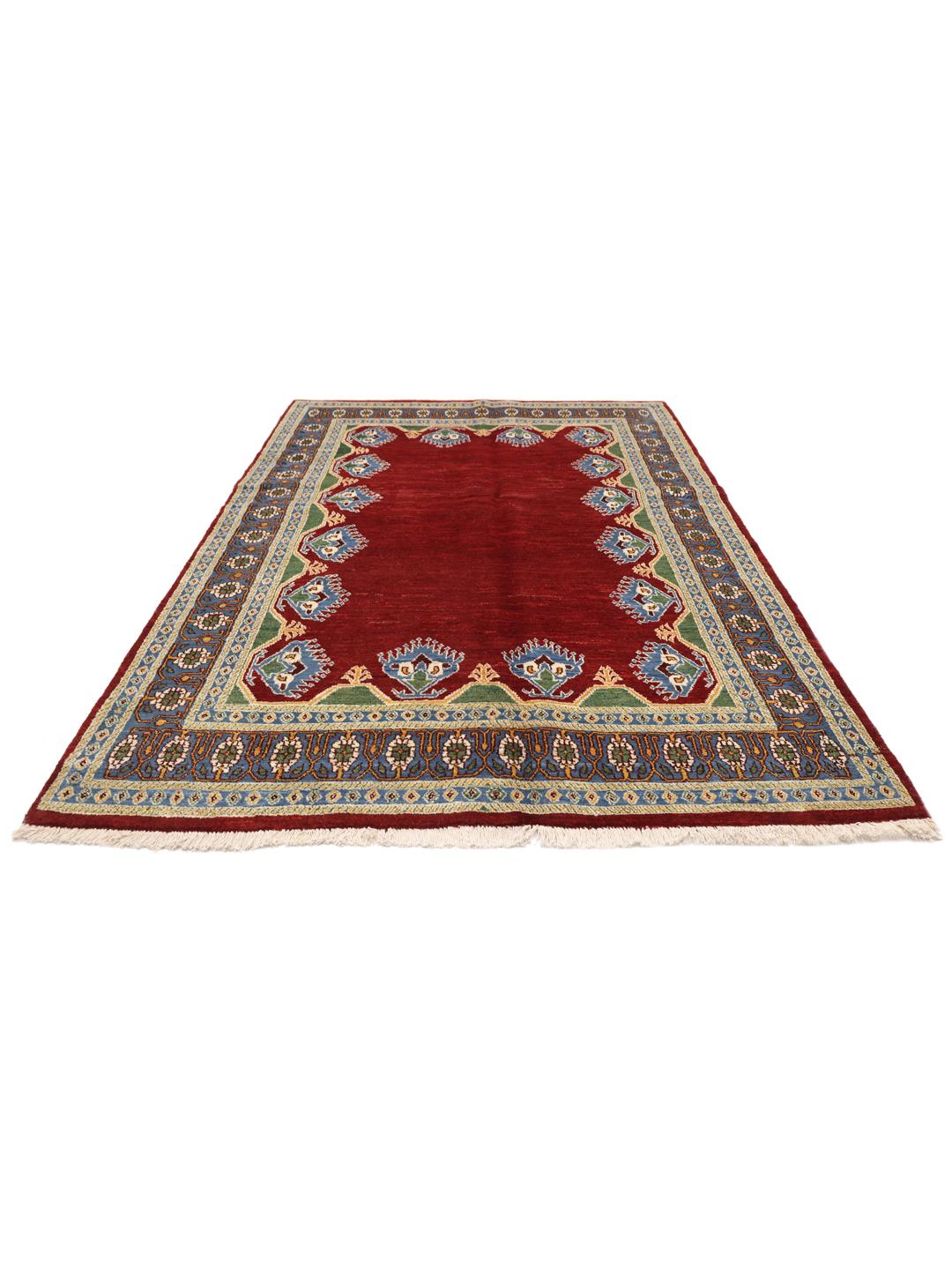
Loribaft rugs originate from the tribal regions of the Middle East, specifically associated with the nomadic tribes who have passed down their weaving traditions through generations. These rugs are deeply rooted in the cultural identity of their makers, serving as both functional floor coverings and expressions of tribal heritage. Over time, these weaving styles have evolved while maintaining their connection to the landscape and the traditional craft methods of their ancestors.
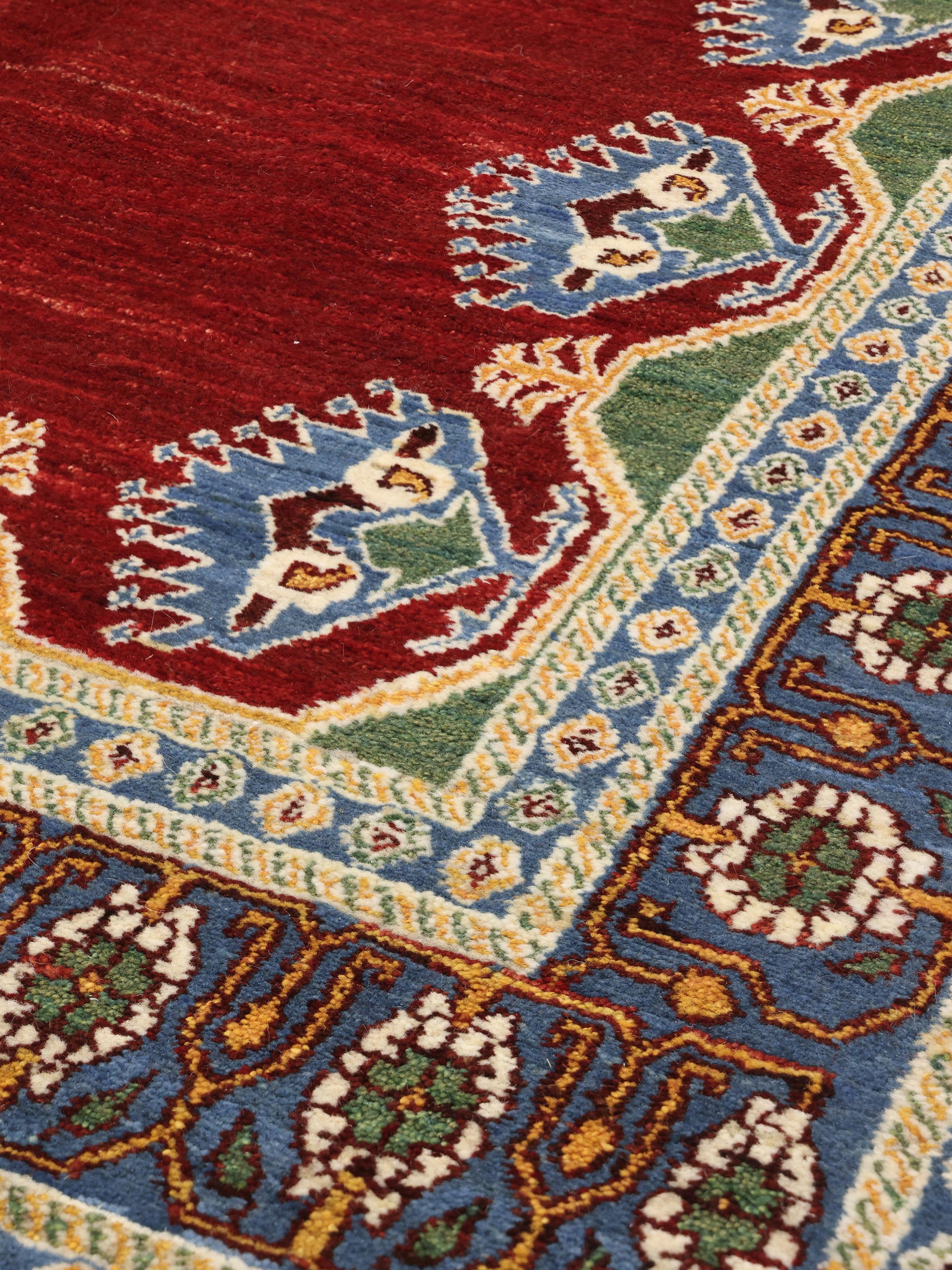
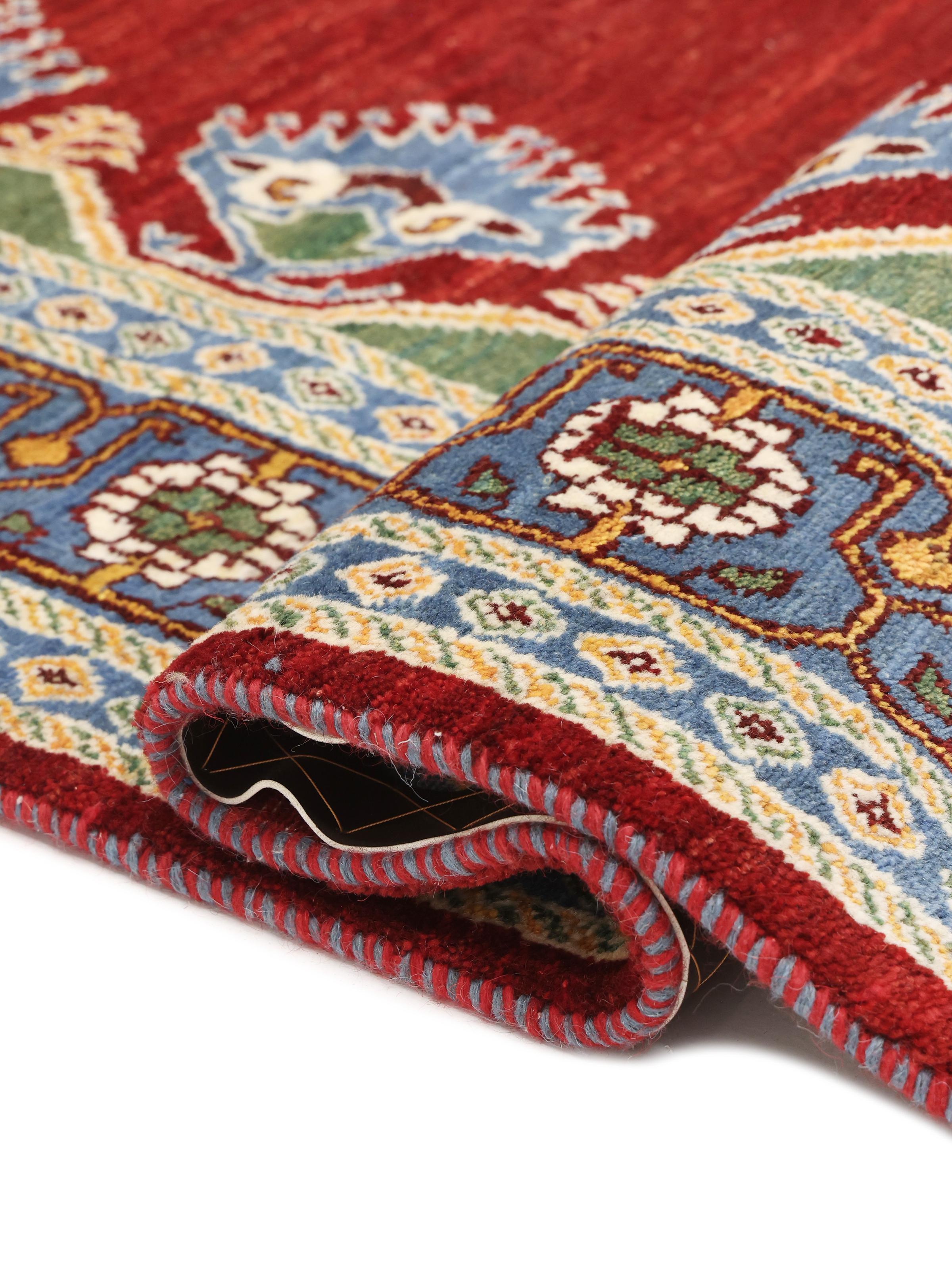
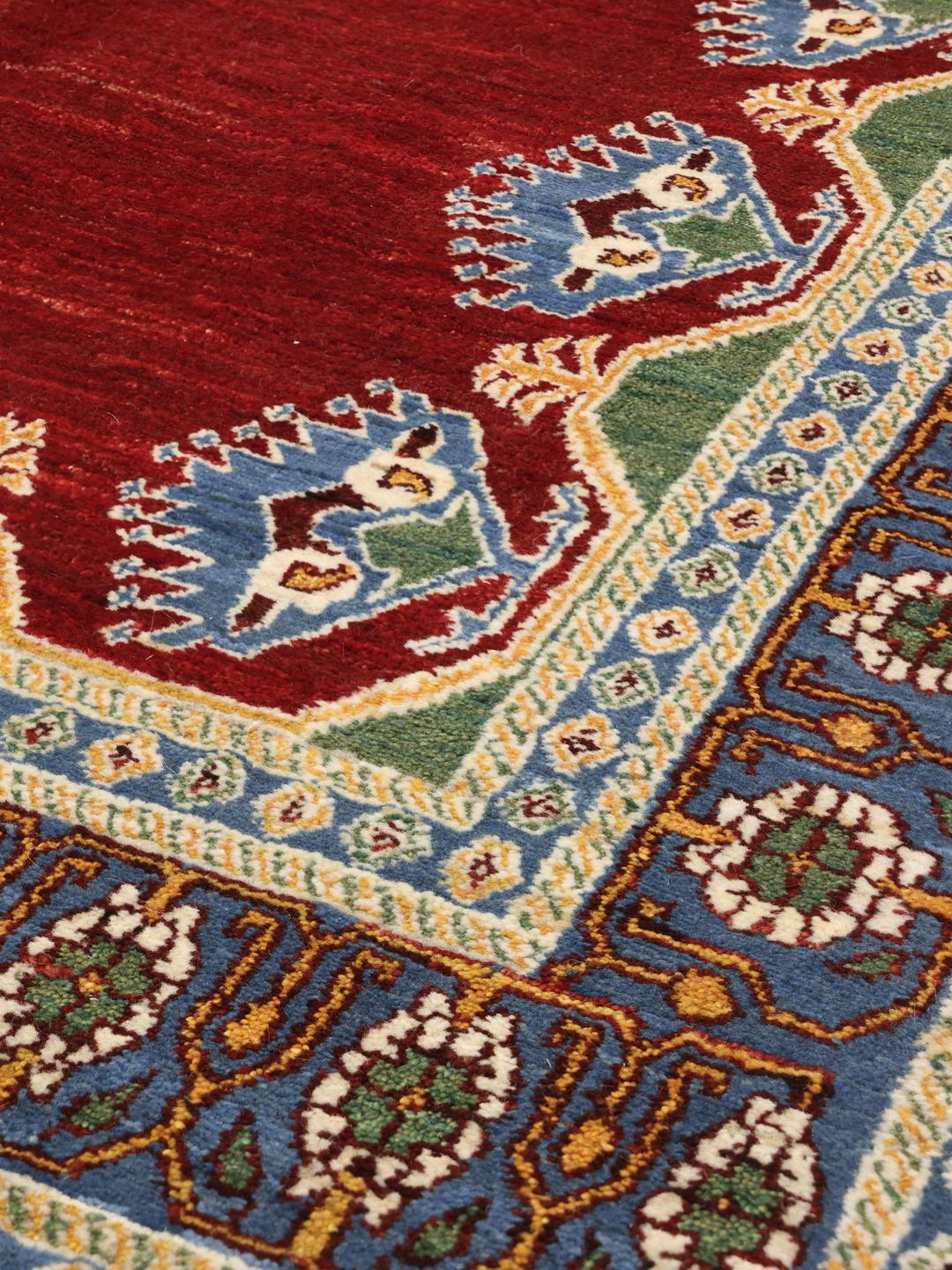
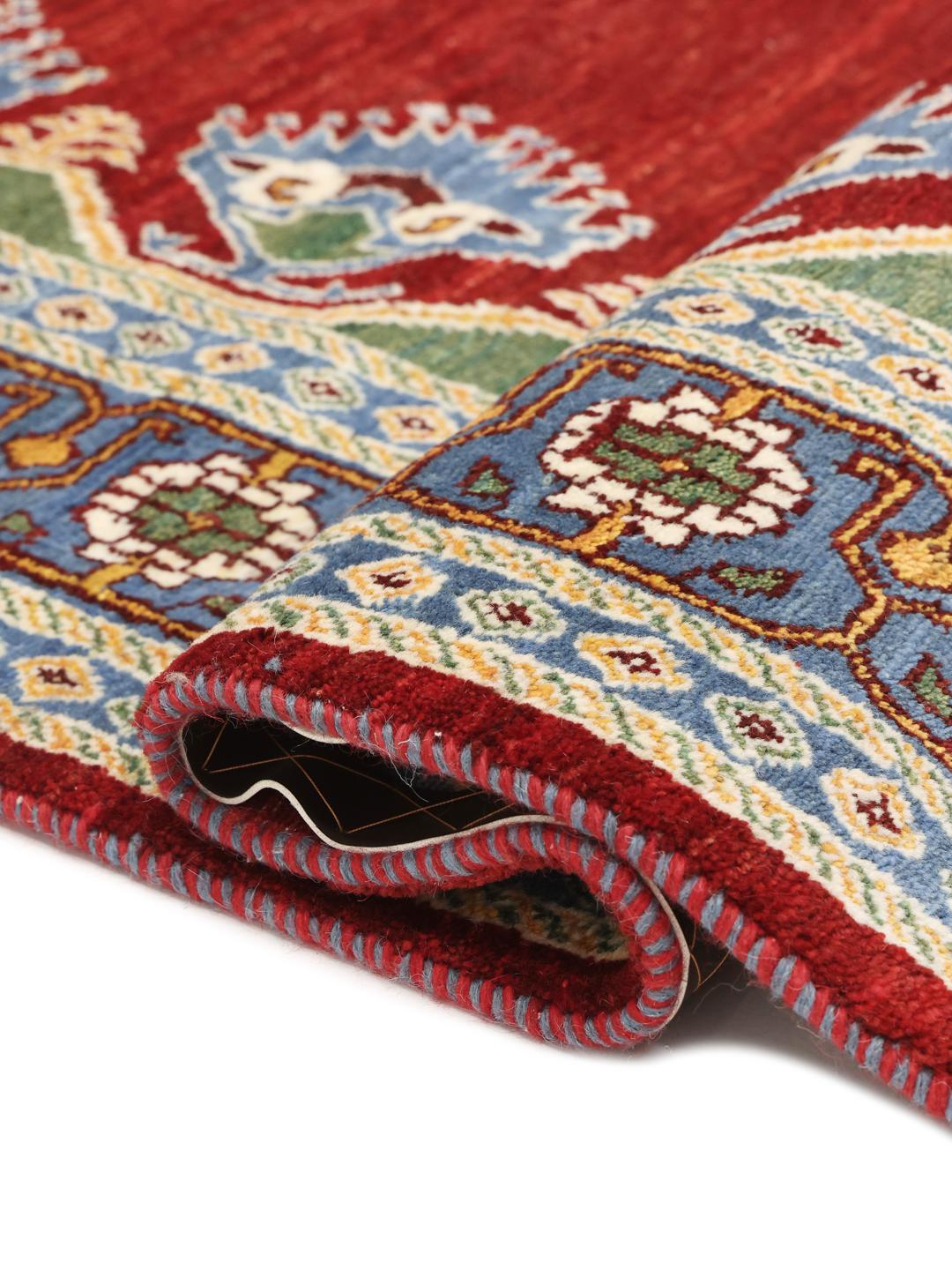
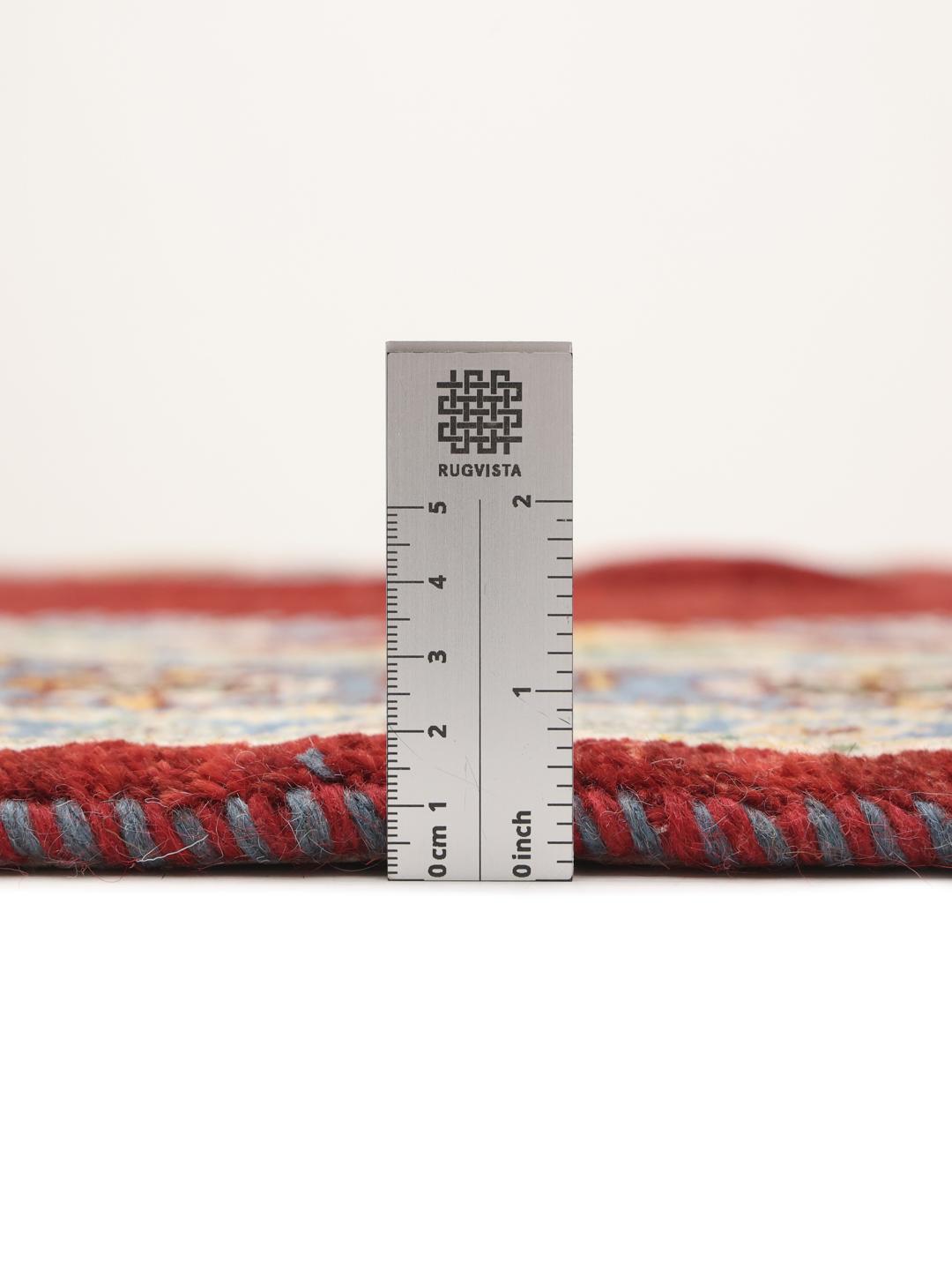
The term Loribaft refers to a specific style of weaving that emphasises a denser, more plush pile compared to traditional flat-woven kilims. This technique involves using high-quality wool to create a surface that is soft to the touch yet incredibly durable. For the owner, this means enjoying a rug that balances the rustic charm of tribal artistry with the luxurious, cushioned feel of a thicker, more substantial pile.
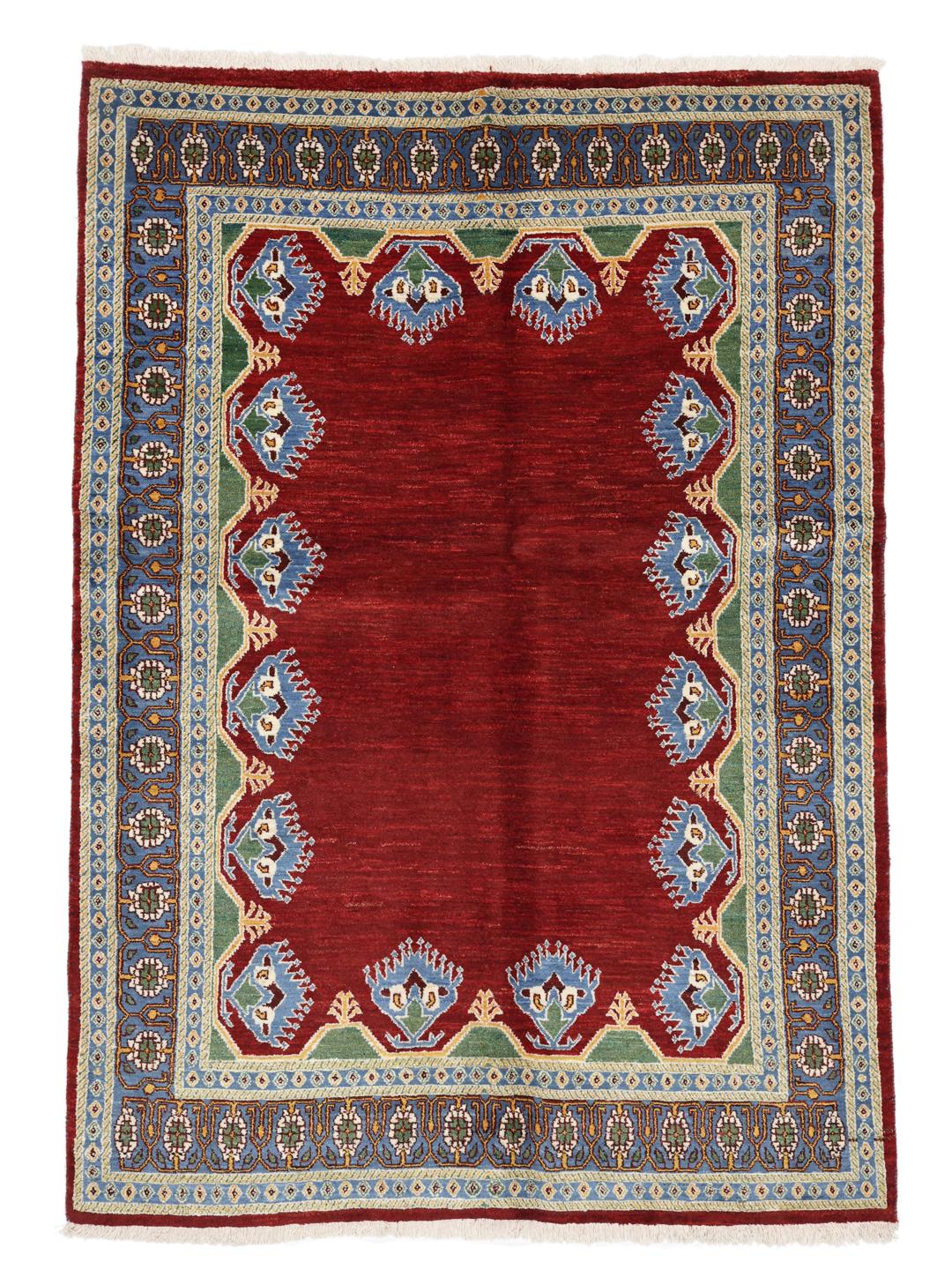
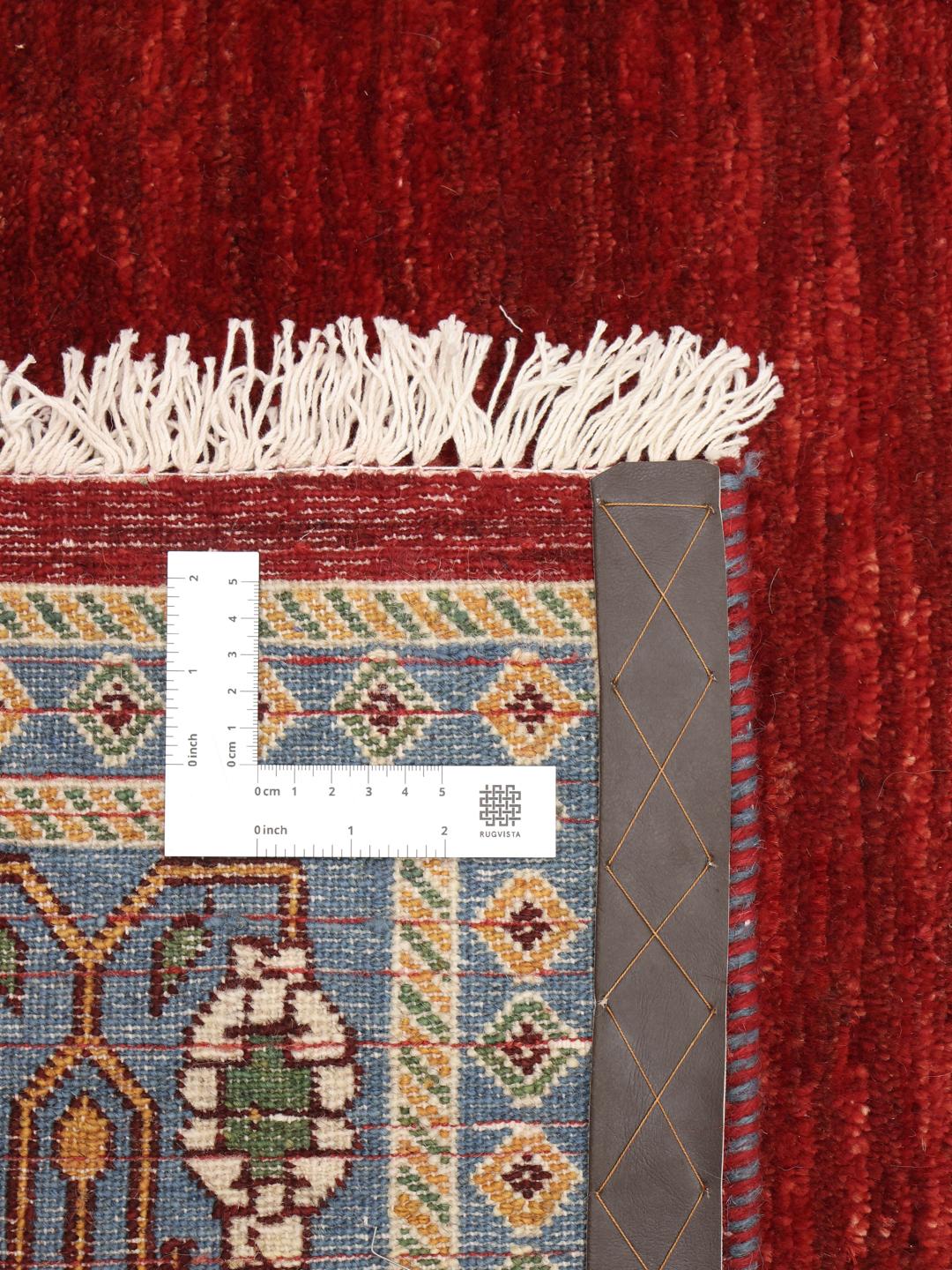
Design-wise, these rugs often feature bold, geometric motifs and rich, saturated colours derived from natural sources. While traditional themes often include stylised interpretations of nature, the Loribaft is known for its ability to blend these classic elements into a cohesive, harmonious field. The presence of such a distinct border and central motif is a hallmark of this tradition, reflecting a long history of design that values balance and symmetry.
Collectors value these rugs for their authenticity and the human story woven into every knot. Owning a piece like this is more than just a decor choice; it is an appreciation of a craft that survives in a modern world by prioritising skill, patience, and tradition. It is a piece that carries the weight of history, offering both beauty and a lasting connection to the resilient spirit of the nomadic people who created the tradition.