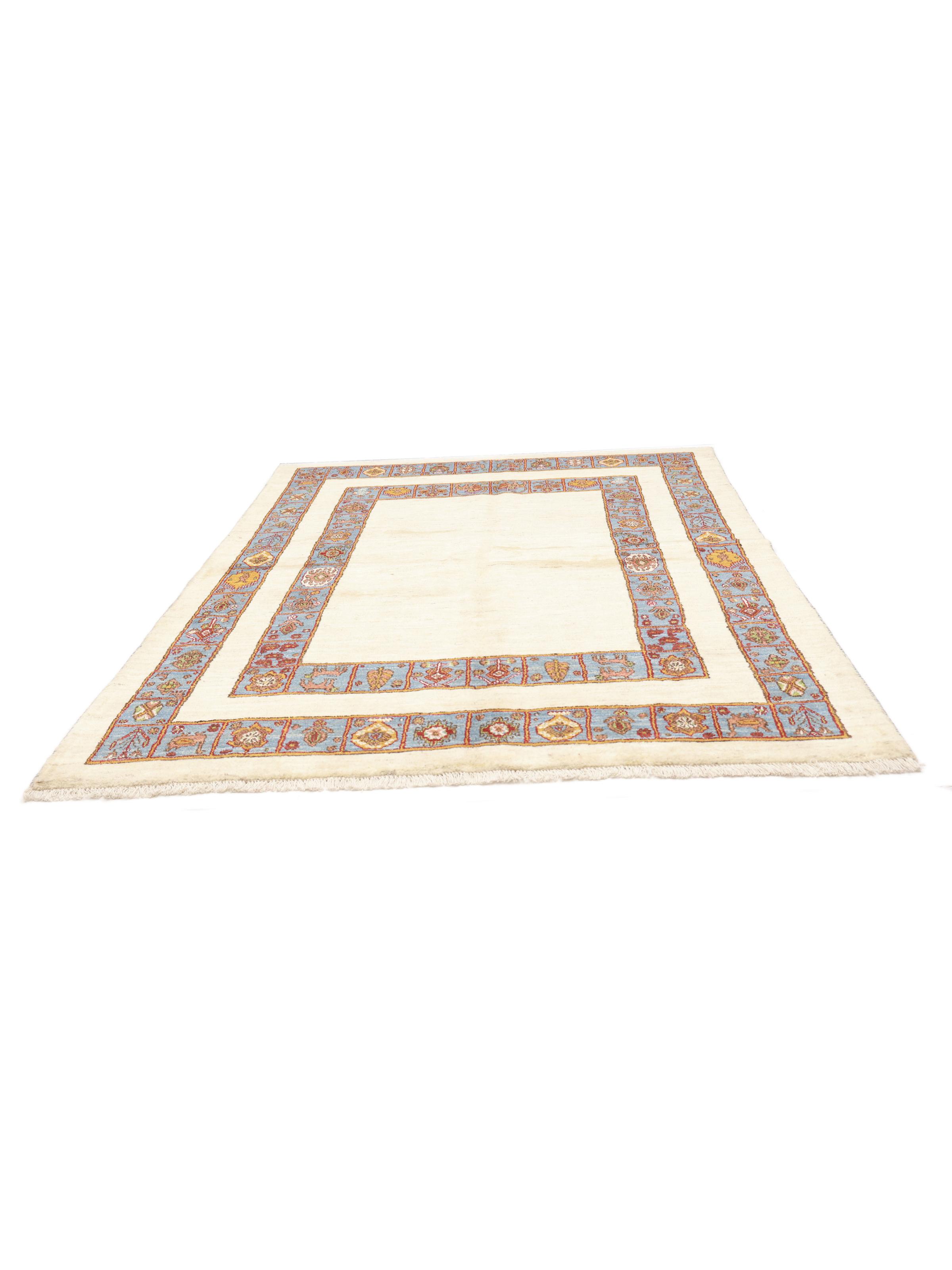
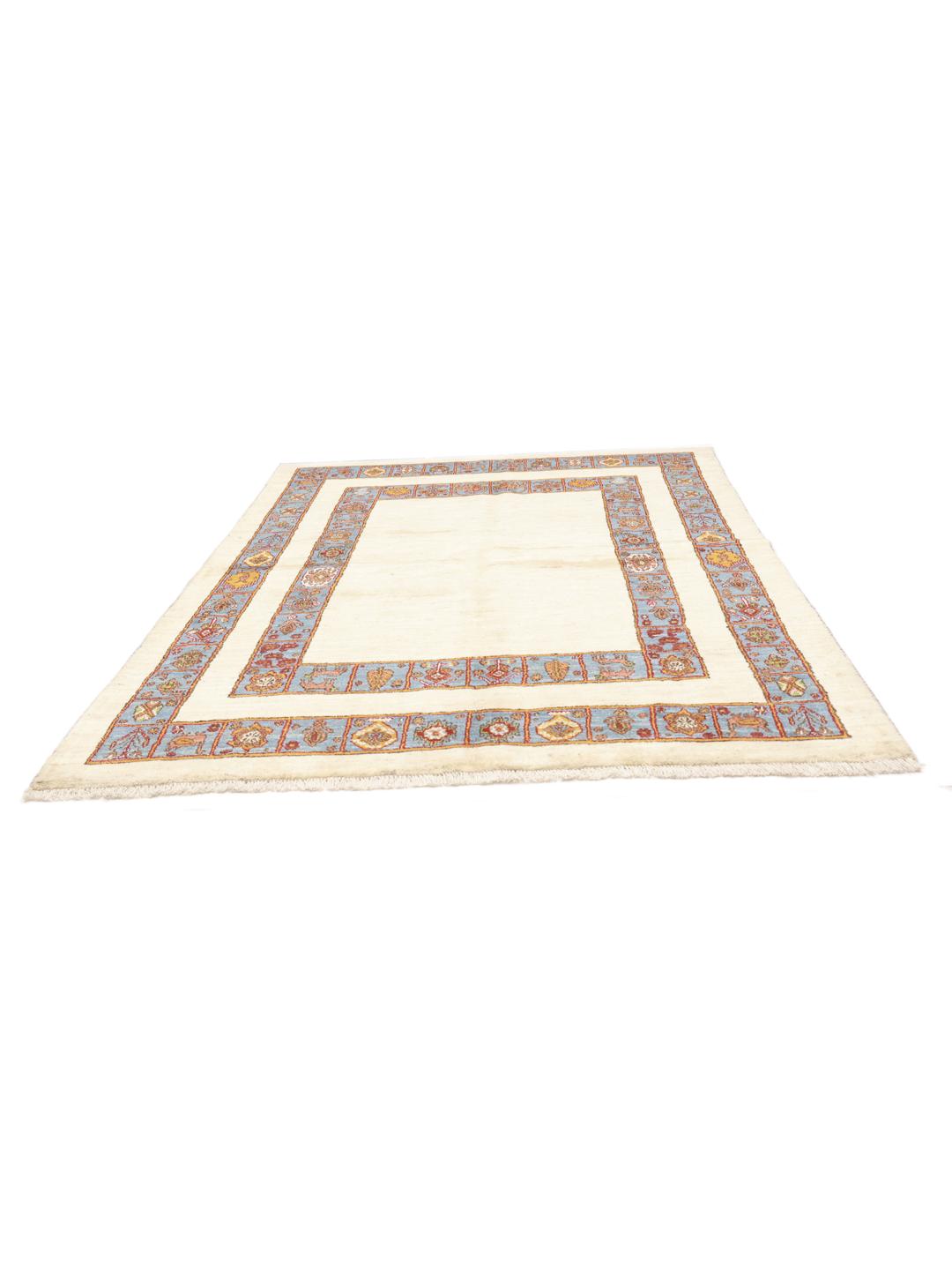
Loribaft rugs are deeply rooted in the nomadic traditions of the Middle Eastern tribal regions. These rugs were historically crafted by the Luri and Qashqai peoples, who developed a distinct style that favours thick, soft wool and expressive, often playful, geometric designs. These creations were originally made for personal use within tents, serving as essential insulation and comfortable flooring in a rugged landscape.
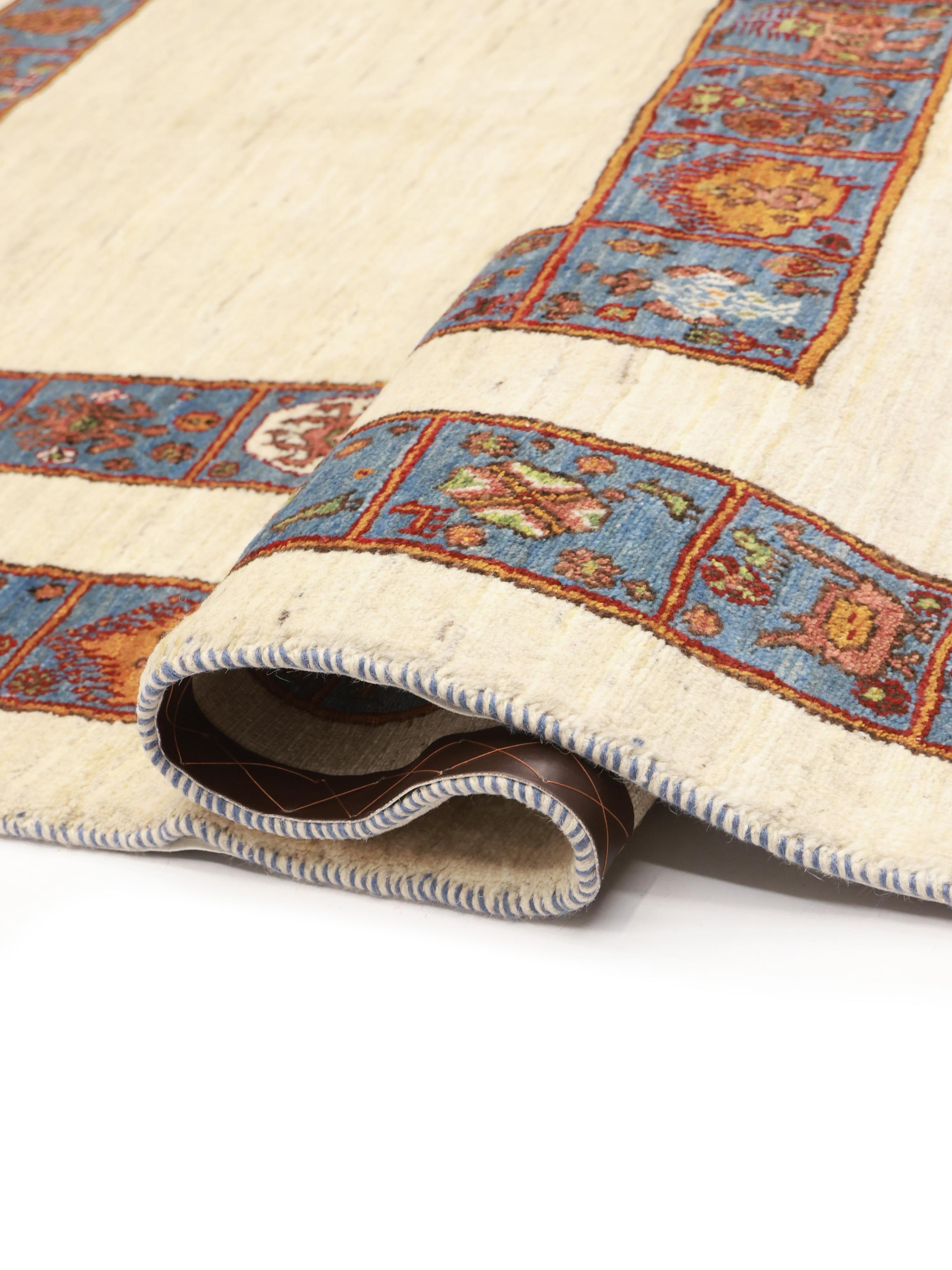
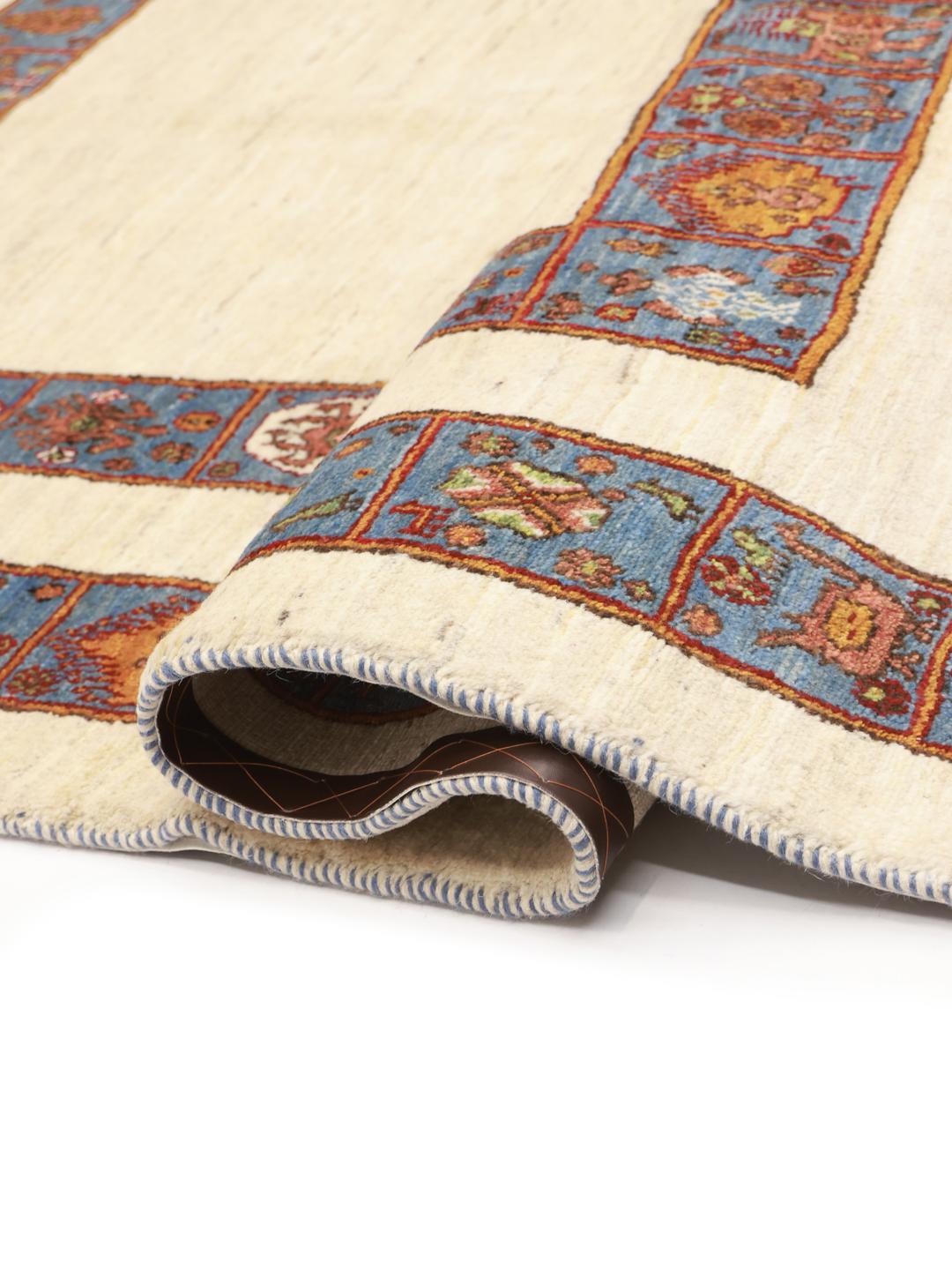
The term 'Baft' refers to the weaving process, and the Loribaft style is particularly noted for its use of high-quality, hand-spun wool. This wool is often left in its natural, rich tones or dyed with traditional pigments, resulting in a depth of colour that ages beautifully over time. The craftsmanship involved in creating these rugs has been passed down through generations, maintaining a link to the ancient nomadic lifestyle that first inspired them.
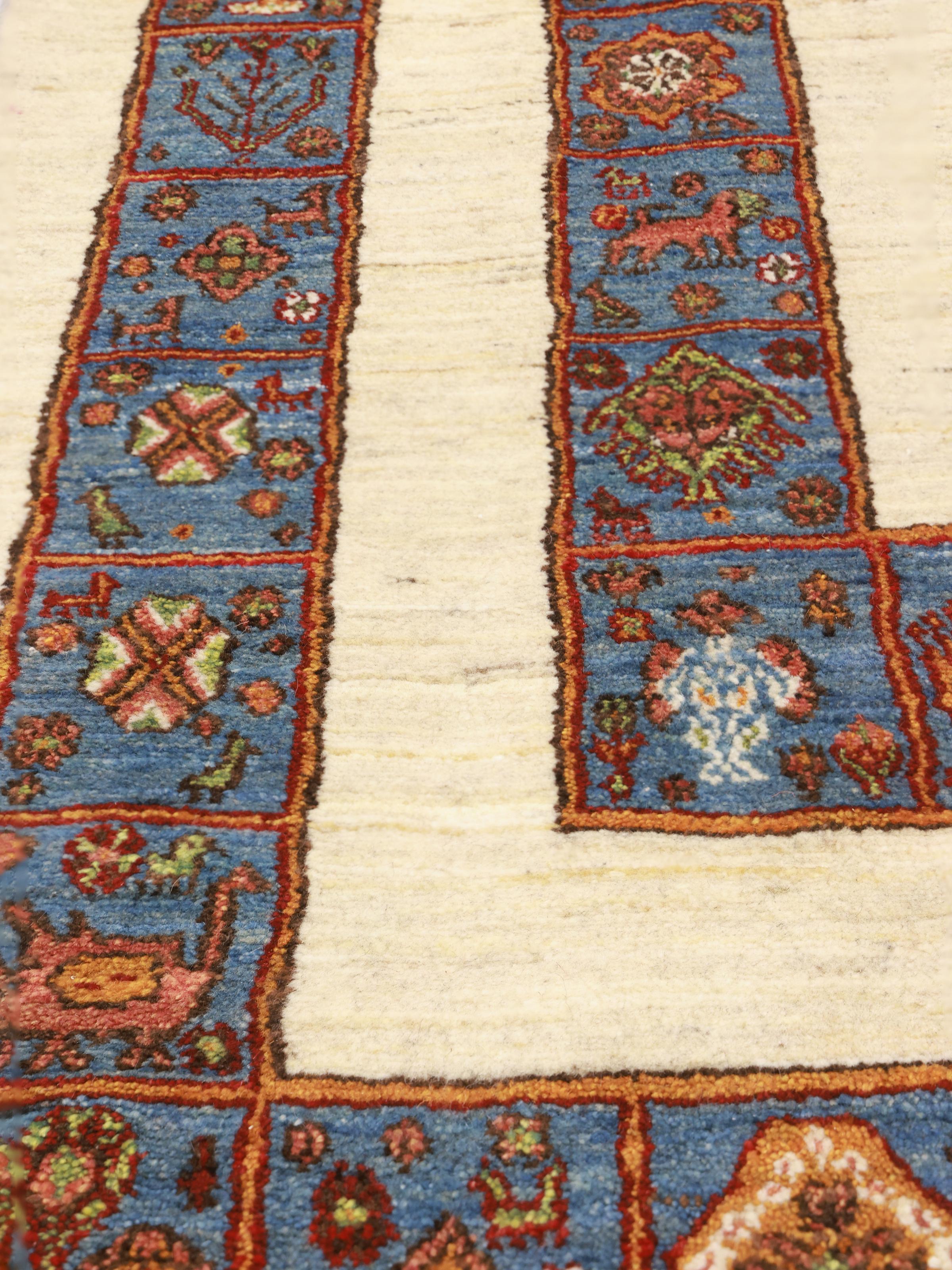
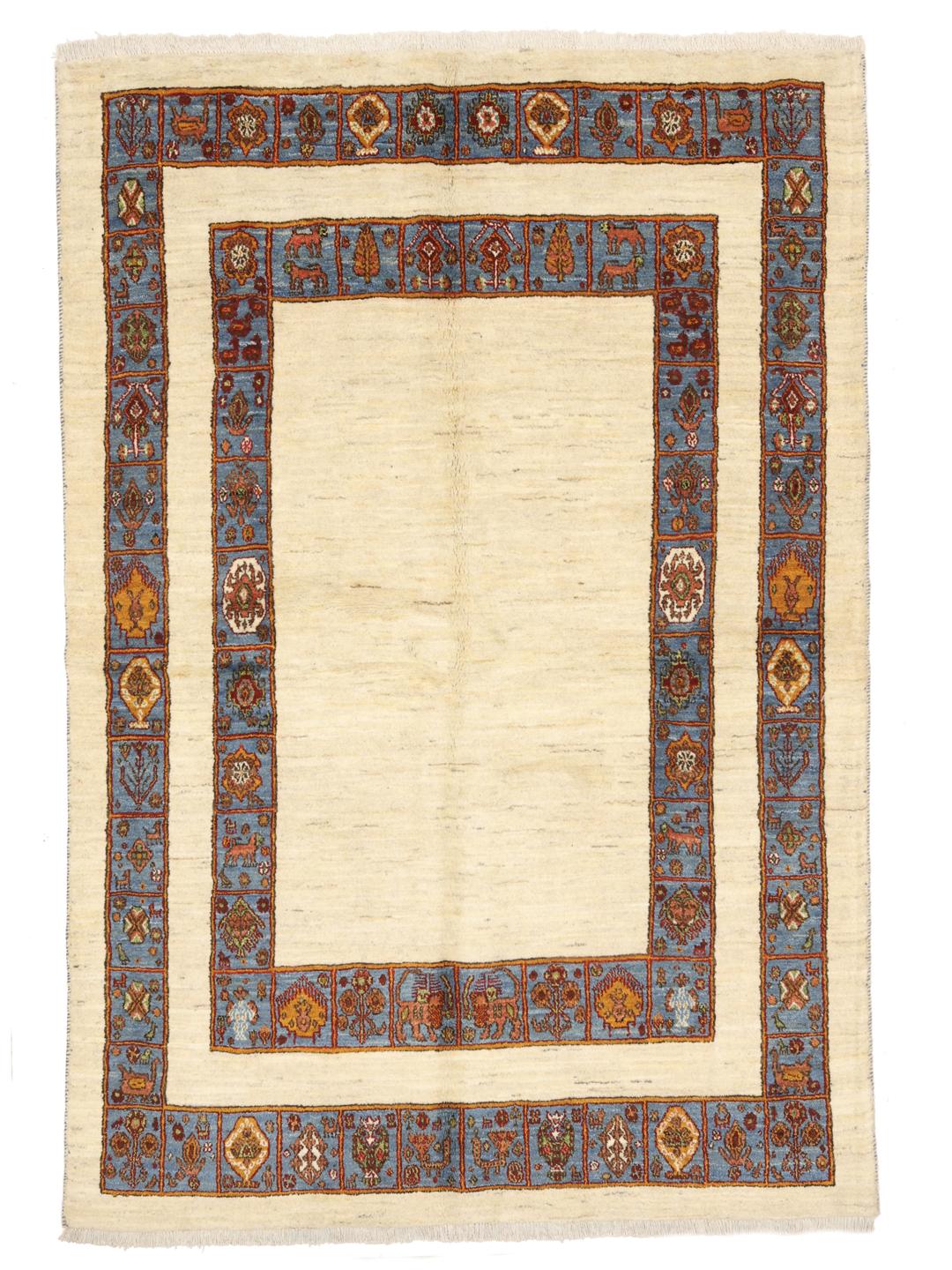
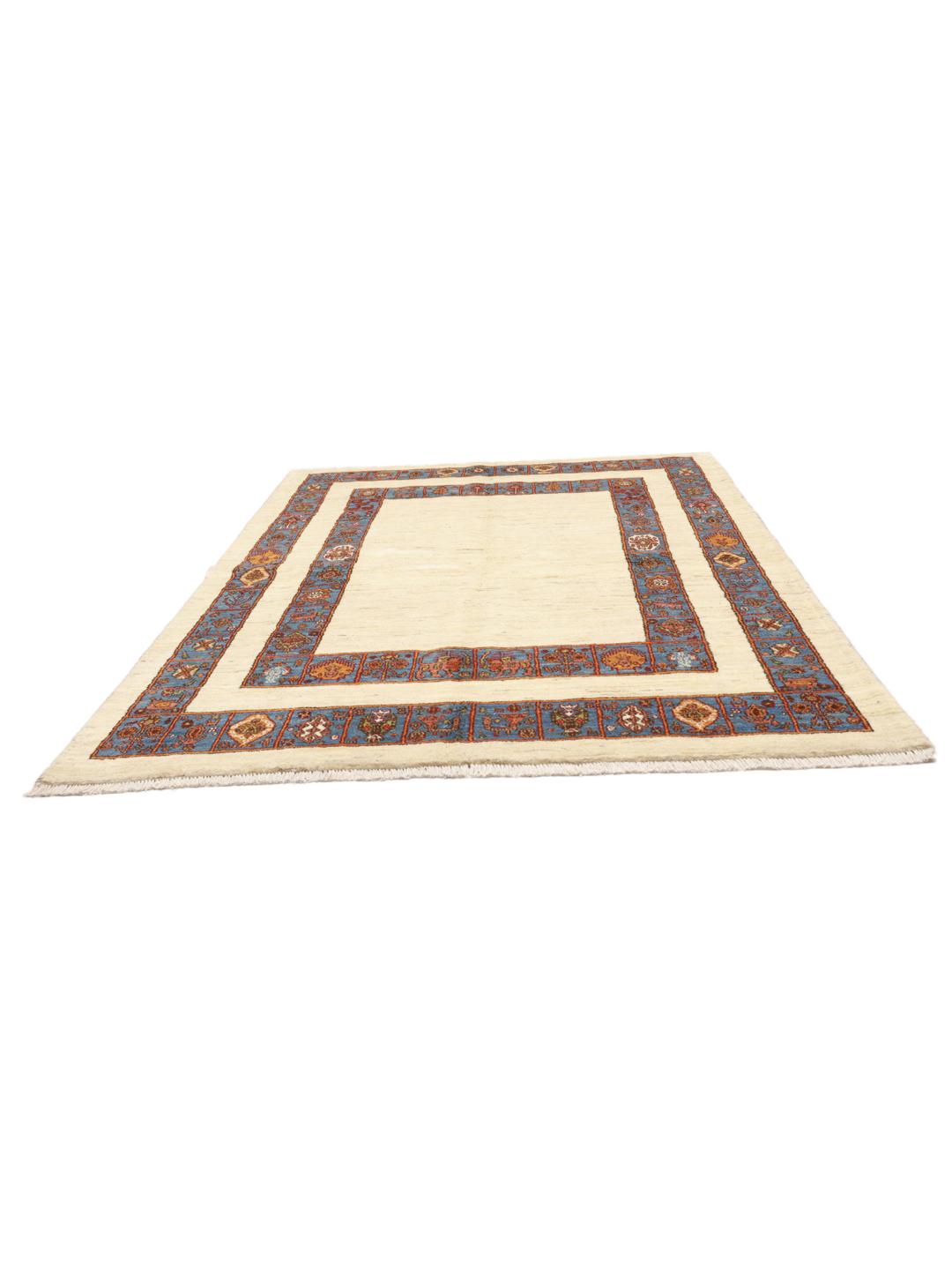
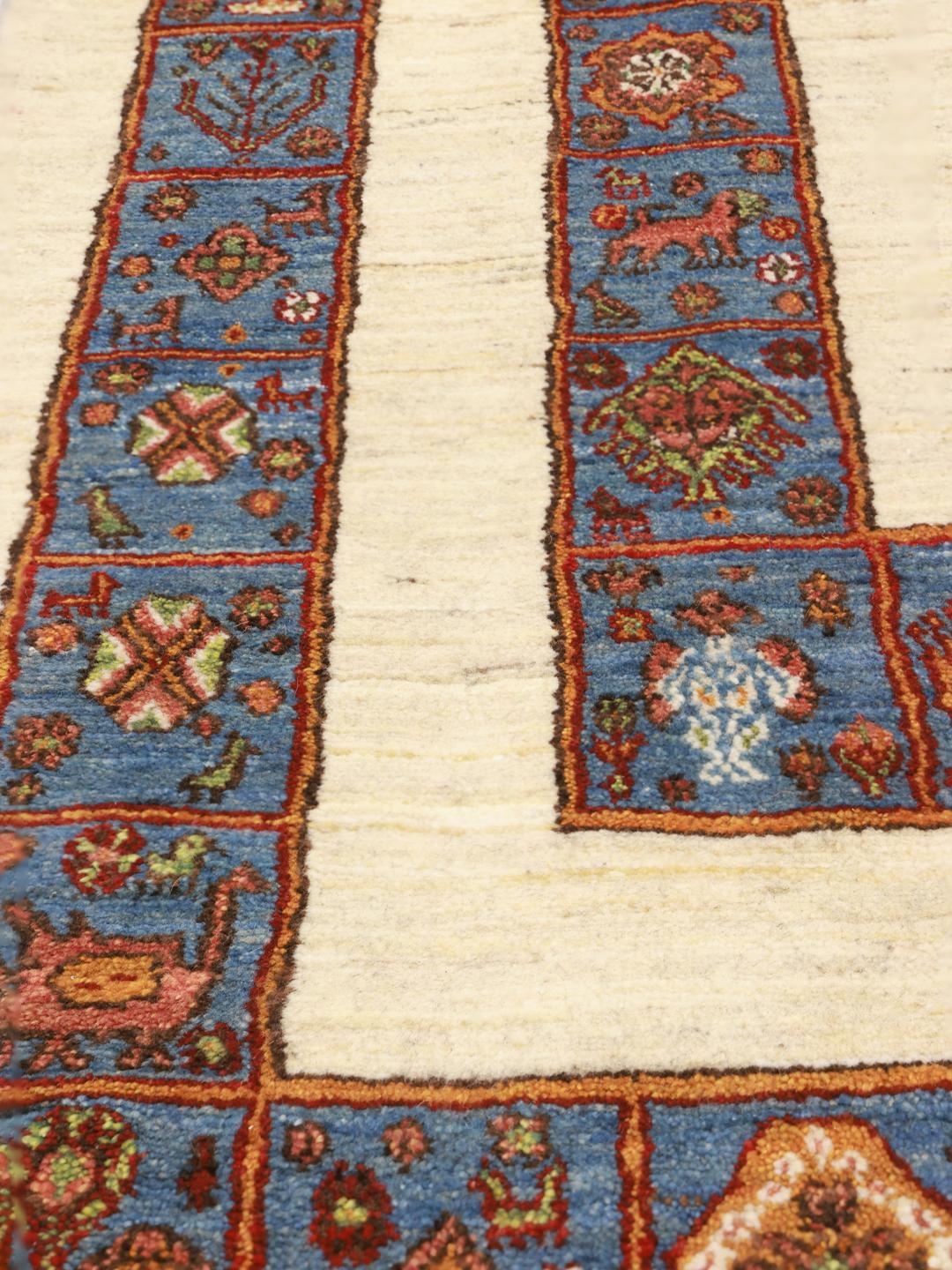
Visually, these rugs are known for their balance between open, unadorned spaces and highly detailed borders. While the field often remains simple to showcase the quality of the wool, the borders are frequently filled with stylised representations of animals, plants, and symbolic geometric shapes. This dual design language reflects the weaver's environment, capturing elements of the natural world in a simplified, artistic form.
Today, these rugs are highly sought after by collectors for their authenticity and the human story woven into every knot. Owning a Loribaft is more than just purchasing a floor covering; it is an appreciation of a craft that celebrates the weaver's individual expression and cultural heritage. They are valued for their durability, their ability to provide comfort, and the way they bring a piece of history into a modern home.