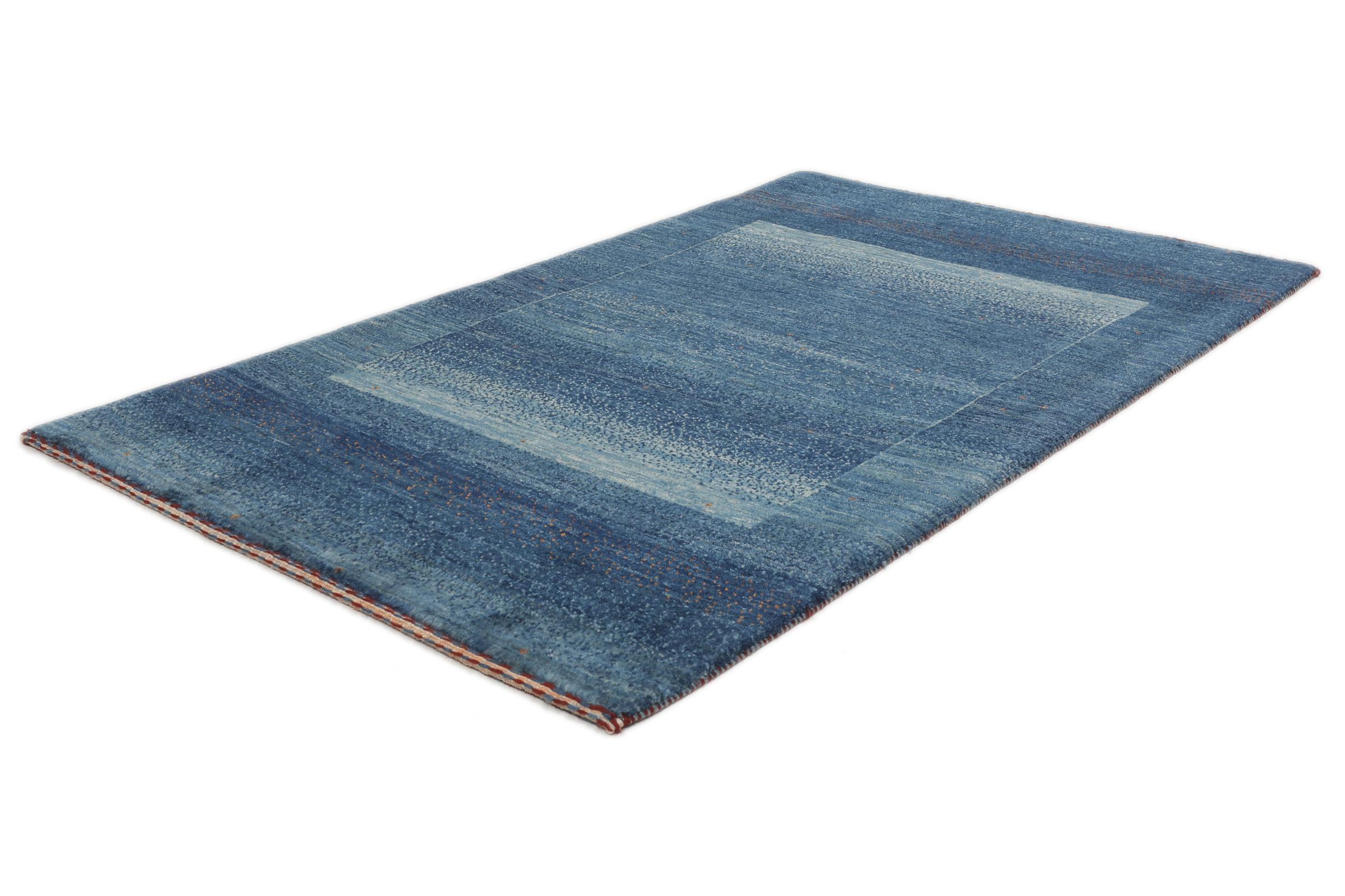
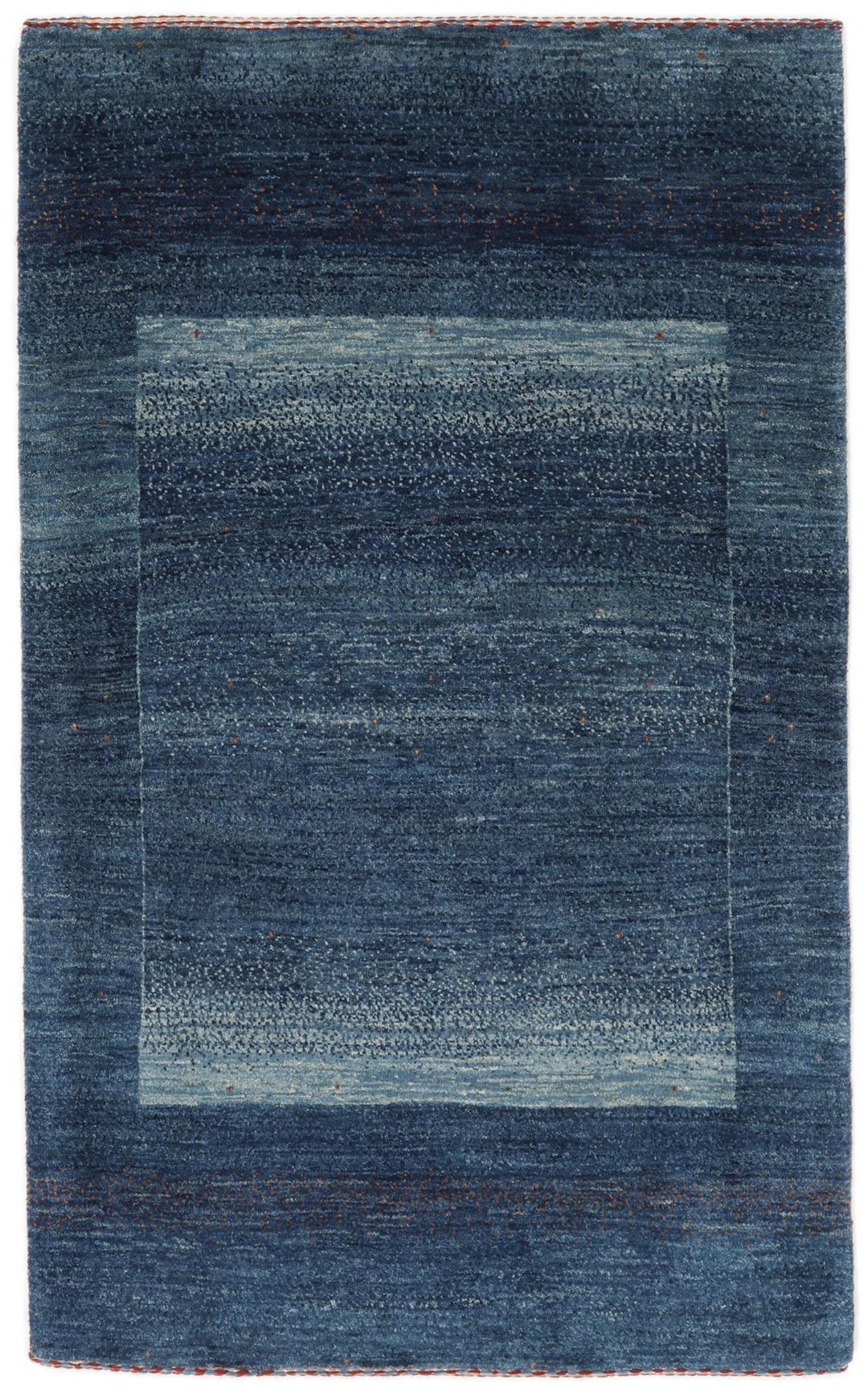
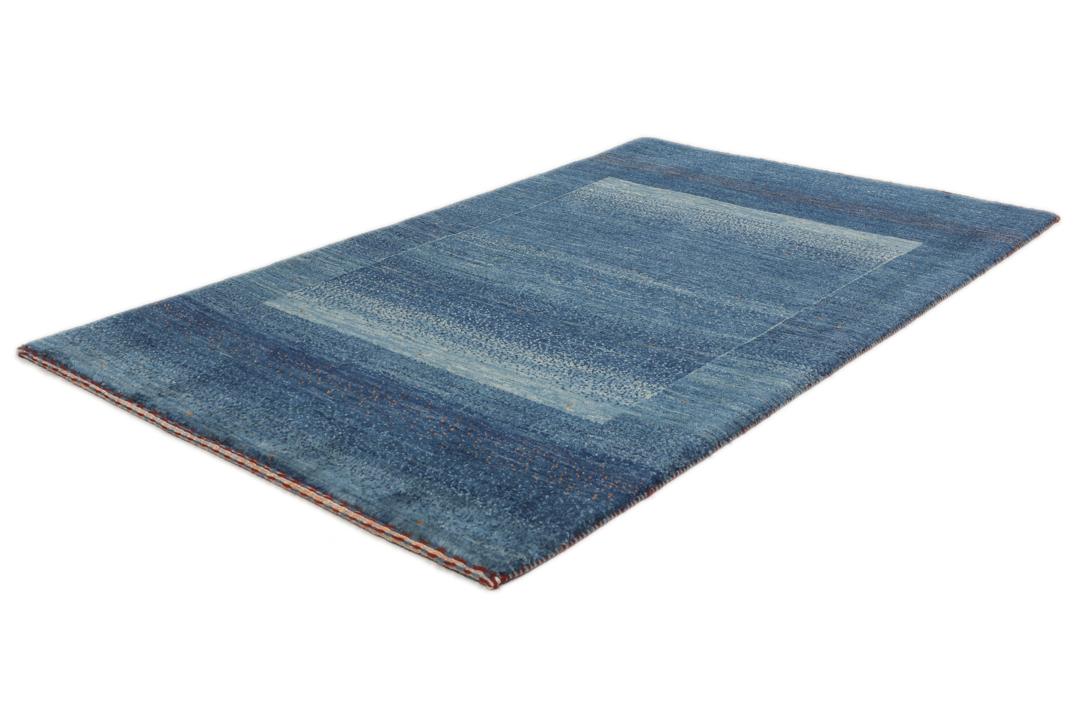
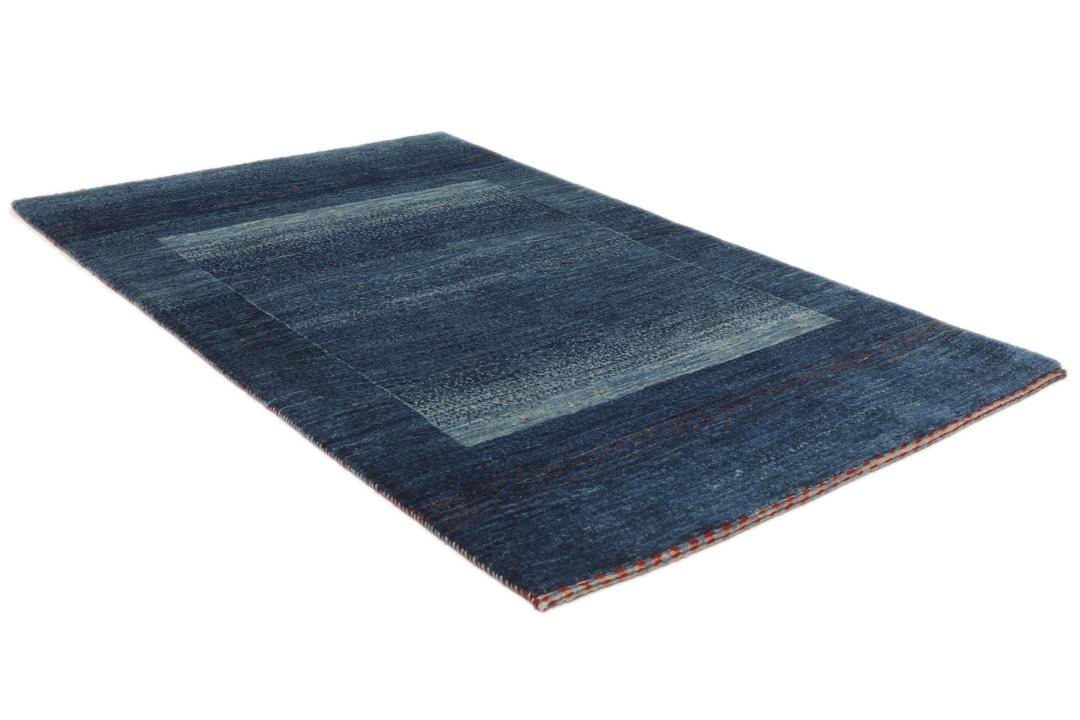
Loribaft rugs are a celebrated evolution of tribal weaving traditions from the Middle East. They are closely related to the wider family of nomadic rugs, traditionally crafted by the Luri people who moved across the mountainous regions. These rugs were historically created for practical use within the home, designed to be durable enough to withstand the rigours of nomadic life while providing warmth and comfort in harsh climates.
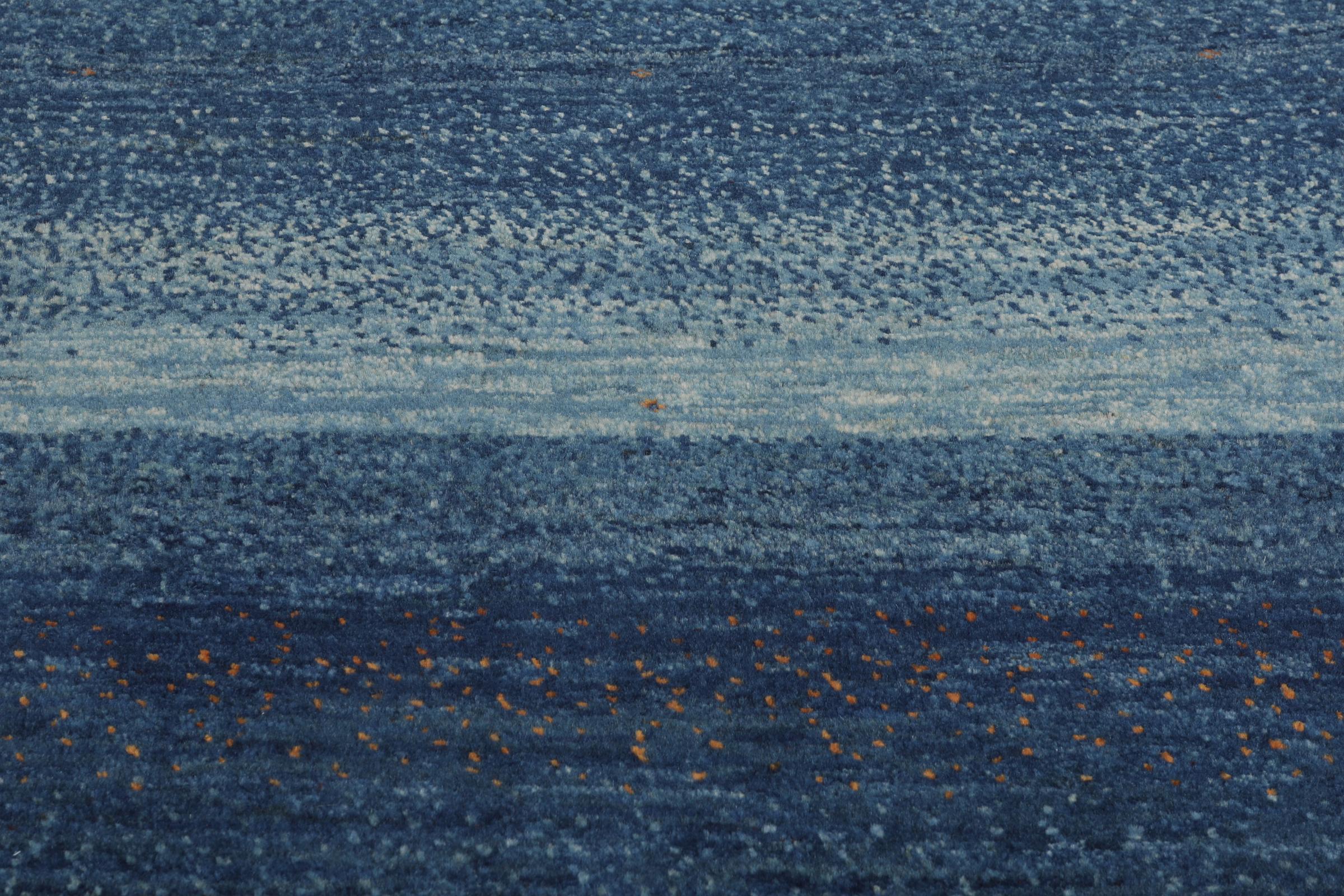
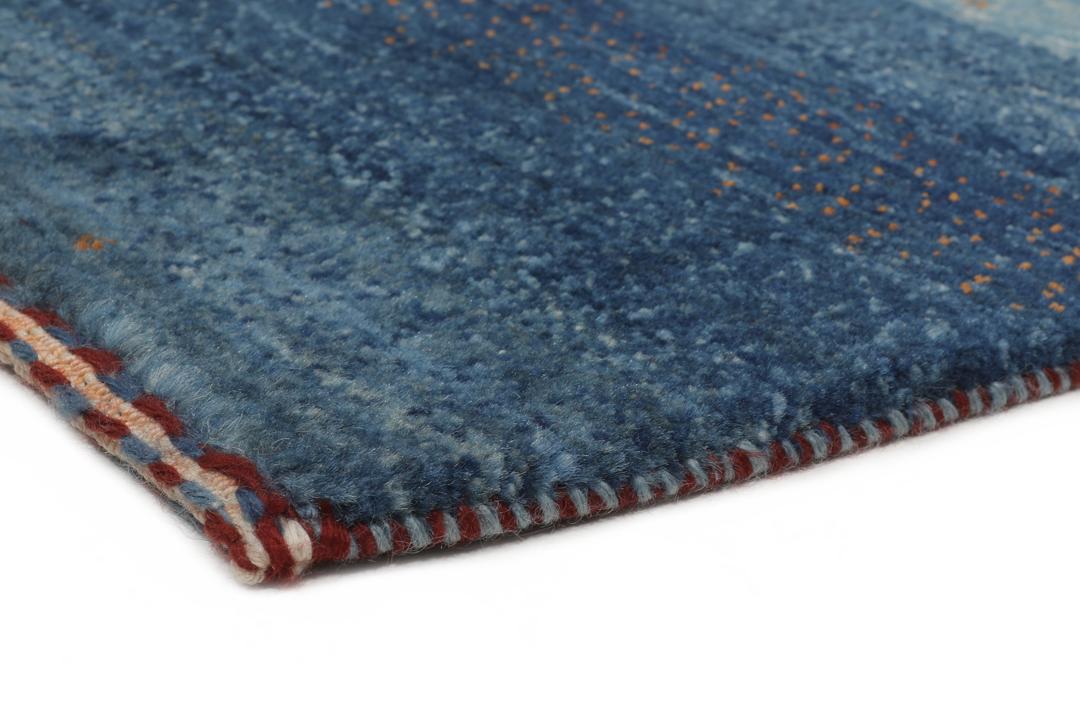
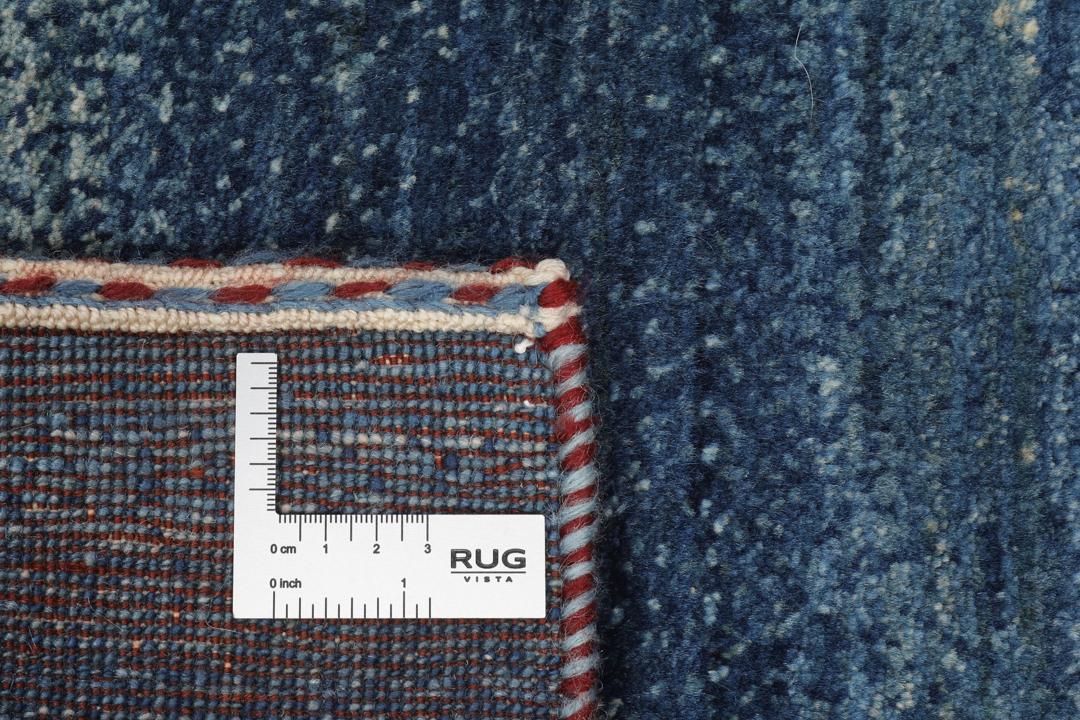
The term 'Fine' in the name refers to the elevated standard of construction, which distinguishes these pieces from more rustic, coarser tribal rugs. While traditional versions were often simpler in their knotting, the 'Fine' designation indicates a more sophisticated technique that allows for a denser, more refined pile. This refinement does not lose the tribal character; instead, it enhances the tactile quality and clarity of the design, making the rug both a functional floor covering and a piece of fine decor.
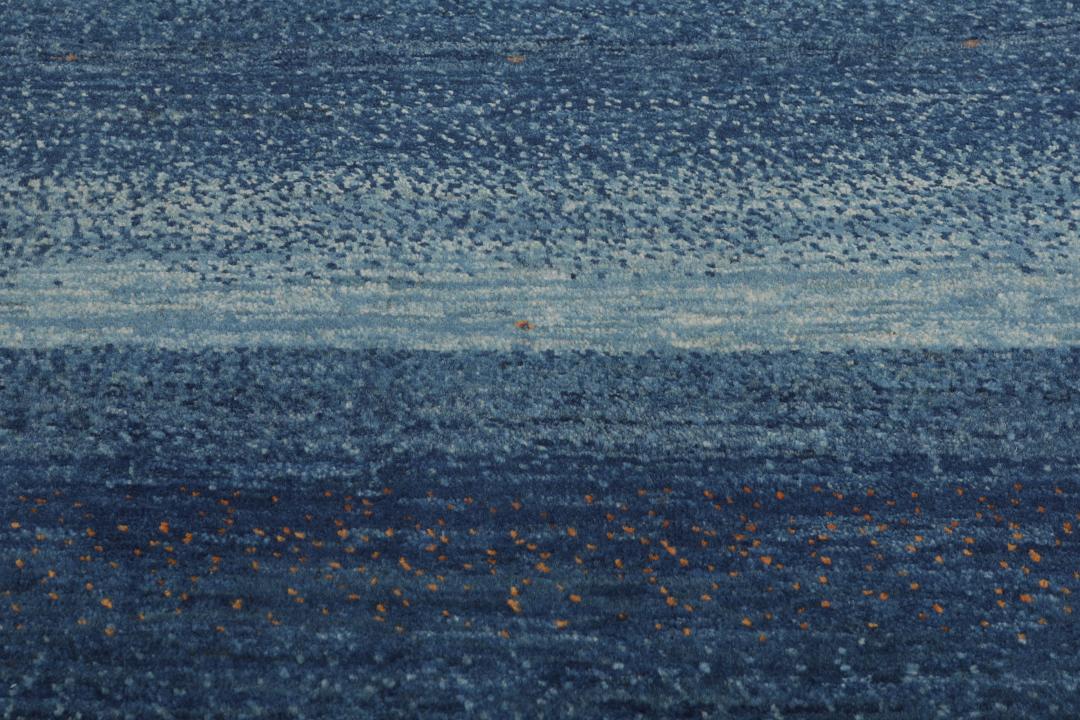
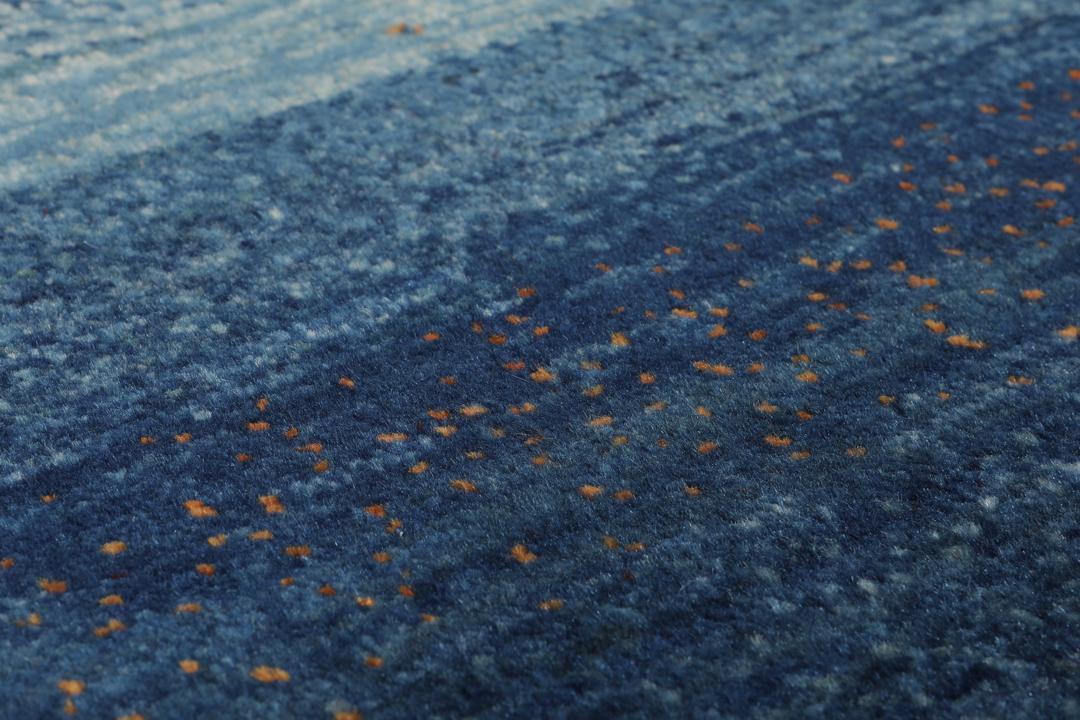
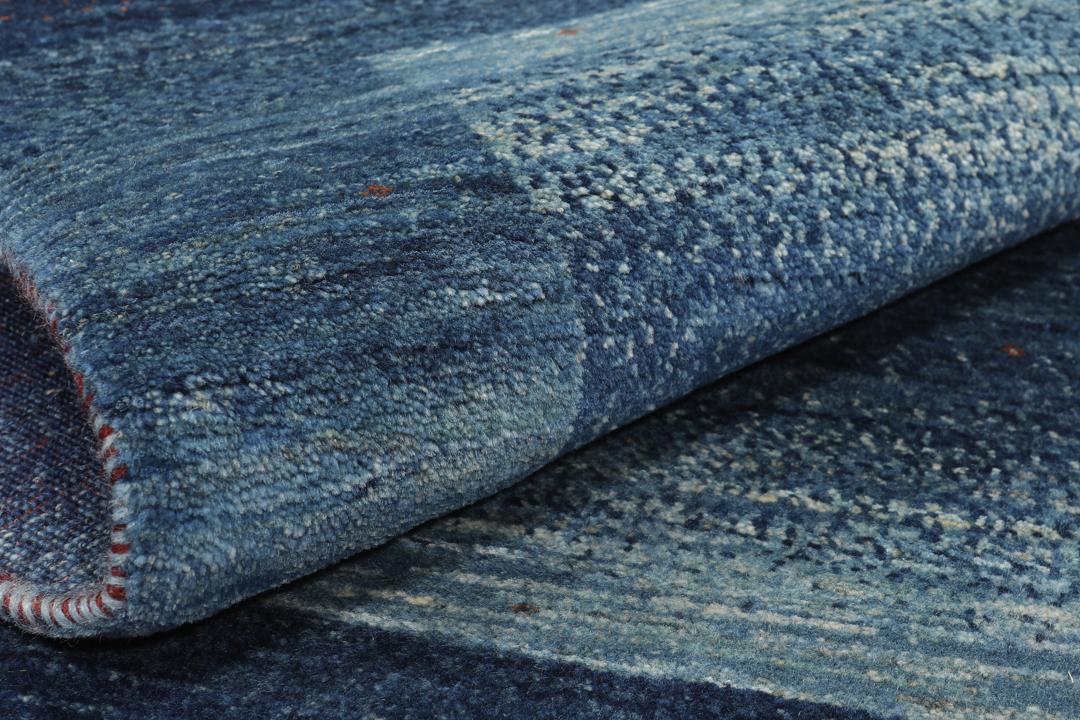
Design-wise, these rugs are known for their minimalist yet evocative aesthetic. They often feature open, expansive fields of colour, sometimes with subtle abrash—a term for the natural colour variations that occur when different batches of hand-spun wool are used. This creates a beautiful, painterly effect across the surface, giving the rug a sense of movement and depth that solid-dyed, machine-made rugs lack.
Owning a Loribaft Fine rug is an investment in cultural heritage and human skill. These pieces are highly valued by collectors because they represent a living bridge between ancient weaving techniques and contemporary interior needs. They are symbols of a slow, deliberate lifestyle, where each rug is a reflection of the artisan's vision and the enduring quality of the materials used.