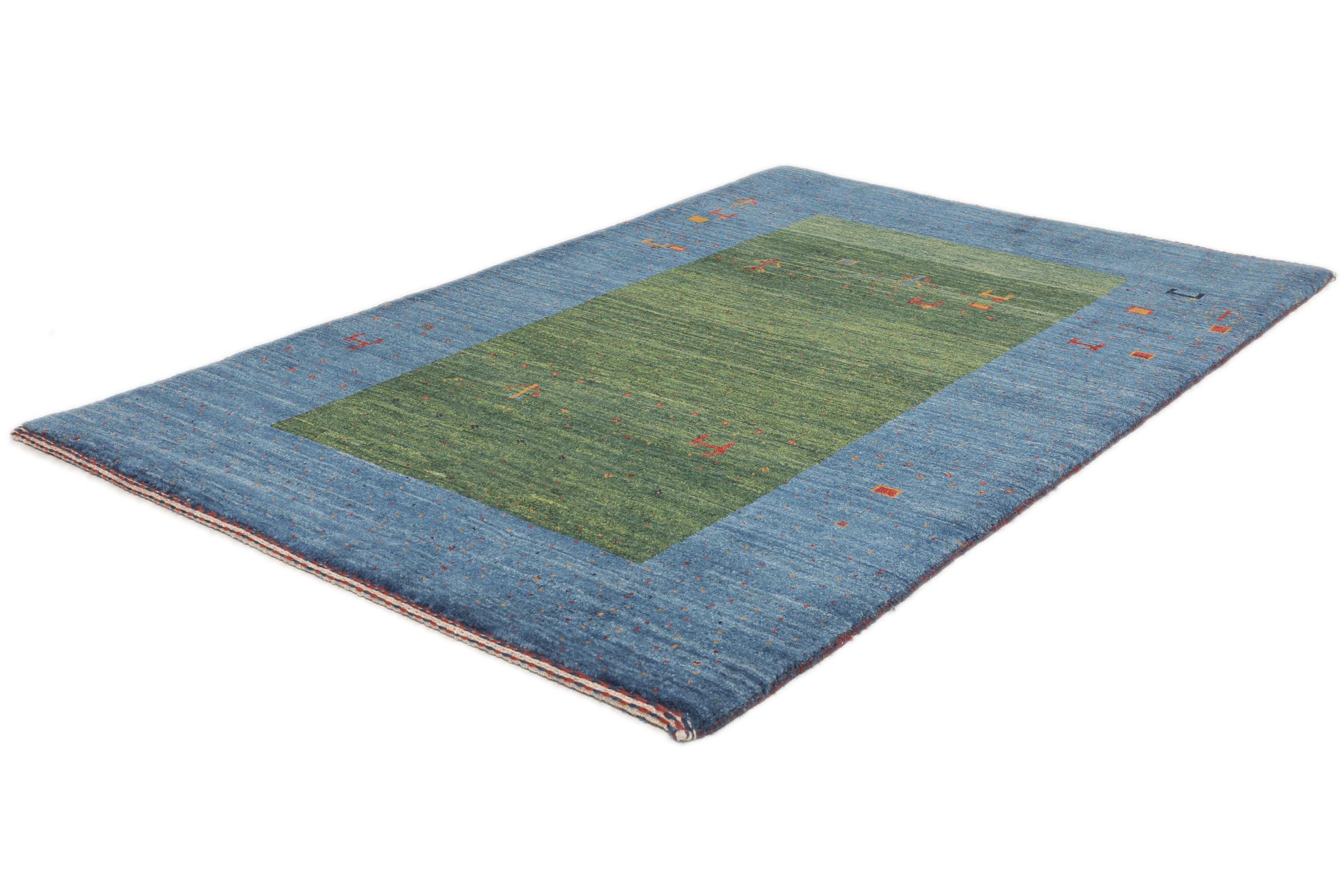
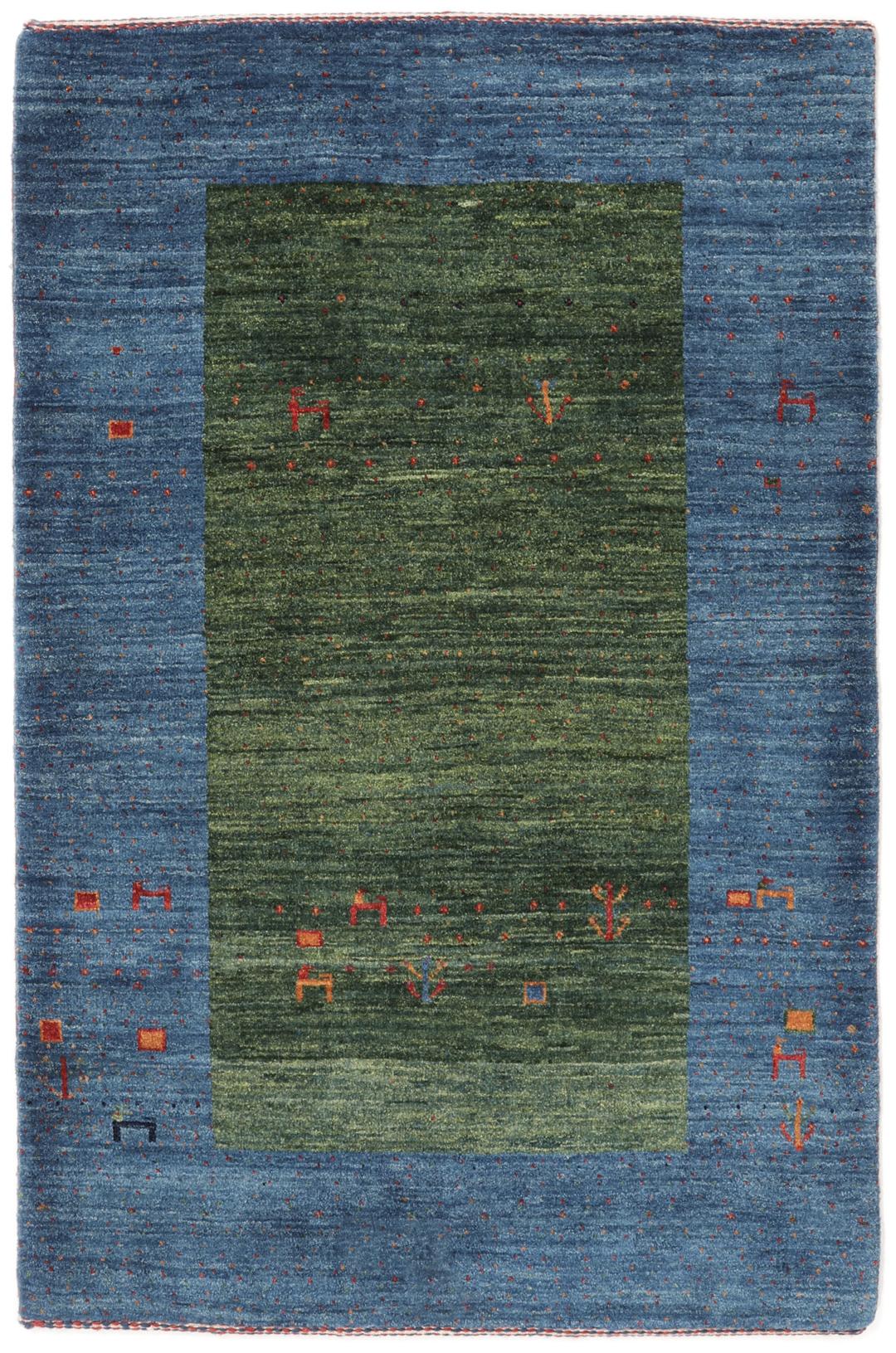
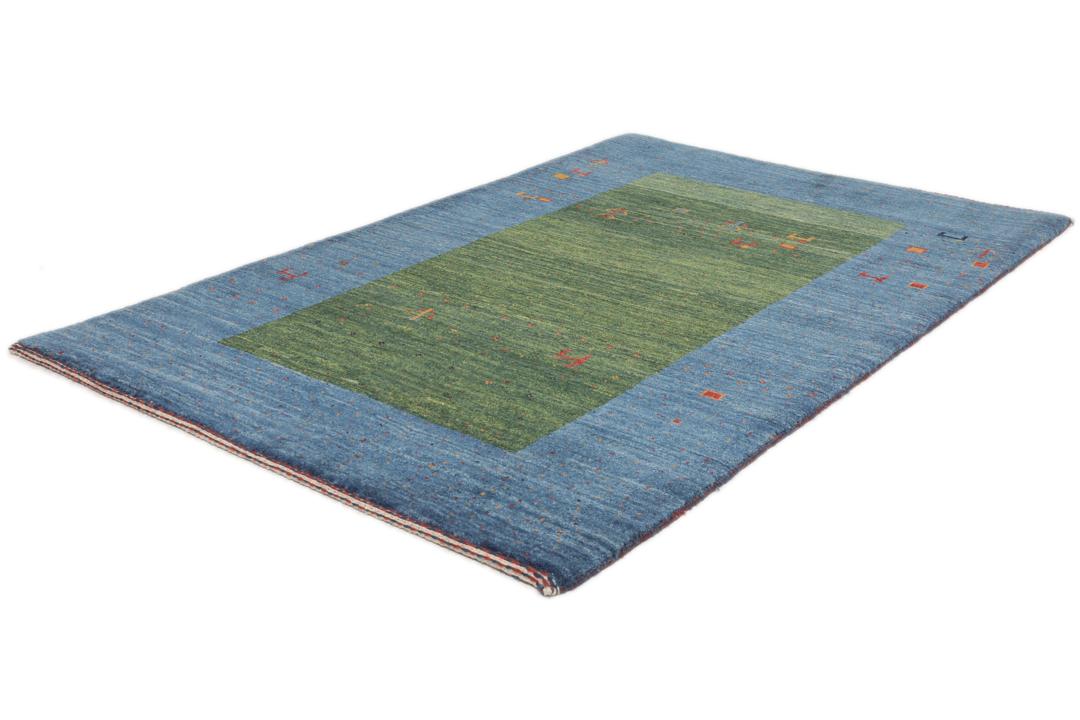
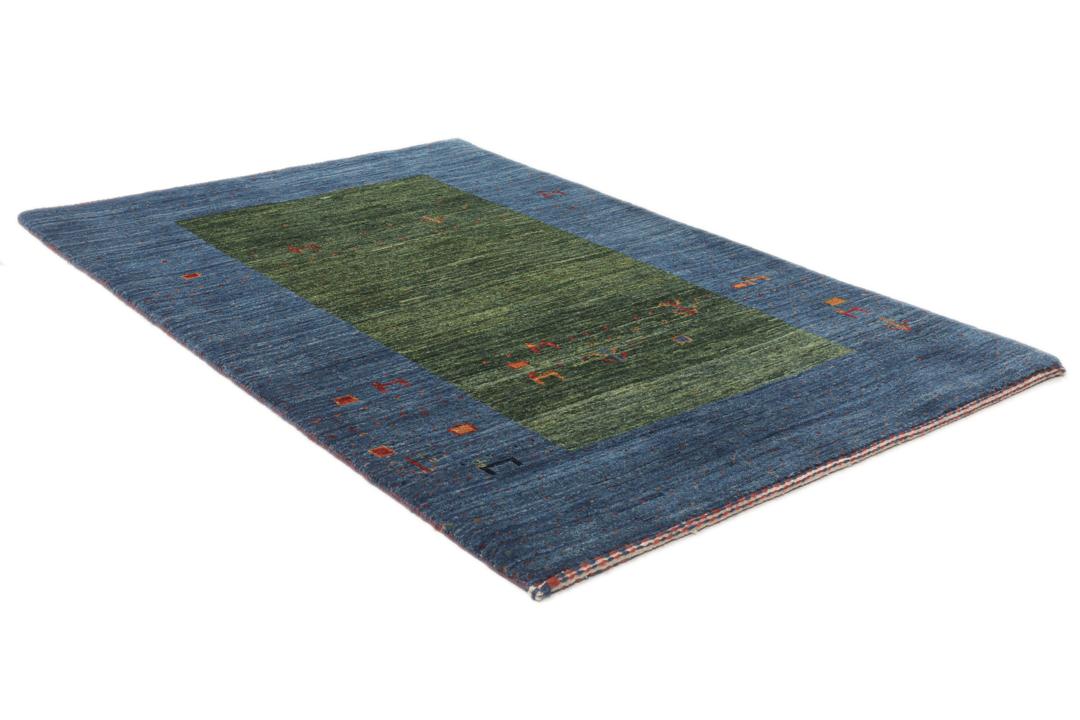
Loribaft rugs are a celebrated tradition originating from the nomadic tribes of the Middle East, particularly the Luri people. These rugs were historically created by nomadic weavers for their own use, serving as vital insulation in tents and as decorative elements during community gatherings. Over time, these rugs have gained international recognition for their thick, luxurious pile and their bold, expressive designs.
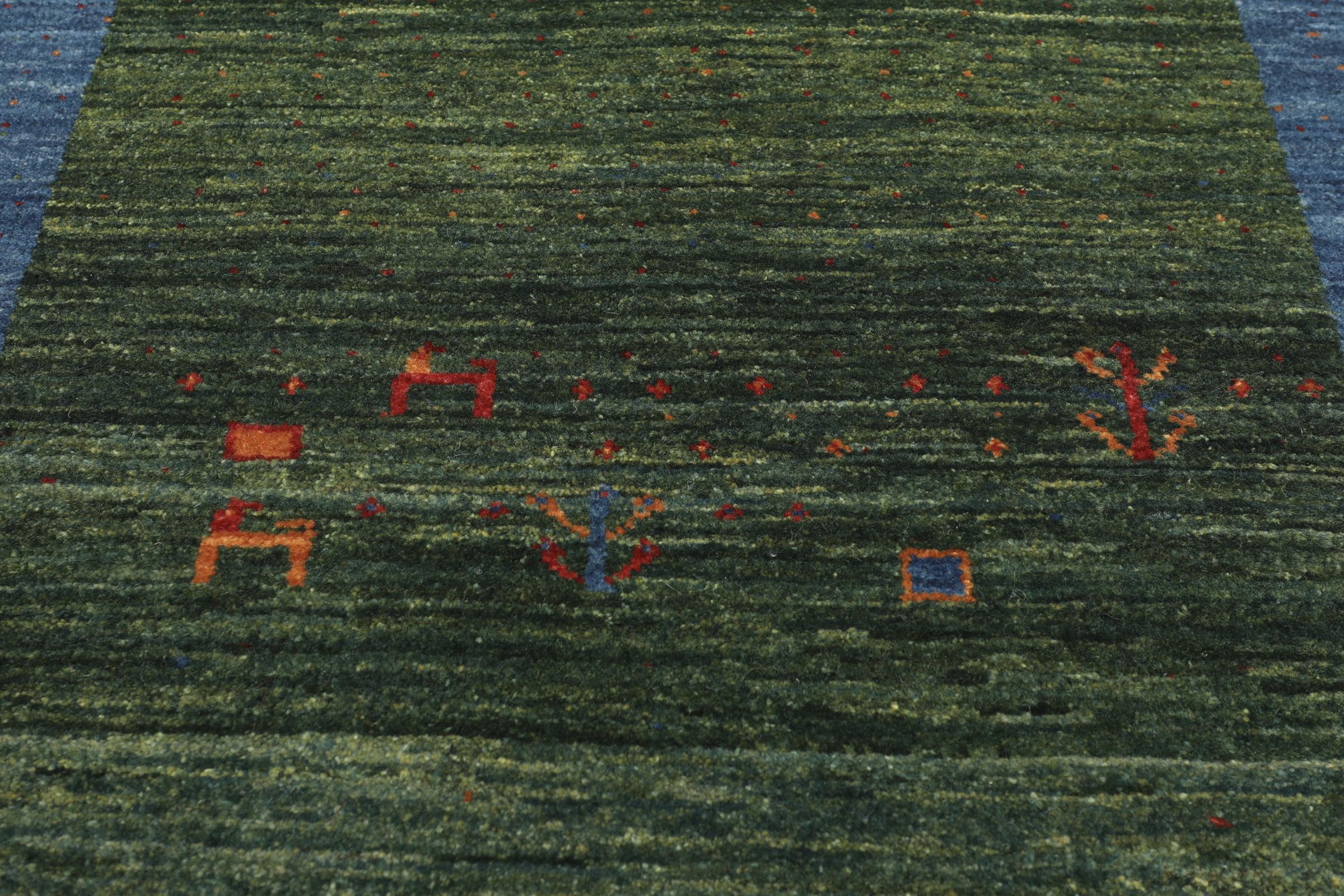
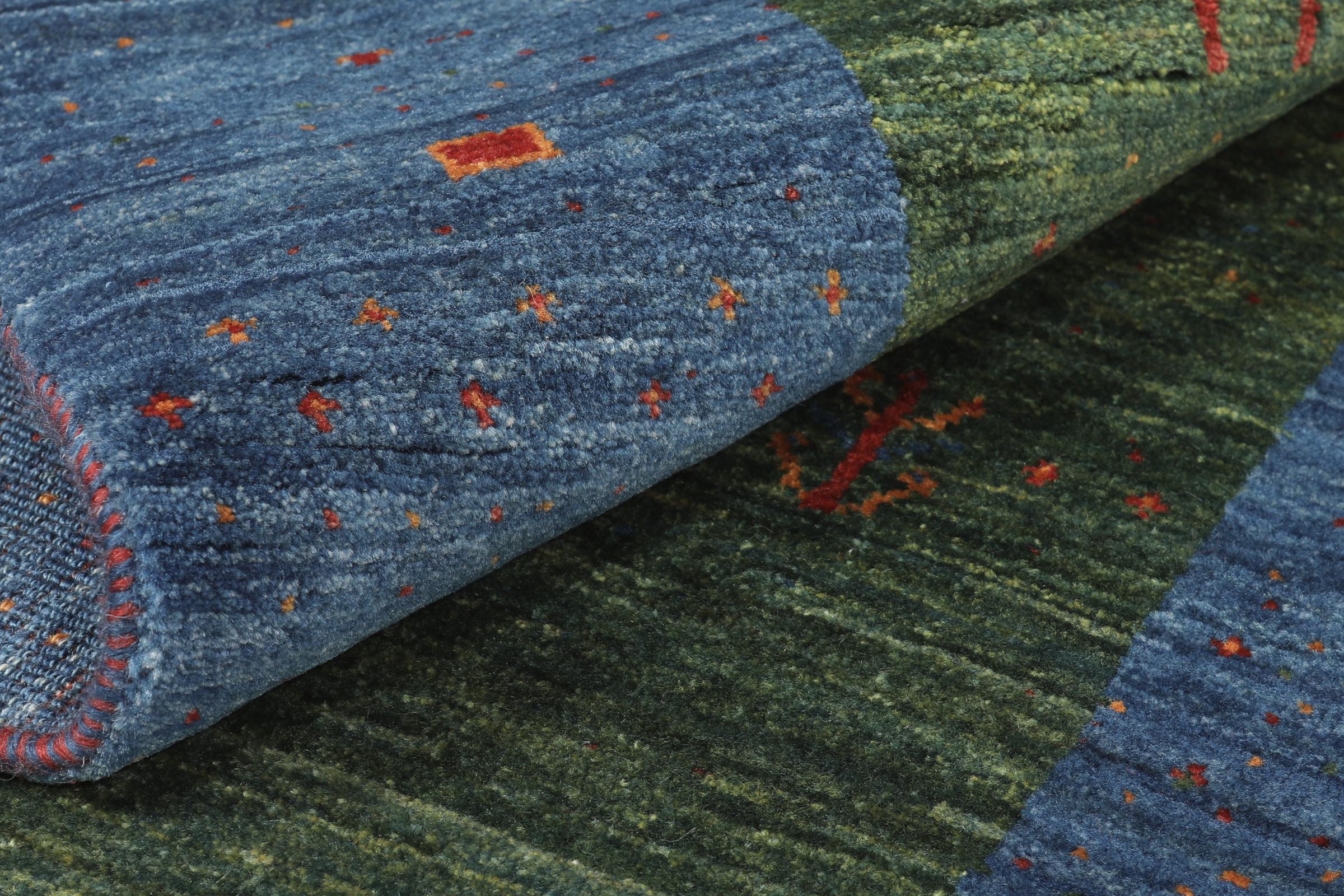
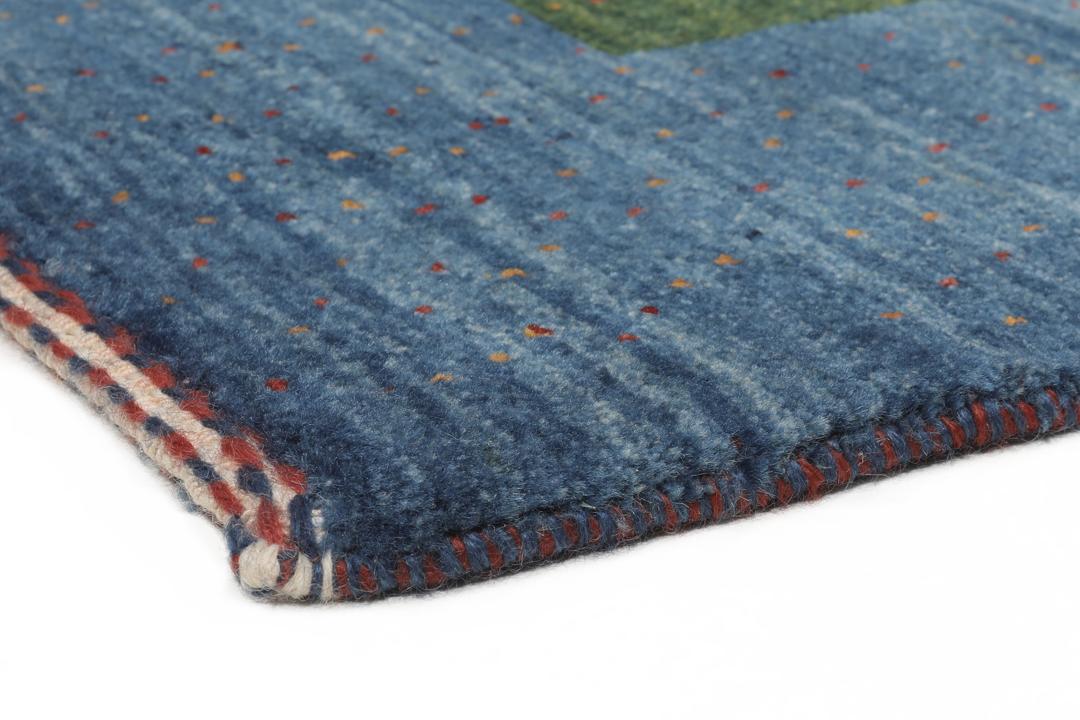
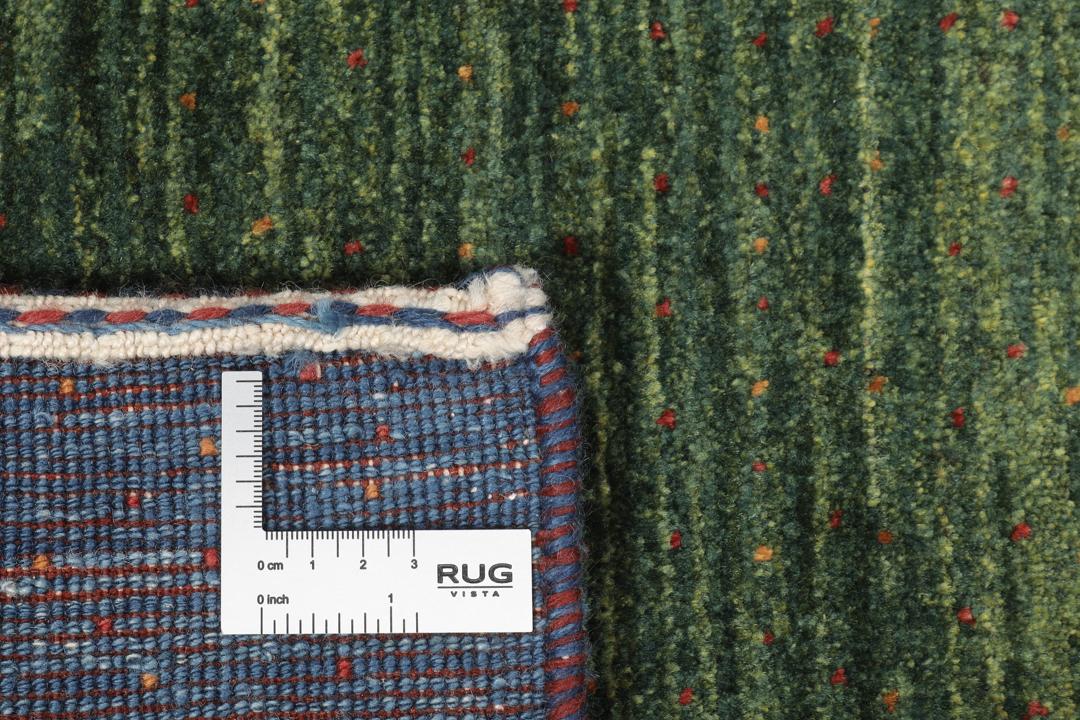
The term 'Loribaft' refers to a specific style of weaving that emphasises a softer, more pliable foundation compared to traditional, tighter tribal rugs. This technique allows for a deeper pile that feels exceptionally plush. The 'Fine' designation indicates a more refined approach to this traditional craft, where the weavers apply greater care to the symmetry and placement of motifs, resulting in a cleaner and more polished aesthetic.
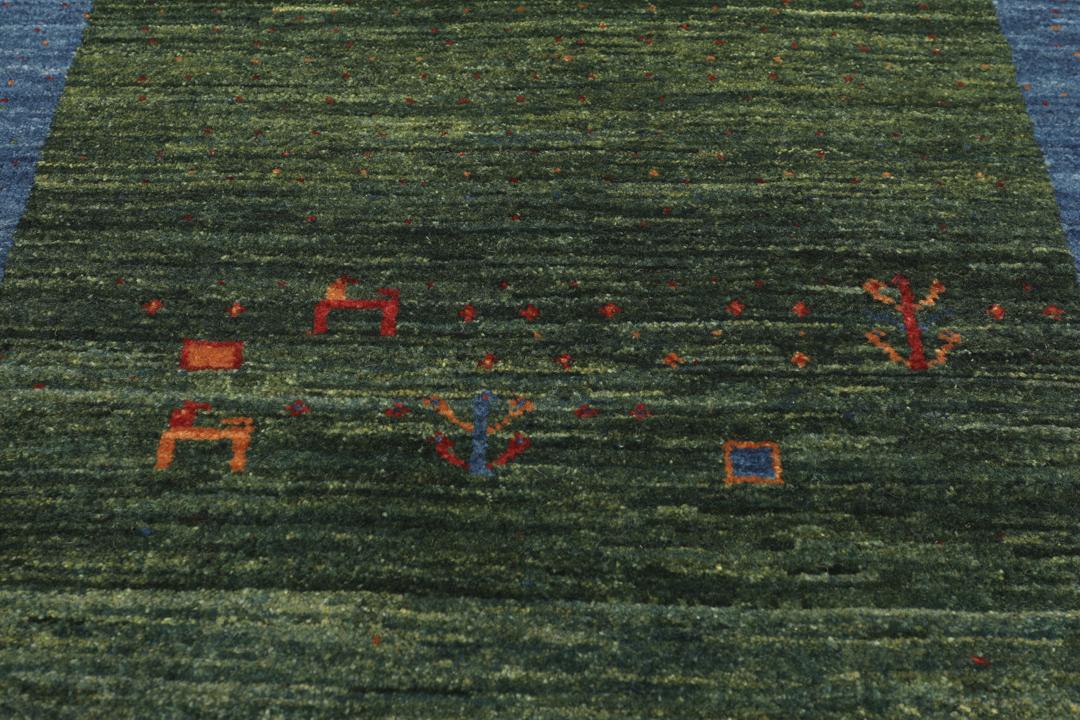
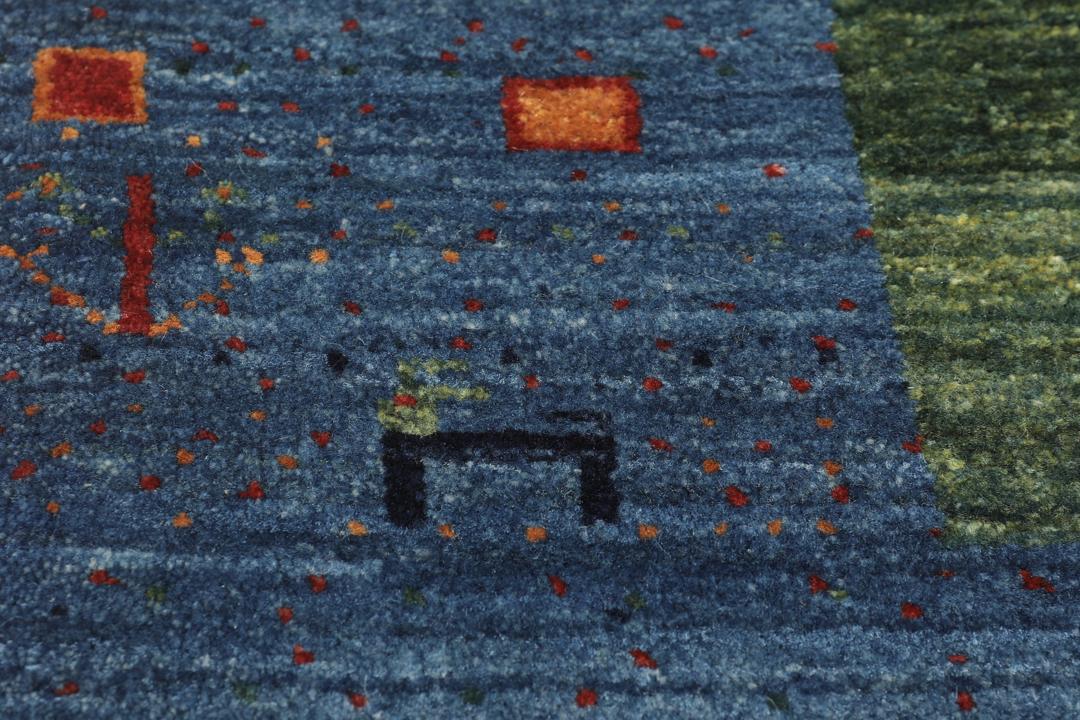
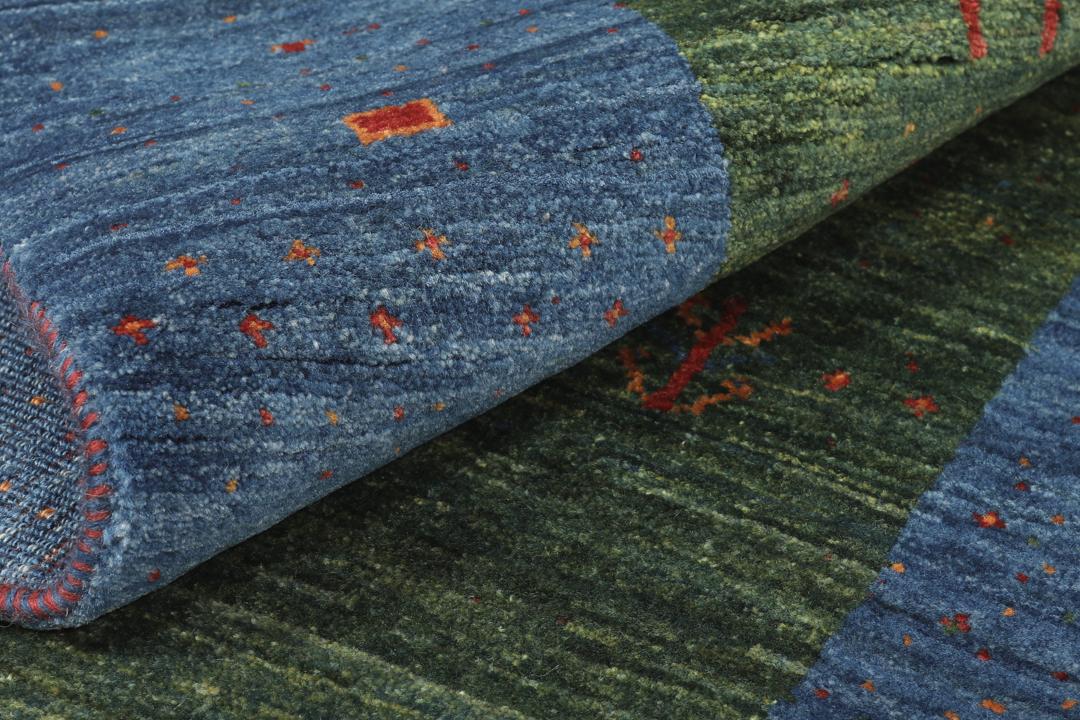
Signature design elements of these rugs often include a focus on negative space, allowing the saturated colours to take centre stage. The motifs are typically inspired by the environment and cultural stories of the weavers, often featuring small, stylized animals or geometric symbols that hold specific meanings within the tribal community. The use of vibrant, contrasting colours like the blue and green seen here is a hallmark of the style, reflecting a deep connection to the natural landscape.
Collecting a Loribaft rug is an investment in cultural heritage and the preservation of ancient weaving skills. Because these pieces are created without the use of pre-drawn patterns, each weaver expresses their own creativity and interpretation of tradition. This makes owning a Loribaft rug a way to connect with a history of nomadic art, where every knot serves as a link to a craft that has survived for centuries.